
Introduction
My kitchen smelled like something had died in the drain for three weeks before I figured out the garbage disposal was the problem. I had cleaned it twice with the foaming tablets from the grocery store and the smell came back within four days both times. What I did not know then is that the smell lives in places those tablets never reach, specifically the rubber splash guard underside and the grinding chamber walls above the water line. These fifteen hacks address every surface where odor actually originates, not just the parts that are easy to reach. If you want a broader kitchen cleaning system that tackles every surface beyond the disposal, these Baking Soda Cleaning Hacks That Save Money and Scrub Smarter work perfectly alongside this list.
The Rubber Splash Guard Is Where Most Odor Lives
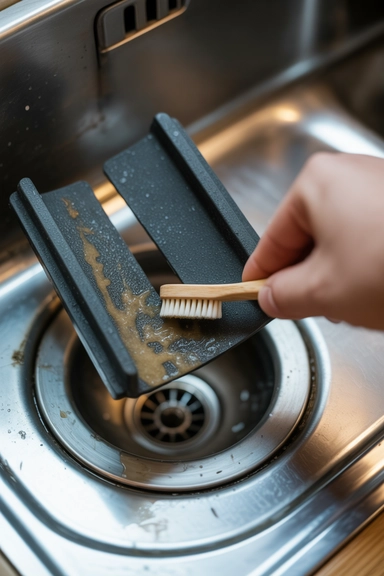
Ask most people where garbage disposal smell comes from and they point at the drain opening. The actual source in most cases is the underside of the rubber splash guard sitting right at the top of the disposal opening.
The splash guard folds back every time something goes into the disposal and collects food particles, grease, and bacteria on its underside where no water ever reaches during normal use. That accumulated layer of organic material is what produces the sour rotting smell most people associate with a dirty disposal.
Fold the rubber flaps back with your fingers or a small brush and scrub the underside with an old toothbrush dipped in dish soap. The amount of debris that comes off a splash guard that has never been cleaned this way is genuinely alarming the first time.
Ice Cubes and Salt Scrub the Grinding Chamber Clean
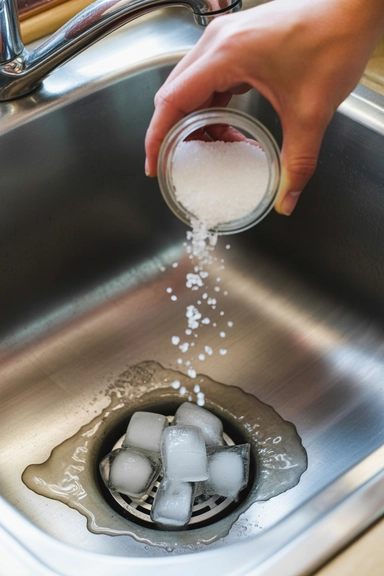
The grinding chamber walls and the grinding components themselves collect a film of food residue that builds up over months of normal use. Water alone does not remove this film because it is partially grease-based and water-resistant.
Fill the disposal with ice cubes and add a generous handful of coarse salt before turning it on. Run cold water while the disposal runs. The ice breaks apart against the grinding components and the salt acts as an abrasive that scrubs the chamber walls as the ice fragments circulate.
Run this treatment for thirty seconds with the water flowing continuously. The combination cleans the grinding components and chamber walls more thoroughly than any liquid cleaner because it creates physical abrasion rather than relying on chemical action alone.
Baking Soda and Vinegar Foam Lifts Grease from Chamber Walls
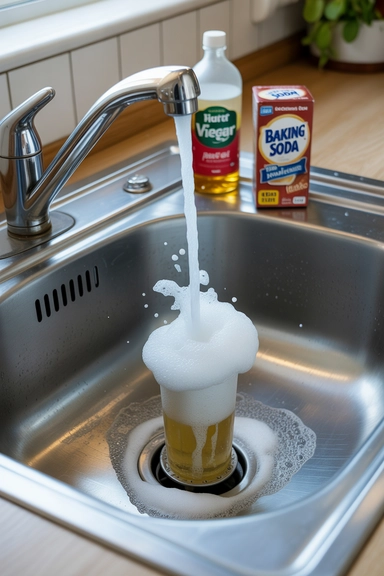
The foaming reaction between baking soda and white vinegar does useful work inside a garbage disposal because the foam expands to reach surfaces that poured liquids run straight past. The alkaline baking soda and the acetic acid in vinegar together cut through the grease film coating the chamber walls.
Pour half a cup of baking soda directly into the disposal opening followed immediately by half a cup of white vinegar. The foam will rise toward the drain opening. Let it sit for ten minutes without running water or the disposal. The dwell time is what allows the foam to work into the grease rather than just passing through.
Flush with hot water after ten minutes and run the disposal for fifteen seconds. I do this monthly and the difference between months when I skip it and months when I do it is immediately noticeable in how the kitchen smells.
Citrus Peels Deodorize and Clean Simultaneously
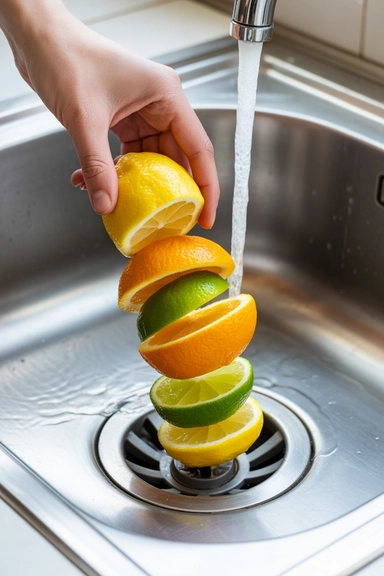
Citrus peels contain d-limonene, the same natural solvent found in commercial degreasers, concentrated in the oils in the peel surface. Running citrus peels through the disposal releases those oils directly onto the grinding components and chamber walls while simultaneously leaving a clean scent.
Cut lemon, lime, orange, or grapefruit peels into small pieces and run them through the disposal with cold water. Do not use large pieces that could strain the motor. Small sections the size of a matchbook run through in batches work better than forcing large pieces through at once.
I save citrus peels in a small container in the freezer and run a batch through the disposal every week. Frozen peels work just as well as fresh ones and the freezing actually helps the peel release its oils faster when it hits the grinding components.
Dish Soap Flush Removes Surface Grease Weekly
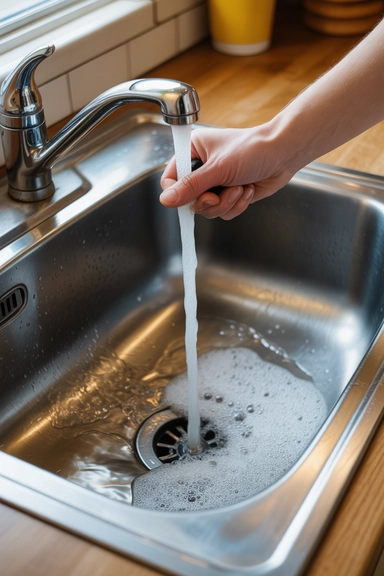
The simplest weekly maintenance hack for garbage disposal odor control costs nothing beyond the dish soap already sitting next to your sink. A dish soap flush takes thirty seconds and keeps the grease film from building up between deeper cleaning sessions.
Plug the disposal drain opening, fill the sink basin with four inches of hot water, add a generous squirt of dish soap, and stir to mix. Pull the plug and turn on the disposal simultaneously so the soapy water rushes through the grinding chamber at volume rather than trickling through slowly.
The volume of soapy water rushing through all at once creates a flushing action that reaches more of the chamber interior than running the tap with a small soap squirt. I do this every Sunday and it takes less time than reading about it.
Borax Powder Kills Bacteria Causing the Worst Smells
Odor in a garbage disposal is bacterial. The smell itself is a byproduct of bacterial colonies feeding on trapped organic matter. Killing the bacteria rather than just masking the smell with citrus or deodorizers is the only approach that produces lasting odor control.
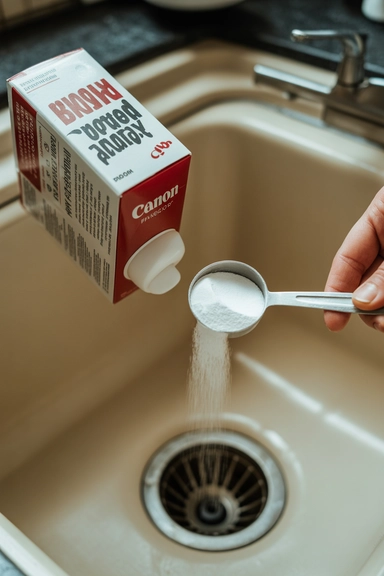
Pour three tablespoons of borax powder into the disposal and let it sit for one hour without running water. Borax is a natural mineral compound with strong antibacterial properties that kills the bacterial colonies living in the disposal without damaging the rubber or metal components.
Flush with cold water after the dwell time and run the disposal for ten seconds. Borax treatments done monthly break the bacterial cycle that causes persistent odor even after regular cleaning with other methods.
Rosemary and Ice Deodorize While Cleaning Blades
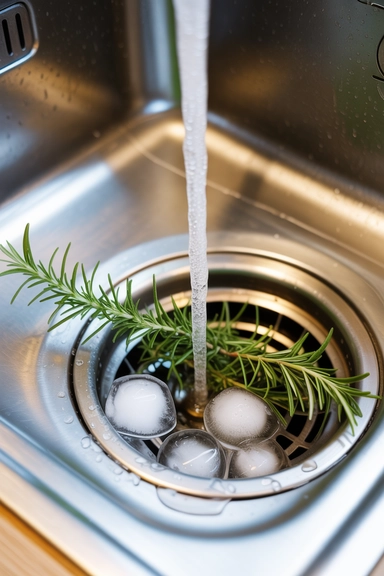
Fresh rosemary has natural antibacterial compounds that transfer to disposal surfaces when the herb is ground through the chamber. Combined with ice for mechanical scrubbing the treatment cleans and deodorizes simultaneously with one run.
For a complete kitchen deep cleaning system that covers every surface from the disposal to the stovetop, these Deep Cleaning Hacks That Work in Every Room of Your Home give you a room by room framework worth following alongside these disposal methods.
Pack the disposal chamber with ice cubes and add four to five fresh rosemary sprigs before turning it on. Run cold water throughout. The rosemary releases its oils as it grinds and coats the chamber surfaces with natural antibacterial compounds while the ice handles the mechanical scrubbing.
Bleach Used Correctly Sanitizes Without Damaging Seals
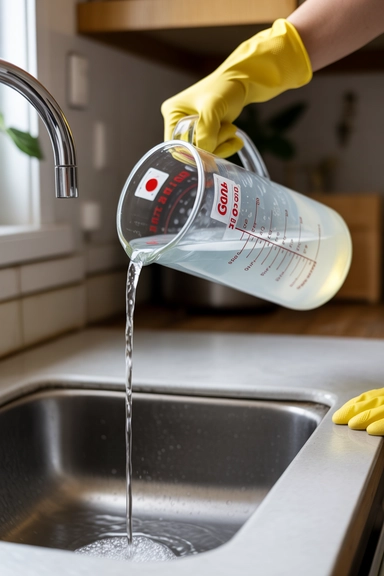
Bleach poured undiluted into a garbage disposal damages the rubber splash guard and seals over time and is not a method I recommend for regular use. Diluted bleach used occasionally is a different situation and genuinely effective for sanitizing a disposal that has developed persistent bacterial odor.
Mix one tablespoon of bleach with one gallon of cold water. Pour the diluted solution slowly into the running disposal with cold water flowing. The dilution level is effective for killing bacteria without concentrating enough to degrade rubber components with occasional use.
Never use hot water with bleach in a disposal. Hot water accelerates the chemical reaction and increases fume production in an enclosed under-sink space. Cold water only when bleach is involved.
Enzyme Drain Cleaner Breaks Down Organic Buildup Monthly
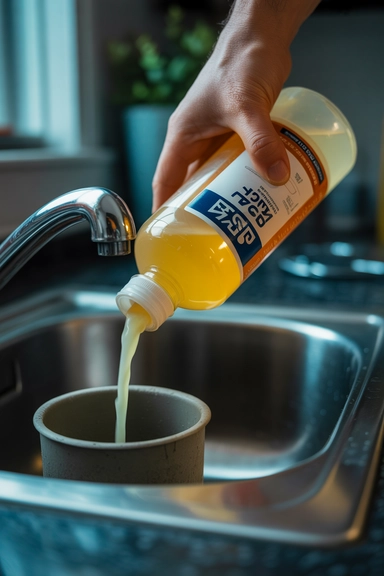
Enzyme-based drain cleaners work differently from chemical drain cleaners because they use biological enzymes that digest organic matter rather than chemical compounds that dissolve it. For garbage disposals specifically, enzyme cleaners reach organic buildup in the drain line below the disposal that no other method addresses.
Pour enzyme drain cleaner into the disposal according to product directions last thing at night so it has maximum dwell time in the drain line without being flushed by normal water use. The enzymes work continuously through the night digesting the organic matter coating the drain pipe walls below the grinding chamber.
This addresses drain line odor that originates below the disposal itself, which is a common source of kitchen sink smell that gets misattributed to the disposal when the disposal itself is actually clean.
Hot Water Flush After Every Use Prevents Buildup
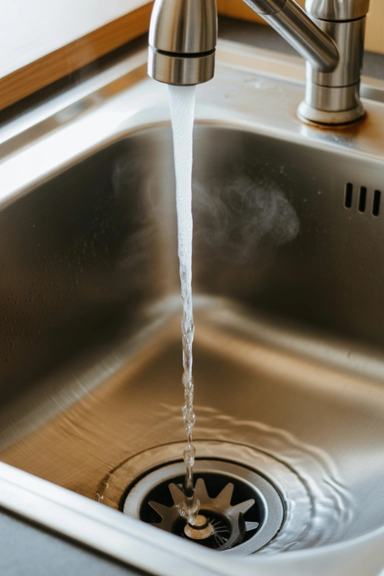
The simplest odor prevention habit costs nothing and takes ten seconds. Running hot water through the disposal for fifteen to twenty seconds after every use flushes food particles through the drain line before they can settle and begin decomposing on chamber walls and drain surfaces.
Most people run the disposal until the grinding stops and then turn off both the disposal and the water immediately. The grinding stopping means the visible food has been processed. It does not mean the particles have cleared the drain line.
Keep the water running for a full fifteen seconds after the disposal goes quiet. That additional flush moves processed food particles past the trap and into the main drain line where decomposition odor cannot reach back into the kitchen.
Toothbrush Cleaning Reaches Every Internal Surface
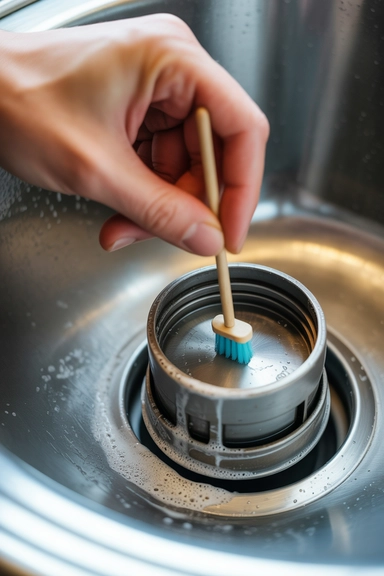
A dedicated old toothbrush is the most effective tool for cleaning the surfaces inside a garbage disposal that liquid cleaners and ice treatments cannot reach directly. The narrow brush head fits between the rubber splash guard flaps and reaches the upper rim of the grinding chamber.
| Cleaning Method | Targets | Frequency | Odor Elimination |
|---|---|---|---|
| Toothbrush and dish soap | Splash guard underside | Weekly | High |
| Ice and salt | Grinding components | Weekly | Medium |
| Baking soda and vinegar | Chamber walls and grease | Monthly | High |
| Citrus peels | General deodorizing | Weekly | Medium |
| Borax powder | Bacterial colonies | Monthly | Very High |
| Enzyme drain cleaner | Drain line below disposal | Monthly | High |
Dip the toothbrush in dish soap and scrub the underside of every splash guard flap, the upper rim of the chamber opening, and as far down the chamber walls as the brush reaches. Rinse by running cold water and the disposal for ten seconds.
Baking Soda Overnight Absorbs Persistent Odors
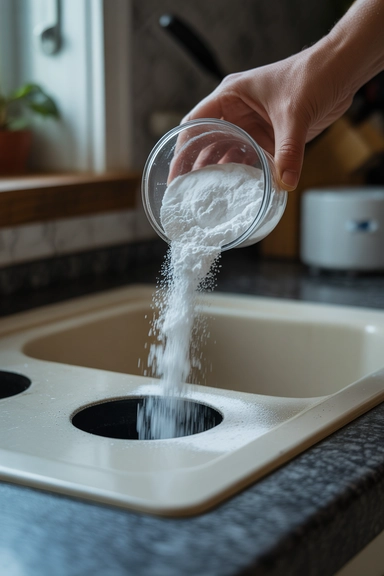
When a garbage disposal smell is particularly stubborn and survives multiple cleaning attempts, an overnight baking soda treatment absorbs residual odor compounds from chamber surfaces the way an open box of baking soda absorbs refrigerator odors.
Pour one full cup of baking soda directly into the disposal before going to bed. Leave it overnight without running water or the disposal. The baking soda sits against all the surfaces it contacts and absorbs odor compounds through the night.
Flush with cold water in the morning and run the disposal for ten seconds. This works as a reset treatment after a deep cleaning session to absorb any remaining odor that the cleaning loosened but did not fully eliminate.
Mouthwash Kills Bacteria and Leaves a Clean Scent
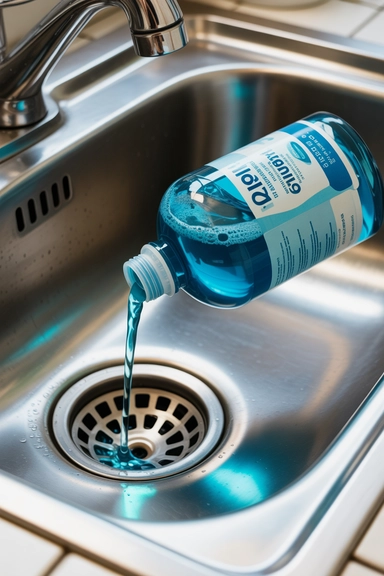
Antiseptic mouthwash contains compounds like cetylpyridinium chloride and eucalyptol that kill oral bacteria. Those same compounds are effective against the bacteria living in a garbage disposal because the bacterial species are similar in their vulnerability to antiseptic agents.
Pour half a cup of antiseptic mouthwash into the disposal and let it sit for five minutes before flushing with cold water. The antibacterial compounds work into the surfaces during the dwell time and the clean scent that follows is genuinely different from citrus masking because it comes from actual bacterial reduction.
Use any antiseptic mouthwash rather than a whitening formula. Whitening mouthwash contains hydrogen peroxide which is safe for disposal components but adds no additional cleaning benefit beyond what the antiseptic compounds already provide.
Coffee Grounds Absorb Odors but Require Careful Use
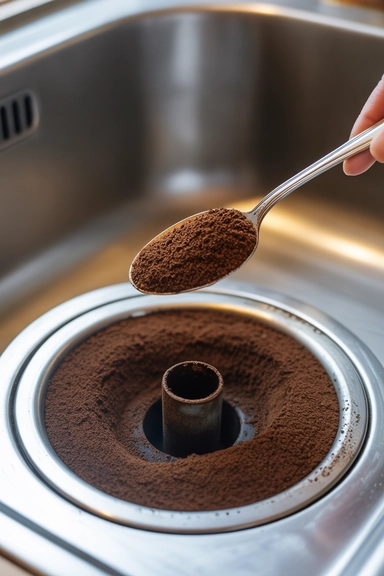
Coffee grounds are a popular garbage disposal deodorizer and they do absorb odors effectively through the same mechanism that makes ground coffee smell strong in an enclosed space. The caveat is quantity.
Small amounts of coffee grounds run through a disposal with plenty of cold water are safe and deodorizing. Large quantities of coffee grounds compact in drain lines and create clogs that build up slowly over weeks before becoming a noticeable blockage.
Run no more than two tablespoons of used coffee grounds through the disposal at a time with a full thirty seconds of cold water flowing. Used grounds work as well as fresh for odor absorption and cost nothing beyond what the morning coffee already produced.
A Monthly Deep Clean Schedule Eliminates Recurring Odor
Garbage disposal odor is a maintenance problem rather than a cleaning problem. A single deep clean produces results that last two to four weeks depending on how heavily the disposal is used. Without scheduled maintenance the odor returns because the underlying bacterial and grease buildup cycle starts again.
Run this monthly schedule consistently and persistent disposal odor becomes a problem you used to have. Week one: ice and salt scrub plus citrus peels. Week two: dish soap flush plus toothbrush cleaning of the splash guard. Week three: baking soda and vinegar foam treatment. Week four: borax powder antibacterial treatment plus enzyme drain cleaner overnight.
Rotating methods monthly rather than repeating the same one prevents any single type of buildup from becoming resistant to the treatment you rely on. For additional kitchen organization and cleaning ideas that complement a disposal maintenance routine, these Kitchen Cleaning Hacks to Cut Through the Mess cover every surface in the kitchen worth addressing on the same schedule.
Final Thoughts on Garbage Disposal Cleaning Hacks
Garbage disposal cleaning hacks work when they address the actual sources of odor rather than just the accessible surfaces. The splash guard underside, the grinding chamber walls above the water line, and the drain pipe below the disposal all contribute to kitchen odor and all require different methods to clean effectively.
Prevention through weekly maintenance costs less than five minutes and eliminates the need for emergency deep cleaning sessions. The hot water flush after every use, the weekly citrus peel treatment, and the monthly borax powder application together keep a disposal odor-free without requiring significant time or expense.
Match the method to the problem using the comparison table in this list. Bacterial odor needs borax or mouthwash. Grease buildup needs the baking soda and vinegar foam or dish soap flush. Mechanical buildup on grinding components needs ice and salt. Using the right method for the right problem gets results in one treatment that generic cleaning tablets never deliver.
FAQ About Garbage Disposal Cleaning Hacks
Why does my garbage disposal still smell after cleaning it multiple times?
Persistent odor after multiple cleaning attempts almost always traces back to the splash guard underside or the drain line below the disposal rather than the grinding chamber itself. Most cleaning methods only address the chamber interior. Scrubbing the splash guard underside with a toothbrush and following up with an overnight enzyme drain cleaner treatment addresses both overlooked sources simultaneously and resolves persistent odor in the majority of cases where standard cleaning has failed.
Is it safe to put baking soda and vinegar in a garbage disposal regularly?
Monthly baking soda and vinegar treatments are safe for disposal components including rubber seals and metal grinding parts. The foaming reaction is chemical rather than mechanically forceful and does not damage disposal internals. Using the combination more frequently than monthly provides no additional benefit because the bacterial and grease cycle that causes odor operates on a monthly timeline regardless of how often the treatment is applied.
What should you never put down a garbage disposal to avoid odors and clogs?
Grease and cooking oil coat the grinding chamber and drain line walls and are the primary cause of long-term disposal odor because they trap food particles against surfaces where bacteria colonize them. Starchy foods like pasta, rice, and potato peels expand with water and compact in drain lines. Fibrous foods like celery and artichoke leaves wrap around grinding components and resist the grinding action. Keeping these materials out of the disposal eliminates the majority of both odor and mechanical problems before any cleaning method becomes necessary.
Sarah Mitchell’s Take
The moment that changed how I think about garbage disposal cleaning was lifting that rubber splash guard for the first time and actually looking at the underside. I had owned that kitchen for four years. I had cleaned the disposal regularly by every standard measure. What was living on the underside of that rubber guard in four years of undisturbed accumulation is something I will not describe in detail here. What I will say is that the smell was gone within twenty-four hours of cleaning it properly for the first time and has not returned in eighteen months of weekly maintenance since.