
I put off deep cleaning my home for so long that when I finally did it, I found a layer of grease on top of the refrigerator thick enough to write my name in. Not my proudest moment. The kitchen looked clean on the surface every single week. Turns out wiping counters and mopping floors is not the same thing as actually cleaning a home. The stuff hiding behind appliances, inside vents, along grout lines, and under furniture was genuinely horrifying.
If your home looks clean but never quite feels clean, these 21 deep cleaning hacks go after the hidden buildup that regular cleaning never touches. And if you want to tackle specific surfaces with one ingredient, these baking soda cleaning hacks cover more ground than most people expect.
Quick Answer: What Are the Best Deep Cleaning Hacks?
Deep cleaning hacks target hidden dirt, bacteria, allergens, and buildup in areas routine cleaning misses. Start from the ceiling down, clean task by task across the whole house, and focus on grout lines, baseboards, appliance interiors, exhaust fans, and high touch surfaces. These areas collect the most grime and affect both air quality and home hygiene the most.
Always Clean Task by Task Not Room by Room
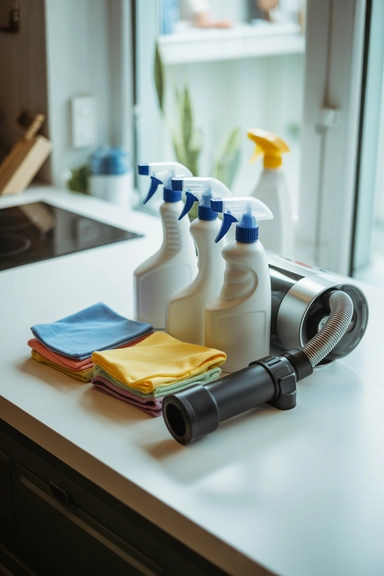
Most people deep clean room by room. Finish the kitchen, move to the bathroom, then the bedrooms. Professional cleaners never work this way and there is a real reason for that.
Task by task cleaning means doing all the dusting in the entire house first, then all the wiping, then all the vacuuming, then all the mopping. This method prevents cross contamination between rooms, saves time by keeping you in the same physical motion for longer stretches, and produces a cleaner result overall. When you dust a bedroom and then immediately mop that same room, you trap dust disturbed by mopping back onto the surfaces you just cleaned.
Do all high dusting first. Every room, every surface. Then wipe down all hard surfaces across the whole house. Vacuum everything last. Mop after vacuuming. The order matters as much as the effort.
Start From the Ceiling Every Single Time
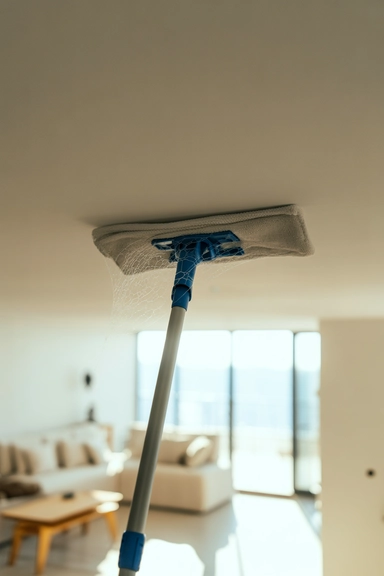
Dust, cobwebs, and airborne grease particles settle on every surface below where they originate. Start cleaning from the floor or even the countertops and you spend the next hour re-cleaning surfaces that catch falling debris from above.
Place a dry microfiber cloth flat on a dry mop head and run it slowly across every ceiling in the house before touching anything else. This catches cobwebs and ceiling dust that would otherwise fall onto freshly cleaned furniture and floors below. Pay extra attention to the corners where walls meet the ceiling because that is where cobwebs anchor.
Work methodically from ceiling to crown molding to tops of cabinets to shelves to countertops to floors. Every deep clean should follow this exact sequence. Skipping it means doing parts of the job twice.
Deep Clean the Mattress With Baking Soda
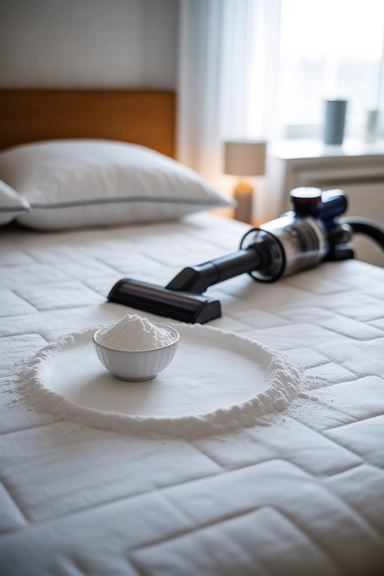
A mattress absorbs sweat, body oil, dead skin cells, and dust mite allergens over months of use. Washing the sheets every week does not reach any of that because it sits inside the mattress itself, not on the surface.
Strip all bedding completely. Vacuum the entire mattress surface using the upholstery attachment, paying close attention to the seams and edges where dust mites concentrate. Sprinkle one full cup of baking soda evenly across the entire top surface and leave it for a minimum of 30 minutes. For heavily used mattresses, leave it for two to three hours. The baking soda draws moisture and odor causing compounds out of the fabric layers.
Vacuum the baking soda up completely, flip or rotate the mattress, and repeat on the other side. Do this every three to six months. Dust mite populations inside an uncleaned mattress can affect sleep quality and trigger allergy symptoms even in people who do not normally suffer from allergies.
The Pillowcase Hack for Ceiling Fan Blades
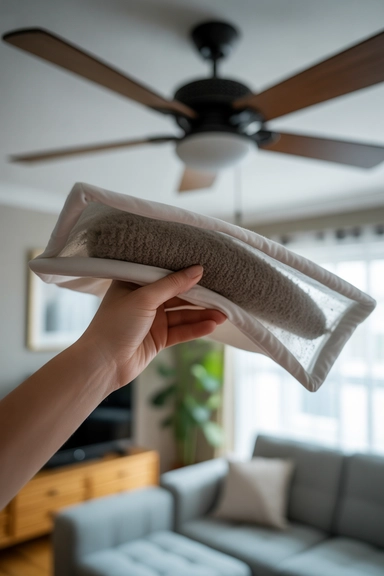
Ceiling fan blades collect a thick layer of dust that most people never notice until they turn the fan on after a few months off. The moment that fan starts spinning, every particle launches into the air and settles on every surface in the room.
Slide an old pillowcase over one fan blade at a time and slowly pull it back toward you, trapping the dust inside the pillowcase rather than releasing it into the air. This takes about 90 seconds per fan and keeps the dust completely contained. Shake the pillowcase outside when done, then wash it.
Cleaning fan blades with a cloth or duster pushes the dust off the blade and into the air. The pillowcase method is genuinely better in every way and almost nobody uses it. IMO this is the most underrated deep cleaning hack on this list. 😄
Steam Clean the Microwave in Five Minutes
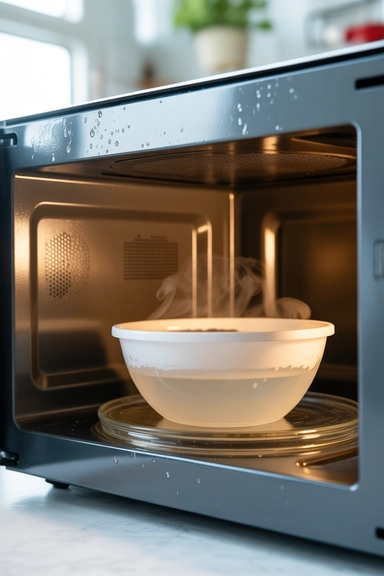
Nobody enjoys scrubbing a microwave. Baked-on food splatters harden over time and the standard approach of spraying and wiping requires real effort while still leaving residue in the corners that a cloth cannot properly reach.
Fill a microwave-safe bowl with two cups of water, two tablespoons of white vinegar, and a few drops of dish soap. Place it inside the microwave and run it on high for five minutes. The steam generated by the boiling mixture fills the interior and softens every food deposit on the walls, ceiling, and turntable plate. Leave the door closed for two minutes after the cycle ends to let the steam continue working.
Open the door and wipe every surface with a damp cloth. Everything comes off with almost no scrubbing at all. Remove the turntable plate and wash it separately in soapy water. The whole process takes under ten minutes and leaves the interior spotless.
Scrub Grout Lines With Baking Soda Paste
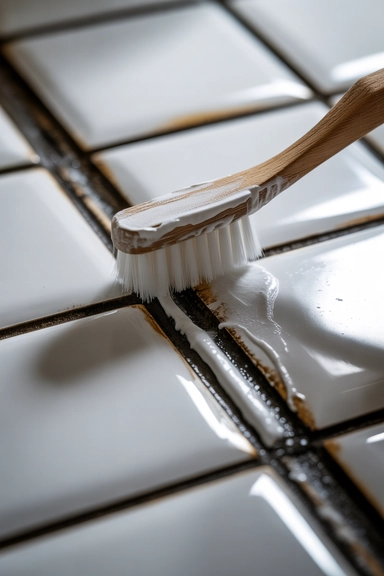
Grout is porous and absorbs moisture, soap scum, mold spores, and bacteria continuously. Surface cleaning never penetrates the grout itself, which is why bathroom grout looks dark and dingy even in homes that get cleaned regularly.
Mix baking soda with just enough water to form a thick paste. Apply it directly along all grout lines using an old toothbrush and scrub in short firm strokes. Leave the paste on for 10 minutes before scrubbing again and rinsing with warm water. For severely discolored grout, follow with a hydrogen peroxide spray applied directly to the lines after rinsing.
The baking soda acts as a gentle abrasive that lifts surface staining while the alkaline chemistry breaks down soap scum and mildew. This is part of any solid house deep cleaning checklist and works best when done quarterly rather than waiting until the discoloration becomes severe.
Soak the Showerhead in Vinegar Overnight
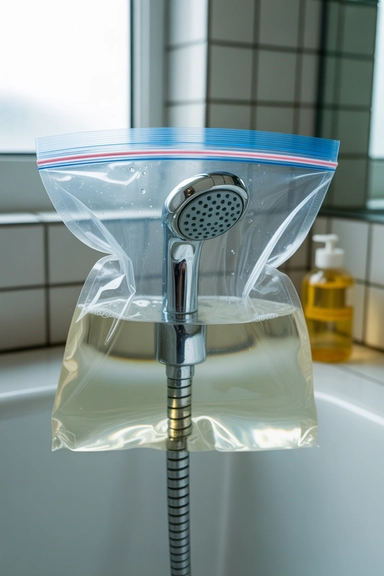
Hard water mineral deposits build up inside showerhead nozzles gradually and reduce water pressure over months. The individual spray holes get partially or fully blocked and the shower starts spraying unevenly without any obvious cause.
Fill a zip-lock bag with undiluted white vinegar. Submerge the showerhead fully inside the bag and secure it in place with a rubber band wrapped around the neck of the fitting. Leave it overnight for a minimum of eight hours. The acetic acid in the vinegar dissolves calcium and limescale deposits blocking the nozzles.
Remove the bag in the morning and run hot water through the showerhead for 60 seconds to flush out loosened mineral debris. For showerheads with significant buildup, use a toothbrush to scrub the individual nozzle holes after removing the bag. Water pressure improves noticeably after the first treatment in most cases.
Deep Clean the Washing Machine Drum
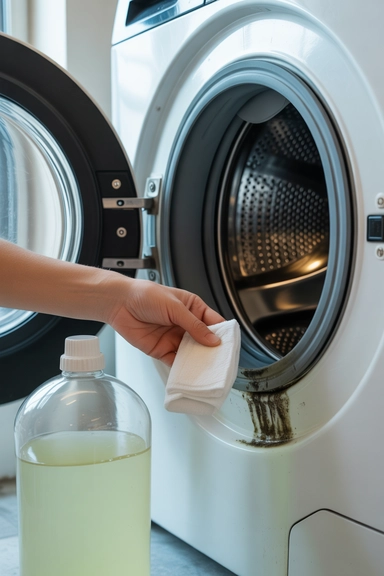
A washing machine that smells musty transfers that smell directly onto freshly washed clothes. Most people never think to clean the machine doing the cleaning, which is exactly why the problem develops in the first place.
The first time I tried fixing this by just running an empty hot cycle, the smell came back within a week. The drum itself was not the problem. The door gasket seal on the front-load machine was packed with mold hiding inside the folds, and no hot cycle reaches it.
Pour two cups of white vinegar directly into the drum and run the hottest cycle available with no laundry inside. When that cycle finishes, sprinkle half a cup of baking soda into the drum and run a second short hot cycle. Then pull back the rubber door gasket seal and wipe inside the folds with a cloth dampened in white vinegar. That gasket is the primary source of the musty smell in most front-load washers and it needs cleaning monthly without exception.
Clean Behind and Under Large Appliances
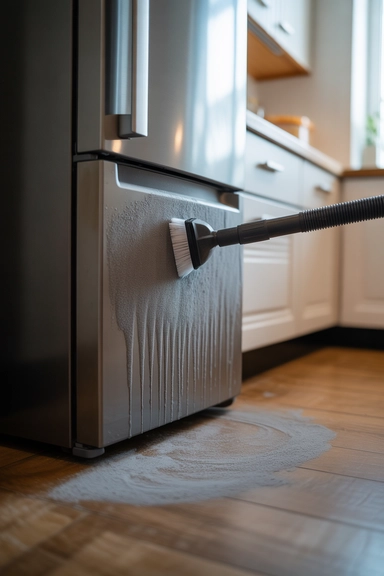
The space behind a refrigerator, washing machine, dryer, and oven is one of the most genuinely dirty areas in any home. Most people have not cleaned behind their refrigerator in years. Some never have.
Pull the refrigerator away from the wall completely. The condenser coils at the back or underneath collect thick layers of dust that force the compressor to work harder and use more energy. Vacuum the coils using a brush attachment and wipe the wall and floor behind the unit before pushing it back.
The same applies to the oven, dryer, and washing machine. Lint behind a dryer is a genuine fire hazard that causes thousands of house fires annually. Cleaning behind large appliances takes 20 minutes total and should happen at least once a year as part of any how to deep clean your home routine.
Remove Water Rings From Wood With a Hairdryer
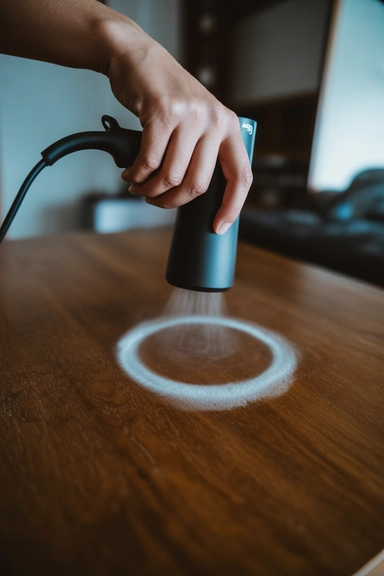
White water rings on wooden furniture come from moisture trapped inside the wood finish rather than on the surface. This is why wiping them with a cloth does nothing and why they survive regular cleaning indefinitely.
Hold a hairdryer on medium heat about two inches above the water ring and move it slowly in circular motions for 60 to 90 seconds. The heat drives the trapped moisture out of the finish layer. As the ring fades, rub a small amount of olive oil or mayonnaise into the area with a soft cloth to restore the wood’s natural moisture balance.
This method works on most polyurethane and lacquer finishes. It does not work on wax finishes or bare unfinished wood. Test on a hidden area first if you are unsure of the finish type.
Deep Clean the Refrigerator Properly
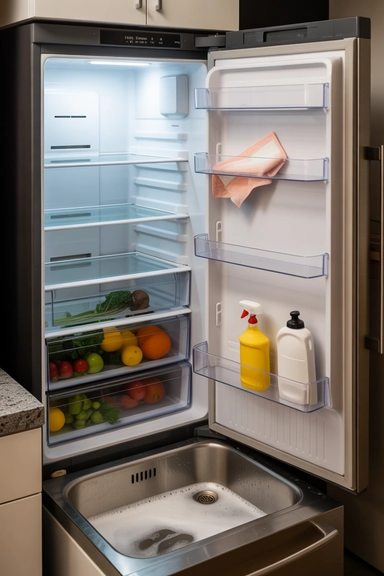
Most people wipe the refrigerator shelves when something spills. A proper deep clean means emptying the entire unit, removing every shelf and drawer, and washing each one separately in warm soapy water before putting anything back.
Take out all food and check expiry dates while the fridge is empty. Wash removable shelves and vegetable drawers in the sink with dish soap and warm water, not in the dishwasher because temperature changes can crack certain plastics. Wipe the interior walls and ceiling with a solution of two tablespoons of baking soda per litre of warm water. This neutralizes food odors rather than just covering them.
Wipe the door seal with white vinegar to remove mold and bacteria that collect in the folds. Check the seal for cracks while cleaning because a damaged seal forces the compressor to run constantly and increases energy consumption noticeably.
Clean the Bathroom Exhaust Fan
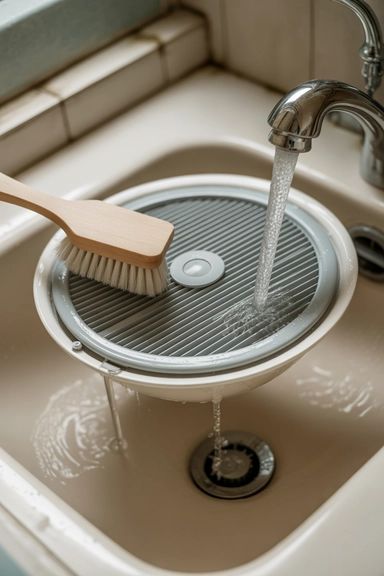
Here is one that almost every deep cleaning tips guide skips entirely. The bathroom exhaust fan removes moisture and airborne particles after every shower, and when the cover clogs with dust it stops drawing air effectively. Moisture stays in the bathroom longer than it should, which speeds up mold growth on grout and caulk.
Switch off the power at the circuit breaker. Remove the fan cover and wash it in warm soapy water in the sink. Use a soft brush or vacuum attachment to remove dust from the fan blades and motor housing visible inside the ceiling cavity. Dry the cover completely before snapping it back into place and restoring power.
Most bathroom exhaust fans in active households need cleaning every three to four months. A clogged fan running at reduced efficiency causes persistent bathroom mold that keeps coming back despite regular scrubbing of the tiles and grout below.
Dust Repelling Hack for Baseboards
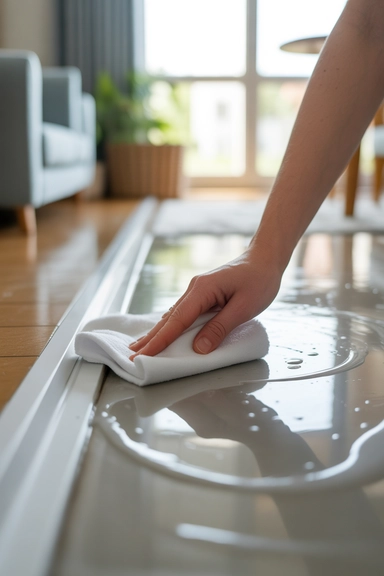
Baseboards attract dust faster than almost any other surface in a home because static electricity causes dust particles to cling to them. Cleaning them thoroughly only to have them dusty again within two weeks is one of the most frustrating parts of any deep clean home fast effort.
Clean the baseboards first with a damp microfiber cloth to remove all existing dust and grime. Once dry, mix equal parts liquid fabric softener and water in a spray bottle. Spray lightly onto a clean cloth and wipe along the entire length of every baseboard. The thin coating left behind disrupts the static charge that attracts dust and repels buildup for four to six weeks.
Baseboards stay cleaner far longer between sessions this way. The fabric softener coating is invisible once dry and does not damage paint or wood finishes.
Disinfect High Touch Surfaces the Right Way
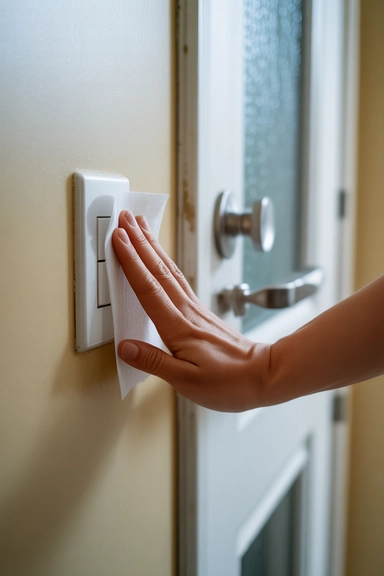
Light switches, door handles, cabinet knobs, remote controls, and phone charger cables carry more bacteria per square centimetre than a toilet seat in most homes. These surfaces get touched dozens of times daily but almost never get disinfected during routine cleaning.
Disinfecting correctly means applying the product and leaving it wet on the surface for the full contact time specified on the label, usually 30 seconds to two minutes depending on the product. Spraying and immediately wiping does not kill bacteria. The product needs time to work before removal.
Use disinfectant wipes or a cloth dampened with rubbing alcohol for light switches and remote controls. Door handles and cabinet knobs handle a standard disinfectant spray well. Tackle all high touch surfaces in every room during every deep clean session without exception.
Pour Boiling Water Down Every Drain First
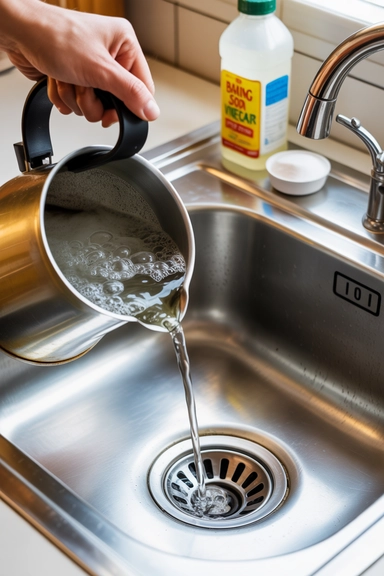
Grease and soap residue build up inside drain pipes gradually and contribute to slow drainage, unpleasant odors, and eventually partial blockages. Most people only address drains after they become noticeably slow, by which point the buildup is already significant.
At the start of every deep clean, pour a full kettle of boiling water slowly down every drain in the house including bathroom sinks, shower drains, and the kitchen sink. The heat loosens grease deposits coating the inside of the pipes before you start cleaning the fixtures and surfaces around them. This means less scrubbing on the visible drain parts and the fixtures above.
Follow with half a cup of baking soda poured down each drain, then half a cup of white vinegar. The reaction between them fizzes through the pipe and breaks down organic buildup. Wait 15 minutes before flushing with hot tap water.
Deep Clean Grout With Hydrogen Peroxide
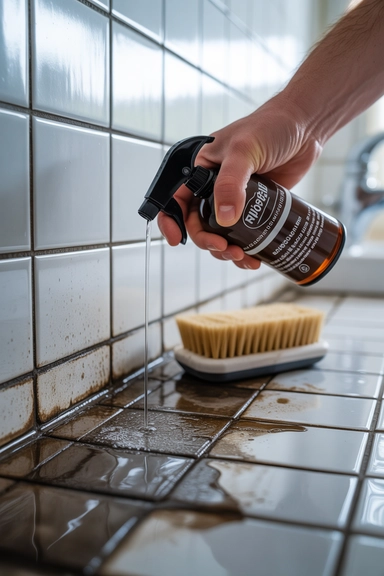
Baking soda paste handles everyday grout discoloration well. For grout that has developed mold staining, dark discoloration, or visible mildew, hydrogen peroxide delivers results that baking soda alone cannot achieve.
Spray three percent hydrogen peroxide directly onto dry grout lines and leave it for 10 to 15 minutes without wiping. The hydrogen peroxide penetrates the porous grout surface and breaks down the organic compounds causing the dark staining from the inside out. Scrub with a stiff grout brush after the contact time and rinse with warm water.
For the most stubborn grout staining, make a paste of hydrogen peroxide and baking soda and apply it to the lines. Leave for 20 minutes then scrub. This combination is more aggressive than either ingredient alone and handles mold stained grout that has resisted everything else. Test on a small hidden area first because hydrogen peroxide can lighten colored grout.
Clean the Top of the Refrigerator
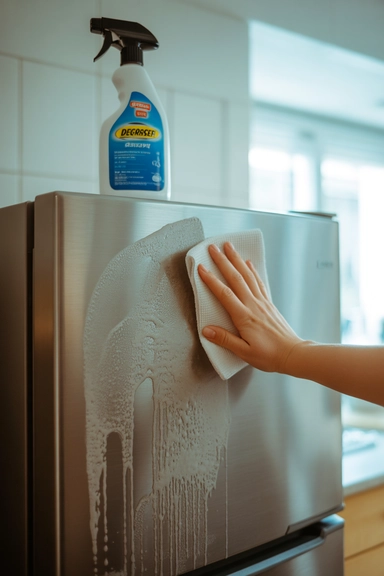
The top of the refrigerator is one of the greasiest surfaces in any kitchen. Airborne cooking grease rises with heat and settles on the nearest flat surface above the stove. The refrigerator top sits directly in that airflow path and collects a layer of sticky grease mixed with dust that becomes difficult to remove once it hardens.
Spray a degreaser or a solution of two tablespoons of dish soap in a cup of warm water directly onto the surface and leave it for three minutes to soften the buildup. Wipe with a microfiber cloth using firm strokes. Expect to change the cloth at least twice because the amount of residue coming off is usually surprising the first time.
Clean this surface every two to three months as part of your deep cleaning tips routine. Once the initial hardened layer is gone, each subsequent cleaning takes only a few minutes to maintain.
Wash the Shower Curtain Liner in the Machine
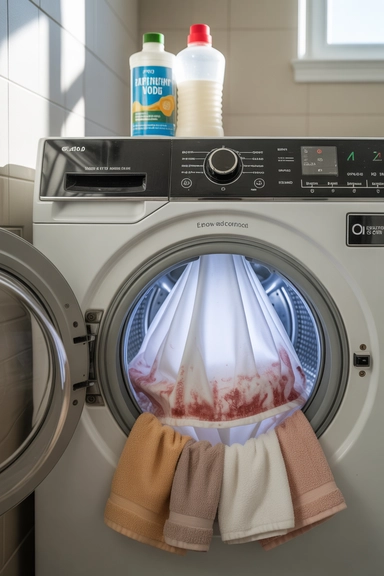
Shower curtain liners develop soap scum, mildew, and pink bacterial stains along the bottom within weeks of use. Most people replace them every few months without realizing you can wash them repeatedly in the machine.
Toss the liner into the washing machine with two to three old towels. The towels act as gentle scrubbers against the liner surface during the wash cycle. Add half a cup of baking soda with the detergent and half a cup of white vinegar during the rinse cycle. Run a warm gentle cycle.
Hang the liner back up while still damp rather than putting it in the dryer. Heat from a dryer warps and melts most plastic liners. A clean liner hung to air dry returns to near-original condition and the whole process costs nothing beyond water and a few minutes of effort.
Clean Inside Kitchen Cabinets Properly
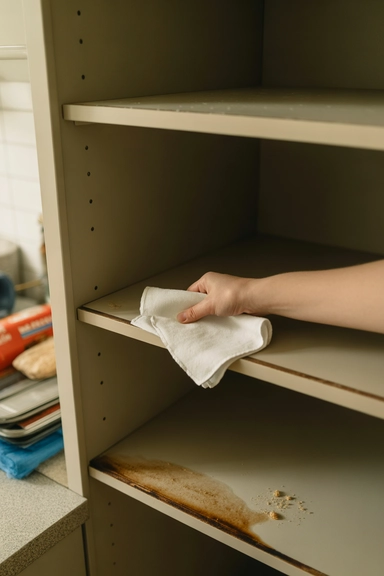
Kitchen cabinet interiors collect crumbs, spilled liquids, grease residue, and food dust that accumulate over months without being noticed because the doors stay closed. This buildup attracts pests and creates conditions where bacteria thrive.
Empty one cabinet completely at a time. Remove the shelf liner if present and wash it separately. Wipe all interior surfaces with a solution of equal parts white vinegar and warm water, paying close attention to the corners and along shelf edges where crumbs collect. Dry completely before replacing the liner and restocking.
Check expiry dates on everything as you restock. Most people discover expired items going back several years when they empty kitchen cabinets properly for the first time. Line shelves with fresh paper liners after cleaning because they catch future spills before they reach the cabinet surface and make the next house deep cleaning checklist session significantly faster.
Replace the HVAC Filter as Part of Your Deep Clean
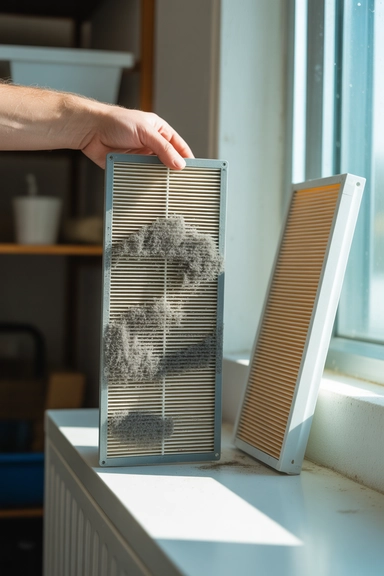
The HVAC filter traps dust, pet dander, pollen, mold spores, and other airborne particles before they recirculate through the home. A clogged filter stops trapping these particles effectively and forces the system to work harder, increasing energy costs and reducing indoor air quality at the same time.
Check the filter every deep clean session. Hold it up to a light source. If you cannot see light through it, replace it immediately regardless of when it was last changed. Standard one inch filters need replacing every one to three months in most homes. Thicker four to five inch filters last three to six months.
A new HVAC filter costs between five and twenty dollars. You notice the difference immediately after replacing a heavily clogged filter, particularly for anyone in the household with dust allergies, asthma, or pet dander sensitivity. This single step does more for indoor air quality than almost anything else on this list.
Deep Clean the Garbage Bin Itself
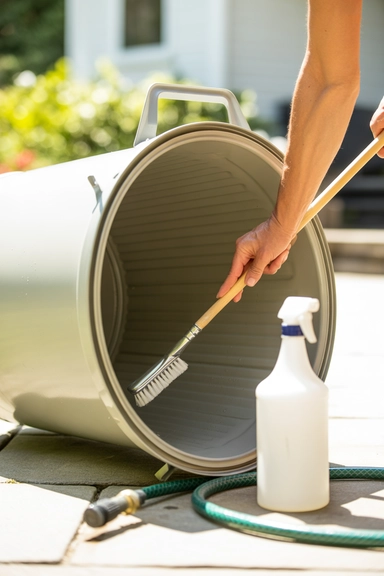
The garbage bin gets emptied regularly but almost never gets cleaned. Food residue, liquids that leak through bags, and organic material sticking to the interior create a permanent source of bacteria and odor that no amount of liner changes ever removes.
Take the bin outside and rinse the interior with a garden hose. Spray undiluted white vinegar across all interior surfaces and leave it for five minutes to disinfect and deodorize. Scrub with a long handled brush, rinse thoroughly, and leave it upside down in the sun to dry completely before bringing it back inside.
Do this every one to two months for kitchen bins that get used daily. Bathroom bins need cleaning every two to three months. Sprinkle a thin layer of baking soda in the bottom of the clean dry bin before inserting a new liner. The baking soda absorbs moisture and odors between cleaning sessions and keeps the bin smelling neutral far longer.
Deep Cleaning Frequency by Area
| Area | Minimum Frequency | Signs It Needs Attention |
|---|---|---|
| Mattress | Every 3 months | Dust allergy symptoms, musty odor |
| Grout lines | Every 3 months | Darkening, visible mildew |
| Refrigerator interior | Every 3 months | Food odors, expired items |
| Washing machine drum | Monthly | Musty smell on clean clothes |
| HVAC filter | Every 1 to 3 months | Reduced airflow, visible grey buildup |
| Behind appliances | Yearly | Reduced appliance efficiency |
| Bathroom exhaust fan | Every 3 to 4 months | Persistent bathroom moisture or mold |
| Garbage bin | Every 1 to 2 months | Persistent odor despite fresh liner |
| Ceiling fan blades | Every 2 to 3 months | Visible dust ridge on blade edges |
| Baseboards | Every 6 weeks | Visible grey dust line |
Frequently Asked Questions About Deep Cleaning Hacks
How often should you deep clean your home? Most homes need a full deep clean every three to six months. Households with pets, young children, or allergy sufferers benefit from deep cleaning every two to three months. High traffic areas like kitchens and bathrooms need deep attention more frequently than bedrooms or low-traffic guest rooms.
What is the difference between regular cleaning and deep cleaning? Regular cleaning maintains visible surfaces through daily and weekly tasks like wiping counters, vacuuming, and mopping. Deep cleaning targets hidden buildup in grout lines, inside appliances, behind furniture, inside vents, and along baseboards where bacteria, allergens, dust mites, and mold spores accumulate over months.
What is the best order to deep clean a house? Always clean task by task rather than room by room. Start with all ceiling dusting across the entire house, then move to high surfaces and ceiling fans, then all wall surfaces and furniture, then vacuuming all floors, and finish with mopping. This sequence prevents redistributing dust and debris onto already cleaned areas and is how professional cleaners approach every job.
Do I need special products to deep clean my home? No. White vinegar, baking soda, hydrogen peroxide, and dish soap handle the vast majority of deep cleaning tasks including grout, appliances, drains, mold, mineral deposits, and odors. Microfiber cloths, a grout brush, and a HEPA vacuum are the most useful tools for a thorough deep clean home fast result without spending money on specialist products.
How long does a full home deep clean take? A full deep clean of an average sized home takes between four and eight hours depending on size and how long since the last session. Breaking it across two days with high surfaces and appliances on day one and bathrooms, floors, and bins on day two makes the process far more manageable without losing momentum.
Can deep cleaning improve indoor air quality? Yes. Removing dust mites from mattresses, clearing clogged HVAC filters, cleaning exhaust fans, and vacuuming upholstery removes allergens and airborne particles that circulate through the home continuously. Homes with clean HVAC filters and regularly deep cleaned soft furnishings show measurably lower airborne allergen levels than those cleaned only on the surface.
Final Thoughts on Deep Cleaning Hacks
A home that feels genuinely clean is different from one that just looks clean on the surface. These 21 deep cleaning hacks go after grout lines, exhaust fans, appliance interiors, mattresses, drain pipes, and all the places that routine cleaning never reaches. Clean task by task across the whole house rather than room by room, always work from ceiling down to floor, replace the HVAC filter every deep clean session, and tackle the bathroom exhaust fan before blaming the grout for persistent mold. Get those fundamentals right and the rest of the house deep cleaning checklist falls into place without the whole process feeling overwhelming.