
Introduction
I bought a bag of lemons three weeks ago for one recipe and used two of them. The rest just sat there getting soft. My neighbor caught me about to throw them out and looked genuinely offended. She cleans half her kitchen with lemons and has for years. I thought she was being one of those people. She was not. Citric acid cuts grease, kills odor, dissolves mineral buildup, and leaves things smelling actually clean rather than cleaned. I have spent good money on products that did less. If you want more methods that work without buying anything special, these easy cleaning hacks are worth going through.
The Microwave Trick That Made Me Feel Stupid
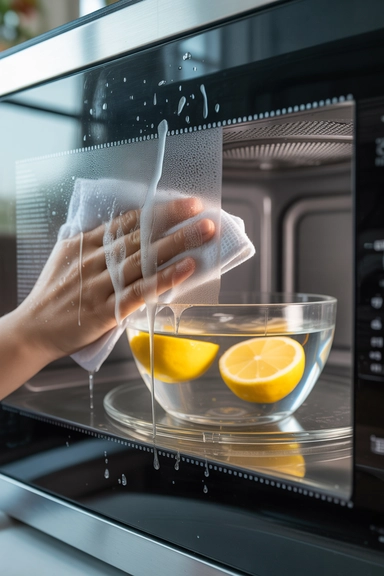
Cut a lemon in half. Squeeze it into a bowl of water, drop the halves in, microwave on high for three minutes, then leave the door shut for another five.
Everything inside wipes off with a damp cloth. Baked-on splatter that I would normally scrape at for ten minutes just comes away. The steam does it. I had been scrubbing that microwave for years when this was the answer the whole time.
Slightly annoying to discover this late, honestly.
Cutting Boards Smell Weird and This Fixes It
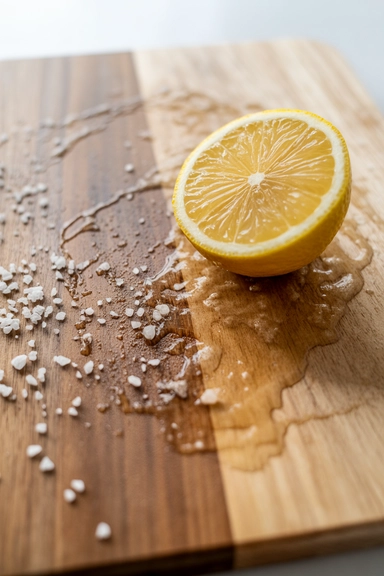
Coarse salt over the board, then rub a halved lemon across it in circles with some actual pressure. Leave five minutes. Rinse with cold water, dry immediately.
The salt scrubs, the citric acid handles the bacteria and the grey staining that builds up over months. Wooden boards go from looking tired and vaguely suspicious to looking clean again.
Do not leave water sitting on wood after. Rinse fast, dry fast. Warping starts faster than people expect.
Garbage Disposal Smells Are a Lemon Peel Problem Now
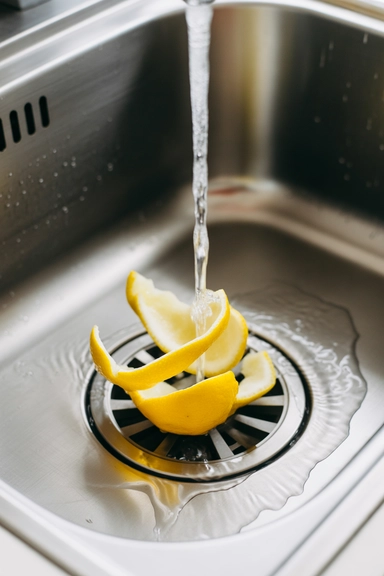
Two or three lemon peels, cold water running, turn the disposal on for thirty seconds.
The peels scrub the inside walls as they break up and the oils in the skin release a smell that actually covers the sour buildup rather than just sitting on top of it. Cold water matters here. Hot water melts fats that should be flushing out and coats the interior instead.
Once a week. The difference lasts a few days before it starts going sour again.
Grout Paste That Actually Does Something
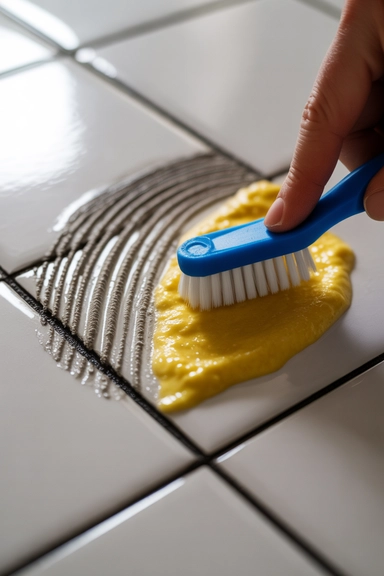
Lemon juice and baking soda mixed into a thick paste, applied with an old toothbrush, left ten minutes, scrubbed and rinsed.
This handles the everyday grey and yellow discoloration in grout without fumes or gloves. Not as aggressive as bleach on severe staining, but for the normal buildup in a bathroom or kitchen it works well and you can breathe normally while using it.
Heavy black mold needs bleach first. This is not that.
Kettle Descaling Without Buying Anything
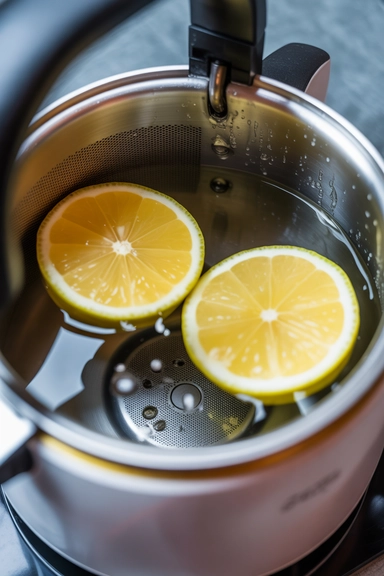
Half a kettle of water, juice of one lemon, the squeezed halves dropped in too, brought to a boil, left thirty minutes, discarded, rinsed twice.
The citric acid dissolves calcium buildup on the heating element. Same mechanism as the commercial descaling tablets. Cheaper and nothing synthetic going into something used for drinks.
Two rinses removes the taste completely. If anything lingers, one boil of plain water and it is gone.
Stainless Steel Looks New Again in Two Minutes
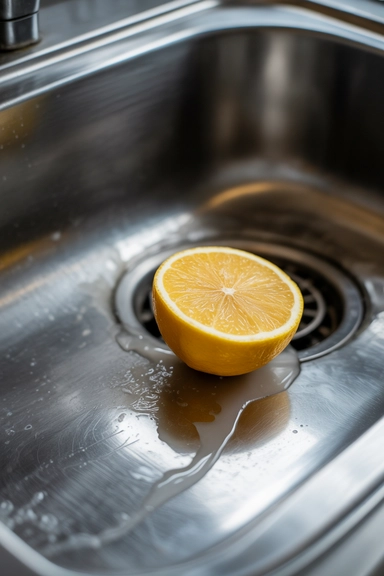
Rub a cut lemon directly over the sink, appliances, fixtures. Buff with a dry microfiber cloth right after.
Water spots lift. Light rust marks go. The natural oils in the peel leave a thin layer that keeps fingerprints and water marks away for a few days after. Stainless steel that looked permanently streaky and dull comes up bright fast. No product, just a lemon that was heading for the bin anyway. For kitchen surfaces beyond just stainless steel, these kitchen cleaning hacks cover more ground.
Cloudy Glasses From the Dishwasher
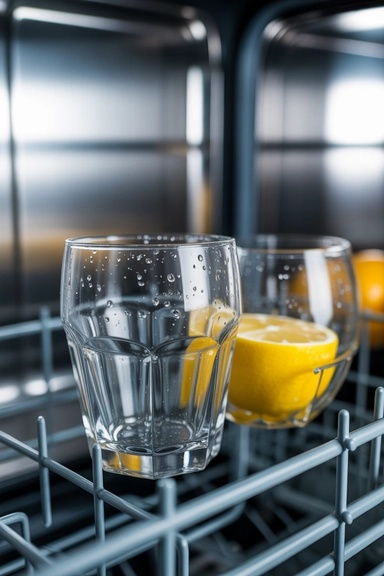
Half a cup of lemon juice in the bottom of the dishwasher before running a cycle. Normal detergent, normal settings.
In hard water areas glassware builds up a mineral film over months of washing until nothing looks clean even straight out of the machine. The citric acid in the cycle stops that film forming.
Once a month is enough. Every cycle is too much. Overdoing the acid concentration affects the rubber seals inside the dishwasher over time and that is an expensive fix for a problem that did not need creating.
Fridge Smell That Keeps Coming Back
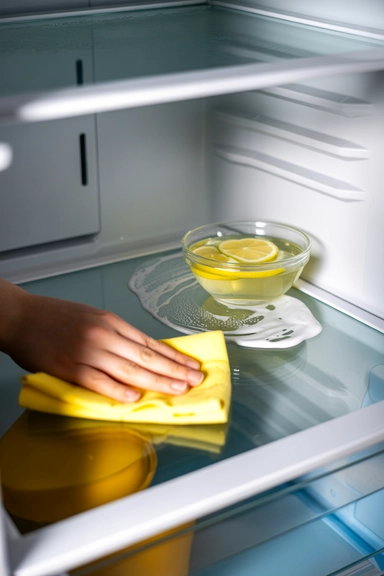
Wipe interior shelves with lemon juice diluted in warm water. One part juice, two parts water. Then leave a small bowl of undiluted lemon juice on a shelf overnight.
The citric acid neutralizes the alkaline compounds that cause most fridge odors rather than covering them. Baking soda absorbs smells, lemon neutralizes them. Actually different things. I used to think they were the same.
Keep the diluted version away from the rubber door seals. The acid dries them out over time and a cracked fridge seal is a bigger problem than a smelly fridge.
Rust Stains on Fabric and Tile
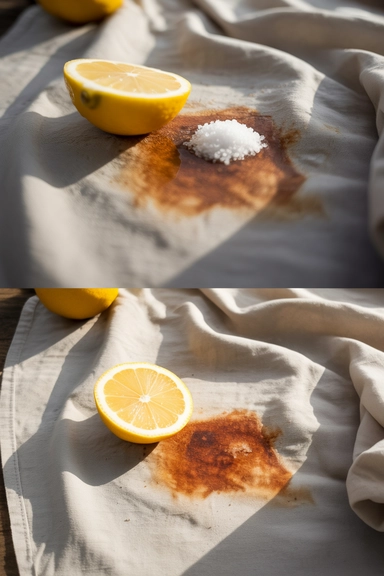
Lemon juice directly on the stain, salt on top, thirty minutes in direct sunlight if possible, then rinse.
Citric acid reacts with iron oxide and breaks it down. The salt enhances the reaction. Sunlight speeds the whole thing up noticeably. On fabric, test on a hidden area first because the lemon has a mild bleaching effect that shows on darker colors.
This works on fabric rust stains from metal furniture legs or wire hangers left on shelves. Two things I have found the hard way.
Wood Furniture Polish From Two Ingredients
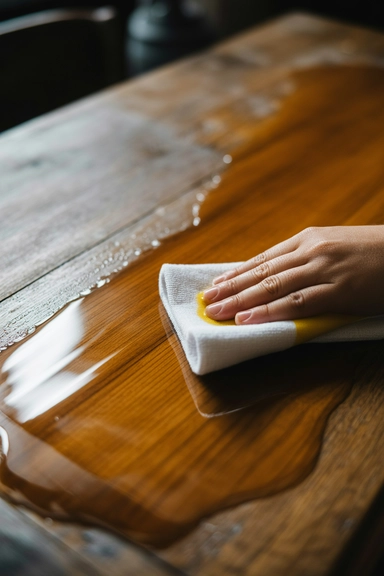
Two tablespoons of lemon juice, one tablespoon of olive oil, mixed together, applied with a soft cloth in the direction of the grain, buffed with a dry cloth.
The olive oil moisturizes the wood and the lemon juice strips the greasy residue that furniture polish builds up over months of use. Cleans and conditions at the same time.
Do not use this on lacquered furniture. The oil cannot get through the finish and just sits on top leaving a greasy layer that attracts dust. Works on unfinished, waxed, or lightly oiled wood only.
Tile and Grout Whitening Without Bleach
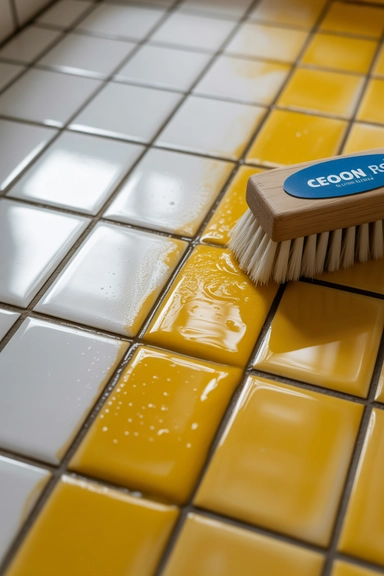
Undiluted lemon juice on yellowed grout and white tiles, fifteen minutes, stiff brush, rinse.
The mild bleaching effect of citric acid lifts the yellow and grey tones that accumulate in bathrooms over time. Not as aggressive as chlorine bleach for serious discoloration but for the everyday yellowing it handles it without needing to air out the room for an hour after.
Insects in Kitchen Cupboards
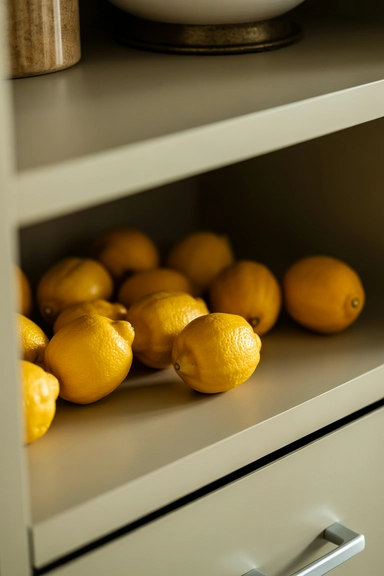
Dried lemon peel placed in kitchen drawers, cupboards, pantry shelves. Replaced every few weeks.
The oils in lemon peel repel ants, silverfish, some moth species. A cupboard that regularly gets ants stops getting them within a few days of adding peel to the shelves. The smell is fine for people and genuinely unpleasant for insects.
Dry the peels on a warm windowsill for two days first. Fresh peel releases moisture in an enclosed drawer and causes mold. Dried peel lasts two to three weeks.
The Spent Lemon Half Does More Work
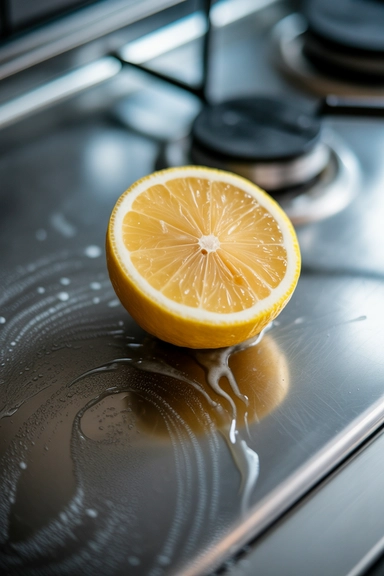
After juicing a lemon for anything, use the spent half directly on the exterior of the kettle, the stovetop, and splashback tiles.
The rind is firm enough to apply pressure and enough citric acid remains to cut through surface grease and water marks. Two or three passes over a greasy hob, then straight into the compost. Nothing left to throw away.
Whites That Have Gone Grey in the Wash
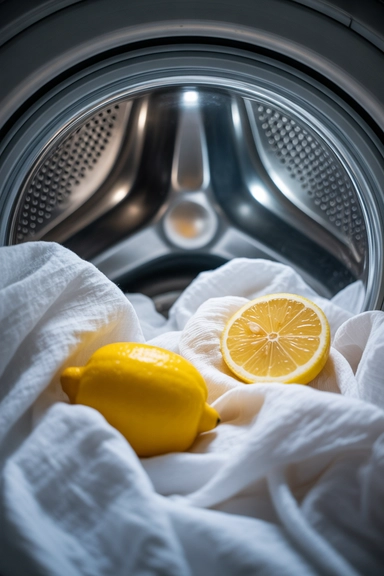
Half a cup of lemon juice in the detergent drawer or drum before a white wash cycle.
Repeated washing builds up mineral deposits and detergent residue that turn white cotton grey and dull over time. The citric acid breaks that buildup down. Works particularly well on towels and bed linen.
Do not mix with bleach in the same cycle. That combination produces chlorine gas. Even at low concentrations from a washing machine in a closed room that is not something to be casual about.
Odors on Plastic Chopping Boards and Containers
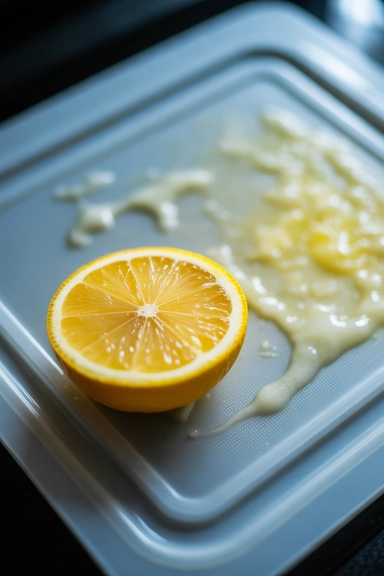
Squeeze lemon juice directly onto the surface, leave five minutes, rinse.
Onion, garlic, fish. All of them leave sulfur compounds and trimethylamine that soap reduces but does not fully remove. Citric acid neutralizes them. For plastic containers with deep grooves or scratches where smell lives, add salt and rub it in with the lemon juice using some pressure.
How Lemon Cleaning Methods Compare
| Method | Best Use | Contact Time | Works On |
|---|---|---|---|
| Lemon steam | Microwave interior | 8 minutes total | All interior surfaces |
| Lemon and salt | Cutting boards, grout | 5 to 10 minutes | Wood, ceramic, tile |
| Lemon and olive oil | Wood furniture | Immediate buff | Unfinished or waxed wood |
| Lemon peel | Garbage disposal odor | 30 seconds | Disposal interior |
| Lemon in dishwasher | Cloudy glasses | Full cycle | Dishwasher safe items |
| Lemon in washing machine | Grey whites | Full cycle | Cotton and linen |
| Dried lemon peel | Insect repelling | Ongoing | Drawers and cupboards |
Final Thoughts on Lemon Cleaning Hacks to Freshen Your Home Fast
Citric acid is what makes all of this work. Knowing that makes it easier to decide when lemon is the right tool and when it is not. Grease, odors, mineral deposits, light staining. Lemon handles those. Deep mold, heavy limescale, serious discoloration. Those need something stronger.
The smell matters too. Commercial cleaners swap one chemical smell for another. Lemon leaves surfaces smelling clean without announcing that cleaning happened.
Spent lemon halves still have enough acid to clean a stovetop, freshen a disposal, wipe down a sink. Use them before they go in the bin. One lemon doing three jobs in a row is not a stretch.
FAQ About Lemon Cleaning Hacks
Can lemon juice damage any household surfaces? Yes. Natural stone like marble, granite, and travertine gets etched permanently by acid. Avoid lemon juice on those entirely. Lacquered wood, rubber seals, and colored grout where the mild bleaching could cause uneven fading are also surfaces to be careful with. On chrome, short contact times are fine but leaving lemon juice sitting for a long time dulls the finish.
Is bottled lemon juice as effective as fresh? For most cleaning tasks yes. The citric acid concentration is similar and it works the same way on grease, mineral deposits, and odors. The difference is the natural oils in the fresh peel, which are what make the spent half useful as a scrubbing tool and what repel insects when dried. Anything that uses the peel itself needs fresh lemons. Everything else, bottled is fine.
How often can I use lemon juice on stainless steel? Once or twice a week is fine. Daily use of undiluted juice over a long period starts to affect the surface finish. For daily cleaning dilute with an equal amount of water or apply a small amount to a cloth rather than directly onto the surface and leaving it to sit.
Sarah Mitchell’s Take
My neighbor was right and I wasted about six lemons finding that out. The microwave is where I send everyone first because the result in eight minutes is so obvious it changes how you think about the whole thing. After that the spent halves go on the stovetop, then into the disposal on the way out. One lemon, three jobs, nothing in the bin until it has done its work. That is the version of cleaning I actually stick to because it does not feel like I am adding tasks. It feels like finishing what I started.