
Introduction
Three years ago I stood in my living room surrounded by throw pillows I hadn’t touched in two seasons, a coffee table buried under magazines from 2021, and a bookshelf holding twelve novels I would never reread. I told myself the space just needed better storage. It didn’t. It needed less stuff. Learning what things to get rid of in your living room is not about minimalism or a total redesign. It’s about removing the layer of objects you stopped noticing six months ago but that still drain the room every single day.
Most people skip this step entirely and go straight to buying organizers, which is exactly the wrong order. If you haven’t read Living Room Organizing Ideas yet, you’re probably already buying solutions for problems that purging would solve for free.
Image Source: Reddit (View Original Post)
Where Most People Go Wrong Before They Start
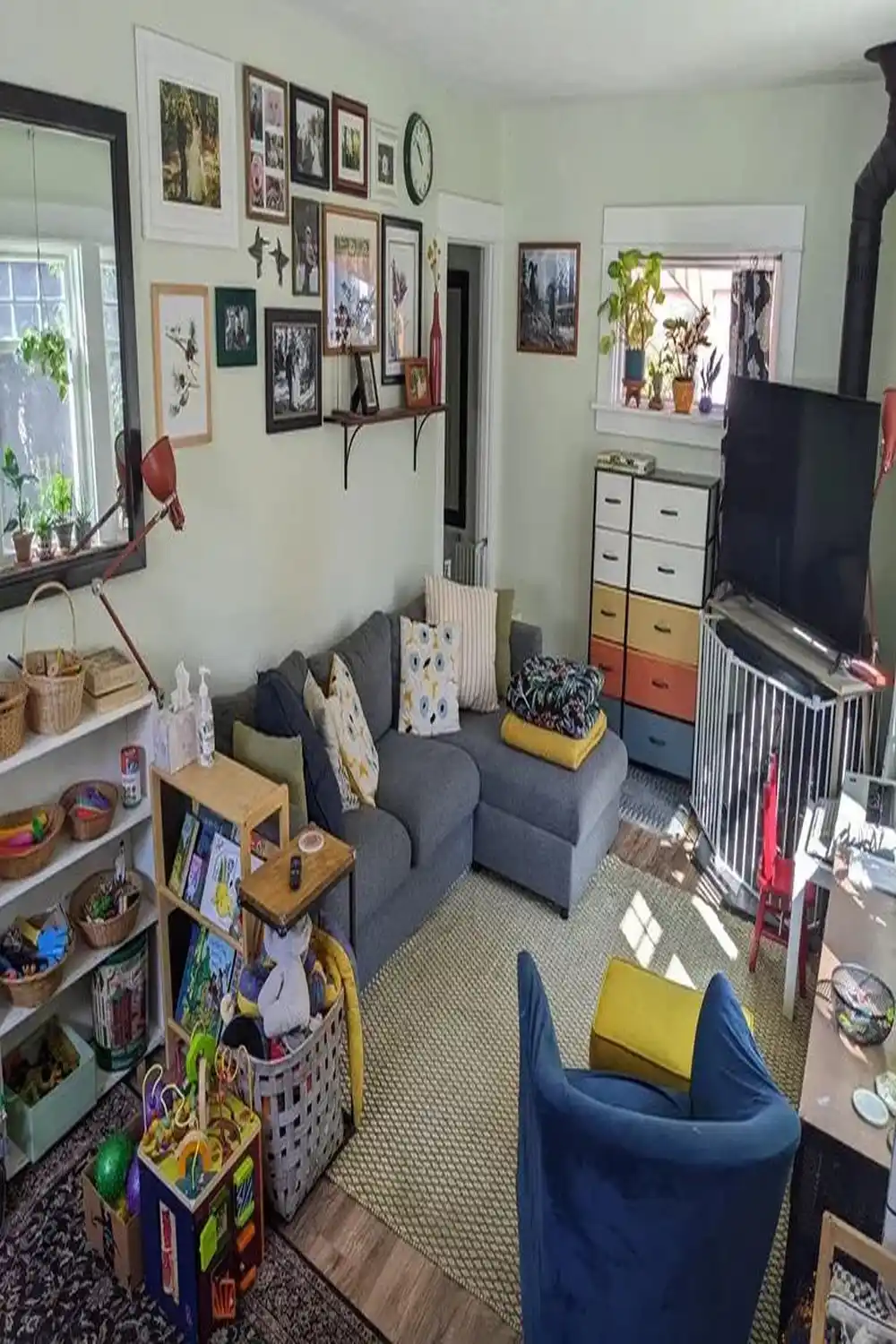
Image Source: Reddit (View Original Post)
The biggest mistake in any living room declutter is starting with the stuff you’re unsure about. People walk in, see the obvious pile on the coffee table, skip it because it feels complicated, and spend an hour rearranging decorative objects instead. Nothing changes.
Start with the broken, the expired, and the clearly wrong. Before touching a single sentimental piece, pull out anything with a dead battery, a missing piece, a cracked frame, or a cord attached to no device. These are zero-decision items. They take five minutes and free up the mental space to tackle harder calls later.
One thing to check before you start: look at your seating surfaces. Count how many are actually usable right now. If every chair and couch cushion holds a pile, that’s your map for where the real clutter lives. This is where most living room setups quietly fall apart.
Decorative Pillows You Haven’t Moved in Months
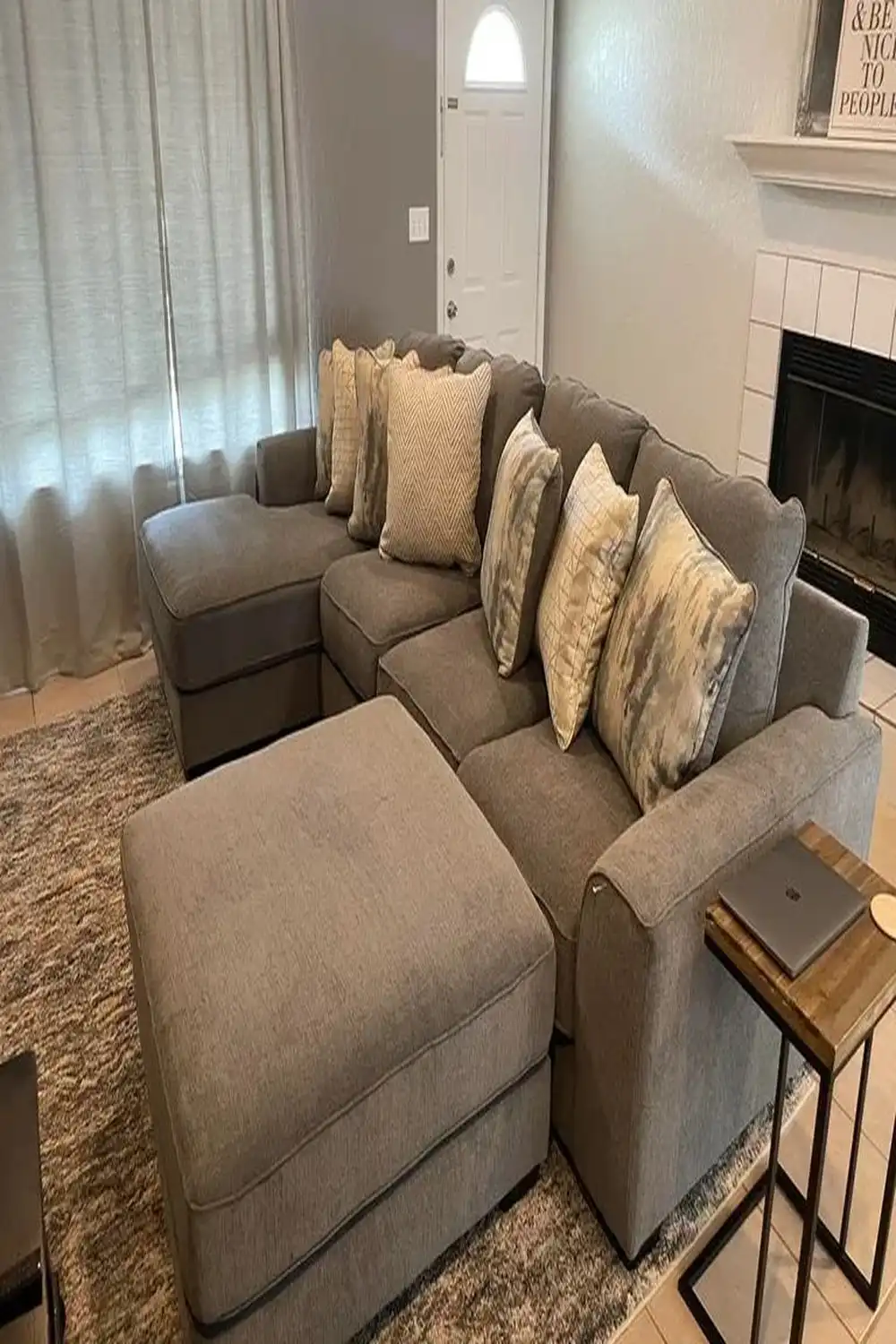
Image Source: Reddit
How many throw pillows are actually in rotation in your living room? Not the ones you move to sit down and toss aside immediately, but the ones you intentionally place and genuinely like.
Most living rooms hold two to three times as many decorative pillows as they need. The excess live in a permanent stack on the floor beside the sofa or pile up on one end of the couch in a shape no one ever disturbs. Picture a sofa with seven pillows across the back, four gone flat and two clashing with every seasonal update since. That’s not decor. That’s storage pretending to be styling.
Keep the ones you actually reposition. Donate the rest. A sofa with three good pillows looks more deliberate than one with eight mismatched ones fighting for space.
Magazines and Catalogs Older Than Six Weeks
Image Source: Reddit
Nobody goes back for them. I thought I did. I had a wicker basket beside my armchair holding a full year of shelter magazines stacked in a neat fan. I pulled one out to reference something once in twelve months.
Tear out the pages that genuinely matter to you, drop them in a folder, and recycle the rest. If you haven’t opened a catalog since it arrived, it serves zero purpose. The visual clutter of a magazine pile creates the same mental noise as a full inbox, and the solution is exactly the same: process and clear.
The wicker basket is fine. What goes in it is the problem.
Remote Controls and Dead Electronics
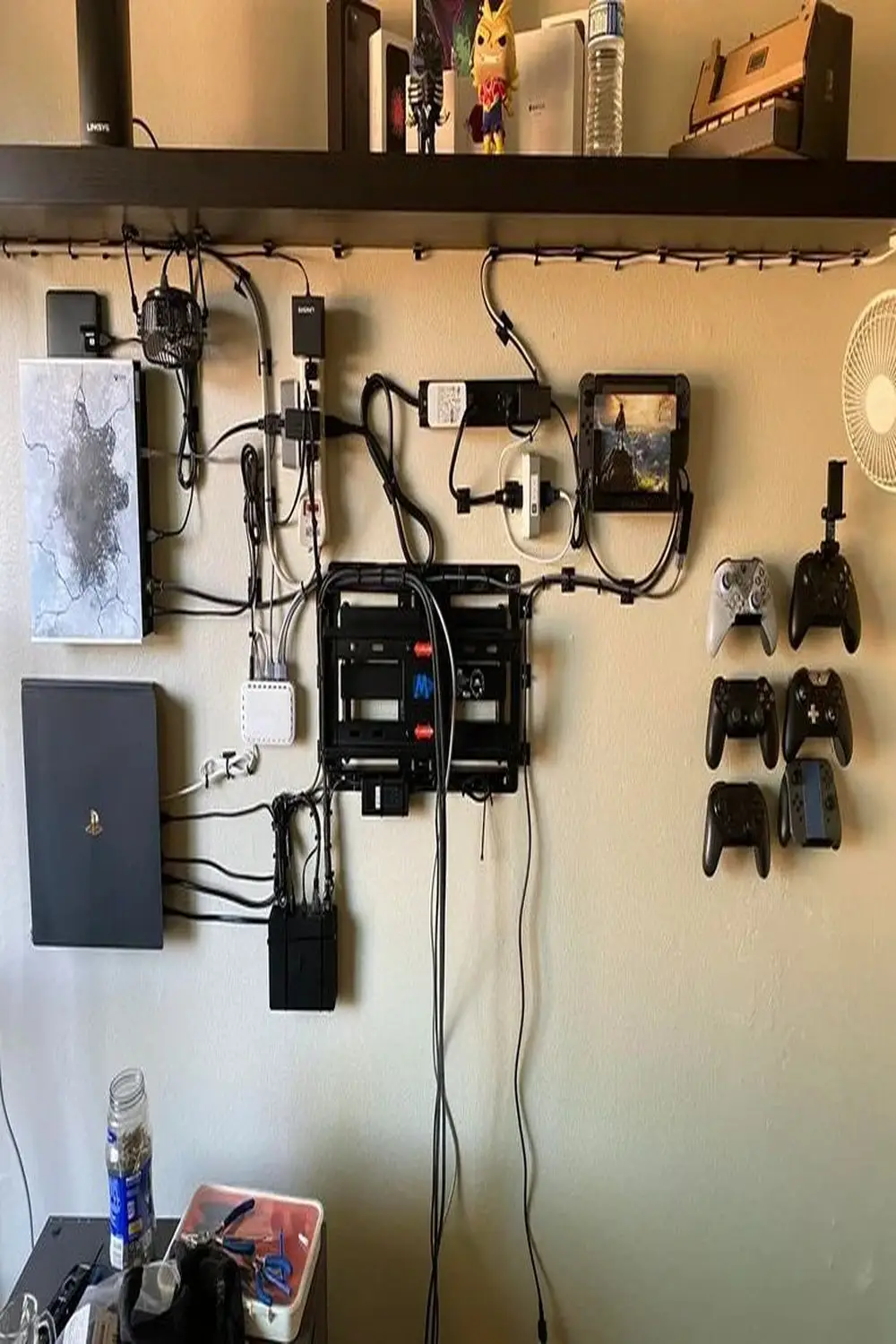
Image Source: Reddit (View Original Post)
Most living rooms have a cluster of remote controls on the coffee table or TV stand, and at least two belong to devices that no longer exist in the home. One of mine controlled a soundbar I replaced in 2022. It sat in a drawer for eighteen months because I wasn’t certain it was obsolete.
Test every remote. If it doesn’t control something currently in the room, it goes. Same logic applies to gaming accessories for discontinued consoles, chargers with no device, and any screen or tablet no longer in working condition. My IKEA Kallax unit beside the television had an entire drawer of dead tech by the time I actually looked.
This is the part most people avoid.
Décor That Doesn’t Match Anything Else in the Room
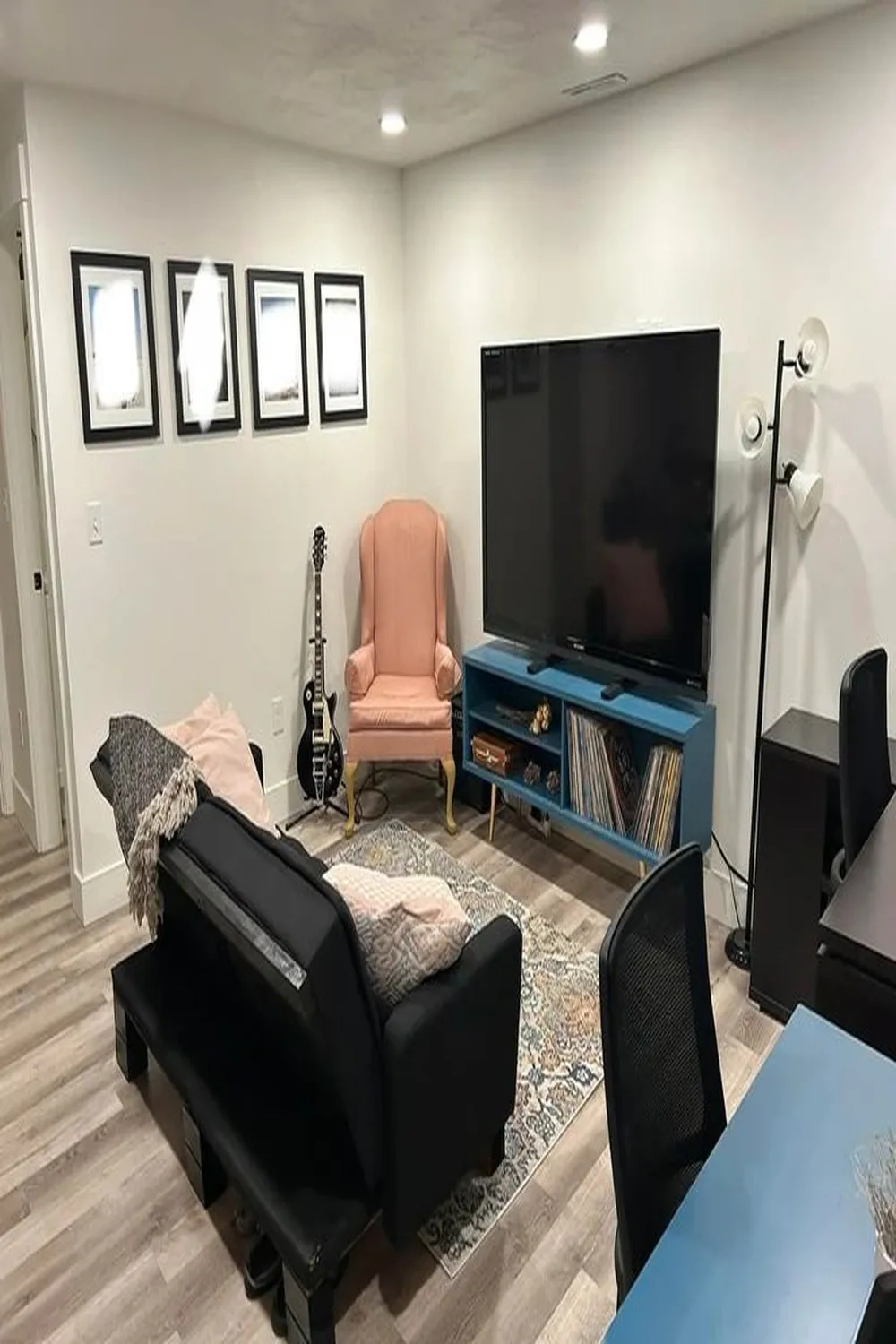
Image Source: Reddit (View Original Post)
I kept a driftwood sculpture for three years because someone gave it to me and I felt guilty letting it go. It didn’t match a single other item in my living room. It sat on the bookshelf and collected visual attention every time I walked in, not because it was nice to look at, but because it didn’t belong.
Décor from past phases of your design taste is dead weight. The terracotta vase from your boho era. The gray industrial candleholders from when gray was everywhere. The word-art sign that now makes you wince. A shelf with five cohesive pieces reads cleaner than one with fifteen objects in four different styles. If you haven’t read Clutter Busting Hacks before doing a decor purge, you’ll likely stall out right here, which is where most people abandon the whole project.
Books You Will Not Read Again
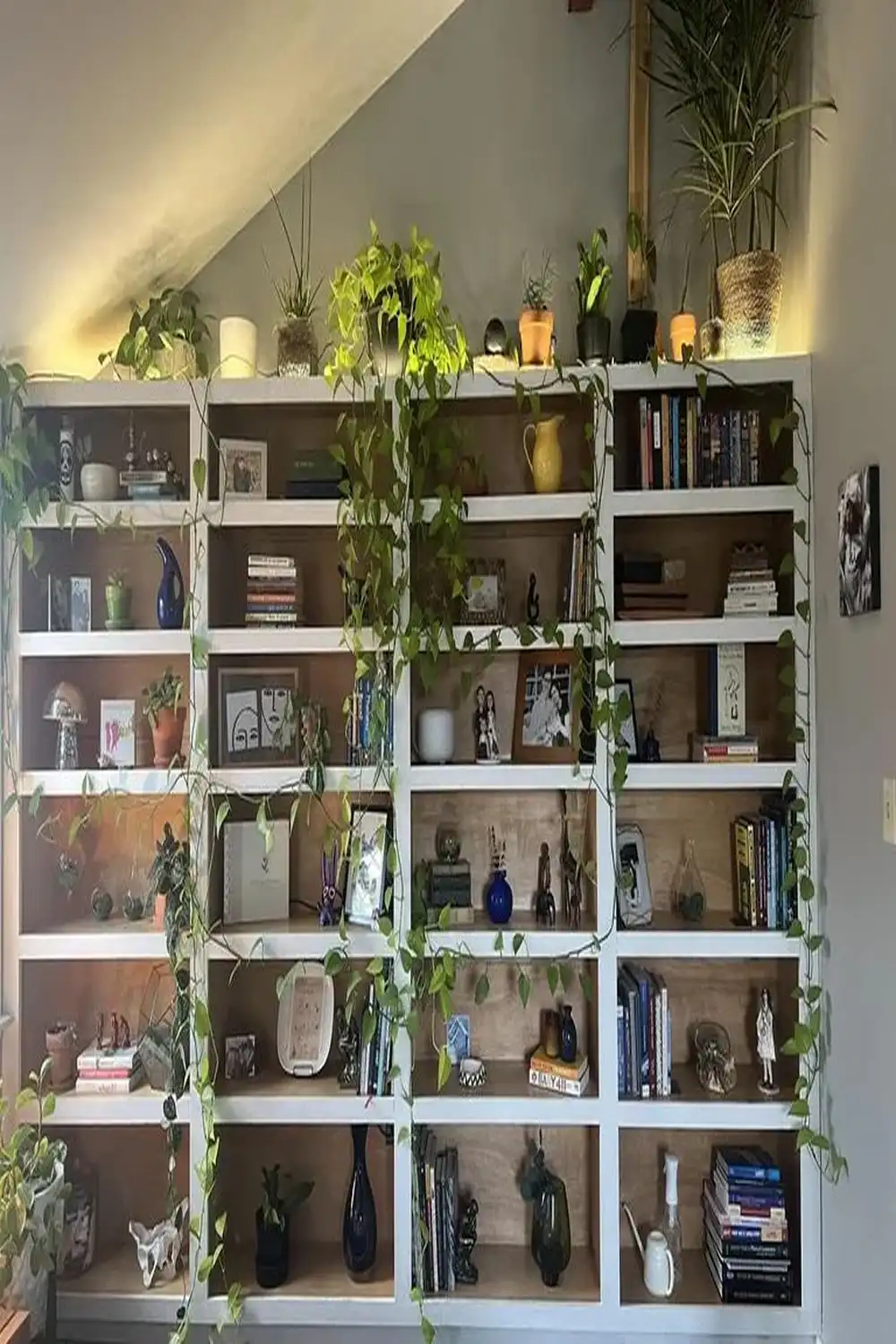
Image Source: Reddit (View Original Post)
I love books. That’s exactly why I had to be hard about this one.
A bookshelf holding fifty books you’ve read and thirty you never will is not a library. It’s a guilt wall. Go through the shelf and pull every book you finished and wouldn’t recommend to a specific person in your life right now. Then pull every book you’ve owned for more than two years and haven’t started. Both categories go.
What remains should be books you’re reading, books you actively recommend, or books with genuine sentimental weight. The visual effect of a half-full bookshelf with breathing room between spines is dramatically calmer than a jammed shelf spilling books horizontally across the tops of upright ones.
Candles That Are More Than Half Burned Down
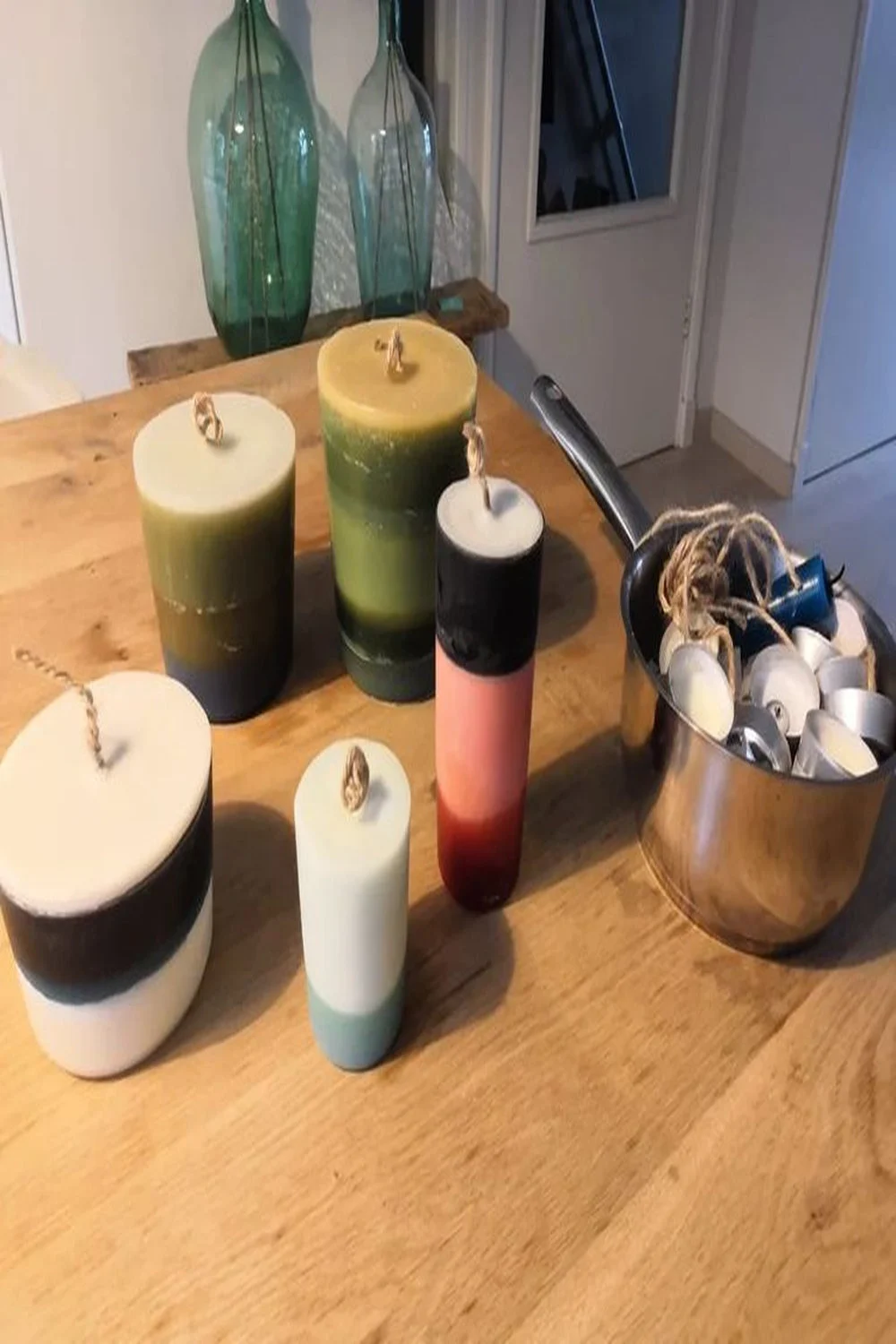
Image Source: Reddit (View Original Post)
A candle burned down to the two-inch mark with a blackened wick sitting on your side table is not a decoration. It’s a remnant. You’re keeping it because throwing away a candle feels wasteful, not because it adds anything to the space.
If the wax is discolored, tunneled, or the scent has gone flat, it served its purpose. Small burned-down candles on a side table, especially three or four from different seasons grouped together, create the visual clutter category I call “things I’m still deciding about.” Decide now. Keep one or two that are genuinely in use. The rest go.
The next one is what actually fixed the room for me.
Furniture That Only Holds Clutter
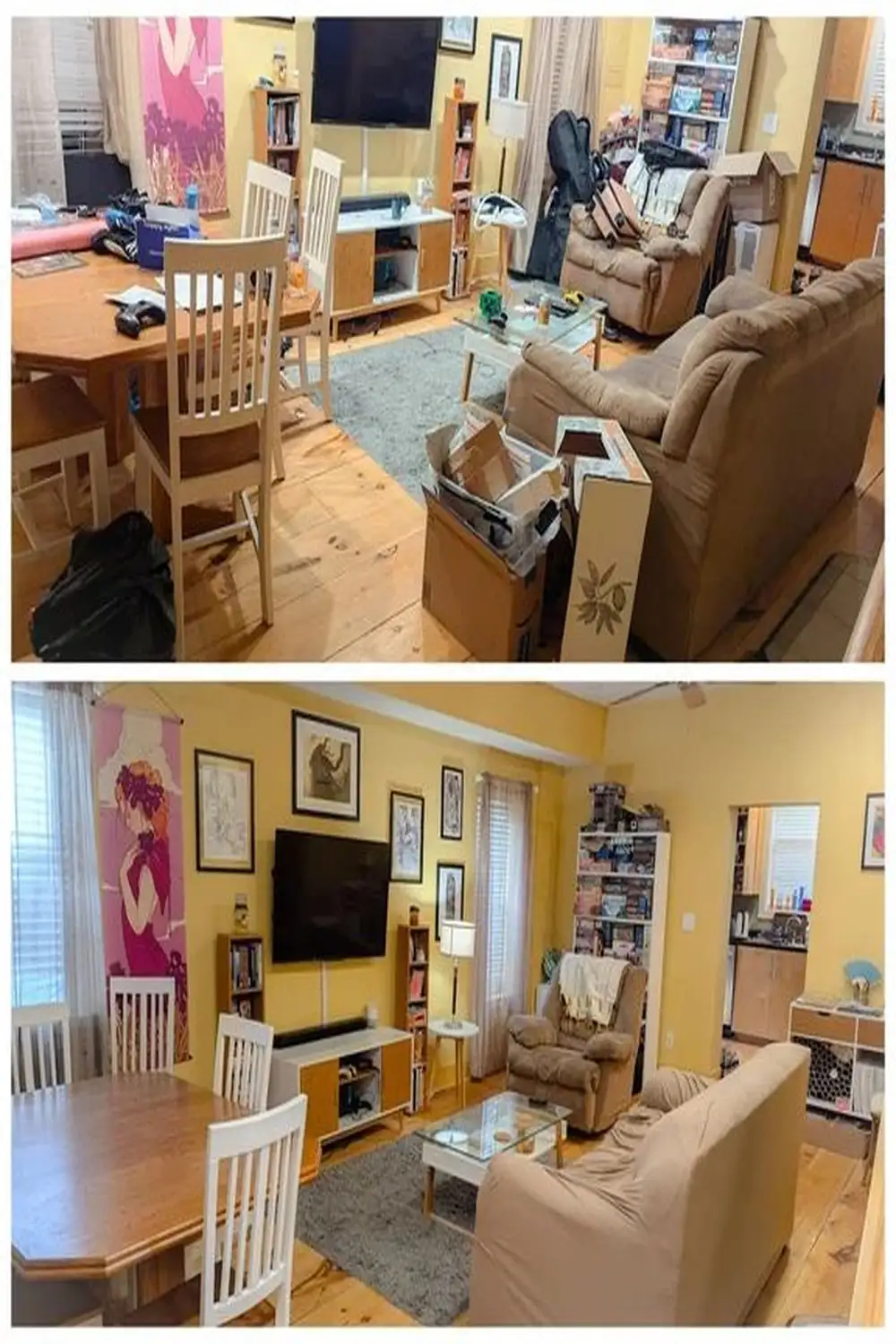
Image Source: Reddit (View Original Post)
There’s a specific piece of furniture in most living rooms that exists solely as a surface for things with nowhere else to go. In my case it was an accent chair no one sat in, holding a throw blanket draped over the back and a stack of books on the seat. It blocked the window and collected coats.
Ask honestly: if every piece of furniture in your living room were suddenly empty, would you still want that piece? If the answer is no, or if the piece only justifies its existence by holding overflow, it’s creating more problems than it solves. A living room with fewer furniture pieces and more visible floor always feels larger and more controlled.
Children’s Toys That Migrated and Stayed
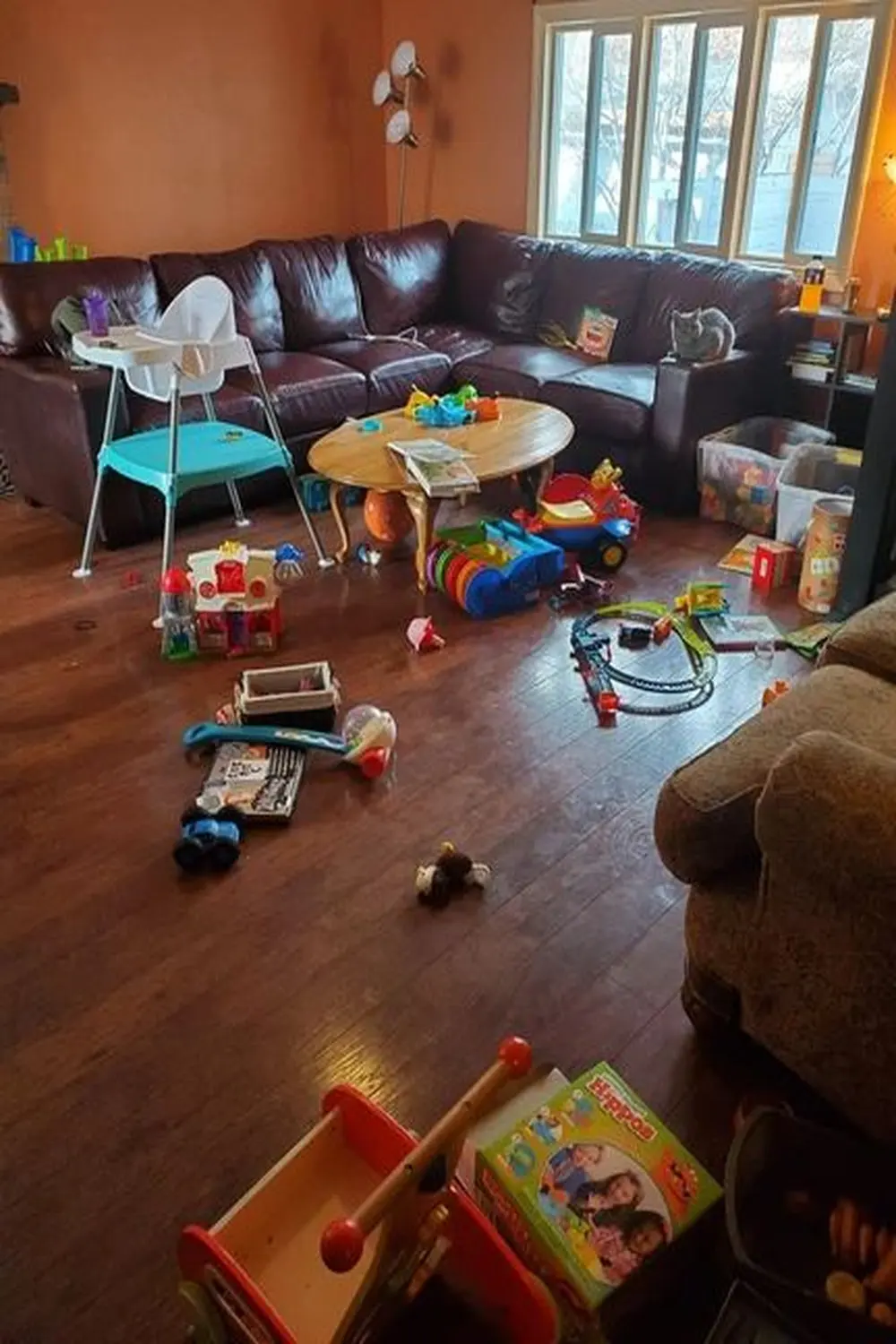
Image Source: Reddit (View Original Post)
This isn’t about whether kids should play in the living room. They should, and they will. The problem is the toys that stop getting played with but never make it back to the kids’ area.
Broken crayons behind the sofa cushions. A single puzzle piece on the windowsill. Half a set of blocks in the corner. A stuffed animal neither child has asked for in a full season. These items add up to a permanent layer of low-grade disorder that never fully resolves no matter how many times you tidy. If you haven’t read Things to Throw Away for Easy Decluttering yet, the toy situation is just one category that will stop you cold without a clear decision framework.
Throw Blankets in Excess

Image Source: Reddit (View Original Post)
Two throw blankets in a living room makes sense. Four does not. Six is a storage problem wearing a cozy disguise.
Three blankets draped over the sofa arm, one folded on the ottoman, two more stuffed into a floor basket create a textile pile that makes the room feel soft but crowded, like a too-full linen closet decided to redecorate. Keep the two you actually reach for on cold evenings. Anything past that is extra laundry waiting to happen.
The basket stays. The extras don’t.
Side Tables and Trays Holding Nothing Specific
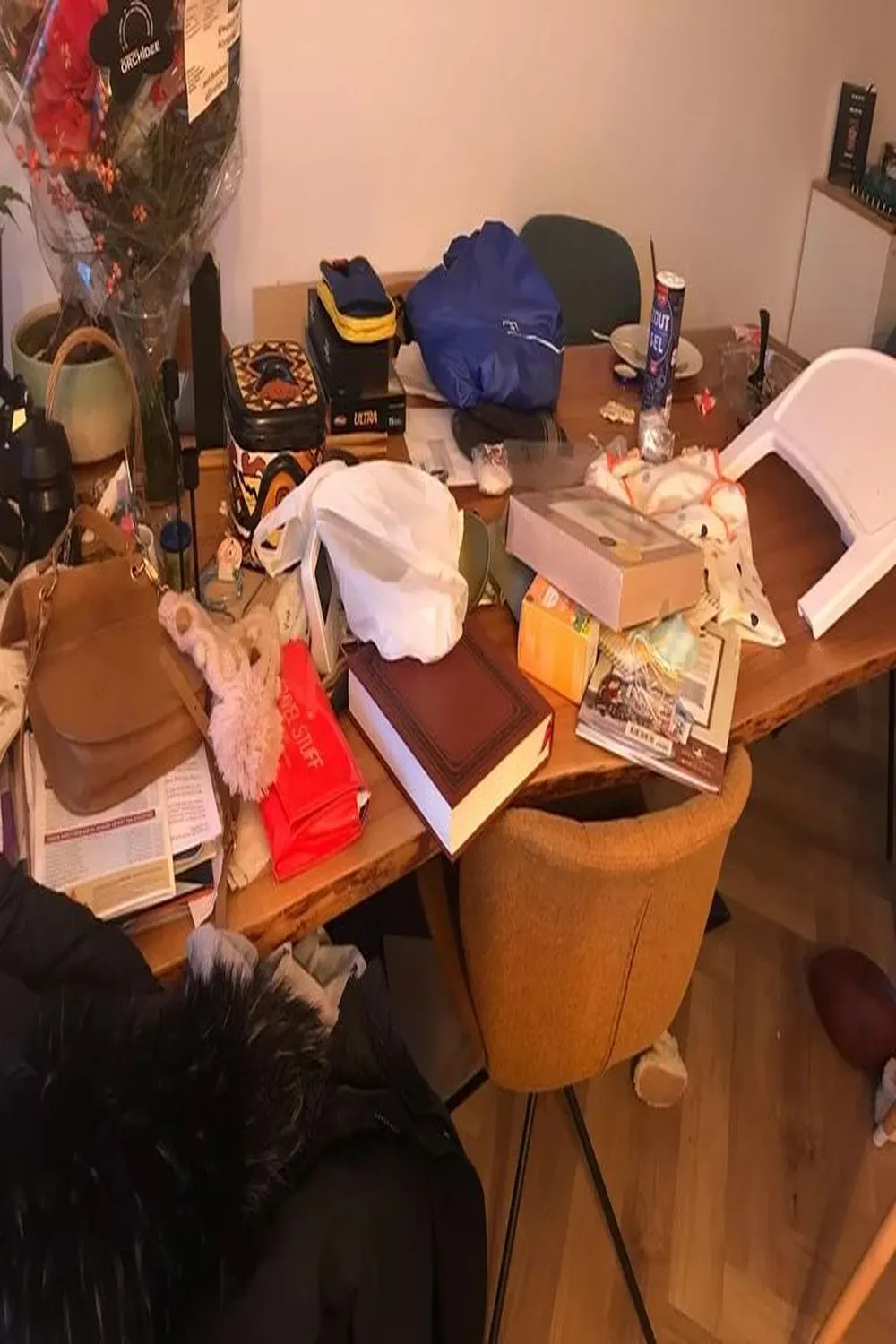
Image Source: Reddit (View Original Post)
A tray on the coffee table sounds organized. A tray holding a half-melted tea light, three coins, a capless pen, and dried-out lip balm is not organized. It’s a boundary for chaos.
Trays and small tables serve a real purpose when they hold intentional things. Clear the surface entirely first. Then decide what genuinely belongs there in daily use. Anything that doesn’t answer “I use this in this room at least once a week” goes elsewhere or leaves the house. If the side table itself holds nothing you need in the living room, the table may also be the problem.
Framed Photos You’ve Stopped Seeing
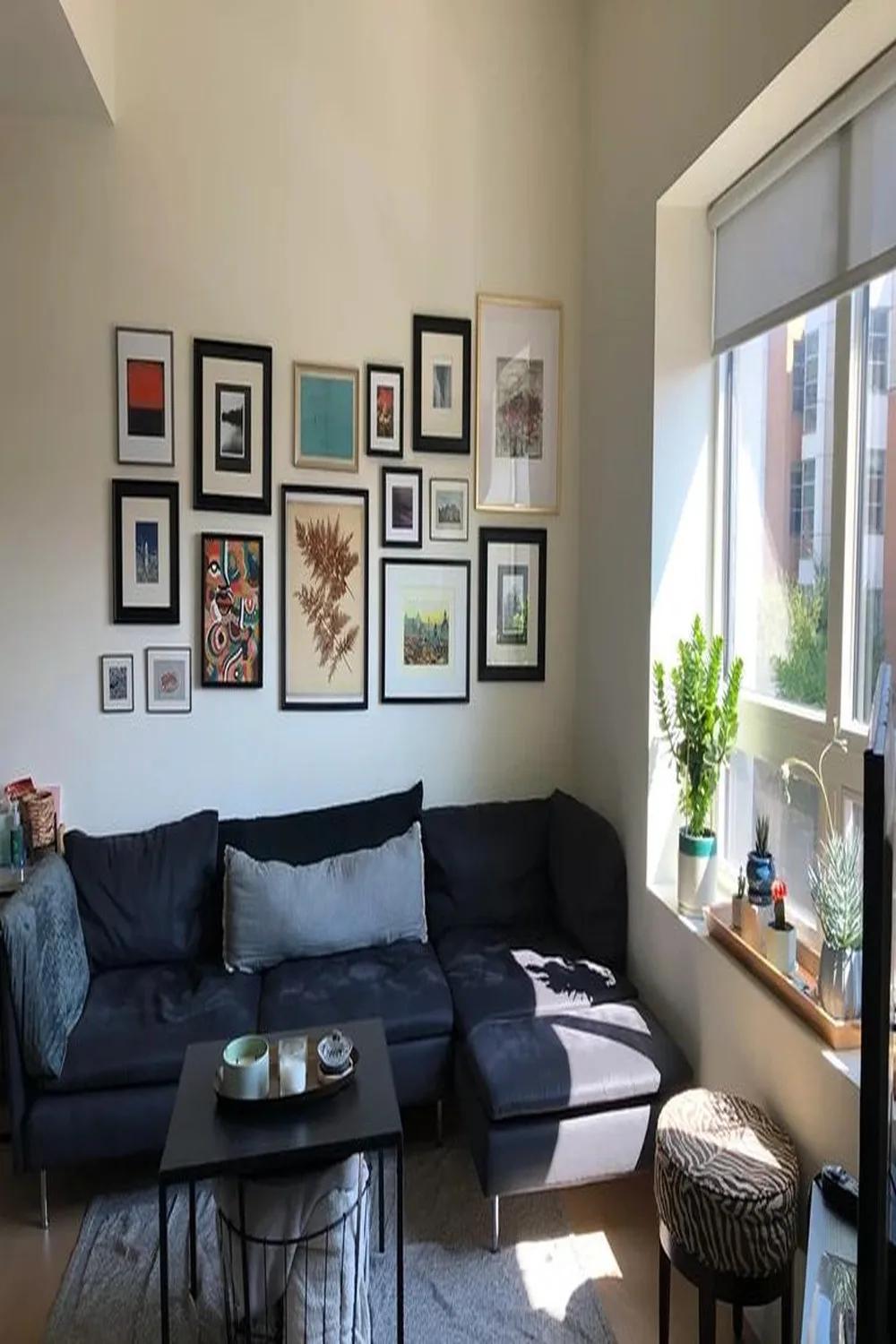
Image Source: Reddit (View Original Post)
Photo walls and shelf displays are meaningful when you actually look at them. Most people stop seeing their gallery wall within three months of hanging it. It becomes wallpaper.
I tested this once: I stood in my living room and looked at the framed photos on my shelves and tried to name what I felt. For four of them, I felt nothing. Not the moment, not the people. Nothing. Those four frames were taking up prime shelf real estate without doing the one job they existed to do. Skipping Small Living Room Storage Ideas is exactly how people end up trying to store things that should have left the room first.
Edit the display down to images that actually stop you when you walk past. A shelf of five well-chosen photos delivers more emotional impact than twenty competing for the same glance.
Old Seasonal Décor That Missed the Storage Box
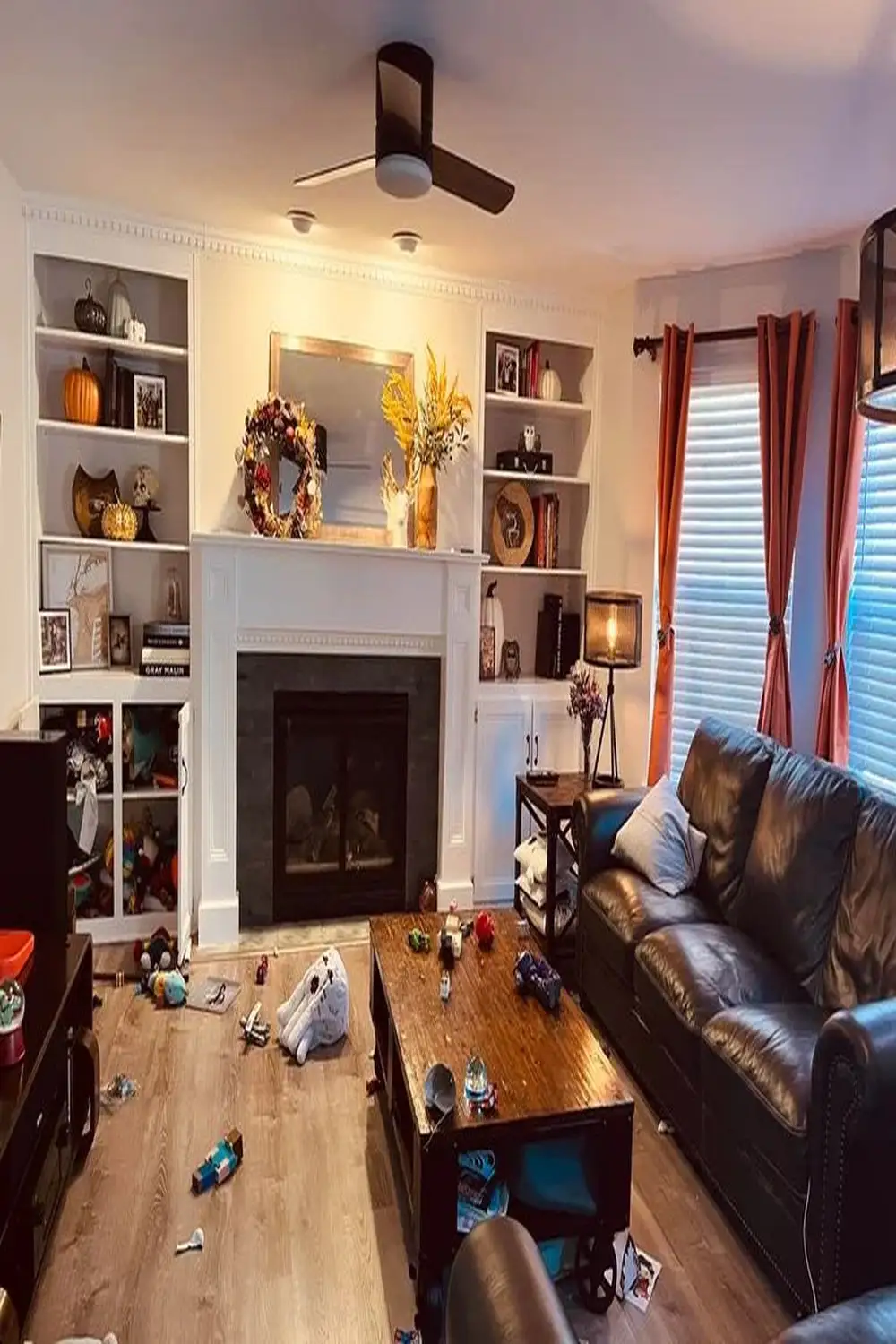
Image Source: Reddit (View Original Post)
Every year I found one straggler. A felt ornament on a bookshelf in March. A dried wreath propped against the wall that didn’t make it back to the bin. An autumn candle ring still on the side table in January.
These objects are not décor. They’re evidence of an incomplete job. Any seasonal item out of its season gets pulled immediately. The rule I use: if it’s decorative and it has a season, it belongs in the storage bin or it doesn’t belong in the house. No in-between.
Things on the Floor That Have No Official Home
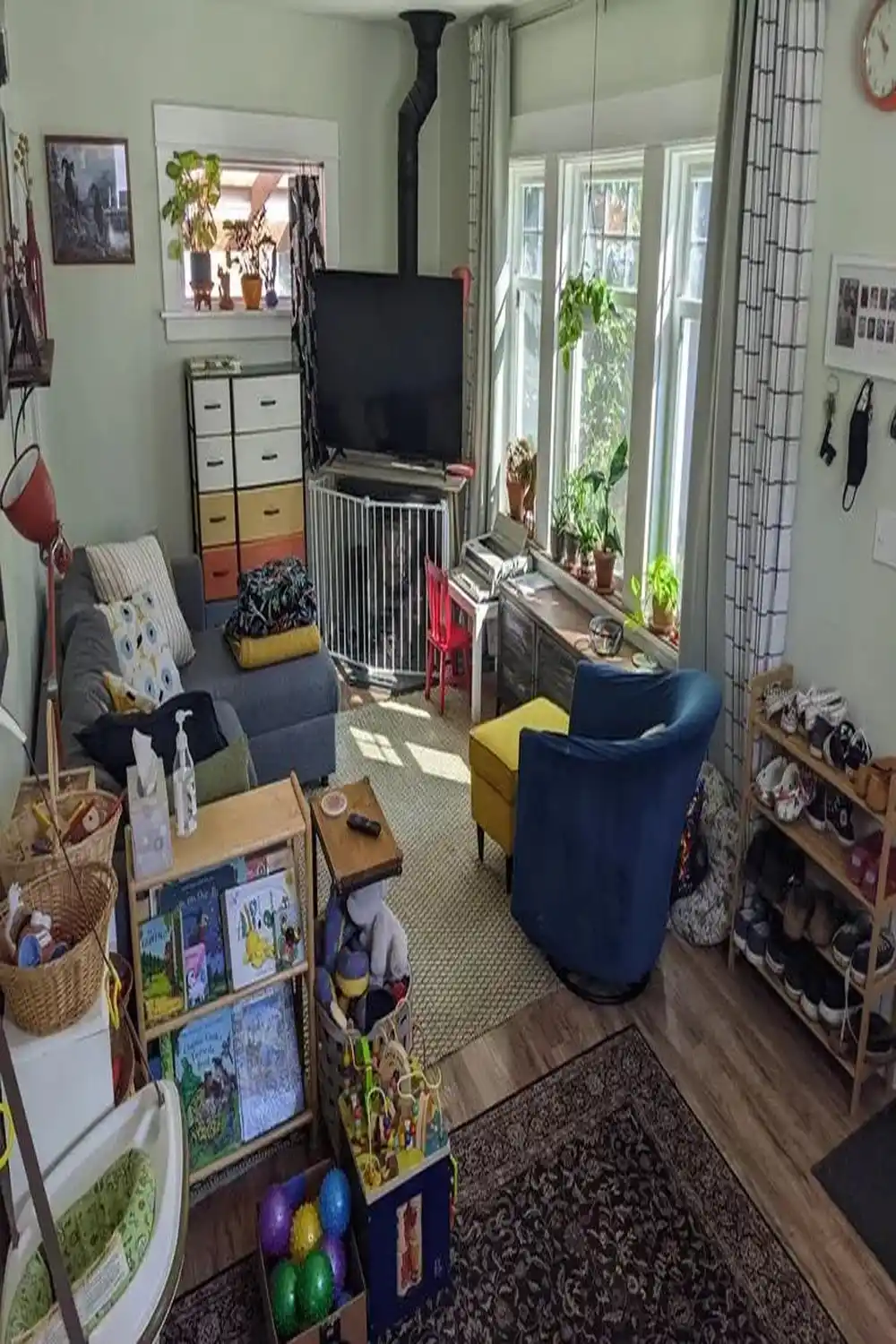
Image Source: Reddit (View Original Post)
Shoes by the door that aren’t by the door. A tote bag leaning against the armchair. An unopened box from last month. A yoga mat rolled up in the corner of a room that is not a gym.
Floor clutter is the most visually disruptive type because it interrupts sight lines across the entire room. Even a single bag on the floor reads as disorder in a way that a cluttered shelf doesn’t. Give every floor-level item either a permanent home elsewhere in the house or remove it entirely. The floor should have furniture on it and nothing else.
Artwork You Bought Just to Fill a Wall
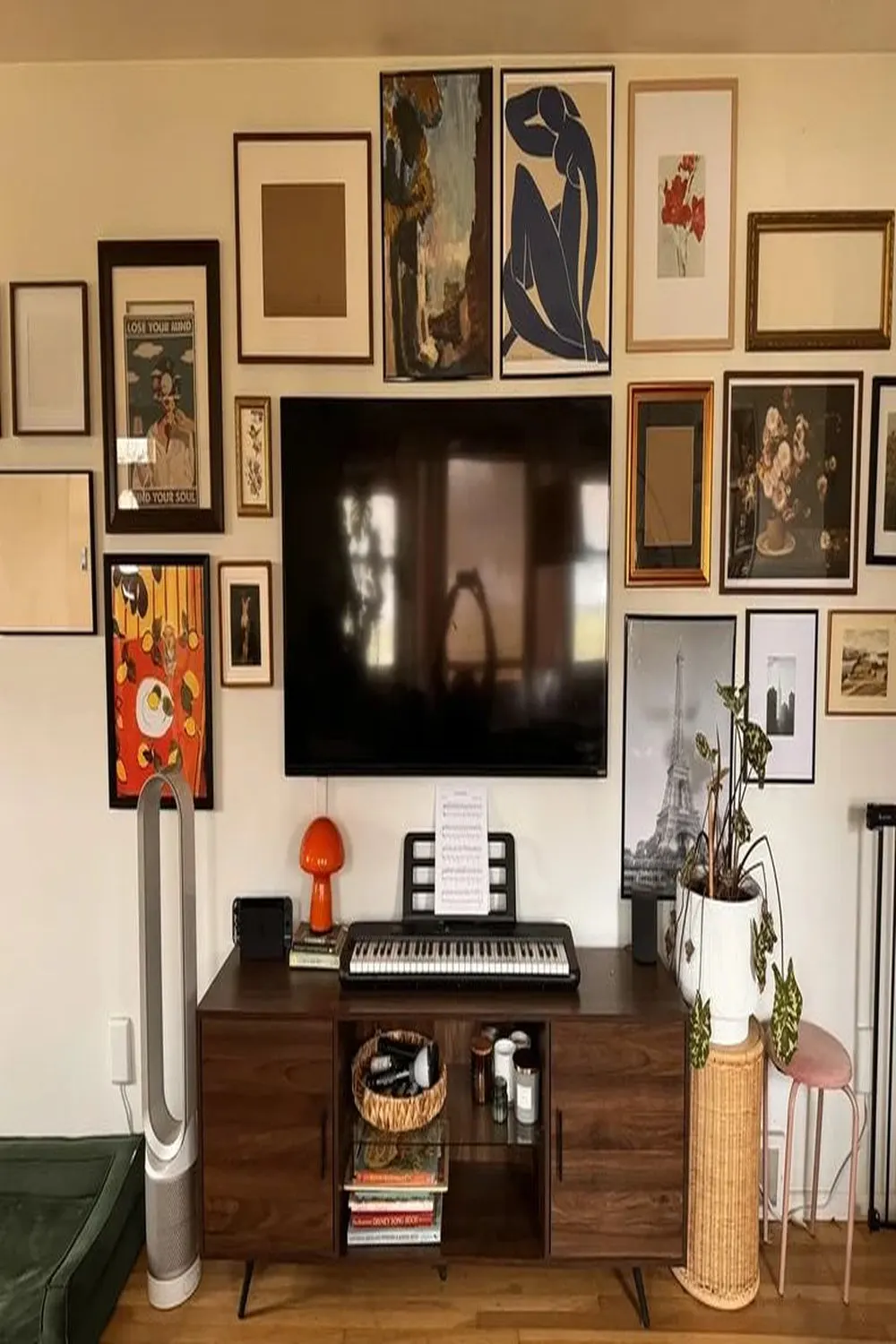
Image Source: Reddit (View Original Post)
Blank walls make people nervous, so they hang something, anything, just to cover the space. I did this with a generic landscape print I bought at a discount home store because the wall above my console table felt empty. I never liked it. It just stopped the wall from looking bare.
Artwork bought out of desperation rather than genuine connection does the same job as a decorative pillow you never touch. It fills space without adding anything. Stand in front of every framed piece in your room and ask whether you would hang it again today if the wall were bare. If the answer is no, the wall being temporarily empty is actually the better option. A blank wall reads as intentional breathing room. A wall holding art you don’t care about just reads as noise.
Final Thoughts on Things to Get Rid of in Your Living Room
Getting clear on which things to get rid of in your living room is less about perfect taste and more about removing what stopped serving you without you noticing. The categories above cover decorative excess, dead tech, textile overflow, and the slow accumulation of objects that never got a real decision.
Start with the zero-decision items: broken things, dead electronics, expired seasonal décor, and obvious duplicates. Then move to the harder calls: décor from past phases, books that became guilt rather than joy, furniture that only holds what has nowhere else to go.
The goal is a room where every object is either useful, genuinely loved, or both. Anything less is just weight.
Start with just one category today. Not the hardest one. The easiest one. Momentum is what clears a room, not motivation.
FAQ About Things to Get Rid of in Your Living Room
How do I decide what to keep versus donate from my living room?
Ask whether you would buy it again today, at full price, for this specific room. If the honest answer is no, it donates. This filter skips the emotional attachment loop and focuses on current value rather than original cost or sentiment. Use it on every object in the room before sorting begins.
What should I do with sentimental items I no longer want displayed?
Store them with intention rather than guilt. One container per category, properly labeled, stored where you can access it if you want to. The goal is not to discard things that genuinely matter. It’s to stop forcing sentimental objects into a display role they’ve outgrown. Rotating a few items in and out seasonally keeps the meaning alive without locking the room into a permanent shrine.
Is it worth decluttering a small living room if I don’t have more storage?
Yes, because removing items is the only strategy that actually creates space. More storage in a small room just holds more clutter in a smaller footprint. A living room purge followed by zone mapping, where like-use items stay near where they’re used, solves more square footage problems than any storage solution you can buy.
Sarah Mitchell’s Take
The hardest part of clearing out a living room isn’t the stuff you obviously don’t want. It’s the layer just beneath that: the things you kept because getting rid of them felt like admitting something. A phase you loved that passed. A gift that never fit. A version of your home you never quite became. Give yourself permission to let that go. The room on the other side of that decision is the one you actually want to live in.
Sarah Mitchell is a home decor and DIY writer who shares practical cleaning, organizing, gardening, and budget-friendly home ideas. She personally tests every tip she shares on Budget Nest Studio to make sure it works in real life.