
Introduction
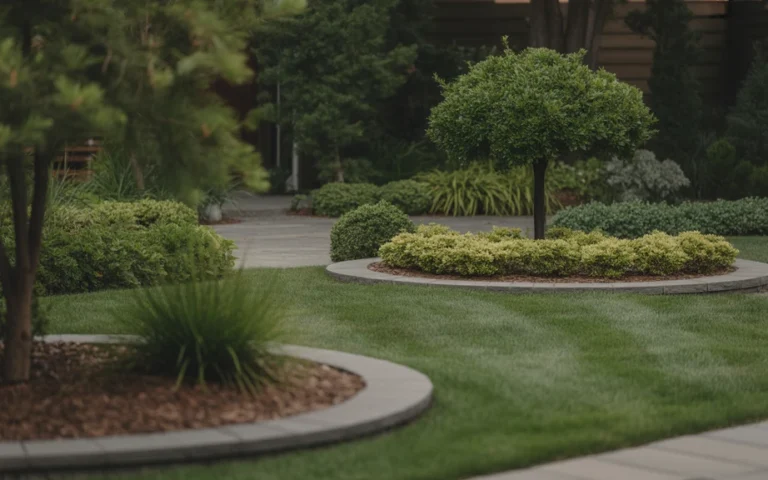
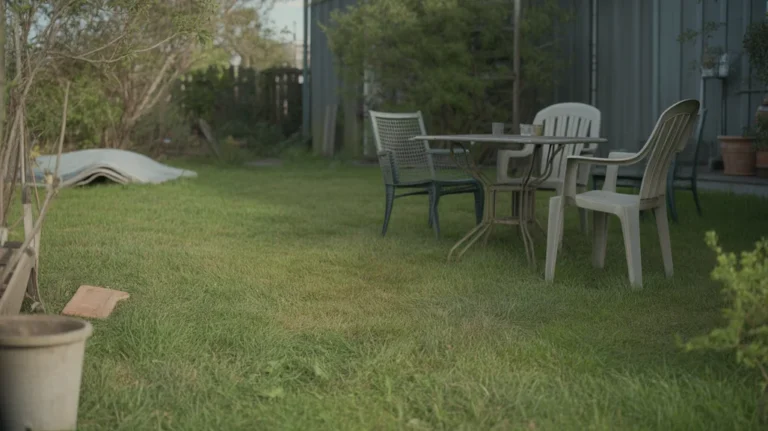
Many people think backyard ideas without a pool are incomplete, but that is not always true. I used to think the same until I spent a summer staring at dead grass, convinced I had to spend thousands to improve it. Then I noticed my neighbor’s yard. There was no pool and no expensive features, yet it felt like a well-planned outdoor living space. I watched for a while and finally understood the difference.
They did not just fill the space. They designed it with purpose, using simple and practical backyard ideas. The next spring, I focused on layout, seating, and function. The result was a no-pool backyard that feels complete, comfortable, and inviting, even on a budget.
If this feels familiar, Backyard Layout Ideas is the one thing that will stop you from wasting the first season making changes you’ll undo by fall.
No Pool Backyard Layout Ideas: Start With Zones
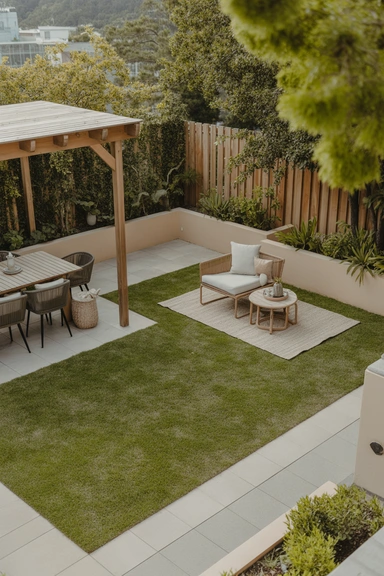
Most people get this wrong before they buy anything. They see an empty yard and start adding random pieces. Soon, a fire pit, a bistro set, and a hammock all compete in the same small space with no flow.
A better approach is to define how you will use the space first. Do you want to eat, relax, garden, or create a play area? Each activity should have its own zone, even if it is simple, like a rug with two chairs. This makes every decision clearer.
Also pay attention to natural light before setting anything up. A seating area in harsh afternoon sun will not be used, no matter how good it looks. This is where many backyard layouts fail early.
A Defined Seating Area That Feels Intentional
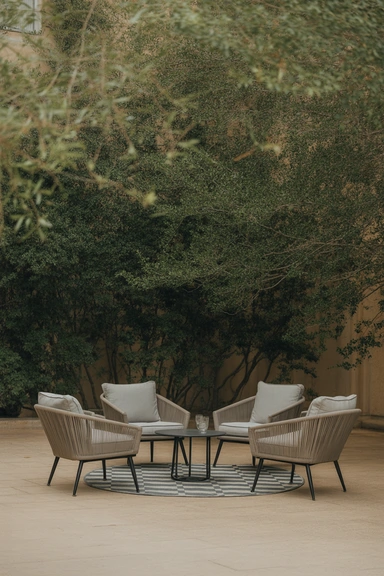
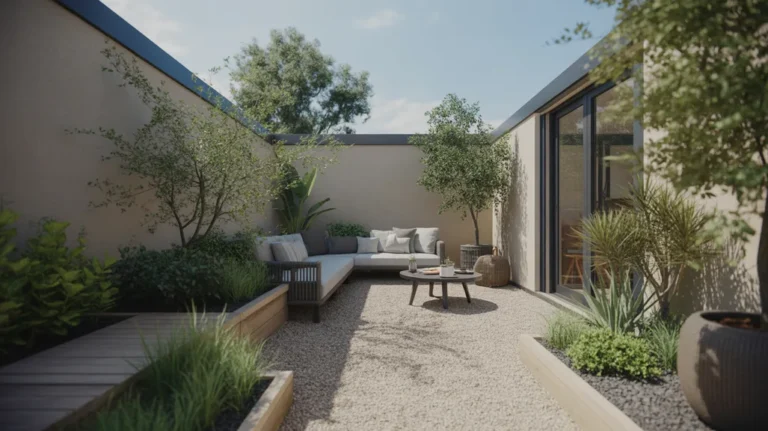
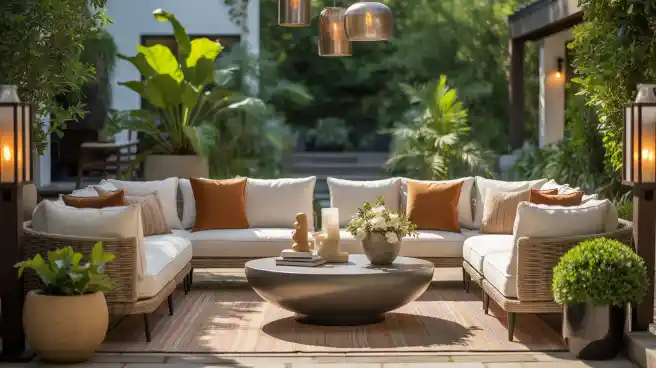
If your backyard feels off, it is usually the seating. There is no clear start or end. You do not need walls to fix it. Just mark the space. An outdoor rug works. Put down a 6×9 rug, add four chairs and a small table, and you have a place people will actually use.
Keep it tight. When chairs are far apart, no one sits there. Bring them closer. Two deep chairs facing each other with a small table between them works in most yards. The rug pulls it together so it does not feel random.
I made the mistake of going big. Bought a full patio set. It crowded the yard. Start with less, place it well, then add only if you need more.
Fire Features That Anchor the Space
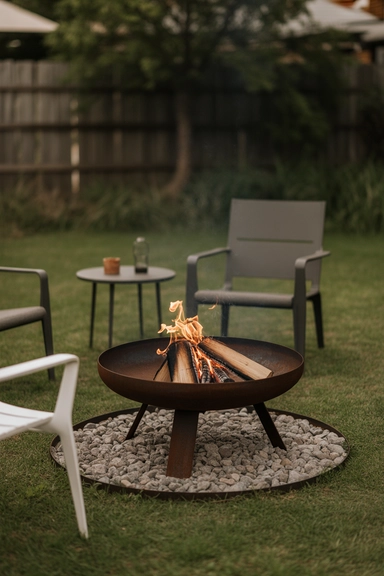
You do not need anything fancy here. A basic steel bowl on legs works. Set it at the edge of the seating area and it pulls the space together. You notice the difference as soon as it is there, especially after sunset.
Put some gravel around it. About 18 inches is enough. It keeps things cleaner and safer, and it looks better than bare dirt. If smoke bothers you or your neighbors, go with a smokeless model like Solo Stove.
This is the part most people avoid.
Shade That Does the Work a Pool Umbrella Never Could
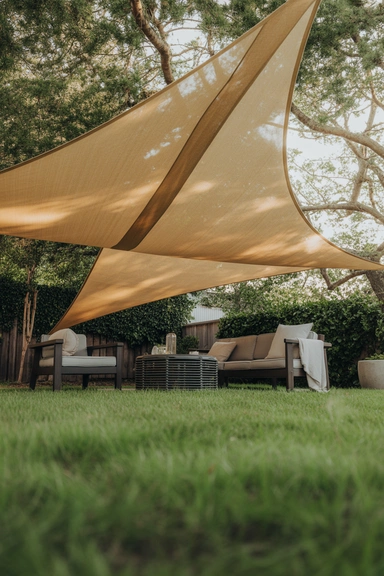
Outdoor umbrellas tied to furniture tend to wobble and tilt, and they struggle in the wind. A shade sail or a simple pergola post works better because it has one job. A triangular shade sail stretched between three anchor points can cover a larger area and usually costs less than many pool-related upgrades.
Most people get this wrong because they never went through Backyard Design Ideas and the results show immediately when the shade ends up in the wrong corner of the yard entirely.
If you want something more permanent, set four cedar posts and add a simple lattice on top. It is an easy weekend job. Vines like morning glories will cover it in a season. It gives shade but still lets air through, so it does not feel trapped or hot
Privacy Without Planting a Forest
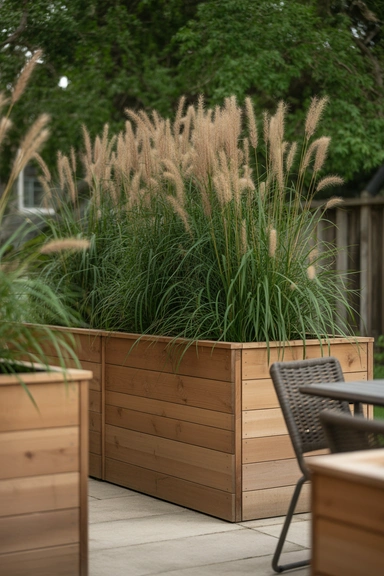
You do not need a six-foot fence or a row of arborvitae to get privacy in a backyard. A single cedar planter box, around four feet tall and filled with ornamental grasses or a tall flowering shrub, blocks a sightline while adding texture at the same time. Three of those boxes lined along one side of a seating area create a natural wall that breathes instead of closing the space in.
Bamboo in a contained planter works the same way, and it grows faster. Keep it contained though. Bamboo planted directly in ground spreads through runners underground and you will spend the next decade managing it. In a planter with a solid base it stays exactly where you put it.
Most people think this works until they try it with the wrong plant in the wrong container.
A Dining Setup That Earns Its Square Footage
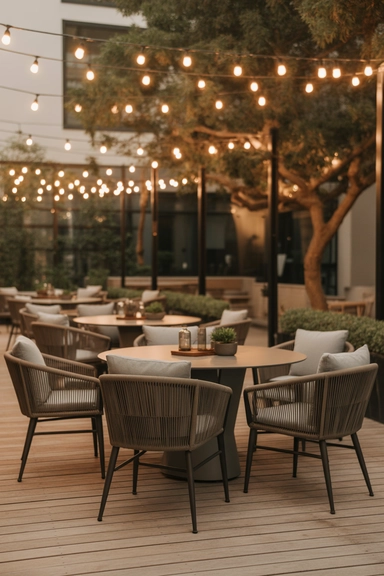
An outdoor dining table only works if the space around it is sized correctly. Two feet on every side of the chairs when pulled out is the minimum. Anything less and someone is always standing sideways to sit down. A sixty-inch round table seats six adults with room to move, and the round shape eliminates the awkward corner seat problem of rectangular tables.
Lighting above the table matters as much as the table itself. A string of Edison bulbs hung from two posts or from the eave of the house to a shepherd’s hook in the ground creates warm overhead light that makes an outdoor dinner feel worth sitting down for. Hang them at about eight feet off the ground.
You are not short on space out here. You are blocked by furniture that was never sized for the area it sits in.
A Path That Connects the Space
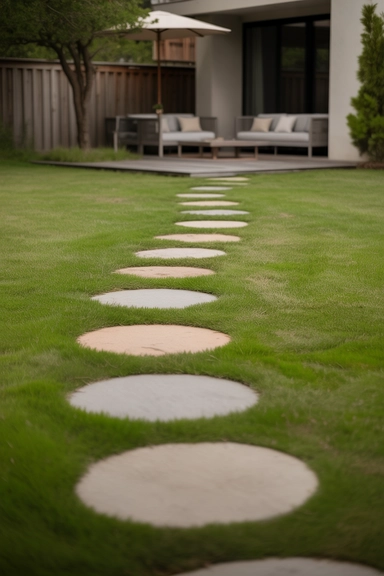
Every backyard benefits from at least one clear path. Not a formal walkway with edging and a contractor. A simple line of stepping stones through the grass from the back door to the main seating area changes the feel of the whole yard. It signals purpose. It tells anyone looking at the space that it was thought through.
Flat fieldstones or large concrete pavers set directly into the grass work fine. Press them down firmly, check that each one sits level, and space them about eighteen inches apart centered on an average walking stride. The grass fills back in around the edges within a few weeks and the whole thing looks like it has been there for years.
Container Gardens That Add Color Without a Bed
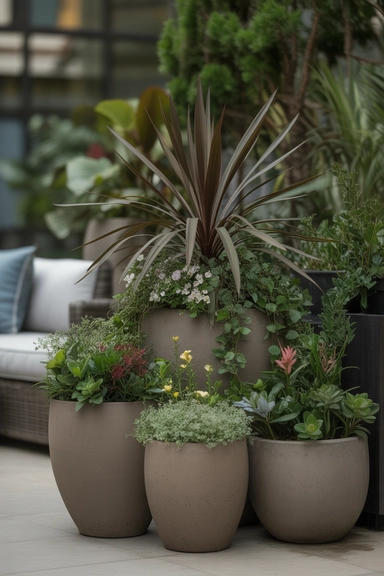
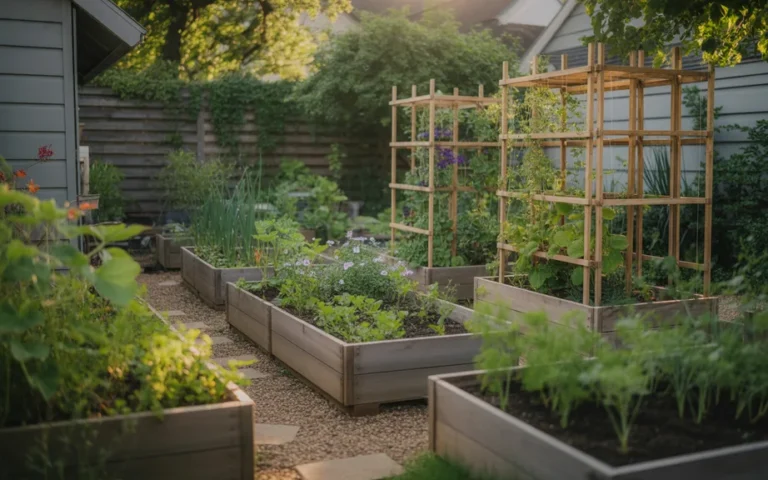
Raised bed gardening is great, but not every yard has the space or the commitment level for it. Container gardens do almost the same visual work with none of the soil amendment or permanent installation. Three large pots clustered together at different heights, with a thriller plant in the center, filler around it, and something trailing over the edge, create a garden moment anywhere.
Use soil mixed with perlite for drainage. Containers that sit in standing water develop root rot fast, and nothing looks worse than a pot of dying plants next to an otherwise nice seating area. A pot with a drainage hole and a saucer underneath handles most weather without any extra effort.
This one took me the longest to figure out.
A Focal Point the Eye Travels To
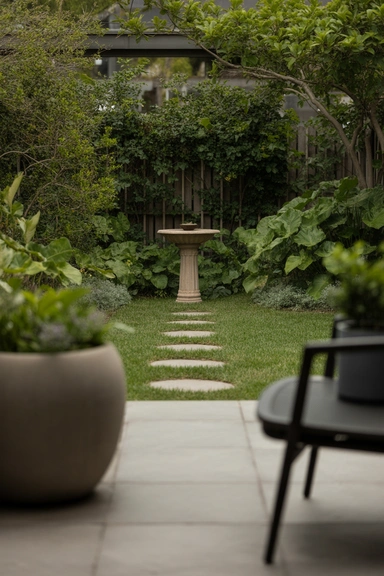
Every well-designed backyard has one thing the eye moves toward. Without it, the space feels scattered even when it is clean and well-organized. The focal point does not need to be big. A single birdbath on a stone pedestal, a tall ceramic pot with a structural grass, or a small water feature on a wall all create that visual anchor.
Place the focal point at the far end of the yard from the main viewing point, which is usually the back door or the primary seating area. The eye naturally moves to the far edge of any space, and giving it something to land on makes the whole yard feel larger.
At first glance it looks fine. It often is not.
Lawn Care That Holds the Whole Thing Together
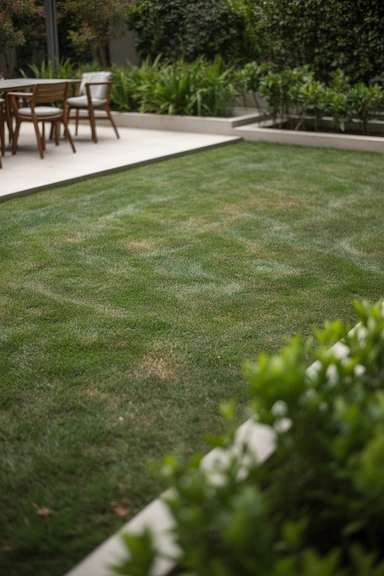
A backyard can have every right element and still look unfinished if the grass is patchy, brown, or fighting weeds at the edges. The lawn acts as the floor of the entire space, and the floor matters. Regular overseeding in fall fills in thin spots, and a clean edged border between grass and any planting area makes the whole yard look sharper without any additional plants or furniture.
Bare patches directly under trees or along the north side of a building usually fail because of soil compaction and shade combined. I tried grass seed there three times. That was a mistake. Ground cover like creeping thyme or liriope handles those spots better and requires almost no attention after the first season.
A Corner That Does Something
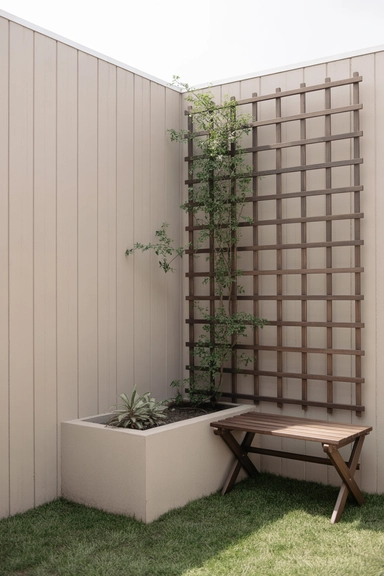
Dead corners are the biggest waste in a backyard. The space where two fences meet tends to collect leaves and old pots that belong in the garbage. Put something deliberate there. A tall planter with a structural plant like a dwarf pine or a Japanese maple anchors the corner and draws the eye. A garden bench with a trellis behind it turns a dead zone into a moment.
The trellis does not need to be elaborate. Three cedar boards screwed into a simple frame and mounted to the fence post takes an hour and gives climbing plants something to work with. A clematis in the second year of growth will cover a basic trellis from top to bottom. Companion planting around the base fills in what the climber leaves exposed.
Outdoor Lighting as a Design Layer
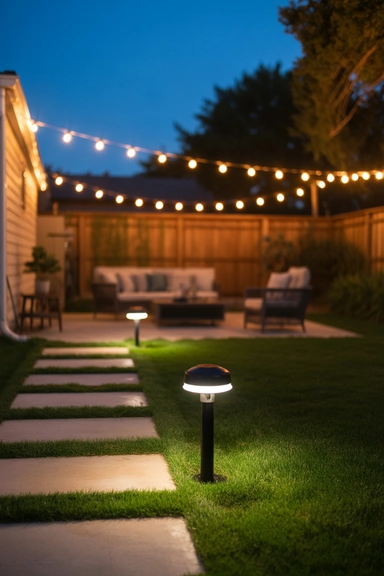
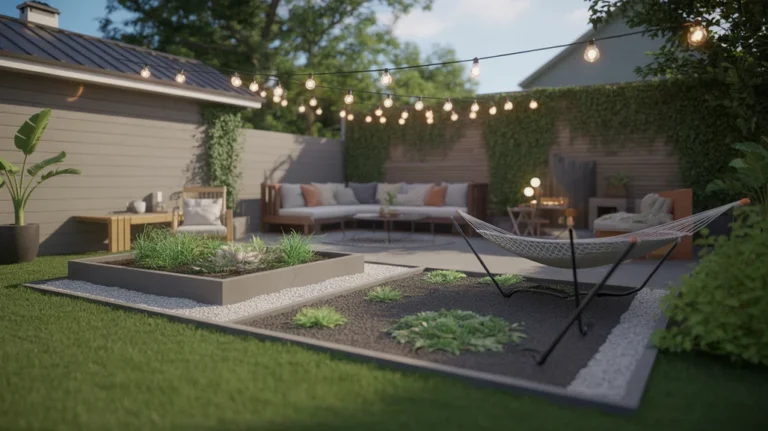
Lighting is almost always an afterthought in a backyard, and it shows. String lights get strung haphazardly, a single post light gets stuck next to the door, and everything past the patio edge disappears after dark. Treat outdoor lighting like a layer added to the space instead of a safety feature bolted on at the end.
Before spending a single dollar on fixtures, Backyard Privacy Ideas is the one thing that will stop you from wasting it by lighting a space that still feels exposed after dark.
Path lighting along stepping stones at ground level, string lights at head height over the dining or seating area, and one focused spotlight aimed at the focal point creates three distinct light layers that make the backyard feel designed. Solar stake lights work fine for path lighting. For string lights, plug-in is more reliable than solar unless you get consistent full sun on the panels all day.
A Kids or Pet Zone That Does Not Wreck the Rest
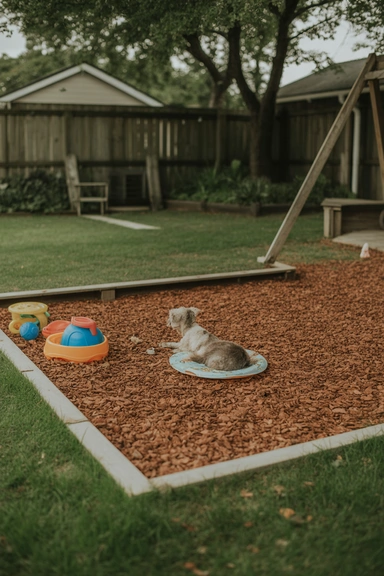
If you have kids or a dog, the usual approach is to let them take over the whole yard and accept that nothing nice can exist out there. That is not necessary. A defined zone in one corner with the right surface does the job without sacrificing the rest of the space.
Rubber mulch over a firm base handles both kids and dogs better than grass in high-traffic areas. It does not compact like soil, it drains fast after rain, and it stays relatively clean. A low border of landscape timbers defines the zone clearly and keeps the material contained. The rest of the yard stays cleaner when the active zone has edges.
Plants That Work Year-Round
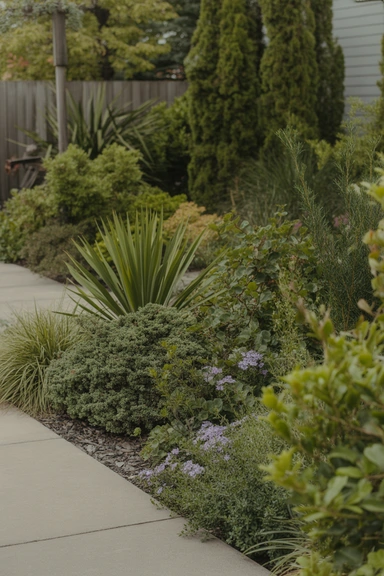
Planting for one season is how a backyard ends up looking dead for eight months of the year. Every planting area benefits from at least one evergreen or structural plant that holds the space through winter. Boxwood, ornamental grasses, and dwarf conifers all do this well. They keep the space from collapsing visually when everything flowering has finished.
Add a few annuals at the base for color. Nothing fancy, just enough to break up the green. Pull off dead flowers now and then so they keep going. Put something like coneflower or black-eyed Susan toward the back. They handle themselves and you will start seeing bees and butterflies around without doing much.
For pots, just switch plants as the season changes. That alone keeps the space looking alive from spring to fall.
Small Details That Signal Care
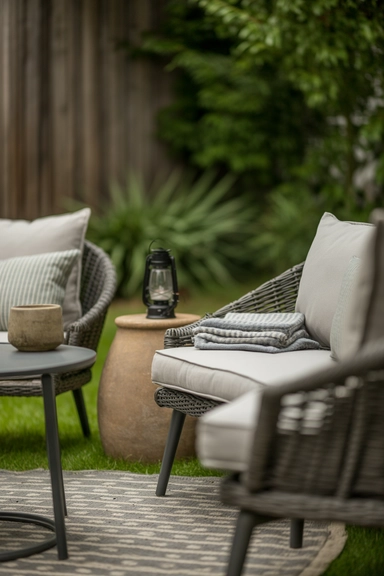
The difference between a backyard that looks finished and one that looks assembled is usually details. A doormat at the back door. A small lantern on the dining table. A throw blanket folded over one chair. A ceramic pot used as an end table next to a seating chair. None of these cost much. All of them signal that a person actually uses and cares about the space.
I still experiment with this part. I have not landed on a final version of my own backyard and I am not sure I ever will. That might actually be the point.
Final Thoughts on Backyard Ideas Without a Pool
A yard without a pool is not an incomplete yard. It is a yard that needs a different kind of attention. The ideas here all come from real changes I made to a space that started as nothing more than grass and a rusting grill. None required a contractor or a five-figure budget.
The pattern that worked for me was zones first, then surfaces, then furniture, then plants, then details. That order keeps every decision from canceling out the one before it.
If you only do one thing first, define your main seating area and give it edges. Everything else will make more sense once that piece is in place.
FAQ About Backyard Ideas Without a Pool
How do you make a backyard feel complete without a pool?
Start with a clearly defined seating zone anchored by a rug, then add shade, lighting, and at least one focal point. A pool fills visual space but it does not create function or comfort on its own. Zoning the yard by activity and connecting those zones with a path gives the space structure that feels complete regardless of what features are missing.
What are the best low-maintenance options for a compact outdoor space?
Container gardens with drought-tolerant plants, gravel ground cover in high-traffic areas, and perennial plantings that return without replanting each year all reduce ongoing work significantly. Choosing furniture with powder-coated steel or teak that handles weather without seasonal storage also cuts down on the labor a yard typically demands.
Is it worth investing in permanent structures like a pergola for a smaller yard?
A pergola in a smaller yard works if it is sized correctly and positioned to define the main outdoor living area rather than dominate the whole space. A twelve-by-twelve structure over a seating area adds architectural weight that makes the yard feel designed. In a yard under four hundred square feet, a shade sail or a large umbrella on a weighted base achieves the same effect without reducing the open area.
Sarah Mitchell’s Take
Backyards without pools get dismissed too fast. The people I know with the best outdoor spaces never built a pool. They built a reason to go outside, which is a different thing entirely. If your yard feels unfinished, look at what is missing before you assume it needs more. Nine times out of ten the problem is not what is absent. It is what exists without any real intention behind it. Start with one zone. Do it properly. See what happens next.