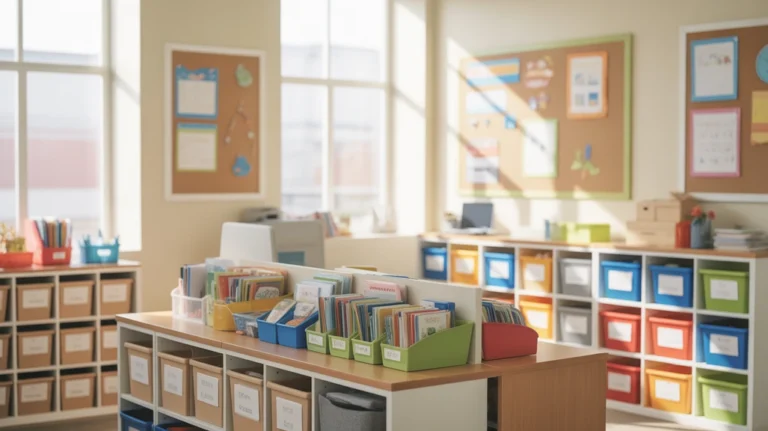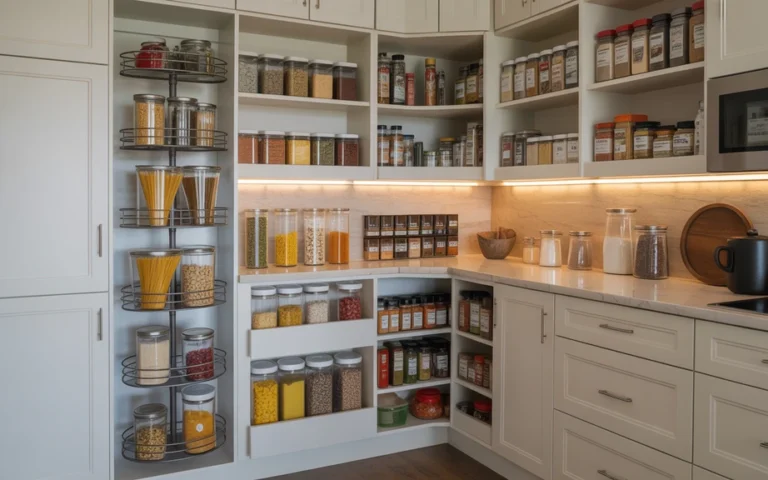

Introduction
Clearing out clutter can feel overwhelming, but focusing on easy-to-toss items helps jumpstart the process. The “22 Things To Throw Away For Easy Decluttering” offers a practical decluttering checklist of items you can purge without second-guessing, making apartment organization or compact living more manageable. By targeting things to throw away when decluttering—such as expired products, duplicates, and unused belongings—you free up space and reduce visual stress. This approach provides quick wins and a simple way to stop storing things you don’t need in your home, creating room for what truly matters.
1 – Expired and Outdated Products
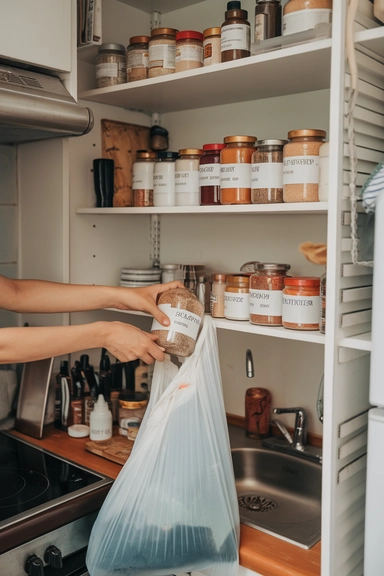
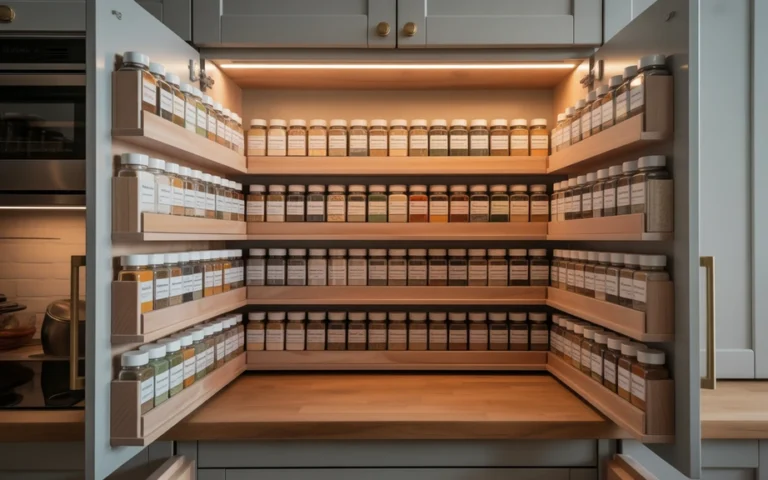
Expired items are some of the easiest things to throw away when decluttering, offering a quick win without emotional strain. Whether in your kitchen, bathroom, or pantry, outdated food, spices, cosmetics, and medications can take up valuable space and potentially cause harm if used. Removing these not only frees up room but also reduces clutter that contributes to visual stress in compact spaces like apartments or other small dwellings. Prioritize checking expiration dates to start clearing out expired products you no longer need.
Beyond just throwing away expired goods, this step helps you create a safer living environment and streamlines your belongings. It’s an ideal decluttering checklist item that can be tackled quickly, making your cleaning routine simpler and faster. Focusing on expired and outdated products first is a smart move in tight interiors, ensuring you’re only keeping what is fresh and usable, thus maximizing your space and improving your home’s overall organization.
2 – Duplicates and Extras
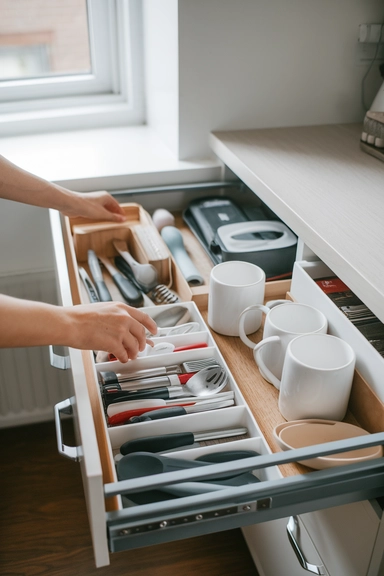
Having multiples of the same item is a common clutter culprit in apartment living, especially in kitchens and closets. Duplicate kitchen gadgets, extra mugs, or multiple sets of the same tool can accumulate without much thought. Getting rid of these extras is an effective way to declutter your home fast and create room for what you actually use. This step is particularly useful for those in small dwellings where every inch counts, helping to reduce unnecessary clutter and simplify your everyday routine.
Removing duplicates also prevents decision fatigue and makes organizing easier, as you won’t have to sift through multiple versions of the same item. A decluttering list of things to throw out often includes extras that don’t add value. This approach encourages mindful ownership and helps you stop storing things “just in case,” which is essential for maintaining order in tight interiors and compact spaces.
3 – Broken and Damaged Items
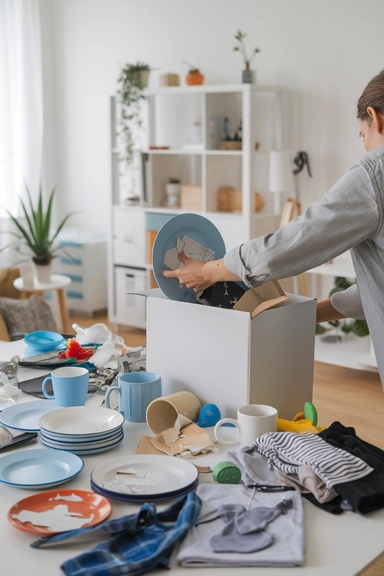
Broken items are prime candidates for decluttering because they offer no functional purpose and often contribute to a sense of disorder. Whether it’s chipped plates, cracked glasses, torn clothing, or broken toys, these things to get rid of when decluttering can quickly clear out space in small dwellings like apartments or tight interiors. Letting go of damaged belongings is a low-emotion task that immediately reduces visual clutter and makes cleaning more manageable.
By tossing broken items, you also prevent the buildup of “repair projects” that rarely get completed. This clutter to get rid of today can accumulate in storage areas such as basements, garages, or even closets, making those spaces feel cramped and unusable. Decluttering broken and damaged goods promotes a tidier, more functional home environment where everything you keep has purpose and value.
4 – Random Paper Clutter
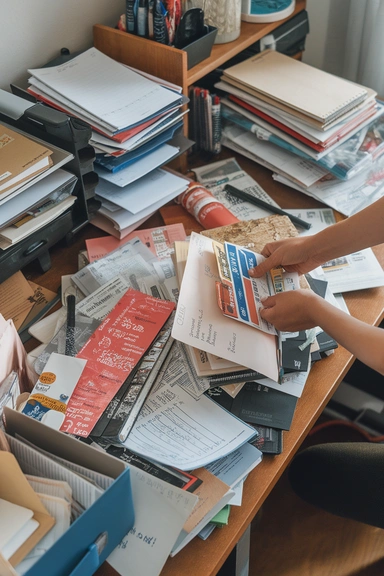
Paper clutter can quickly overwhelm even the tidiest of homes, especially in compact spaces and apartment living where storage is limited. Junk mail, old bills, expired coupons, and unused notebooks often pile up unnoticed and occupy valuable surfaces and drawers. Tackling paper clutter is a crucial step in decluttering your home fast and regaining control over your living environment. Using a room by room decluttering checklist can help you identify these items and decide what to toss without hesitation.
Reducing random paper clutter also lowers visual chaos and mental stress, making your small dwelling feel more spacious and organized. Shredding or recycling unnecessary documents frees up drawer space and creates a cleaner appearance, which is essential for maintaining calm in tight interiors. This step helps you stop storing things you don’t need in your home, allowing you to focus on what truly matters.
5 – Items You Haven’t Used in a Year
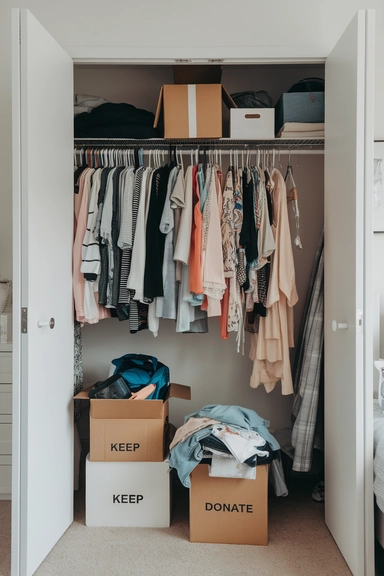
One of the most effective things to throw away to start decluttering is anything you haven’t used in over a year. This category spans all rooms and types of belongings—from clothes and kitchen gadgets to craft supplies and exercise equipment. In compact spaces or small dwellings, holding onto unused items wastes precious storage and keeps your home feeling crowded. Identifying these things to stop keeping “just in case” helps cut clutter quickly and makes apartment organization more manageable.
Letting go of items untouched for a long time creates room for essentials and favorites that enhance your lifestyle. This decluttering checklist item is especially useful for those overwhelmed by clutter, as it offers a clear rule of thumb with minimal emotional attachment. Removing what you don’t use also streamlines cleaning and maintenance, contributing to a more peaceful and functional home environment in tight interiors.
6 – Freebies and Promotional Items
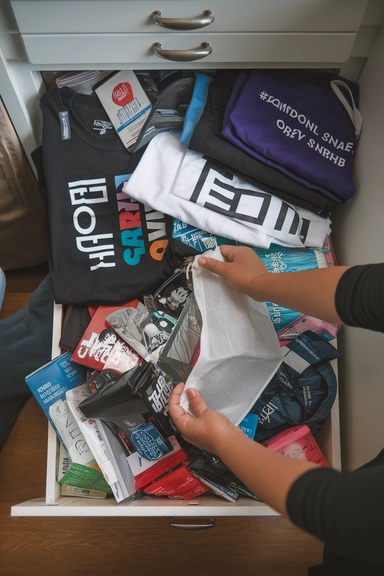
Freebies and promotional items often accumulate unnoticed and add unnecessary bulk to your belongings. These can include free samples, swag from events, or promotional t-shirts that don’t fit your style or needs. In apartment living or other tight interiors, holding onto these items clutters drawers, closets, and storage bins without offering real value. Tossing out freebies is an easy decluttering checklist item that provides a straightforward way to reduce clutter without emotional attachment. This helps clear space and makes your home feel less chaotic and more intentional.
Removing these promotional items encourages mindful ownership by focusing only on things you truly want and use. Letting go of freebies also prevents your small dwelling from becoming a catch-all for miscellaneous objects that don’t serve a purpose. This step supports a decluttering list of things to throw out that promotes simplicity and frees up space for meaningful belongings, making cleaning and organizing faster and more effective.
7 – Plastic Containers Without Lids or Mismatched Sets
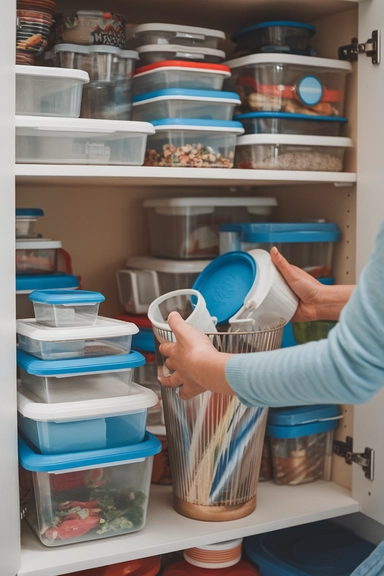
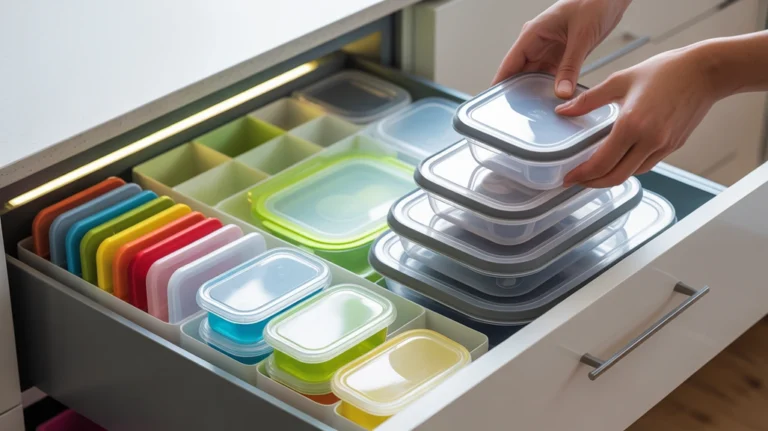
Plastic containers without lids or mismatched sets are common clutter offenders in kitchens and pantries, especially in small dwellings where storage room is limited. These incomplete sets take up more space than necessary and create visual disorder, making it harder to find what you need quickly. Identifying and discarding containers that no longer have lids or don’t stack properly is a practical item to toss when decluttering, helping to streamline kitchen organization and reduce clutter-related stress in compact spaces.
By purging these mismatched and lidless containers, you make room for a functional and orderly kitchen setup that supports efficient meal prep and cleanup. This decluttering checklist item enhances your kitchen’s usability in apartment living environments and encourages you to keep only what fits your lifestyle. Focusing on this often-overlooked category helps you stop storing things that don’t belong, simplifying your storage system and improving your home’s overall tidiness.
8 – Old or Unused Electronics and Chargers
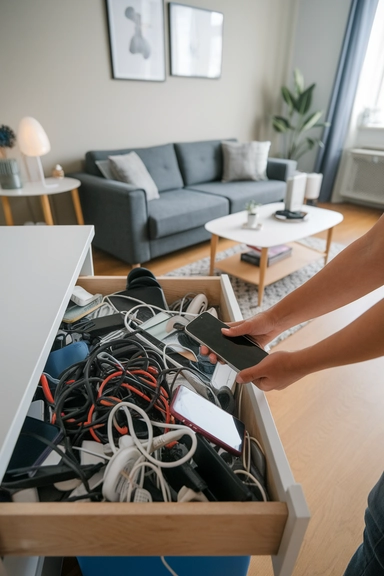
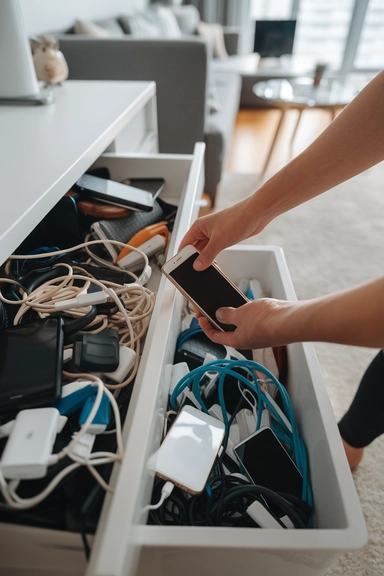
Old or unused electronics and their chargers often pile up in drawers or storage areas, contributing to clutter in tight interiors and small dwellings. Devices that no longer work, outdated gadgets, or chargers for products you’ve replaced or discarded take up precious space and add to visual chaos. Removing these items is a practical thing to get rid of when decluttering, freeing up room and reducing the overwhelm caused by tangled cords and excess tech clutter. This step is a smart move for apartment living where every bit of storage counts.
Discarding obsolete electronics also minimizes environmental hazards and promotes responsible disposal. It’s an easy decluttering checklist update that helps you focus on keeping only devices you actively use and need. Clearing out old tech creates a cleaner, more organized environment and prevents you from storing things “just in case” that only accumulate dust, helping you maintain a functional and stress-free home.
9 – Outdated or Worn-Out Bedding and Towels
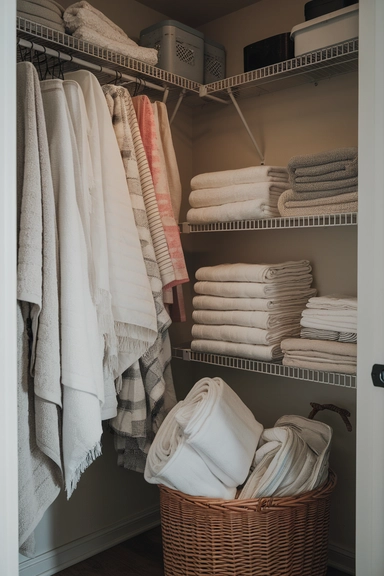
Worn-out or outdated bedding and towels are easy targets for decluttering in compact spaces where linen closets and storage may be limited. Old sheets, pillowcases, blankets, and towels that are stained, threadbare, or no longer fit your decor add bulk without comfort or style. Removing these items helps free up closet space and reduces clutter that can make small dwellings feel cramped and disorganized. This item to toss when decluttering supports a minimalist approach, improving your bedroom and bathroom storage while enhancing overall tidiness.
Letting go of bedding and towels past their prime also allows you to refresh your home with items you love and actually use. This decluttering list of things to throw out encourages mindful replacement and prevents you from holding onto things “just in case.” By focusing on usable, fresh linens, you create a more inviting and restful environment in your apartment or tight interior, while simplifying laundry and storage routines.
10 – Takeaway Menus and Old Coupons
Takeaway menus and old coupons often accumulate in kitchens, drawers, or near dining areas, contributing to unnecessary paper clutter in small dwellings and apartment living. These items quickly become outdated or irrelevant, taking up valuable space and causing visual distraction. Clearing out expired or unused menus and coupons is an easy item to purge from your home that reduces clutter and streamlines your kitchen or office zones. This simple act supports a room by room decluttering checklist approach, helping you stop storing things that no longer serve a purpose in your daily life.
Removing takeaway menus and old coupons also lowers mental clutter by eliminating the constant reminder of unused offers or forgotten options. This decluttering checklist item encourages you to keep only current and useful information, making your home feel more organized and less overwhelming. In tight interiors, this step frees up drawer and countertop space, contributing to a more peaceful and efficient living environment.
You may also like:
• 20 Walk-In Pantry Organization Ideas For Real Homes
• 22 IKEA Dining Room Storage Ideas For Real Homes
• 23 IKEA Pantry Hacks To Save Kitchen Space Today
11 – Outdated or Unused Cookware and Utensils
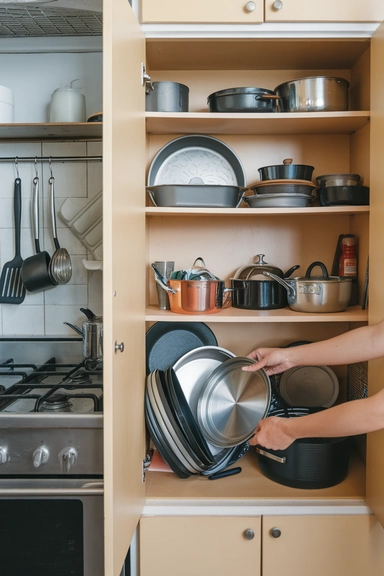
Cookware and utensils that haven’t been used in a long time often clutter kitchen cabinets and drawers, especially in apartment living where storage space is limited. Items like old baking pans, specialty gadgets, or mismatched cutlery sets can take up valuable room without contributing to your daily routine. Removing these unused kitchen tools is an effective way to streamline your cooking space and make apartment organization simpler. Focusing on what you actually use helps reduce clutter and keeps your kitchen functional and inviting in tight interiors.
Letting go of outdated or duplicate cookware supports a decluttering checklist approach that prioritizes utility over accumulation. This step encourages mindful kitchen ownership by clearing out items that don’t fit your current lifestyle or cooking habits. By purging unnecessary utensils and cookware, you free up space for essentials, making meal preparation faster and more enjoyable in small dwellings while reducing stress caused by overcrowded storage areas.
12 – Old or Unused Water Bottles and Travel Mugs
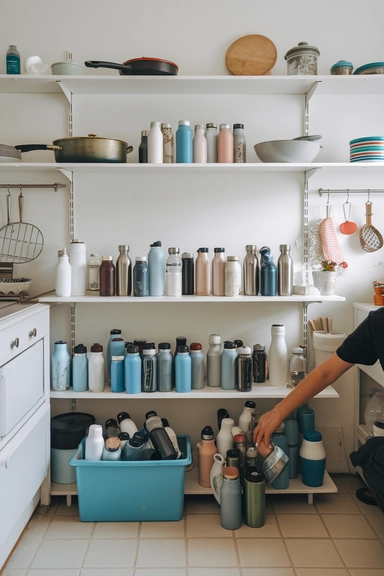
Water bottles and travel mugs that are cracked, stained, or no longer used tend to collect in kitchens and closets, creating clutter in compact spaces. These items often take up more space than expected and contribute to visual chaos, especially when they leak or have missing parts. Tossing out old or unused bottles and mugs is a straightforward decluttering list of things to throw out that brings quick relief to tight interiors. It also promotes a healthier, more sustainable lifestyle by encouraging you to keep only reusable items in good condition.
Removing these clutter culprits frees up room for daily essentials and prevents your small dwelling from becoming overcrowded with miscellaneous drinkware. This decluttering checklist item helps you avoid storing things “just in case” and supports a more organized and efficient kitchen or pantry. Keeping only clean, functional bottles and mugs simplifies storage and minimizes the stress of searching through cluttered shelves.
13 – Excess Hangers and Clothing Accessories
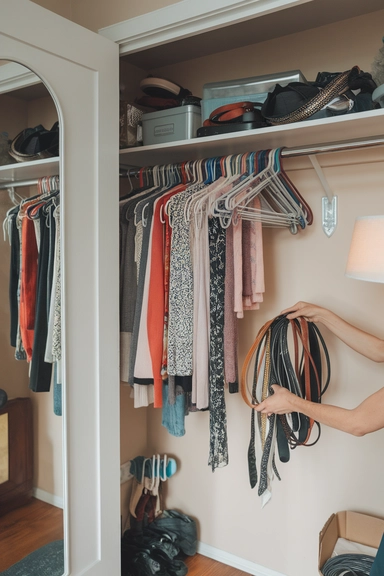
Closets in apartment living often become overcrowded with extra hangers, scarves, belts, and other clothing accessories that don’t get used regularly. These items can create visual clutter and reduce usable hanging and storage space, making it difficult to maintain order in tight interiors. Removing excess hangers and accessories is an easy-to-toss category that helps you reclaim closet space and creates a cleaner, more organized wardrobe. This small decluttering step has a big impact on closet functionality and appearance.
Clearing out unused or mismatched clothing accessories aligns with a room by room decluttering checklist that targets low-emotion items. It encourages you to keep only accessories that complement your style and are actively used. By purging extras, you simplify daily dressing routines and reduce clutter buildup, making your small dwelling feel more spacious and your closet easier to maintain.
14 – Old or Unused Party Supplies and Decorations
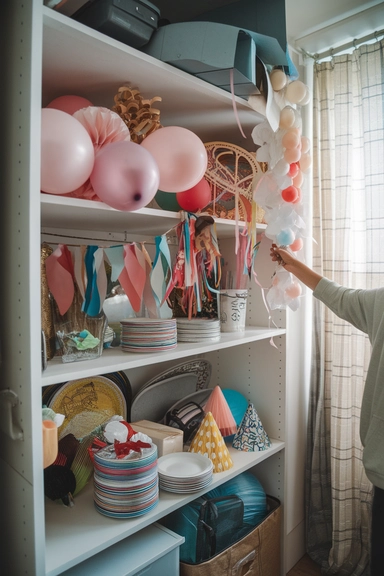
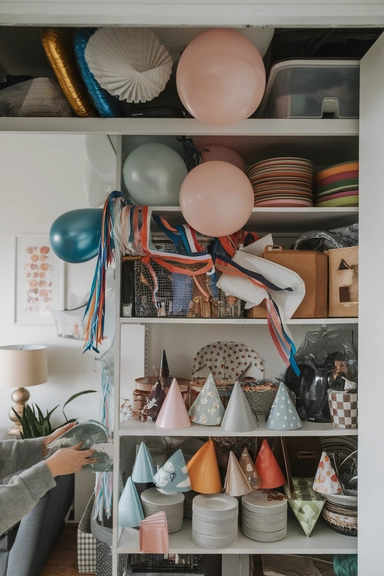
Party supplies and decorations that have been stored for years without use often take up unnecessary space in storage areas, especially in small dwellings with limited room. Items like leftover balloons, paper plates, banners, or themed decor can pile up and create clutter that’s easy to overlook. Tossing out outdated or unused party supplies is a practical decluttering checklist item that helps reduce clutter and frees up storage in compact spaces. It’s a low-emotion task that offers quick progress in clearing out seldom-used belongings.
Removing these items prevents your home from becoming a catch-all for things you don’t really need, supporting a mindful approach to what you keep. This step helps stop storing things “just in case” and encourages you to focus on essentials and meaningful decorations. Clearing out old party supplies creates room for more useful items and contributes to a tidier, more manageable living environment in apartment living and other tight interiors.
15 – Empty or Nearly Empty Storage Containers and Jars
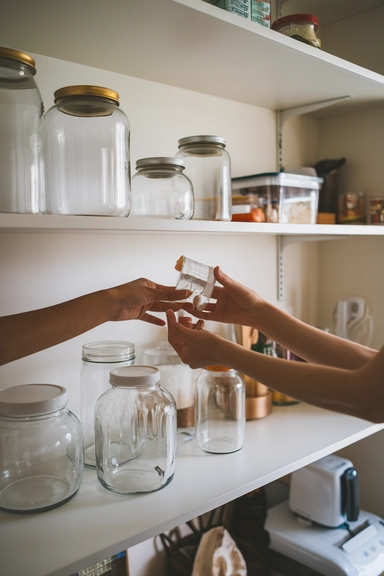
Empty or nearly empty storage containers, jars, and bottles often linger in kitchens, pantries, or bathrooms, contributing to clutter in compact spaces. These items take up valuable shelf or cabinet space without providing any functional benefit, making it harder to maintain order in small dwellings. Discarding these useless containers is an easy-to-identify item to toss when decluttering, helping you streamline storage and create a more organized environment. This action reduces visual clutter and makes it simpler to find what you actually need.
Clearing out empty containers supports a decluttering checklist strategy focused on keeping only items with clear purpose. This step encourages you to stop storing things that don’t belong, freeing up space for essentials and reducing the mental load caused by overcrowded storage zones. In apartment living, removing these redundant containers enhances tidiness and helps maintain a functional, stress-free home.
16 – Single-Use Disposable Items
Single-use disposable items like paper plates, plastic cutlery, and leftover takeout containers often accumulate unnoticed in kitchens and storage spaces. These items add bulk and waste valuable room in compact spaces, especially in apartment living where efficient storage is crucial. Tossing away disposable utensils and plates that you rarely use helps reduce clutter and promotes a more sustainable lifestyle. This is an easy-to-identify category on your decluttering checklist that can make your kitchen or pantry feel less crowded and more organized.
Eliminating single-use disposables encourages mindfulness about what you bring into your home and supports reducing clutter that doesn’t serve a lasting purpose. Clearing out these items frees up precious cabinet and drawer space, making daily meal prep and cleanup smoother in tight interiors. This step helps you stop storing things you don’t need in your home and fosters a cleaner, more functional environment in small dwellings.
17 – Excess or Outdated Cleaning Supplies
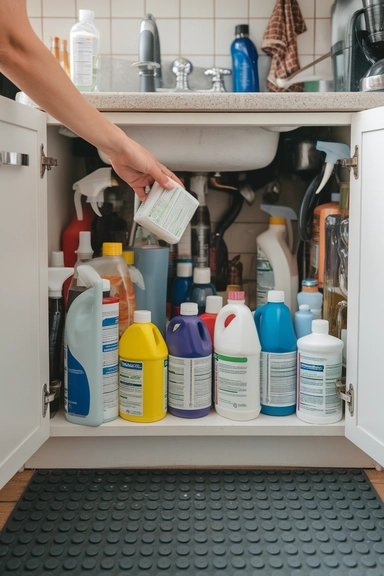
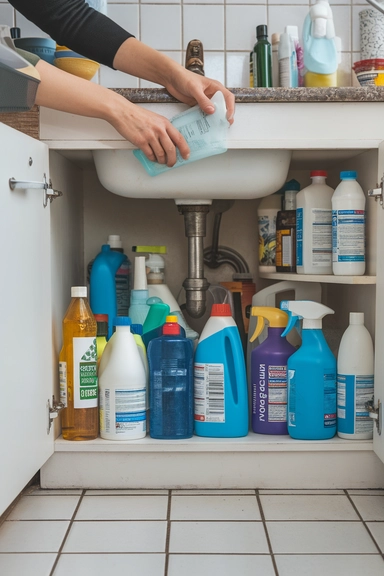
Cleaning supplies that have expired, duplicated, or are no longer used often clutter closets and under-sink cabinets in apartment living. Bottles of cleaners past their prime, half-used sprays, or multiples of the same product take up valuable space and add to disorganization. Removing these outdated or excess supplies is a practical decluttering list of things to throw out that streamlines your cleaning routine and frees storage in tight interiors. This step makes your home more manageable and reduces chemical waste.
By decluttering excess cleaning products, you create a safer, less crowded storage area and focus on keeping only effective, necessary items. This approach helps you stop storing things “just in case” and simplifies maintaining a tidy home. Clearing out cluttered cleaning supplies also reduces visual stress in small dwellings and supports a more intentional and efficient cleaning system.
18 – Old or Unused Craft and Hobby Supplies
Craft and hobby supplies, like dried-up paint, tangled yarn, or unused scrapbooking materials, often accumulate over time in small dwellings. These items can quickly cause clutter in closets, drawers, or storage bins, especially when they no longer align with your current interests or projects. Purging old or unused craft supplies is a low-emotion decluttering checklist item that helps reclaim space and makes hobby areas more functional in apartment living or tight interiors.
Letting go of supplies you don’t use encourages focusing on the creative tools and materials that genuinely inspire you. This decluttering list of things to throw out prevents your home from becoming overwhelmed with forgotten or unfinished projects. Clearing out unused craft items supports a simplified, organized space where you can enjoy hobbies without the burden of excess clutter.
19 – Outgrown or Unused Children’s Toys and Clothes
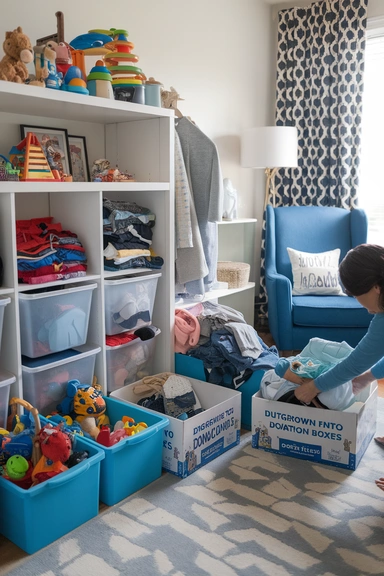
Children’s toys and clothes that are outgrown, broken, or no longer played with often create clutter in compact spaces and small dwellings. These items take up significant room in closets, play areas, or storage bins, contributing to disorder and crowding. Removing unused or outgrown children’s belongings is an essential part of a room by room decluttering checklist that helps parents maintain order and maximize space in tight interiors.
Decluttering kids’ items also teaches mindful habits about what to keep and what to let go of, promoting a clutter-free environment that supports easier cleaning and organization. This step encourages families to focus on toys and clothes that are age-appropriate and loved, creating a more enjoyable and manageable home atmosphere in apartment living.
20 – Old or Unused Magazines and Catalogs
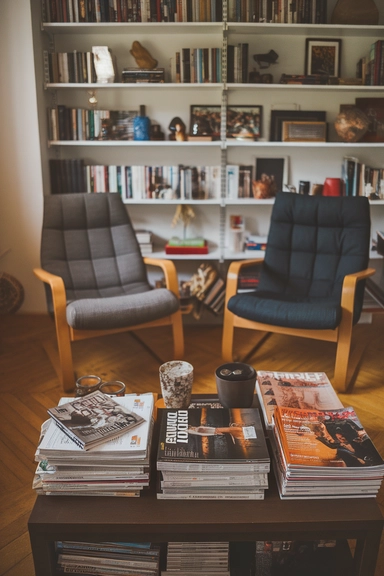
Old magazines, catalogs, and brochures often pile up in living rooms, bedrooms, or offices, causing unnecessary paper clutter in small dwellings. These items quickly become outdated, taking up surface and storage space without providing ongoing value. Tossing out unread or old magazines is a simple decluttering checklist item that reduces visual clutter and frees up room for more meaningful belongings in apartment living or tight interiors.
Removing these paper goods helps you maintain a cleaner, more focused environment by eliminating distractions and preventing clutter buildup. This step supports a clutter to get rid of today mindset that promotes a streamlined home and reduces the mental load caused by too many unread or obsolete publications. Clearing out old magazines and catalogs makes organizing easier and keeps your space feeling fresh and orderly.
21 – Old or Unused Exercise Equipment
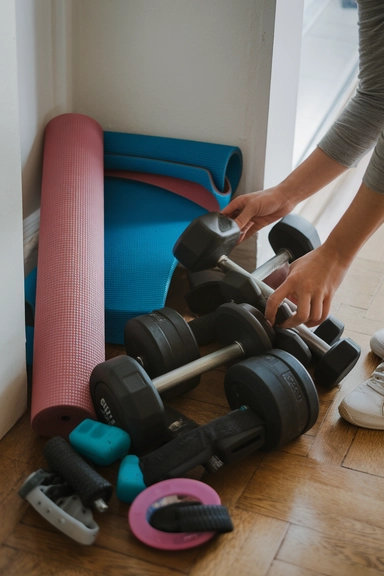
Exercise equipment that sits unused often takes up valuable floor space and storage in compact spaces or apartment living. Items like outdated yoga mats, broken resistance bands, or bulky machines that no longer fit your routine contribute to clutter and make your home feel cramped. Removing these unused workout tools is a practical item to toss when decluttering, helping you reclaim space and simplify your fitness area in tight interiors. This step encourages focusing on equipment you actively use and enjoy, making your home more efficient and less crowded.
Letting go of old or unused exercise gear supports a decluttering list of things to throw out that promotes mindful living and better space management. Clearing out unnecessary fitness items reduces visual clutter and makes it easier to maintain an organized workout zone in small dwellings. This approach helps stop storing things “just in case” and creates room for activities and belongings that enhance your lifestyle and well-being in apartment living.
22 – Outdated or Excess Kitchen Linens
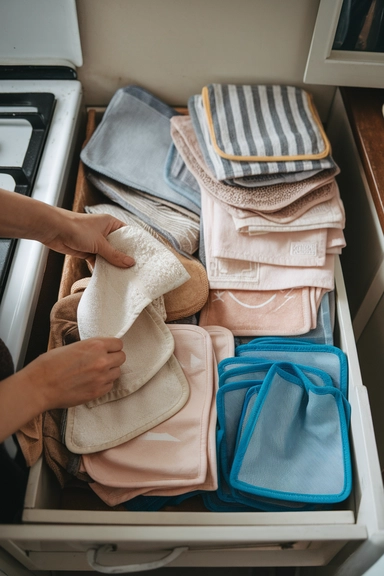
Kitchen linens like worn-out dish towels, stained cloth napkins, and threadbare pot holders often accumulate unnoticed in kitchens, particularly in small dwellings where storage is at a premium. These linens can contribute to clutter by taking up drawer and cabinet space without adding function or style. Tossing out old or excess kitchen linens is a simple and effective way to declutter your home and improve organization in tight interiors. This decluttering checklist item supports a more intentional and streamlined kitchen environment.
Removing outdated or surplus kitchen textiles helps you focus on keeping clean, functional linens that suit your cooking and cleaning needs. This step reduces clutter and makes kitchen storage more manageable in apartment living, while also enhancing the overall tidiness and aesthetic of your space. By letting go of linens that no longer serve you, you create room for essentials and elevate the efficiency of your kitchen routines.
Conclusion
Clearing out clutter can feel overwhelming, but focusing on the 22 Things To Throw Away For Easy Decluttering simplifies the process and creates a more organized space. By removing unnecessary items like old paperwork and unused gadgets, you can enhance your home’s tidiness and improve your mental clarity. Embracing these practical decluttering tips ensures a smoother transition to a clutter-free lifestyle, helping you maintain a clean and stress-free environment.