
Introduction
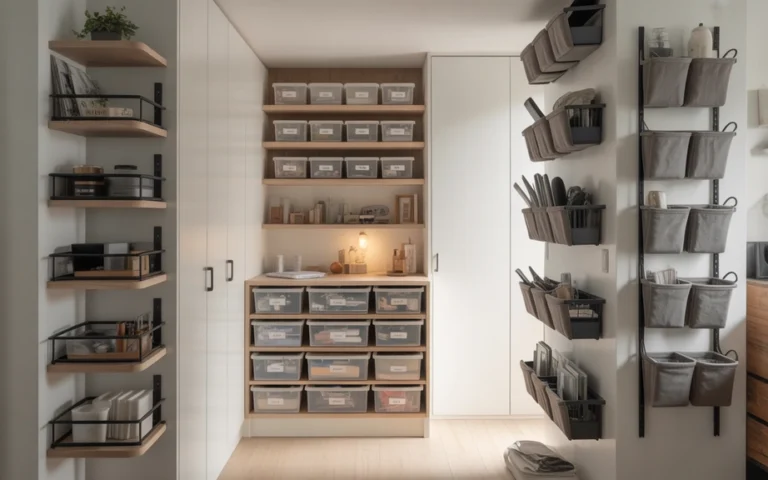
A small walk-in closet often feels like a cramped storage corner rather than a functional dressing space. Overflowing shelves and tightly packed hangers turn outfit selection into a daily frustration. True improvement comes from structured layout planning that respects limited square footage. Thoughtful zoning, vertical storage, and visibility-focused systems create a calm space where every item has purpose and remains easy to reach. These small walk-in closet ideas focus on solutions that hold up under real daily routines. Strengthen your wardrobe foundation first with 21 Closet Decluttering Hacks for a More Organized Space.
1- Zone Hanging and Folding Areas Separately
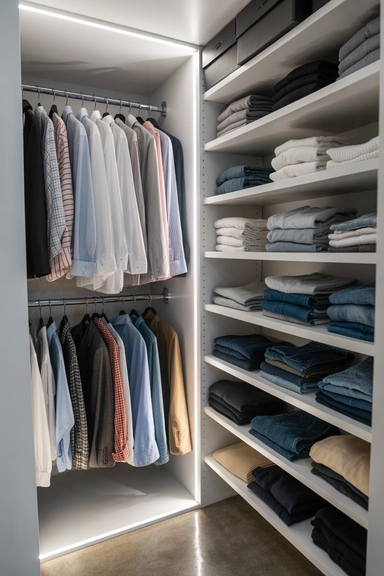
A compact closet gains instant order when hanging and folded storage are treated as separate territories. Mixing sweaters on shelves beside hanging dresses creates visual confusion and makes retrieving clothing awkward. Assigning one section strictly for hanging garments and another for folded pieces prevents overlapping categories and keeps daily-use clothing accessible without shifting stacks or pushing hangers aside.
This separation also supports fabric care and garment longevity. Hanging zones reduce wrinkling for delicate pieces, while folded zones protect knits from stretching. When every category has a defined location, laundry returns to the closet faster and without guesswork. Over time, clear zoning prevents clutter creep and preserves a structured environment that stays stable through daily use.
2- Use Slim Matching Hangers
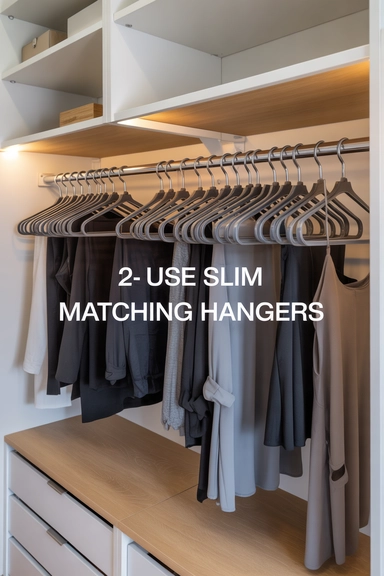
Bulky plastic and mismatched hangers quietly waste valuable rod space. Switching to slim, uniform hangers immediately increases hanging capacity without squeezing garments together. Clothes hang evenly, edges line up, and spacing feels intentional rather than cramped. This small adjustment allows more items to fit comfortably while reducing fabric friction that leads to wrinkles.
Uniform hangers also sharpen visual clarity. When all clothing sits at the same height and depth, scanning outfit options becomes quicker and less stressful. Shorter pieces no longer disappear behind longer ones, and empty gaps signal when wardrobe categories need balancing. Over time, slim hangers reinforce a cleaner visual rhythm that keeps the closet easier to maintain.
3- Add Double Hanging Rods
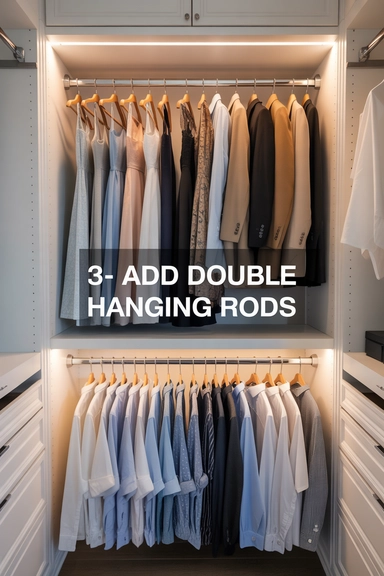
Vertical space is often underused in small walk-in closets, yet it offers the easiest expansion opportunity. Installing a second hanging rod below the main one doubles storage for shirts, blouses, skirts, and folded trousers. This frees shelf space for folded garments while keeping frequently worn pieces within immediate reach.
Double rods also allow clothing to be grouped by length. Long dresses remain on the upper rod, while shorter items live below, preventing dragging hems and uneven crowding. With clear vertical layering, garments stay wrinkle-free and visible. The closet feels taller, airier, and far more efficient without increasing its footprint.
4- Install Shelf Dividers to Stabilize Stacks
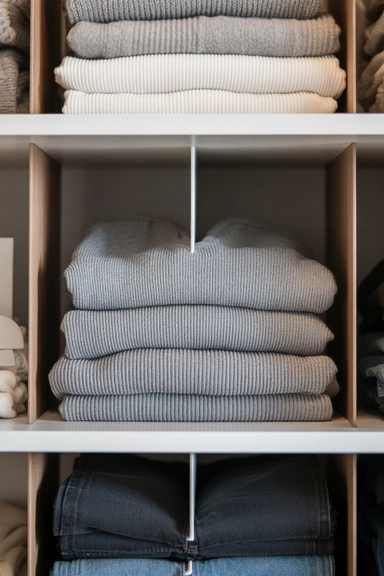
Folded clothing stacks tend to lean, slide, and collapse when shelves lack boundaries. Shelf dividers create fixed vertical borders that hold piles upright, preventing chain-reaction messes when one item is removed. This keeps shelves looking controlled rather than constantly on the verge of toppling.
Dividers also allow higher stacking without instability, maximizing limited shelf height. Each clothing category remains contained, making it easier to maintain consistent folding sizes and placement. Over time, shelf dividers reduce daily straightening effort and preserve clean shelf lines even during busy laundry cycles.
5- Store Seasonal Clothing Higher

Every small walk-in closet benefits from prioritizing reach zones. Storing off-season clothing at eye level wastes prime real estate and forces unnecessary reshuffling. Assigning higher shelves to seasonal pieces keeps daily wardrobe items accessible and reduces crowding in active zones.
Seasonal storage also protects rarely used garments from repeated handling. Breathable boxes or fabric containers prevent dust buildup while maintaining airflow. When weather shifts, swapping seasonal sections becomes quick and controlled. This approach keeps the closet functioning smoothly year-round without constant reorganization.
6- Install Pull-Out Drawers for Small Items
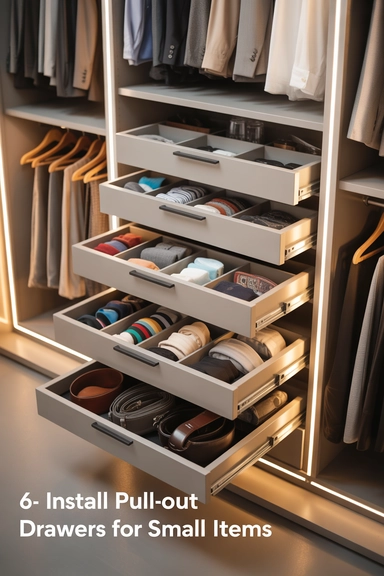
Small clothing pieces and accessories are often the first source of closet disorder. Socks, belts, scarves, workout bands, and sleepwear easily spill across shelves when stored in loose stacks. Pull-out drawers create contained, slide-access zones that keep these categories separated and instantly reachable. Instead of lifting piles to find one item, you open a drawer and see everything at once. This eliminates digging, prevents folded clothing disruption, and keeps frequently used items from spreading into other storage areas.
Drawer systems also support long-term organization because they encourage consistent sorting habits. When each drawer has a clear purpose, returning laundry becomes automatic rather than a guessing process. Divided drawer inserts further refine order by separating categories within the same space. Over time, pull-out drawers reduce daily friction and protect the overall structure of a small walk-in closet from slow clutter build-up.
7- Use Clear Storage Bins for Bags and Accessories
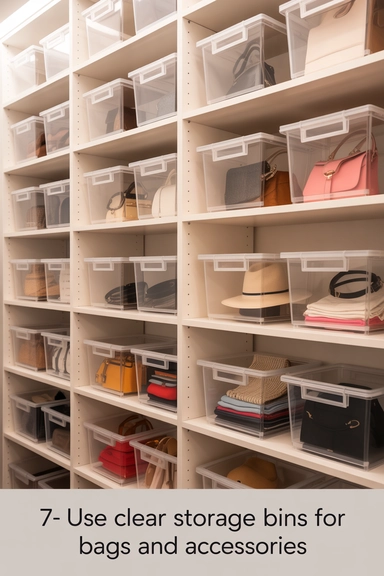
Handbags, hats, and seasonal accessories tend to lose shape or disappear when stacked openly on shelves. Clear storage bins solve this by keeping items contained while maintaining full visibility. Instead of piling bags on top of each other, bins preserve structure, prevent crushing, and make selection easier. This approach keeps shelves visually calm and prevents the common issue of items slipping behind clothing stacks.
Clear bins also help you manage inventory without opening every container. You can quickly identify which bag or accessory you need, reducing unnecessary shelf disturbance. Stackable bin designs maximize vertical shelf space while keeping categories separate. If your closet shares overflow with other household storage systems, solutions from 27 Small Apartment Organizing Ideas for Smart Storage integrate naturally here, creating consistency across tight-space organization. Over time, bin systems protect delicate accessories and maintain predictable order.
8- Create a Dedicated Shoe Zone at Floor Level
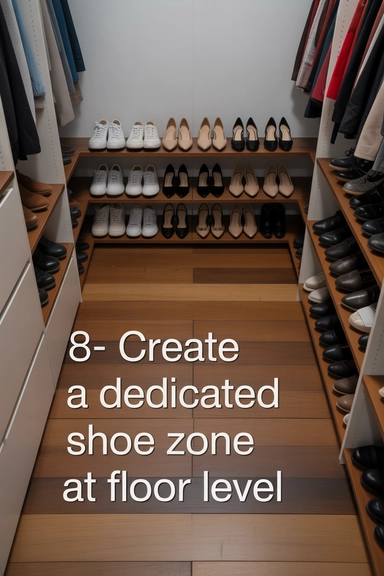
Shoes scattered across the closet floor quickly block movement and create visual clutter. A defined shoe zone anchors the layout and keeps walking space clear. Low racks, tiered shelves, or angled shoe organizers allow footwear to stay visible without overlapping. When shoes have assigned slots, pairs stop drifting apart and daily outfit selection becomes faster.
A shoe zone also protects clothing from dirt transfer. Keeping footwear contained prevents dust or debris from reaching folded garments above. Grouping shoes by type or frequency of use further improves efficiency, with daily pairs in front and occasion footwear stored slightly behind. Over time, a stable shoe section preserves clear floor space and reinforces consistent closet traffic flow.
9- Add Hooks for Daily-Use Items
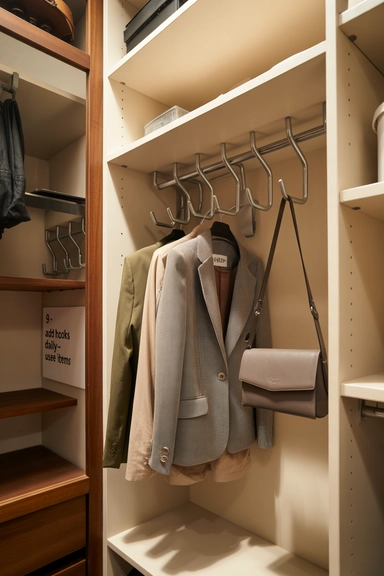
Small walk-in closets often lack quick-access points for clothing in transition. Hooks installed on side walls or inside the door create landing spots for worn-but-not-dirty garments, handbags, or tomorrow’s outfit. This prevents these pieces from being thrown over chairs or folded back into clean stacks.
Hooks also reduce hanger congestion. Instead of rehanging heavy coats or frequently used jackets, hooks provide an easy alternative that keeps rods from overcrowding. When placed at varying heights, they accommodate different item types without interfering with hanging zones. Over time, hook stations maintain order during daily wardrobe changes and prevent secondary clutter from forming.
10- Use Shelf Risers to Double Vertical Storage
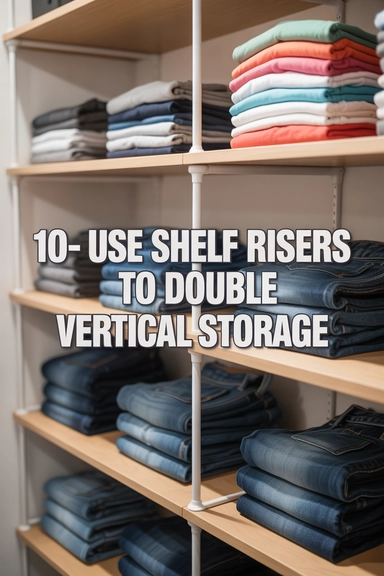
Shelf height is often wasted when folded stacks do not reach the full vertical space. Shelf risers insert an additional level, effectively creating two shelves where one existed before. This is particularly effective for storing folded jeans, t-shirts, or handbags without compressing stacks beneath them.
Risers also improve visibility. Instead of tall piles hiding items at the bottom, each layer stays in clear view. This prevents forgotten clothing and uneven wear patterns. When risers are used consistently across shelving, the entire closet feels structured, symmetrical, and easier to maintain long-term.
11- Use Matching Storage Boxes on Upper Shelves

Upper shelves in a small walk-in closet often become chaotic drop zones because items stored there are less visible and harder to reach. Using matching storage boxes creates controlled containment for backup linens, seasonal accessories, or specialty clothing. Uniform box sizes prevent awkward gaps and unstable stacks, allowing you to maximize shelf width without risking toppling piles. Labeled fronts also make retrieval simple, so you never have to pull down multiple containers to find one item.
Matching boxes also protect fabrics from dust and sunlight exposure, especially for garments stored long-term. Breathable fabric boxes or structured containers maintain airflow while preserving shape. When upper shelves follow the same container system throughout, the closet gains visual harmony and predictable organization. Over time, this reduces forgotten items and prevents random stacking that slowly erodes order.
12- Create a Folding Station Inside the Closet
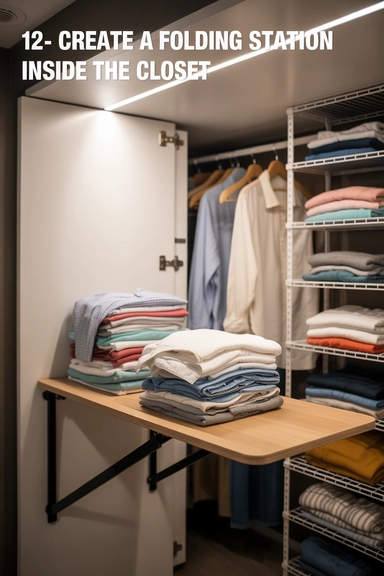
Many small walk-in closets fail because laundry folding happens elsewhere, then clothes are carried in unstable stacks that collapse mid-placement. A built-in folding station solves this by giving you a dedicated surface inside the closet to fold and sort immediately. A narrow pull-down shelf or wall-mounted drop-leaf table provides workspace without consuming permanent floor space.
A folding station also supports category accuracy. You can sort folded items directly into their designated zones without moving through the house. This reduces misplacement, speeds up laundry routines, and keeps piles from spreading onto bedroom furniture. Over time, this single addition strengthens the entire closet system by shortening the distance between folding and storage.
13- Group Clothing by Category Before Color
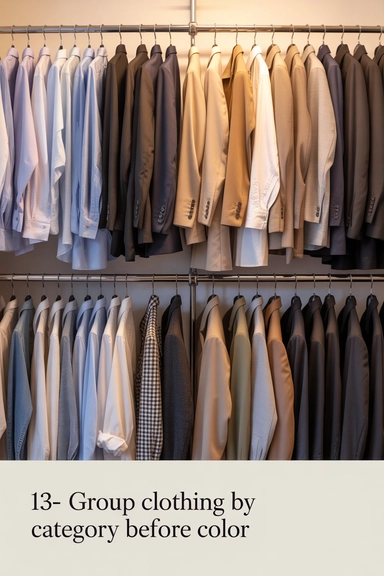
Color-coordinated closets look appealing, but in tight spaces, category grouping provides stronger functional order. Sorting clothing first by type—shirts, trousers, dresses, jackets—ensures you always know where to look for specific items. This prevents rummaging through mixed categories that disrupt hanger spacing and create visual clutter.
Once categories are established, color grouping can be applied inside each section if desired. This hybrid method keeps aesthetics intact without sacrificing retrieval speed. When clothing types remain consistent, you develop natural memory of item locations. Over time, category grouping reduces daily decision friction and maintains a stable closet layout.
14- Store Frequently Used Items at Eye Level

Prime real estate in a small walk-in closet sits between shoulder and waist height. Placing daily-use clothing and accessories in this zone prevents unnecessary stretching, bending, and reorganization. Items used weekly or monthly can move higher or lower, keeping the most valuable space reserved for everyday needs.
This layout principle also maintains order because you disturb only active zones while rarely used areas remain untouched. When eye-level shelves and rods hold priority items, selection becomes quick and movement stays fluid. Over time, this strategic placement keeps the closet efficient and reduces accidental disruption of stored stacks.
15- Use Corner Shelves to Capture Dead Space
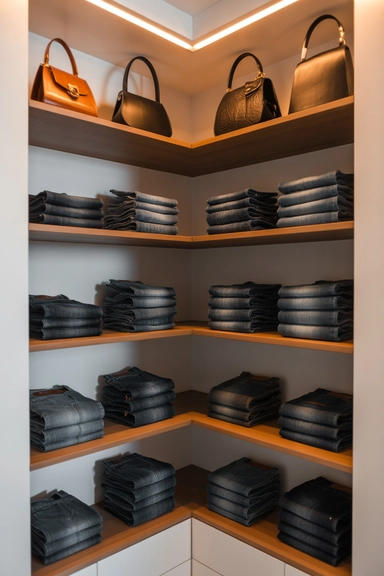
Closet corners often become wasted voids or awkward stacking zones. Installing corner shelves transforms these dead spaces into functional storage for handbags, folded jeans, or decorative boxes. Angled shelving fits naturally into tight footprints without narrowing walking paths.
Corner shelves also help balance weight distribution across the closet. Instead of overloading central shelves, storage spreads evenly around the space. This improves airflow and prevents sagging shelves over time. When corners are intentionally used, the entire closet footprint works harder without feeling cramped.
16- Separate Daily and Occasional Wear
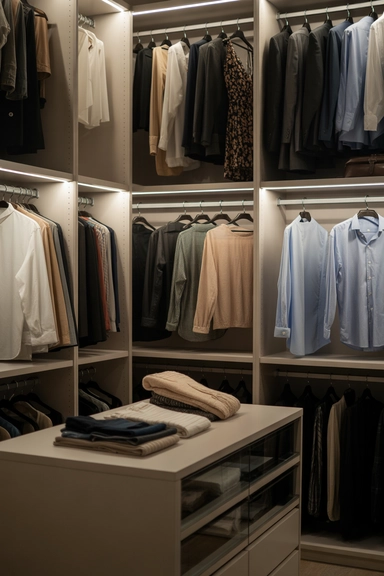
A small walk-in closet becomes difficult to manage when daily outfits and occasional clothing live in the same crowded zones. Separating frequently worn pieces from formal or event-only garments prevents constant reshuffling. Daily clothing should occupy the most reachable rods and shelves, while occasional wear can move to higher or deeper sections where access is less frequent.
This separation protects delicate fabrics from unnecessary handling and keeps everyday dressing efficient. When special-occasion items remain untouched until needed, they stay wrinkle-free and organized. Over time, this system reduces hanger congestion and keeps priority clothing easy to reach without disrupting long-term storage zones.
17- Use Sliding Baskets for Flexible Storage
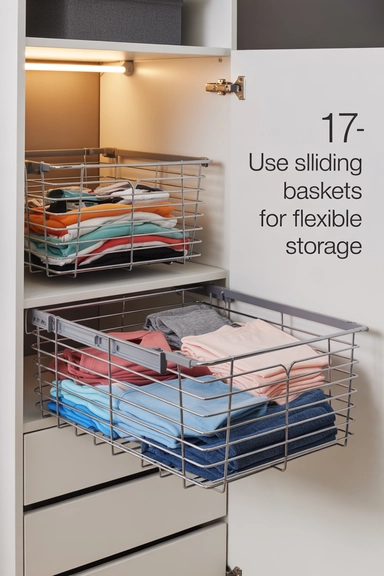
Sliding wire or fabric baskets provide adaptable storage for clothing categories that change often, such as workout wear, lounge clothing, or sleepwear. Unlike fixed shelves, baskets allow airflow and easy pull-out access without disturbing nearby stacks. This keeps softer clothing contained while preventing shelf clutter from spreading.
Baskets also make sorting laundry easier. You can dedicate each basket to a clothing type and drop folded items directly inside. When baskets slide back smoothly into place, shelves remain visually clean and stable. Over time, sliding baskets support flexible organization that adjusts as wardrobe needs change.
18- Keep One Shelf Partially Empty

An overfilled closet has no breathing room for transitions. Leaving one shelf partially empty creates a buffer zone that absorbs temporary overflow during laundry days or wardrobe changes. This prevents piles from spilling into walking space or collapsing onto lower shelves.
A buffer shelf also supports seasonal swaps. When moving winter clothing out and summer clothing in, you have a staging area to work from without dismantling existing zones. Over time, this small margin of free space keeps the closet resilient, making organization easier to maintain rather than constantly rebuild.
19- Rotate Clothing Regularly
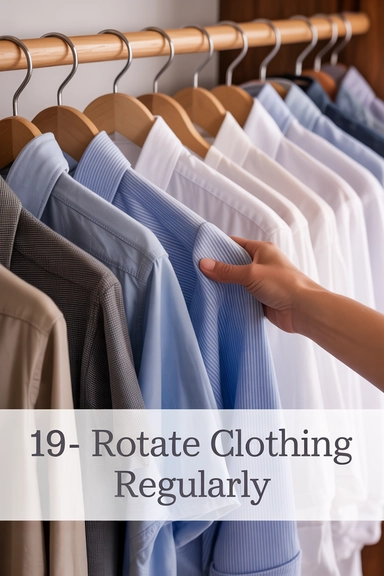
Without rotation, the same clothing gets worn repeatedly while other pieces remain forgotten. A simple rotation habit ensures even garment use and keeps closet organization balanced. Placing freshly cleaned items toward the back and pulling from the front keeps clothing circulation natural.
Rotation also highlights which items no longer fit your lifestyle. When something remains untouched for months, it becomes a candidate for donation or relocation. This ongoing awareness supports a healthier wardrobe size, which in turn keeps the small walk-in closet functioning smoothly over time.
20- Store Accessories in Divided Trays
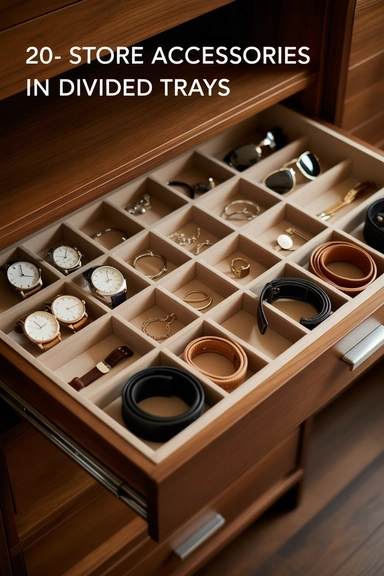
Jewelry, watches, sunglasses, and belts quickly become tangled when placed in open bins. Divided trays create structured compartments that keep each accessory visible and separated. This prevents damage, saves selection time, and keeps drawer or shelf surfaces tidy.
Trays also make daily outfit assembly easier. When accessories are displayed clearly, matching pieces becomes effortless. Over time, compartmentalized trays prevent small-item chaos and maintain a refined, boutique-like organization inside the closet.
21- Review and Reset Monthly
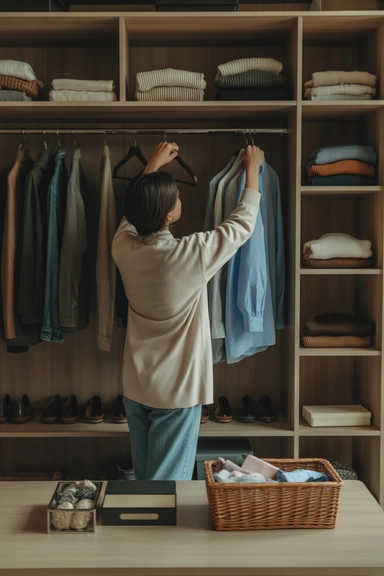
Even the most carefully planned closet needs periodic recalibration. A monthly review allows you to realign categories, refold stacks, and confirm that storage zones still match your daily routines. This prevents minor disruptions from growing into major clutter.
Resetting also provides awareness of wardrobe gaps or excess. When you consistently review, you adjust before the closet becomes overwhelmed. Over time, this habit ensures your small walk-in closet remains functional, calm, and reliable rather than requiring full reorganizations.
Conclusion
A small walk-in closet does not need more space to work better; it needs deliberate structure, clear zoning, and systems that support daily behavior. When every shelf, rod, and drawer has a defined purpose, clothing remains visible, accessible, and easy to maintain. These small walk-in closet ideas focus on lasting functionality rather than short-lived visual fixes. With consistent habits and thoughtful layout planning, even the tightest closet can become a calm dressing space that simplifies daily routines instead of complicating them.