
Introduction
The oven door in my last flat was so brown I genuinely could not tell what was cooking inside without opening it. I had wiped the outside regularly, kept the kitchen clean, considered myself a reasonably tidy person. The inside of that glass had not been touched in what I suspect was years before I moved in. First time I actually cleaned it properly the water in the bucket turned the color of tea. Dark tea. Whatever had been baked onto that glass over however many years came off in one session and the difference was embarrassing to look at. Most oven doors look worse than they need to because the inside of the glass gets ignored completely. If the rest of your kitchen needs the same kind of attention, these kitchen cleaning hacks cover more ground.
Baking Soda Paste Is Where Every Oven Door Clean Starts
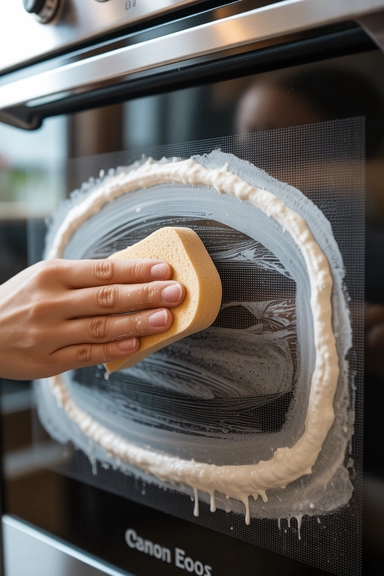
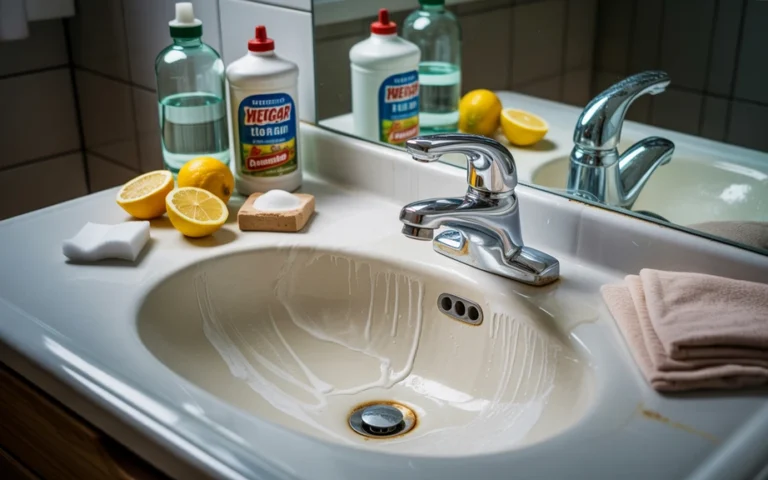
Mix baking soda with enough water to form a thick paste. Apply it generously to the inside of the oven door glass. Cover the whole surface, edges included.
Leave it thirty minutes minimum. An hour is better. The paste draws into the grease film and carbonized layer, softening it from underneath so it lifts rather than requiring scrubbing through.
Wipe away with a damp microfiber cloth in circular motions. The brown film comes off in the cloth rather than requiring force. If patches remain, apply paste again and leave another twenty minutes.
Vinegar Spray After the Paste Lifts the Rest
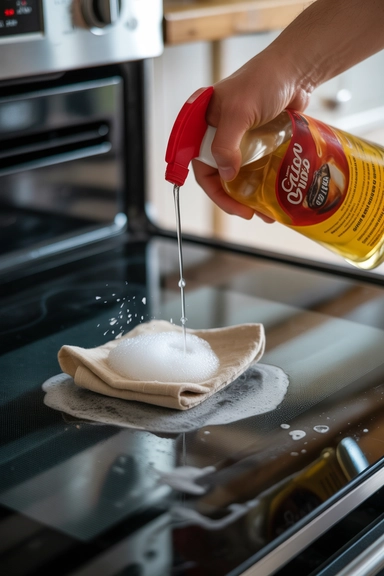
After wiping away the baking soda paste, spray undiluted white vinegar directly onto the glass.
The vinegar reacts with any remaining baking soda residue and fizzes. That fizzing lifts the last layer of grease film that the paste softened but did not fully remove. Wipe immediately after the fizzing settles.
The glass is usually clear after this step. Not improved. Actually clear. The first time this happened in my own oven I wiped it three times thinking there was still residue. There was not. That is just what clean oven glass looks like.
Dish Soap and Hot Water for Regular Maintenance
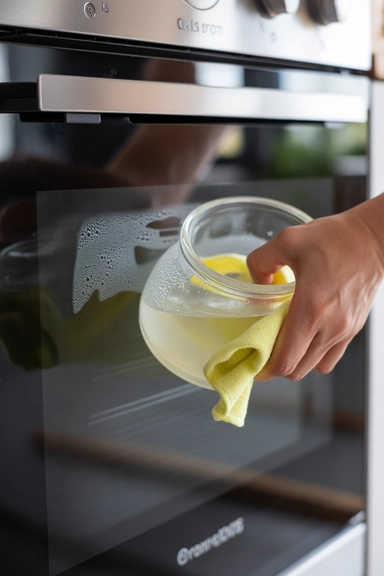
A few drops of dish soap in hot water, applied with a soft cloth to the inside of the door glass, left five minutes, wiped clean.
This is the weekly maintenance version, not the deep clean. After light cooking sessions where grease vapor has settled on the glass but not yet baked on, dish soap and hot water removes it completely.
Waiting until the grease has baked on through three months of cooking and then trying dish soap is disappointing. As a weekly wipe between deeper cleans it keeps the glass from reaching the point where paste and vinegar are needed at all.
Razor Scraper on Stubborn Baked-On Deposits
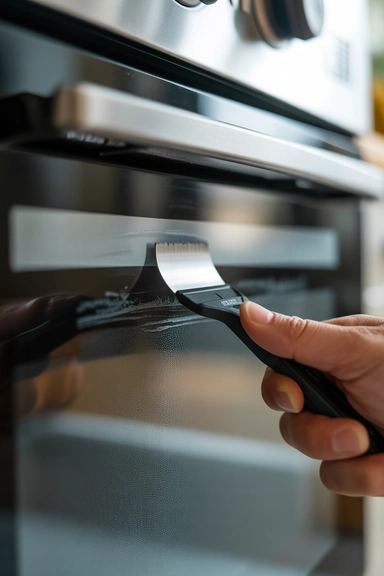
Hold a razor scraper at ten to fifteen degrees against the glass. Almost flat. Scrape slowly under the deposit.
At that angle the blade slides under the hardened grease rather than across the glass surface. Steeper than fifteen degrees and it scratches. The angle is everything with this method.
Use a proper scraper with a handle. Not a loose blade. Oven glass with cleaning product on it is slippery and a bare blade slipping is not a risk worth taking over a dirty oven door. One slow careful pass removes deposits that no chemical method touches.
Lemon Juice for Light Grease Film and Smell
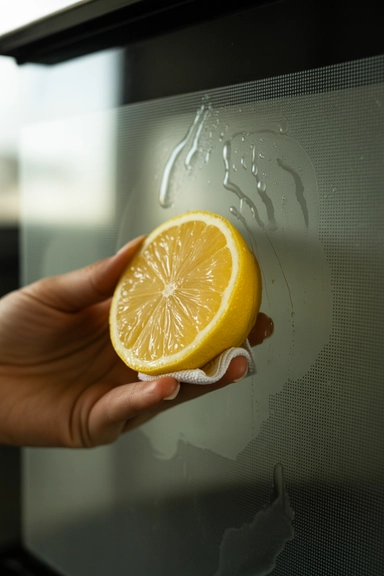
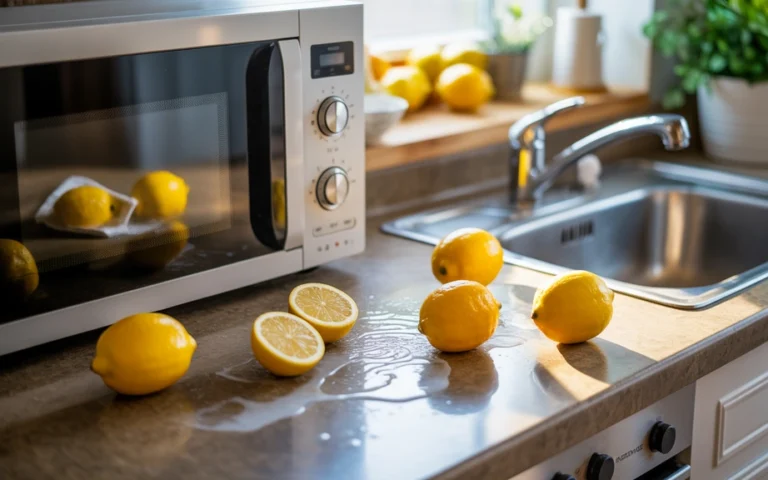
Squeeze lemon juice directly onto the glass, spread with a cloth, leave ten minutes, wipe clean.
Citric acid cuts through light grease film and leaves the glass smelling clean rather than just looking cleaner. On a door that gets wiped regularly and only has a surface grease layer, lemon juice handles it without needing the baking soda treatment.
The squeezed lemon half rubbed directly across the glass works better than bottled juice for this. The rind applies light pressure while the juice does the chemical work.
Toothpaste on the Rubber Door Seal
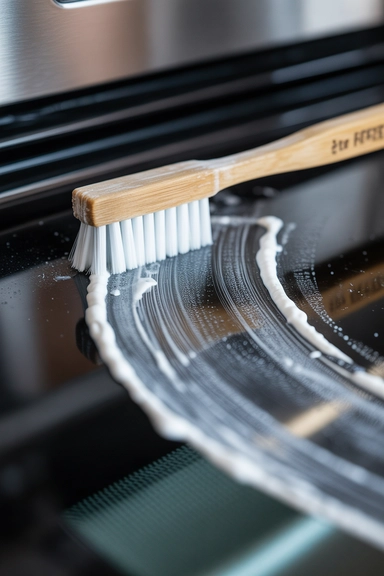
Plain white toothpaste on an old toothbrush, scrubbed gently along the rubber door seal, wiped away with a damp cloth.
The seal collects grease and food residue pressed into the rubber every time the door closes. Commercial cleaners degrade rubber over time. Toothpaste removes the residue without affecting the seal material.
While cleaning the seal, check its condition. Cracks or brittleness mean heat is escaping during cooking. Easier to spot when the seal is clean and you are already looking at it closely.
Magic Eraser on Glass Haze
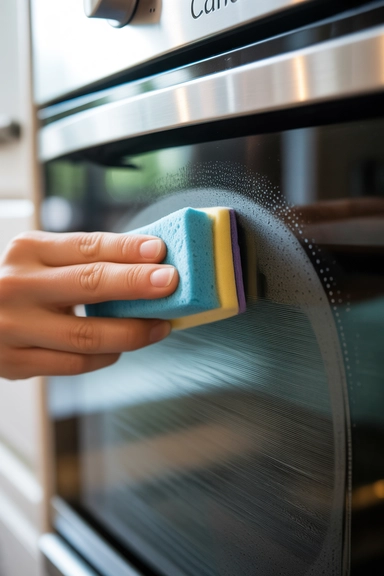
Dampen a magic eraser and rub it gently across the oven door glass in circular motions.
The micro-abrasive surface of a magic eraser removes the hazy film that sometimes remains after other cleaning methods without scratching glass. It gets into the texture of the glass surface in a way that a cloth does not.
Do not use it on the rubber seal or painted surfaces around the door frame. The abrasive that works well on glass damages softer materials. Glass only.
Cleaning Between the Glass Panels
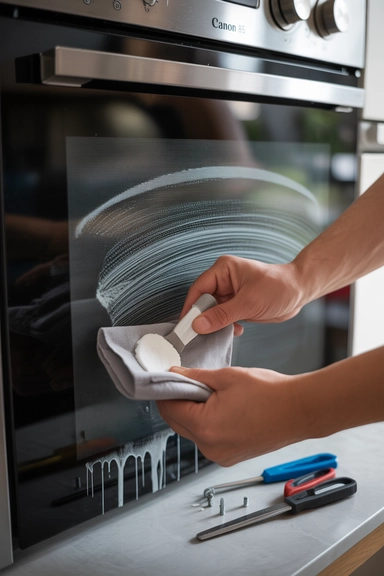
Most oven doors have two or three glass panels with a gap between them. Grease gets in there and bakes on inside the gap where nothing can reach from the outside.
Some oven doors unscrew at the bottom or top to allow the panels to be separated for cleaning. Check the manufacturer instructions or the model name online before attempting this. Takes about ten minutes to disassemble, clean each panel separately with baking soda paste, reassemble.
The view through an oven door that has never had the inner panels cleaned is genuinely surprising when you see it clearly for the first time. That brown tint is not the glass. It is grease baked between the panels over years.
Bicarbonate of Soda and Dish Soap Combined
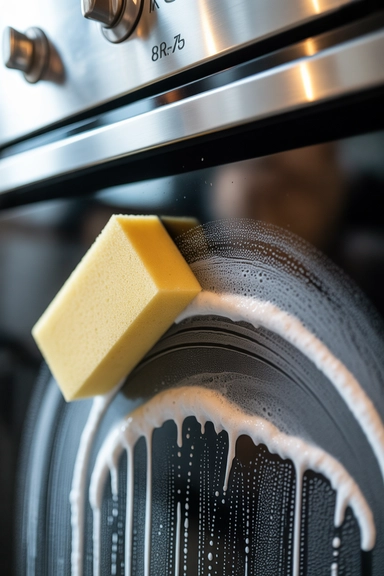
Mix two tablespoons of bicarbonate of soda with one tablespoon of dish soap into a paste. Apply to the glass, leave twenty minutes, scrub with a non-scratch sponge, rinse.
The dish soap adds surfactant action to the alkaline baking soda. Together they work on grease that either ingredient handles less effectively alone. Slightly faster than plain baking soda paste for moderate buildup that has not been left for months.
This is the version I use when the oven door needs cleaning but I did not plan ahead for an overnight soak. Twenty minutes is enough for buildup that is a few weeks old rather than months.
Salt and Vinegar Scrub on Stubborn Edges
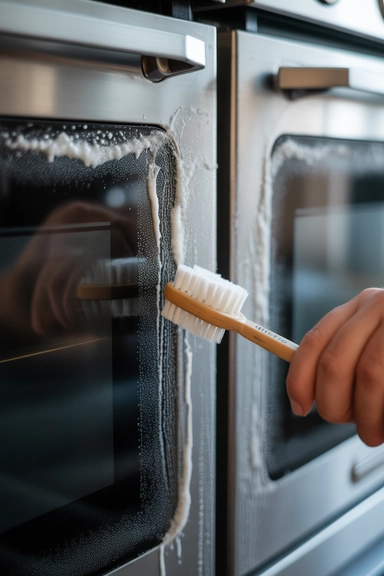
Mix coarse salt with white vinegar to form a thick paste. Apply to the edges of the door glass where grease accumulates in the frame gap, scrub with an old toothbrush.
The corners and edges where the glass meets the door frame collect grease that a cloth cannot reach properly. The salt adds abrasion, the vinegar cuts the grease, the toothbrush gets into the gap.
This is the detail work that makes the difference between a door that looks clean from a distance and one that actually is clean up close. The edges are usually what give it away. For more household cleaning methods that use common kitchen ingredients, these easy cleaning hacks cover a wider range of situations.
Bar Keepers Friend on Persistent Staining
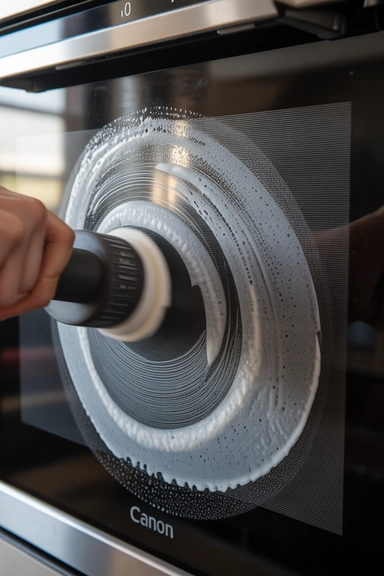
Wet the glass surface, sprinkle Bar Keepers Friend on, scrub with a damp cloth in circular motions, rinse after two minutes.
Oxalic acid in Bar Keepers Friend dissolves mineral deposits and oxidized grease staining that baking soda does not fully shift on glass that has been neglected for a long time. Two minutes maximum contact time. Longer than that on glass starts affecting the surface.
This is the product I reach for when the baking soda and vinegar combination has been done twice and a shadow of staining remains. One application of Bar Keepers Friend after that removes what was left.
Newspaper for the Final Streak Free Buff
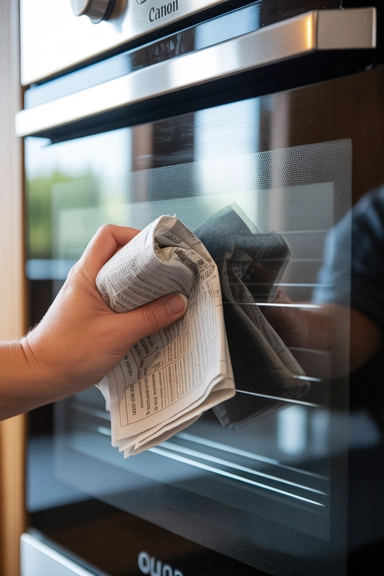
After cleaning with any solution and wiping the glass down, buff the surface dry with scrunched newspaper.
Newspaper leaves no lint on glass. Even good microfiber cloths leave faint fibres on glass in certain light. The ink and paper texture polishes as it buffs and the result is visibly clearer than cloth. The oven door glass looks different after a newspaper buff in the same way a mirror does.
The newspaper step is the finishing step only. Do the cleaning with cloths and solution first. Newspaper at the end.
Hydrogen Peroxide on Greasy Residue
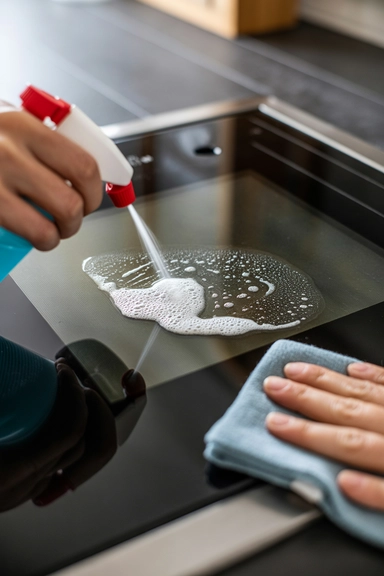
Spray three percent hydrogen peroxide onto the glass after the main clean, leave five minutes, wipe.
It lifts the last trace of grease film and disinfects the surface without leaving residue. Particularly useful on the outer door surface which gets touched repeatedly and collects fingerprints and cooking residue from hands.
Do not mix it with the vinegar solution in the same spray. Use them separately. Hydrogen peroxide after vinegar with a wipe in between is the safe sequence if combining treatments.
Warm Oven Wipe After Every Cook
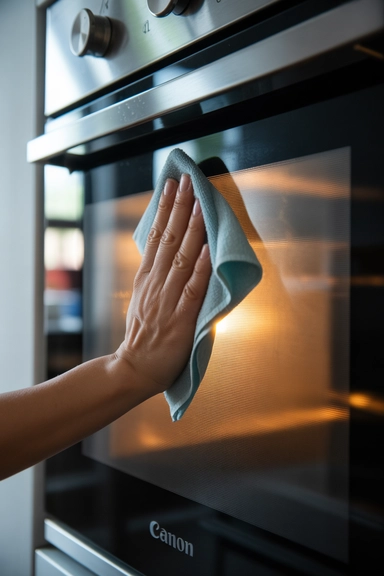
While the oven is still warm after cooking, open the door and wipe the inside of the glass with a damp cloth.
Fresh grease vapor that has settled on the glass while cooking wipes away completely when it is still warm and liquid. Left to cool it hardens into a film. Left through several more cooking sessions it bakes on in layers. That layered buildup is what eventually turns oven glass brown and opaque.
Thirty seconds while the oven is warm after cooking. That single habit prevents most of the reason oven door glass needs deep cleaning at all.
Cream of Tartar Paste on Discoloration Around the Frame
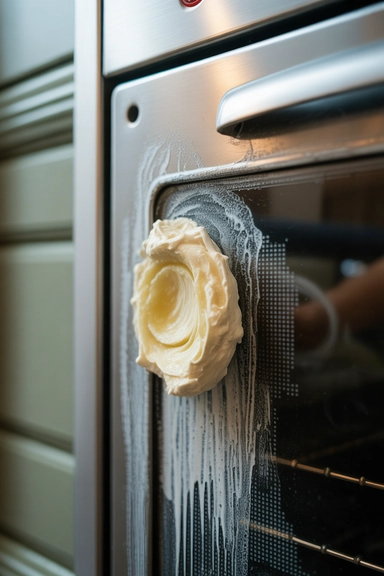
Mix cream of tartar with lemon juice into a paste. Apply to discolored metal or enamel around the door frame, leave ten minutes, scrub with a soft brush, rinse.
The frame around the glass discolors from heat and grease the same way the glass does but needs a different approach because the surface material is different. Cream of tartar on metal discoloration removes the yellowing and brown staining that makes the door frame look permanently dirty even after the glass is clean.
Cleaning the glass perfectly and leaving a brown frame around it is like washing only the middle of a window.
How Oven Door Cleaning Methods Compare
| Method | Best Use | Contact Time | Effort Level |
|---|---|---|---|
| Baking soda paste | Heavy grease buildup | 30 to 60 minutes | Low after waiting |
| Baking soda and vinegar | Full deep clean | 40 minutes total | Very low |
| Dish soap and hot water | Weekly maintenance | 5 minutes | Very low |
| Razor scraper | Hardened deposits | Immediate | Medium |
| Bar Keepers Friend | Persistent staining after other methods | 2 minutes | Low |
| Between-panel cleaning | Inner glass panels | 30 minutes total | Medium |
| Warm wipe after cooking | Ongoing prevention | 30 seconds | Very low |
Final Thoughts on Oven Door Cleaning Hacks for a Clear View
The inside of the glass and the gap between panels are where most oven door cleaning goes wrong by being skipped entirely. Wiping the outside of the door and calling it clean is the version most people do. The brown tint that builds up over months comes from inside the glass and between the panels, not from the outside.
Baking soda paste with contact time handles most buildup. The razor scraper handles what the paste does not. The warm wipe after cooking prevents the buildup from forming in the first place.
A clean oven door is not a cosmetic thing. Seeing what is cooking without opening the oven keeps the temperature stable, reduces cook time guesswork, and makes the oven genuinely more useful as a piece of kitchen equipment.
FAQ About Oven Door Cleaning Hacks for a Clear View
Why does my oven door glass look brown even after cleaning? If the outside surface is clean but the glass still looks brown, the discoloration is between the glass panels rather than on the surface you can reach. Grease gets into the gap between panels over time and bakes on inside where regular cleaning cannot reach. The only solution is disassembling the door to clean the inner panels separately. Check the manufacturer instructions or search the oven model number online for how to do this safely for your specific oven.
Is it safe to use a razor blade on oven glass? Yes at the correct angle. The blade needs to be held almost flat against the glass at around ten to fifteen degrees. At that angle it slides under hardened deposits rather than scratching the glass surface. A proper razor scraper tool with a handle is significantly safer than a loose blade. Always make sure the glass is clean and free of grit before scraping as particles between the blade and glass cause scratches regardless of the angle.
How often should the oven door glass be deep cleaned? Once a month if the oven is used regularly and the glass gets wiped warm after each use. Every two weeks if the oven is used heavily and warm wiping is skipped. The frequency depends almost entirely on whether the grease is being removed while it is still fresh or being allowed to bake on in layers between cleans. An oven door maintained with a warm wipe after cooking needs a proper deep clean far less often than one that only gets attention when it becomes visibly brown.
Sarah Mitchell’s Take
The flat I moved into had an oven door so brown I thought the glass was tinted. It was not tinted. That was years of baked-on grease from whoever lived there before me. One session with baking soda paste, vinegar spray, and a razor scraper took two hours and the glass came out completely clear. I stood there looking at it for a moment because it looked like a different oven. The between-panel cleaning was the part that made the biggest difference and the part I would never have known to do if I had not looked it up specifically. Check the gap between the panels. Whatever is in there is almost certainly the reason the door still looks brown after cleaning the surface.