
Introduction
Your carpets attract everyday mess like magnets—dust from shoes, crumbs, pet hair, and the occasional spill that sinks straight into the fibers and gets absorbed deep inside. If you leave those stains too long, they settle deeper and become much harder for you to remove. The good part is that you can handle many of these problems with simple carpet cleaning hacks using items you already have in your kitchen. Things like baking soda, vinegar mixtures, and quick stain-removal tricks help you lift dirt, neutralize odors, and restore flattened fibers. With the right approach, you can use regular maintenance and a few smart carpet cleaning tips and tricks to keep your carpets looking fresh without constant deep cleaning. If you are also trying to keep your bathroom spotless, you may find these Bathroom Cleaning Hacks for a Fresh and Sparkling Home helpful too.
Baking Soda to Pull Odors Out of Carpet Fibers
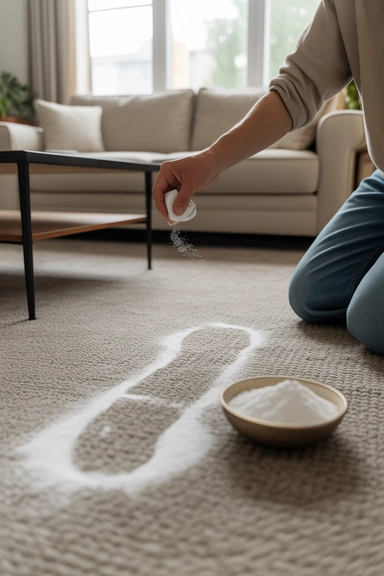
I use baking soda whenever a carpet starts holding onto odors that vacuuming doesn’t remove. This usually happens in busy areas like hallways or the space in front of the sofa where people walk every day. Carpets slowly absorb smells from shoes, pets, and food, and those odors settle deep into the fibers over time. A light layer of baking soda helps pull those smells out instead of just covering them up.
Sprinkle a thin layer across the carpet and focus on the areas that get the most foot traffic. I usually leave it there overnight because the powder needs time to absorb the trapped odor. Many people vacuum it too quickly and miss the benefit. In the morning, vacuum the area slowly so the baking soda lifts away along with the dust and odor it absorbed. It’s a simple habit that helps carpets smell noticeably fresher.
Removing Coffee and Tea Stains Before They Set
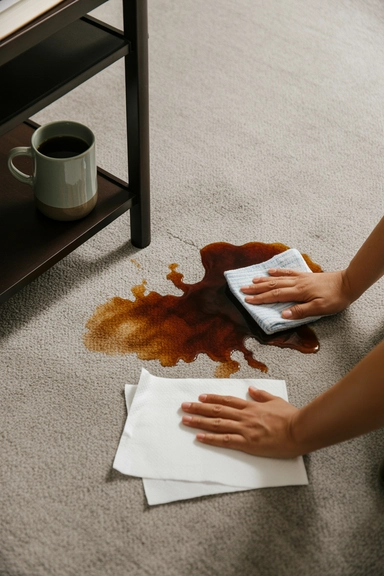
Coffee and tea stains are some of the most common carpet problems, especially in living rooms and home offices. If you spill coffee, act quickly because the color can settle into the fibers fast. The first thing I usually do is grab a clean cloth and blot the spill immediately. Press the cloth gently into the carpet to absorb as much liquid as possible. Avoid rubbing the stain because that spreads the liquid and pushes it deeper into the carpet.
After blotting, apply a small amount of warm water to the spot and blot again to dilute the stain. If the mark remains, mix a little dish soap with warm water and dab the area carefully. I’ve found that working slowly in small circles helps lift the stain without damaging the fibers. Continue blotting until the stain fades, then allow the area to dry naturally.
Lifting Pet Hair That Vacuuming Leaves Behind
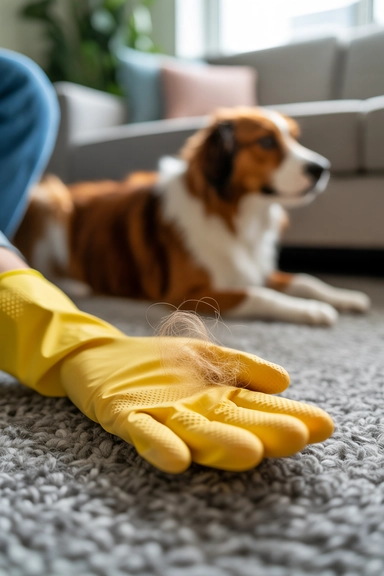
If you have pets at home, you’ve probably noticed that vacuuming doesn’t always remove all the hair from carpets. Pet hair tends to cling to carpet fibers, especially in corners or along the edges of furniture. One trick I often use is a slightly damp rubber glove. When you run the glove across the carpet, the friction helps pull the trapped hair out of the fibers.
Another option is using a rubber broom or a carpet rake designed for pet hair removal. These tools work well because they loosen the hair before vacuuming. I usually go over the carpet with the rubber tool first and then vacuum the area. This two-step approach lifts much more hair and leaves the carpet looking noticeably cleaner.
Removing Candle Wax from Carpet Fibers
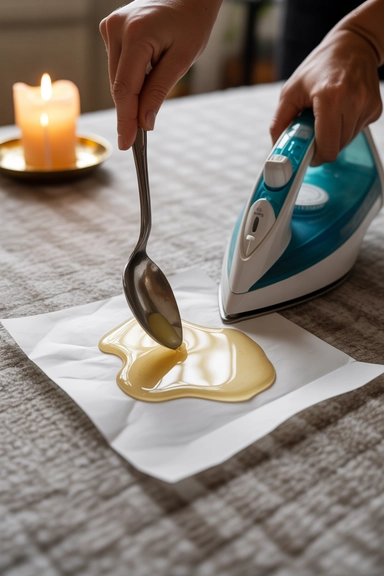
Candle wax can look like a disaster when it drips onto the carpet, but it’s easier to remove than most people think. The key is to let the wax harden completely before trying to clean it. If the wax is still soft, it spreads and sinks deeper into the fibers.
Once the wax becomes solid, gently scrape off the larger pieces using the edge of a spoon or a dull knife. After removing the excess wax, place a paper towel over the remaining spot and press it lightly with a warm iron set on low heat. The heat softens the wax while the paper towel absorbs it. I’ve used this trick many times after candle drips, and it usually clears the stain without damaging the carpet.
Fixing High-Traffic Carpet Paths
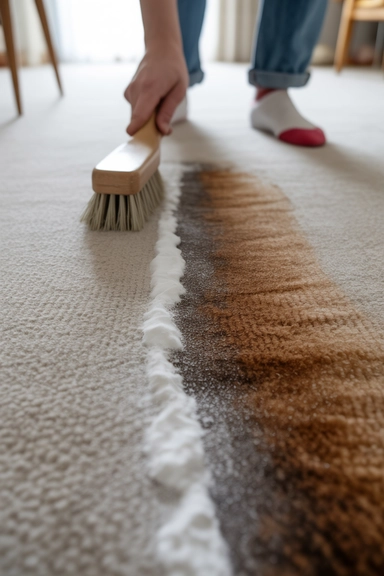
Certain areas of the house collect dirt faster than others. Hallways, entryways, and the path between the sofa and television often become dull because of constant foot traffic. Even if you vacuum regularly, these areas can start to look darker than the rest of the carpet.
A simple way to refresh these sections is to combine baking soda with a light brushing. Sprinkle baking soda over the worn path and gently brush the fibers with a soft brush or carpet rake. This loosens dirt trapped deep in the carpet and lifts flattened fibers. After brushing, vacuum the area slowly. I’ve noticed this method helps restore the appearance of high-traffic areas without needing a full carpet shampoo.
Removing Chewing Gum Stuck in Carpet
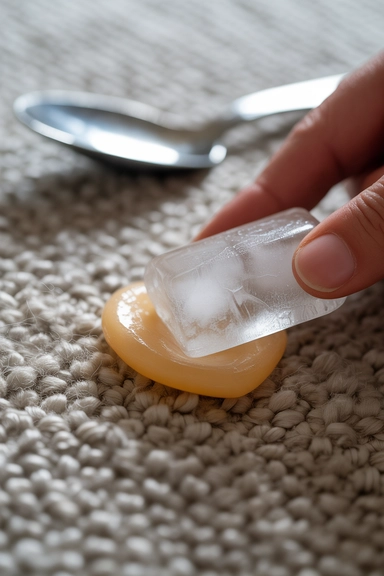
Stepping on chewing gum and pressing it into the carpet can feel frustrating, but removing it is easier if you harden it first. Instead of trying to pull it out immediately, place an ice cube directly on the gum and let it sit for a few minutes. The cold temperature makes the gum firm and easier to remove.
Once the gum hardens, gently lift it using a spoon or a dull knife. Work slowly so you don’t pull carpet fibers out along with it. If small pieces remain, freeze the spot again and repeat the process. I’ve used this method many times and it removes most of the gum without damaging the carpet underneath.
Removing Ink Stains Before They Spread
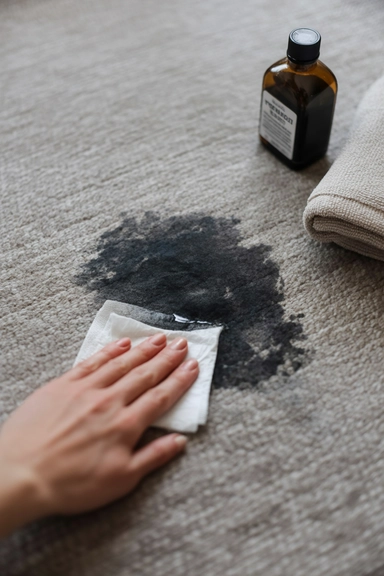
Ink stains can look intimidating, especially if the pen leaks or falls onto the carpet. The key is to stop the ink from spreading before it settles deeper into the fibers. When I deal with ink marks, I avoid rubbing the spot because that quickly pushes the color outward and creates a larger stain.
Instead, dab the area gently with a cloth lightly dampened with rubbing alcohol. Alcohol helps dissolve the ink so it can lift from the fibers. Press the cloth onto the stain and replace it with a clean section as the ink transfers. Work slowly and keep blotting until the mark fades. Afterward, dab the area with a little plain water to remove residue and let the carpet dry naturally.
Freshening Carpets with a Simple Lemon Solution
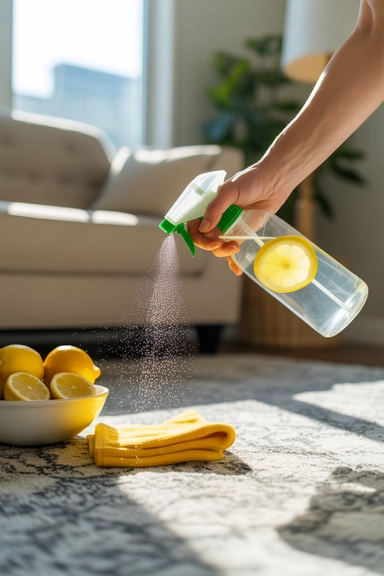
Sometimes carpets don’t look stained but still feel dull or slightly musty. In those cases, I like using a mild lemon solution to freshen the area. Lemon has natural deodorizing properties and leaves a light, clean scent that makes the room feel brighter.
Mix a small amount of lemon juice with warm water and lightly mist the carpet surface. The goal is to freshen the fibers, not soak them. Then gently blot the area with a dry cloth to remove excess moisture. This method works well in rooms that feel stale after being closed for long periods, such as guest rooms or spare bedrooms.
Restoring Carpet Texture with Gentle Brushing
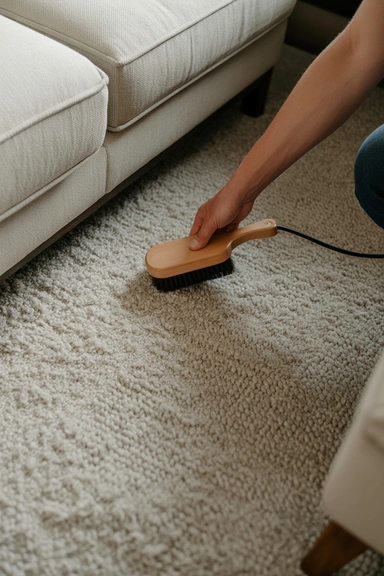
Over time, carpet fibers can start to lie flat, especially in areas where people sit or walk frequently. Even after cleaning, the carpet may look worn simply because the fibers have lost their lift. I often restore the texture by lightly brushing the surface with a soft carpet brush.
Move the brush in one direction first to lift the fibers, then brush gently in the opposite direction to separate them. This small step helps bring back the carpet’s natural appearance. It’s surprising how much difference this makes, especially in living rooms where furniture and foot traffic flatten the fibers.
Removing Sticky Residue from Spills
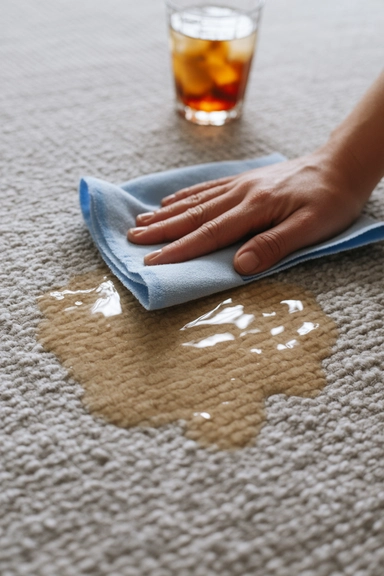
Some spills leave behind a sticky film even after the visible stain disappears. This often happens with sugary drinks, juice, or soda. When the residue stays in the carpet, it attracts dust and dirt and makes the area look dirty again very quickly.
To remove the stickiness, lightly dab the area with warm water and a clean cloth. Press the cloth into the carpet to absorb the residue rather than scrubbing it around. I’ve noticed that repeating this process a few times helps pull the sugary film out of the fibers. Once the area dries, the carpet feels cleaner and stops attracting dust so quickly.
Brightening Light-Colored Carpets
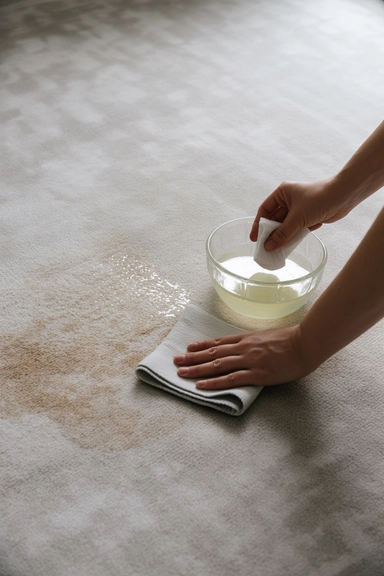
Light carpets tend to lose their brightness over time, especially in homes with children or pets. Dirt slowly builds up and makes the carpet appear dull even when it’s vacuumed regularly. One way I refresh lighter carpets is by giving them a quick surface treatment with diluted hydrogen peroxide.
Before applying it widely, test a small hidden area to make sure it doesn’t affect the color. Then lightly dab the solution onto dull spots using a cloth. Hydrogen peroxide helps lift discoloration and restore brightness to the fibers. I use this method occasionally in areas that begin to look gray or faded.
Removing Nail Polish from Carpet Fibers
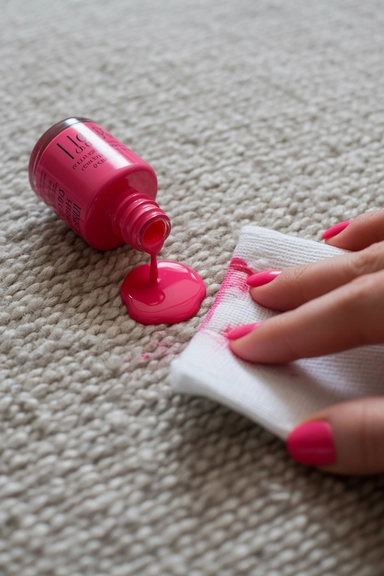
Nail polish spills can happen quickly, especially if someone is painting their nails in the living room or bedroom. The most important thing is to act before the polish fully hardens. When I see fresh nail polish on carpet, I avoid wiping it because that spreads the color deeper into the fibers.
Instead, I gently blot the spot using a cloth with a small amount of nail polish remover or rubbing alcohol. Press the cloth onto the stain and lift it carefully so the polish transfers onto the cloth instead of spreading through the carpet. Repeat this slowly with a clean section of cloth each time. Working patiently usually removes most of the polish without damaging the carpet.
Cleaning Mud Tracks Without Smearing Them
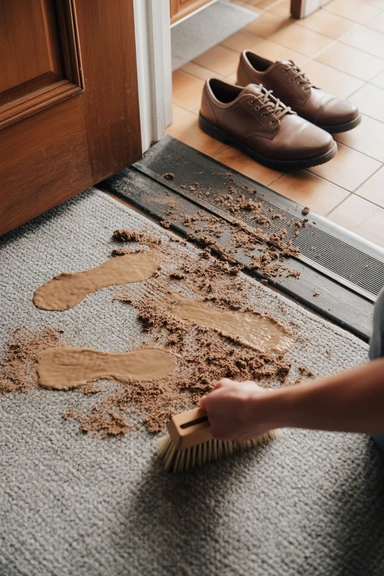
Mud stains often appear near entrances, especially during rainy weather. One mistake people make is trying to clean the mud while it is still wet. When mud is wet, it spreads quickly and creates a larger stain across the carpet.
The better approach is to let the mud dry completely first. Once it hardens, gently scrape off the dried pieces using the edge of a spoon or a soft brush. After removing the loose dirt, vacuum the area thoroughly. If a faint mark remains, dab the spot with a damp cloth and blot it dry. This method removes the mud without pushing it deeper into the carpet.
Removing Crayon Marks from Carpet
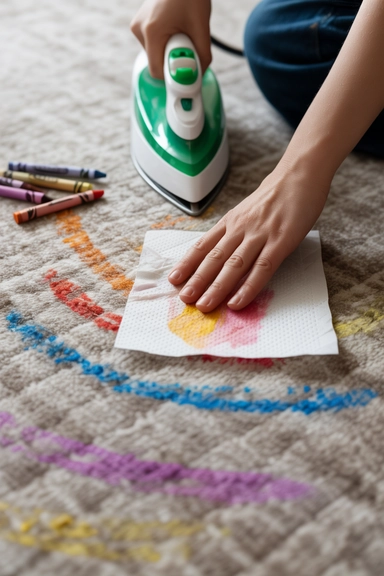
Crayon marks sometimes appear on carpets in homes with children. These waxy marks can look difficult to remove, but they usually lift with gentle heat and careful blotting. When I notice crayon on carpet, I start by scraping off any thick wax pieces using a spoon.
After removing the excess wax, place a paper towel over the remaining mark and press it lightly with a warm iron set to low heat. The heat softens the wax while the paper towel absorbs it from the fibers. I repeat the process with a fresh paper towel until the color fades and the carpet looks clean again.
Dealing with Water Marks on Carpet
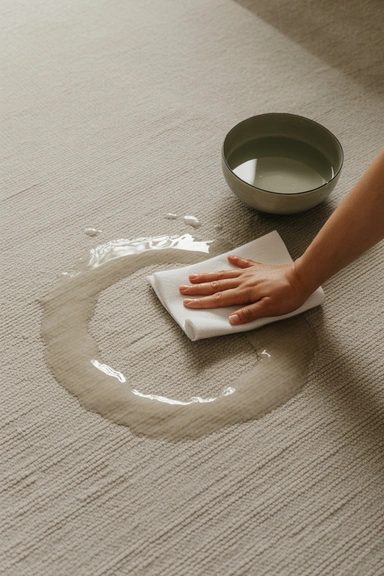
Water spills can sometimes leave a faint ring on carpets after they dry. This often happens when liquid spreads unevenly and leaves behind a visible outline. When I see water rings forming, I lightly dampen the entire area around the mark with a clean cloth.
Blending the damp area helps prevent the ring from standing out. After dampening, blot the carpet gently with a dry towel to absorb the moisture. Allow the carpet to dry naturally with good airflow in the room. This approach helps the fibers dry evenly so the mark disappears.
Refreshing Carpet Near Entryways
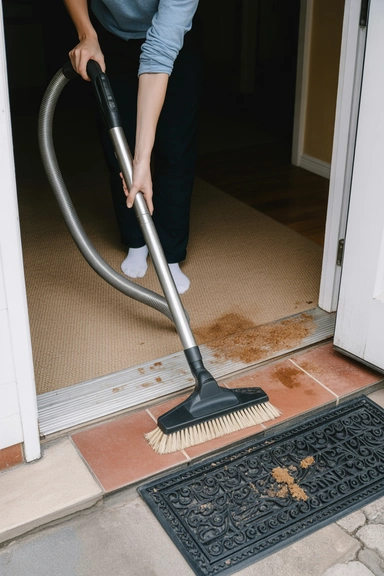
Entryways collect the most dirt because shoes bring in dust, sand, and outdoor debris. Even with regular vacuuming, these areas can begin to look worn and dull. I usually give entryway carpets extra attention because they affect how clean the whole room looks.
Start by vacuuming the area slowly in different directions to loosen trapped dirt. Then lightly brush the fibers with a soft carpet brush to lift them and remove any remaining debris. Adding a small entry mat near the door also helps reduce future buildup. This simple routine keeps entryway carpets looking much cleaner over time.
Removing Red Wine Stains Before They Set
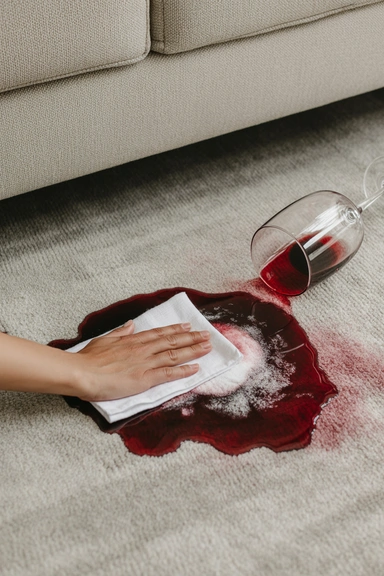
Red wine spills can spread quickly across carpet fibers, especially on light-colored carpets. When this happens, the most important thing is to act before the stain settles deep into the fibers. I usually start by placing a clean cloth over the spill and pressing down gently to absorb as much liquid as possible. Blotting works much better than rubbing because rubbing pushes the stain further into the carpet.
After removing most of the liquid, sprinkle a small amount of baking soda over the damp area. The powder helps absorb the remaining moisture and lifts some of the color from the fibers. Leave it there until the spot dries, then vacuum the area slowly. In many cases, the stain becomes much lighter or disappears completely.
Removing Chocolate Stains from Carpet
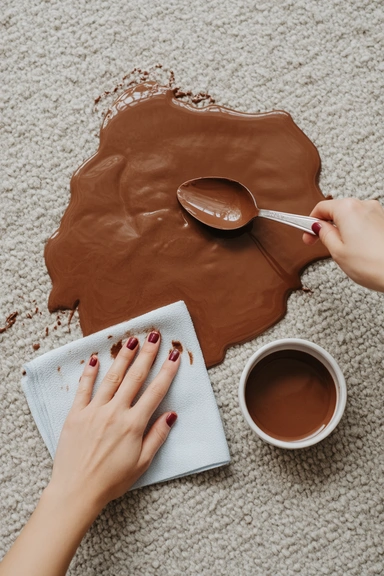
Chocolate stains are common in living rooms or family spaces where snacks are often eaten. The mix of sugar and oils can cling to carpet fibers and leave a dark mark if not cleaned quickly. When I deal with chocolate spills, I first remove any solid pieces using the edge of a spoon.
Once the excess chocolate is gone, dab the area with a cloth dipped in warm water mixed with a small drop of dish soap. Press gently and blot the stain rather than scrubbing it. This helps break down the oily residue without spreading the stain further. Continue blotting until the mark fades and then allow the carpet to dry naturally.
Removing Paint Drips from Carpet
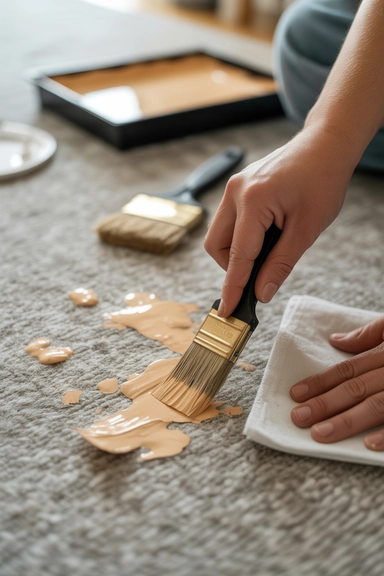
Paint drips can happen during home projects or small touch-up jobs around the house. If the paint is still wet, blot the area gently with a damp cloth to absorb as much as possible. Acting quickly makes a big difference because fresh paint lifts from carpet fibers much more easily than dried paint.
If the paint has already dried, scrape off the loose pieces carefully using a dull knife or spoon. After removing the flakes, lightly dampen the area and blot it with a cloth to loosen the remaining paint. I’ve used this method after small painting projects, and it usually clears the carpet without leaving noticeable damage.
Conclusion
You can keep your carpets fresh with simple habits and the right cleaning methods. I have tried to guide you through practical carpet cleaning hacks.Baking soda treatments, vinegar solutions, and quick stain removal can stop dirt from settling deep into your carpets. Paying attention to daily-use areas and handling spills early makes a noticeable difference in how long carpets stay clean. When these small routines become part of regular home care, maintaining bright, odor-free carpets becomes much easier without spending hours cleaning.