
Introduction
My oven hasn’t seen a proper scrub in three weeks. It looks fine.
That’s not laziness—it’s strategy. Once you know what actually works, oven cleaning stops being this dreaded weekend task and becomes something you barely think about.
Most people clean ovens the way their mothers taught them: harsh chemicals, rubber gloves, on your hands and knees for an hour. There’s a better way.
Featured Answer: The Quickest Method That Actually Works
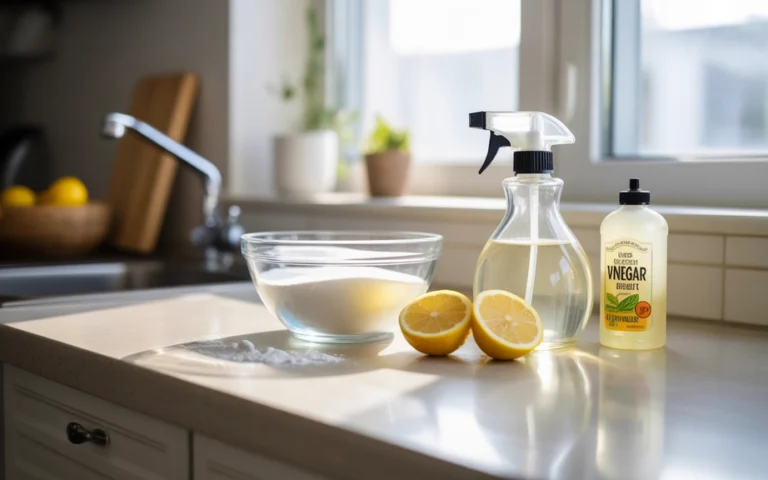
Baking soda and vinegar. Mix baking soda with a little water until it’s spreadable, coat your oven interior, leave it overnight, spray with vinegar in the morning, and wipe. The chemical reaction does the heavy lifting. No scrubbing required. Cost: under a dollar. Time: maybe 10 minutes of actual effort spread across two days.
Want more options? Check our full Microwave Cleaning Hacks guide for additional approaches.
The Overnight Baking Soda Paste (The One Most People Should Use)
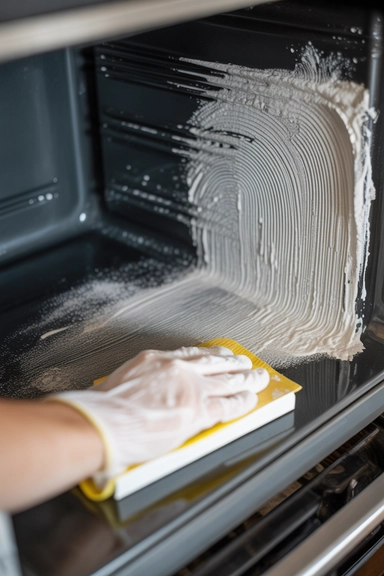
This is where I’d start if you’ve never tried this method before.
Make a thick paste—baking soda mixed with just enough water so it sticks to the oven walls. Three parts baking soda to one part water is close enough. Spread it everywhere. Don’t be precise. Oven walls, racks, bottom, sides. Get it into the corners where grease pools.
Walk away. Forget about it. Leave it for at least 8 hours, ideally overnight.
The next morning, you’ll see the paste has dried and darkened. Spray it all with white vinegar. It’ll fizz immediately. That fizzing is the chemical reaction that’s actually doing the cleaning work for you. Let it bubble for a minute, then wipe with a damp cloth.
Most of it comes off in one pass. Stubborn spots need a plastic scraper or old credit card, not a scouring pad. You’re wiping, not scrubbing.
Cost: roughly $0.20 total.
Time: 5 minutes of work, plus overnight sitting time.
Vinegar Spray After the Baking Soda
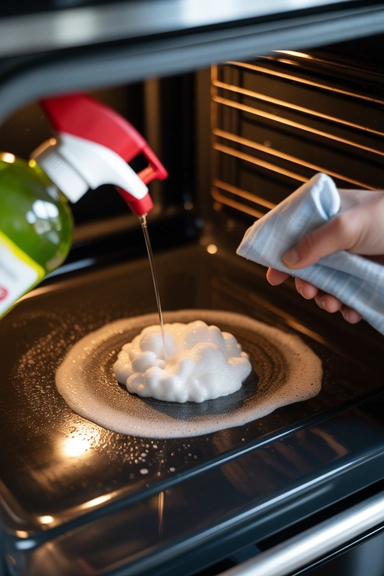
Spray undiluted white vinegar over the dried paste in the morning.
The fizzing starts immediately. That reaction helps loosen the carbonized grease the baking soda softened overnight.
Wipe in sections with a damp cloth. The buildup peels off in sheets. You’re not scraping. You’re not fighting.
I use this method on every oven now because it works on both light buildup and the kind of grime that normally sends people searching for harsh commercial cleaners.
Lemon Steam for Light Grease and Odor
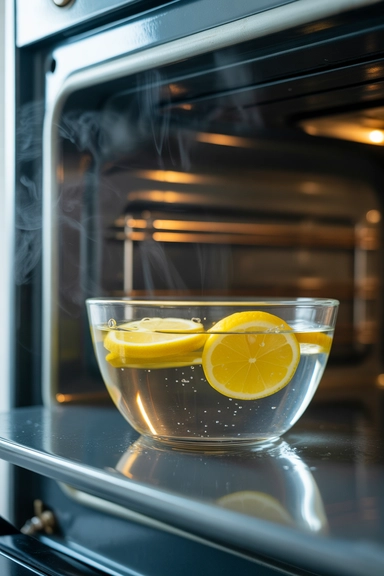
Fill an oven-safe bowl with water and the juice of two lemons. Drop the squeezed halves in. Heat the oven to 120°C, place the bowl inside, leave for thirty minutes.
The steam loosens light grease from the oven walls. But the lemon does more—it neutralizes the burned food smell that lingers. Your kitchen doesn’t just look cleaner. It smells clean.
Wipe everything down while the oven is still warm. Most of the surface grease comes away easily at that point.
This is maintenance cleaning, not deep cleaning. After a messy roast or a week-old spill, it handles the surface layer without fuss. For anything older or heavier, use the baking soda overnight method first.
Dish Soap on the Oven Racks
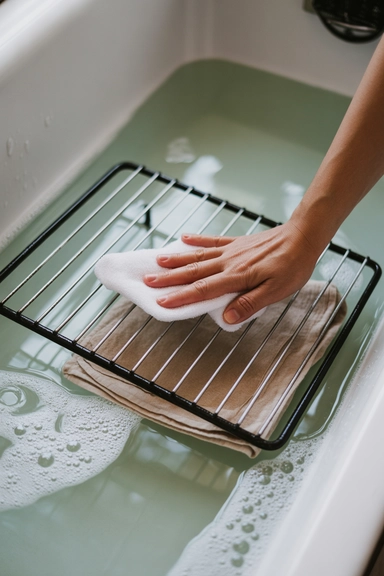
Remove the oven racks and lay old towels in the bathtub first. Oven racks scrape enamel surprisingly easily, and those scratches are permanent once they happen.
Fill the tub with hot water, add half a cup of dish soap, then leave the racks to soak overnight.
By morning, most of the baked-on grease has loosened dramatically. Run a cloth over the metal with light pressure and the residue slides away without the heavy scrubbing people usually expect.
The overnight soaking is what changes everything here. Instead of fighting hardened grease directly, you’re giving it hours to soften first.
Rinse the racks, dry them well, and slide them back in. They end up looking far cleaner than most people expect from such a low-effort method.
Dryer Sheet Soak for Oven Racks
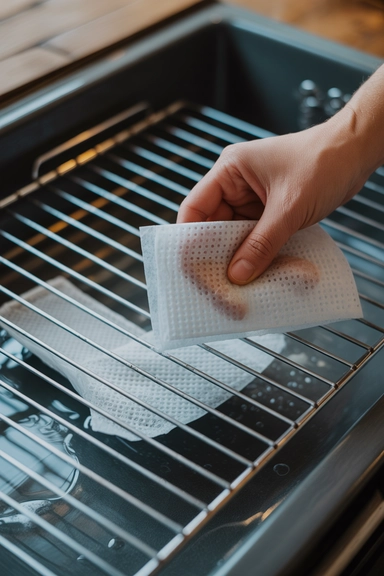
Same bathtub method but add several dryer sheets to the hot soapy water along with the racks. The dryer sheets release fabric softener compounds that break down the bond between baked-on grease and the rack surface. The combination of dish soap and dryer sheets removes buildup that dish soap alone sometimes leaves behind on heavily soiled racks. Used dryer sheets from the laundry work the same as fresh ones here. Keep them rather than binning them and use them for this.”
I see. This is an addition/variation to the bathtub rack method—not a standalone section. You’re saying to add dryer sheets TO the existing bathtub method I already rewrote.
Should I combine both sections into one cohesive piece that covers both methods—first the basic soap method, then the dryer sheet variation?
Salt on Fresh Spills Immediately
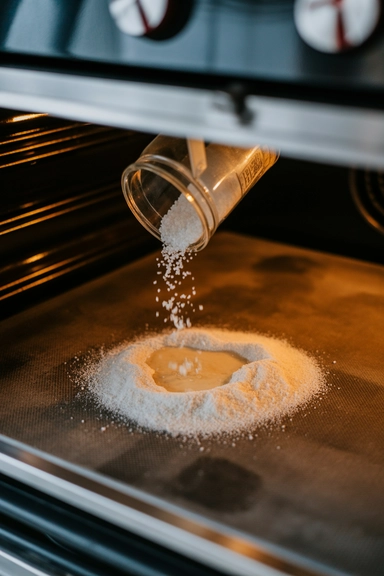
When something spills in the oven during cooking, pour coarse salt directly onto the spill while the oven is still hot.
The salt absorbs the liquid before it has a chance to bake onto the oven floor and carbonize. Once the oven cools, the salt and spill usually brush away together. What could have turned into a stubborn baked-on mess is gone in seconds instead.
This only works on fresh spills. Once grease hardens, salt won’t do much for it. But catching spills early keeps small messes from turning into major cleaning jobs later.
Keep a box of coarse salt near the stove so you can grab it quickly when something bubbles over.
Commercial Oven Cleaner Used Properly
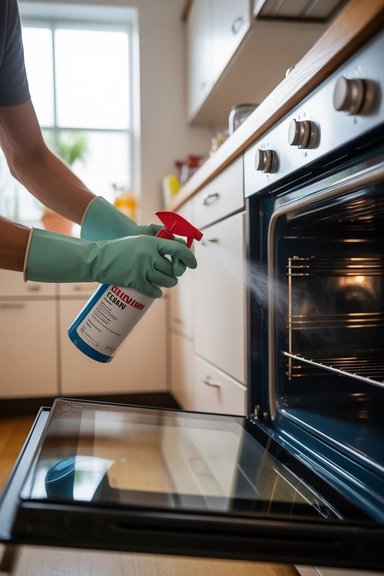
Spray commercial oven cleaner onto cold oven surfaces, close the door, leave overnight or the minimum time on the label.
Commercial oven cleaner works on the heaviest buildup faster than any natural method. The caustic compounds break down carbonized grease that baking soda paste takes multiple treatments to shift. For an oven that has been neglected for a long time, it is the honest answer.
Wear gloves. Ventilate the kitchen properly. Do not let the spray contact the heating elements or the fan in a fan oven. Rinse extremely thoroughly afterward. The caustic residue left on oven surfaces heats up during cooking and the fumes it produces are unpleasant at best.
Baking Soda on the Oven Door Glass
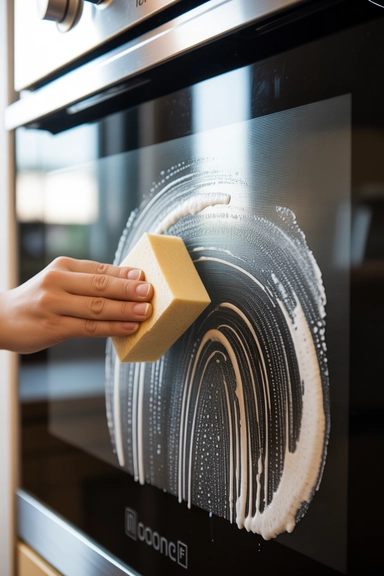
Make a thick baking soda paste, apply generously to the inside of the oven door glass, leave thirty minutes, scrub with a non-scratch sponge, wipe clean.
The glass gets brown and opaque from grease smoke over time. It looks like it might be a permanent stain. It is not. Baking soda paste on the glass consistently removes the brown film and leaves it clear in one treatment. For more household cleaning approaches that use what is already in the kitchen, these easy cleaning hacks are worth going through.
Razor Blade on Stubborn Glass Deposits
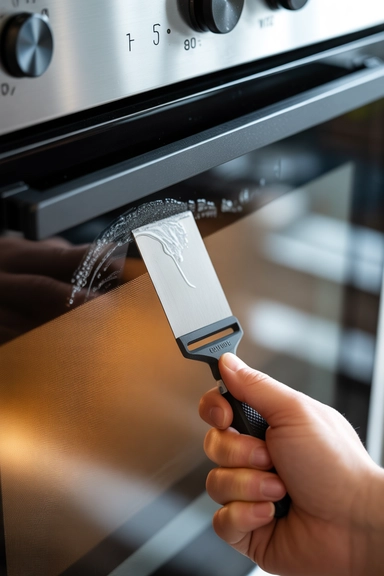
Hold a razor scraper at a very shallow angle against the oven door glass and scrape slowly under stubborn baked-on deposits.
Almost flat against the glass. Ten to fifteen degrees maximum. At that angle the blade slides under the deposit without scratching the glass surface. Steeper than that and it scratches permanently.
Use a proper razor scraper with a handle. Not a loose blade. The glass is slippery especially with cleaning product on it and the injury from a slipping bare blade is not worth it.
Toothpaste on the Oven Door Seal
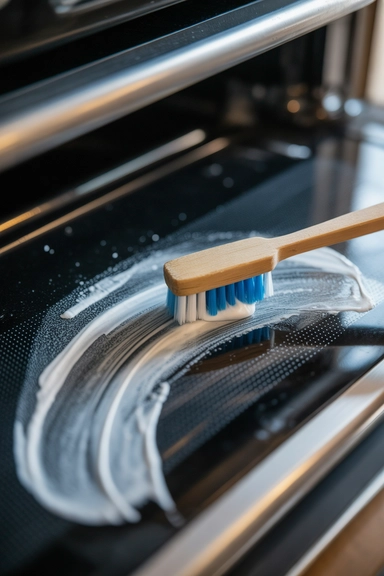
Apply a small amount of plain white toothpaste to the rubber door seal using an old toothbrush. Scrub gently, wipe away with a damp cloth.
The door seal collects grease and food residue that gets pressed into the rubber every time the door closes. Regular cleaning products are too harsh for the rubber and degrade it over time. Toothpaste cleans the residue without affecting the seal material.
Check the seal condition while cleaning it. A cracked or brittle seal lets heat escape during cooking and increases energy use. Easier to spot when it is clean.
Cream of Tartar Paste on Stubborn Stains
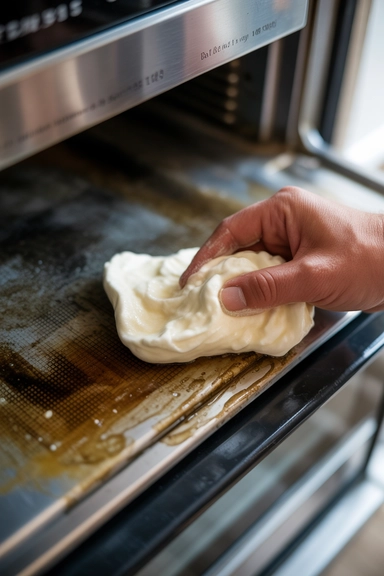
Mix cream of tartar with white vinegar to form a paste. Apply to stubborn staining on oven interior surfaces, leave fifteen minutes, scrub and wipe.
Mildly acidic, cuts through mineral deposits and light carbonized staining that baking soda does not fully shift. Works particularly well on the discoloration around the edges of the oven floor where grease accumulates in the gap between the floor and the wall.
Most people have cream of tartar for baking and never think to use it for anything else. Works better on metal staining than most products sold specifically for that purpose.
Steam Cleaning With a Wet Towel
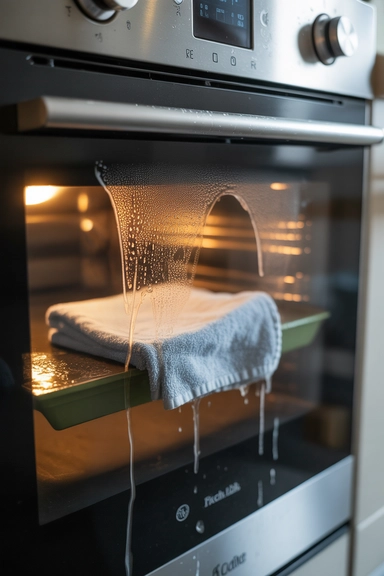
Place a wet towel or oven-safe bowl of water in the oven, heat to 180 degrees Celsius, leave thirty minutes, turn off and allow to cool slightly.
The steam loosens grease and food deposits from oven surfaces the same way a steam cleaner does but without any equipment. Wipe down while the oven is still warm. The deposits come away significantly more easily than they do from a cold oven.
Do not open the oven while it is at full temperature. Let it cool to the point where it is warm rather than hot before wiping. Burning yourself on an oven shelf while trying to clean the oven is not an improvement on the situation.
Aluminium Foil on the Oven Floor
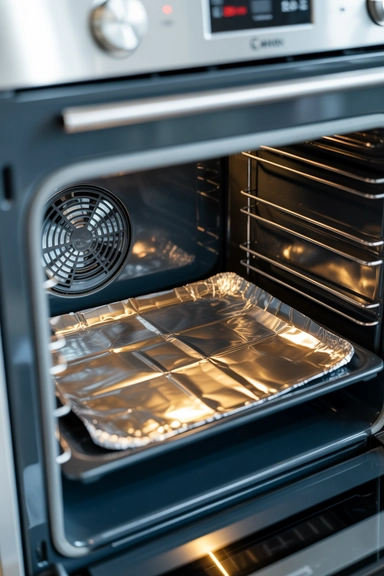
Line the oven floor with aluminium foil after cleaning.
Future spills land on the foil rather than the oven floor. Replace the foil when it gets dirty rather than cleaning the oven floor itself. Takes thirty seconds and prevents the majority of floor buildup between deep cleans.
Do not cover the heating element. Do not block the vents. A sheet of foil on the floor with clearance around the edges is the right application. Covering vents affects airflow and cooking temperature.
Bicarbonate of Soda in the Oven Overnight Without Paste
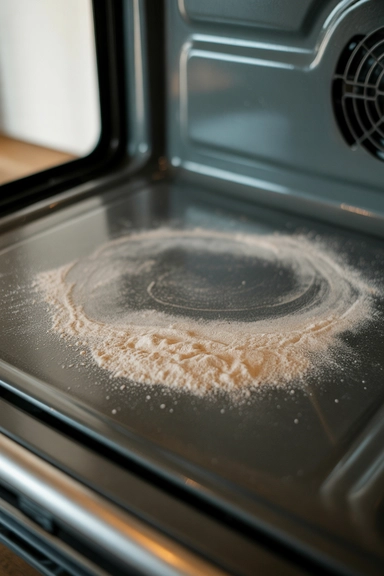
Sprinkle dry bicarbonate of soda generously across the oven floor and leave overnight without adding water.
The dry powder absorbs grease vapor that settles on the oven floor during cooking. In the morning it brushes away and takes a layer of surface grease with it. Not as powerful as the paste method but useful as a weekly maintenance step between deeper cleans.
Light application weekly means the heavy carbonized buildup never develops in the first place. Cheaper and faster than any cleaning method after the fact.
Cleaning the Oven Immediately After Use
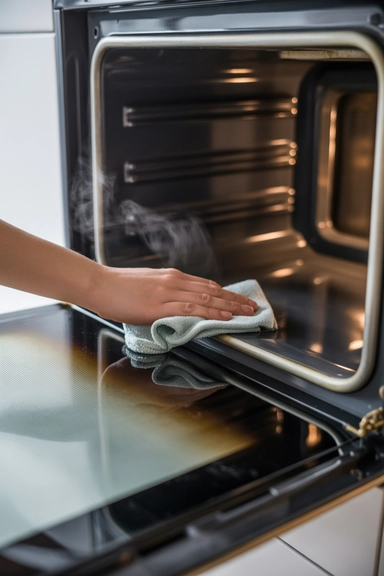
Wipe the oven interior with a damp cloth while it is still warm after cooking. Not hot. Warm.
Fresh grease wipes away completely with a damp cloth and almost no effort. The same grease left to cool and harden requires a cleaning product and real scrubbing time to shift. The same grease left for a week requires the baking soda overnight treatment. The same grease left for eight months becomes the situation I walked into that Sunday morning.
Two minutes while the oven is warm. That is the oven cleaning hack that makes all the others mostly unnecessary.
How Oven Cleaning Methods Compare
| Method | Best Use | Contact Time | Effort Level |
|---|---|---|---|
| Baking soda paste overnight | Heavy baked-on grease | 8 hours | Low after waiting |
| Vinegar spray after baking soda | Lifting loosened residue | Immediate | Very low |
| Lemon steam | Light grease and odor | 30 minutes | Very low |
| Commercial oven cleaner | Heavily neglected ovens | Overnight | Low after waiting |
| Dish soap rack soak | Oven racks | Overnight | Very low |
| Salt on fresh spills | Immediate spill prevention | While hot | Very low |
| Wipe warm after cooking | Ongoing maintenance | 2 minutes | Very low |
Final Thoughts on Oven Cleaning Hacks to Cut Through Baked On Mess
Contact time is the thing that separates easy oven cleaning from the kind that takes an afternoon. Baking soda paste overnight, dish soap on racks overnight, commercial cleaner left the minimum time on the label. Every method that works well here works because something was left to sit and do its job before scrubbing started.
The frequency matters as much as the method. An oven wiped warm after every use and given a baking soda treatment once a month never reaches the stage where commercial cleaner is the only honest answer. An oven cleaned twice a year always needs the heavy approach.
Prevention is genuinely easier than cleaning. Salt on fresh spills, aluminium foil on the floor, two minutes with a damp cloth while the oven is still warm. Those three habits done consistently mean the deep clean is maintenance rather than recovery.
FAQ: Questions People Actually Ask
Q: How often is normal?
A: Deep clean every 3-4 months if you cook regularly. Once a month if you use your oven constantly. Once every 6 months if you barely use it. Weekly maintenance (that vinegar spray) prevents buildup from becoming a problem.
Q: Is commercial cleaner actually better?
A: It’s not better. It’s harsher. Works through caustic chemicals that are aggressive but require protective equipment and ventilation. These methods work nearly as well without the toxicity.
Q: Self-cleaning ovens—are they safe?
A: Yes. Modern ovens are designed for it. Make sure your kitchen is ventilated and don’t leave your home while it’s running, but it’s not dangerous. Just loud and smelly for a bit.
Q: Can I damage my oven with baking soda?
A: No. Baking soda is mild. Ovens handle it fine. It won’t damage enamel or heating elements. Safer than commercial cleaners by a wide margin.
Q: What about glass doors specifically?
A: Bar Keeper’s Friend or baking soda paste works. Gentle scrubbing with light pressure. Newspaper works for maintenance. Avoid harsh scouring pads. The glass is more fragile than the enamel.
Q: Gas ovens—same methods?
A: Yes, same methods. Just avoid getting liquid on the igniter. Small amounts of moisture aren’t a problem, but don’t soak it. Make sure everything is dry before you heat the oven.
The Actual Truth
An oven doesn’t have to be a nightmare. The reason most people hate cleaning theirs is because they’re using the wrong approach. Scrubbing with harsh chemicals is exhausting and barely works.
Chemistry and patience work better. Baking soda overnight. Vinegar spray weekly. Foil on the bottom. That’s the whole system.
You’re not cleaning an oven. You’re managing grease buildup with basic chemistry and prevention. Once you see it that way, it stops being this terrible task.