
Introduction
The mold in my bathroom started as a small dark patch in the corner of the shower ceiling. I wiped it with a damp cloth twice and it came back both times, slightly larger each time. What I did not understand then is that wiping mold without killing it first just spreads the spores to new surfaces. The patch I was trying to clean was feeding the new growth appearing three feet away. Mold removal is a specific sequence. Get the sequence wrong and the cleaning makes it worse before it gets better. If your bathroom has mold beyond just one corner, these bathroom mold cleaning hacks go into the full bathroom situation in detail.
Wear Protection Before Touching Mold
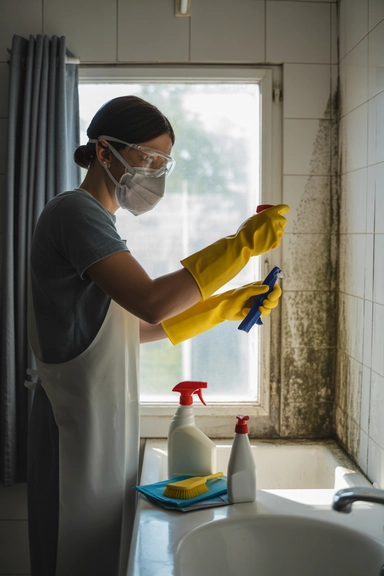
Gloves, a mask, and eye protection before starting. Not optional.
Mold spores become airborne when disturbed. Scrubbing a moldy surface without a mask means inhaling those spores directly. For small patches this is an irritant. For black mold specifically it is a genuine health concern that goes beyond a blocked nose.
Open the window before starting. Cross ventilation moves disturbed spores out of the room rather than letting them settle on surrounding surfaces. Cleaning mold in a closed room redistributes it more than it removes it.
White Vinegar Kills Mold at the Root
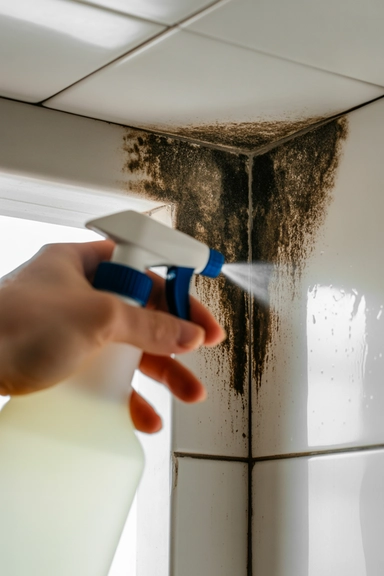
Spray undiluted white vinegar directly onto the mold and leave it for one full hour without touching it.
The acetic acid in vinegar penetrates the mold structure and kills it at the root rather than just removing the visible surface. Wiping without this step removes the color but leaves the root alive and growing back within days.
After one hour, scrub with a stiff brush, wipe away, and spray a second light coat of vinegar. Leave that second coat to dry rather than wiping it off. It keeps working after the cleaning is done.
Hydrogen Peroxide for Porous Surfaces
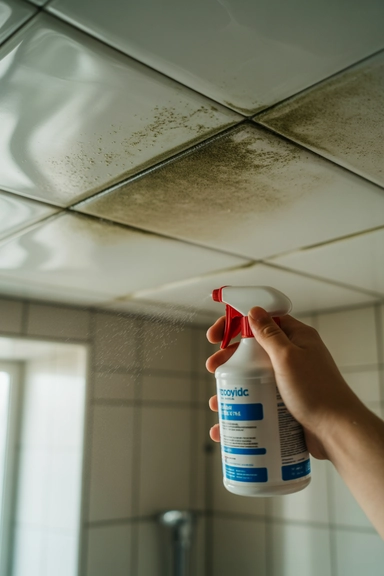
Spray three percent hydrogen peroxide onto the mold, leave ten minutes, scrub and wipe.
Hydrogen peroxide kills mold on contact and works on porous surfaces like grout, unfinished wood, and ceiling tiles where vinegar sometimes does not penetrate deeply enough. The bubbling action when it contacts mold is the oxidation reaction breaking down the mold cells.
Do not mix hydrogen peroxide and vinegar together in the same spray bottle. Combined they form peracetic acid which is corrosive to surfaces and harsh on lungs. Use them separately, one after the other with a wipe in between if combining treatments.
Bleach on Non-Porous Surfaces Only
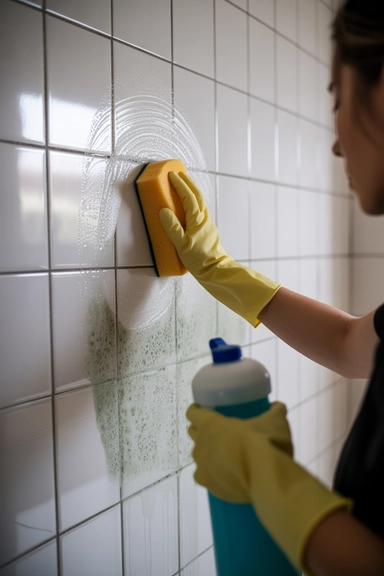
Mix one cup of bleach with one gallon of water. Apply to the moldy surface, leave fifteen minutes, scrub and rinse.
Bleach kills mold on non-porous surfaces like tiles, glass, and sealed grout extremely effectively. On porous surfaces it does not penetrate deep enough to kill the root. The surface bleaches white and looks clean while the mold continues growing from inside the material.
Never mix bleach with vinegar or ammonia. The gases produced are toxic. Bleach works alone or with water only. Ventilate the room heavily while using it.
Baking Soda After Killing the Mold
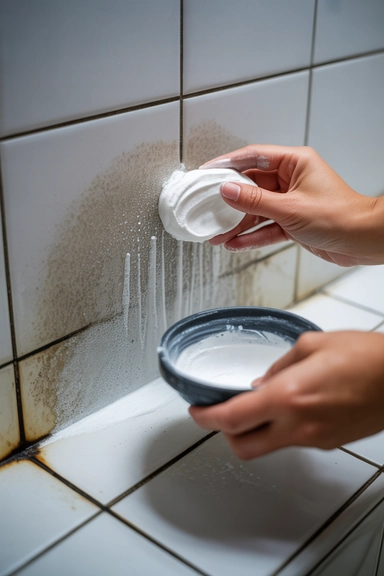
Mix baking soda with water to form a paste. Apply to the cleaned area, scrub lightly, rinse.
Baking soda does not kill mold effectively on its own. What it does is remove the staining left behind after the mold is dead and raise the pH of the surface. Mold struggles to regrow on alkaline surfaces.
Leave a light dusting of dry baking soda on the surface after rinsing rather than removing it entirely. That residue keeps the area alkaline and slows regrowth between cleaning sessions.
Tea Tree Oil Spray for Ongoing Prevention
Mix two teaspoons of tea tree oil with two cups of water in a spray bottle. Spray onto previously moldy areas after cleaning and leave without rinsing.
Tea tree oil is a natural antifungal that kills mold spores and prevents regrowth. The smell fades within a few hours but the antifungal effect remains on the surface for weeks. For bathroom mold cleaning hacks that need a prevention step after the removal, this is the one that actually holds.
More expensive than vinegar per application but lasts longer between treatments. Use it after deep cleaning rather than as the primary removal method. For other hydrogen peroxide applications beyond mold that keep surfaces clean between sessions, these hydrogen peroxide cleaning hacks cover a wider range of uses.
Grapefruit Seed Extract as a Non-Toxic Alternative
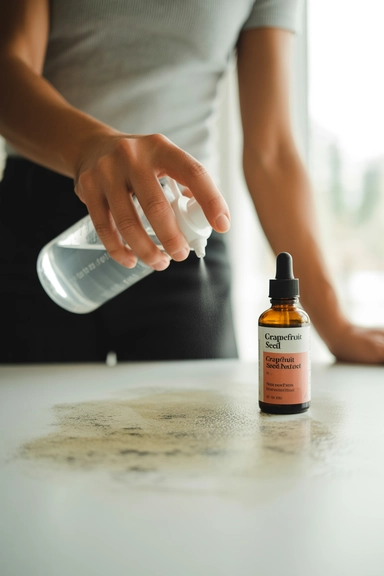
Mix twenty drops of grapefruit seed extract with two cups of water. Spray onto mold, leave without rinsing.
Grapefruit seed extract is antifungal and antibacterial. Unlike vinegar it has no smell and unlike bleach it leaves no fumes. Works more slowly than bleach or hydrogen peroxide on heavy mold but effective for light surface mold and ongoing prevention.
Leave it on the surface. Rinsing removes the active compounds before they finish working. The no-rinse approach is what makes it effective as a longer-term treatment rather than a one-off clean.
Scrubbing With the Right Tool Matters
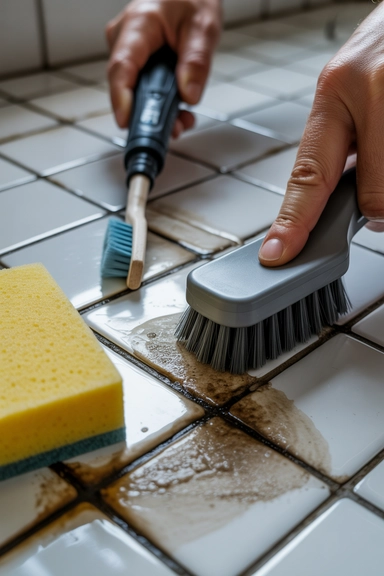
Old toothbrush for grout lines and tight corners. Stiff nylon brush for larger tile surfaces. Sponge for flat walls.
The cleaning agent kills the mold. The scrubbing physically removes the dead mold and the staining from the surface. Using a cloth instead of a brush on grout lines leaves mold residue packed into the texture of the grout that reactivates when wet again.
Dispose of the brush or toothbrush after use. Mold spores on the brush spread to new surfaces the next time it is used. A toothbrush costs almost nothing. Use it once for mold and bin it.
Removing Mold From Silicone Sealant
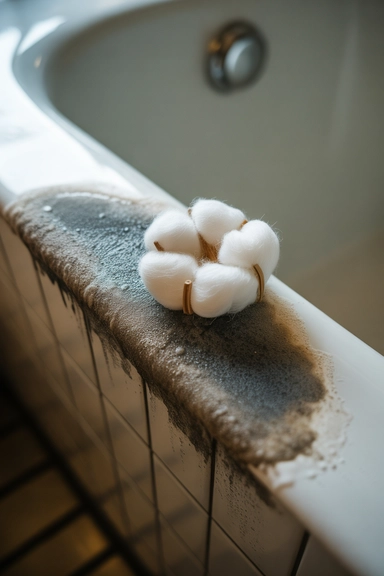
Soak cotton wool balls in undiluted bleach and press them directly against the moldy silicone. Leave for several hours or overnight. Remove and rinse.
Silicone sealant around bath edges and shower trays goes black with mold that penetrates the silicone itself rather than sitting on the surface. Spraying bleach on silicone runs off before it has contact time. Cotton wool balls hold the bleach directly against the surface for long enough to penetrate.
If the mold has been in the silicone for a long time and the bleach treatment does not fully remove it, the sealant needs replacing. Black silicone that has mold throughout the material cannot be cleaned from the outside regardless of the method or contact time.
Dealing With Mold on Walls and Ceilings
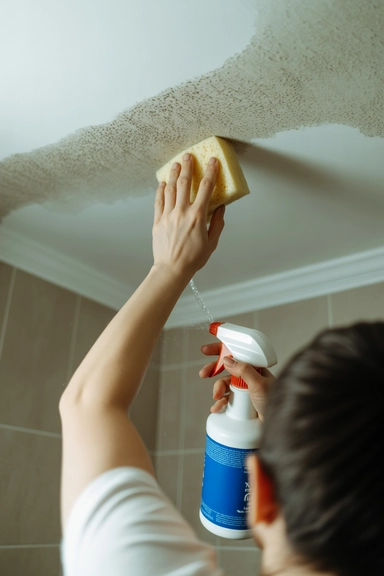
Spray vinegar or hydrogen peroxide onto the mold, leave one hour, scrub with a sponge, wipe with a damp cloth, allow to dry fully.
Ceiling mold is harder because the solution runs before it has contact time. Spray from close range, apply more than you think you need, and let it sit. A soaked sponge pressed against ceiling mold and held for a minute achieves more contact time than any spray.
Check whether the mold has come through from behind the plasterboard. Surface mold on a painted wall is one problem. Mold growing from inside the wall through a moisture issue is a structural problem that cleaning the surface does not fix.
Borax Solution on Heavy Mold Growth
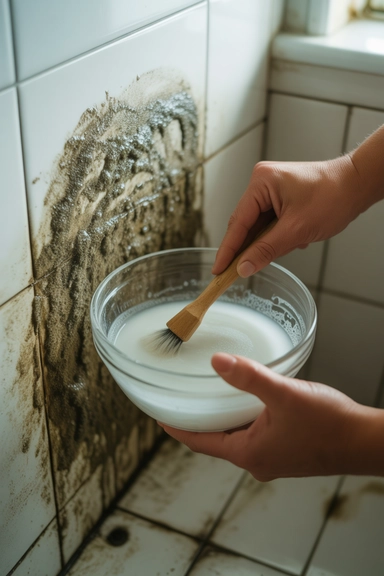
Mix one cup of borax with one gallon of hot water. Apply to moldy surface, scrub, wipe away excess but do not rinse.
Borax is a natural mineral that kills mold and raises the surface pH to inhibit regrowth. Leaving the borax residue on the surface after cleaning is intentional. The alkaline residue keeps working after the visible cleaning is done.
Available in the cleaning section of most supermarkets. Not as aggressive as bleach on heavy mold but safer for regular use on porous surfaces like unsealed grout and wood where bleach is not recommended.
Mold on Fabric and Soft Furnishings
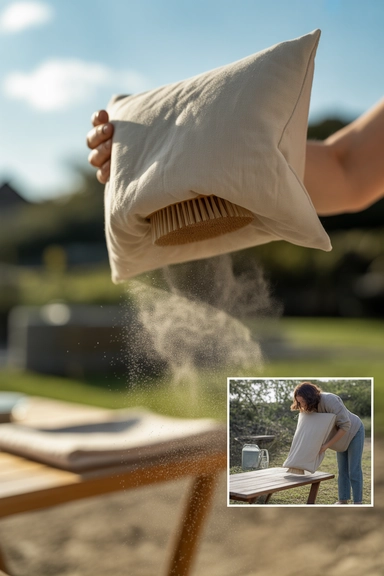
Take the item outside first. Brush off as much surface mold as possible outdoors before bringing it back inside.
Brushing mold off fabric indoors releases spores into the room air and onto surrounding surfaces. Do it outside, over a bin bag, wearing a mask. Then wash the fabric at the highest temperature the care label allows with a cup of white vinegar added to the cycle.
For items that cannot be washed, spray with diluted tea tree oil solution and leave in direct sunlight. UV light kills mold spores and the heat speeds drying. An item that came inside with surface mold and was immediately covered or stored will have mold growing through it within days.
Addressing the Moisture Source First
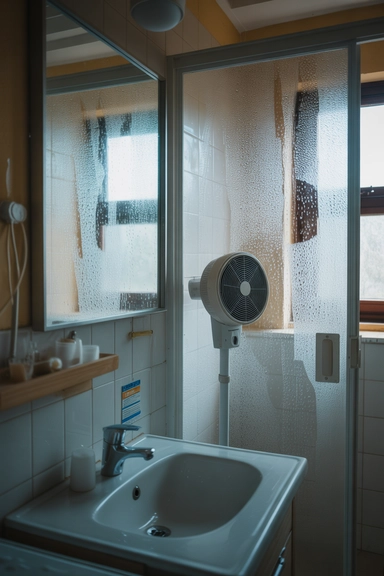
Cleaning mold without fixing what is causing the moisture is temporary. The mold comes back because the condition that produced it has not changed.
Bathroom mold usually comes from inadequate ventilation. The fix is an extractor fan running during and for fifteen minutes after showers, not just cleaning the mold that results from skipping that step. Bedroom mold near windows often comes from condensation caused by cold walls meeting warm indoor air. Insulation and ventilation fix that, cleaning manages the symptom.
This is the step most people skip because it is less satisfying than scrubbing a visible problem. The mold comes back in the same place weeks later and the cleaning starts again. Find the moisture source.
Preventing Regrowth With Regular Vinegar Spraying
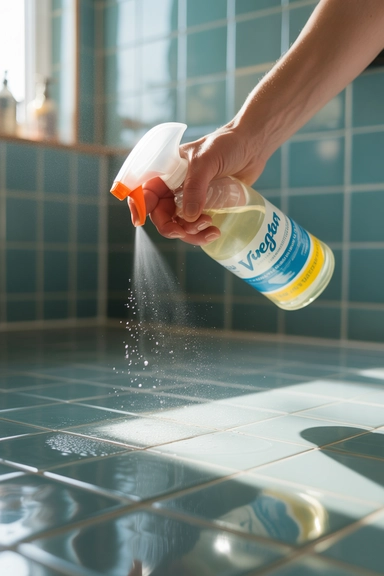
Once a week, lightly spray previously moldy areas with undiluted white vinegar and leave it without rinsing.
This maintenance step costs almost nothing and prevents the regrowth cycle that makes mold feel like a permanent problem. Areas that were heavily moldy remain vulnerable because the spores are never fully eliminated from porous surfaces. Regular acid exposure keeps the population below the level where visible growth appears.
Two minutes once a week. That is the actual time investment. The alternative is a deep clean every few weeks on a recurring cycle.
Dehumidifier Running After Cleaning Stops Regrowth Fast
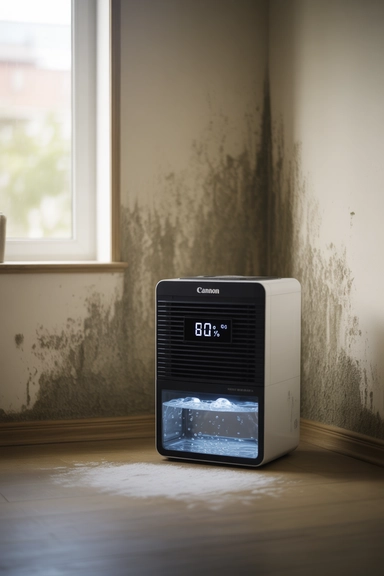
Buy or borrow a dehumidifier and run it in the affected room for 48 hours after cleaning.
Mold needs moisture above 60 percent humidity to regrow. Cleaning removes the visible colony but the room air stays humid enough for new spores to settle and start again within days. A dehumidifier drops the humidity below that threshold and holds it there while the cleaned surfaces fully dry out.
This is the step that actually breaks the cycle in rooms where mold keeps returning after cleaning. The cleaning deals with what is there. The dehumidifier changes the condition that keeps producing it.
How Mold Removal Methods Compare
| Method | Best Surface | Kills Root | Safe For Porous Surfaces |
|---|---|---|---|
| White vinegar | All surfaces | Yes | Yes |
| Hydrogen peroxide | Porous and non-porous | Yes | Yes |
| Bleach solution | Non-porous only | Yes on non-porous | No |
| Borax solution | Porous surfaces | Yes | Yes |
| Tea tree oil spray | All surfaces | Yes | Yes |
| Grapefruit seed extract | Light mold, prevention | Yes | Yes |
| Baking soda paste | Post-clean stain removal | No | Yes |
Final Thoughts on Mold Cleaning Hacks to Remove It for Good
Mold removal works as a sequence not a single product. Kill the mold first with vinegar, hydrogen peroxide, or bleach on the right surface. Remove the dead mold and staining with scrubbing. Inhibit regrowth with baking soda residue or tea tree oil spray. Address the moisture source that caused the problem. Skip any one of those four steps and the mold comes back.
Porous and non-porous surfaces need different treatments. Bleach on grout looks effective and usually is not. Vinegar and hydrogen peroxide penetrate porous surfaces and kill the root. Matching the method to the surface type is what makes the difference between mold that stays gone and mold that returns in the same spot three weeks later.
Black mold specifically warrants professional assessment if it covers a large area or keeps returning despite correct treatment. Surface cleaning of a structural mold problem is a temporary measure at best.
FAQ About Mold Cleaning Hacks to Remove It for Good
Is black mold more dangerous than other mold types? The term black mold usually refers to Stachybotrys chartarum, which produces mycotoxins that cause more severe health effects than common bathroom mold species. However not all black colored mold is Stachybotrys. Color alone does not identify the species. Any mold covering a large area, returning repeatedly after cleaning, or accompanied by health symptoms like persistent coughing, headaches, or respiratory irritation warrants professional testing rather than DIY removal.
Can mold come back after proper cleaning? Yes if the moisture source has not been fixed. Mold spores are present in most indoor air at low levels. They only develop into visible growth when moisture and a food source are consistently available. Clean the mold correctly and it stops growing in that spot. Leave the moisture source unchanged and new spores settle and grow in the same place within weeks. The cleaning removes the colony. The ventilation or repair removes the condition that feeds the next one.
How do I know if mold is behind my walls rather than just on the surface? Surface mold on a painted wall can be cleaned and does not necessarily indicate a deeper problem. Signs that mold has penetrated behind the surface include paint that bubbles or peels repeatedly after repainting, a persistent musty smell that does not reduce after surface cleaning, soft or damaged plasterboard when pressed, and mold reappearing in the same spot within days of cleaning. Any of these signs suggest moisture inside the wall structure that surface treatment cannot reach.
Sarah Mitchell’s Take
The corner of my shower ceiling taught me this the slow way. I wiped it, it came back, I wiped it again, it spread. Three months of cleaning the symptom before I understood I was spreading spores every time I touched it without treating it first. Spray the vinegar, leave the full hour, then scrub. That hour feels unnecessary when you are standing there wanting to just clean it and be done. It is not unnecessary. It is the part that makes the cleaning actually work instead of just moving the problem around.