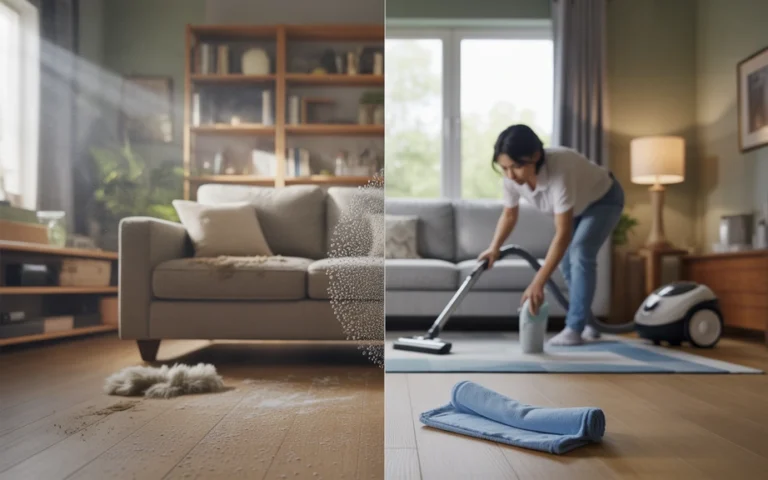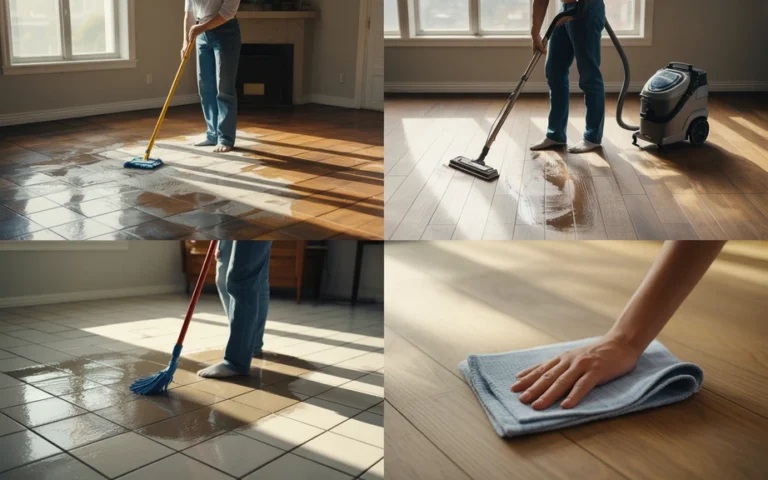
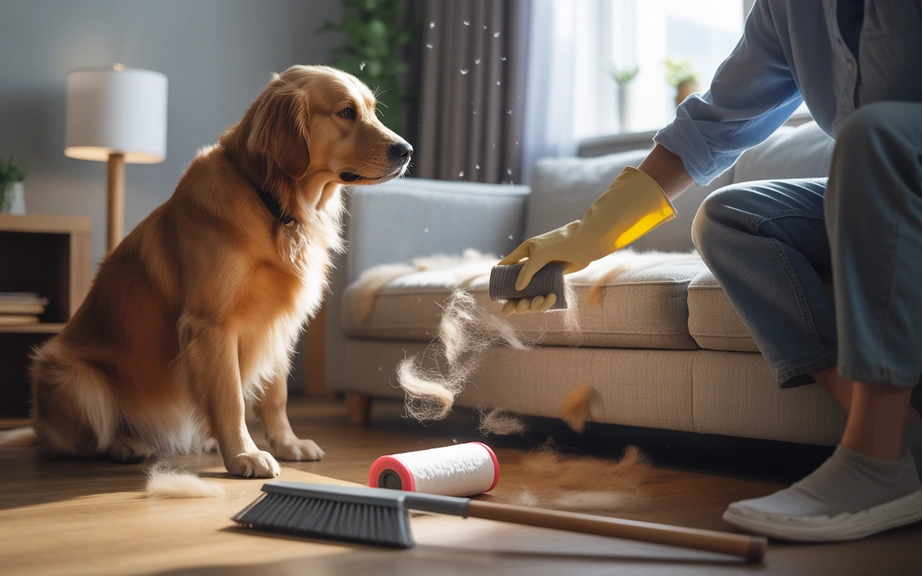
Three weeks after bringing home a golden retriever named Biscuit, I pulled a black blazer from my closet and genuinely laughed. It looked like a fur coat. I had vacuumed the bedroom floor that morning, wiped the couch twice, and the hair situation was getting worse. I stopped grabbing random tools and started testing what actually works, what wastes time, and what spreads hair instead of removing it. If fur covers every surface in your home, these dog hair cleaning hacks will change your entire approach — pair them with these carpet cleaning hacks to build a complete floor-to-fabric routine.
Quick Answer: What Are the Best Dog Hair Cleaning Hacks?
The most effective dog hair cleaning hacks match the tool to the surface. Use a rubber broom on hard floors, a damp rubber glove on upholstery, a no-heat dryer cycle before washing clothes, and half a cup of white vinegar in the laundry rinse. One method never works everywhere — surface-specific tools do.
Why Dog Hair Sticks to Everything and How to Use That Against It
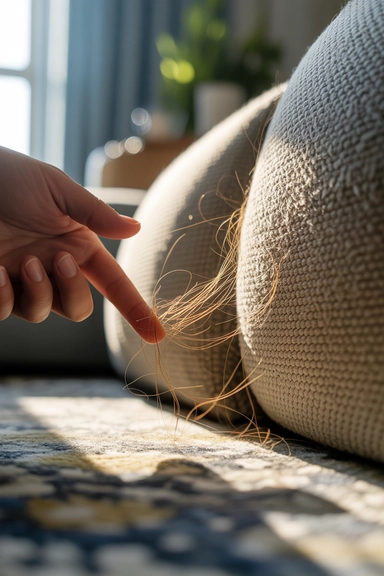
Dog hair does not just fall and sit. Static electricity holds it to fabric, and microscopic barbs on each strand hook into fiber loops on carpet and upholstery. Smooth surfaces like tile grip hair loosely. Textured surfaces like carpet grip it at a structural level.
That distinction changes everything about how you clean.
You are not just collecting hair — you are either breaking the static charge holding it or releasing the mechanical grip of the fiber. Every hack here does one of those two things. The ones that fail do neither.
Dry winter air makes static worse. Hair floats and resettles constantly in low-humidity environments, which means a vacuum pass alone just redistributes fur rather than removing it.
The 3-Step Dog Hair Removal System That Actually Works
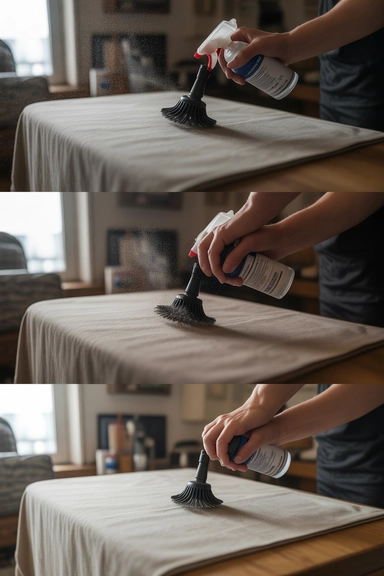
Most people stay frustrated because they skip straight to collecting without loosening first. That one mistake turns a 5-minute job into a 40-minute one.
Loosen first. Break the static or fiber grip before touching any collection tool. Mist the surface lightly with water, drag a rubber tool across it to generate friction, or tumble clothes in a no-heat dryer for 10 minutes.
Collect second. Use the right tool for the surface. Rubber broom on hard floors, lint roller on clothes, damp rubber glove on upholstery. Collecting loosened hair takes a fraction of the effort of fighting hair that still grips the surface.
Prevent last. Treat the cleaned surface so hair grips less on the next round. Light anti-static spray on furniture, a fabric softener dryer sheet wiped along baseboards, or three brushing sessions per week on your dog cuts the next cleanup by half.
That sequence runs in about 4 minutes on a normal day once the habit forms.
The Best Way to Get Dog Hair Off Hard Floors
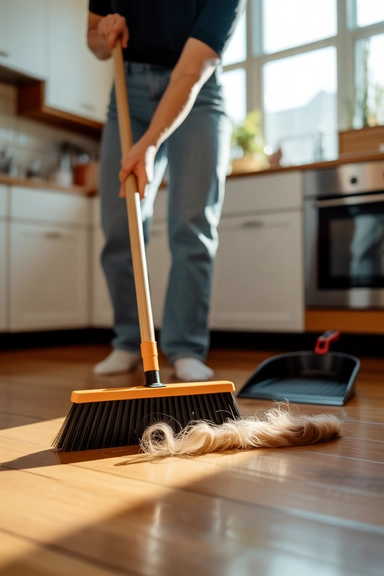
A regular broom on a hair-covered floor pushes fur into the air where it floats and resettles on the surface you just cleaned. I used one for six weeks after getting Biscuit and could not figure out why the floor looked worse after sweeping than before. The broom was the problem the entire time.
A rubber broom fixes this. The rubber bristles generate friction that rolls hair into a collectible line instead of scattering it across the room.
Work in one direction only — pull toward you, never push away. Collect the rolled line with a dustpan before switching directions. Follow with a barely wrung damp mop to catch fine stragglers. Wring it almost completely dry first. A wet mop on a hair-covered floor creates a paste that bonds to grout lines and requires scrubbing to remove.
How to Remove Dog Hair from Carpets Without Fighting the Fibers
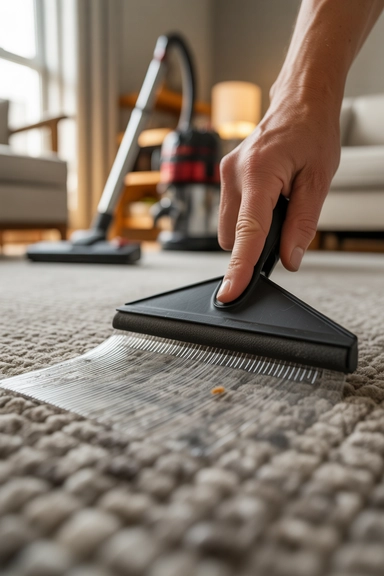
Vacuuming carpet without pre-treatment pulls surface hair but leaves embedded strands hooked into fiber loops. Those strands make carpet look perpetually dirty even after a thorough vacuum session.
Run a dry rubber squeegee across the carpet before vacuuming. Short strokes pulled toward you lift embedded hair into a visible ridge the vacuum then picks up cleanly. On low-pile carpet one pass works. On thick or shag carpet, go over each area twice.
Baking soda works as a pre-treatment here too. Sprinkle roughly 2 tablespoons per square meter, wait 10 minutes, then vacuum. The powder reduces static cling and allows hair to release from fibers instead of clinging harder when suction hits them. Pet odor neutralizes at the same time without any extra effort from you.
Dog Hair on Sofas and Upholstery: What Actually Removes It
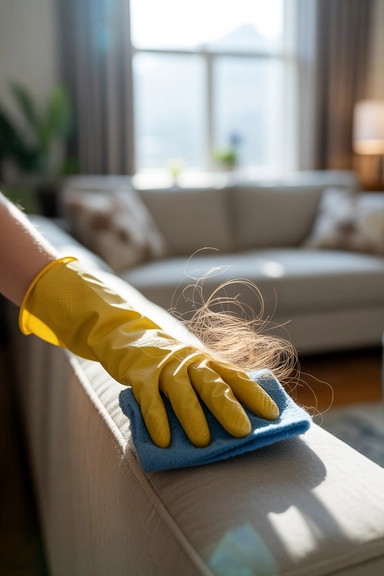
A damp rubber glove beats every specialized upholstery tool I have tested. Put it on, run your hand across the fabric in long strokes, and hair balls up within seconds. Each cushion takes about 90 seconds.
Light pressure outperforms aggressive scrubbing every time on upholstery. Hard pressing pushes hair deeper into the weave instead of lifting it.
For tight-weave fabric sofas, a slightly damp sponge dragged in one direction works the same way. Collect the hair roll at the end of each stroke and rinse the sponge before the next pass. On leather or faux leather, a dry microfiber cloth picks up hair without generating the static charge that pulls more fur back immediately after cleaning.
Getting Dog Hair Off Clothes Before the Washing Machine Makes It Worse
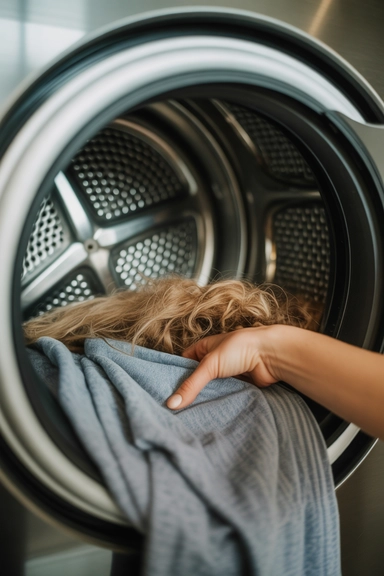
Putting furry clothes straight into the washing machine is the single most common dog hair mistake. Water causes hair to tangle deeper into fabric fibers during agitation. Surface hair that goes in comes out woven into the weave, and no amount of additional washing removes it cleanly after that point.
Toss the item in the dryer on no heat for 10 minutes first. The tumbling loosens hair and the lint trap catches most of it. Pull the item out, shake it hard once over a trash can, then wash normally. That sequence removes around 80 percent of the hair before water contacts the fabric.
For items that cannot go in the dryer, use a ChomChom Roller before washing. Roll against the grain of the fabric first, then with it. Two passes in opposite directions pulls hair from both the surface and the upper fiber layer.
The Homemade Vinegar Rinse That Laundry Guides Never Explain Properly
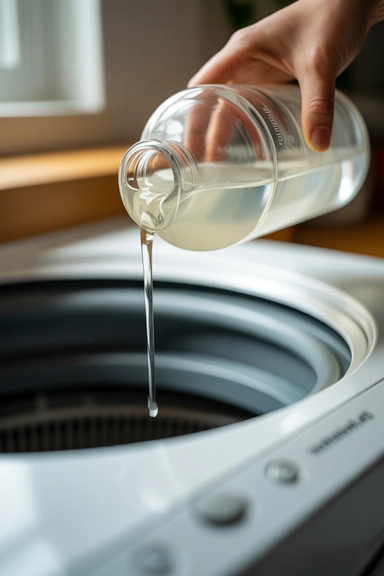
Half a cup of white vinegar goes into the fabric softener compartment — not the drum. That placement matters. The compartment releases it during the rinse cycle when fabric fibers are most relaxed and hair releases most easily. Dumping it into the drum at the start buries it under detergent and reduces its effectiveness significantly.
Do not combine it with fabric softener. Softener coats fibers and makes hair grip harder on the next wear. Pick one. For dog owners, vinegar wins by a clear margin.
Bed sheets respond better to this treatment than almost any other item. Dog hair on bedding embeds overnight under body weight and compression. A standard wash cycle without the vinegar rinse leaves a visible layer of fine hair clinging to the sheet surface even after a full cycle.
The Full Dog Hair Laundry System That Clears Hair Completely
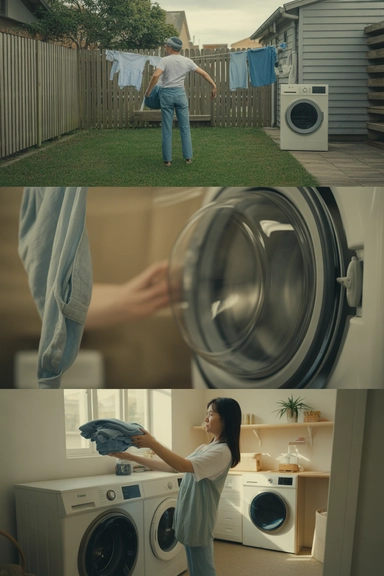
Treat pet laundry as a four-step sequence rather than a single wash cycle.
Shake the item outside before it touches the machine. Loose surface hair falls off before entering the drum and keeps your machine significantly cleaner over time.
Tumble in the dryer on no heat for 10 minutes before washing. Clean the lint trap immediately after this pre-dry step. A clogged trap during this cycle recirculates hair back onto the item instead of catching it.
Wash in cold water with half a cup of white vinegar in the softener compartment. Cold water releases hair from fibers. Hot water sets it the same way it sets certain stains.
Wipe the washing machine drum with a damp cloth after every pet load and check the door seal on front-loaders. Dog hair collects in that rubber gasket and develops mold within a week. I blamed a persistent musty smell on my detergent for three full weeks before finding a thick mat of hair and mold packed into the door seal. Switching detergents four times solved nothing. A 2-minute gasket wipe fixed it immediately.
Baking Soda Dog Hair Hacks Beyond the Carpet Trick
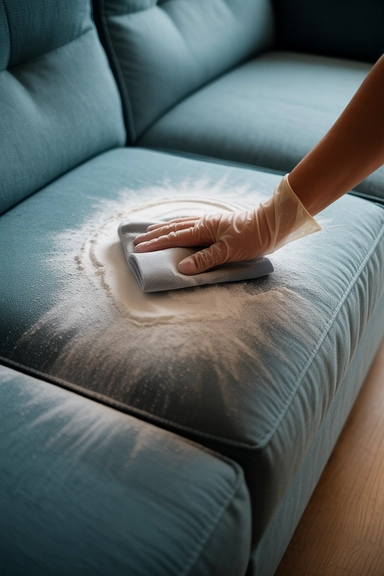
Baking soda on carpet is the tip everyone repeats. The applications beyond carpet are where it actually earns its place in a cleaning routine.
On a fabric sofa, sprinkle a light layer across the surface and wait 15 minutes. The powder reduces static so hair releases when you wipe with a rubber glove or damp cloth afterward. Use no more than 1 tablespoon per cushion. Excess baking soda leaves a white residue in the fabric weave that takes multiple passes to fully remove — I overdid it on my grey sectional once and spent 20 minutes vacuuming out powder that had settled deep into the weave.
On pet bedding, baking soda loosens embedded hair and neutralizes odor simultaneously. Shake the bedding outside, sprinkle across the surface, wait 10 minutes, shake again, then run through the full laundry system above.
Run an empty hot cycle with half a cup of baking soda in your washing machine drum once a month. Hair, detergent residue, and pet dander build up in the drum walls and drain filter and reduce cleaning performance across every load.
DIY Pet Hair Removers That Cost Next to Nothing to Make
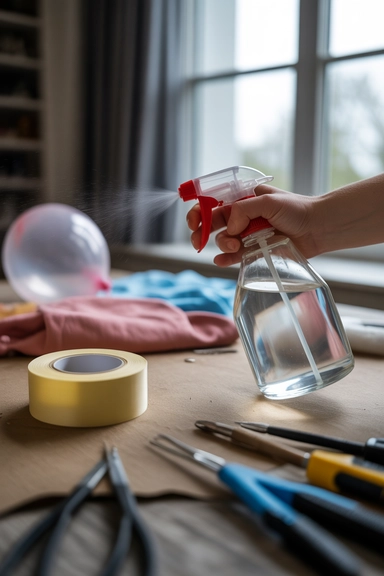
Mix one part white vinegar with three parts water in a spray bottle. Mist any fabric surface lightly — sofas, curtains, pet blankets — and wipe with a rubber glove or microfiber cloth. The vinegar solution cuts static and the rubber creates friction that rolls hair into collectible clumps.
Wrap wide packing tape around your hand sticky side out for a DIY lint roller that outperforms store-bought versions on short-haired breeds. Short-haired dog hair sits on top of fabric rather than embedding into it, and tape grabs it faster than any rolling tool.
A slightly inflated balloon rubbed against velvet, microfiber, or velour for 20 seconds builds a static charge that pulls fine hair off those surfaces and onto the balloon. Rubber gloves struggle to get traction on velour specifically — the balloon trick handles it where other methods give up.
Cheap Tools That Beat Expensive Ones on Specific Surfaces
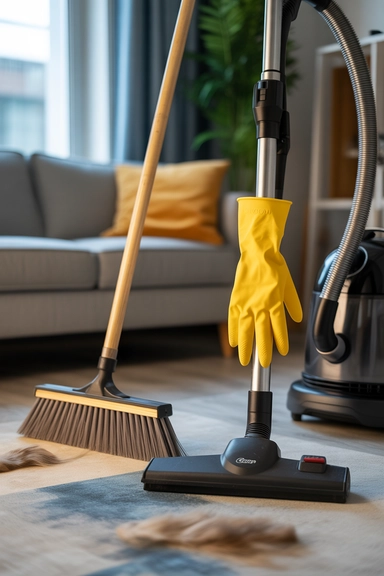
A rubber broom costing between 8 and 15 dollars outperforms a 200-dollar vacuum on hard floors for dog hair. The vacuum beats the rubber broom on carpet. Most people buy only the expensive vacuum and wonder why their tile floors stay furry.
A dollar store window squeegee at 3 dollars does the same job as specialty pet hair carpet rakes sold for 25 to 40 dollars. Same rubber blade, same friction, same result. The price difference buys nothing extra in performance on standard carpet pile.
Rubber dishwashing gloves under 2 dollars dampen easily and outperform most fabric-specific upholstery tools on sofas and car seats. The ChomChom Roller earns its higher price specifically on thick fabrics like fleece and wool where disposable tape rollers quit after two passes. On everyday cotton and polyester blends, packing tape on your hand does the same job for free.
Mistakes That Actively Make Dog Hair Worse
Vacuuming carpet without any pre-treatment is the most widespread mistake. Suction grabs surface hair while embedded strands stay locked in fibers, and the vacuum exhaust redistributes fine airborne hair onto nearby furniture during the process.
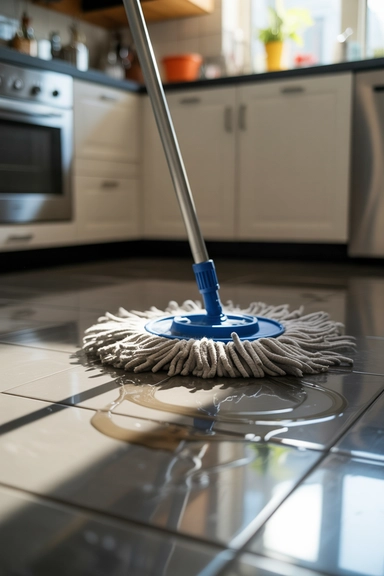
Wet mopping a hair-covered hard floor creates a paste. Hair clumps, bonds to the mop head, and transfers back to the floor in streaked mats. Rubber broom first. Every time.
Half-loading the washing machine with pet laundry prevents proper water circulation. Hair releases from fabric through water movement and agitation. An overloaded drum traps hair against fabric instead of flushing it away.
Skipping lint trap cleaning between the pre-dry cycle and the wash cycle recirculates collected hair back onto clean laundry in the dryer session that follows. Clean the trap between every cycle during heavy shedding periods.
Fabric softener on dog-contact clothes and bedding leaves a fiber coating that hair grips harder on the next wear. Two washes after switching to the vinegar rinse method shows a visible difference in how much hair clings to the fabric after drying.
Removing Dog Hair from Car Seats and Tight Interior Spaces
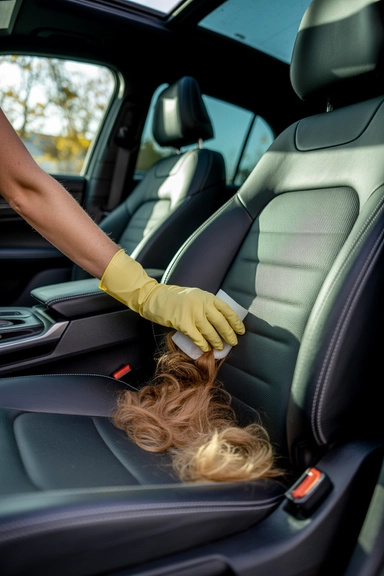
Car upholstery uses tight-weave fabric in confined spaces where standard vacuum heads cannot reach seat creases or the gaps along the center console. A vacuum alone leaves those areas completely untouched.
Start with a dry rubber glove on the seat surface before reaching for any vacuum. Friction pulls hair into visible clumps. Work gloved fingers into seat creases using short pulling strokes rather than wiping motions — wiping spreads hair sideways into adjacent areas.
A pumice stone from the foot care aisle works on car floor carpet specifically. Light strokes in one direction pull hair into a collectible ridge without damaging short-pile fibers. Use this only on car carpet, not on fabric seat upholstery.
Press packing tape wrapped around two fingers into the gap between seats and the center console. Pull slowly. That gap collects more hair per square centimeter than almost any other surface in the car and no standard tool reaches it efficiently.
How to Stop Dog Hair From Building Up Before It Starts
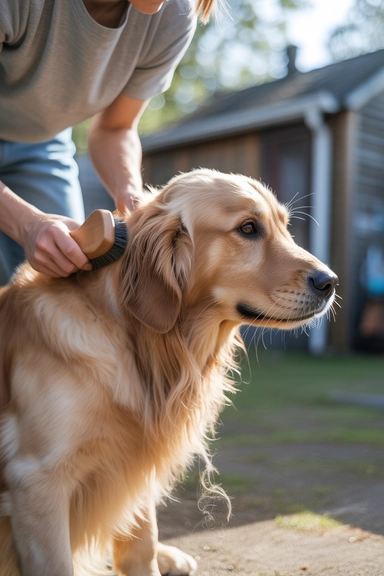
Brushing your dog outside three times a week removes more hair than every indoor cleaning method combined. That hair never reaches your floors, furniture, or clothes because it never enters the house. A single 10-minute session on a golden retriever or husky pulls enough loose fur to fill a small bag.
Brush against the grain first to loosen undercoat, then with the grain to collect it. Do this outside only. Brushing indoors and vacuuming afterward is a net loss — you release more hair into the air than you collect.
Fabric selection for furniture makes a measurable difference. Tight-weave canvas, denim, and synthetic microfiber release dog hair far more easily than velvet, chenille, or loose-weave linen. That one decision on a new sofa or throw blanket saves hours of cleaning per month with a heavy shedder.
Anti-Static Treatments That Keep Clean Surfaces Cleaner Longer
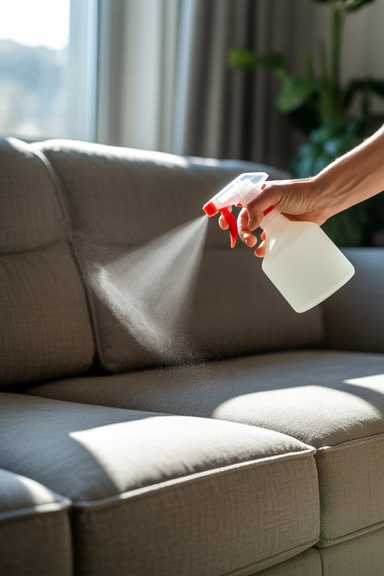
Anti-static spray applied to upholstery and curtains after cleaning slows how quickly hair re-grips the surface. Spray from 30 centimeters away and let it dry fully before your dog returns to the furniture. One application holds for three to four days on most fabric types.
A homemade version performs equally well. Mix one teaspoon of liquid fabric softener with two cups of water in a spray bottle. Mist cleaned fabric surfaces lightly. The surfactant reduces the static charge that pulls airborne hair back onto fabric within hours of cleaning. Fine mist only — saturating the fabric defeats the purpose and leaves residue.
Dryer sheets rubbed along baseboards and window sills once a week cut the static charge that builds at floor level. Hair accumulates along baseboards faster than on open floor surfaces specifically because of that low-level static. One weekly pass makes the difference visible within a few days.
The 5-Minute Daily Routine That Stops Hair From Compounding
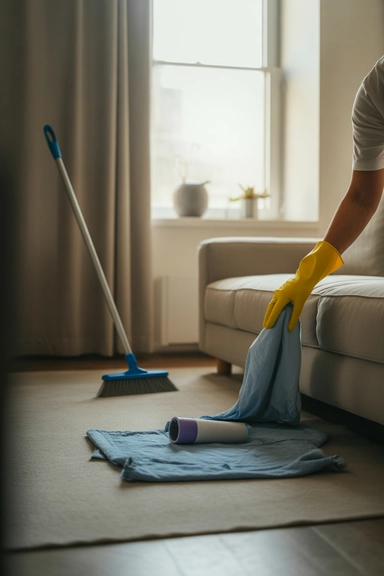
Five minutes every day beats two hours every weekend. Hair that sits on a surface for 24 hours embeds deeper than hair that sits for 6 hours. Fresh hair cleans in seconds. Settled hair fights back.
Morning, under 5 minutes: rubber broom pass on kitchen and entry floors, one lint roller pass on your outfit before leaving, quick rubber glove wipe on the sofa spot your dog used overnight.
That sequence handles 70 percent of visible hair in a home with one medium to large shedding dog. Deep cleaning sessions become genuinely quick instead of exhausting multi-hour battles.
Keep tools visible. A rubber broom leaning against the kitchen wall gets used daily. The same broom stored in a closet three rooms away gets used once a week.
Using a Rubber Broom for Pet Hair the Right Way
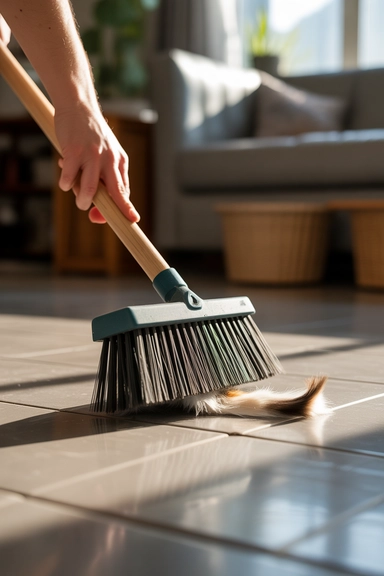
Most people use a rubber broom exactly like a regular broom and feel underwhelmed by the results. The technique differs and the outcome difference is significant.
Hold it at roughly 45 degrees rather than upright. That angle increases rubber bristle contact with the floor surface. Pull in short strokes toward you rather than long sweeping arcs. Long arcs scatter hair at the end of each stroke. Short pulls keep hair in a controlled collectible line.
On carpet, use the rubber broom head as a rake. Short backward strokes with moderate downward pressure lift embedded hair into a ridge. On hard floors, the same short pulling motion rolls hair into a line within two or three passes.
Rinse the broom head under running water after every use. Hair wraps around rubber bristles and dries into a matted layer that reduces performance by the next session. Twenty seconds under a tap keeps it working at full capacity.
Removing Dog Hair from Curtains and Bedding Properly

Curtains collect dog hair without your dog ever touching them. Hair floats on air currents and settles on any hanging fabric. Textured or lined curtains hold it longest.
Take curtains down and shake them outside first. Then tumble in the dryer on no heat for 15 minutes with a damp cloth tossed in. The damp cloth attracts loose hair and the tumbling loosens embedded strands. Check the lint trap afterward — the volume surprises most people the first time they try this.
Wash dog-contact bedding at minimum once a week. Hair, dander, and skin oils accumulate in bedding faster than on any other surface in the house. Shake outside, pre-dry for 10 minutes on no heat, wash in cold water with the vinegar rinse. That sequence handles even heavy shedding weeks without leaving residual fur on the sheets after drying.
What Happens to Dog Hair in Air Vents and Why It Matters
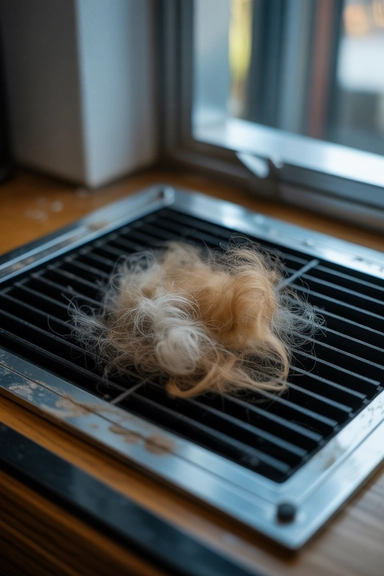
Dog hair in HVAC filters circulates dander through every room in the house simultaneously and forces heating and cooling systems to work harder. Energy bills reflect that strain over a full season.
Check your HVAC filter every 30 days with a shedding dog in the house. Standard recommendations say 90 days. That timeline applies to pet-free homes. With a heavy shedder, 30 to 45 days is the functional replacement window.
Cover floor vents with a thin layer of cheesecloth secured with a rubber band during peak shedding seasons — typically spring and fall. The cheesecloth catches hair before it enters the ductwork. Check and replace it weekly during those periods. The difference in filter lifespan between covered and uncovered vents during shedding season runs to several weeks.
Grooming Tools That Cut Indoor Shedding at the Source
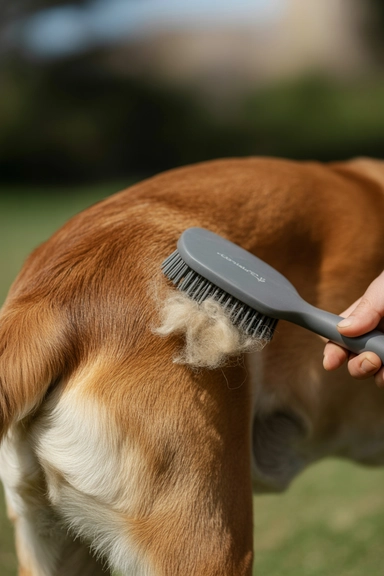
The FURminator deshedding brush removes undercoat hair that standard brushes miss entirely. The undercoat sits beneath the visible topcoat and produces the fine floating hair that settles on every surface. A standard brush pulls topcoat hair. The undercoat keeps shedding regardless of how often you brush with it.
Use a deshedding tool once a week during normal periods and every three days during seasonal shedding peaks. Always outdoors. The volume of hair one session removes makes indoor use impractical regardless of how good your vacuum is.
A grooming glove suits short-haired breeds where a standard brush creates too much skin friction. The rubber nubs collect loose hair during what feels like normal petting to your dog. I switched to a grooming glove for daily sessions with Biscuit and noticed the amount of floating hair in the living room drop within four days. No behavior change on my part — just a tool swap during time I was already spending with him.
Removing Dog Hair from Stairs Without Losing Your Mind
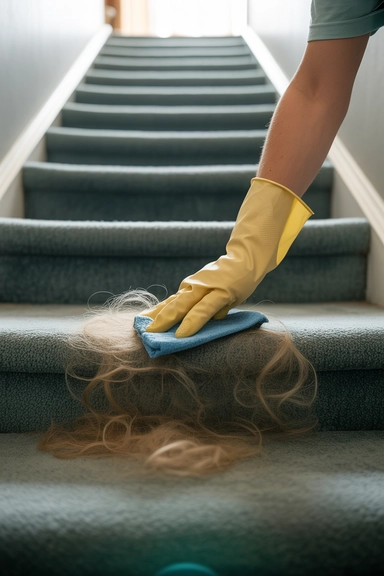
Stairs are the most overlooked surface in a dog owner’s home. Every time your dog runs up or down, hair transfers onto the edge of each step where foot traffic then grinds it into the carpet or wood. That edge strip collects more embedded hair per square centimeter than any flat surface in the house.
On carpeted stairs, skip the vacuum first. Run a dry rubber glove along each step edge in short pulling strokes before touching any other tool. The edge accumulates the densest hair and the glove lifts it in one pass. Follow with the rubber squeegee on the flat tread surface, then vacuum the loosened hair from bottom to top. Vacuuming upward pulls hair out of the pile more effectively than going down.
On hardwood or tile stairs, the rubber broom technique from earlier applies but at a smaller scale. Short pulling strokes on each tread, collect before moving to the next step. A damp microfiber cloth on the riser — the vertical face of each step — picks up the fine hair that floats and settles there and never gets touched by any standard cleaning routine.
Comparison Table: Best Tool for Each Surface
| Surface | Best Tool | Cheap Alternative | Common Mistake |
|---|---|---|---|
| Hardwood / Tile | Rubber broom | Damp mop after rubber sweep | Regular broom scatters hair into air |
| Carpet / Rugs | Rubber squeegee + vacuum | Dollar store squeegee | Vacuuming without loosening first |
| Sofa / Upholstery | Damp rubber glove | Damp sponge one direction | Pressing too hard into fabric weave |
| Clothes | ChomChom Roller | Packing tape wrapped on hand | Washing before pre-dryer tumble |
| Bedding / Curtains | Pre-dryer tumble + vinegar wash | Damp cloth tumbled with item | Hot water wash without pre-dry step |
| Car Seats | Dry rubber glove | Pumice stone on floor carpet only | Standard vacuum head misses seat creases |
| Air Vents / Filters | Monthly filter replacement | Cheesecloth over floor vents | Following 90-day pet-free filter schedule |
Frequently Asked Questions About Dog Hair Cleaning Hacks
Does baking soda actually help remove dog hair? Yes — it works by reducing static cling rather than physically grabbing hair. Sprinkle 2 tablespoons per square meter on carpet or 1 tablespoon per cushion on upholstery, wait 10 minutes, then vacuum or wipe. Hair releases from fibers more easily and pet odor neutralizes at the same time.
Why does dog hair come back so fast after cleaning? Cleaned surfaces carry a residual static charge that attracts airborne hair within hours. Apply anti-static spray or a diluted fabric softener mist to upholstery and curtains after cleaning. That surface treatment slows re-accumulation significantly compared to cleaning alone.
What is the best homemade diy pet hair remover for laundry? Half a cup of white vinegar in the fabric softener compartment releases hair from fabric fibers during the rinse cycle. Combine it with a 10-minute no-heat dryer pre-cycle before washing and the majority of dog hair clears before water ever contacts the fabric.
Can a regular squeegee remove pet hair from carpet? A standard window squeegee from a dollar store performs identically to specialty pet hair carpet rakes. Short backward strokes with light downward pressure lift embedded hair into a visible ridge the vacuum picks up cleanly. No specialized tool needed.
Sarah Mitchell’s Take
Every person I know with a shedding dog owns a lint roller. Almost none of them own a rubber broom. That gap explains most of the frustration. Lint rollers handle clothes. Rubber brooms handle floors. The moment you stop using one tool everywhere and start matching the tool to the surface, the whole problem shrinks to a size that actually feels manageable. Buy the rubber broom. Use it first.
Final Thoughts on Dog Hair Cleaning Hacks That Actually Work
The most effective dog hair cleaning hacks share one principle — loosen before you collect, and match the tool to the surface. Rubber brooms win on hard floors. Damp rubber gloves win on upholstery. A no-heat dryer pre-cycle wins in laundry. White vinegar in the rinse cycle releases what washing alone leaves behind. Three outdoor brushing sessions per week stops more hair than every indoor cleaning method combined.
Build the 5-minute daily habit. Keep tools visible. Stop using one method everywhere. The fur stops feeling unmanageable the moment the approach changes.