
Introduction
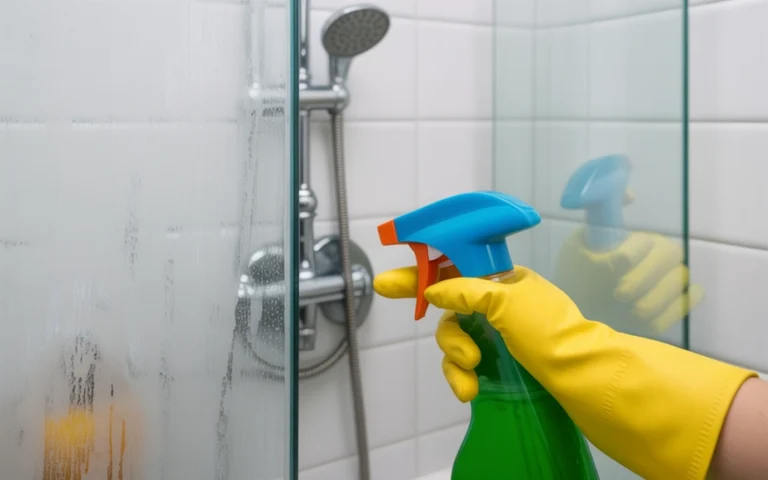
My son started getting headaches every time I cleaned the bathroom. Not right after. About an hour later, sometimes two. I blamed the weather, the school, whatever made sense that week. Then I cleaned the bathroom while he was home sick one day and watched it happen in real time. The spray I was using in a small room with the window closed. Switched to vinegar and water that same afternoon. Headaches stopped. I have not bought a commercial bathroom spray in three years and the bathroom is not less clean. Most homes are cleaned with products that work fine but leave fumes and residue behind that linger long after the smell fades. If you want practical methods that actually work without the chemical load, these house cleaning hacks cover the whole home the same way.
Vinegar and Water on Almost Every Surface
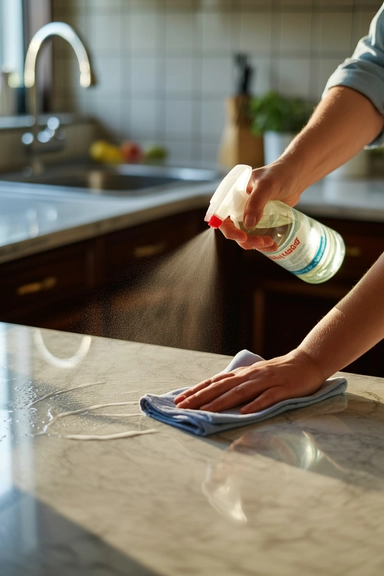
Equal parts white vinegar and water in a spray bottle.
That is the whole recipe. Cuts grease, removes mineral deposits, kills common surface bacteria, leaves nothing behind when it dries. The smell fades within minutes. I know people who will not use it because of the smell while it is wet and I understand that. It is not a pleasant smell. It goes away faster than most people expect.
Do not use it on marble or natural stone. Acid etches those permanently. Every other hard surface in a standard home is fine.
Baking Soda Does What Abrasive Powders Do
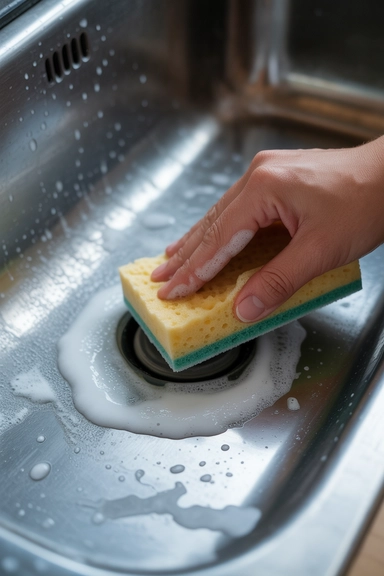
Sprinkle it on, scrub with a damp cloth, rinse.
Commercial abrasive cleaners do the same physical job but most of them have synthetic fragrances and compounds that sit on surfaces you touch all day. Baking soda scrubs, rinses completely clean, leaves nothing. Sinks, bathtubs, tile grout, the inside of an oven.
It does not disinfect though. That is a different step and a different product.
Hydrogen Peroxide Instead of Bleach
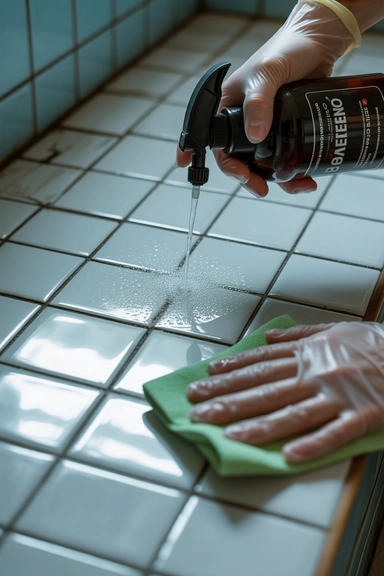
Three percent hydrogen peroxide, sprayed on, left ten minutes, wiped away.
Kills mold spores, disinfects, whitens grout. Does all of it without chlorine fumes in a small bathroom. Bleach works faster on heavy staining. I am not going to pretend otherwise. But for regular maintenance cleaning, peroxide handles it without the smell that follows you out of the room.
Keep it in a dark bottle. Light breaks it down and a degraded bottle does nothing regardless of what the label says.
Castile Soap for Dishes, Floors, Surfaces
A few drops in warm water. That is it.
Plant based, biodegradable, no synthetic fragrance, no preservatives. Dr. Bronner’s unscented is what I use. The scented versions are fine but I do not want lavender on the surface where I prep food. Personal preference.
Dilute it properly. Too concentrated and it leaves a white film that looks worse than what you cleaned off.
Salt and Lemon on Wooden Cutting Boards
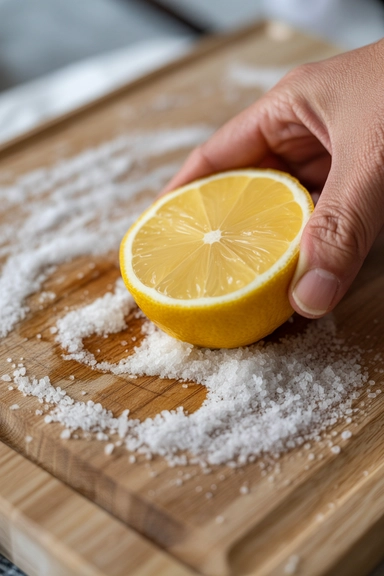
Coarse salt across the board. Halved lemon rubbed over it hard. Five minutes. Cold rinse. Dry immediately.
Nothing synthetic touching a surface that raw meat goes on daily. The salt scrubs, the citric acid handles bacteria and the smell that soap never fully removes. The grey discoloration that builds up over months comes off in one go.
Works better than commercial board cleaners in my experience. Not just as well. Better.
Essential Oil Disinfectant Spray
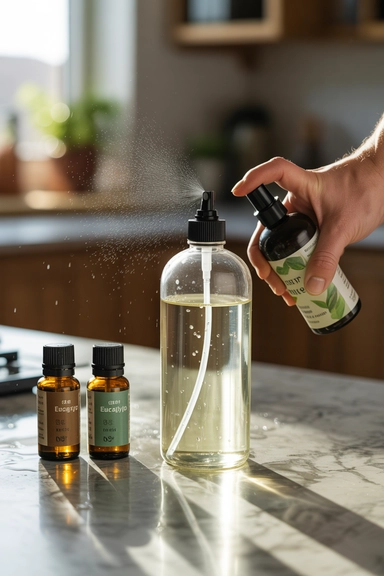
Two cups of water, two tablespoons of rubbing alcohol, fifteen drops of tea tree oil, ten drops of eucalyptus.
Tea tree oil has actual antimicrobial properties. Not just a smell. Real antifungal and antibacterial function. Eucalyptus cuts grease on kitchen surfaces. Together with the alcohol they make something that works on bathroom and kitchen surfaces without anything synthetic.
Shake before each use. Smell fades within twenty minutes.
Borax for Heavy Jobs
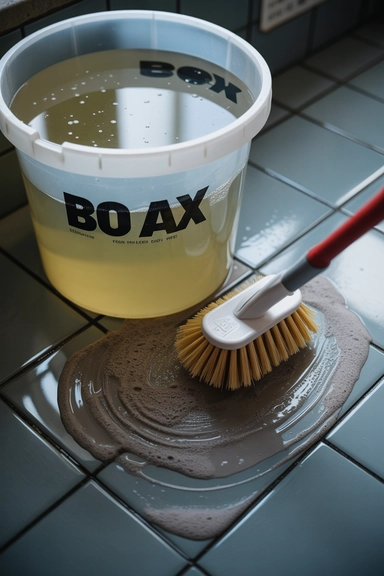
Half a cup dissolved in a gallon of warm water. Floors, toilet bowls, grout scrubbing.
Stronger than vinegar on heavy buildup. Safer than bleach on porous surfaces. Naturally occurring mineral.
Worth saying clearly though. Natural does not automatically mean safe in every situation. Borax irritates skin with prolonged contact and should stay away from children and pets. Rinse surfaces after use. It is a cleaning product, not a harmless powder.
Cornstarch on Grease Before Anything Else
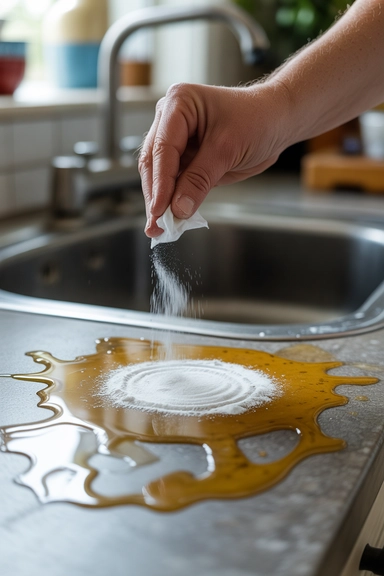
Sprinkle it directly onto a greasy surface or fresh spill. Leave fifteen minutes. Wipe away, then clean normally.
Going straight to soap on a grease spill pushes it deeper into the surface rather than lifting it out. Cornstarch absorbs the oil first. That is the step most people skip and then wonder why the soap is not working properly.
Same mix works for streak free windows. One tablespoon of cornstarch in equal parts vinegar and water. Shake before use. Better on large windows than vinegar solution alone. For more combinations that work across different surfaces, these baking soda cleaning hacks cover more ground.
Rubbing Alcohol on Sticky Residue
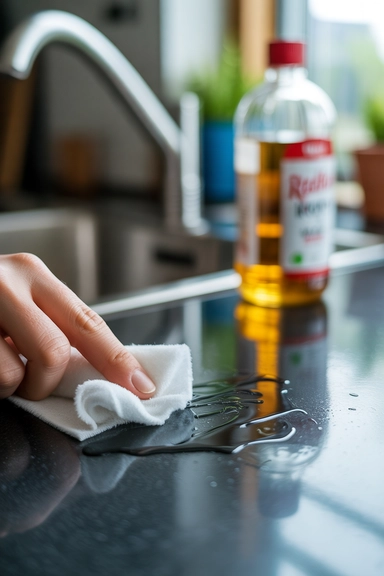
Dab it on a cloth, wipe over the sticky spot. Dissolves immediately.
Label adhesive, tape residue, whatever that mysterious stickiness is on the kitchen counter that appeared from nowhere. Gone in one wipe. Also the fastest disinfectant for phone screens, light switches, door handles. Things touched constantly that most people genuinely never clean.
Seventy percent concentration works better than ninety percent for disinfecting. More water slows evaporation and gives the alcohol more contact time. Counterintuitive but that is how it works.
Club Soda on Fresh Carpet Spills
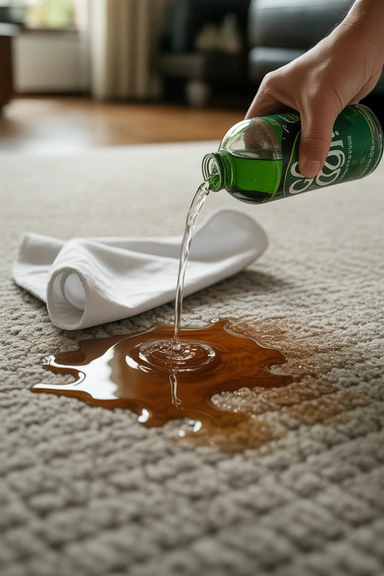
Pour it directly on the spill, blot immediately with a clean cloth.
The carbonation lifts liquid from the fibers before it bonds. Works on wine, juice, coffee. The window is narrow. Two minutes maximum before the advantage over plain cold water disappears. Having a bottle nearby is what makes this method actually useful rather than just theoretically good.
No residue in the carpet. No synthetic stain fighters left behind in fabric people walk on barefoot.
Vinegar in the Washing Machine
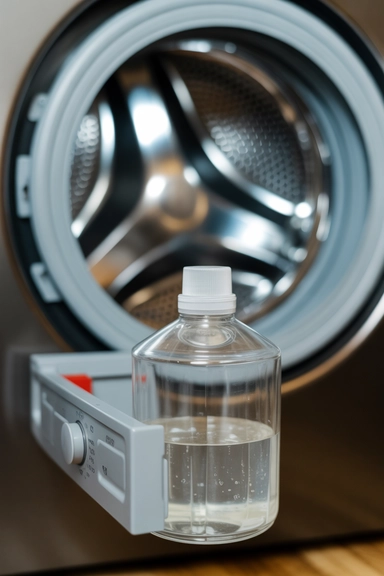
Half a cup in the rinse cycle instead of fabric softener.
Fabric softener coats fibers with synthetic compounds to create softness. Vinegar removes the detergent residue that causes stiffness without adding anything back. Towels come out softer. Whites come out brighter. Nothing synthetic sitting against skin for hours.
Same product, different use. Once a month run an empty hot cycle with a full cup of vinegar to clean the drum and the rubber seal where mold grows quietly for months before anyone notices it.
Baking Soda and Vinegar Down Slow Drains
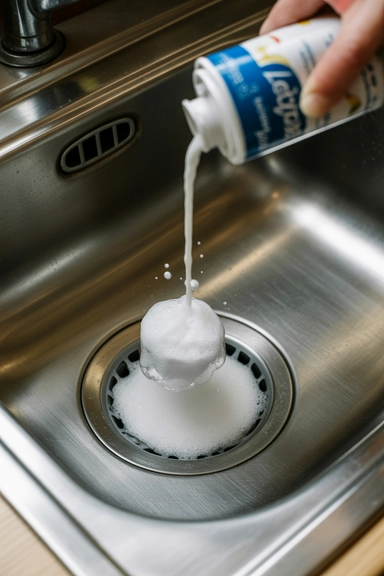
Half a cup of baking soda, half a cup of vinegar after, thirty minutes, boiling water to flush.
Chemical drain cleaners work faster. They are also among the most caustic products in a standard home and damage pipes over years of use. This method takes longer and needs doing before the drain blocks rather than after. Monthly prevention is the version that actually works.
Waiting until the drain is fully blocked and then trying baking soda and vinegar is disappointing. That is what strong chemicals are for. This is maintenance, not emergency treatment.
Newspaper on Glass and Mirrors
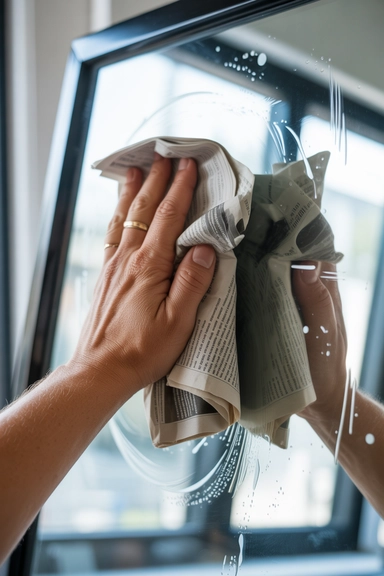
Clean with vinegar solution, buff dry with scrunched newspaper.
No lint. No streaks. The texture polishes as it buffs. Cloth leaves fibers on glass in certain light, even good microfiber on a bad day. Newspaper does not. Old method, still the best result I have found on mirrors without buying anything specific.
Sounds too simple. Works anyway.
Olive Oil on Stainless Steel
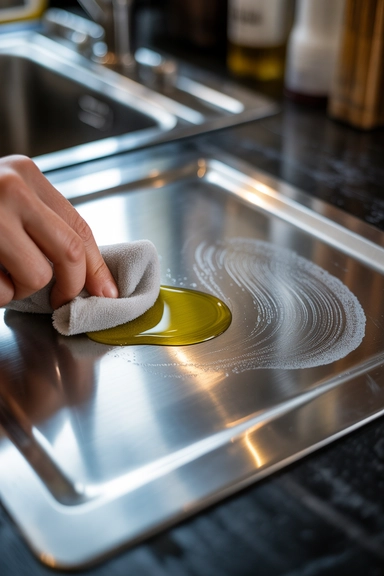
A few drops on a soft cloth, buffed across the surface in the direction of the grain, excess wiped off.
Removes fingerprints, fills micro-scratches that make stainless steel look permanently dull, leaves a layer that repels water marks. No synthetic compounds near food prep surfaces.
Very small amount. Too much and the surface looks greasy and attracts dust faster than if you had left it alone. A few drops for the whole surface.
Cream of Tartar on Rust and Metal Staining
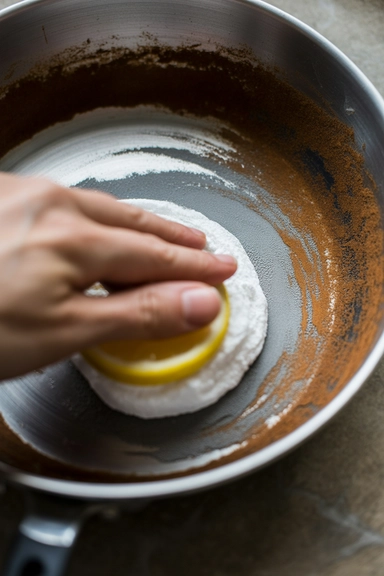
Mix it with lemon juice into a paste. Apply to rust marks or discolored metal. Ten minutes. Scrub and rinse.
Aluminum pans gone dark inside, chrome with rust staining, stainless steel discolored from heat. One treatment usually shifts what commercial rust removers take several applications to manage. Most people have cream of tartar sitting in the kitchen for baking and have never thought to use it for anything else.
Neither had I until someone mentioned it. Now it is one of the first things I reach for on metal staining.
How Non Toxic Methods Compare to Commercial Products
| Non Toxic Method | Replaces | Works As Well | Cost |
|---|---|---|---|
| Vinegar spray | All-purpose cleaner | Yes on most surfaces | Much cheaper |
| Baking soda | Abrasive scrub powder | Yes | Much cheaper |
| Hydrogen peroxide | Bleach disinfectant | Yes on most jobs | Cheaper |
| Castile soap | Dish soap and surface cleaner | Yes | Similar |
| Essential oil spray | Disinfectant spray | Yes for household use | Cheaper long term |
| Borax solution | Heavy duty floor cleaner | Yes | Cheaper |
| Rubbing alcohol | Commercial disinfectant wipes | Yes | Much cheaper |
Final Thoughts on Non Toxic Cleaning Hacks for a Safer Home
Vinegar, baking soda, hydrogen peroxide, castile soap. Those four handle most of what a household needs to clean. Not some of it. Most of it. Everything else in this list covers the specific gaps those four leave.
The argument is not that commercial cleaners do not work. They do. The argument is that they cost more, leave residues on surfaces people touch and breathe around, and in enclosed spaces like bathrooms produce fumes that build up faster than most people realize.
Three bottles under the sink instead of seven. Knowing exactly what is in all of them. That turned out to matter more to me than I expected when I started making the switch.
FAQ About Non Toxic Cleaning Hacks for a Safer Home
Are these methods actually safe around babies and young children? Significantly safer than most commercial cleaners yes. Vinegar, baking soda, castile soap, and hydrogen peroxide leave no harmful residues on surfaces once dry. Rubbing alcohol needs to dry completely before a child touches the surface, which takes about thirty seconds. Borax is the exception. It should be stored out of reach, surfaces cleaned with it rinsed thoroughly, and it should not be used around crawling babies. Essential oils in the diluted concentrations used in a surface spray pose minimal risk once the surface has dried but keep them away from young children directly during application.
Do these actually disinfect or just clean? Different things and worth separating. Cleaning removes dirt and organic matter. Disinfecting kills pathogens. Some non toxic methods do both. Hydrogen peroxide at three percent kills bacteria, viruses, and mold spores. Rubbing alcohol at seventy percent kills bacteria and most viruses within thirty seconds of contact. Tea tree oil has genuine antimicrobial function at the concentrations used in a spray. Vinegar kills many common bacteria but is not effective against all pathogens. For standard household use that combination covers what most surfaces actually need.
The vinegar smell is putting me off. Does it really go away? Yes but ventilation matters. Equal parts vinegar and water rather than undiluted, and an open window while cleaning and for ten minutes after. In a properly ventilated room the smell clears faster than the smell from most commercial bathroom sprays. In a closed room with no airflow it lingers longer than it should. The ratio and the ventilation are both part of making this work without the smell becoming the reason to stop using it.
Sarah Mitchell’s Take
The headaches stopped and I kept going from there mostly out of curiosity. Replaced one product at a time, tested the result, kept it if it worked. Most of them worked. The bathroom spray went first. Then the glass cleaner. Then the fabric softener. The abrasive powder took longest because I was convinced baking soda would not be the same and it turned out to be better on my sink specifically. Three years in and the only commercial cleaner still under my sink is the drain unblocker for genuine emergencies. Everything else got replaced and nothing got less clean.