
Introduction
My living room looked permanently messy even on days I had just cleaned it. Cushions straightened, surfaces wiped, floor vacuumed. Still looked lived-in in a way that bothered me. Took me an embarrassingly long time to figure out the problem was dust on the skirting boards and ceiling fan blades throwing particles back onto everything within hours of cleaning. Cleaning in the wrong order was undoing the work as I went. Getting the sequence right changed the whole result. If you want the full house version of what works, these house cleaning hacks cover every room in the same practical way.
Always Clean Top to Bottom
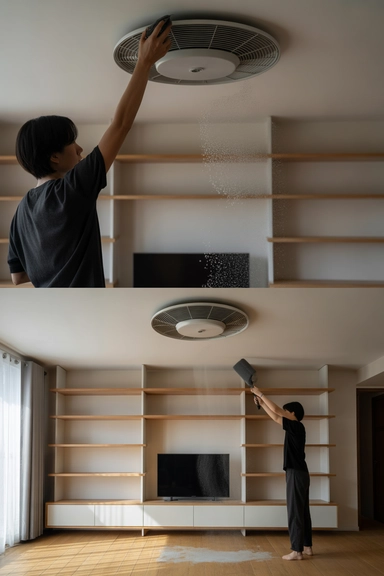
Dust and debris fall downward. Cleaning the floor first and the shelves second means everything you dislodge from above lands on what you just cleaned.
Start at the ceiling. Fan blades, light fittings, the tops of door frames. Work down through shelves and surfaces. Finish with the floor.
Takes the same amount of time as cleaning in random order. The result is completely different because nothing gets re-dirtied after you clean it.
Rubber Gloves Pull Pet Hair Off Fabric
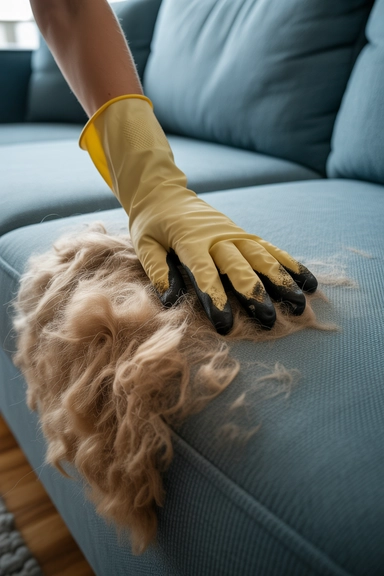
Put on a rubber glove, dampen it slightly, and run your hand across upholstered furniture and cushions. The hair clumps and rolls into balls you can pick up and bin.
Lint rollers work on small areas. On a full sofa with heavy pet hair they run out of sticky surface fast and get expensive to keep replacing. The rubber glove covers more area, costs nothing, and works better on deep-set hair.
I have a golden retriever. The amount of hair this method pulls off the sofa in one pass still surprises me even after two years of using it.
Microfiber Cloth Traps Dust Instead of Moving It
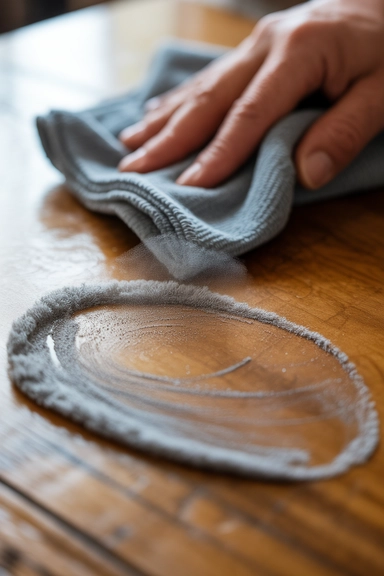
Regular cloths push dust around the surface and into the air. Microfiber has a static charge that physically traps particles and holds them until you rinse the cloth out.
Use it dry for dusting shelves, screens, and hard surfaces. Use it slightly damp for wiping down surfaces with actual grime on them.
One microfiber cloth replaces half a dozen paper towels and does a better job on dust specifically. Rinse it under the tap when it stops picking up and it works again immediately.
Baking Soda Deodorizes Upholstery Overnight
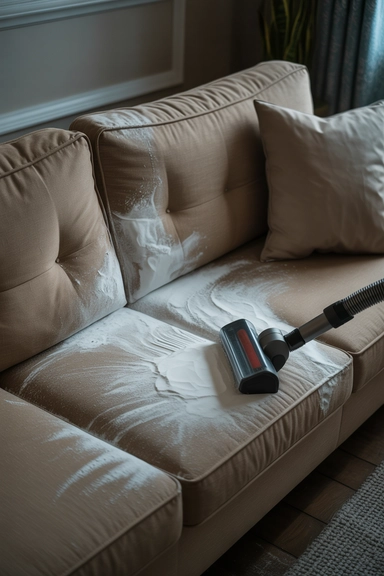
Sprinkle baking soda generously over sofas, armchairs, and fabric cushions. Leave it for at least twenty minutes. Vacuum it off thoroughly.
Baking soda absorbs odor compounds from the fabric rather than masking them. The difference between a sofa that smells faintly of dog and one that smells of nothing is usually one baking soda treatment.
Overnight works better than twenty minutes for deep odors. Sprinkle before bed, vacuum in the morning. The sofa smells genuinely neutral afterward, not perfumed, just clean.
Pillowcase Over Fan Blades Catches Dust Without Spreading It
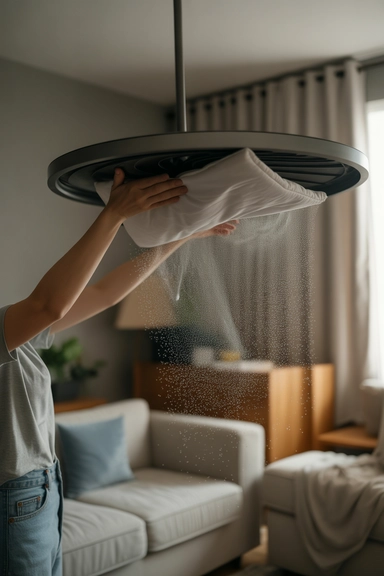
Slide an old pillowcase over each ceiling fan blade and pull it back slowly. The dust falls into the pillowcase instead of raining down onto furniture and the floor below.
Cleaning fan blades with a cloth sends dust flying in every direction. It lands on the sofa, the coffee table, the floor you just vacuumed. The pillowcase method contains all of it in one pass.
Do this before anything else in the room. Fan blades carry more accumulated dust than most people realize until they do this for the first time and see what comes off.
Lint Roller on Lampshades
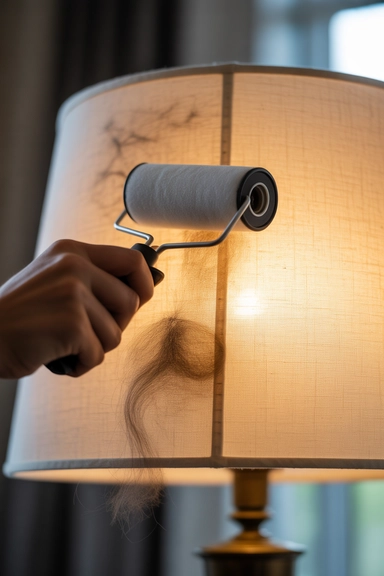
Run a lint roller over fabric lampshades to remove dust, pet hair, and debris that a cloth cannot reach without pushing further into the fabric.
Lampshades collect dust fast and most people clean around them rather than actually cleaning them. A dusty lampshade casts slightly dimmer, yellower light and makes the whole room feel less clean than it is.
Vacuuming with a brush attachment works on some shades. On delicate or pleated fabric the lint roller is gentler and picks up more in less time.
White Vinegar on Glass Surfaces and Screens
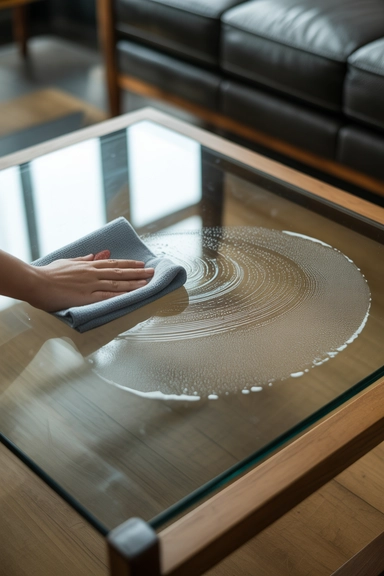
Mix equal parts white vinegar and water in a spray bottle. Spray onto a microfiber cloth, not directly onto the surface, and wipe glass coffee tables, mirrors, and TV screens.
Streak-free glass makes a living room look cleaner than almost anything else. Commercial glass cleaners leave residue that attracts dust faster than vinegar solution does.
Do not spray directly onto a TV screen. Electronics and liquid directly applied do not mix well. Always onto the cloth first, then the screen. For a full range of dusting methods across different surfaces, these dusting hacks are worth reading through.
Dish Soap on Fabric Stains Before They Dry
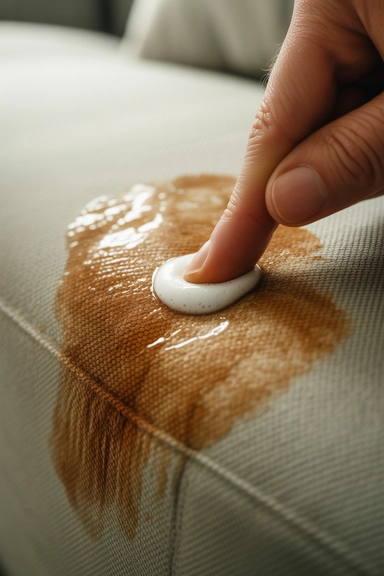
A small drop of dish soap worked into a fresh fabric stain with a fingertip, left five minutes, then blotted with a damp cloth. That is the whole process for most living room stains.
Coffee, juice, food. Most of them respond to dish soap if you catch them before they dry. Waiting until the stain has set means it needs a longer treatment or a specific stain remover.
Blot, never rub. Rubbing spreads the stain sideways and pushes it deeper into the upholstery fibers at the same time. Press the cloth down and lift straight up.
Squeegee on Carpet for Embedded Hair and Debris
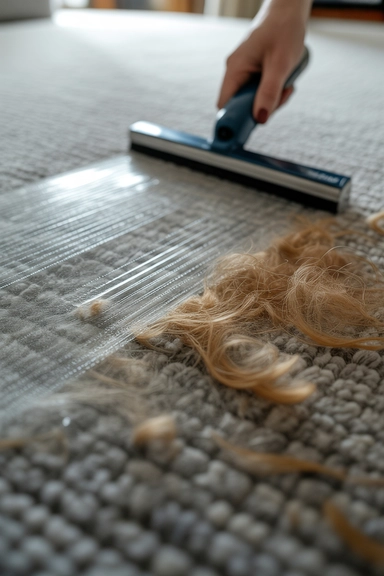
Run a window squeegee across carpet in short strokes. It drags embedded hair and fine debris to the surface where the vacuum can actually reach it.
Vacuums pick up surface debris well. They struggle with hair and fine particles woven deep into carpet fibers. The squeegee pulls those particles up mechanically before the vacuum passes.
This sounds odd. It works better than it has any right to. One pass with the squeegee before vacuuming fills a surprising amount of the dustbin with material the vacuum would have missed entirely.
Dryer Sheet on Skirting Boards Repels Dust
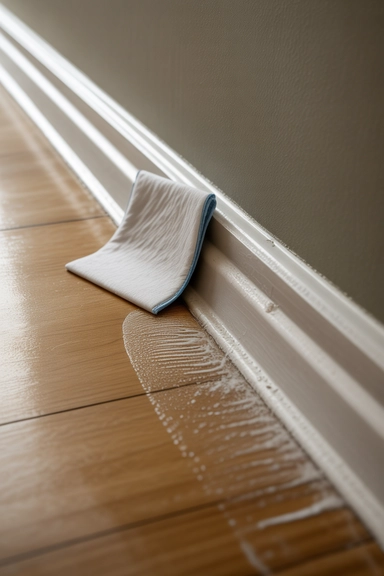
Wipe skirting boards with a dryer sheet after cleaning them. The anti-static coating the sheet leaves behind repels dust for weeks.
Skirting boards collect dust faster than almost any other surface in a living room because they sit at floor level where air currents deposit particles. Cleaning them weekly is tedious. Treating them with a dryer sheet after cleaning means they stay cleaner for much longer.
Used dryer sheets work the same as fresh ones for this. Keep the ones from the laundry and use them on skirting boards rather than throwing them away.
Ice Cubes on Carpet Dents from Furniture
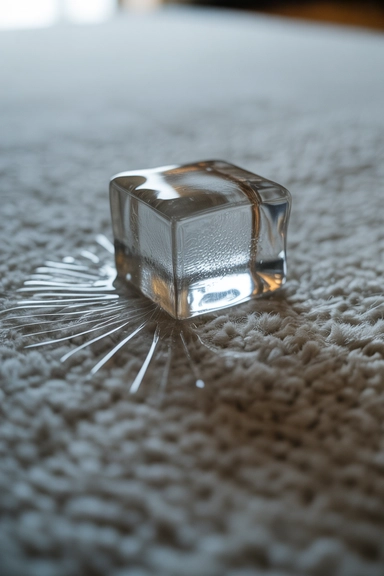
Place an ice cube directly on a carpet dent left by a furniture leg. Leave it to melt completely, then blot up the water and fluff the fibers back up with a fork or your fingers.
The water from the melting ice rehydrates the compressed carpet fibers and allows them to spring back to their original position. This does not work on all carpet types but on most standard pile carpets it removes dents that look permanent.
Leave the furniture in a different position for at least twenty-four hours after treatment so the fibers can dry and reset fully before weight goes back on them.
Cornstarch on Greasy Fabric Stains
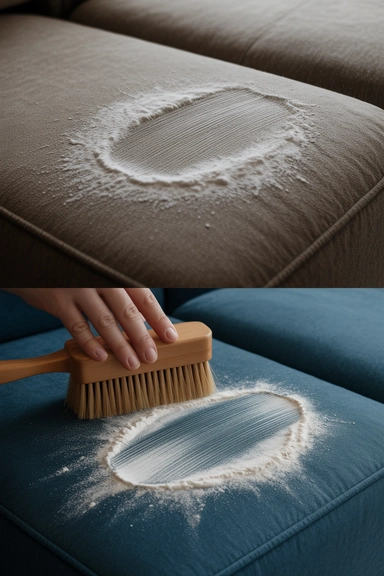
Sprinkle cornstarch directly onto a greasy stain on upholstery or a fabric cushion cover. Leave it for fifteen minutes, then brush off and follow with a dish soap treatment if needed.
Cornstarch absorbs the grease from the fabric before it has a chance to bond permanently. This is the step most people skip, going straight to soap and water on a greasy stain, which emulsifies some of the grease but pushes the rest deeper in.
Baking soda does the same job. Cornstarch is slightly more absorbent for oil-based stains specifically. Either one works better than skipping the absorption step entirely.
Vacuum Attachments Actually Matter
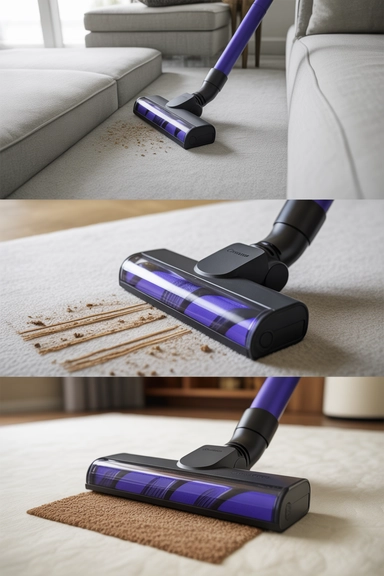
The crevice tool gets between sofa cushions where crumbs, coins, and debris accumulate. The brush attachment cleans upholstery and fabric surfaces without pulling at the fibers. The wide floor attachment leaves lines on carpet that make the room look freshly cleaned.
Most people use one attachment for everything. Using the right tool for each surface takes maybe two extra minutes and produces a noticeably better result.
Clean the attachments themselves occasionally. A crevice tool clogged with hair and dust does not have enough suction to clean anything properly. Rinse them under the tap and let them dry before reattaching.
Newspaper for a Streak-Free Mirror Finish
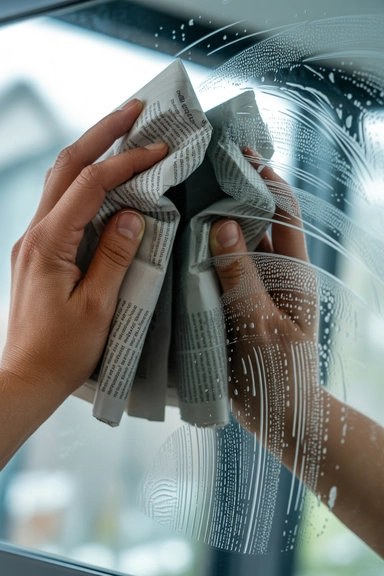
Scrunch a sheet of newspaper and use it to buff mirrors and glass surfaces after cleaning with vinegar solution. The ink and paper texture leave a streak-free finish that cloths rarely match.
This is an old method that still works better than most modern alternatives for mirrors specifically. The newspaper does not leave lint behind the way even good cloths sometimes do.
Use the vinegar solution to clean first. Use the newspaper to buff dry. The combination produces the clearest mirror result I have found without buying any specific product.
Vodka Spray Freshens Fabric and Kills Odor
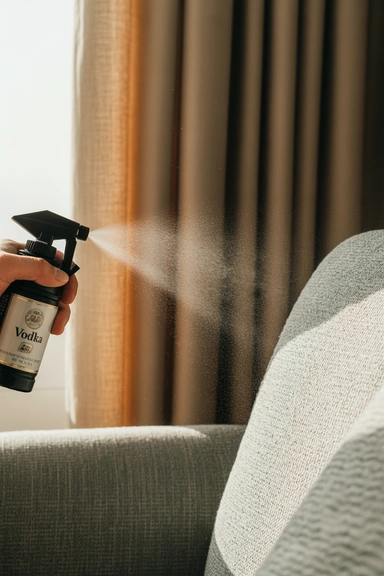
Pour cheap vodka into a spray bottle and mist it lightly over upholstery, curtains, and fabric cushions. Leave to air dry.
Vodka is a mild antiseptic that kills odor-causing bacteria in fabric without leaving any residue or smell once it dries. Theater costume departments have used this for decades on clothing that cannot be washed between performances.
It does not need to be good vodka. The cheapest available works identically. The alcohol content is what matters, not anything else about the product.
How Living Room Cleaning Methods Compare
| Method | Best Use | Effort Level | How Often |
|---|---|---|---|
| Top to bottom sequence | Every full clean | Low | Every clean |
| Rubber glove hair removal | Pet hair on upholstery | Low | Weekly |
| Baking soda deodorize | Fabric odors | Very low | Monthly |
| Pillowcase fan blade method | Ceiling fan dust | Very low | Monthly |
| Squeegee on carpet | Embedded hair and debris | Medium | Monthly |
| Ice cube dent removal | Furniture dents in carpet | Very low | As needed |
| Dryer sheet skirting boards | Dust repelling | Very low | After each clean |
Final Thoughts on Living Room Cleaning Hacks for a Tidier Space
Cleaning order matters more than cleaning products in a living room. Top to bottom, dry before wet, deodorize before vacuuming. Getting the sequence right means the effort you put in stays visible for longer instead of being undone by the next step.
The surfaces people skip, fan blades, skirting boards, lampshades, are usually the reason a room still looks dull after cleaning. They do not take long. They make a disproportionate difference to how clean the room actually feels.
Prevention steps like dryer sheets on skirting boards and the vinegar spray barrier take thirty seconds and cut down how often the deep cleaning is needed. The living room that looks clean most of the time is maintained in small ways consistently, not scrubbed hard once a week.
FAQ About Living Room Cleaning Hacks
How do I get rid of a musty smell in a living room that keeps coming back? Musty smell that returns after cleaning usually comes from the upholstery or carpet rather than hard surfaces. Baking soda on fabric overnight absorbs embedded odor compounds, but if the smell comes back within days the source is likely moisture. Check for damp behind furniture, under rugs, or at the base of walls. A dehumidifier running for a few days in a persistently musty room often solves what cleaning alone cannot.
What is the fastest way to make a living room look clean before guests arrive? Clear flat surfaces first. Clutter on tables and shelves reads as mess more than dust or minor stains do. Fluff cushions, straighten throws, wipe the coffee table and any visible glass surfaces with a damp microfiber cloth. A quick vacuum of the main floor area takes five minutes. Those four steps in that order produce the most visible result in the shortest time.
Can I use the vinegar solution on a leather sofa? No. White vinegar is acidic and dries out leather, which causes it to crack over time. Use a dedicated leather cleaner and conditioner on leather furniture. For odors on leather specifically, a light mist of vodka spray is safe and effective once dry. Avoid water-based methods on leather generally as moisture penetrates the material and causes staining that is difficult to reverse.
Sarah Mitchell’s Take
The ceiling fan blades are what I tell everyone about first. Not because they are the most important thing in a living room clean, but because the first time you do the pillowcase method and see the amount of dust that comes off, it reframes everything. That dust was landing back on every surface you just cleaned every time the fan ran. Fixing that one thing made more difference to how long my living room stayed clean than anything else I changed. Start at the top. Every time. The floor can wait.