
Introduction
I ruined a white linen shirt last spring by doing exactly what the internet told me: rub the stain immediately with cold water and dish soap. The stain spread sideways into a patch three times the original size and set permanently after one wash cycle. That shirt cost forty dollars. The fix cost me nothing in materials, just the wrong method applied at the wrong moment. Most laundry stain removal hacks fail because timing and technique matter more than the product you use. If you also want to overhaul how you handle the laundry room itself, these laundry cleaning hacks cover the bigger picture.
Never Rub a Fresh Stain
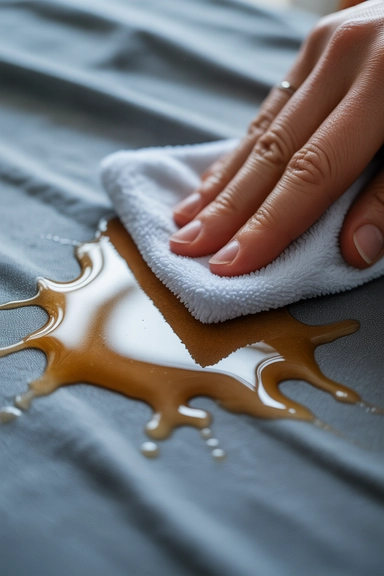
Rubbing pushes the stain deeper into the fabric fibers and spreads it outward at the same time. Blot instead. Press a clean dry cloth directly onto the stain and lift straight up without any sideways motion.
Work from the outer edge toward the center. Going inward stops the stain from spreading further into clean fabric.
Get this wrong and nothing else in this list will work the way it should. This is the step that happens before any product touches the fabric.
Cold Water Flush Before Anything Else
Hot water sets protein-based stains permanently. Blood, egg, dairy, sweat. All of them bond to fabric fibers faster with heat, and once bonded they are extremely difficult to reverse.
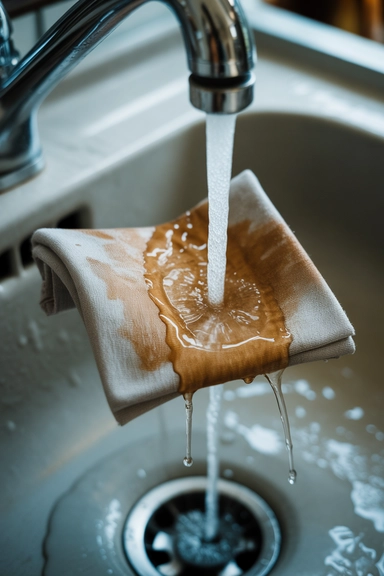
Flush the stain with cold water from the back of the fabric, not the front. Pushing water through from behind forces the stain outward rather than deeper into the weave.
Hold the fabric under a running tap with decent pressure. A gentle trickle barely moves the stain. The water pressure is doing as much work as the temperature.
Dish Soap on Fresh Grease Stains
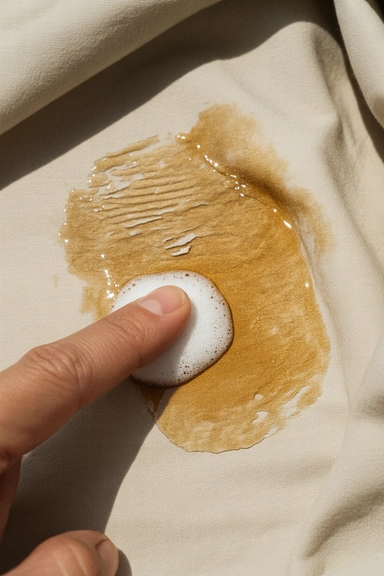
Apply a small drop of dish soap directly onto a grease stain and work it in lightly with your fingertip. Let it sit for ten minutes before rinsing with cold water.
Dish soap is formulated specifically to cut through grease. It does the same job on fabric that it does on plates. Dawn works well but any degreasing dish soap handles it.
The fabric needs to be dry when you apply the soap. Wet fabric dilutes it and reduces contact with the grease. Pat the area dry first if it is already damp from a previous rinse attempt.
Salt on Fresh Red Wine Before It Sets
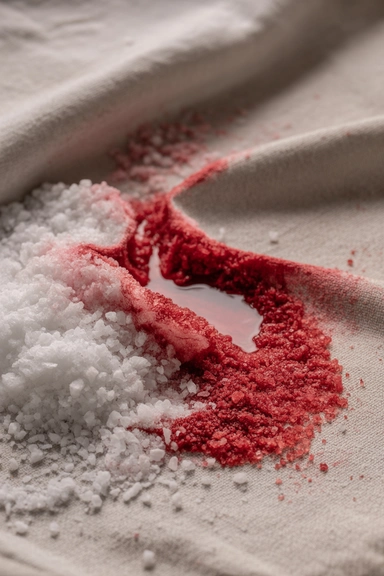
Pour a generous pile of table salt directly onto a fresh red wine spill and press it lightly. Leave it for five minutes. The salt draws the liquid up out of the fabric before it has a chance to bond with the fibers.
Shake or brush the salt off, then flush from the back with cold water. Most of the stain comes away with the salt if you move quickly enough.
This only works when the stain is still wet. Dry red wine needs a completely different approach. I keep a salt shaker near the dining table because of how often this actually comes up.
White Vinegar for Sweat and Deodorant Buildup
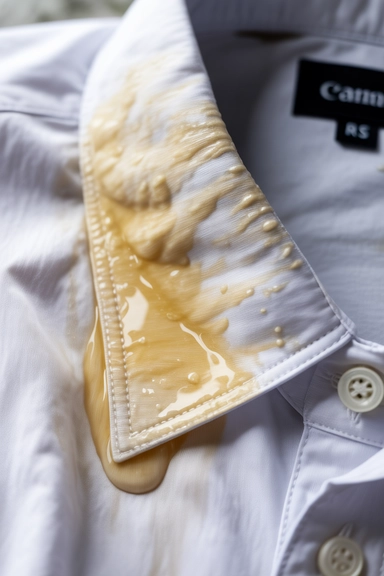
Pour undiluted white vinegar directly onto the stained area and let it soak for thirty minutes before washing. For heavy buildup on collar and underarm areas, soak the whole section in a bowl of vinegar for a full hour.
The acidity breaks down the alkaline residue that deodorant leaves behind. That stiff yellowish buildup on white shirts is a combination of sweat and aluminum compounds from antiperspirant, and vinegar dissolves both.
I tried baking soda paste on the same type of stain first and got patchy results. Vinegar works faster and more evenly for this specific problem. I use it now without even trying anything else first.
Baking Soda Paste on Dried Stains
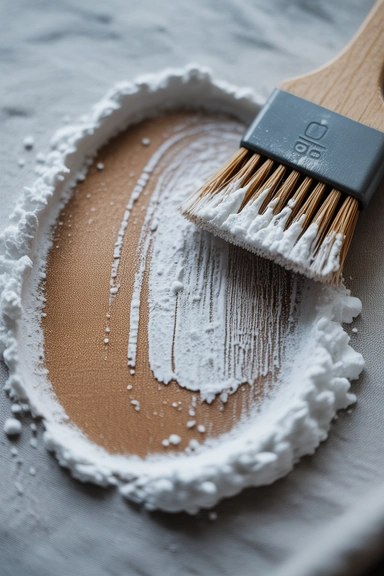
Mix baking soda with just enough water to form a thick paste. Press it onto a dried stain and leave it for at least two hours before brushing off and washing normally.
Baking soda is mildly alkaline and pulls staining compounds out of fabric over time. The longer you leave it, the more it draws out. Overnight works better than two hours for anything that has been sitting for a while.
I left a baking soda paste on a coffee stain that had already gone through the dryer once. It pulled out about seventy percent of the mark. Not perfect, but far better than writing the item off entirely.
Hydrogen Peroxide on White and Light Fabrics
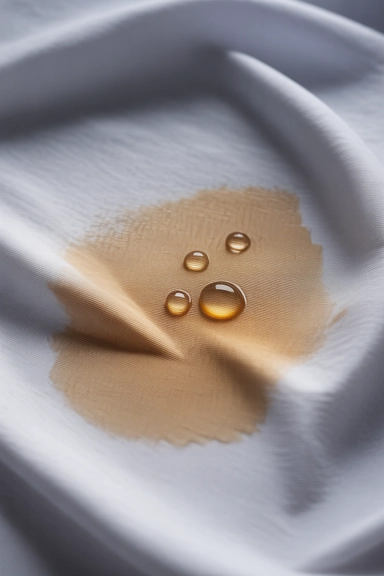
Apply three percent hydrogen peroxide directly to the stain, wait ten minutes, then rinse with cold water before putting the item in the wash. It bleaches the stain without the harshness of chlorine bleach.
Use this only on white or very light-colored fabrics. On colored fabrics it removes dye alongside the stain. I tested it once on a pale blue shirt and ended up with a cream-colored patch where the stain had been.
Check the care label before using peroxide on anything delicate. Silk and wool do not tolerate it. For a wider range of uses beyond just clothes, these hydrogen peroxide cleaning hacks go well beyond laundry.
Enzyme Cleaner for Protein-Based Stains
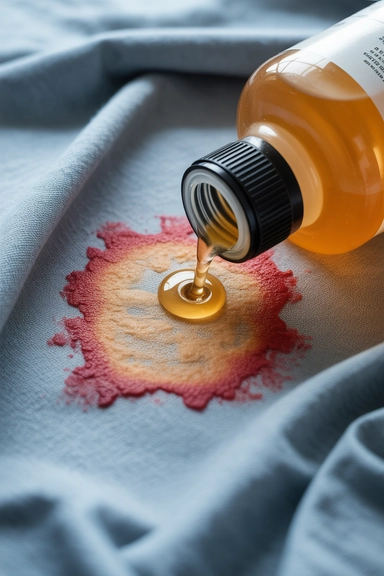
Blood, grass, food with egg or dairy, sweat. All of these contain proteins that regular detergent cannot fully break down. Enzyme-based cleaners contain protease, which digests protein molecules directly.
Apply the product, let it sit for fifteen minutes, then wash in cold water. Hot water deactivates the enzymes so the wash temperature matters here as much as the product itself.
Most grocery store stain sticks contain enzymes but liquid versions penetrate deeper and faster. Check the label for the words protease or enzyme blend before buying.
Rubbing Alcohol on Ink and Marker Stains
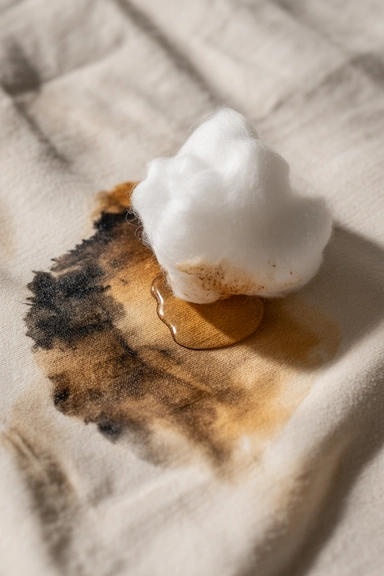
Soak a cotton ball in rubbing alcohol and press it onto the ink stain. Do not rub. Press and lift repeatedly, moving to a clean section of the cotton ball each time you lift.
The alcohol dissolves the dye compounds in ink and lifts them into the cotton. Rubbing smears them across a wider area instead. The press-and-lift motion is what actually removes the stain.
Ballpoint and gel ink respond well. Permanent marker on fabric is harder. Alcohol gets most of it but rarely all of it on the first pass. A second treatment after washing often finishes the job.
Meat Tenderizer on Blood Stains
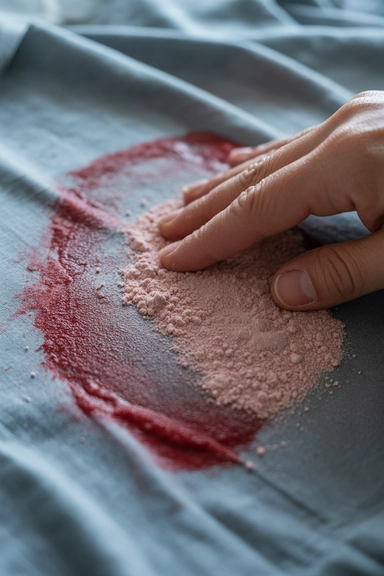
Wet the stained fabric with cold water, sprinkle unseasoned meat tenderizer powder directly onto the blood stain, and leave it for thirty minutes before rinsing.
Meat tenderizer contains papain, an enzyme from papaya that breaks down protein. Blood is protein. The same logic as enzyme-based stain removers, except meat tenderizer is something most people already have sitting in a kitchen drawer.
Cold water throughout, start to finish. Blood sets fast with any warmth and once it sets, even papain cannot fully reverse the damage.
WD-40 on Dried Grease Stains
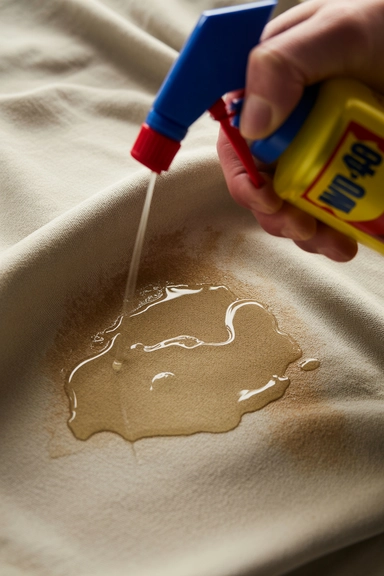
Spray a small amount of WD-40 onto a dried grease stain and leave it for five minutes. Then apply dish soap directly on top of the WD-40 and work it in gently before rinsing with cold water.
The WD-40 re-liquefies the dried grease so the dish soap can emulsify and lift it. Using dish soap alone on dried grease does very little because the grease has already hardened into the fibers and the soap cannot penetrate it.
This sounds counterintuitive. Adding oil to an oil stain. It works because the WD-40 reactivates the stain into a state the dish soap can actually deal with. I was skeptical the first time I tried it. Not anymore.
Boiling Water Through Coffee and Tea Stains
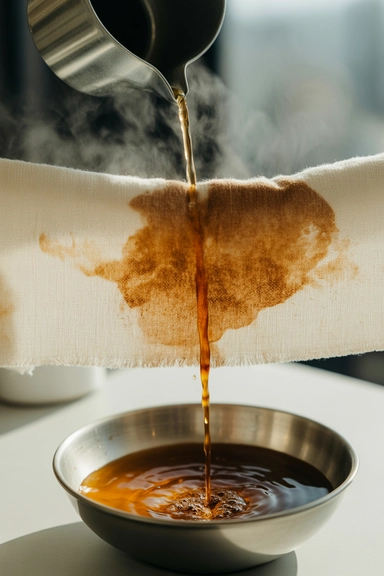
Stretch the stained fabric tightly over a bowl and pour boiling water through the stain from about twelve inches above. The combination of force and heat pushes the tannin compounds out through the fabric rather than deeper into it.
Do this before washing, not after. Washing first partially sets the tannins and the boiling pour becomes far less effective. This works best on same-day stains.
Cotton and linen handle the heat without damage. Synthetic blends can warp depending on the weave, so check the care label before trying this on anything that is not a natural fiber.
Shaving Cream on Makeup and Foundation Stains
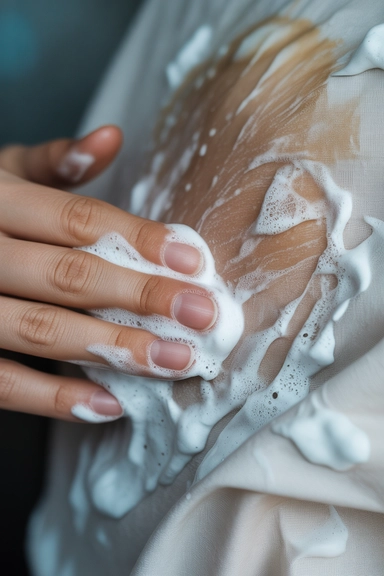
Apply a small amount of plain white shaving cream to the stain and work it in lightly with a fingertip. Leave it for five minutes then rinse with cold water before washing.
Shaving cream contains surfactants that break down cosmetic formulations. Foundation and concealer stains respond well because they are oil-based. The foam texture keeps the surfactants in direct contact with the fabric long enough to work.
Only use plain white foam shaving cream. Colored or gel versions leave their own residue behind. Generic store brand performs the same as any expensive product here.
Hairspray on Lipstick Stains
Spray a small amount of aerosol hairspray directly onto a lipstick stain and let it sit for five minutes. Blot with a clean damp cloth, working from the outer edge inward, then rinse before washing.
Lipstick contains wax, oil, and pigment. Hairspray breaks down the waxy binder that holds the pigment to the fabric fiber. Once that bond loosens, blotting lifts the color rather than pushing it in deeper.
Aerosol hairspray works better than pump spray because the fine mist coats the stain more evenly. Use just enough to dampen the area. Soaking it through wastes product and dilutes the effect.
Sun and Lemon Juice on Yellowed Fabric
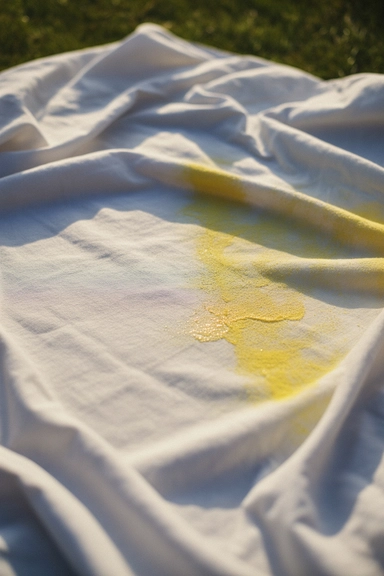
Squeeze lemon juice onto yellowed fabric and lay the item flat in direct sunlight for two to three hours. The citric acid and UV exposure work together to bleach the discoloration naturally without any chemical product.
This works on white and off-white fabrics that have yellowed from age, storage, or long-term sweat buildup. It does not work on colored fabrics and it does not work in indirect or cloudy light.
I used this on a set of cotton pillowcases that had turned pale yellow after two years of use. After three hours in direct afternoon sun they came out noticeably brighter without touching any bleach product.
How Different Stain Types Compare
| Stain Type | Best Method | Water Temperature | Wait Time |
|---|---|---|---|
| Fresh grease or oil | Dish soap on dry fabric | Cold wash | 10 minutes |
| Dried grease | WD-40 then dish soap | Cold wash | 5 minutes |
| Fresh red wine | Salt pile then cold flush | Cold wash | 5 minutes |
| Blood or egg | Enzyme cleaner or meat tenderizer | Cold wash only | 30 minutes |
| Sweat and deodorant | White vinegar soak | Warm wash | 30 to 60 minutes |
| Coffee or tea | Boiling water pour then wash | Cold wash | Immediate |
| Ink or marker | Rubbing alcohol blot | Cold rinse | 5 minutes |
| Yellowed fabric | Lemon juice and sunlight | Cold wash after | 2 to 3 hours |
Final Thoughts on Laundry Stain Removal Hacks
The single biggest factor in whether laundry stain removal hacks work is how fast you act. Fresh stains respond to almost anything. Dried stains need specific chemistry matched to what caused them, and even then results vary depending on the fabric and how long the stain has been sitting.
Match your method to the stain type. Protein stains and grease stains need completely different approaches. Treating one like the other is what sends clothes to the bin prematurely.
Cold water and blotting cost nothing and applied immediately they prevent the majority of permanent stain damage before any product is even needed. Start there every single time.
FAQ About Laundry Stain Removal Hacks
Can I combine multiple stain removal methods on the same stain? Yes, but order matters. Always start with cold water and blotting before applying any product. When combining methods, rinse fully between each one so the products do not react with each other. Mixing hydrogen peroxide and vinegar directly on fabric, for example, produces a mild acid that can damage fibers and is harder to rinse out than either product used alone.
Why did the stain look gone after treating it but reappear after washing? This happens when the stain compound wicks back up through the fabric as it dries. The stain was not fully removed, only pushed to a deeper layer. Treat the area again before the next wash, this time letting the product sit longer and rinsing more thoroughly from the back of the fabric to push the residue fully out.
Are laundry stain removal methods safe for all fabric types? No. Delicate fabrics like silk, wool, and rayon need gentler treatment than cotton or linen. Hydrogen peroxide damages protein-based fibers like wool and silk. Boiling water warps synthetics. Always check the care label and when in doubt, test any method on a hidden seam area before applying it to a visible stain.
Sarah Mitchell’s Take
The shirt I ruined is the reason I started paying attention to stain removal properly. What I know now is that most clothes get thrown away because of dryer heat, not because the stain was impossible to remove. Check before you dry. Every time. If there is any trace of the stain left, treat it again before that item goes near heat. The dryer is where stains become permanent, not where they get set during the wash. Pull the item out, check it in good light, and only dry it when you are sure.