
Introduction
Two years into living in my current place I finally figured out where that smell was coming from. Not the garbage. Not the dish rack. The sink itself, specifically the seam along the counter edge and the drain rim I had never once scrubbed directly. I had been wiping the basin and thinking that counted as cleaning the sink. It does not. These kitchen sink cleaning hacks go after the buildup that lives in the spots a cloth never reaches. If your cabinets have the same kind of hidden grime, kitchen cabinet cleaning hacks is worth reading next.
Baking Soda and Dish Soap for Daily Scrubbing
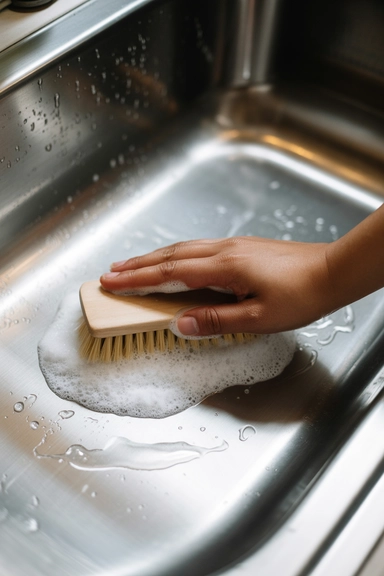
Forget the fancy sink sprays. A small pile of baking soda with a few drops of dish soap dropped on top does more for daily sink buildup than anything I have bought in a bottle.
Wet the sink first. Sprinkle baking soda across the basin, add the dish soap, and scrub with a soft brush. The baking soda gives just enough grit to lift food residue and soap scum without scratching anything. Rinse with warm water and dry the basin after.
That last part matters. A wet sink after cleaning just starts collecting minerals again immediately.
The Drain Rim Nobody Ever Scrubs
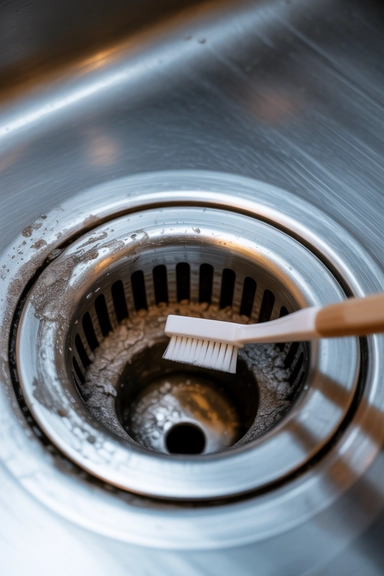
Pull up a flashlight and shine it at the edge where the drain meets the sink basin. That dark ring sitting in the gap is not a stain. It is months of food particles, grease, and soap residue packed into a spot that flat cloths slide right over.
An old toothbrush with baking soda paste gets under that rim edge in a way nothing else does. Scrub around the full circumference, not just the visible top. Rinse with hot water.
I did this for the first time after three years in my house and genuinely could not believe what came off. Should have done it on day one.
Vinegar Wrap for Mineral Deposits
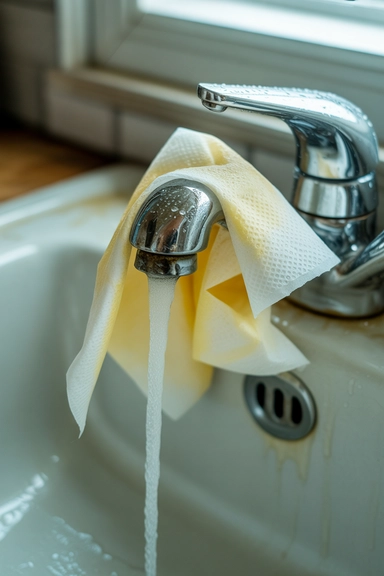
Hard water leaves white crusty buildup on sink surfaces and around the drain that scrubbing barely touches. The deposits are mineral-based and respond to acid, not abrasion. Scrubbing harder does nothing.
Soak paper towels in undiluted white vinegar. Lay them flat directly over the affected areas and walk away for 20 minutes. The acid dissolves the calcium deposits while you do something else. Wipe the loosened residue away with a damp cloth after.
For heavy faucet base buildup leave the soaked paper towel there for a full hour. One treatment handles what months of scrubbing never did for me.
Cleaning the Faucet Base Properly
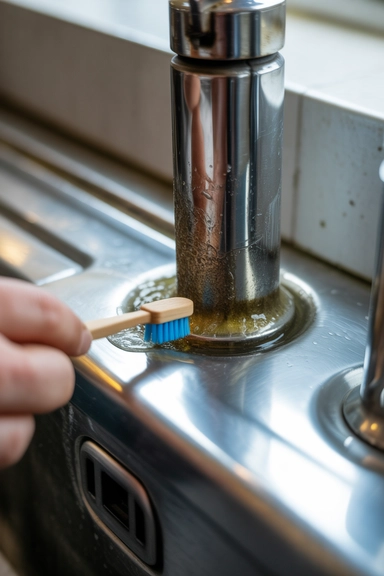
The gap between the faucet base and the sink surface is one of those spots that looks minor until you look closely. Water splashes there constantly. Soap residue builds. The tight gap traps debris that a cloth just pushes around without removing.
Press a vinegar-soaked paper towel tightly around the base and into the gap. Leave it 15 minutes. Then take a toothbrush and scrub out the loosened gunk. Dry the whole area afterward.
Do this once a week and it stays manageable with a simple wipe. Skip it for a month and the toothbrush is mandatory again.
Stainless Steel Has a Grain and It Matters
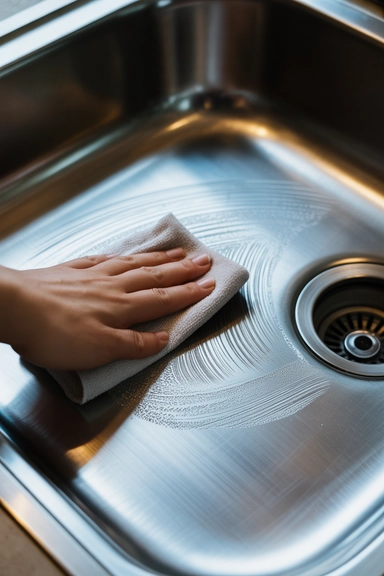
Stainless steel scratches in a direction. Every sink has a visible grain running one way across the surface. Clean against it and you leave fine scratches that catch light and make the sink look permanently dull. I did this with a scrubbing pad on a sink that was two weeks old and regretted it immediately.
Always work in straight lines following the grain. Baking soda on a soft cloth, moved in one direction only. Rinse well and dry right after because standing water on stainless steel leaves the spots people mistake for stains.
Once a month, buff a few drops of mineral oil into the dry surface. It restores the shine and slows down future water spotting noticeably.
Porcelain Stains That Look Permanent But Are Not
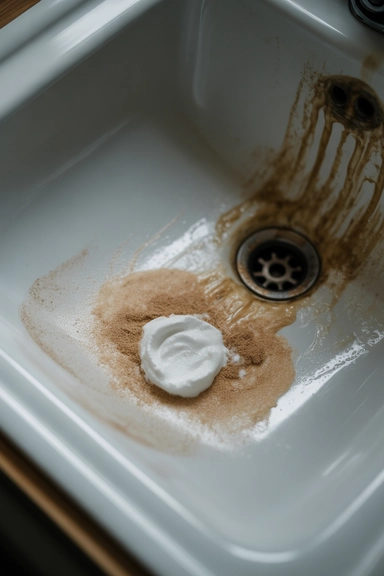
Tea, coffee, and iron from hard water stain porcelain sinks in a way that looks like the finish is gone. It is not. The mistake is reaching for an abrasive pad, which scratches the surface and makes future staining significantly worse.
Mix baking soda with enough hydrogen peroxide to form a paste. Apply it to the stain and leave it 15 minutes. The peroxide breaks down the organic compounds causing the discoloration. Wipe with a soft cloth and rinse.
For rust-colored stains specifically, cream of tartar mixed with hydrogen peroxide works faster than anything else I have tested.
The Seam Where the Smell Actually Lives
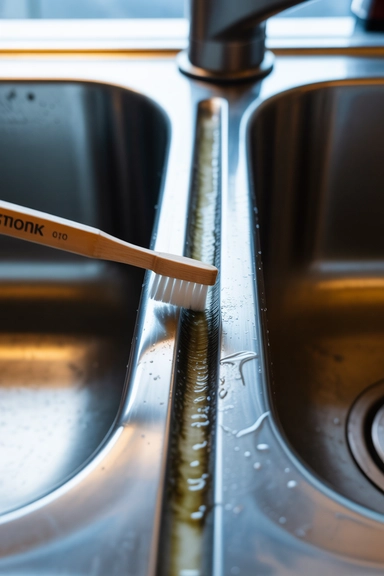
The line where the sink meets the countertop looks like a clean edge. It is not. Food particles fall into it constantly. Moisture sits in it. Bacteria grow there without interruption and produce a low-level sourness that makes the whole kitchen smell off even after a full clean.
A toothbrush with diluted dish soap along the full length of that seam, both sides, takes about two minutes. Rinse, dry, then run a thin line of white vinegar along it and leave for two minutes before wiping.
Do this weekly. It is the single fix that made the biggest difference in how my kitchen smelled. For ways to organize the cabinet space nearby so cleaning gets easier overall, kitchen cabinet organization ideas has setups that actually work in small kitchens.
The Garbage Disposal Affects the Whole Sink Smell
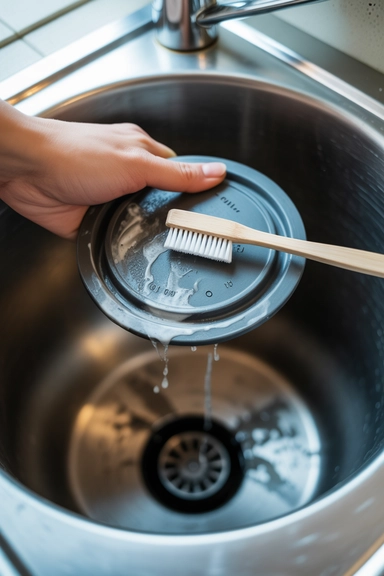
A lot of sink odor people blame on the drain is actually coming from the disposal. Grease and food coat the interior walls and the underside of the rubber splash guard where no spray ever lands. The splash guard underside is genuinely one of the most neglected surfaces in any kitchen.
Peel back the splash guard and scrub both sides with a toothbrush and baking soda paste. Then drop six ice cubes and two tablespoons of coarse salt into the disposal, run it 30 seconds with cold water going. That scours the interior walls.
Follow with half a cup of baking soda and half a cup of vinegar poured directly into the drain. Cover the opening, wait 15 minutes, flush with boiling water.
Drain Cleaning Without the Chemical Products
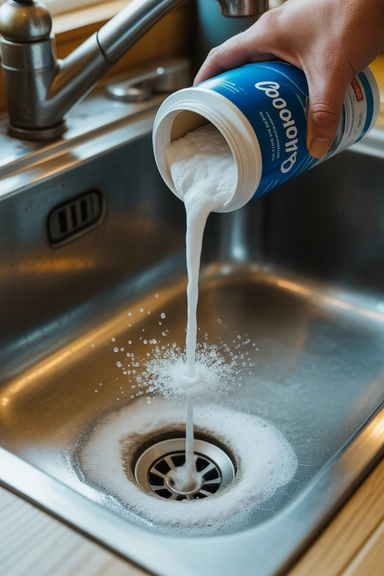
Commercial drain cleaners work but they degrade pipe seals over time and the flushing required after uses a lot of water. The baking soda and vinegar method handles most slow drains without either issue.
Half a cup of baking soda into the drain, immediately followed by half a cup of white vinegar. Cover the drain opening with a cloth right away to push the reaction downward. Wait 15 minutes. Pour a full kettle of boiling water through it.
Do this monthly and most drains stay clear without ever needing anything stronger.
Sink Cleaning Methods by Surface Type
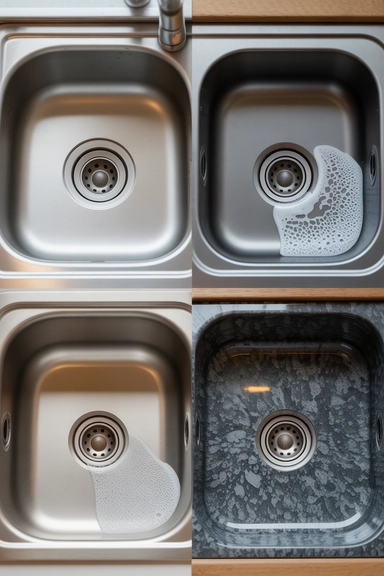
| Sink Type | Best Method | Avoid | How Often |
|---|---|---|---|
| Stainless steel | Baking soda scrub with the grain | Circular scrubbing, bleach | Daily wipe, weekly scrub |
| Porcelain | Baking soda and hydrogen peroxide paste | Abrasive pads | Weekly |
| Composite granite | Dish soap and warm water only | Vinegar, any acid cleaner | Daily wipe, weekly deep |
| Cast iron enamel | Baking soda paste, soft cloth only | Steel wool, harsh powder | Weekly |
Wrong method on the wrong surface creates damage that makes buildup harder to remove permanently. Match the method first.
Water Spots That Return Every Single Day
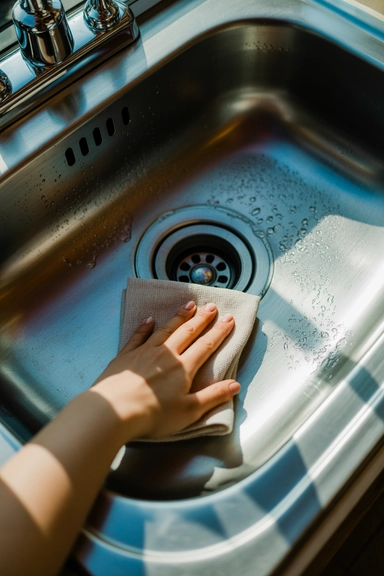
Water spots come back because the minerals in tap water redeposit every time the surface gets wet and then dries without being wiped. Cleaning the spots without changing the drying habit means cleaning them again tomorrow and the day after.
Keep a dedicated cloth beside the sink. Dry the basin, faucet, and surrounding counter after washing dishes. Fifteen seconds. The spots stop forming because the mineral-carrying water never gets a chance to evaporate and leave deposits behind.
Buffing car wax onto a clean dry stainless or porcelain sink every two months creates a surface water beads off rather than sits on. Noticeably fewer spots between cleanings.
Under the Sink Rim Where Mold Starts
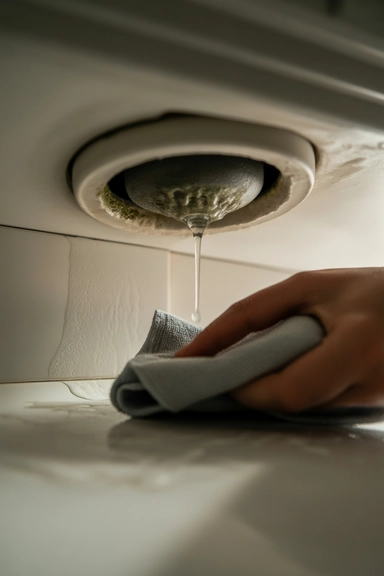
The underside of the sink rim where it contacts the countertop or cabinet edge stays damp, rarely sees light, and almost never gets cleaned. Mold starts there before it appears anywhere visible.
Wipe the underside monthly with a cloth dampened in diluted white vinegar. On drop-in sinks, lift the rim edge slightly with one hand and run the cloth along the underside with the other. Dry it completely after.
Mold under a sink rim needs moisture to grow. Dry that surface and the problem does not develop in the first place.
The Sponge Holder Is Dirtier Than the Sink
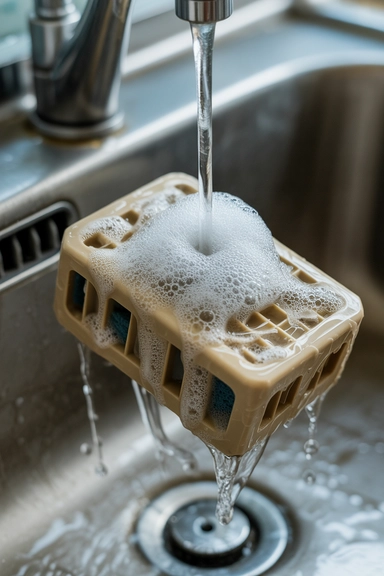
The dish or holder your sponge sits in next to the sink stays permanently damp, collects food debris from every sponge placed on it, and gets cleaned almost never. It is usually one of the dirtiest objects in the kitchen by a significant margin.
Wash it in hot soapy water weekly. If it is dishwasher safe, run it on the hottest cycle available. Dry it completely before putting a sponge back on it because a wet holder recontaminates a clean sponge within hours.
Plastic sponge holders go porous after a few months of use. Replace them when they start to feel rough to the touch.
The Overnight Soak Method
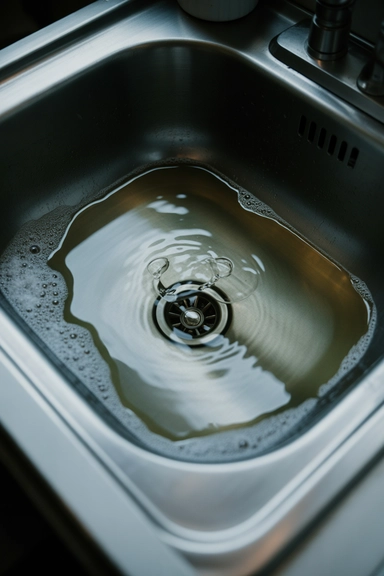
This one requires no effort during the cleaning time itself. Fill the sink basin with warm water, add half a cup of white vinegar and two tablespoons of dish soap, and leave it overnight.
Drain it in the morning and wipe the basin with a soft cloth. The extended soak loosens every layer of buildup that quick scrubbing sessions leave behind. Mineral deposits, soap scum, and food residue all release from the surface with almost no physical effort after soaking that long.
Once a month is enough. The daily dish soap scrub keeps things manageable between overnight soaks without ever requiring hard scrubbing.
Drying the Sink After Every Use
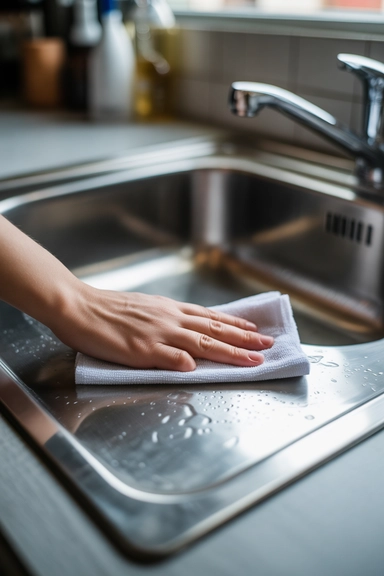
Every hack on this list works better on a sink that stays dry between uses. A wet sink redeposits minerals, grows bacteria faster, and turns light buildup into hard deposits within days. None of that happens on a dry surface.
Fifteen seconds with a cloth after washing dishes. That is the whole habit. It extends the results of every cleaning method here and prevents the buildup cycle from restarting immediately after a clean session.
This is the one change that made more difference to my sink than any product or method I have ever tried. A dry sink after every use is the reason the other 14 hacks on this list stay effective longer than they would otherwise.
Final Thoughts on Kitchen Sink Cleaning Hacks
The basin is the least important part of sink cleaning. The drain rim, faucet base, seam, splash guard underside, and sponge holder accumulate more bacteria and residue than the sink surface itself, and cleaning the visible parts while ignoring those spots produces a sink that looks acceptable but smells wrong.
Dry the sink after every use. Scrub the drain rim weekly with a toothbrush. Address the seam. Those three habits alone change how a kitchen smells within a week.
Everything else on this list is maintenance. Those three are the foundation.
FAQ About Kitchen Sink Cleaning Hacks
How do I get rid of black buildup around the kitchen drain? Black buildup around a drain is oxidized food residue, grease, and bacteria packed into the gap between the drain fitting and the sink surface. Scrub the rim directly with a toothbrush and baking soda paste, working the bristles under the rim edge. For buildup inside the drain opening, pour baking soda followed by vinegar, leave it 15 minutes, then flush with boiling water. Repeat weekly until fully cleared, then maintain monthly.
Why does my kitchen sink still smell after I clean it? The smell is almost never coming from the basin surface. Check the underside of the garbage disposal splash guard, the seam where the sink meets the counter, and the drain rim itself. Those three spots produce persistent odor that no amount of basin scrubbing addresses. Clean all three specifically and the smell goes within a day or two.
Is bleach safe to use on a kitchen sink? Bleach sanitizes stainless steel but damages composite granite and yellows porcelain with repeated use. Never mix bleach with vinegar or any other acid because the combination produces toxic chlorine gas. For most sink materials, baking soda, dish soap, and white vinegar used correctly achieve equivalent results without the material risks.
Sarah Mitchell’s Take
Most people spend their sink cleaning time on the part that needs it least. The basin looks dirty so that is where the scrubbing goes. Meanwhile the seam, the drain rim, and the faucet base sit there building up for months without anyone touching them directly. Spend your next sink cleaning session ignoring the basin entirely and targeting just those three spots. The difference in how the sink smells afterward will tell you everything you need to know about where the actual problem was living.