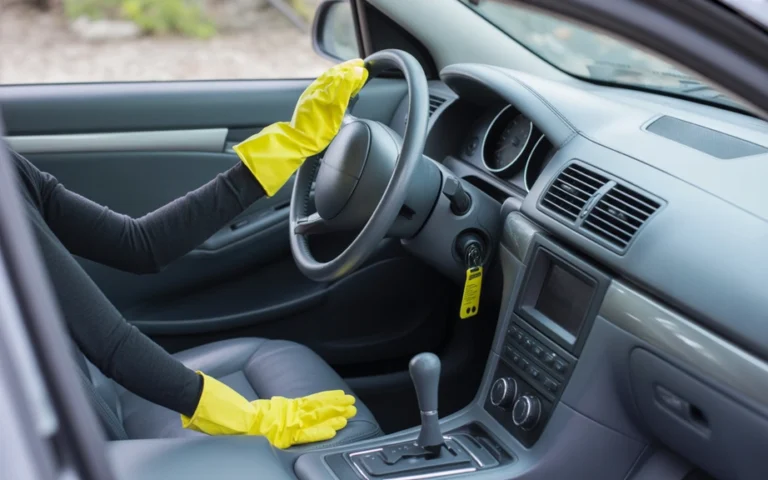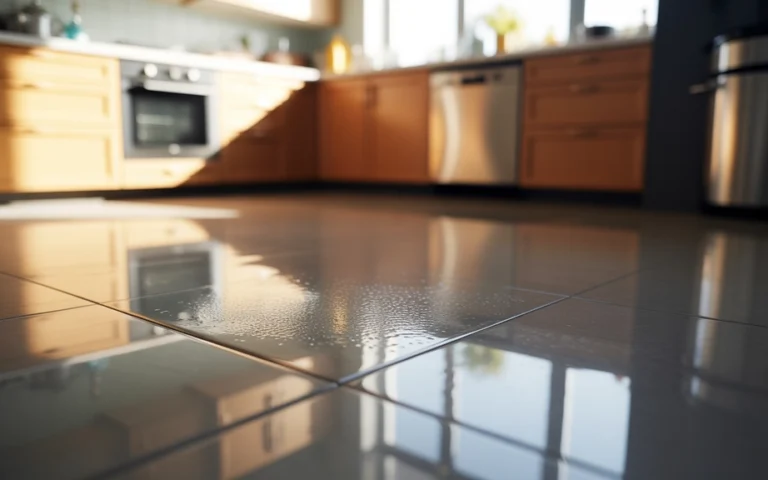

My neighbor called me over last year because her kitchen cabinets above the stove looked almost brown. She thought the finish had changed color. It hadn’t. That was just two years of cooking grease sitting on top of white painted wood. We spent about 40 minutes cleaning kitchen cabinets using stuff from under her sink and she genuinely could not believe it was the same cabinet.
That’s kind of why I wanted to write this. People either totally ignore kitchen cabinet cleaning or completely overthink it. Neither works. Let me just tell you what actually does.
Quick Answer: How Do You Remove Grease From Kitchen Cabinets?
Dish soap and warm water. Seriously, that’s the answer for most greasy kitchen cabinets. Mix a few drops into a bowl, wipe with a microfiber cloth, rinse it off, dry it. Done. If the grease has been sitting there for months and hardened, baking soda paste left on for 5 minutes before scrubbing handles it. Those two kitchen cabinet cleaning hacks cover probably 90% of what people actually deal with.
The rest of this article is for the other 10%. The burnt-on grease above the stove, the sticky cabinet handles that never feel clean, the glass panels that streak no matter what you use. Keep reading if any of that sounds familiar.
Why Your Cabinets Are Greasy And It’s Not Really Your Fault
Here’s something most people don’t realize. You could be the cleanest cook in the world and your kitchen cabinets would still get greasy. When oil heats up in a pan, tiny particles go airborne. They float around the kitchen and land on every surface they can find. Walls, countertops, cabinet doors. All of it.
The kitchen cabinets directly above and beside your stove get hit the hardest. That’s just physics. But the handles on every cabinet collect grease too, because hands that have touched butter or oil or literally just food go straight to those handles dozens of times during cooking.
I usually notice the worst buildup right around the handle area first. That slightly darker ring where people grab the door. If you run your finger across it and it feels even slightly tacky, grease has already built up enough to start trapping dust. That’s when greasy kitchen cabinets really start looking dirty fast.
What You Actually Need to Clean Kitchen Cabinets
Forget expensive kitchen degreasers for now. The best cabinet cleaning solutions cost almost nothing and are already in your home.
You need dish soap, warm water, baking soda, white vinegar, a microfiber cloth or two, an old soft toothbrush, and a soft sponge. If you have wood cabinets specifically, coconut oil and Murphy Oil Soap are worth having around. For glass panels, a proper glass cleaner makes a real difference over regular spray.
That’s genuinely it. Everything else is optional.
Vacuum First. Always Vacuum First.
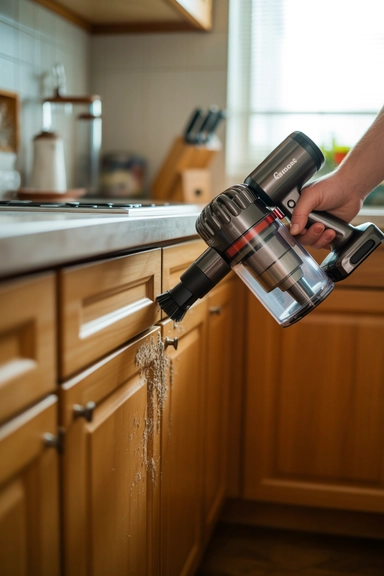
I cannot stress this enough because it’s the mistake I see most often when people try to clean kitchen cabinets. They grab a wet cloth and start wiping straight away. What happens is the moisture mixes with the loose dust sitting on the cabinet surface and you end up smearing a grey muddy film everywhere. It looks worse than before you started and it’s genuinely demoralizing.
Spend two minutes with a handheld vacuum and a brush attachment before anything wet touches the cabinet. Hit the hinge corners, the top edges of the doors, behind and around the handles. Those spots collect fine dust that is completely invisible until you wet it and suddenly it’s everywhere.
If you don’t have a handheld vacuum, a dry microfiber cloth works fine. The point is just to get the loose dry stuff off first so your cabinet cleaning solution hits grease instead of dust.
Dish Soap and Warm Water for Everyday Grease
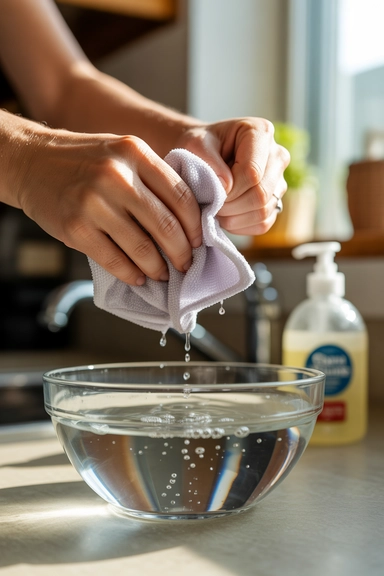
This is genuinely the workhorse method for cleaning greasy kitchen cabinets and it surprises people how well it works. Dish soap exists to dissolve cooking oil. That’s its whole job. So applying it to cabinet doors covered in cooking oil makes complete sense even if it feels too basic.
A few drops in a bowl of warm water is all you need. Dip a microfiber cloth in, wring it out until it’s damp not wet, and wipe the cabinet doors in circular motions. Spend more time on the handles and the edges near the stove because that’s where the grease is actually concentrated.
Here’s the thing people mess up though. They forget to rinse. If you leave soap residue on kitchen cabinets it dries and creates a faint film that attracts more dust and grease back. Always go back over with a clean damp cloth to pick up the soap, then dry with a soft cloth. Takes an extra minute and makes a real difference to the final result.
Baking Soda Paste for Stubborn Grease
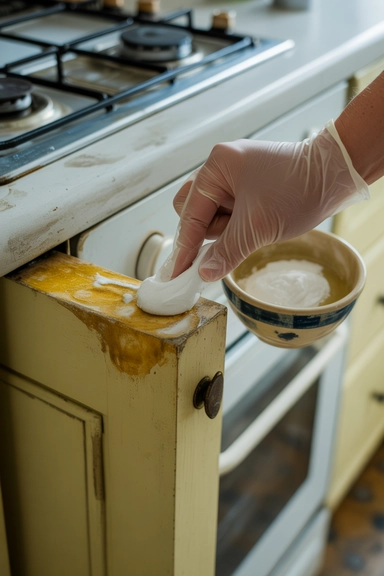
There’s a specific kind of cabinet grime that dish soap just slides off. It’s that hardened yellowish layer, almost waxy, that builds up near the stove when grease has been cooking onto the same surface for months. If you want to remove grease from kitchen cabinets that has dried and hardened, baking soda paste is what you reach for.
Mix baking soda with just enough water to make a thick paste. Something close to toothpaste in consistency. Spread it directly onto the stained area and then walk away for five minutes. The paste needs time to soften the hardened grease before you start scrubbing or you’re just moving it around.
Come back and work it gently with a soft sponge in small circles. For the tight corners around hinges or decorative grooves in the cabinet door, an old toothbrush gets in there without scratching anything. On lighter colored kitchen cabinets this step produces pretty dramatic results. You can actually see the grease lifting off.
Baking soda is one of those ingredients that works on almost every surface in your home. If you want to see just how far you can take it beyond cabinets, check out these baking soda cleaning hacks every homeowner should know.
White Vinegar for Fingerprints That Won’t Quit
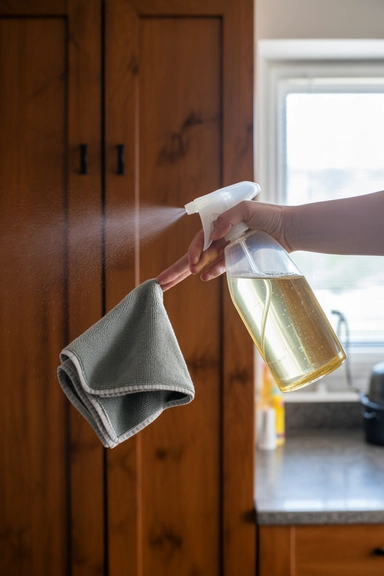
Some kitchen cabinet finishes, especially darker ones or anything with a gloss finish, show fingerprints basically the moment you look at them. Dish soap handles them fine but white vinegar does a slightly better job on the oily residue that comes from hands specifically.
Mix equal parts white vinegar and warm water in a spray bottle. Spray it onto a cloth rather than directly onto the cabinet and hold the cloth against the fingerprint area for about a minute. Then buff it away. The acidity in the vinegar breaks down the skin oil in the fingerprint more effectively than soap alone does on kitchen cabinet surfaces.
Now I want to be straight with you here. Vinegar is not safe on every cabinet type. On natural wood, painted finishes, or anything waxed, regular vinegar use will eventually damage the surface. Use it occasionally, not as your main kitchen cabinet cleaning method, and always test a hidden spot first.
Olive Oil and Vinegar Mix for Wood Cabinets That Look Tired
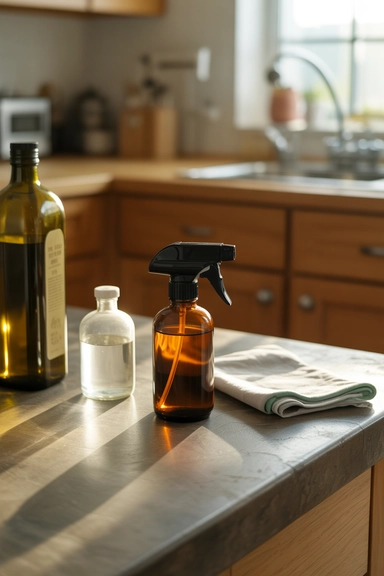
This kitchen cabinet cleaning hack gets a skeptical reaction from almost everyone the first time they hear it. Putting oil on cabinets that are already greasy sounds genuinely backwards. But there’s real logic behind it.
Mix 4 tablespoons of white vinegar with 2 tablespoons of olive oil and 2 cups of warm water in a spray bottle. Shake it well before each spray because the oil separates from the water as it sits. Spray onto the cabinet door, give it 2 to 3 minutes, then wipe off with a soft cloth.
What happens is the vinegar deals with the surface grease while the olive oil conditions the wood underneath. The result is not just clean kitchen cabinets but genuinely restored looking ones. Old wood cabinets that have gone flat and dull come back looking like they have some life in them again. I used this on cabinets in a house I was helping renovate and the owner thought I had refinished them. I had not. Just this spray and a microfiber cloth.
Baking Soda and Lemon for Tough Stains
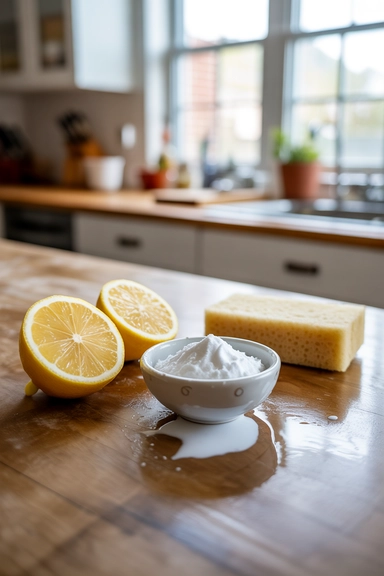
When the basic baking soda paste is not quite getting through a particularly stubborn stain on your kitchen cabinets, adding lemon juice gives it a significant boost. The lemon adds acidity that helps break down grease differently than baking soda alone does.
Mix equal parts baking soda and lemon juice with twice as much warm water. Pour it into a spray bottle and apply it to the problem area. Leave it for 2 to 3 minutes before going in with a soft sponge. Rinse thoroughly with clean water and dry straight away.
The practical bonus here beyond cleaning kitchen cabinets is that the kitchen smells genuinely good afterward. Not like cleaning products. Like actual lemons. Small thing but when you’re spending time cleaning it’s a nice detail.
This same baking soda and lemon combination works brilliantly on bathroom grout and tile buildup too. These bathroom tile cleaning hacks use the exact same natural ingredients you already pulled out for your cabinets.
Coconut Oil and Baking Soda for Really Built Up Grime
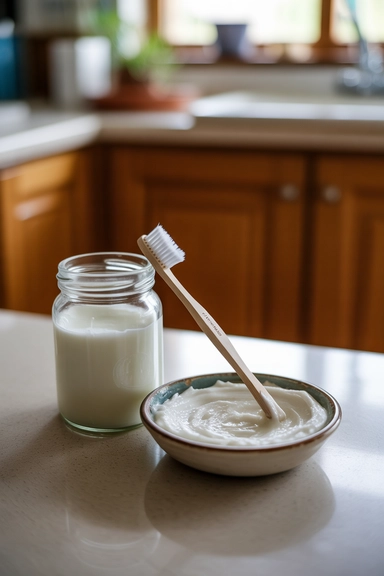
This is the method that converted me completely on the idea of cleaning grease from cabinets using oil. I was skeptical the first time someone suggested it. Then I tried it on a kitchen cabinet above a stove that had not been properly cleaned in what looked like years and I was genuinely shocked.
Mix 1 part coconut oil with 2 parts baking soda into a paste. Work it into the cabinet surface with a cloth or honestly just your gloved fingers because you get better coverage that way. The paste gets into the texture of the wood and starts pulling the grease out rather than just pushing it around.
Use a toothbrush on the corners and the grooves around handles. Then wipe away with a soft cloth and clean up with a damp cloth afterward. Use coconut oil rather than vegetable oil for this kitchen cabinet cleaning hack because vegetable oil oxidizes and after a few weeks your cabinets will smell rancid. That is not a fun problem to deal with.
Murphy Oil Soap for Real Wood Cabinets
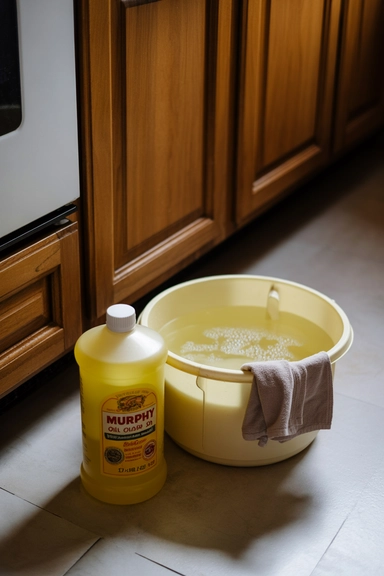
If your kitchen cabinets are solid wood, Murphy Oil Soap is genuinely worth keeping around. Most cleaners strip the surface clean but leave wood looking flat and dry. Murphy Oil Soap cleans and conditions at the same time which makes a visible difference on real wood kitchen cabinets specifically.
Add it to warm water following the label and wipe down with a damp cloth. Then rinse with a second cloth and clean water. The rinse step matters here just as much as it does with dish soap. Residue left on the surface will dull the cabinet finish.
Honest note: the smell is strong. Citronella, quite intense, and it lingers longer than you expect. It does go away but if you are sensitive to smells it’s worth opening windows before you start cleaning kitchen cabinets with this method.
Ammonia and Water for the Heaviest Grease
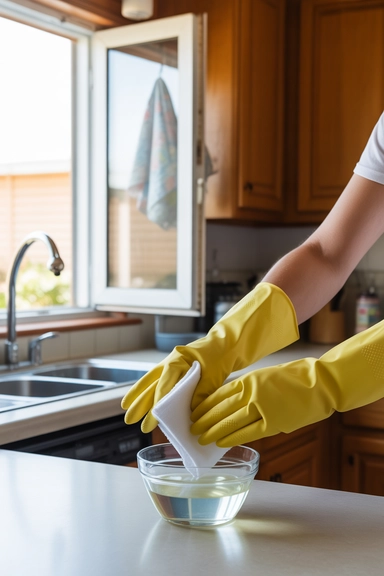
This method is not for everyday kitchen cabinet cleaning. I want to be clear about that. Ammonia is genuinely powerful and it can damage cabinet finishes if you use it wrong. But for the really serious situations, the grease that has been cooking onto the same cabinet surface for years and feels almost like a coating rather than a layer of grime, it works when nothing else does.
Mix just 1 tablespoon of ammonia with 2 cups of water. Apply with a cloth and keep contact time under two minutes. Do not let it sit longer and do not scrub hard. Rinse thoroughly afterward.
Open windows, run your extractor fan, and ventilate properly while using it. This is a twice yearly deep clean option for greasy kitchen cabinets at most, not a regular go-to.
Glass Cleaner for Cabinet Glass Panels
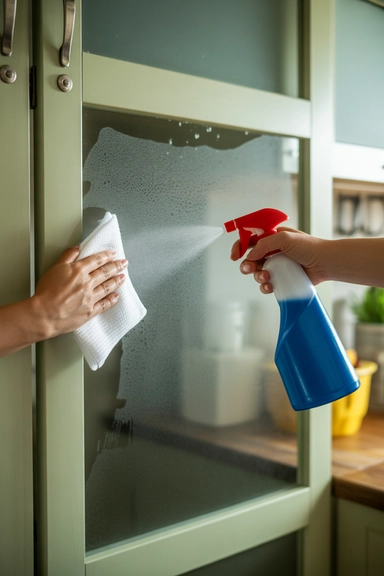
Glass cabinet panels are their own category entirely when it comes to kitchen cabinet cleaning. Regular cloths and spray just redistribute the fingerprints and cooking film rather than removing them, which is why dedicated glass cleaner makes such a noticeable difference here.
Spray onto a lint-free cloth rather than directly onto the glass to avoid getting cleaner on the surrounding wood frame. Wipe in smooth strokes across the panel. The spot that people consistently miss when cleaning kitchen cabinets with glass panels is the very edge where the glass meets the frame. Grease settles into that gap and then slowly spreads back across the panel after you clean it. Getting into that edge properly makes the clean last noticeably longer.
Buff dry with a clean microfiber cloth at the end for a streak free finish.
Polish With a Microfiber Cloth to Restore Shine
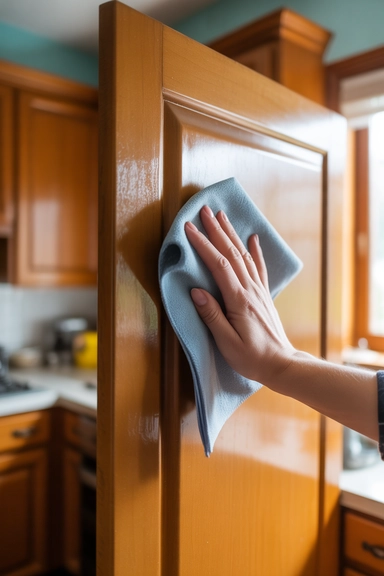
Cleaning removes grease from kitchen cabinets but it does not replace what the wood loses from repeated cleaning. A light polish after your kitchen cabinet cleaning session keeps the finish looking healthy rather than just clean.
Apply a small amount of wood polish or conditioner to a microfiber cloth and work it into the wood following the grain direction. Light pressure, even strokes. The microfiber distributes it without leaving patches.
This takes about 10 minutes for a full kitchen and genuinely extends how good the cabinets look between cleans. It also gives the surface a light protective layer that makes grease slightly easier to wipe off next time you clean kitchen cabinets.
Eraser for Scuff Marks on Cabinet Doors
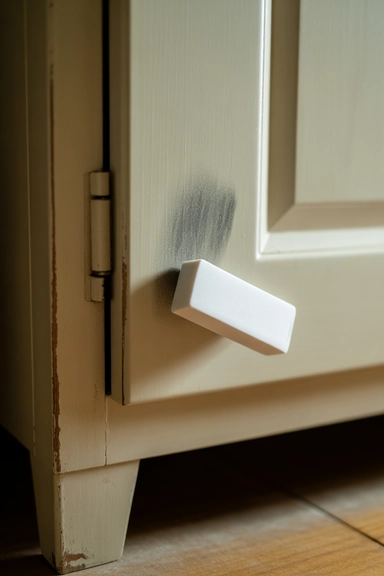
Nobody talks about this kitchen cabinet cleaning hack enough. Scuff marks on cabinet doors, usually around the base of lower cabinets or around handles, are surface marks not actual damage. They look bad but they come off easily.
Rub a clean soft eraser over the mark using light pressure. It lifts the scuff without touching the finish around it. Wipe the residue away with a damp cloth and follow with a small amount of wood polish to blend the area back in.
It genuinely works every time and takes about 30 seconds per mark.
Scuff marks show up on bedroom furniture and painted walls just as often as they do on cabinet doors. The same eraser trick works there too. These bedroom cleaning hacks for a fresh and organized room cover all of it.
Don’t Forget the Tops of Your Cabinets
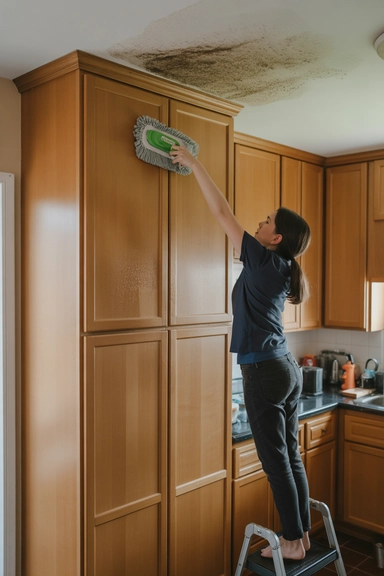
The tops of kitchen cabinets might be the most neglected surface in most homes when it comes to regular kitchen cabinet cleaning. Out of sight, completely forgotten, until the layer of grease and dust up there gets thick enough to be visible from the side or starts dripping down the cabinet face. I’ve seen it get genuinely bad in kitchens where it had never been addressed.
Attach a microfiber cloth to a Swiffer or long handled duster and run it along the top of each cabinet monthly. For anything that has already turned sticky, dampen the cloth lightly with your dish soap cabinet cleaning solution first. Dry the surface after so moisture does not sit up there.
Do it once a month and it stays a five minute job. Leave it for six months and cleaning kitchen cabinet tops becomes a real project.
Simple Habits That Keep Kitchen Cabinets Cleaner Longer
Reactive kitchen cabinet cleaning is always harder than staying a step ahead. A few small habits genuinely change how fast grease builds up on your cabinets:
These same quick habits work just as well in other rooms. If your bathroom needs the same treatment, these bathroom cleaning hacks for a fresh and sparkling home cover everything room by room.
- Turn your range hood on every single time you cook. Not just when things get smoky. Every time. It pulls airborne grease out of the kitchen before it lands on cabinet surfaces.
- Wipe your kitchen cabinet handles after cooking sessions. Thirty seconds with a damp cloth stops the oil from building up into that tacky layer.
- Clean splatters the same day they happen. Fresh grease wipes away in seconds. Week old grease on kitchen cabinets needs real effort.
- Use a splatter screen when frying. It keeps most of the oil contained before it reaches your cabinet doors.
- Lower cooking temperatures where the recipe allows. Hotter oil travels further when it splatters onto cabinet surfaces.
Which Cabinet Cleaning Solution Works on Which Cabinet Type
| Cabinet Type | Best Cleaner | What to Avoid |
|---|---|---|
| Painted wood | Dish soap and warm water | Bleach, abrasive scrubbers |
| Laminate | Dish soap and warm water | Too much moisture, abrasive pads |
| Natural wood | Diluted dish soap, dry fast | Soaking, leaving water sitting |
| Thermofoil | Mild dish soap only | Steam, very hot water |
| Glass panels | Glass cleaner, lint-free cloth | Paper towels which leave lint |
How Often Should You Actually Be Cleaning Kitchen Cabinets
Honestly it depends on how much you cook and what you cook. Someone who fries food four times a week needs to clean kitchen cabinets more often than someone who mostly uses the oven. As a general guide that works in most homes:
Every week or two, wipe the handles and the kitchen cabinet doors nearest the stove. Takes five minutes.
Once a month, do a full kitchen cabinet cleaning session covering all doors, frames, glass panels, and the tops.
Every few months, do a proper deep clean with baking soda paste or the coconut oil method on any greasy kitchen cabinets where residue has built up and hardened.
Stay on top of the quick regular wipe and the monthly clean almost never takes more than 20 minutes total.
Frequently Asked Questions About Cleaning Kitchen Cabinets
Q: What is the best cleaner for greasy kitchen cabinets?
Dish soap mixed with warm water is the most reliable option for everyday grease. It cuts through cooking oil without damaging most cabinet finishes. For grease that has dried and hardened, a baking soda paste or the coconut oil and baking soda combination delivers better results than dish soap alone.
Q: Can you use vinegar on all types of kitchen cabinets?
No, and this is where a lot of people go wrong. Vinegar is acidic enough to gradually damage painted surfaces, waxed finishes, and natural wood cabinets with regular use. It works well occasionally on certain surfaces but always test a small hidden area first. Dish soap is the safer daily option for most cabinet types.
Q: Do you need to rinse cabinets after cleaning?
Yes, always. Soap residue left sitting on cabinet surfaces attracts dust and grease right back, which means your cabinets get dirty again faster. Vinegar residue can also gradually dull a finish if you leave it to dry. A quick wipe with a clean damp cloth after cleaning takes an extra minute and makes the results last noticeably longer.
Q: What is the safest cleaner for painted kitchen cabinets?
Dish soap and warm water applied with a soft microfiber cloth. Painted cabinet finishes scratch more easily than most people expect, so gentle pressure matters. Avoid anything acidic like vinegar or anything abrasive like baking powder scrubs on painted surfaces.
Q: How do you get sticky residue off kitchen cabinets?
Make a baking soda and water paste, apply it directly to the sticky area, and leave it for 5 minutes before working it gently with a soft sponge or toothbrush. For wood cabinets specifically, the coconut oil and baking soda combination works better on residue that has built up in layers because the oil breaks down the grease from underneath rather than just scrubbing the surface.
Q: How do I stop grease from building up on my kitchen cabinets so fast?
Three habits make the biggest difference. Run your range hood every single time you cook, not just when things get smoky. Wipe your cabinet handles with a damp cloth after cooking sessions. Clean visible splatters the same day they happen before they dry and harden. Those three things alone reduce how often you need a proper kitchen cabinet cleaning session by a significant amount.
Q: Is baking soda safe on all cabinet finishes?
On most painted, laminate, and solid wood cabinets it is safe when used gently with a soft cloth. On high gloss or delicate finishes it is worth testing a small hidden area first. The key word is gently. Baking soda is mildly abrasive so light pressure with a soft cloth is fine but scrubbing hard on any finish will cause damage regardless of what you use.
Q: How often should you clean kitchen cabinets?
It depends on how much you cook. A quick wipe of handles and stove-adjacent doors every one to two weeks takes five minutes and stops grease from hardening. A full kitchen cabinet cleaning session covering all doors, frames and glass panels once a month keeps everything looking consistently clean. A deep clean with baking soda paste every three to six months handles anything that has built up despite the regular wipes.
Final Thoughts on Kitchen Cabinet Cleaning
Cabinet cleaning does not need to be complicated. Dish soap handles most of the grease on kitchen cabinets. Baking soda handles the rest. The kitchen cabinet cleaning hacks above cover everything from light fingerprints to years of baked on grease above a stove.
The biggest thing I’d actually tell someone is just don’t wait too long between cleans. Fresh grease on kitchen cabinets takes 30 seconds to wipe off. Grease that has been sitting for six months takes 30 minutes and three different methods. Staying ahead of it is genuinely the whole secret.
Pick one kitchen cabinet cleaning hack from this list and try it today. Your cabinets will look different by tonight and that’s not an exaggeration.