
Introduction
I bought my first large bottle of hydrogen peroxide for cleaning by accident. I grabbed it instead of rubbing alcohol at the pharmacy and decided to test it on a mold stain in my bathroom grout before returning it. The stain disappeared in eight minutes without scrubbing. That was four years ago and I have not bought a single bottle of bleach-based bathroom cleaner since. Hydrogen peroxide cleans, disinfects, removes stains, and kills mold through oxidation rather than harsh chemical corrosion, which means it does the same jobs as bleach without the fumes, the skin irritation, or the damage to surfaces and fabrics. If you want more natural cleaning methods that deliver professional results, these Baking Soda Cleaning Hacks That Save Money and Scrub Smarter pair perfectly with everything in this list.
Hydrogen Peroxide Kills Bathroom Mold Without Bleach Fumes
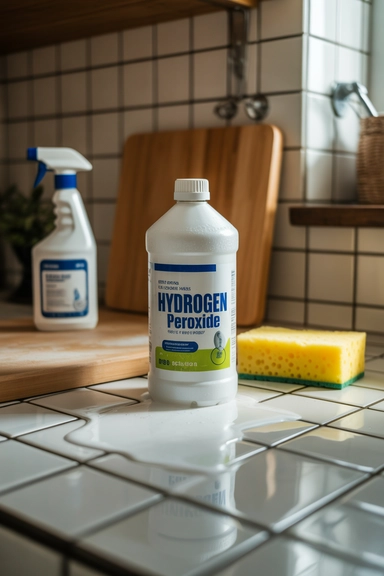
Bathroom mold on grout, caulk, and tile is one of the most common household cleaning problems and bleach is the instinct most people reach for. Bleach whitens the surface of mold colonies but research consistently shows it does not penetrate porous surfaces like grout deeply enough to kill the root structure.
Three percent hydrogen peroxide, the standard brown bottle available at any pharmacy, penetrates porous surfaces through its oxidizing action and kills mold at the root rather than just bleaching the visible surface. Spray it undiluted directly onto mold-affected grout or caulk and leave it for ten minutes without rinsing.
I treated black mold on the caulk line around my bathtub with hydrogen peroxide every week for three weeks. By the end of the third week the mold had not returned between treatments the way it always had when I used bleach. The oxidizing action killed the spore structure rather than just the surface colony.
Cutting Board Disinfection Takes Two Minutes
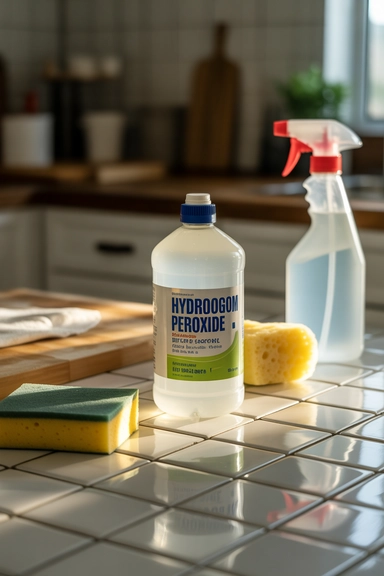
Kitchen cutting boards harbor bacteria in the knife score marks across the surface that soap and water do not fully reach. The grooves are narrow enough that water tension prevents full penetration and bacteria survive routine washing in those channels.
Spray three percent hydrogen peroxide undiluted across the entire cutting board surface after washing with soap and water. Let it sit for two minutes then rinse thoroughly. The hydrogen peroxide penetrates the knife grooves and oxidizes the bacterial cells living in them.
Wooden cutting boards benefit most from this treatment because wood is porous and absorbs organic material from food that plastic boards shed more easily. A two minute hydrogen peroxide treatment after every use involving raw meat genuinely reduces bacterial contamination in a way that soap alone cannot match.
Grout Whitening Without Commercial Bleach Products
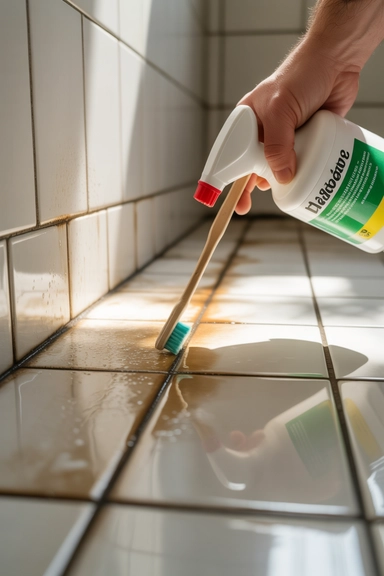
White or light colored grout discolors from foot traffic, cleaning product residue, and general organic buildup over time. Most commercial grout whitening products contain chlorine bleach at concentrations that degrade grout sealant and make the grout more porous with repeated use.
Spray hydrogen peroxide directly onto discolored grout lines and let it sit for fifteen minutes. The oxidizing action breaks down the organic compounds causing the discoloration without the chemical corrosion that bleach causes to grout sealant. Scrub lightly with a toothbrush after the dwell time and rinse with water.
For grout that has not been treated in a long time, apply hydrogen peroxide and cover the lines with plastic wrap to prevent evaporation during the dwell time. The extended contact under the plastic wrap produces noticeably better results than an open application on the same timeline.
Mattress Stain Removal Works on Old and New Stains
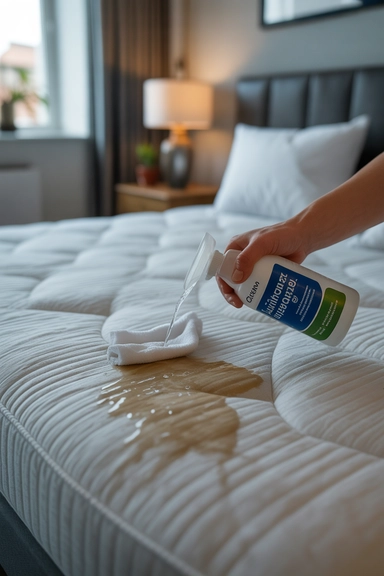
Mattress stains are difficult to treat because the mattress cannot be submerged or machine washed and most liquid cleaners soak deep into the foam interior where they are impossible to rinse and create mold conditions as they dry slowly.
Mix hydrogen peroxide with a small amount of dish soap and baking soda to form a slightly foamy paste. Apply it to the stain with a cloth, working it gently into the fabric without soaking the mattress interior. Leave it for thirty minutes then blot away with a dry cloth and let the mattress air dry completely before remaking the bed.
The hydrogen peroxide oxidizes the organic compounds in body fluid stains, the baking soda absorbs moisture and odor, and the dish soap lifts the loosened stain to the surface where the cloth can remove it. I have used this on a mattress stain that had been set for over a year and reduced it to nearly invisible in two treatments.
Toilet Bowl Cleaning Without Harsh Chemical Tablets
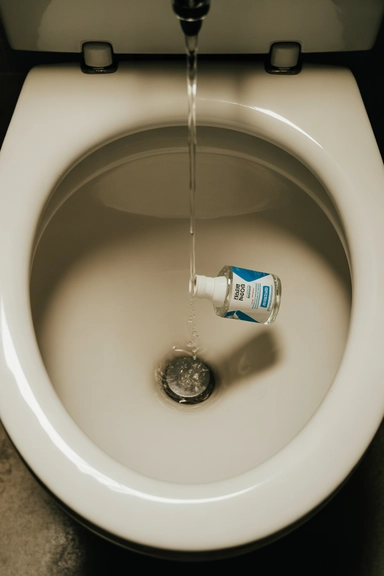
Toilet tank tablets containing bleach or chemical cleaners damage rubber seals and metal components inside the tank over time, leading to flush mechanism failures that cost significantly more to repair than the tablets saved in cleaning effort.
Pour half a cup of hydrogen peroxide directly into the toilet bowl and let it sit for thirty minutes before scrubbing with a toilet brush and flushing. The oxidizing action kills bacteria and breaks down organic staining in the bowl without any chemical contact with the tank components.
Do this weekly as a maintenance treatment and monthly add a toothbrush scrub of the underside of the rim where bacteria and mineral deposits accumulate in the jet holes that most toilet brushes never reach.
Refrigerator Interior Disinfection After Spills
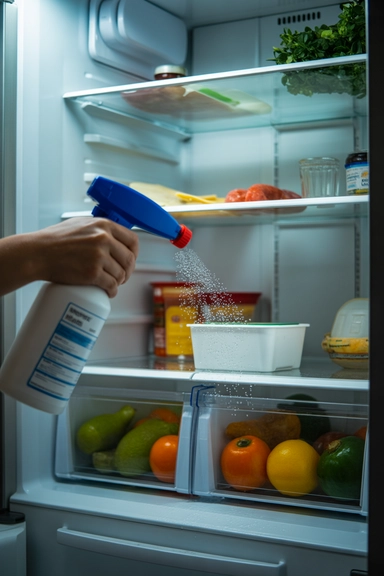
Food spills in the refrigerator create bacterial contamination on shelves and walls that persists through multiple wipe-downs with water alone because the cold temperature slows but does not eliminate bacterial growth. A hydrogen peroxide treatment after any significant spill resets the contamination level.
Spray three percent hydrogen peroxide onto refrigerator shelves and interior walls after removing any visible spill residue with a damp cloth. Let it sit for five minutes then wipe away with a clean cloth. The hydrogen peroxide breaks down at refrigerator temperatures more slowly than at room temperature which actually extends its contact time and effectiveness inside the cold environment.
For a complete room by room deep cleaning system that covers the refrigerator and every other appliance and surface in your kitchen, these Deep Cleaning Hacks That Work in Every Room of Your Home give you a structured framework worth following alongside these hydrogen peroxide methods.
Laundry Stain Removal on White Fabrics
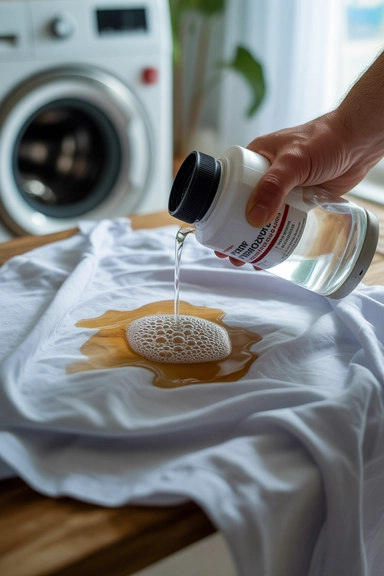
Hydrogen peroxide is a color-safe bleach alternative on white and very light colored fabrics that removes organic stains including blood, sweat, wine, and food without the fabric damage that chlorine bleach causes with repeated use.
Apply hydrogen peroxide directly to the stain on white fabric and let it sit for ten minutes before washing normally. For set stains that have been through the dryer, apply hydrogen peroxide and cover with plastic wrap for thirty minutes to extend the dwell time before washing. The heat from drying sets stains chemically and they need longer oxidizing time to break down.
Never use hydrogen peroxide on colored or dark fabrics without testing on a hidden seam first. The oxidizing action that removes stains from white fabric will also strip dye from colored fabric with the same efficiency.
Kitchen Sponge Sanitization Extends Usable Life
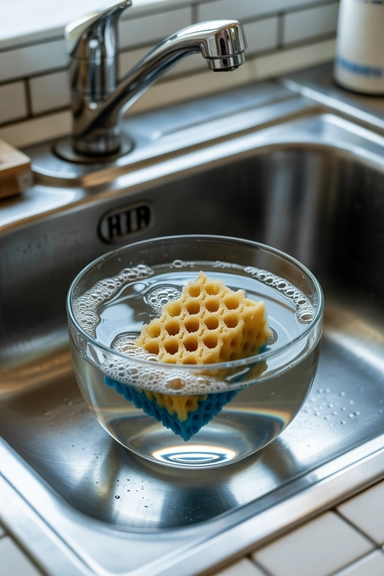
Kitchen sponges harbor more bacteria per square inch than almost any other household surface because the porous foam interior stays moist and warm and provides ideal bacterial growing conditions between uses.
Soak a kitchen sponge in undiluted hydrogen peroxide for ten minutes then rinse thoroughly with water. The hydrogen peroxide penetrates the foam interior and oxidizes bacterial colonies throughout the sponge rather than just on the surface the way spray sanitizers do.
This treatment extends sponge usable life by several days between replacements when done every two days. It does not make old sponges permanently safe but it significantly reduces the bacterial load between the regular replacement schedule.
Tile Grout Seam Caulk Restoration in Bathrooms
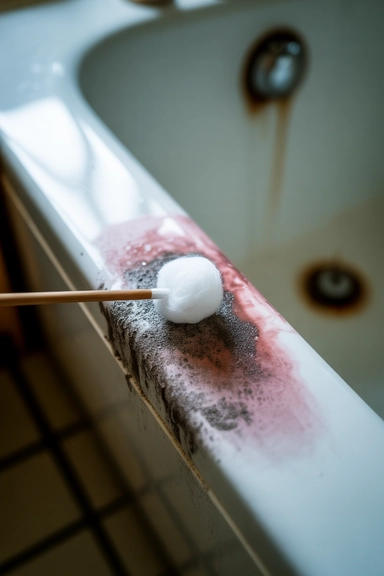
The caulk seam where tile meets the bathtub or shower floor develops pink and black mold staining that cleaning sprays struggle to fully remove because caulk is non-porous and spray cleaners bead off the surface before they can work.
Saturate a cotton ball with hydrogen peroxide and press it directly against the stained caulk seam. Leave the cotton ball in place for thirty minutes, replacing it with a fresh saturated one if it dries out before the time is up. The direct contact and extended dwell time allows the oxidizing action to work through the surface staining.
| Surface | Concentration | Contact Time | Frequency |
|---|---|---|---|
| Bathroom grout | 3% undiluted | 10 to 15 minutes | Monthly |
| Cutting boards | 3% undiluted | 2 minutes | After each raw meat use |
| Mattress stains | 3% with dish soap paste | 30 minutes | As needed |
| Toilet bowl | 3% undiluted | 30 minutes | Weekly |
| White laundry | 3% undiluted | 10 minutes | As needed |
| Kitchen sponges | 3% undiluted | 10 minutes | Every 2 days |
| Caulk seams | 3% undiluted cotton ball | 30 minutes | Monthly |
Produce Washing Removes Pesticide Residue
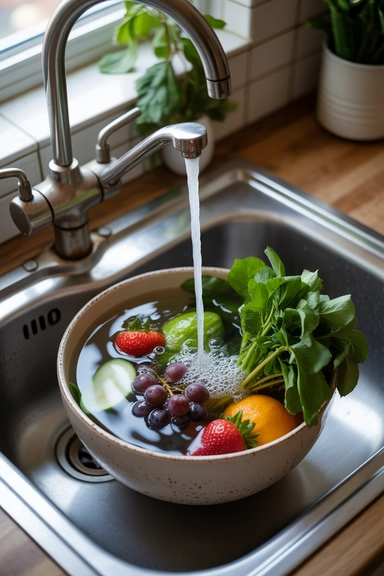
Rinsing fruits and vegetables under running water removes surface dirt but does not effectively remove pesticide residue or reduce bacterial contamination on the surface. A hydrogen peroxide wash addresses both.
Fill a clean sink or bowl with cold water and add half a cup of three percent hydrogen peroxide. Submerge produce for five minutes then rinse thoroughly under running water before eating or storing. The oxidizing action breaks down pesticide compounds on the surface and kills surface bacteria simultaneously.
This is particularly useful for produce with textured surfaces like strawberries, grapes, and leafy greens where pesticide residue and bacteria concentrate in the surface texture and running water alone cannot reach.
Wood Cutting Board Odor Removal
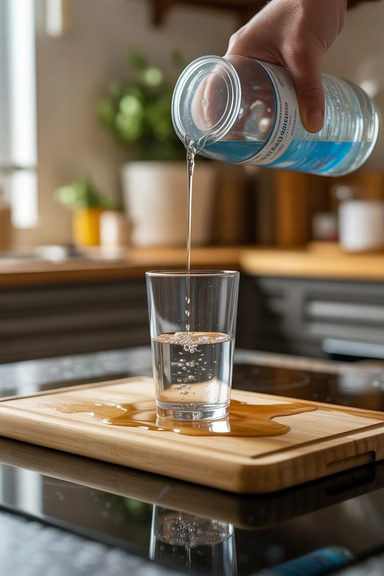
Wooden cutting boards absorb food odors into the wood grain over time and develop a persistent smell that washing does not address because the odor compounds are embedded in the wood fibers rather than sitting on the surface.
Pour hydrogen peroxide directly onto the board surface and let it fizz for five minutes. The fizzing indicates the oxidizing reaction is breaking down the organic odor compounds in the wood grain. Wipe away and let the board dry completely in a vertical position so both faces dry evenly and the wood does not warp from uneven moisture exposure.
Follow the hydrogen peroxide treatment with a light coating of food-grade mineral oil once the board is completely dry. The oil conditions the wood and creates a barrier that slows future odor absorption into the grain.
Shower Curtain Mold Removal Without Machine Washing
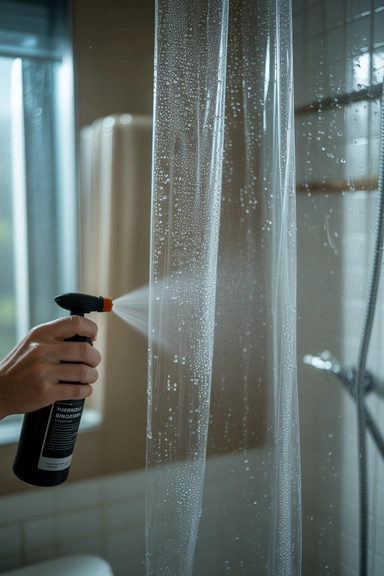
Plastic and vinyl shower curtains develop mold spots along the bottom edge and lower panel where water sits after every shower. Most people machine wash the curtain when mold appears but the mold returns within weeks because the spores embedded in the plastic are not fully eliminated by washing.
Spray hydrogen peroxide undiluted across all mold-affected areas of the curtain while it hangs in place. Leave it for ten minutes then wipe with a damp cloth and allow the curtain to dry fully with it spread open rather than bunched to one side.
Spreading the curtain fully open after every shower is the prevention step that eliminates the damp bunched environment where mold grows. Combined with a monthly hydrogen peroxide treatment it keeps a shower curtain mold-free between replacements indefinitely.
Dishwasher Interior Cleaning Between Cycles
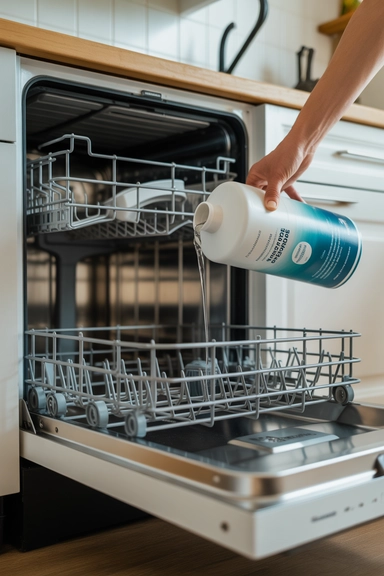
Dishwasher interiors develop a film of food residue, grease, and mineral deposits on the spray arms, door seal, and interior walls that reduces cleaning performance over time. Most people do not clean the dishwasher interior because it cleans itself during every cycle. It does not.
Pour one cup of hydrogen peroxide into the bottom of an empty dishwasher and run a full hot cycle. The hydrogen peroxide distributes through the spray arms and reaches every interior surface during the cycle, oxidizing grease film and food residue that the regular wash cycle moves around without removing.
Do this monthly alongside wiping the door seal manually with a hydrogen peroxide-soaked cloth. The door seal collects trapped food debris in its folds that the spray arms never reach during a normal cycle.
Deodorizing Trash Cans After Emptying
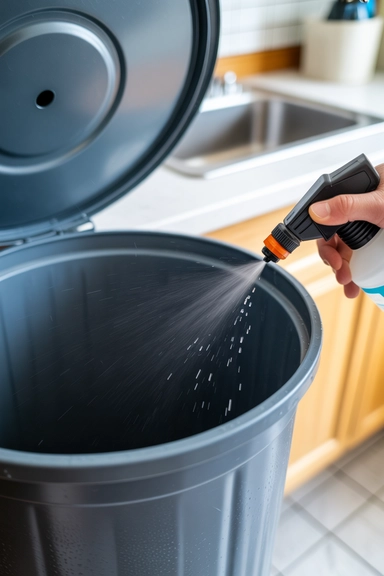
Trash cans develop a persistent sour smell from organic residue that accumulates on the interior walls and bottom even when liners are used consistently. Rinsing with water distributes the residue without removing it.
Spray undiluted hydrogen peroxide across the interior of an empty trash can after removing the liner and let it sit for five minutes. Wipe with a cloth or rinse with water and let the can dry completely before inserting a new liner. The oxidizing action breaks down the organic residue causing the odor rather than masking it.
Add five drops of essential oil to the bottom of the can under the liner for ongoing deodorizing between treatments. The combination of hydrogen peroxide sanitizing and essential oil deodorizing keeps trash cans genuinely odor-free rather than temporarily masked.
Whitening Grout Permanently with a Sealer Finish
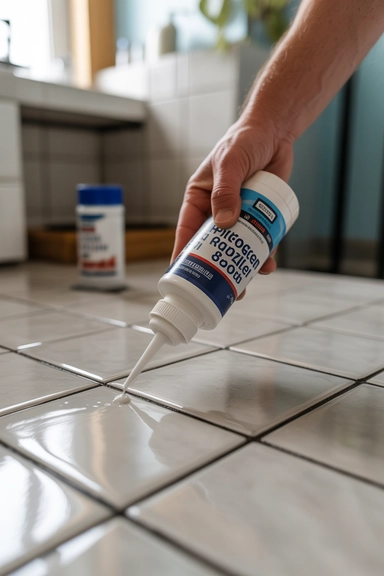
Hydrogen peroxide whitens grout through oxidation but the result lasts longer when followed immediately by a grout sealer application before the grout can reabsorb surface contaminants from the air and foot traffic.
Clean and whiten the grout thoroughly with hydrogen peroxide treatments, allow the grout to dry completely for twenty-four hours, then apply a penetrating grout sealer along every line. The sealer locks the whitened surface and prevents new staining from penetrating the grout structure.
Sealed grout whitened with hydrogen peroxide and maintained with a monthly spray treatment stays visibly lighter for twelve to eighteen months before needing a full retreat. Unsealed grout whitened with the same method returns to its previous color within four to six weeks regardless of how well it was cleaned.
Final Thoughts on Hydrogen Peroxide Cleaning Hacks
Hydrogen peroxide cleaning hacks work because oxidation is genuinely more effective than chemical corrosion for most household cleaning challenges. Bleach whitens surfaces without killing mold roots. Chemical drain cleaners dissolve some buildup while damaging pipes. Hydrogen peroxide breaks down organic matter at a molecular level without damaging the surfaces it cleans or the materials it contacts.
The three percent concentration available at any pharmacy is the correct strength for every hack in this list. Higher concentrations sold for industrial or cosmetic use are not more effective for cleaning and carry genuine skin and eye irritation risks that the standard pharmacy concentration does not.
Start with the cutting board disinfection and the bathroom grout treatment. Both produce visible results within minutes and will shift how you think about hydrogen peroxide from a wound cleaning product to a serious household cleaning tool.
FAQ About Hydrogen Peroxide Cleaning Hacks
Can you mix hydrogen peroxide with vinegar for a stronger cleaning solution?
Never mix hydrogen peroxide and vinegar in the same container. The combination creates peracetic acid, a corrosive compound that irritates skin, eyes, and lungs and damages surfaces. Using them sequentially on the same surface is safe and effective. Spray one, let it work, wipe it away, then apply the other. The sequential application gets the benefit of both without the chemical reaction that makes the mixture dangerous.
Does hydrogen peroxide expire and lose cleaning effectiveness over time?
Hydrogen peroxide degrades into water and oxygen when exposed to light, heat, and air, which is why it comes in opaque brown bottles. An unopened bottle stored correctly lasts up to three years. Once opened it loses approximately half its potency within six months regardless of storage conditions. Test the effectiveness of an older bottle by pouring a small amount onto a cut surface. Active hydrogen peroxide fizzes immediately on contact with organic material. If it does not fizz the solution has degraded too far to be effective for cleaning.
Is hydrogen peroxide safe to use around children and pets?
Three percent hydrogen peroxide is safe for use on surfaces in homes with children and pets once it has dried and any excess has been wiped away. It breaks down completely into water and oxygen as it dries leaving no toxic residue. Keep pets and children out of the area during application and for five minutes afterward while the active oxidizing reaction is occurring. Never apply it directly to pet skin or allow pets to ingest it as even dilute concentrations cause vomiting when swallowed by animals.
Sarah Mitchell’s Take
Four years of cleaning with hydrogen peroxide instead of bleach has changed one thing I did not expect. My cleaning days no longer give me a headache. I did not connect the headaches to bleach fumes for years because the ventilation in my bathroom seemed adequate and the smell was not overwhelming. Switching to hydrogen peroxide removed the fumes entirely and the headaches stopped within the first month. The cleaning results are equal or better on every surface I use it on. The health difference was something I did not anticipate and cannot imagine going back from.