
Introduction
I spent forty dollars on a bottle of lavender essential oil two years ago thinking it was purely for the diffuser. It sat on my shelf for six months before a friend told me she cleaned her entire bathroom with it. That conversation changed how I shop for cleaning supplies permanently. Essential oils cut grease, kill bacteria, repel insects, and deodorize surfaces without the harsh chemicals that were giving me headaches every cleaning day. If you want more natural cleaning methods that actually deliver results, these Baking Soda Cleaning Hacks That Save Money and Scrub Smarter pair well with every oil-based hack in this list.
Tea Tree Oil Disinfects Surfaces Without Harsh Chemicals
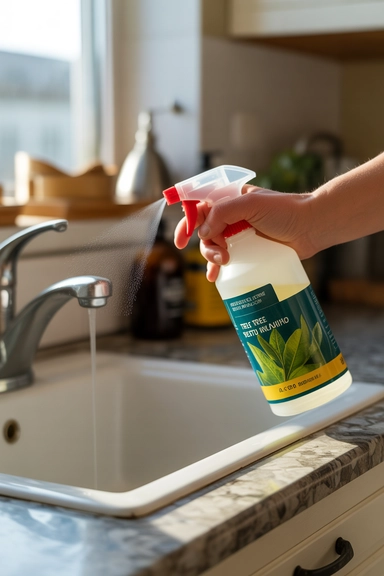
Most commercial disinfectants work through synthetic chemical compounds that leave residue and strong fumes. Tea tree oil disinfects through a natural compound called terpinen-4-ol, which damages bacterial cell walls without leaving any toxic residue behind.
Mix twenty drops of tea tree oil with two cups of water and one teaspoon of dish soap in a spray bottle. Use it on counters, bathroom sinks, toilet seats, and light switches. Let it sit for sixty seconds before wiping for full disinfecting effect.
I switched my kitchen counter spray to this mix eight months ago. My kitchen smells clean without the sharp chemical bite that used to linger for hours after cleaning.
Lemon Oil Cuts Through Grease on Stovetops
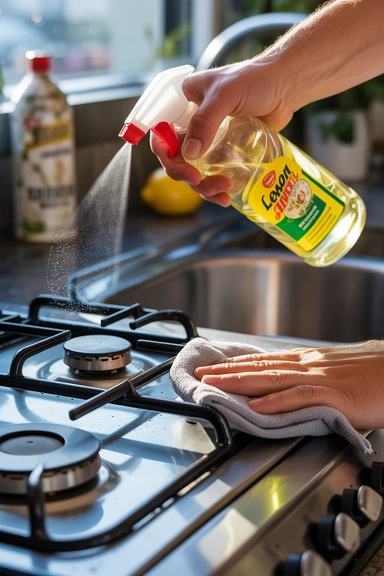
Grease on a stovetop bonds to surfaces fast and gets harder to remove the longer it sits. Most degreasers work but they also leave a chemical smell that can transfer to food cooked on the burners afterward.
Add fifteen drops of lemon essential oil to a spray bottle with one cup of white vinegar and one cup of water. Spray directly onto greasy stovetop surfaces and let it sit for three minutes before wiping with a microfiber cloth.
The d-limonene compound in lemon oil is a natural solvent that breaks down grease at the molecular level. I use this every week on my gas stovetop and it handles splatter from cooking without any scrubbing on fresh messes.
Peppermint Oil Keeps Ants and Spiders Out of the Kitchen
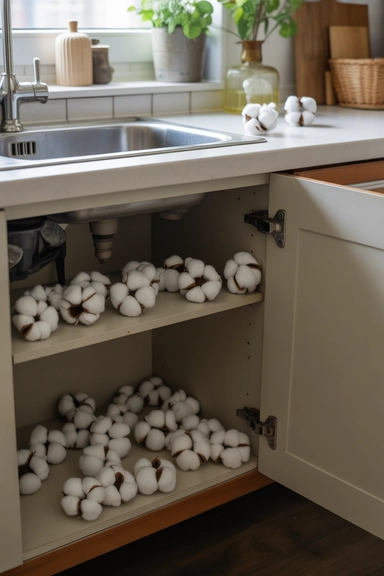
Insects navigate using scent trails. Peppermint oil disrupts those trails so effectively that ants and spiders avoid areas where it has been applied. This is not folklore. Pest control researchers have documented peppermint oil as a genuine insect deterrent.
Apply ten drops of peppermint essential oil to a cotton ball and place it in cabinet corners, under the sink, and along windowsills. Replace the cotton balls every two weeks as the scent fades.
My kitchen had a persistent ant problem every summer for three years. The second summer I used peppermint oil cotton balls in every cabinet corner, the ants stopped appearing entirely by the third week of treatment.
Eucalyptus Oil Removes Sticky Label Residue
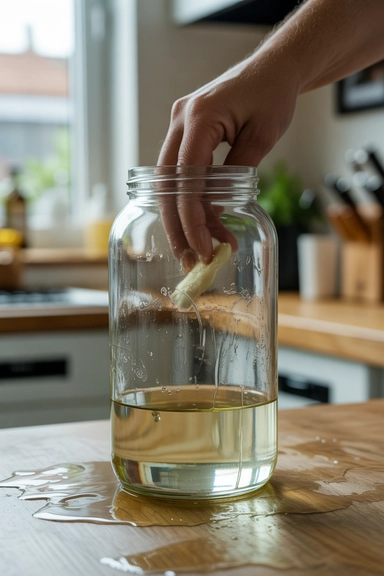
Sticker residue on jars, appliances, and furniture is one of those cleaning problems that most products either fail at completely or solve by leaving an oily patch behind. Eucalyptus essential oil dissolves adhesive cleanly.
Apply five drops directly onto the residue and let it sit for two minutes. Rub with a cloth in circular motions. The residue lifts without scratching the surface or leaving any oily patch behind because eucalyptus oil evaporates cleanly after the adhesive releases.
I tested this on a glass jar with particularly stubborn residue that had defeated cooking oil, rubbing alcohol, and a commercial adhesive remover. The eucalyptus oil cleared it in ninety seconds.
Lavender Oil Freshens Mattresses Between Washes
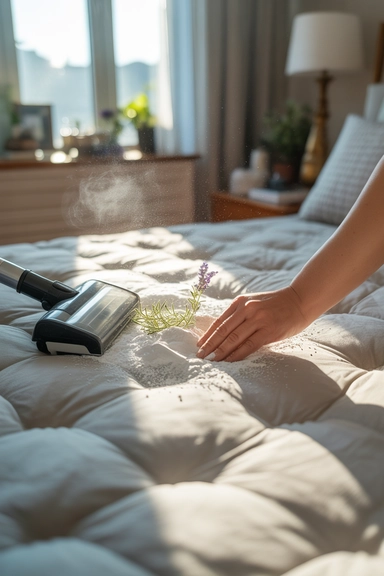
Mattresses absorb sweat, body oils, and odors over time and most people never clean them because the process seems complicated. Lavender essential oil makes mattress freshening a five minute job.
Combine fifteen drops of lavender oil with two tablespoons of baking soda and mix thoroughly. Sprinkle the mixture evenly across the mattress surface, let it sit for thirty minutes, then vacuum it up completely.
The baking soda absorbs moisture and odors while the lavender oil leaves a clean scent that fades within an hour to something subtle rather than overpowering. I do this every time I change my sheets and the bedroom smells noticeably fresher for days.
Orange Oil Polishes Wood Furniture Naturally
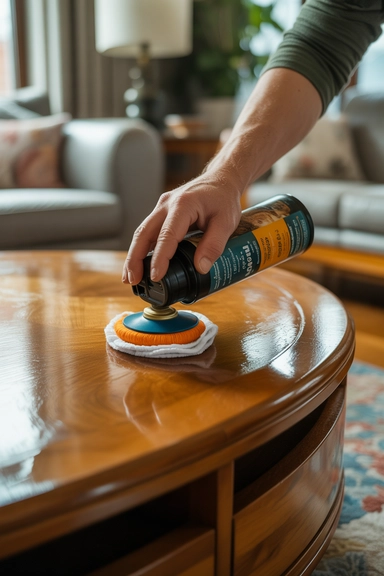
Commercial wood polish contains silicone compounds that build up over time and create a dull hazy film on furniture surfaces. Orange essential oil conditions wood and brings out the natural grain without any buildup.
Mix ten drops of orange essential oil with half a cup of olive oil and apply sparingly to wood furniture with a soft cloth. Buff in the direction of the grain and wipe away any excess. The wood absorbs what it needs and the rest buffs off cleanly.
I prefer this over every commercial wood polish I have tried because the result looks natural rather than plasticky. The orange scent fades within twenty minutes and leaves no chemical smell behind.
Clove Oil Kills Mold Spores on Bathroom Grout
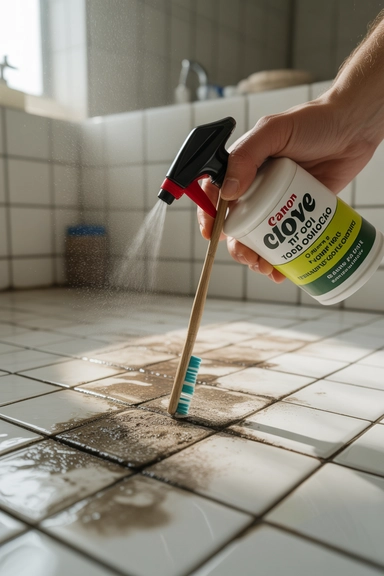
Bathroom grout mold is a recurring problem because most cleaning products kill visible mold but leave spores behind that regrow within weeks. Clove essential oil contains eugenol, which research has shown kills mold spores rather than just surface growth.
Mix one teaspoon of clove oil with one liter of water in a spray bottle. Spray directly onto affected grout lines, leave for twenty minutes without rinsing, then scrub with a toothbrush. For a complete room by room deep cleaning approach that covers mold and every other stubborn problem, these Deep Cleaning Hacks That Work in Every Room of Your Home are worth reading alongside this method.
Do not rinse the clove oil off after scrubbing. Leaving a residue on the grout slows regrowth significantly. My bathroom grout stayed mold-free for six weeks after one treatment compared to the two weeks I got from bleach-based sprays.
Thieves Oil Blend Cleans and Deodorizes Fabric
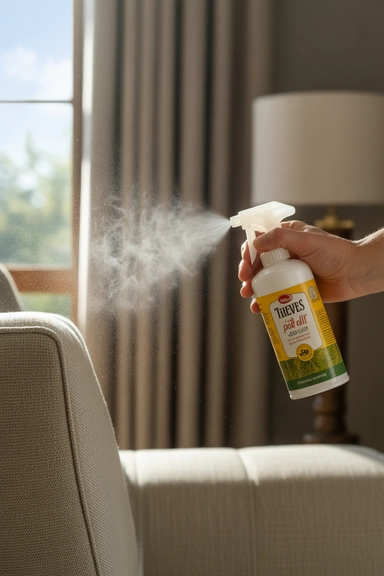
Thieves oil is a blend of clove, lemon, cinnamon, eucalyptus, and rosemary essential oils originally used in aromatherapy. As a fabric cleaner it deodorizes upholstery, curtains, and rugs without wetting the fabric heavily enough to cause water marks.
Add twenty drops to a spray bottle with two cups of water and two tablespoons of vodka. The vodka acts as an emulsifier that keeps the oils dispersed in the water rather than floating on top. Mist lightly over fabric surfaces from twelve inches away and let it dry naturally.
I use this on my living room curtains monthly. They hold onto cooking smells and dust odors in a room open to the kitchen, and this spray clears those odors without needing to wash heavy curtain panels every month.
Rosemary Oil Freshens the Garbage Disposal
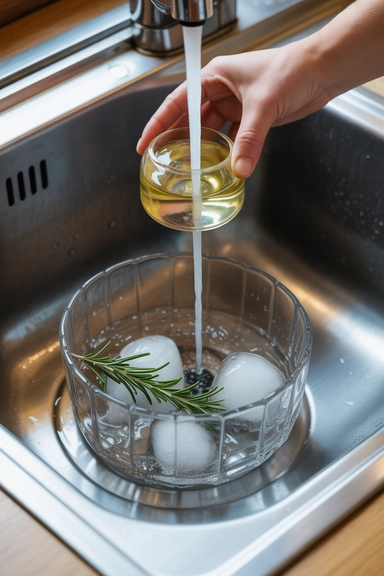
Garbage disposals develop a sour smell from food particles that collect under the rubber splash guard and along the grinding chamber walls. Most disposal cleaning tablets mask the smell temporarily without addressing the bacteria causing it.
Drop ten drops of rosemary essential oil onto a handful of ice cubes and run them through the disposal with cold water. The ice cleans the grinding blades while the rosemary oil coats the chamber walls and splash guard with antibacterial compounds.
Add the juice of half a lemon to the same batch of ice for a cleaning combination that handles both bacteria and odor simultaneously. I do this every two weeks and my disposal has not developed a persistent smell in over a year.
Cinnamon Oil Deodorizes Trash Cans Naturally
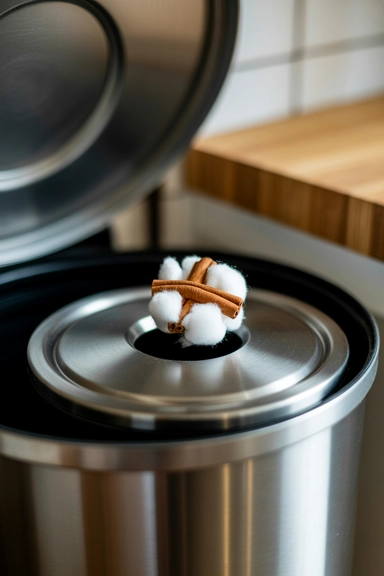
Trash cans smell because bacteria break down organic waste and release gases in the process. Synthetic deodorizers cover the smell. Cinnamon essential oil actually inhibits bacterial growth, which addresses the source of the odor rather than the symptom.
Place three drops of cinnamon oil on a cotton ball and tape it to the inside of the trash can lid. Replace it weekly. The warmth from the closed lid helps diffuse the oil throughout the interior of the can continuously.
| Essential Oil | Primary Cleaning Use | Surface | Dilution |
|---|---|---|---|
| Tea Tree | Disinfecting | Counters, bathroom | 20 drops per 2 cups water |
| Lemon | Degreasing | Stovetop, appliances | 15 drops per 2 cups water |
| Clove | Mold removal | Grout, bathroom tiles | 1 tsp per 1 liter water |
| Peppermint | Insect deterrent | Cabinets, windowsills | Undiluted on cotton ball |
| Eucalyptus | Adhesive removal | Glass, plastic, metal | Undiluted, 5 drops direct |
| Orange | Wood conditioning | Furniture, wood floors | 10 drops per half cup oil |
Lemongrass Oil Repels Dust Mites from Bedding
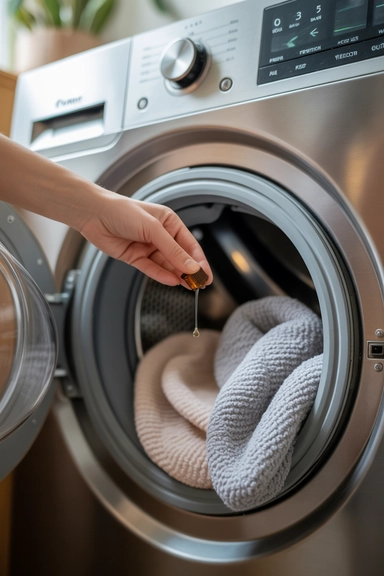
Dust mites live in bedding, pillows, and mattresses and trigger allergies in a significant portion of the population. Washing bedding at sixty degrees Celsius kills them but high-heat washing shortens fabric life over time.
Add ten drops of lemongrass essential oil to your washing machine along with your regular detergent when washing bedding. The oil coats fabric fibers and creates an environment dust mites avoid between washes.
I started adding lemongrass oil to my bedding wash after a particularly bad allergy season two years ago. My morning congestion dropped noticeably within three weeks of consistent use and has stayed lower since.
Frankincense Oil Conditions and Protects Leather
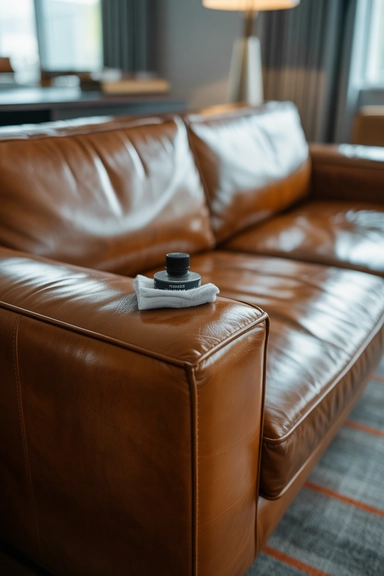
Leather furniture and accessories dry out and crack because they lose natural oils over time. Commercial leather conditioners work but many contain petroleum derivatives that affect the texture of the leather with repeated use.
Mix eight drops of frankincense essential oil with two tablespoons of coconut oil and apply to leather with a soft cloth. Buff gently in circular motions and wipe away any excess. The leather absorbs the conditioning blend without leaving a greasy surface.
I use this on my leather sofa armrests every three months. The leather has stayed supple and crack-free for four years without a single commercial conditioner touching it.
Cedarwood Oil Keeps Moths Away from Closets

Moth damage in closets usually goes unnoticed until a wool sweater or cashmere item comes out with holes. Commercial moth balls work but their smell transfers to clothing and is genuinely unpleasant to wear around other people.
Soak small wooden blocks in cedarwood essential oil and place them on closet shelves among clothing. Refresh the blocks with five drops of oil every month as the scent fades. Cedar repels moths through a compound called cedrol, which interferes with moth larvae development.
My winter coat closet had moth damage two seasons in a row before I switched to cedarwood blocks. No damage in the two seasons since and the closet smells clean rather than chemical.
Geranium Oil Removes Musty Smells from Old Furniture
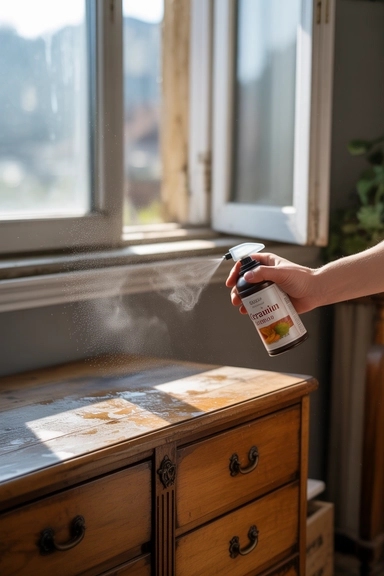
Thrift store furniture and inherited pieces often carry a deep musty smell that surface cleaning does not touch because the odor lives inside the wood fibers and upholstery padding rather than on the surface.
Mix fifteen drops of geranium essential oil with one cup of water and one tablespoon of white vinegar. Spray lightly onto the affected surface and allow to dry completely in a ventilated room. Repeat every two days for one week for deep-seated odors.
I bought a solid wood dresser from an estate sale that smelled strongly of old house. Three treatments with geranium spray over one week reduced the smell to something barely noticeable. A fourth treatment eliminated it completely.
Bergamot Oil Makes an All Purpose Cleaner That Smells Incredible
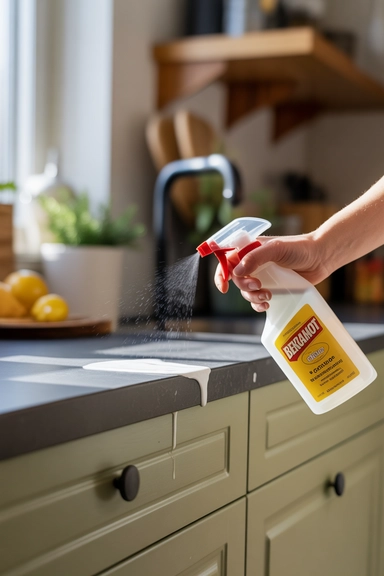
Most homemade all purpose cleaners smell medicinal or sharp. Bergamot essential oil has a citrus-floral scent that makes cleaning feel less like a chore without sacrificing any cleaning power.
Combine twenty drops of bergamot oil with one cup of white vinegar, one cup of water, and one teaspoon of castile soap in a spray bottle. Use it on counters, cabinet fronts, bathroom sinks, and appliance exteriors. The castile soap handles grease while the vinegar cuts through mineral deposits.
I make a fresh batch every two weeks and keep it on the counter rather than under the sink because it smells good enough that I actually want to use it more often. That alone has improved how consistently I wipe down my kitchen daily.
Final Thoughts on Essential Oil Cleaning Hacks
Essential oil cleaning hacks work because the active compounds in oils like tea tree, clove, and lemon have genuine antimicrobial and solvent properties that science has documented. These are not alternative remedies with no basis. They are concentrated plant compounds that happen to clean effectively.
The switch from chemical cleaners to essential oil based cleaners took me about three months to complete across the whole house. The headaches I had on cleaning days stopped within the first two weeks. That alone made the switch worth it before I even considered the cost savings.
Start with tea tree oil for disinfecting and lemon oil for the stovetop. Both deliver immediate visible results that will convince you faster than any list of benefits could.
FAQ About Essential Oil Cleaning Hacks
Are essential oil cleaning hacks safe to use around pets and children?
Several essential oils are toxic to cats and dogs even in diluted form. Tea tree, clove, and eucalyptus oil should never be used on surfaces pets walk or sleep on. Peppermint oil is safe for use in areas dogs do not access but is toxic to cats. Always research specific oils before using them in homes with animals, and keep all diluted cleaning sprays stored out of reach of children.
How long do essential oil cleaning sprays stay effective in a spray bottle?
Sprays made with water and essential oils stay effective for two to four weeks when stored in a dark glass bottle away from direct sunlight. Plastic bottles degrade faster and can absorb the oils over time, which reduces both the cleaning power and the shelf life. Dark amber glass bottles extend shelf life and maintain oil potency longer than any other storage option.
Can you use essential oils in a steam cleaner for floors?
Add five to ten drops of tea tree or lemon oil directly to the water reservoir of a steam cleaner for a light antibacterial boost on hard floors. Use only water-soluble essential oils and keep the concentration low. High concentrations can leave an oily film on hard floors that becomes a slip hazard, particularly on tile and hardwood.
Sarah Mitchell’s Take
The thing nobody warned me about when I started using essential oils for cleaning is how much it changes your relationship with the task itself. Walking into a bathroom that smells like eucalyptus and tea tree rather than bleach feels different in a way that is hard to explain until you experience it. Cleaning stopped feeling like damage control and started feeling like something I was choosing to do for my home rather than something the mess was forcing me to do. That shift matters more than any individual hack on this list.