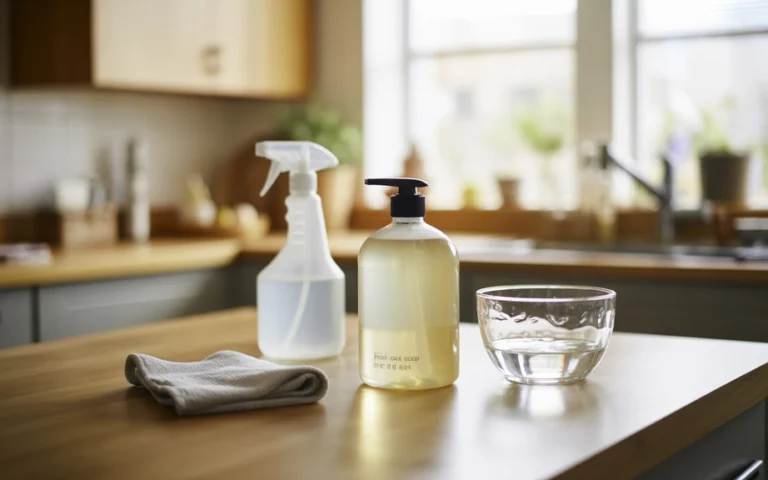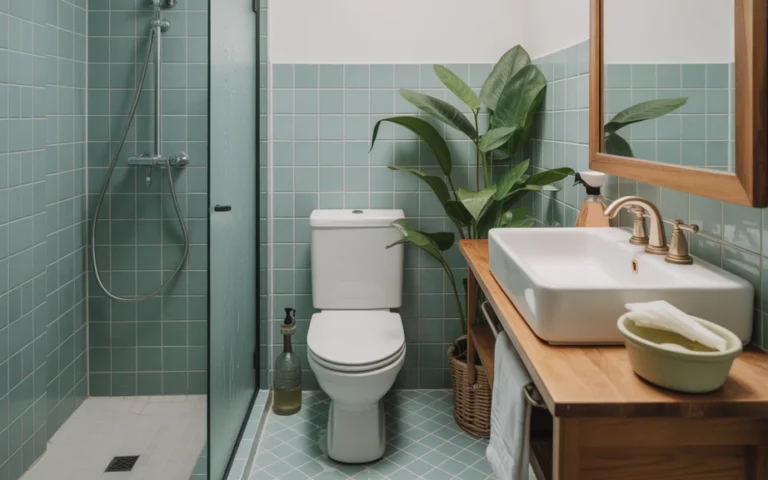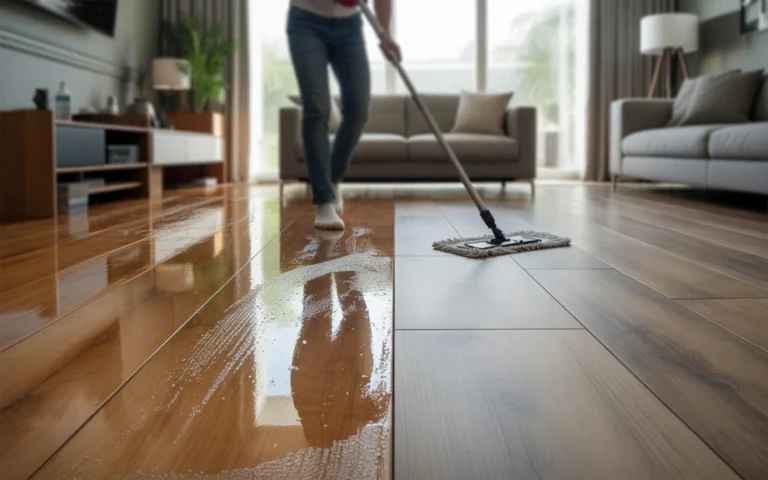

Introduction
Last spring, I pulled my couch away from the wall and genuinely did not recognize what I was looking at. Dust, a missing earring, and something that used to be a cracker. That moment pushed me to completely rethink how I clean. Home cleaning hacks sound like shortcuts, but the ones that actually work change how you think about your whole space. These are the methods I tested myself, in my own living room, kitchen, and bathroom, and they hold up. For more on tackling specific rooms, Bedroom Cleaning Hacks will walk you through the full process.
Stop Cleaning the Wrong Surfaces First
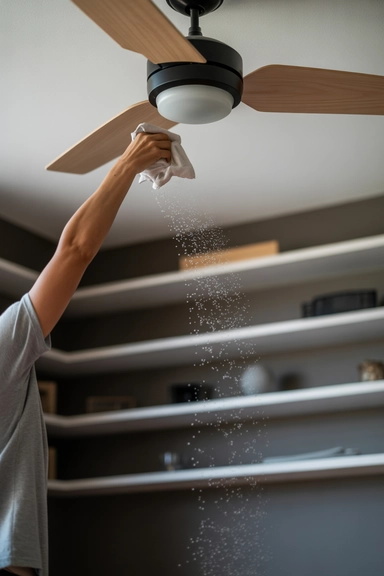
Most people start with the floors. That is the single biggest time-wasting habit in home cleaning, and I did it for years before someone pointed out the obvious: dust falls down. Clean floors first and you will just dirty them again in ten minutes when you wipe down the shelves above.
Start at the top of every room and work down. Ceiling fans, then shelves, then counters, then floors. This one change cut my total cleaning time by about a third.
It sounds too simple to matter. It matters more than almost anything else on this list.
The Microfiber Secret Nobody Talks About
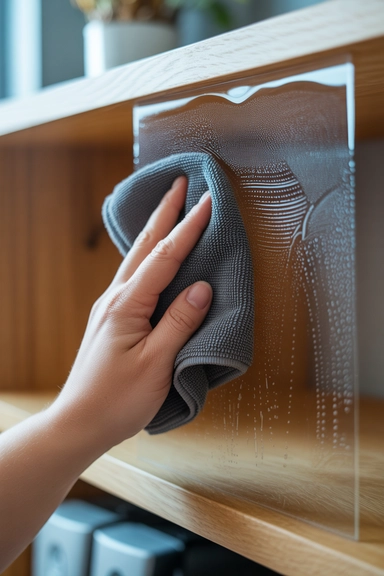
Dry microfiber cloths pick up more dust than any spray-and-wipe method I have tried. The fibers create a static charge that grabs particles instead of just pushing them around. I switched to microfiber three years ago and have not touched a feather duster since.
The brand I reach for is e-cloth. Their cloths hold up after hundreds of washes and still perform like new. That is not a small thing when you are buying cleaning supplies on a budget.
Wet them slightly for surfaces that need more than dusting. Wring them almost completely dry before touching wood or painted walls.
Your Kitchen Sponge Is the Dirtiest Thing in Your Home
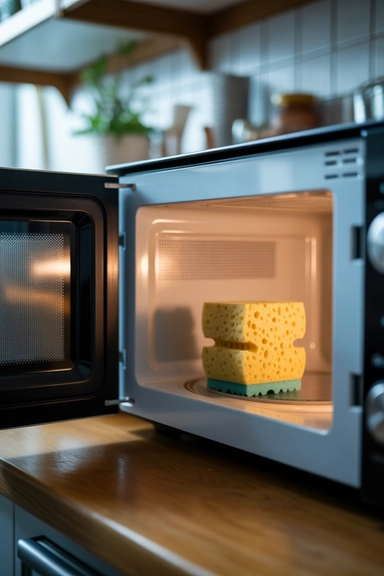
Forget the toilet. Studies consistently show kitchen sponges carry more bacteria per square inch than almost any other surface in a house. I learned this the embarrassing way after giving my family food poisoning from a sponge I thought was clean because it looked clean.
Microwave a damp sponge for 90 seconds every single day. This kills the bacteria that cause odors and cross-contamination. Set a timer. Make it a habit.
Replace sponges every two weeks regardless of how they look. Appearance means nothing with sponges.
Baking Soda and Vinegar Are Not a Cleaning Team
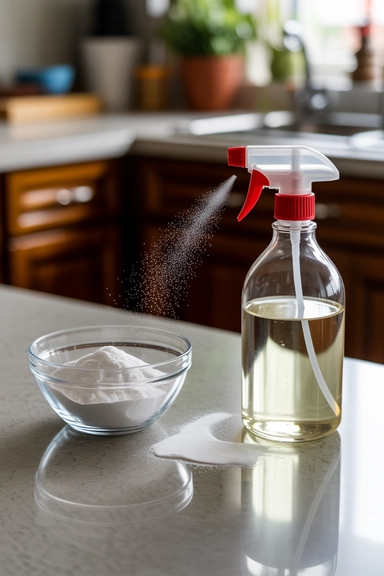
Here is something that took me a long time to accept: mixing baking soda and vinegar produces mostly water and carbon dioxide. The fizzing looks satisfying but neutralizes both ingredients before they can do their actual jobs.
Use baking soda dry as a mild abrasive scrub. Use white vinegar diluted in water as a surface spray. Use them separately, never together in the same application.
I wasted months of both products mixing them in a spray bottle wondering why my grout still looked gray.
The 10-Minute Reset That Changes Everything
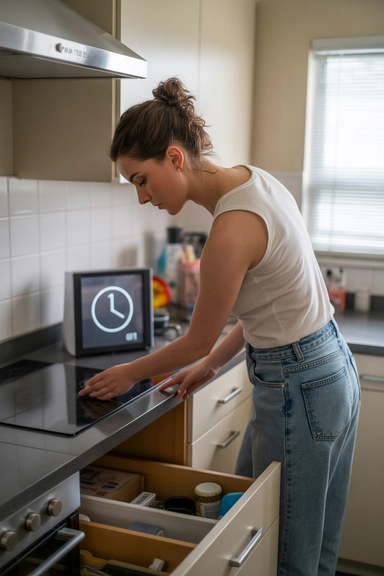
Every evening, set a 10-minute timer and do nothing but put things back where they belong. No scrubbing, no organizing, no deep work. Just return items to their home.
I started this after a particularly chaotic week when my kitchen looked like a storage unit. Within four days the baseline cleanliness of my whole home shifted noticeably. Cleaning sessions became shorter because clutter was no longer competing with actual dirt for my attention.
Ten minutes feels like nothing. Skipping it for three days in a row feels like a lot.
How to Clean a Shower Without Scrubbing
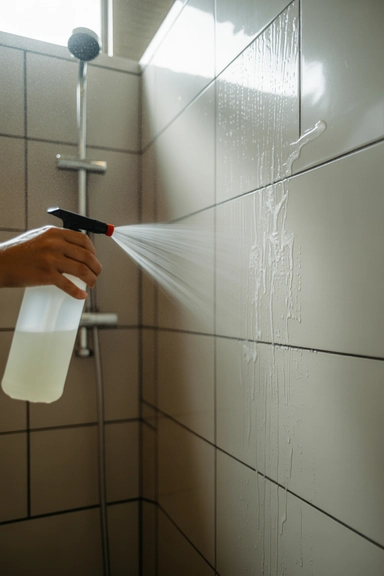
Spray the entire shower with a solution of one part dish soap to four parts white vinegar right after you finish showering. The heat and steam from your shower open up the surface and the spray breaks down soap scum while you go about your morning.
Rinse it off the next time you shower. No scrubbing required if you do this twice a week consistently.
I tried this skeptically and was genuinely surprised it worked. My shower has looked better maintained for the past year than it ever did when I was scrubbing it weekly with commercial cleaner.
The Grout Problem Most People Give Up On
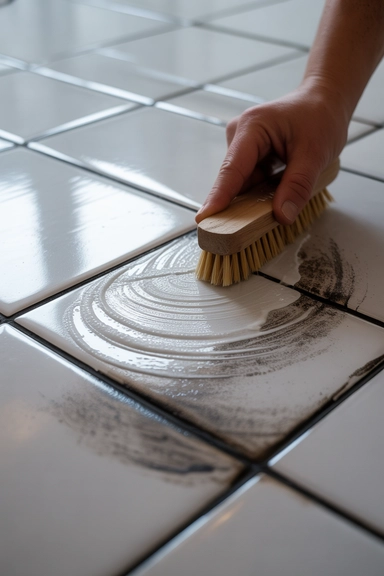
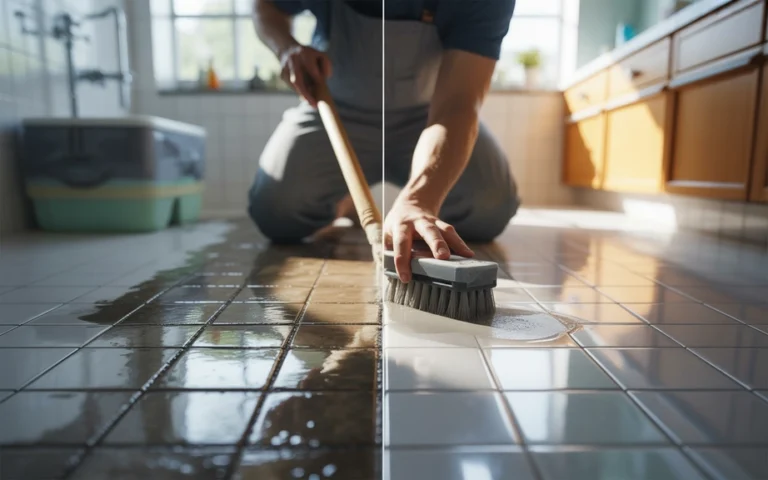
Grout is porous. Spraying it with surface cleaner and wiping it down does almost nothing because the dirt lives inside the grout, not on top of it. I made this mistake for years and assumed my grout was just permanently stained.
Make a paste of baking soda and a small amount of hydrogen peroxide. Apply it directly to grout lines and leave it for 15 minutes before scrubbing with a stiff brush. The hydrogen peroxide breaks down the organic matter embedded in the grout itself.
This approach takes effort the first time. After that, maintenance becomes genuinely straightforward.
Windows That Actually Look Clean
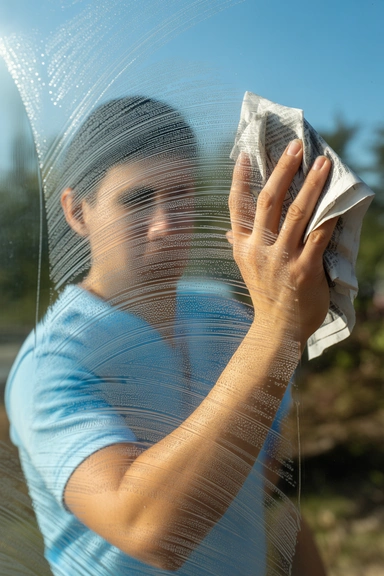
Newspaper works better than paper towels for streak-free windows, and I say that after testing every cloth and spray combination I could find. Paper towels leave lint. Microfiber cloths smear if they are even slightly damp from a previous wipe. Newspaper leaves nothing behind.
Spray the window with a 50/50 mix of white vinegar and water. Wipe with a crumpled sheet of newspaper using circular motions. Done.
Do windows on a cloudy day. Direct sunlight dries the solution before you can wipe it away and leaves streaks no matter what you use.
What Vacuum Attachments Are Actually For
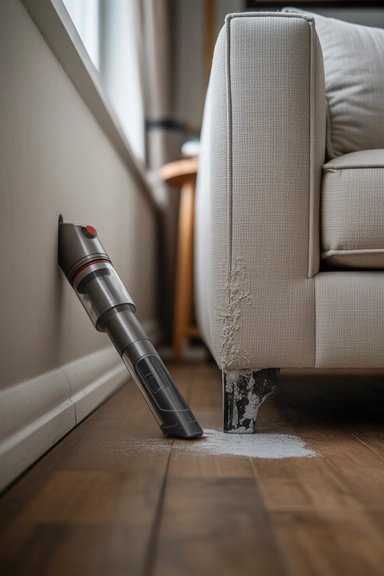
The crevice tool is not for corners alone. Run it along the base of every wall in your home and you will pull out a surprising amount of fine debris that your regular vacuum head never reaches. I do this once a month and the amount of material it collects genuinely shocks me each time.
The upholstery brush attachment deserves weekly use on sofas and fabric chairs. Fabric furniture holds allergens, pet dander, and skin cells at a level that only targeted suction addresses properly.
Use attachments as the primary tools in certain areas, not as occasional accessories.
Cleaning Products You Are Probably Doubling Up On
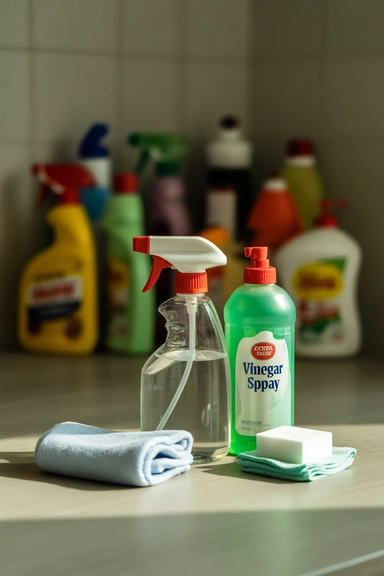
| Product | What It Actually Does | What You Can Replace It With |
|---|---|---|
| Glass cleaner | Removes streaks from glass | Diluted white vinegar |
| Disinfecting wipes | Kills surface bacteria | Microfiber cloth + diluted rubbing alcohol |
| Bathroom spray | Cuts soap scum and mildew | Dish soap and vinegar solution |
| Furniture polish | Adds shine to wood surfaces | A few drops of olive oil on a cloth |
| Dryer sheets | Reduces static and odor | Wool dryer balls with a drop of essential oil |
Most homes carry five to eight cleaning products that do the same three jobs. Cutting down saves money and cabinet space.
The Refrigerator Shelf You Always Forget
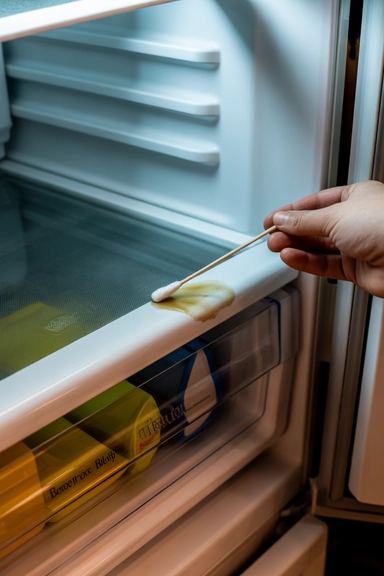
The rubber door seals on a refrigerator collect mold and food residue that most cleaning routines skip entirely. I went almost two years without cleaning mine before noticing a faint sour smell that had no obvious source.
Dip a cotton swab in diluted white vinegar and run it along every fold of the door seal. Do this monthly. It takes four minutes and eliminates a hidden source of bacteria and odor that no surface spray reaches.
While you are there, pull the refrigerator slightly away from the wall and vacuum the coils at the back. Dust on the coils makes your refrigerator work harder and shortens its lifespan. For a full room-by-room system that covers appliances like this, Deep Cleaning Hacks breaks the whole process into manageable steps. INTERNAL LINK
Hard Water Stains on Faucets
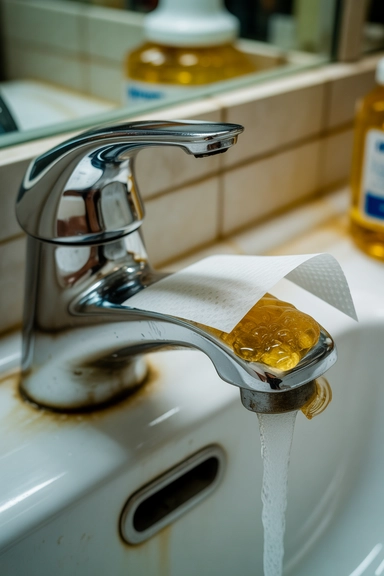
Wrap a paper towel soaked in undiluted white vinegar around the faucet base and any affected areas. Leave it for 30 minutes. The acetic acid dissolves mineral deposits without any scrubbing.
For heavy buildup, leave the wrap on for a full hour. Wipe away the loosened residue with a damp cloth and dry immediately to prevent new water spots from forming right away.
This method works on showerheads too. Submerge the showerhead in a bag of white vinegar tied around the neck with a rubber band and leave it overnight.
The Fastest Way to Clean Baseboards
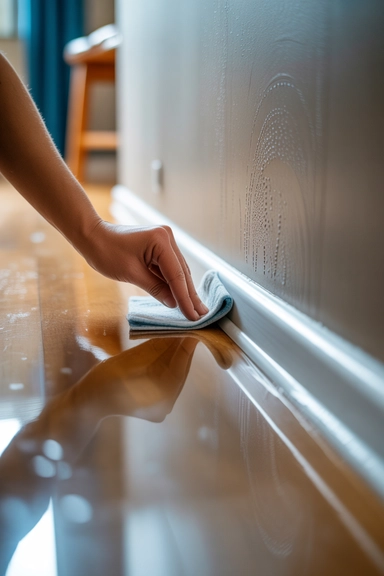
A dryer sheet picks up dust from baseboards faster than any cloth I have used, and it leaves a light coating that repels future dust for a week or two afterward. I prefer this over damp wiping because moisture on painted baseboards can cause the paint to lift over time.
Run the dryer sheet along the top edge first, then the face of the baseboard, then the floor junction. One sheet handles an entire room.
Do baseboards once a month and they never reach the level of buildup that requires actual scrubbing.
Dealing With Lingering Kitchen Odors
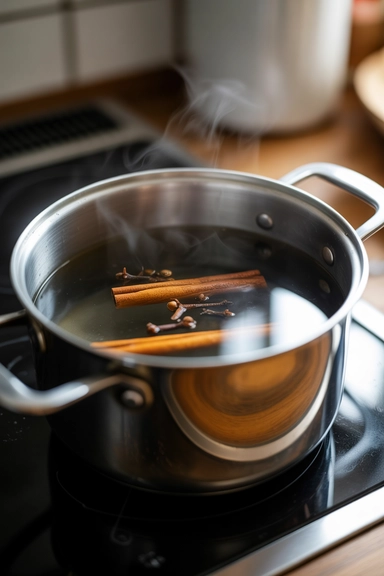
Simmer a small pot of water with two tablespoons of white vinegar, a cinnamon stick, and a few cloves for 20 minutes. This neutralizes cooking odors rather than masking them the way sprays do.
Odor sprays deposit fragrance on top of a smell. This method breaks down the airborne compounds causing the odor. The difference is noticeable within minutes and lasts several hours.
I use this after cooking fish or anything with strong spices. The kitchen smells genuinely clean rather than aggressively scented.
Trash Can Cleaning Nobody Does But Everyone Should
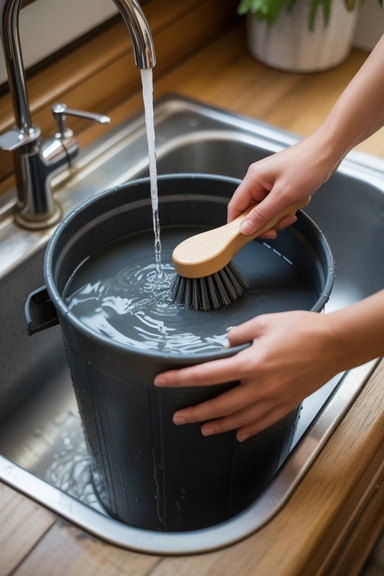
Your trash can needs cleaning more often than the bag suggests. Leaks happen below the visible line. Bacteria build up on the inner walls and the base. The smell people assume is just “trash” is actually a dirty can.
Rinse the empty can with hot water and a squirt of dish soap. Scrub the interior with a long-handled brush. Dry it completely before inserting a new bag because moisture trapped under a new bag creates the conditions for fast bacterial growth.
Do this monthly for indoor cans and every two weeks for outdoor bins in warm weather.
Final Thoughts on Home Cleaning Hacks
The home cleaning hacks that actually change how your space feels are rarely the dramatic ones. Cleaning top to bottom, wiping surfaces immediately after use, and keeping your cloths genuinely clean do more than any specialty product on the market.
The mistakes most people make come down to habit, not effort. Cleaning the wrong surfaces in the wrong order, using too much product, and skipping the hidden zones like grout lines and refrigerator seals create a baseline of buildup that no single cleaning session can fix.
Pick three of these hacks and build them into your routine this week. Once they feel automatic, add three more. That is the most honest advice I can give.
FAQ About Home Cleaning Hacks
How often should I replace my cleaning cloths and sponges? Replace kitchen sponges every two weeks regardless of appearance. Microfiber cloths last for hundreds of washes if you wash them correctly in hot water without fabric softener, but inspect them monthly and retire any that feel stiff or no longer pick up dust effectively.
Can I clean my entire home with just a few basic products? Yes. White vinegar, baking soda, dish soap, rubbing alcohol, and microfiber cloths handle the vast majority of household cleaning tasks. You do not need a different product for every surface. Most commercial cleaners perform the same functions as these basics at a fraction of the cost.
What is the best way to keep a home clean with pets? Vacuum fabric furniture twice a week using an upholstery attachment, not just floors. Place washable covers on sofas and chairs and launder them weekly. Keep a lint roller at every entrance. The key with pets is intercepting hair and dander before it migrates to every surface rather than chasing it after it spreads.
Sarah Mitchell’s Take
The reader who gets the most out of this list is the one who picks one genuinely uncomfortable habit to fix first. Not the easiest one. The one they have been avoiding. For most people that is the sponge, the refrigerator seal, or the cleaning cloth they have used for three months without washing properly. Fix that first. Everything else feels easier once you have dealt with the thing you knew was wrong and kept ignoring.