
Introduction
Three years ago I timed myself cleaning my house and nearly fell over: four hours for a space that should have taken ninety minutes. The problem was not effort. It was order, tools, and a handful of habits I had never questioned. These house cleaning hacks are the ones that actually cut my time down without cutting corners. Some of them feel almost too obvious once you know them, but they work every single time. If your bathroom is one of the spaces slowing you down the most, Bathroom Cleaning Hacks That Actually Work covers that room in full detail.
Always Clean Top to Bottom Without Exception
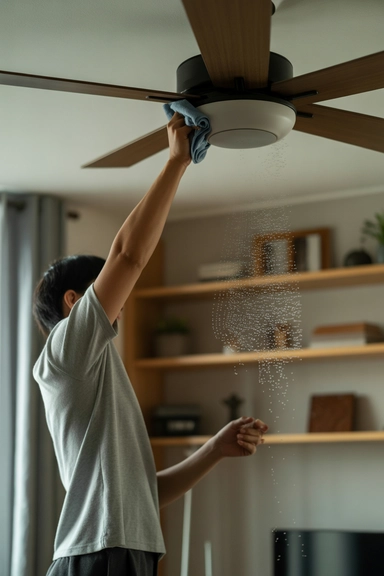
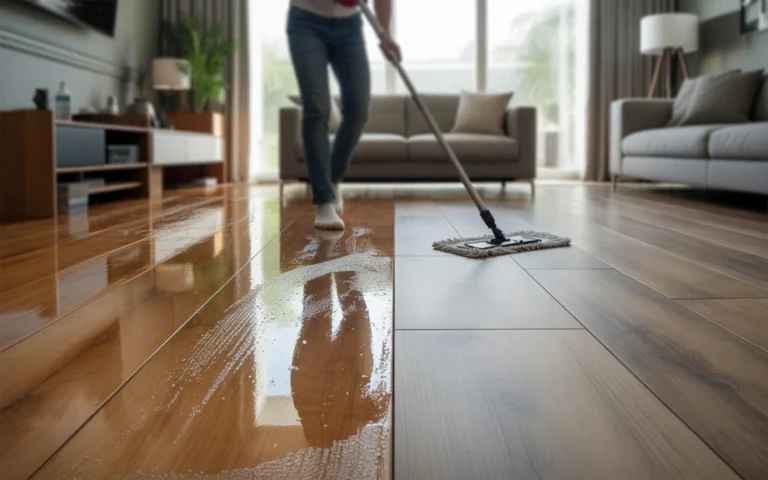
Gravity is the one rule of cleaning most people ignore. Dust, crumbs, and debris fall downward. Clean your floors before your shelves and you clean the floors twice.
Start at the ceiling fan or the highest shelf in every room. Work down to counters, then furniture, then baseboards, then floors. This single change eliminates the most common source of wasted effort in any cleaning session.
I drilled this into my routine after watching myself sweep a kitchen floor and immediately knock crumbs off the counter above it. Never again.
Dry Dust Before You Spray Anything
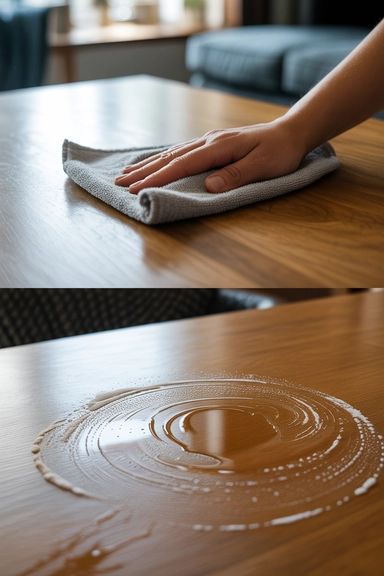
Spraying a surface before dusting it turns dry dust into a paste that smears across the surface rather than lifting off it. I made this mistake for years on my wood furniture and wondered why it always looked streaky.
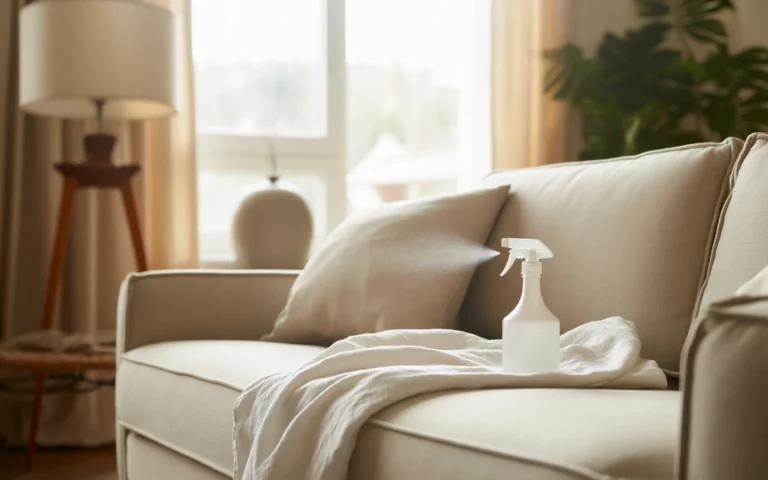
Dry dust every surface with a microfiber cloth first. Then spray and wipe. The cloth lifts particles off rather than pushing them around, and your spray does its actual job on the residue underneath.
This two-step approach sounds slower. It is faster because you stop re-wiping the same surfaces.
The Room Rotation System That Ends Overwhelm
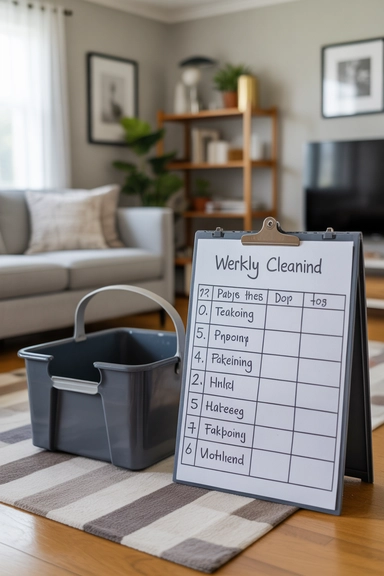
Trying to deep clean the entire house in one session creates exhaustion that makes you avoid cleaning altogether. A room rotation system spreads the load so no single day exceeds thirty minutes of work.
Monday handles the kitchen. Tuesday handles bathrooms. Wednesday handles bedrooms. Thursday handles living areas. Friday covers the forgotten zones like baseboards and light switches. The house stays consistently clean instead of cycling between chaos and marathon sessions.
I built this system after a particularly bad month of avoidance. The difference in how the house felt within two weeks was noticeable enough that I have not gone back.
What Your Cleaning Caddy Should Actually Contain
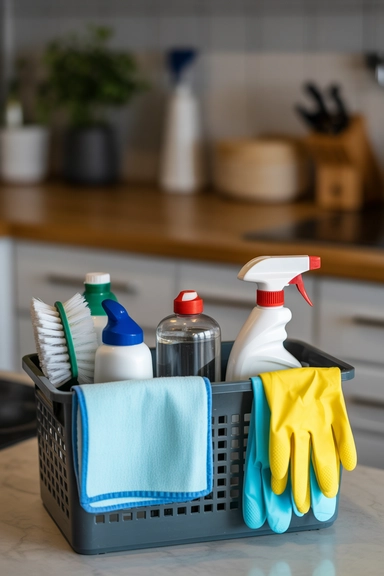
Carrying products from room to room individually wastes more time than most people realize. A cleaning caddy with everything you need means one trip per room instead of five.
Keep white vinegar spray, a microfiber cloth, a scrub brush, baking soda, dish soap, and rubber gloves in the caddy at all times. Refill it weekly so you never discover mid-session that something has run out.
The caddy itself creates a psychological start signal. Picking it up means cleaning has begun, which cuts the time spent stalling before you start.
Microfiber Cloths Do the Job No Paper Towel Can
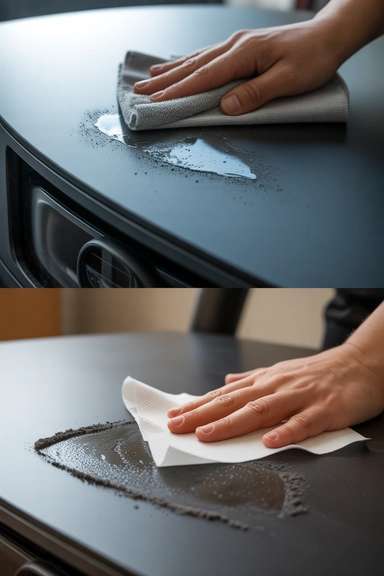
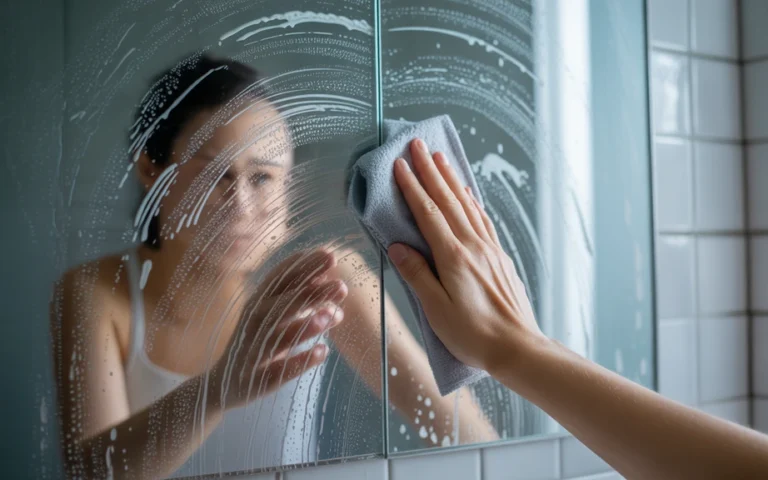
Paper towels push debris across surfaces. Microfiber cloths pull it off through static charge. The difference in result on glass, appliances, and counters is significant enough that switching cloths alone improves your cleaning quality without changing anything else.
Use a separate microfiber cloth for each room. One for the kitchen, one for bathrooms, one for general dusting. Wash them in hot water without fabric softener, which clogs the fibers and destroys their effectiveness.
Replace cloths when they stop feeling slightly grippy against a clean surface. That texture is what makes them work.
The Spray and Wait Method Most People Skip
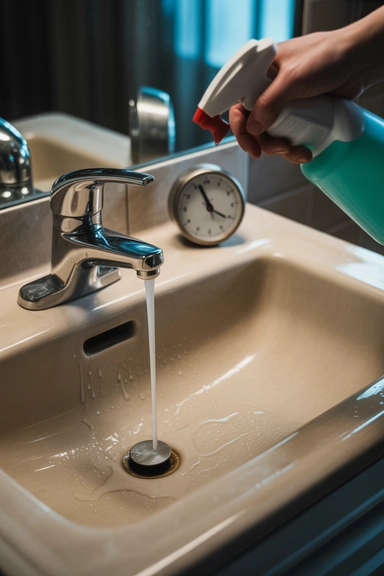
Cleaning products need dwell time to break down grease, bacteria, and soap scum. Spraying a surface and wiping it immediately reduces the product to a smearing exercise.
Spray your bathroom sink, toilet rim, and kitchen counters at the start of each session. Let the product sit for three to five minutes while you do something else in the room. Come back and wipe. The grime lifts off with almost no scrubbing because the product has done the work for you.
This method cuts my bathroom cleaning time almost in half compared to spray-and-wipe-immediately.
Baking Soda for Scrubbing, Vinegar for Spraying
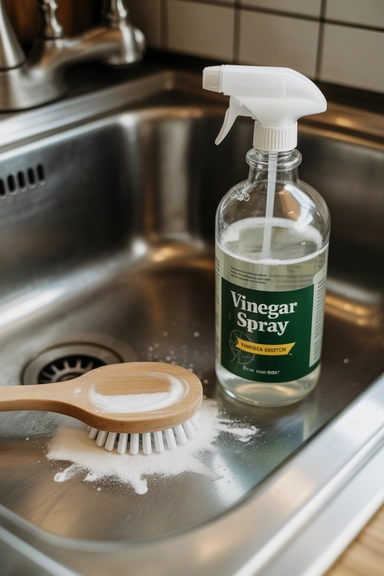
These two products work best when kept apart. Mixing them neutralizes both and produces mostly water. I spent months combining them in a spray bottle wondering why my results were mediocre.
Use dry baking soda as a mild abrasive on sinks, tubs, and grout. Use diluted white vinegar in a spray bottle for glass, counters, and general surfaces. Apply them in separate steps if a surface needs both.
The results with each product used correctly are noticeably better than anything the mixture ever produced.
How to Clean Baseboards Without Getting on Your Knees
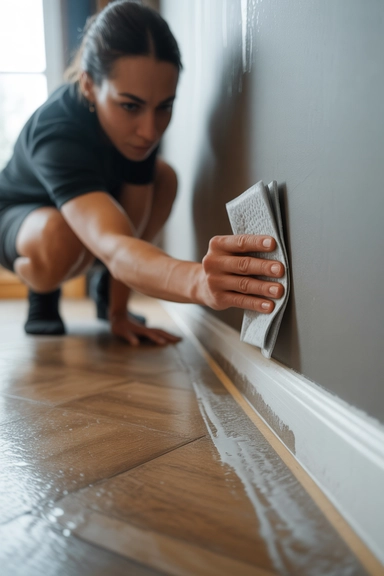
A dryer sheet wiped along baseboards picks up dust faster than any cloth and leaves a light coating that repels future dust for up to two weeks. Get down once, run the sheet along the full length of the baseboard, and you are done.
I prefer this over damp wiping because moisture on painted baseboards causes paint to lift over time. Dry methods protect the surface while still doing the job properly.
Do baseboards once a month with this method and they never reach the buildup level that requires actual scrubbing.
The Hidden Spots That Make a Clean Room Feel Dirty
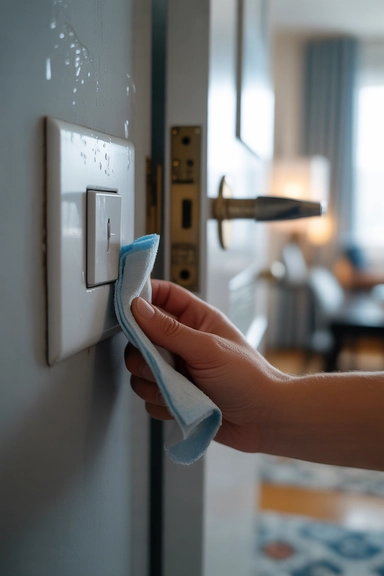
A room can be fully wiped down and still feel unclean because of three spots most routines miss: light switches, door handles, and the area around faucet bases. These surfaces collect oils and bacteria from constant contact and show grime faster than any other surface in a room.
Wipe these with a cloth dampened with diluted rubbing alcohol every week. The alcohol dries instantly and leaves no residue. For organizing your cleaning supplies so these tools stay accessible, Cleaning Supplies Organization Ideas to Keep Everything in Order has a practical system worth following.
Thirty seconds per room. These spots make the biggest difference in how clean a space feels after a session.
The Kitchen Sponge Problem Nobody Wants to Think About
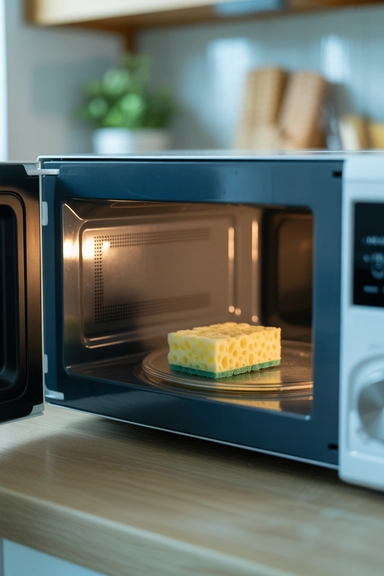
Your kitchen sponge carries more bacteria per square inch than almost any other object in your home. It looks clean. It is not. I learned this the hard way after a round of food poisoning I traced back to cross-contamination from a sponge I thought was fine.
Microwave a damp sponge for 90 seconds every single day. This kills the bacteria responsible for odors and contamination without any product. Replace the sponge every two weeks regardless of how it looks.
Appearance tells you nothing about a sponge. Age and heat treatment tell you everything.
Cleaning Products You Are Probably Doubling Up On
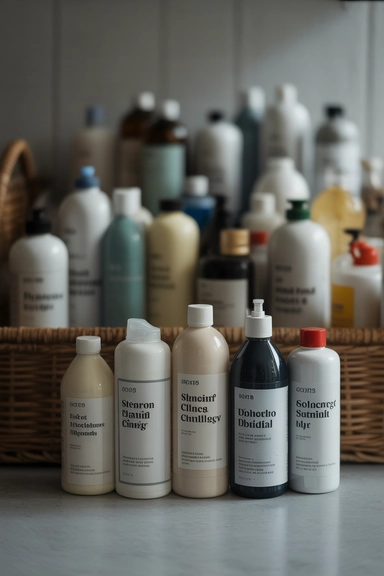
| Product | What It Does | Budget Replacement |
|---|---|---|
| Glass cleaner | Removes streaks from windows | White vinegar diluted in water |
| Disinfecting wipes | Kills surface bacteria | Microfiber cloth with rubbing alcohol |
| Bathroom spray | Cuts soap scum | Dish soap and vinegar solution |
| Furniture polish | Adds shine to wood | Few drops of olive oil on a cloth |
| Dryer sheets | Reduces static and odor | Wool dryer balls with essential oil |
Most homes carry six to eight products doing the same three jobs. Cutting down saves money, cabinet space, and the time spent hunting for the right bottle mid-session.
Hard Water Stains Without the Scrubbing
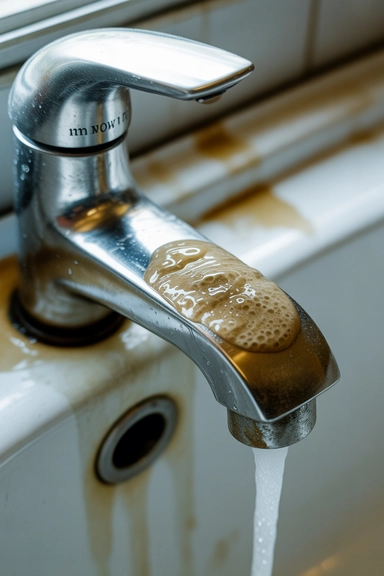
Soaking is more effective than scrubbing for hard water stains, and I say that after years of scrubbing faucet bases until my arm ached. The mineral deposits causing those stains respond to acid, not abrasion.
Soak a paper towel in undiluted white vinegar and wrap it around the stained faucet base. Leave it for 30 minutes. Wipe away the loosened deposits with a damp cloth. For showerheads, fill a plastic bag with white vinegar, tie it around the head with a rubber band, and leave it overnight.
No scrubbing required when the product has time to do its job properly.
The Evening Reset That Keeps Cleaning Sessions Short
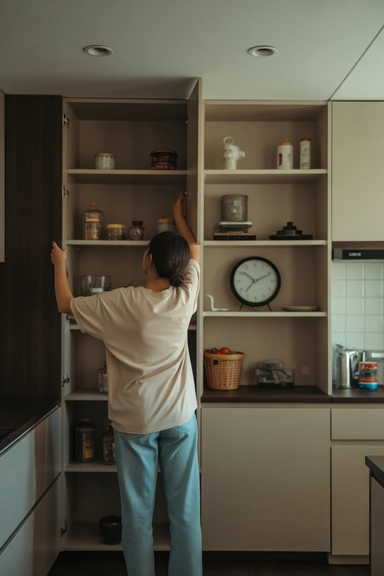
Ten minutes every evening returning items to their correct place does more for a consistently clean home than any weekend cleaning marathon. Clutter and dirt are separate problems, but clutter makes dirt invisible until it becomes overwhelming.
Set a timer. Put things back. Nothing else. No scrubbing, no organizing projects, no tackling anything extra.
I started this habit during a stretch when I had almost no time to clean properly. The home stayed presentable for weeks without a single full cleaning session because there was nothing competing with the actual dirt for my attention.
Vacuuming Smarter With Attachments You Probably Ignore
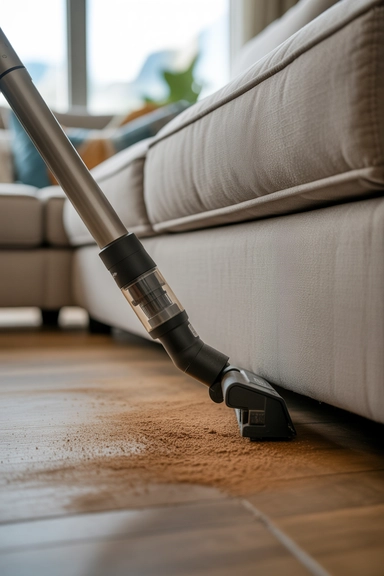
The crevice tool is not just for corners. Run it along every wall base in your home and you pull out a surprising volume of fine debris your regular vacuum head never reaches. I do this monthly and the amount of material it collects still surprises me.
The upholstery attachment deserves weekly use on sofas and fabric chairs, not occasional use. Fabric furniture holds allergens, pet dander, and dead skin cells at a level that only targeted suction addresses properly.
Attachments used regularly make vacuum sessions shorter and more thorough than covering the same ground with a standard head alone.
The Cleaning Mistake That Creates More Work Every Time
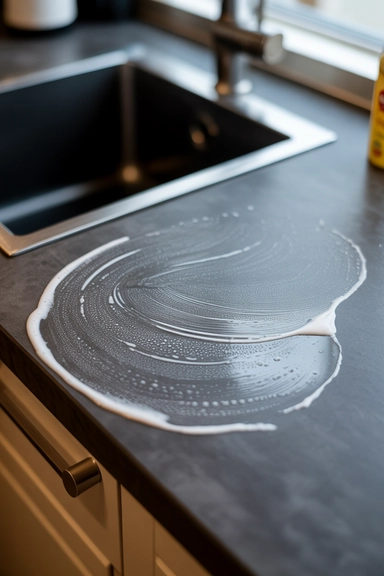
Using too much product is the single most common cleaning error I see, and I did it myself for years. Excess product leaves a sticky residue on surfaces that attracts new dirt faster, meaning you clean the same surfaces more often than necessary.
A light application of almost any cleaner does the same job as a heavy one without the aftermath. Half the amount you currently use is almost always enough.
Circular scrubbing spreads bacteria outward in every direction. Straight strokes from clean areas toward dirty ones control contamination instead of spreading it.
Final Thoughts on House Cleaning Hacks
The house cleaning hacks that actually change your results are not about products. They are about order, timing, and stopping the habits that create extra work. Cleaning top to bottom, letting products dwell before wiping, and keeping a stocked caddy ready to go remove the friction that turns a thirty-minute job into an afternoon.
The biggest gains come from fixing the mistakes, not adding more effort. Too much product, wrong cleaning order, and skipping dwell time collectively waste more time than any missing tool or technique.
Pick three of these and build them into your next session. Once they feel automatic, add three more.
FAQ About House Cleaning Hacks
What is the fastest way to clean a house before guests arrive? Start with the rooms guests will actually see and use: the living room, bathroom, and kitchen. Wipe surfaces, clear visible clutter, clean the toilet and sink, and sweep or vacuum the floors in that order. Skip areas guests will not enter. Thirty focused minutes on the right rooms looks cleaner than two hours spread across the whole house.
How do I keep my house clean without spending hours every week? Daily ten-minute resets where you return items to their correct place prevent clutter from compounding. Pair that with a room rotation system where each room gets focused attention on a different day of the week. No single session needs to exceed thirty minutes when maintenance happens consistently.
Is white vinegar safe to use on all surfaces? White vinegar is safe on glass, most counters, bathroom fixtures, and sealed floors. Avoid using it on natural stone like marble or granite because the acid etches the surface permanently. Also avoid it on waxed wood floors and cast iron. For those surfaces, use dish soap diluted in warm water instead.
Sarah Mitchell’s Take
The reader who gets the fastest results from this list is the one who fixes the order they clean in before they change anything else. Top to bottom, dry before wet, spray before wiping. Most people have the right products and the right intentions but the wrong sequence. Sequence is the thing that makes every other hack work the way it is supposed to. Fix that first and the rest falls into place faster than you would expect.