
Introduction
I ruined a section of my hardwood floor in the dining room by mopping it with too much water for two years straight. The wood warped along one plank seam and the repair cost me more than I care to admit. That expensive mistake sent me deep into learning how every floor type actually wants to be cleaned, and what I found contradicted almost everything I had been doing out of habit. If you want a broader cleaning system that covers every surface beyond floors, these Baking Soda Cleaning Hacks That Save Money and Scrub Smarter work alongside every method in this list. INTERNAL LINK
Sweep Before You Mop Every Single Time
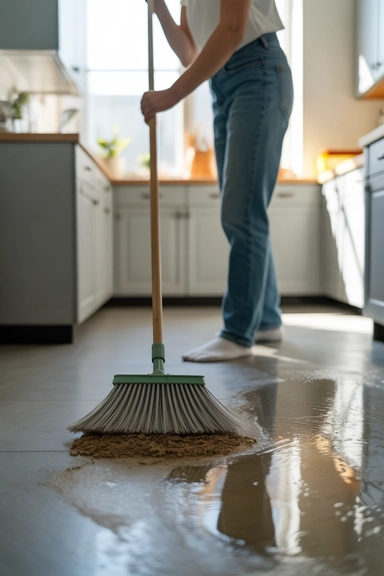
Mopping a floor with loose dirt and debris on it does not clean the floor. It turns dry dirt into a muddy slurry that the mop spreads across a larger area and pushes into grout lines and wood seams.
Sweep or vacuum every floor thoroughly before any wet cleaning touches it. This applies to every floor type without exception. Skipping this step on tile floors leaves grit in the grout. Skipping it on hardwood scratches the finish as the mop drags particles across the surface.
I used to mop and sweep in whatever order felt convenient. Switching to sweep first every single time cut my mopping time by a third because the mop was actually cleaning instead of relocating dirt.
Damp Mop Hardwood Floors Instead of Wet Mopping
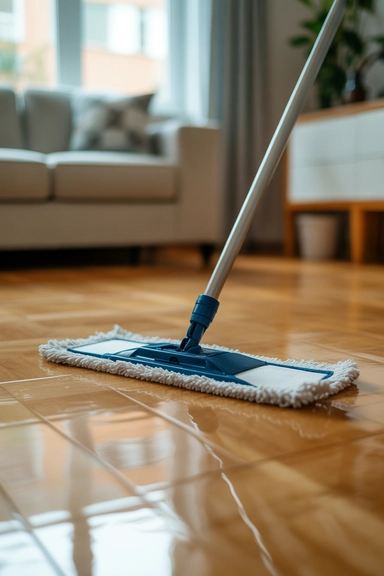
Hardwood floors and standing water are enemies. Water seeps into seams between planks, swells the wood fibers, and causes warping and cupping that no amount of drying will reverse once it sets.
Wring your mop until it feels almost dry before it touches a hardwood floor. The goal is a barely damp surface that dries within sixty seconds of mopping. If you can see water sitting on the floor after the mop passes, the mop is too wet.
Flat microfiber mop heads work better than string mops on hardwood because they hold less water and release it more evenly. I switched to a flat microfiber mop three years ago and my hardwood floors have not had a moisture issue since.
Dish Soap and Warm Water Clean Tile Floors Perfectly
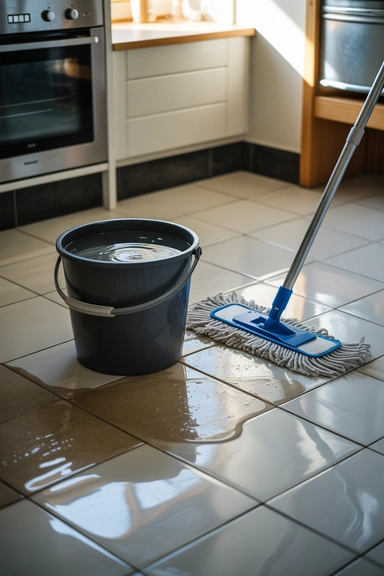
Specialty tile floor cleaners cost three to five times more than what it takes to clean tile effectively with dish soap and warm water. The grease-cutting surfactants in dish soap handle food residue, tracked-in grime, and general floor dirt on ceramic and porcelain tile without leaving a film.
Add two teaspoons of dish soap to a full bucket of warm water. Mop normally and rinse with clean water afterward. The rinse step matters because soap residue left on tile attracts dirt faster than a clean floor would.
I spent years buying specialty tile cleaner before testing dish soap side by side. The tile looked identical after both methods and the dish soap cost a fraction of the price per clean.
Baking Soda Paste Lifts Grout Stains Without Scrubbing Forever
Grout stains are stubborn because grout is porous and absorbs spills rather than letting them sit on the surface. Most grout cleaners require aggressive scrubbing that wears down the grout surface over time and makes it more porous and harder to clean in the future.
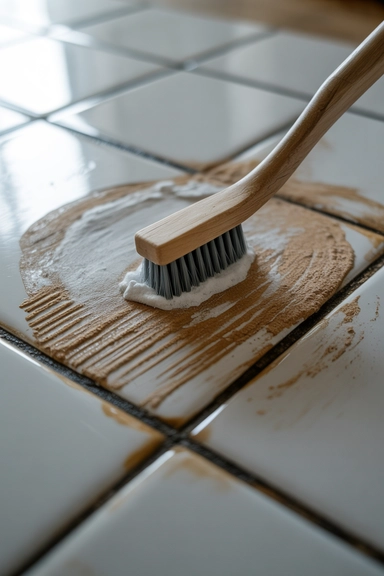
Make a paste of baking soda and water at a two to one ratio and apply it directly to stained grout lines. Leave it for fifteen minutes then scrub with a stiff brush. The alkaline paste loosens the staining without the abrasive damage that harsh chemical cleaners cause with repeated use.
My kitchen floor grout had been dingy for three years before I tried this. One treatment lightened it noticeably. Three treatments over three weeks brought it back to close to its original color.
White Vinegar Dissolves Hard Water Deposits on Tile
Hard water leaves white chalky deposits on tile floors near dishwashers, sinks, and anywhere water regularly sits and evaporates. These deposits are mineral based and do not respond to soap or general cleaners because they need an acid to dissolve them.
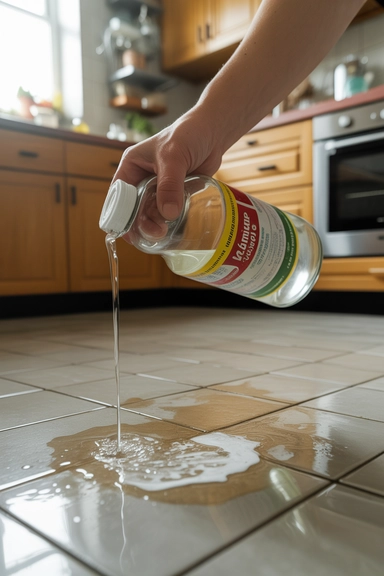
Apply undiluted white vinegar directly to the affected area with a cloth and let it sit for five minutes. The acetic acid in the vinegar dissolves calcium and magnesium deposits cleanly. Wipe away and rinse with water.
Never use undiluted vinegar on natural stone floors. The acid etches marble, travertine, and limestone permanently and the damage cannot be reversed. Stick to ceramic and porcelain tile only for this method.
A Robot Vacuum Changes Daily Floor Maintenance Completely
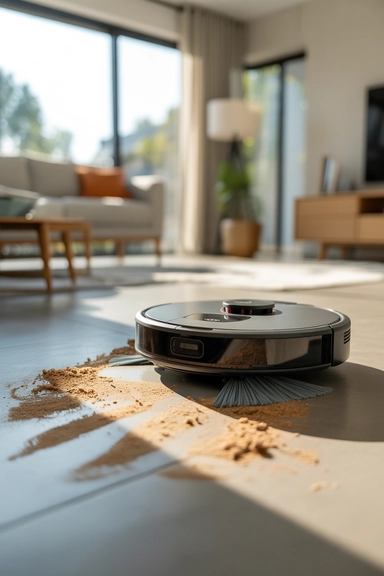
Daily floor maintenance is the part of cleaning that most people skip because it feels like too much effort relative to how quickly floors get dirty again. A robot vacuum running on a daily schedule removes that friction entirely.
Set it to run every morning while you are getting ready or every evening while you are cooking. The floors stay at a baseline cleanliness level that makes weekly mopping faster and less physically demanding because the heavy debris load never builds up.
I resisted buying one for two years on principle. Within three weeks of daily automated vacuuming my weekly mop took half the time it previously did because I was maintaining a clean floor rather than recovering a dirty one.
Club Soda Removes Fresh Carpet Spills Instantly
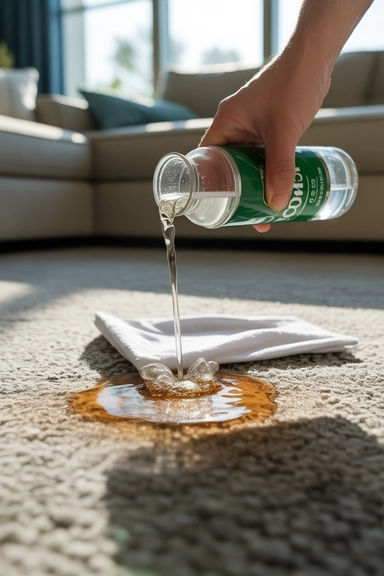
The worst thing you can do with a fresh carpet spill is rub it. Rubbing drives the liquid deeper into the carpet fibers and spreads the stain outward at the same time. Both actions make the stain permanently larger and harder to remove.
Pour club soda directly onto a fresh spill immediately. The carbonation lifts the liquid up through the carpet fibers toward the surface. Blot with a clean cloth from the outside of the spill toward the center. Repeat until no more color transfers to the cloth.
For a complete approach to deep cleaning every floor type and surface in your home room by room, these Deep Cleaning Hacks That Work in Every Room of Your Home cover exactly what this method fits into. INTERNAL LINK
Rubber Broom Heads Outperform Bristle Brooms on Hard Floors
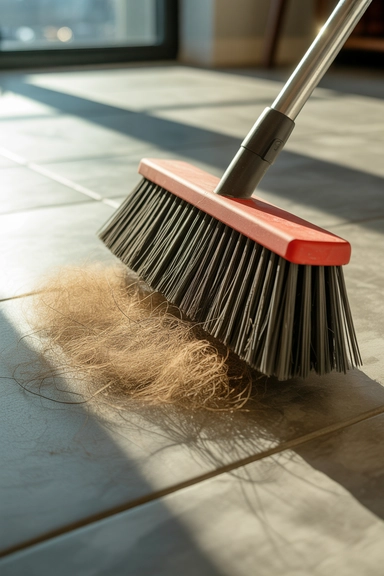
Bristle brooms on hard floors push fine dust and pet hair around rather than collecting it. The bristles create air movement that lifts lightweight debris and redistributes it instead of gathering it into a pile.
Rubber broom heads use static attraction to pull fine debris toward the rubber rather than pushing it away. They collect pet hair, fine dust, and small particles in a single pass without scattering them across the floor.
I switched to a rubber broom in my kitchen two years ago and stopped finding dust piles in corners that had clearly been swept there and left. The rubber broom collects what it touches instead of relocating it.
Ice Cubes Remove Chewing Gum from Carpet
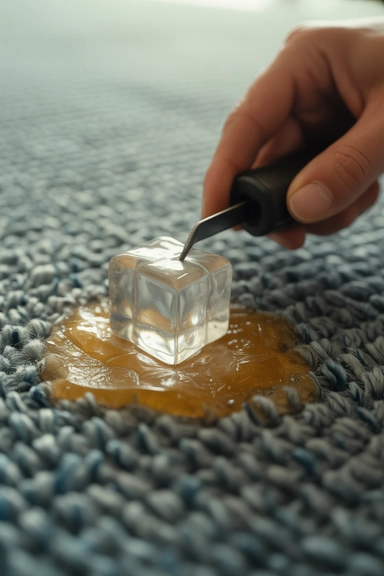
Chewing gum stuck to carpet feels like a permanent problem because pulling at it warm stretches it deeper into the fibers. Heat makes gum adhesive and flexible. Cold makes it brittle and removable.
Hold a bag of ice cubes against the gum for two minutes until it hardens completely. Once frozen solid, the gum snaps off in pieces rather than stretching. Use a blunt knife or the edge of a spoon to break it away from the carpet fibers without cutting them.
Work from the outside of the gum toward the center as you remove pieces to avoid spreading any residue outward into clean carpet areas.
Steam Cleaning Sanitizes Tile and Grout Without Chemicals
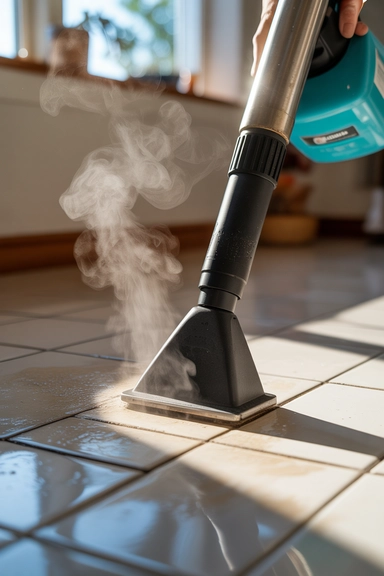
Steam cleaners reach temperatures above 100 degrees Celsius at the nozzle, which kills bacteria, dust mites, and mold spores on contact without any chemical cleaner required. For households with allergy sufferers or young children who spend time on floors, this matters more than most cleaning methods.
Run the steam cleaner slowly along grout lines rather than across open tile. The grout is where bacteria and mold concentrate. Moving slowly gives the steam time to penetrate the porous surface rather than just heating the top layer.
I steam clean my bathroom floor grout every six weeks. Between steam cleans the grout stays cleaner than it ever did when I was using chemical grout cleaners weekly.
Cornstarch Absorbs Grease Spills on Hard Floors Fast
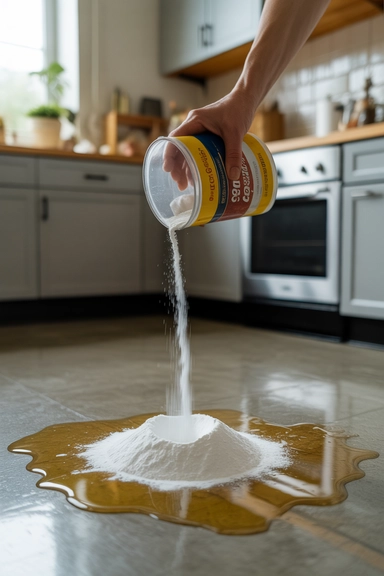
Grease spilled on a hard floor is slippery and dangerous immediately and sticky and stubborn once it cools. Most people reach for a cloth and spread the grease across a larger area before it can be contained.
Pour cornstarch generously over the spill immediately and let it sit for two minutes. The cornstarch absorbs the grease out of the floor surface before it can bond. Sweep away the cornstarch and wipe the area with a dish soap solution to remove any residue.
I keep a small container of cornstarch under my kitchen sink specifically for this. Cooking oil spills that used to leave a sticky patch for days now clean up completely in under five minutes.
Tennis Ball on a Stick Removes Scuff Marks from Any Floor
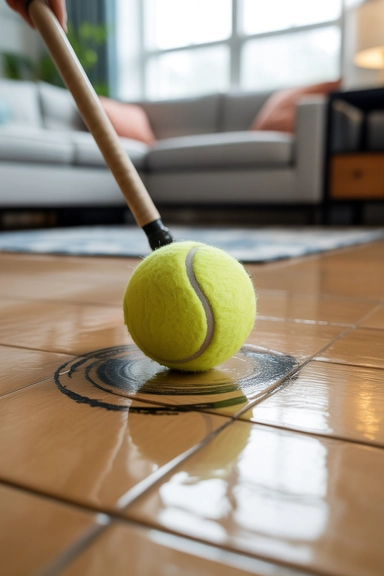
Black scuff marks on hard floors come from rubber soles dragging across the surface and depositing rubber residue. Most cleaning sprays do not touch rubber residue because it is not water soluble.
Attach a tennis ball to a broom handle by cutting a small slit in the ball and pressing it onto the handle end. Rub it firmly over scuff marks in circular motions. The rubber-on-rubber friction lifts the scuff without scratching the floor finish.
| Floor Type | Best Cleaning Method | What to Avoid | Frequency |
|---|---|---|---|
| Hardwood | Barely damp microfiber mop | Wet mopping, vinegar | Weekly |
| Ceramic Tile | Dish soap and warm water | Leaving soap residue | Weekly |
| Carpet | Vacuum, club soda for spills | Rubbing spills | Vacuum daily |
| Laminate | Dry microfiber, minimal water | Steam cleaners, wet mop | Weekly |
| Natural Stone | pH neutral cleaner | Vinegar, acidic cleaners | Weekly |
Hydrogen Peroxide Removes Old Carpet Stains
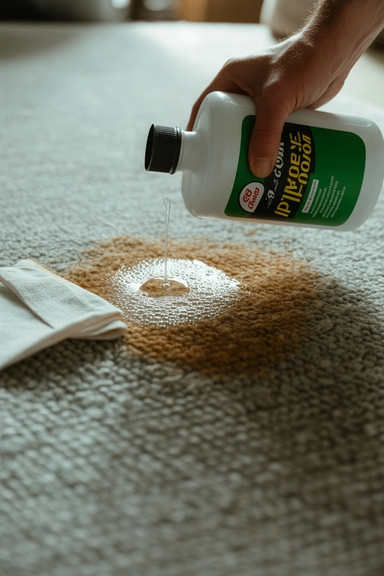
Old carpet stains that have dried and set respond to hydrogen peroxide better than almost any other household product. The oxidizing action breaks down the organic compounds in food, pet, and beverage stains without the bleaching risk that comes with chlorine-based products.
Apply three percent hydrogen peroxide directly to the stain and let it sit for ten minutes. Blot with a clean white cloth from the outside inward. Test on a hidden carpet area first because hydrogen peroxide can lighten some carpet dye colors with extended contact.
I used this on a red wine stain that had been in my living room carpet for four months after every other method failed. Two applications reduced it to nearly invisible.
Dry Microfiber Mop Maintains Laminate Floors Daily
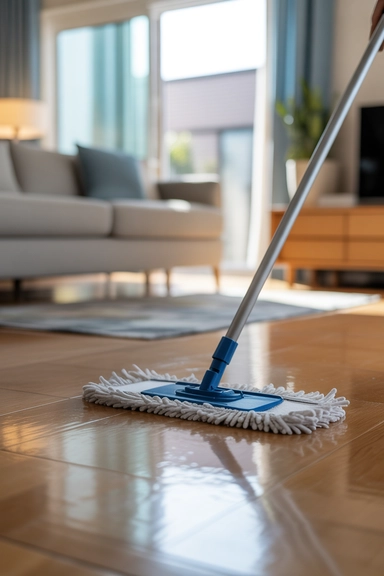
Laminate floors look like hardwood but behave completely differently when it comes to moisture. Even a slightly damp mop used too frequently will cause laminate planks to swell at the edges and lift away from the subfloor.
Use a dry microfiber mop for daily maintenance on laminate and reserve any damp cleaning for stubborn spots only. When damp cleaning is necessary, spray the cleaner directly onto the mop head rather than onto the floor to control exactly how much moisture touches the surface.
Apply the spray to the mop rather than the floor. That one change keeps laminate looking new for years longer than conventional mopping does.
Doormat at Every Entry Point Cuts Floor Cleaning Time in Half
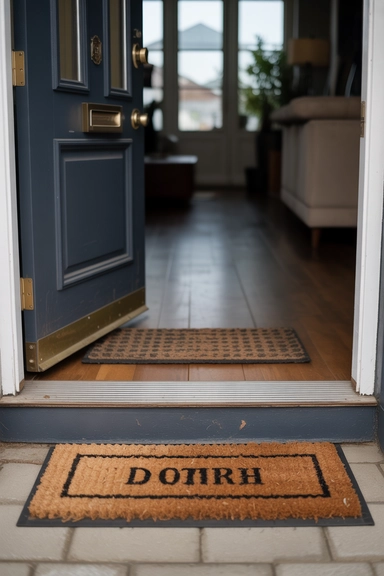
The most effective floor cleaning hack has nothing to do with cleaning products or tools. It is preventing dirt from reaching the floor in the first place.
A quality doormat at every exterior entry point captures the majority of outdoor soil, moisture, and debris before it reaches interior floors. Research on indoor air quality consistently shows that most floor contamination enters through foot traffic from outside.
Place a mat outside the door and a second one inside. The outside mat removes heavy debris. The inside mat captures what the outside mat missed. With mats at every entry point my floor cleaning frequency dropped from twice weekly to once weekly with no visible difference in cleanliness.
Final Thoughts on Floor Cleaning Hacks
Floor cleaning hacks work best when they match the method to the floor type rather than applying one approach to every surface. Hardwood, tile, carpet, laminate, and stone all have different tolerances for moisture, acid, and abrasion, and ignoring those differences causes damage that cleaning cannot fix.
Prevention beats cleaning every time. Doormats, daily robot vacuuming, and immediate spill response keep floors at a baseline that makes weekly cleaning faster and less physically demanding than recovering from a week of neglect.
Pick the three hacks most relevant to the floor types in your home and apply them consistently for a month before evaluating what else to change. Consistent basics always outperform occasional deep cleaning sessions.
FAQ About Floor Cleaning Hacks
How often should you deep clean floors versus regular maintenance cleaning?
Hard floors with daily light maintenance need a thorough deep clean every four to six weeks. Carpets need deep cleaning every three to six months depending on foot traffic and whether pets live in the home. Grout specifically benefits from a dedicated cleaning every four to six weeks regardless of how clean the surrounding tile looks, because grout accumulates bacteria and mold independently of surface soil.
What is the safest floor cleaner for homes with babies who crawl on the floor?
Diluted dish soap and warm water followed by a clean water rinse is the safest option for tile and hard floors in homes with crawling babies. It leaves no chemical residue when rinsed properly and the surfactants break down completely in water. Avoid essential oil based cleaners on crawling surfaces because concentrated oils can irritate infant skin on contact.
Can you use the same mop on different floor types throughout the house?
You can use the same mop across floor types if you change the mop head or rinse it thoroughly between rooms and adjust water levels for each surface. The risk is cross-contamination of bacteria from bathroom floors to kitchen floors if the same mop head touches both without cleaning in between. Dedicated mop heads for wet areas like bathrooms and a separate head for dry areas like bedrooms is the cleanest approach.
Sarah Mitchell’s Take
The floor hack I wish someone had told me fifteen years ago is the doormat one. Not because it is clever but because of how much time it would have saved me. I calculated once that I spent roughly forty-five minutes a week mopping floors that were getting dirty primarily from foot traffic bringing in outdoor soil. Two doormats at the front and back doors dropped that to twenty minutes within the first week. The math on that over fifteen years is genuinely painful to think about.
Sonnet 4.6