
Introduction
My glass shower door looked etched after eighteen months of daily showers. Not dirty. Actually etched. The mineral deposits had bonded so deeply into the glass surface that three different commercial cleaners did nothing except smell strong and drain my wallet. A plumber told me the glass was ruined and quoted me eight hundred dollars to replace it. I ignored him and spent two weeks testing every method I could find. The door is clear again. These fifteen hacks are exactly what worked. If you want cleaning methods that tackle the toughest buildup across your whole bathroom, these Baking Soda Cleaning Hacks That Save Money and Scrub Smarter belong in your routine alongside this list.
White Vinegar Soaks Dissolve Mineral Deposits Overnight
Hard water deposits on glass shower doors are calcium and magnesium based. They are alkaline by nature, which means they dissolve in acid. White vinegar is acetic acid. The chemistry is straightforward and the result is reliable.
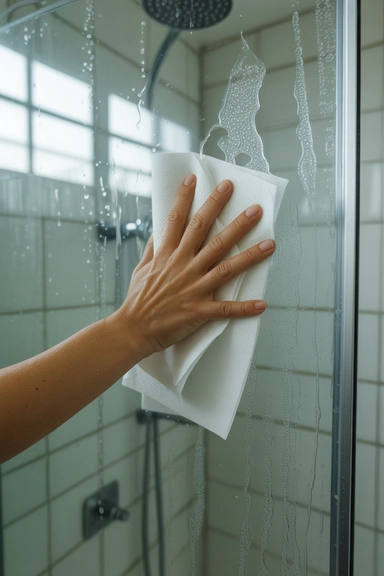
Soak paper towels in undiluted white vinegar and press them flat against the glass door surface. Leave them for at least four hours or overnight for heavy buildup. The paper towels hold the vinegar in contact with the glass long enough for the acid to break down the mineral bonds.
I left vinegar-soaked paper towels on my heavily etched door overnight for three consecutive nights. By the third morning the glass had gone from completely opaque with buildup to clear enough to see through with only light residue remaining.
Dryer Sheets Remove Soap Scum Without Scratching
Soap scum bonds to glass differently than mineral deposits. It is a combination of soap residue and skin oils that creates a film requiring physical removal rather than chemical dissolution. Most scrubbing tools scratch glass in the process.
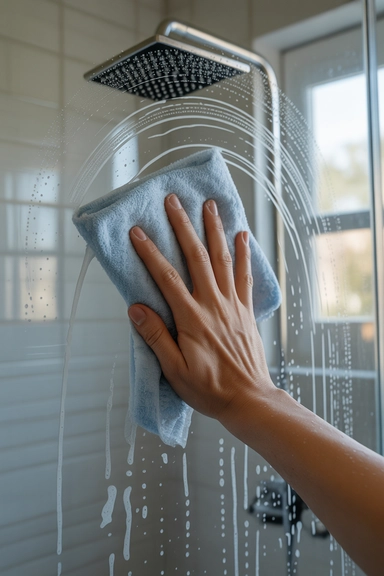
Dampen a used dryer sheet and rub it across the glass in firm circular motions. The texture of the dryer sheet is abrasive enough to lift soap scum but soft enough to leave no scratches on the glass surface. The surfactants still present in a used sheet help break down the soap film simultaneously.
I prefer this over any spray cleaner for soap scum because it requires no rinsing, leaves no streaks, and the anti-static coating it deposits on the glass actually repels future soap scum buildup for several days.
Baking Soda Paste Tackles Stubborn Buildup in Corners
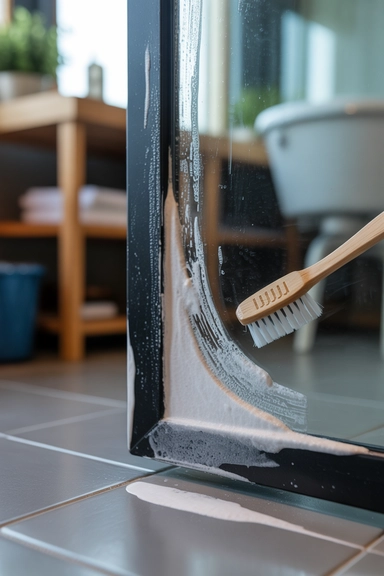
The corners and bottom edge of a glass shower door collect the heaviest buildup because water runs down the glass and pools at the frame. Sprays run off before they can work. Paste stays exactly where you put it.
Mix baking soda with just enough dish soap to form a thick paste. Apply it directly to the corners and frame edges with a toothbrush. Leave it for ten minutes then scrub and rinse. The mild abrasive action of baking soda combined with the grease-cutting soap handles both mineral deposits and soap scum simultaneously.
This paste also works on the rubber door seal, which collects mold and soap residue in the folds and is one of the most overlooked parts of shower door cleaning.
Rain-X on Glass Shower Doors Repels Water for Weeks
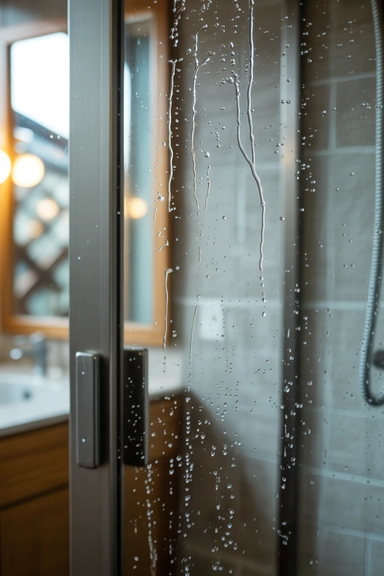
Rain-X is an automotive glass treatment designed to make water bead off windshields at highway speeds. Applied to a clean shower door it creates a hydrophobic coating that causes water to sheet off the glass instead of sitting and drying into spots and mineral deposits.
Clean the door completely first using the vinegar soak method for any existing buildup. Apply Rain-X according to package directions, buff to a clear finish, and let it cure for one hour before the shower is used. Water beads and rolls off the treated surface rather than clinging to the glass.
I applied Rain-X to my shower door after clearing the mineral buildup and the door stayed significantly cleaner for four weeks before needing any maintenance cleaning. That is four weeks of daily showers producing almost no visible buildup.
A Daily Squeegee Prevents Buildup from Forming
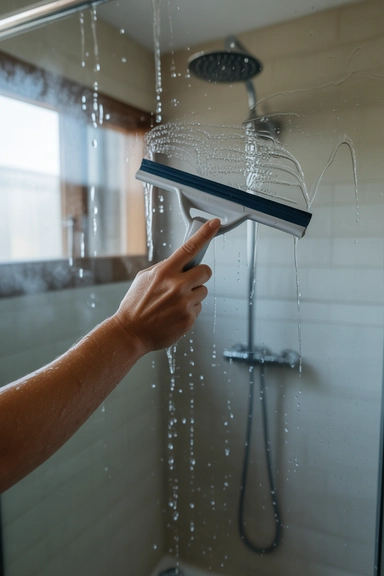
Prevention is faster than any cleaning method on this list. Ten seconds with a squeegee after every shower removes the water that would otherwise dry on the glass and leave mineral deposits and soap film behind.
Keep a squeegee hanging inside the shower within reach. Run it down the glass in overlapping vertical strokes after every shower. The water hits the floor drain instead of drying on the glass surface.
I added this habit eight months ago and my shower door has not needed a deep clean since. Ten seconds of squeegeeing after every shower replaced forty minutes of scrubbing every few weeks. The math on that time saving across a full year is significant.
Lemon Juice and Salt Make a Natural Scrubbing Paste
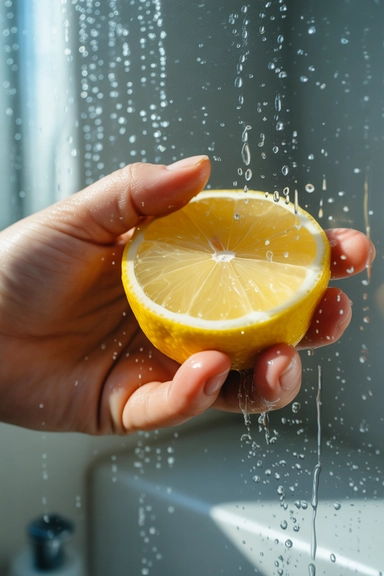
Lemon juice is citric acid, which dissolves mineral deposits the same way white vinegar does. Combined with fine salt as a mild abrasive it creates a natural scrubbing paste that handles light to moderate buildup without any commercial cleaner.
Cut a lemon in half, dip the cut face in fine salt, and rub it directly across the glass surface in circular motions. The juice releases as you scrub and works into the mineral deposits while the salt provides gentle abrasion. Rinse thoroughly afterward.
This method works well for weekly maintenance cleaning on doors that are squeegeed daily but still develop light spotting. For heavy buildup the vinegar soak is more effective because lemon juice is less acidic than white vinegar and needs more contact time to dissolve deep deposits.
Magic Eraser Removes Haze from Glass Frames and Seals
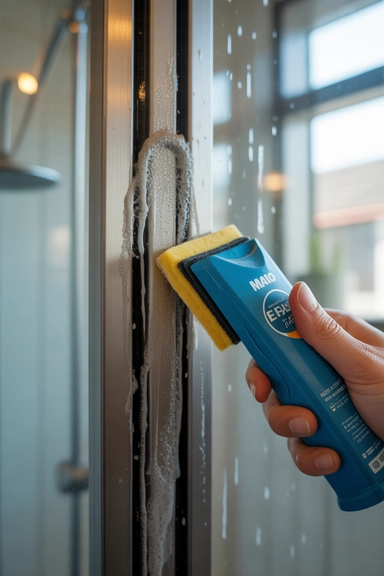
The glass panel of a shower door is only part of the cleaning challenge. The aluminum or chrome frame and the rubber seals collect soap scum, mold, and mineral deposits that sprays and cloths struggle to reach in the narrow channels.
A damp Magic Eraser fits into frame channels and along seal edges better than any other tool. The micro-abrasive foam lifts buildup from these areas in one pass without scratching metal finishes. Work along the full length of each frame section before rinsing.
Never use a Magic Eraser on the glass panel itself. The abrasive surface that makes it effective on frames will create micro-scratches on glass that dull the surface over time and make future cleaning harder.
Hydrogen Peroxide Kills Mold on Door Seals
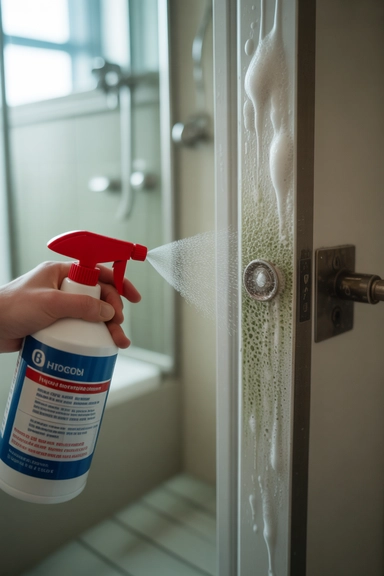
The rubber seal along the bottom and sides of a glass shower door is one of the most bacteria and mold-rich surfaces in any bathroom. The folds in the rubber trap moisture, soap residue, and organic matter that creates ideal mold growing conditions.
Spray undiluted three percent hydrogen peroxide directly onto the seal and let it sit for ten minutes without rinsing. The oxidizing action kills mold spores rather than just bleaching the visible surface growth. Wipe away the residue and repeat weekly as part of regular shower cleaning.
For a complete deep cleaning approach that covers every surface in your bathroom beyond the shower door, these Deep Cleaning Hacks That Work in Every Room of Your Home give you a full system worth following.
Dish Soap and Warm Water Handle Weekly Maintenance
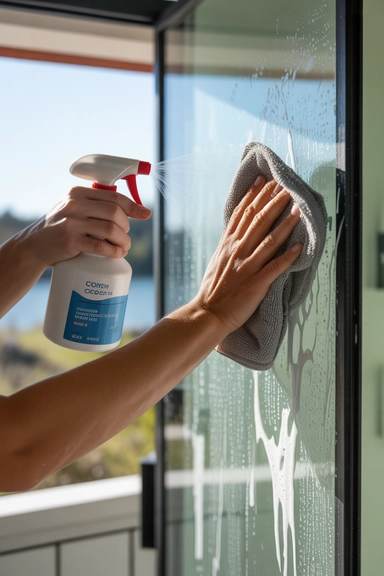
Between deep cleaning sessions a simple spray of diluted dish soap and warm water handles the light soap film and fingerprints that accumulate on shower glass from daily use. No specialty cleaner required for weekly maintenance.
Mix one teaspoon of dish soap with two cups of warm water in a spray bottle. Spray the glass, let it sit for two minutes, then wipe with a microfiber cloth and rinse. The surfactants in dish soap cut through skin oil and light soap film without leaving streaks if rinsed properly.
The rinse step is non-negotiable. Dish soap residue left on glass attracts dust and creates a new film within hours of cleaning.
Rubbing Alcohol Removes Streaks After Any Cleaning Method
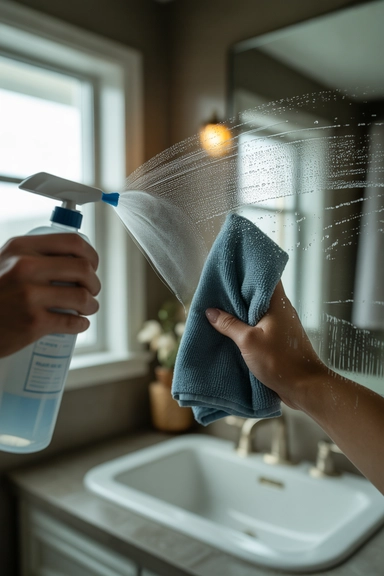
Every cleaning method leaves some residue on glass that shows up as streaking when light hits the surface at an angle. Rubbing alcohol cuts through cleaning product residue and evaporates completely without leaving anything behind.
Spray rubbing alcohol onto the glass after any cleaning method and wipe immediately with a clean microfiber cloth in a top to bottom S-shaped stroke. The alcohol evaporates in seconds and leaves the glass genuinely streak-free in a way that most glass cleaners cannot match.
I finish every shower door cleaning session with a rubbing alcohol wipe regardless of what method I used to clean it. The difference between finishing with water and finishing with alcohol is immediately visible in direct light.
Toothpaste Polishes Out Light Scratches on Glass
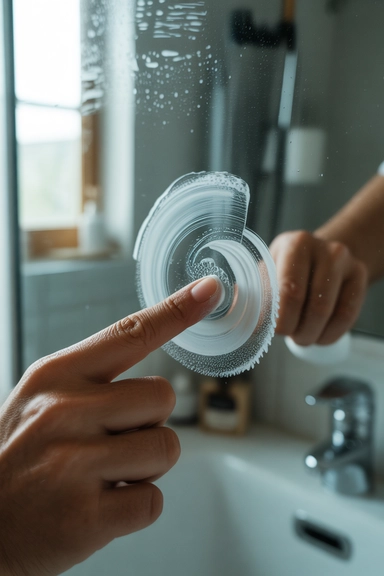
Fine scratches on glass shower doors catch light and make the surface look perpetually dirty even after thorough cleaning. White non-gel toothpaste is a mild abrasive polish that reduces the visibility of light surface scratches.
Apply a small amount of white toothpaste to a soft cloth and rub it into the scratch in circular motions for two minutes. Rinse thoroughly and dry the glass completely. Deep scratches will not disappear but light surface scratches become significantly less visible after one or two treatments.
This will not repair etching caused by long-term mineral buildup. Once glass is genuinely etched the surface damage is structural and no polish will restore full clarity.
Foam Shaving Cream Leaves a Protective Coating on Glass
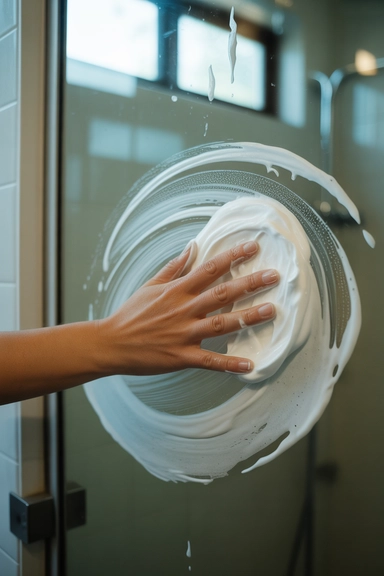
Foam shaving cream contains surfactants and lubricating agents that leave a thin protective film on glass surfaces after cleaning. Applied to a shower door it reduces how quickly soap scum and mineral deposits reattach to the glass.
Spread foam shaving cream across the entire glass surface, let it sit for five minutes, then wipe away and rinse thoroughly. The residual film left behind is hydrophobic enough to slow water spotting for several days.
| Method | Best For | Contact Time | Frequency |
|---|---|---|---|
| White vinegar soak | Heavy mineral deposits | 4 hours to overnight | Monthly |
| Dryer sheet | Soap scum | Immediate | Weekly |
| Baking soda paste | Corner buildup | 10 minutes | Monthly |
| Rain-X treatment | Long term prevention | 1 hour cure | Every 4 weeks |
| Daily squeegee | Preventing all buildup | 10 seconds | After every shower |
| Hydrogen peroxide | Mold on seals | 10 minutes | Weekly |
Cream of Tartar Paste Removes Rust Stains Around Metal Frames
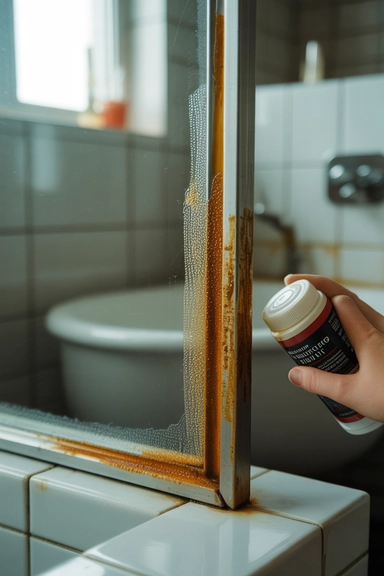
Metal shower door frames develop rust staining along the edges where the metal meets the glass or tile grout. The rust transfers from the frame hardware and creates orange-brown staining that looks like permanent damage.
Mix cream of tartar with enough lemon juice to form a spreadable paste. Apply it directly to the rust staining and leave for fifteen minutes. The tartaric acid in cream of tartar dissolves iron oxide, which is what rust actually is, and lifts the staining from both glass and grout surfaces.
Rinse thoroughly after treatment. Cream of tartar paste residue left on chrome or brushed nickel frames can cause surface dulling if left in contact for extended periods.
Bar Keeper’s Friend Restores Heavily Stained Glass
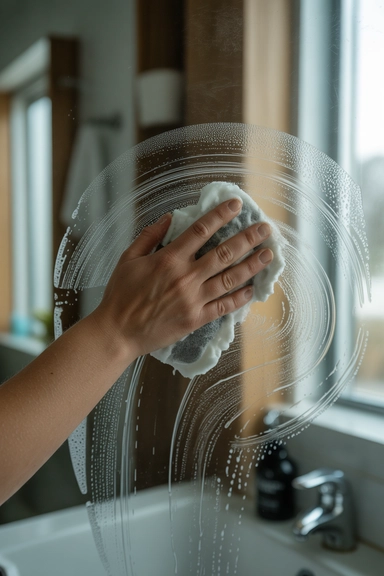
Bar Keeper’s Friend is an oxalic acid based cleaning powder that handles mineral deposits, rust stains, and soap scum on glass more aggressively than baking soda while remaining safe for glass surfaces. It is the one commercial product I reach for when everything else has already been tried.
Make a paste with water, apply it to the glass with a soft cloth, and work in circular motions for two minutes before rinsing. The oxalic acid dissolves mineral and rust staining while the mild abrasive powder handles soap scum simultaneously. One treatment handles buildup that would take three vinegar soaks to clear.
I keep Bar Keeper’s Friend under my bathroom sink for quarterly deep cleaning sessions on the shower door. It is the most effective single product I have found for glass shower door restoration after heavy neglect.
Newspaper Leaves Glass Streak Free Better Than Paper Towels

Newspaper has been used for streak-free glass cleaning for decades and the reason is straightforward. Newsprint is denser than paper towel and leaves no lint on glass surfaces. The slight abrasiveness of the paper also buffs glass to a clearer finish than cloth wiping achieves.
Spray the glass with your chosen cleaner and wipe with crumpled newspaper in a top to bottom S-shaped stroke. Work in sections and use fresh newspaper for each section to avoid redistributing the soil you just removed.
This works equally well on mirrors and windows. The results are genuinely better than microfiber cloth wiping for final buffing on glass surfaces specifically.
Final Thoughts on Glass Shower Door Cleaning Hacks
Glass shower door cleaning hacks work best when prevention and maintenance run together rather than waiting for buildup to become severe. Daily squeegeeing prevents the problem. Weekly dish soap cleaning maintains clarity. Monthly vinegar soaks handle whatever breaks through daily prevention.
The biggest mistake most people make is reaching for abrasive scrubbers when buildup gets heavy. Scratched glass holds onto soap scum and mineral deposits faster than smooth glass because the scratches give deposits more surface area to bond to. Gentle methods with adequate contact time always outperform aggressive scrubbing.
Start with the squeegee habit and the weekly dryer sheet wipe. Those two changes alone will transform how your shower door looks within two weeks without any deep cleaning required.
FAQ About Glass Shower Door Cleaning Hacks
Why does my glass shower door still look cloudy after cleaning?
Cloudiness that remains after cleaning is usually etching rather than buildup. Etching happens when mineral deposits sit on glass long enough to physically alter the surface structure. Cleaning removes the deposits but cannot repair the etched surface underneath. A glass polishing compound applied with a buffing pad reduces etching visibility but cannot eliminate it completely once the damage is structural.
Is it safe to use vinegar on glass shower door frames and hardware?
White vinegar is safe on glass but damaging to certain metal finishes with repeated use. Chrome handles it well short term but extended contact dulls the finish. Brass and brushed nickel should never have undiluted vinegar applied directly because the acid reacts with the metal coating and causes permanent surface damage. Apply vinegar only to the glass panel and keep it off metal hardware.
How do you clean the bottom track of a sliding glass shower door?
Fill the track with undiluted white vinegar and let it sit for thirty minutes to dissolve mineral deposits and soap scum that collect in the channel. Use an old toothbrush to scrub along the full length of the track, then flush with warm water. A cotton swab dipped in rubbing alcohol cleans the narrow corners of the track that the toothbrush cannot reach. Dry the track completely after cleaning to slow mold regrowth in the channel.
Sarah Mitchell’s Take
The shower door I almost paid eight hundred dollars to replace is still in my bathroom and it is clear. That outcome came from two weeks of stubborn testing and zero dollars spent on professional help. What I learned is that most glass shower door problems look permanent because people try the wrong method for the wrong type of buildup and give up. Mineral deposits need acid and time. Soap scum needs surfactants and friction. Scratches need polish. Matching the method to the problem is the entire game.