
Introduction
Blinds get dirty fast because they are next to windows. They collect dust, pollen and dirt. After a days they look dull. Cleaning each slat one, by one is a task.. You can clean them quickly. Here are some smart blinds cleaning hacks to remove dust. Keep your blinds looking fresh. If you like home cleaning ideas you may also enjoy some other cleaning tips. You can check out 21 Bed Cleaning Hacks to Keep Your Bed Fresh and Clean for simple home cleaning ideas.
Close the Blinds First So Dust Doesn’t Fall Everywhere
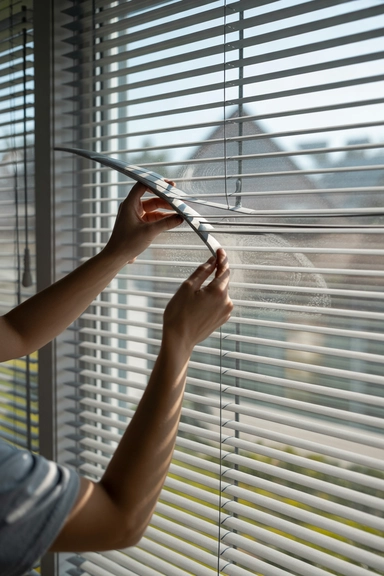
One thing I’ve noticed is that cleaning blinds becomes much easier when they are closed before you start wiping them. When the slats are open, dust tends to fall between them and land on areas you already cleaned. I usually tilt the blinds closed so the slats form a flatter surface. That way I can wipe across several slats quickly instead of trying to clean each one individually.
After closing the blinds, I start cleaning from the top and work my way down. This keeps dust from falling onto sections I’ve already wiped. It also helps the whole job move faster because you’re not constantly going back to re-clean spots. Small habits like this are simple blinds cleaning hacks that make a big difference when you want to remove dust quickly.
Use a Microfiber Cloth That Actually Grabs Dust
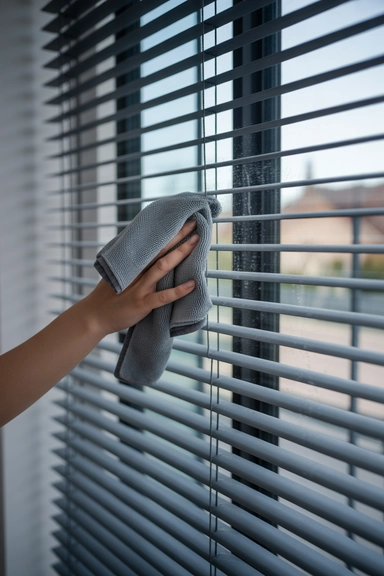
Regular cloths often push dust around instead of removing it. I like using a microfiber cloth because it traps dust inside the fibers instead of spreading it across the blinds. When I wipe across the slats, the dust sticks to the cloth instead of falling onto the window frame or floor.
I usually hold the cloth in my hand and gently slide it along each slat from one side to the other. It’s surprising how much dust comes off in just a few passes. When the cloth gets too dusty, I shake it out or switch to a clean side. This simple tool is one of the easiest blinds cleaning hacks for keeping window blinds looking clean.
Use a Vacuum Brush Attachment for Quick Dust Removal
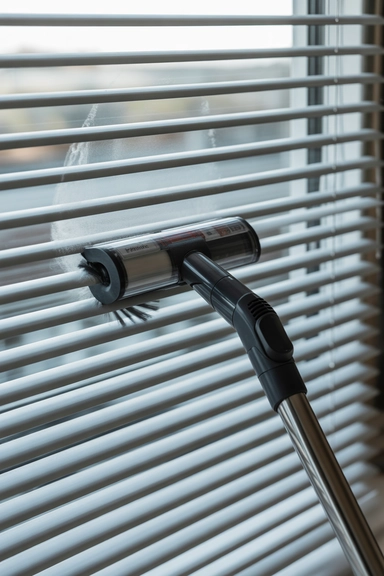
Sometimes blinds collect more dust than a cloth can handle easily. In those situations I use the brush attachment on my vacuum cleaner. The soft bristles loosen the dust while the vacuum immediately pulls it away, so it doesn’t spread into the room.
I usually move the vacuum slowly along each row of slats while the blinds are closed. It only takes a few minutes and it removes most of the dust in one pass. This trick works especially well for blinds in living rooms or bedrooms where dust tends to build up quickly.
Clean Both Sides by Reversing the Blinds
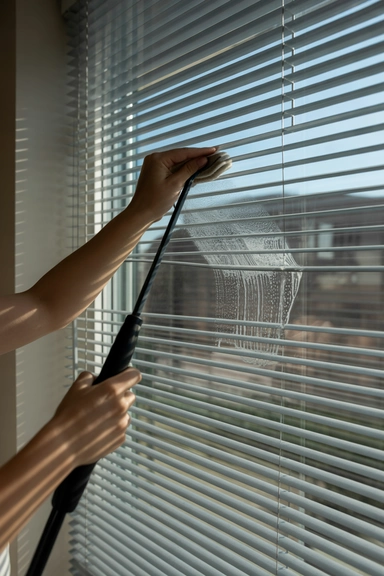
A common mistake people make is cleaning only the side of the blinds that faces the room. Dust actually builds up on both sides of the slats. After cleaning the front side, I usually rotate the blinds in the opposite direction so the other side becomes visible.
Once the slats flip the other way, I repeat the same quick wipe or vacuum process. It only adds a few extra minutes but it makes the blinds look noticeably cleaner. This small step helps remove hidden dust that would otherwise stay there.
Use a Sock on Your Hand for Faster Cleaning
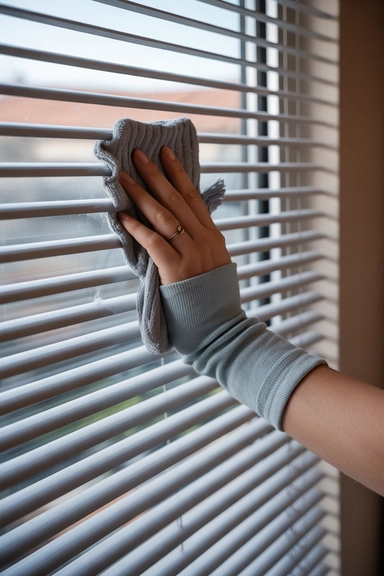
One trick I like using is slipping an old sock over my hand when wiping blinds. The fabric fits nicely between the slats and makes it easy to clean both sides at once. Instead of struggling with a cloth, the sock lets me quickly slide my hand across each slat.
Sometimes I lightly dampen the sock so it grabs dust more easily. This works especially well for blinds that have a thicker layer of dust. It’s a simple method but it makes the job much faster, which is why it’s one of my favorite blinds cleaning hacks for everyday cleaning.
Use Dryer Sheets to Remove Dust and Reduce Future Buildup
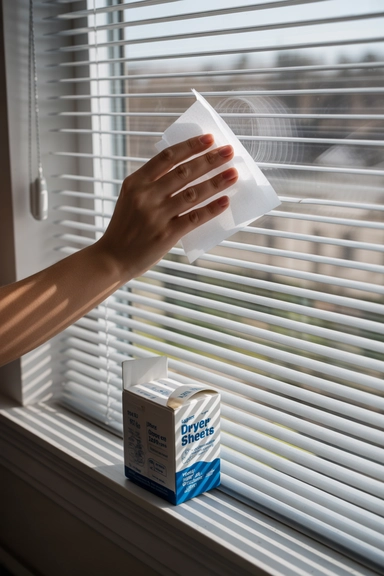
Blinds seem to attract dust constantly, especially in rooms where windows stay open or air moves through the house. One trick I like using is wiping the slats with a dryer sheet after removing the initial dust. Dryer sheets work surprisingly well because they pick up fine particles that a cloth sometimes leaves behind. I usually close the blinds first so the slats lie flat and then run the sheet gently across each row.
Another thing that helps is the anti-static coating dryer sheets leave behind. After wiping the blinds this way, dust doesn’t settle as quickly as it normally does. This means the blinds stay cleaner longer, which saves time during the next cleaning. It’s a simple step, but it’s one of those blinds cleaning hacks that keeps window blinds looking fresh for days instead of collecting dust again right away.
Use a Small Paintbrush to Reach Tight Corners
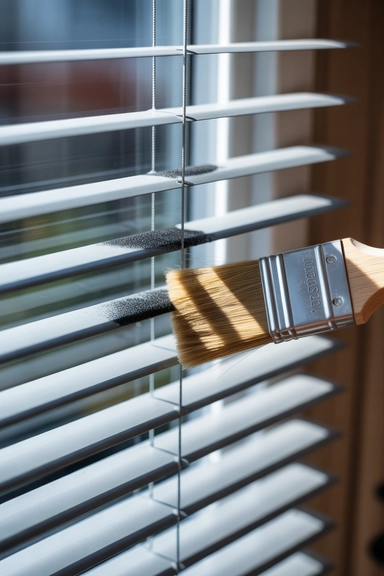
Blinds have small edges and corners where dust tends to gather, especially near the strings and side rails. Those spots are difficult to clean with a cloth alone. I’ve found that a soft paintbrush works really well for this. The bristles slide easily between the narrow gaps and loosen dust without scratching the surface of the blinds.
When I clean blinds, I often brush along the edges first to remove trapped dust before wiping the slats themselves. This prevents dirt from spreading across the blinds while cleaning. A small brush also works well around the headrail and window frame where dust collects quietly over time. Using a simple tool like this makes cleaning much more thorough without adding extra effort.
Wipe Blinds with Vinegar and Water for Sticky Dust
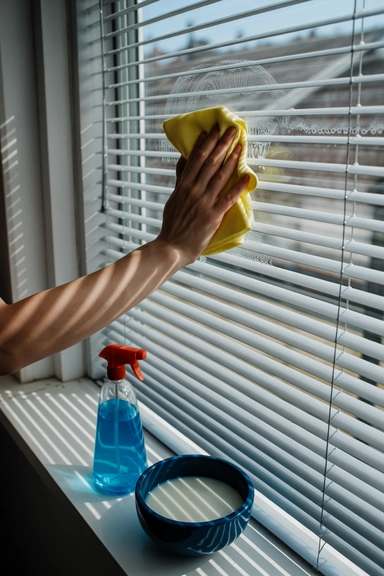
Sometimes blinds collect more than just dry dust. In kitchens or areas near windows that stay open, the dust can mix with moisture or grease and become slightly sticky. In those situations I mix a small amount of vinegar with warm water and lightly dampen a cloth with the solution. The vinegar helps break down that stubborn film that normal dusting doesn’t remove.
I usually wipe each slat gently and then follow with a dry cloth so no moisture stays on the blinds. This works especially well on plastic or metal blinds where grime can build up over time. It’s a simple cleaning solution but it removes dull buildup and makes the blinds look noticeably brighter again.
Use Tongs with Cloth to Clean Multiple Slats at Once
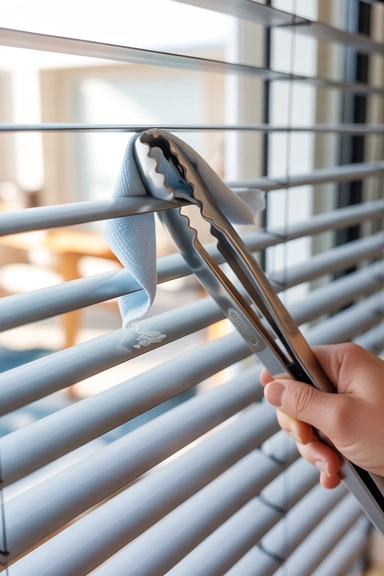
Cleaning blinds one slat at a time can feel slow, especially when there are many windows in the house. A small trick I like using is wrapping two cloths around kitchen tongs with rubber bands. This creates a simple tool that can grip both sides of a blind slat at the same time.
Once the cloths are secured, I slide the tongs across each slat from one side to the other. This allows both sides of the slat to be cleaned in a single motion instead of wiping twice. It’s a clever shortcut that speeds up the whole process, especially when dealing with long sets of blinds in living rooms or bedrooms.
Dust Blinds Regularly to Prevent Heavy Buildup

The easiest way to keep blinds clean is preventing heavy dust buildup in the first place. I’ve noticed that when blinds are ignored for weeks, the dust becomes thicker and harder to remove. A quick wipe every few days makes a huge difference and keeps the slats from collecting layers of dirt.
Sometimes I simply run a microfiber cloth or feather duster across the blinds while doing normal room cleaning. It only takes a minute but it keeps the dust from settling deeply into the slats. Small habits like this make cleaning blinds much easier because you’re maintaining them instead of trying to remove weeks of buildup all at once.
Use a Vacuum with a Soft Brush for Deep Dust Removal

I have noticed that some blinds have gaps around the top rail or between the narrow slats where dust builds up. The dust gets stuck in these areas. It is really hard to get to them with a cloth or a brush. When I see the dust stuck in those spaces of the blinds I use a small can of compressed air to blow the dust particles, out of the blinds.
I usually tilt the blinds closed and move the brush slowly across each row of slats. This allows the vacuum to remove dust from a larger surface area instead of chasing small patches one by one. It also helps reach areas where dust settles along the edges. Using a vacuum this way is one of the more effective blinds cleaning hacks when blinds have been collecting dust for a while.
Clean Fabric Blinds with a Lint Roller
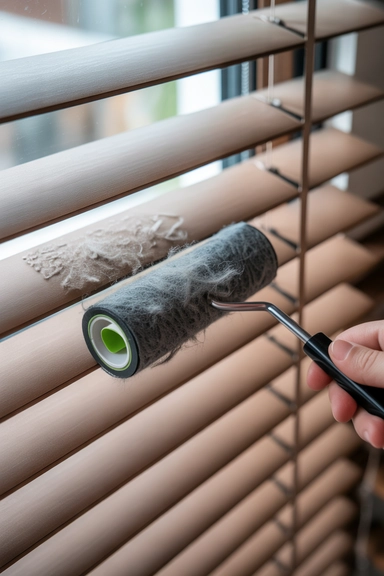
Fabric blinds can catch a lot of dust and tiny fibers that are hard to remove with just a cloth. I’ve found that a lint roller works really well for this type of material. The sticky surface easily picks up dust, hair, and small bits of dirt without damaging the fabric. It’s a simple tool, but it makes a big difference when blinds start looking dull from everyday dust.
When I clean fabric blinds with a lint roller, I move it slowly across each panel so it has time to lift the dust properly. This works especially well in bedrooms where blinds often collect lint from bedding and clothes. It only takes a few minutes, and the blinds instantly look cleaner and fresher. Using a lint roller regularly is an easy way to keep fabric blinds looking neat without needing a deep clean.
Use Warm Soapy Water for Greasy Blinds
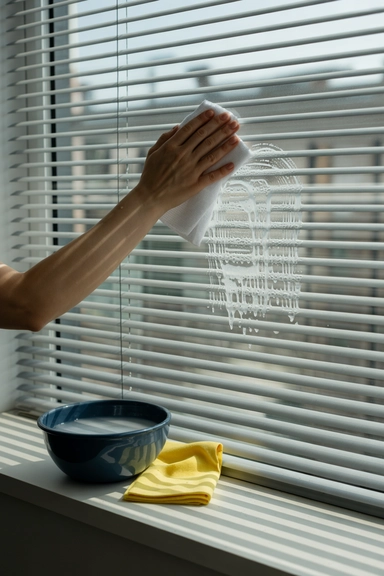
Blinds near kitchens often collect grease along with dust, which makes the slats feel sticky. In those cases, dry dusting alone usually doesn’t solve the problem. I like mixing a small amount of dish soap with warm water and dipping a cloth into the solution.
After lightly wiping the slats, I go back over them with a clean damp cloth to remove any soap residue. This helps lift the greasy film without leaving streaks behind. It takes a bit more time than dry dusting, but it restores the clean look of the blinds and removes buildup that dulls the surface.
Remove Dust from Blind Cords and Strings
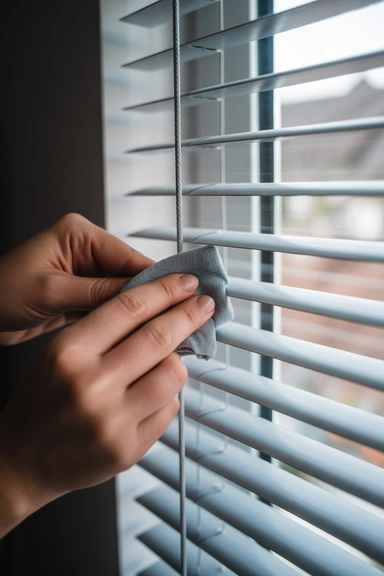
One area people often overlook is the cords that run along the sides of blinds. These strings quietly collect dust over time, and when they’re ignored they can make the blinds look dirtier than they actually are. I usually hold the cord with a cloth and slide my fingers along its length to remove dust.
Doing this while cleaning the slats keeps everything looking fresh instead of leaving dusty cords behind. It only takes a few seconds but makes the blinds look much cleaner overall. Paying attention to small details like this helps maintain the whole window area.
Clean Wooden Blinds with a Slightly Damp Cloth
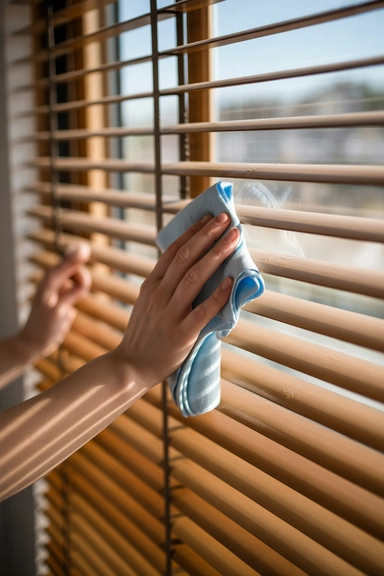
I think wooden blinds need a bit attention than the plastic or metal ones. If they get too wet it can hurt the wood finish so I use a cloth that’s just a little bit damp. I do not want it to be soaking wet. The thing I want to do is get rid of the dust and dirt without making the surface all wet.
After I wipe the slats I often use a dry cloth to get rid of any extra moisture that is left. This helps the wood look nice and shiny. It stops water spots from showing up. If I am careful I can keep my blinds clean and make sure the finish stays nice.
There are some blinds that have little gaps around the top or between the thin slats and dust can get stuck, in those places. It can be hard to get to those areas with a cloth or a brush. When I see dust stuck in those spots I sometimes use a little can of air to blow it out. I use air to get rid of the dust and it works pretty well on my wooden blinds.
Use Compressed Air to Blow Dust Out of Tight Spaces
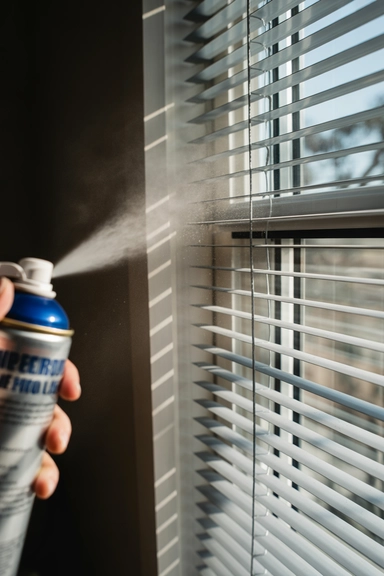
Some blinds have small gaps around the top rail or between narrow slats where dust quietly collects. These areas can be difficult to reach with a cloth or brush. When I notice dust stuck in those tight spaces, I sometimes use a small can of compressed air to blow the particles out.
A few short bursts of air can push dust out from places that are otherwise impossible to clean properly. After that, I wipe the surrounding area with a cloth so the dust doesn’t settle again. This trick works well for blinds with detailed edges or narrow openings.
Take Blinds Outside for a Quick Shake

If blinds have collected a heavy layer of dust, sometimes the easiest solution is taking them outside for a quick shake. I’ve done this with lightweight blinds that can be removed easily from the window frame. Once outside, I gently shake them to remove loose dust before doing any detailed cleaning.
Fresh air and a little movement can remove a surprising amount of buildup. After shaking them out, I usually wipe the slats with a cloth before reinstalling them. This method helps remove most of the dust quickly instead of spreading it inside the house.
Use a Damp Sponge for Stubborn Dust
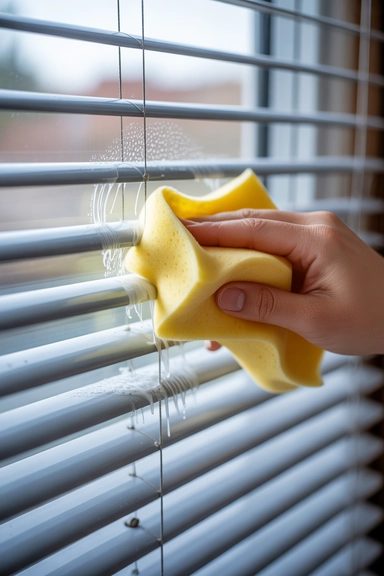
Sometimes dust sticks to blinds because it mixes with moisture or tiny particles in the air. When that happens, a slightly damp sponge can work better than a dry cloth. The soft surface grabs the dust and wipes the slats clean without scratching them.
I usually squeeze out most of the water so the sponge stays only slightly damp. Then I wipe across each slat and follow up with a dry cloth. This simple approach removes the dull layer that often builds up on blinds over time.
Clean Vertical Blinds Panel by Panel
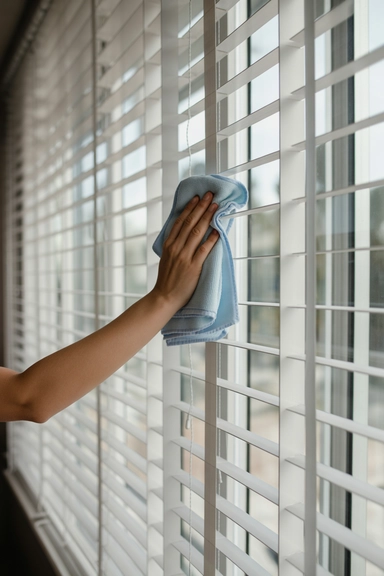
Vertical blinds are a little different because they hang in long panels rather than narrow slats. I usually start cleaning from the top of each panel and move downward so dust doesn’t fall onto areas I already cleaned. This makes the job easier and keeps the cleaning process organized.
Using a microfiber cloth or lint roller works well for vertical panels because it covers more surface area quickly. Once the dust is removed, the blinds often look much brighter. Keeping the panels clean also prevents dust from spreading around the room.
Wipe Window Frames While Cleaning the Blinds
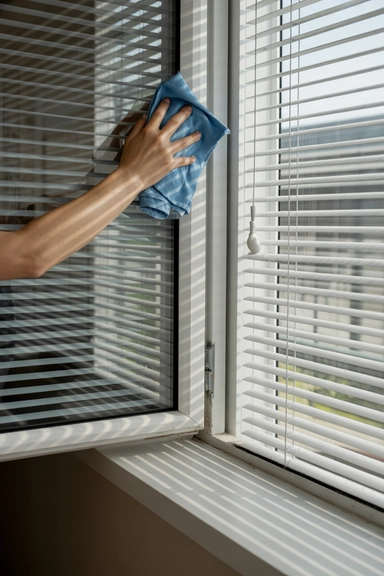
When cleaning blinds, it’s easy to forget the window frame and nearby surfaces. I’ve noticed that dust often gathers around the top rail and corners of the window. If these areas are left untouched, the dust can fall back onto the blinds later.
That’s why I like wiping the window frame and sill at the same time. A quick wipe with a cloth removes the dust that collects there. Cleaning both areas together keeps the whole window space looking neat and prevents dust from returning too quickly.
Clean the Window Area to Keep Blinds Dust-Free Longer
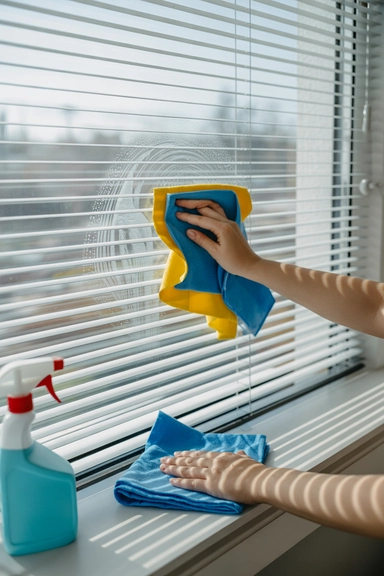
Blinds often get dusty again because the surrounding window area collects dirt that slowly falls back onto the slats. I’ve noticed that when the window sill and frame are dusty, the blinds never stay clean for long. When I clean my blinds, I usually wipe the window sill and the top frame at the same time. Dust tends to settle in those corners where the frame meets the wall.
Taking a minute to wipe the surrounding surfaces helps prevent dust from returning too quickly. A simple cloth or microfiber duster works well for removing dirt from the window sill and edges. When the whole window area is clean, the blinds stay dust-free much longer and the entire window space looks brighter and fresher.
Conclusion
I like keeping my blinds clean by using these blind cleaning hacks. It’s easy when I do a bit every day. I use microfiber cloths and dryer sheets to wipe them down. Sometimes I just use the vacuum cleaner to get the dust off. When I clean my blinds regularly they look really nice. The whole room feels cleaner. I’ve found that cleaning my blinds a bit at a time is not a task. My home looks nicer every day because I take a minute to clean my blinds. I think it’s worth it to keep my blinds clean.