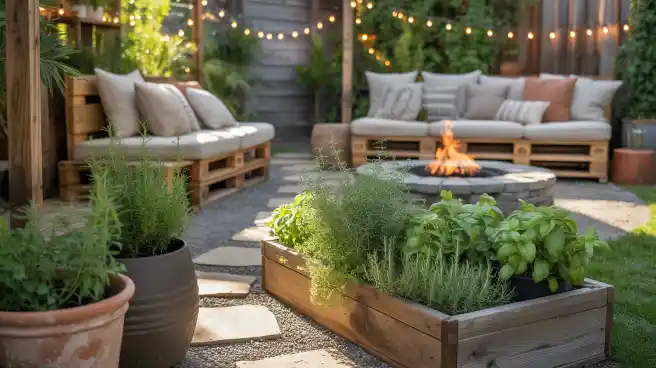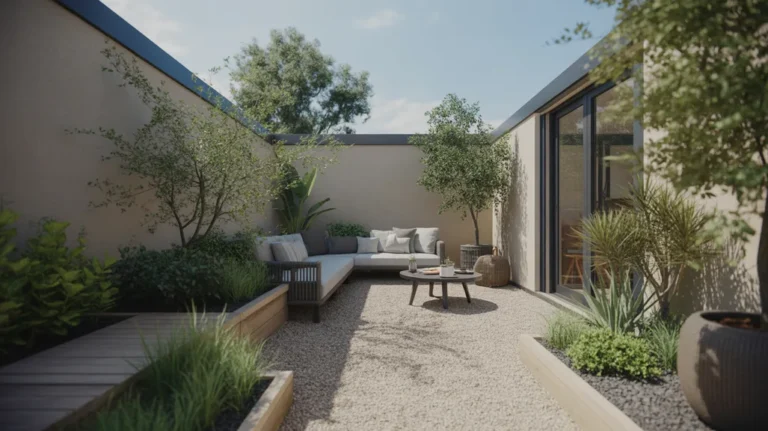

Introduction
The backyard sat empty for two full summers before I admitted the problem was not the space. It was me. I kept waiting for some larger plan to come together, some budget moment where everything would finally click. Meanwhile the patio furniture I bought on clearance sat fading under a tarp and the grass grew up around it like a slow complaint. What finally got me moving was not inspiration. It was embarrassment. A friend came over, looked at the back door, and asked if we ever went outside. That was three years ago. The backyard living space ideas I ended up using were not complicated. None of them came from a magazine.
If you have been putting this off, Backyard Layout Ideas is probably the step you missed before spending a single dollar out there.
Before You Buy Anything, Read This First
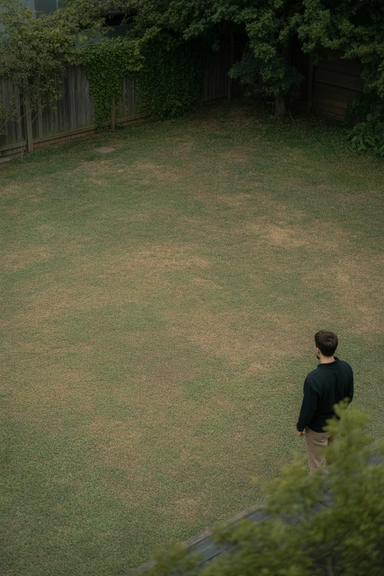
Most people walk outside, see empty space, and head straight to the store. Two weekends later they have a fire pit, a bistro set, and a hammock all fighting for the same patch of ground with no real flow between any of it.
Walk the yard at three different times of day first. Morning, early afternoon, and evening. Pay attention to where the sun hits and where shade falls, and where you actually want to stand. That tells you more than any app.
Check the ground too. A low spot that holds water or a slightly uneven patio will undermine everything you put on top of it. Fix the floor before anything else.
A Seating Zone That Anchors the Whole Space
An outdoor rug sized at eight by ten feet minimum creates a boundary the eye can read without a fence or a wall. Four chairs or a small sectional sitting on that rug with a low table between them reads as a room rather than a random collection of stuff.
Keep pieces close together. The instinct is to spread things out to fill the yard, but tight groupings feel more intentional. Two deep chairs angled toward each other with a side table between them, all on one rug, looks like someone actually thought it through.
This is where most outdoor setups quietly fall apart. The furniture is fine. The arrangement is not.
Fire Features That Make the Space Feel Complete
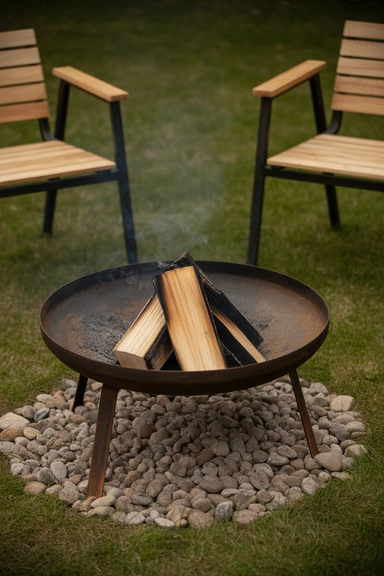
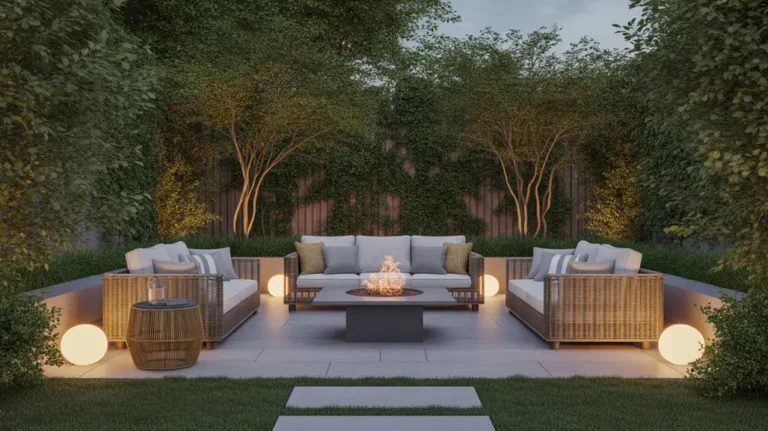
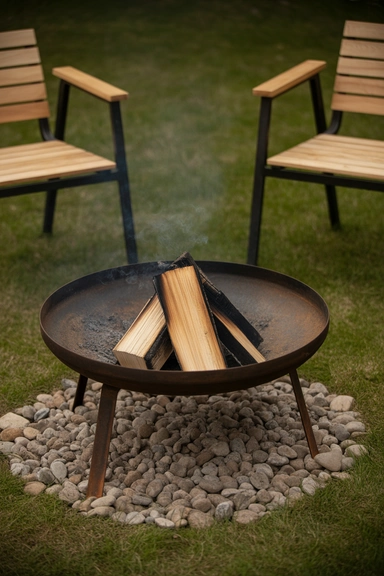
A fire pit extends the usable hours outside further than almost any other single addition. Once the sun drops and the temperature follows, a fire is the reason people stay out instead of drifting back in. A portable steel bowl on legs at the far edge of the seating zone does the job without any permanent installation.
Put a ring of pea gravel about eighteen inches wide around the base. Keeps the ground clean, reduces fire risk on dry grass, and gives the feature a finished look that bare soil never does. Solo Stove makes a smokeless model that works better near neighbors or in tighter spaces.
Most people skip the gravel. Then they spend the next season staring at a scorched circle in the lawn.
Shade Structures That Change Everything
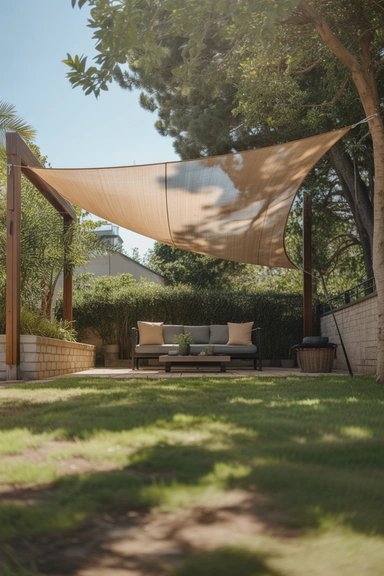
An uncovered patio in direct afternoon sun sits empty through the hottest part of the day. A shade sail stretched between three anchor points fixes that fast and costs a fraction of what a pergola build runs.
For something more permanent, four cedar posts with a lattice overhead takes a weekend and changes the feel of the whole space. Sunbrella fabric panels hung from the beams add weather protection without needing a full roof. The shade feels cooler since air still moves through it.
I installed a sail shade over my main seating area. The difference in how often we actually went outside was immediate.
Outdoor Dining That Actually Gets Used
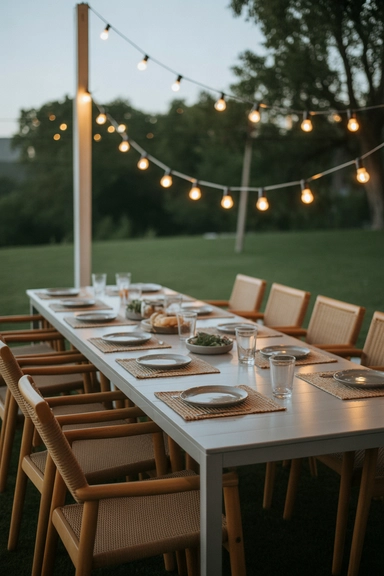
An outdoor dining setup fails for one of two reasons. The table is too large for the space, or the lighting disappears after dark and nobody wants to sit out there.
Before spending a single dollar on an outdoor dining set, Backyard Patio Ideas is the one thing that will stop you from buying a table that does not fit the space you actually have.
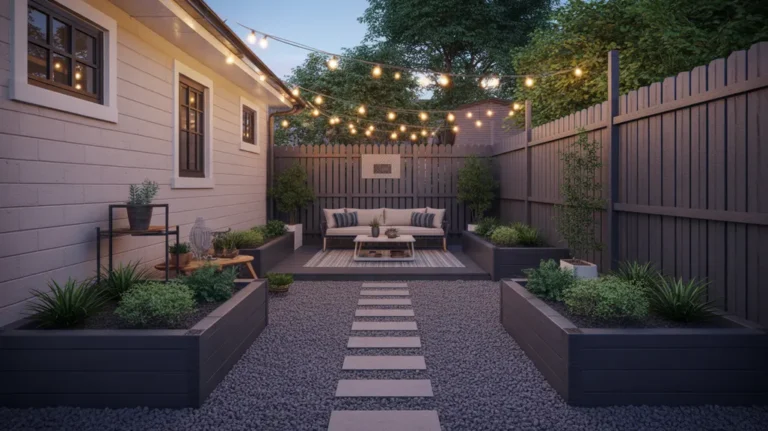
A sixty-inch round table seats six adults with two feet of clearance around every chair. String lights hung at eight feet overhead turn the dining area into somewhere people actually want to sit after dark. That warm overhead light is what makes an outdoor dinner feel worth staying for.
Privacy Screens That Do Not Look Like Barriers
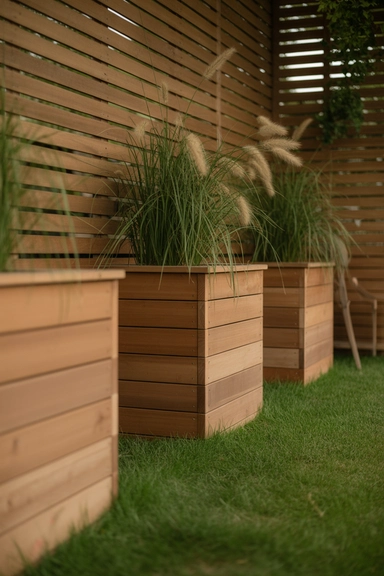
You do not need a six-foot fence to get privacy out there. A single cedar planter box at four feet tall, filled with ornamental grasses or a tall shrub, blocks a sightline without boxing in the whole yard. Three of those boxes along one side of a seating area create a screen that breathes and moves with the wind.
Bamboo in a contained planter works the same way and grows faster. Keep it in a planter with a solid base though. Bamboo planted directly in ground spreads through underground runners and becomes a real problem within two seasons. In a contained planter it stays put and looks deliberate.
Paths That Give the Space a Sense of Flow
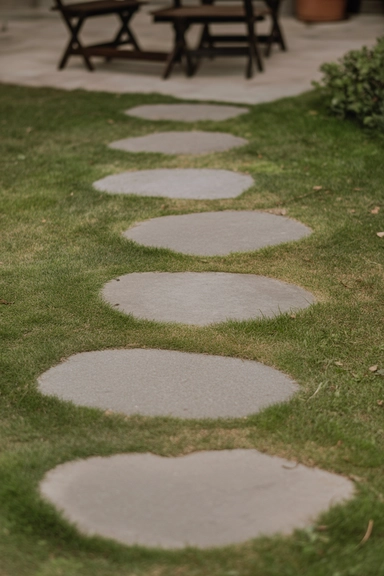
A backyard without a path feels unfinished even when everything else is right. A simple line from the back door to the main seating area signals that the space was thought through. It also stops foot traffic from wearing bare patches through the grass.
Flat fieldstones or large square pavers set directly into the lawn do the job without any excavation. Space them eighteen inches apart, press each one firmly so it sits level, and the grass fills back in around the edges within a few weeks. By end of first season it looks like it has always been there.
Vertical Greenery That Adds Life Without Taking Floor Space
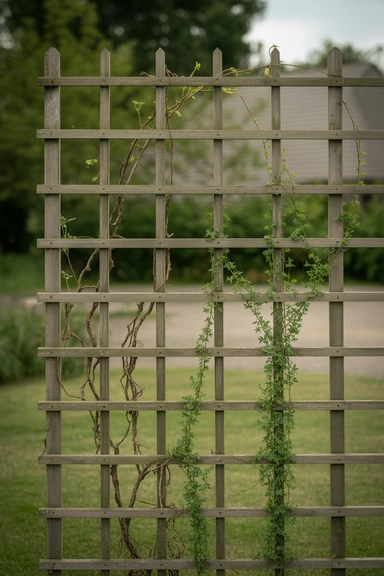
Floor space fills up fast in a backyard living area. Moving the garden up walls and fences instead of across the ground solves that. A simple trellis on a fence post with a climbing plant at the base takes almost no ground footprint and adds real visual interest by midsummer.
Clematis is a solid choice. It establishes quickly, flowers heavily in its second year, and does not need aggressive pruning to stay manageable. A wall-mounted planter system with staggered pockets is another option. Three rows on a bare fence wall turns dead space into something that actually makes the seating area feel finished.
This one took me two seasons to get right.
Container Gardens That Work as Decoration and Function
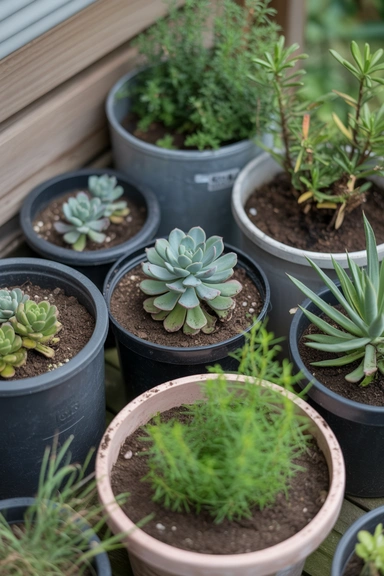
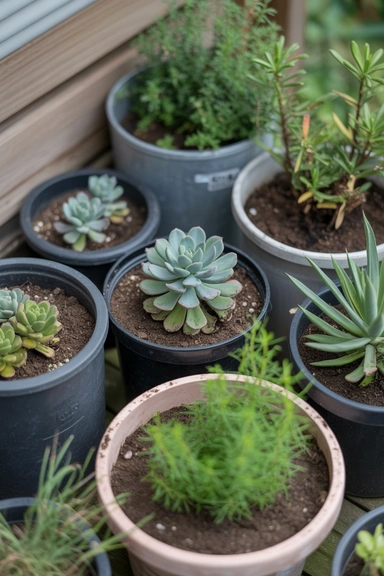
Three large containers clustered at different heights near the seating area do more visual work than a planting bed twice their size. One tall structural plant in the center, lower mounding plants around it, something trailing over the edge. That combination reads as finished from ten feet away.
Skip the drainage step and none of it matters. Containers without drainage holes sitting on solid surfaces develop root rot inside one wet season. A pot with a drainage hole sitting on pot feet handles rainfall without problems. Mix potting soil with perlite before planting to improve aeration from the start.
Lawn Areas That Support the Living Space
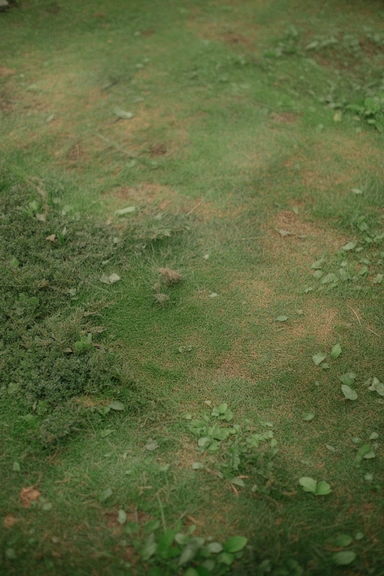
Patchy grass or a lawn fighting compaction and drought stress undermines every other element around it. A late fall overseeding fills thin spots before winter and gives the lawn a full season to establish before the next summer of use.
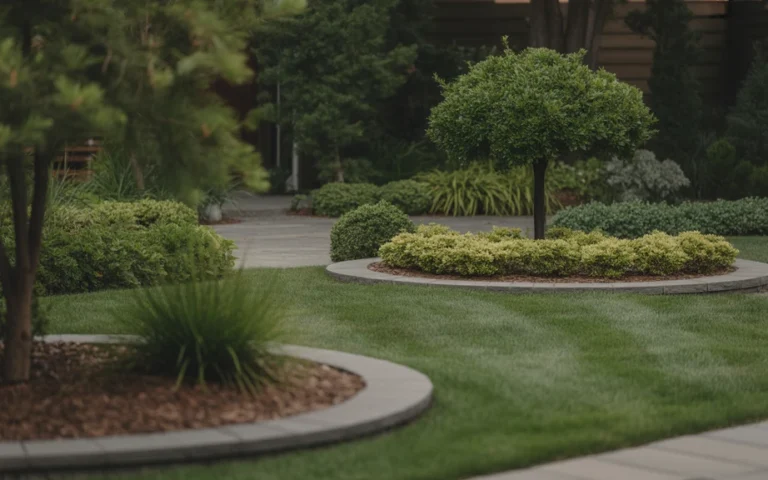
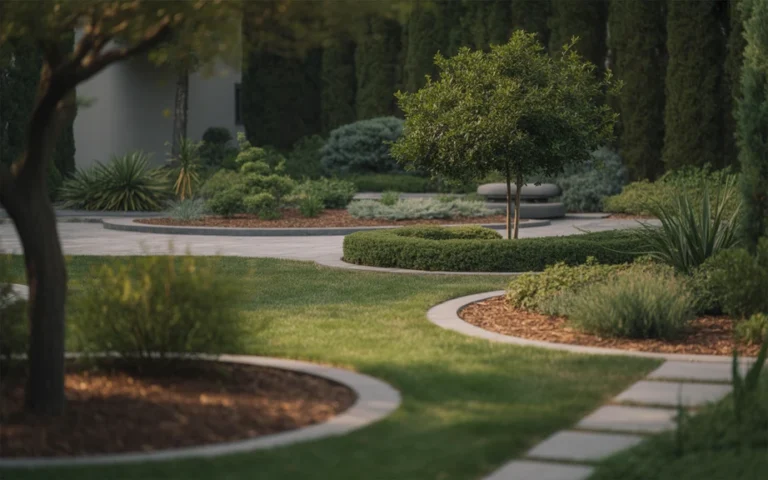
Edges matter more than most people realize. A clean line between grass and any planting bed or patio border makes the entire yard look sharper without adding a single plant or piece of furniture. A half-moon edger run along those borders twice a season takes twenty minutes and reads as professional from a distance.
I spent years focusing on what was in the yard rather than what was between all of it. That was the wrong order.
Outdoor Rugs and Textiles That Add Warmth
An outdoor rug defines a zone. Throw pillows on outdoor chairs turn functional seating into comfortable seating. A folded blanket over one chair arm signals that the space is meant for staying rather than passing through.
Choose textiles rated for UV resistance and moisture. Fabrics not rated for outdoor use fade within one season and start holding mildew smell within two. Olefin and solution-dyed acrylic hold color and resist moisture well enough to leave outside through most weather without pulling them in every time it rains.
Lighting Layers That Make the Space Usable After Dark
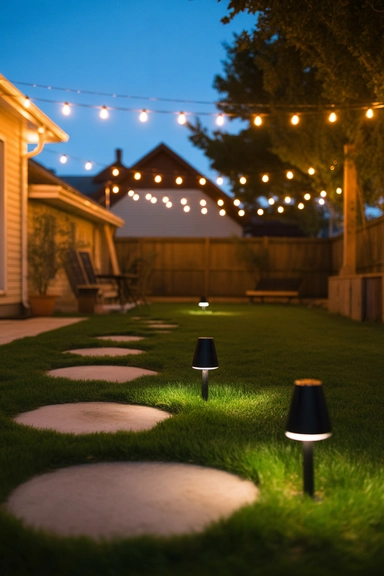
A single overhead light does not create atmosphere. It creates a work light. Three layers do the job properly. Path lighting at ground level. String lights at head height over the seating or dining area. One focused spotlight aimed at a focal point or feature plant. Those three together make the backyard feel designed after dark rather than just visible.
Everything I got wrong in year one is covered in Creative Backyard Ideas and I wish I had found it before buying lights that ended up in a drawer by the second season.
Solar path lights work adequately for ground-level lighting. For string lights, plug-in is more reliable than solar unless the panels get unobstructed full sun for at least six hours daily. The brightness difference is noticeable.
A Focal Point That Gives the Eye Somewhere to Land
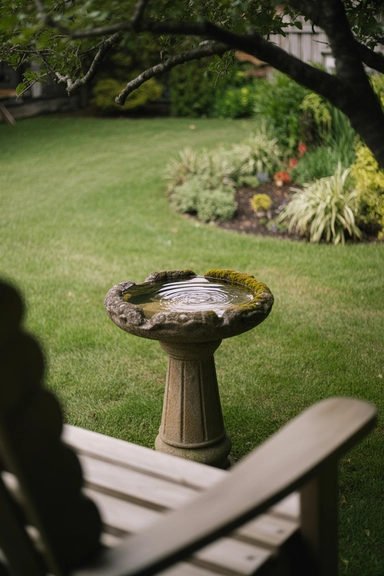
Without a focal point the space feels scattered even when it is tidy. A birdbath on a stone pedestal, a large ceramic pot with a structural grass, or a wall-mounted water feature all create that anchor. Does not need to be large or expensive.
Place it at the far end of the yard from the main viewing position, usually the back door or the primary seating area. The eye naturally moves to the far edge of any space. Giving it something deliberate to land on makes the whole yard feel larger than it actually is.
A Dedicated Corner That Does Not Collect Clutter
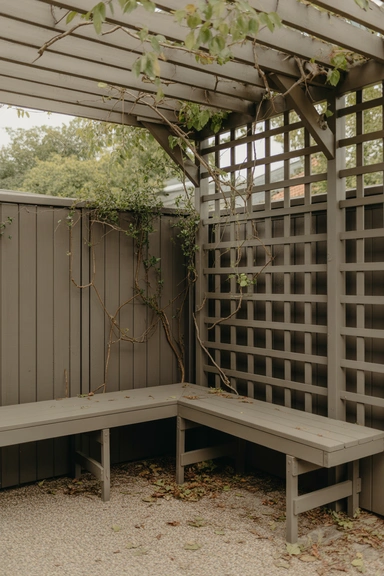
The corner where two fences meet collects old pots, tangled hoses, and things that never made it back to the shed. Giving it a deliberate purpose fixes that permanently. A garden bench with a trellis behind it turns the dead zone into a secondary seating spot. A large planter with a dwarf conifer anchors the corner and keeps the sightline clean.
Before spending anything on that corner, Backyard Privacy Ideas is the one thing that will stop you from filling it with something that blocks the wrong sightline entirely.
Three cedar boards screwed into a basic frame and mounted to a fence post takes less than an hour and gives climbing plants something to work with through the season.
Small Details That Signal the Space Is Cared For
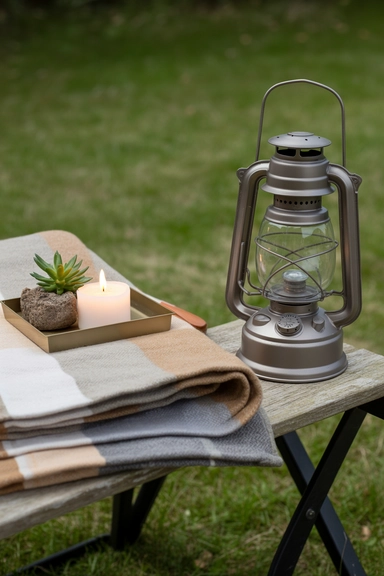
A doormat at the back door. A lantern on the dining table. A small tray on the coffee table with a candle and a plant. A ceramic pot used as a side table next to a chair. They don’t cost much, but you notice the difference right away.
You are not short on ideas at this point. You are short on follow-through, and that is a much simpler problem to fix.
Final Thoughts on Backyard Living Space Ideas
A backyard living space does not come together all at once. Zones first. Surfaces and shade next. Furniture, lighting, and plants after that. Details last. That order keeps every decision from canceling out the one before it.
None of what is here required a landscape contractor or a budget most people do not have. The space I use now cost less than the patio set I returned in year one.
Start with one zone. Give it edges, shade, and light. Everything else follows from there.
FAQ About Backyard Living Space Ideas
How do you create a comfortable outdoor living space on a limited budget?
Start with an outdoor rug to define the seating zone, then add weather-resistant cushions to existing furniture before buying anything new. String lights and a portable fire feature add the most atmosphere per dollar of anything out there. Building in stages across two or three seasons produces better results than trying to do everything at once with a stretched budget.
What plants work best in a backyard living area with mixed sun and shade?
Ornamental grasses handle both sun and partial shade and provide structure through most of the year without much maintenance. Hostas fill shaded borders with clean foliage from spring through fall. For containers in mixed light, impatiens in shade and lantana in sun cover both conditions reliably across a full growing season.
Is a pergola worth building in a smaller backyard living space?
A pergola sized correctly for the space adds permanence that changes how the whole yard feels. Keep it proportional. A twelve-by-twelve structure over a defined seating area works in most yard sizes. In a yard under three hundred square feet, a shade sail achieves similar overhead definition without reducing the open ground area.
Sarah Mitchell’s Take
The backyard I have now is not the one I planned. Half the things I thought I wanted are not out there and I do not miss them. What I actually use is a rug, four chairs, a fire bowl, and lights strung between two posts. That is genuinely it. If your outdoor space still feels unfinished, stop adding things and start editing what is already there. Most cluttered backyards are not under-furnished. They are over-filled with things that were never quite right to begin with.