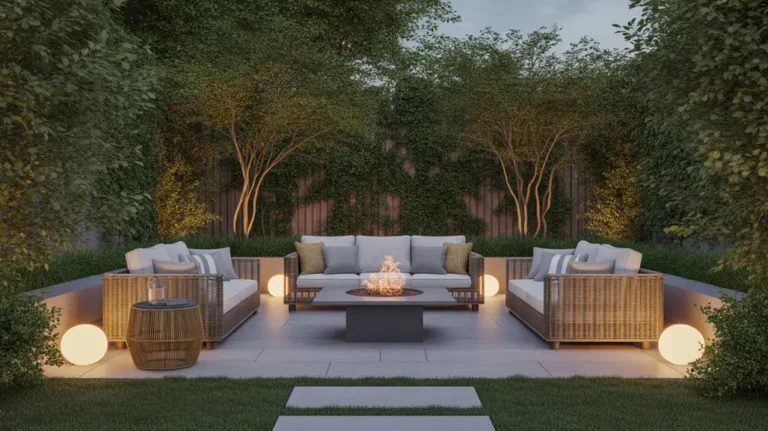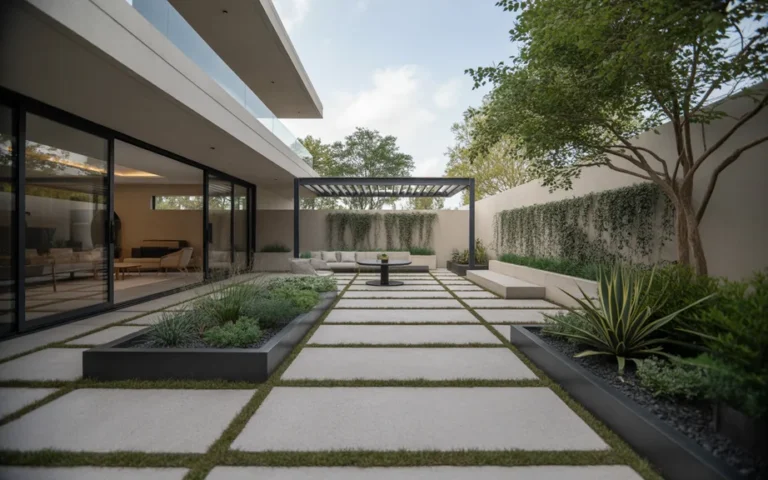

Introduction
Four hundred dollars on patio furniture before I had a flat surface to put it on. The chairs wobbled. Every time someone set a drink on the table it rocked and sloshed and people stopped reaching for their glasses. I thought the furniture was cheap. It was not. The ground underneath was the problem and I did not figure that out until the second summer when I finally dug everything up and started over. If you are starting from scratch, these backyard landscaping ideas will help you think about the bigger picture before the first paver goes down. Nobody warns you about the foundation.
Level the Ground or Waste Everything You Put On Top of It
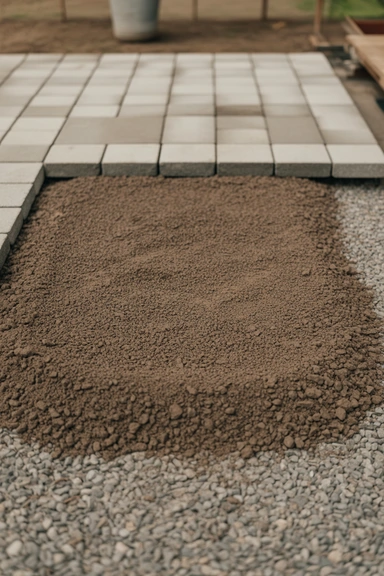
This is the part everyone skips.
Rent a plate compactor for an afternoon and compact the soil before laying anything. Loose soil shifts under weight and whatever surface you lay on top of it settles unevenly within one season. A plate compactor rental runs around sixty dollars for a half day. That sixty dollars saves you from re-leveling the whole patio two years later, which is a much worse afternoon.
Add a two-inch base of crushed gravel over the compacted soil before setting any pavers or stones. That gravel layer handles drainage. Water moves through instead of pooling underneath and causing frost heave in cold winters. I skipped the gravel base on my first attempt. By spring three pavers had lifted and the whole edge had shifted half an inch out of line.
Pick a Surface You Can Actually Install Yourself
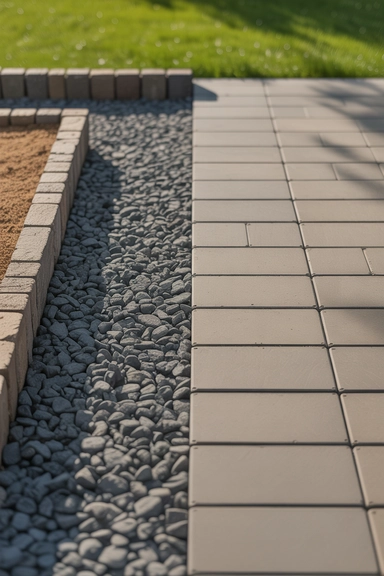
Concrete pavers. Flagstone. Gravel. Decomposed granite. Brick. Poured concrete. All of them work. Not all of them work for a first-time DIY installation on a weekend.
Concrete pavers are the most forgiving. Consistent sizes, easy to set on a leveled base, and individual pavers lift out cleanly if something shifts or you need to access anything underneath. Flagstone looks more natural but irregular shapes take three times as long to puzzle together and the gaps invite weeds immediately.
Gravel costs the least upfront and drains perfectly. The catch is furniture legs sink into it slowly and it migrates out of the defined area if the edging is not right. I tried gravel on a side patio without proper steel edging once. Every two weeks I was raking it back out of the lawn. Annoying enough that I eventually dug the whole thing up and started over with pavers.
Steel Edging Is Not Optional
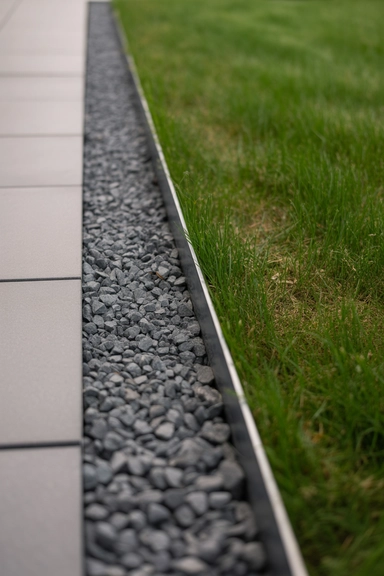
A patio without hard edges looks unfinished. Every surface you can name looks better with a defined border holding it in place.
Steel edging hammered flush with the surface keeps gravel and pavers contained and stops grass from creeping in at the border. Plastic edging buckles in the first hard freeze and looks ragged by spring. Same installation time, worse results, lower cost. Not worth it. Use steel.
Before you install anything, lay a garden hose in the shape you want and walk around it from every angle. Walk back inside and look at it through the window. Adjust the hose until the shape feels right. Changing a hose outline takes two minutes. Changing a paver outline takes two hours and a lot of frustration.
Make the Seating Area Feel Like a Room
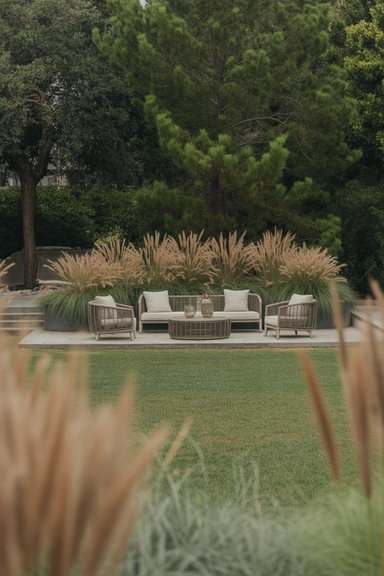
Open patios floating in the middle of a flat lawn feel exposed. People sit there once, feel like they are on display, and go back inside.
You do not need walls. You need suggestion. Tall ornamental grasses or low shrubs planted behind and beside the main seating area create enough boundary that the space reads as a room rather than furniture abandoned in a field. Three Karl Foerster feather reed grasses planted eighteen inches apart behind a sofa fill a six-foot backdrop within two seasons. They grow to five feet, stay upright all winter, and need cutting back exactly once a year.
That is genuinely the whole maintenance requirement. Once a year. I still find it hard to believe a plant that useful asks for so little.
An Outdoor Rug Changes the Whole Space
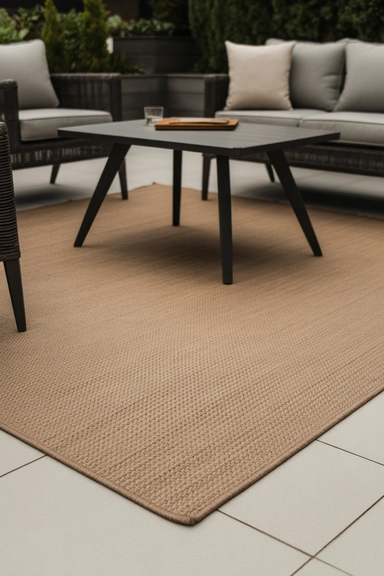
Not decoratively. Functionally.
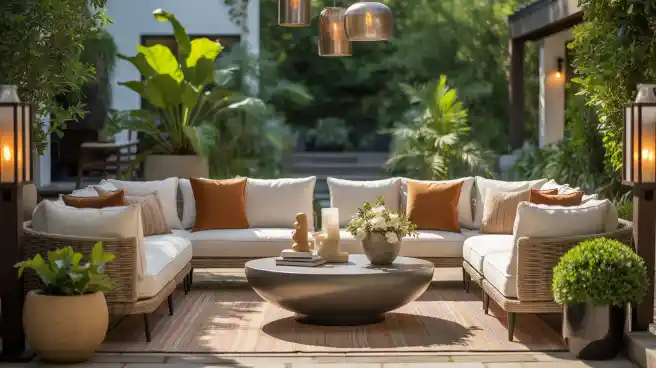
A rug defines the seating zone so furniture has an anchor. Without it chairs and tables drift apart over time and the arrangement looks accidental. Size the rug so all four legs of every piece of furniture sit on it when everything is in its normal position. A rug that only catches the front legs of the sofa looks like a mistake.
Polypropylene outdoor rugs handle rain, sun, and foot traffic without fading or growing mold. Rinse them with a hose every few weeks and let them dry fully before putting furniture back. Leaving a wet rug under furniture legs for days stains both the rug and the patio surface underneath. Learned that one the slow way over a whole summer.
A Patio Without Shade Gets Used Twice in July
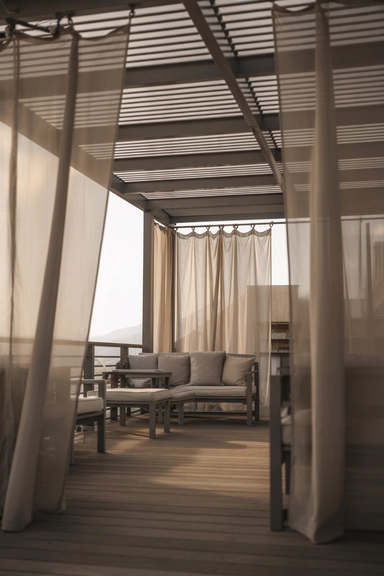
Plan the shade structure before summer arrives. Not during it.
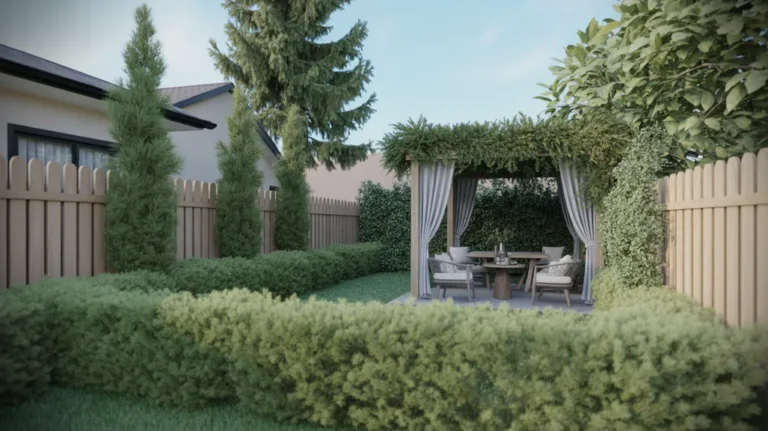
A freestanding pergola over the main seating area costs between two hundred and five hundred dollars as a kit and assembles in a weekend with two people helping. It does not eliminate direct sun but it breaks the intensity enough to make midday sitting genuinely comfortable. Pairing good shade with thoughtful planting around the patio edges makes the whole space work harder, which is exactly what solid backyard garden ideas help you think through.
Add a shade sail or outdoor curtain panels to the pergola frame when you need full coverage. For a rental or first patio a freestanding pergola is the smarter starting point. Upgrade later once you know how the space gets used through different seasons.
String Lights First. Everything Else Second.
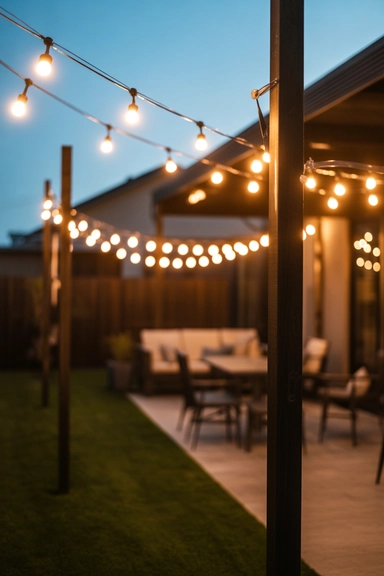
Here is the thing about evening patio use. The lighting is the whole thing.
String lights hung at eight to ten feet above the seating area create a warmth that no other outdoor lighting option matches. Run them between pergola beams, stretch them from the house wall to a fence post, or drape them across two tall shepherd hooks planted in pots on either side of the patio. A single strand covers a full seating area and costs under forty dollars. Installation takes thirty minutes.
Add a few low-voltage path lights along the patio edge to mark the boundary after dark. Overhead warmth from string lights plus low edge definition from path lights layers the space the same way interior lighting does. The patio feels finished at night instead of just dark with furniture in it.
Build a Coffee Table Before You Buy One
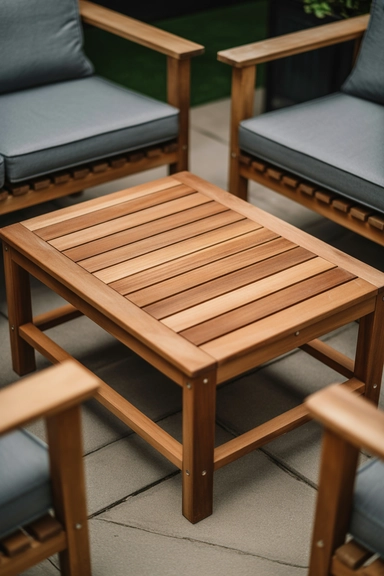
The coffee table height matters more than most people realize until they get it wrong.
For a standard outdoor sofa the table surface should sit between sixteen and eighteen inches off the ground. Lower than that and it feels like a floor decoration. Higher and it turns into a desk situation where nobody relaxes. Most cheap outdoor coffee tables are either the wrong height or made from materials that warp in the first wet season.
Cedar fence boards from any hardware store build a simple slatted coffee table for under thirty dollars in materials. Cedar handles outdoor conditions without staining or sealing and develops a silver-gray patina over time that looks deliberate rather than neglected. I built one for my back patio three summers ago. It has outlasted two sets of store-bought side tables placed next to it and still looks fine.
Container Plants Let You Change Everything Without Commitment
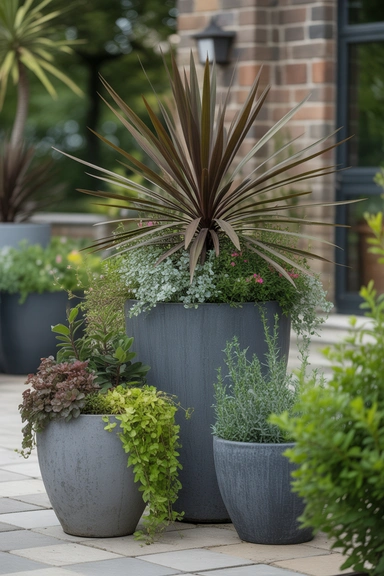
Permanent planting takes seasons to establish. Containers give you full color and height from day one.
Use the thriller, filler, spiller approach in every large pot. One tall centerpiece plant, mid-height mounding plants filling the body of the container, trailing plants spilling over the edge. That structure works in every size pot and in every color palette. The combination of backyard garden ideas you apply in the ground extends naturally into container planting on the patio.
Use containers at least fourteen inches in diameter for mixed plantings. Smaller pots dry out in two days during summer heat and stress plants before they have a chance to fill out. Self-watering containers on a south-facing patio cut watering frequency almost in half.
Every Patio Needs One Thing the Eye Goes to First
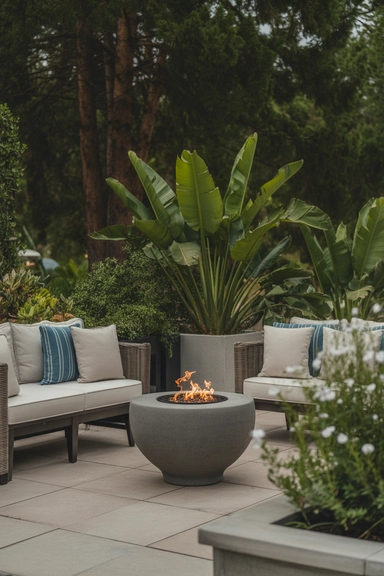
Without a focal point the eye wanders and the space never settles.
A fire pit, a large statement planter, a small water feature, a piece of outdoor art. Any of these work. What matters is placement. Put the focal point where you see it first from the main seating position and from the back door. Those two sightlines are the ones that get used every single day.
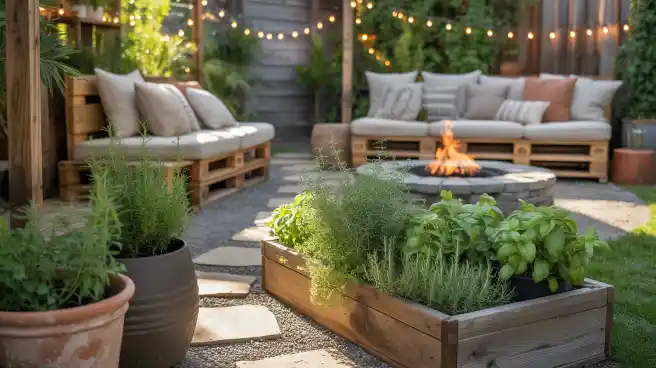
A simple steel fire pit ring costs under one hundred dollars and changes how the patio gets used after dark and through the shoulder seasons. People stay longer around fire. Every time. It is the most reliable way to make a patio the place the evening ends up rather than the place people pass through on the way back inside.
Storage Kills the Clutter Problem Before It Starts
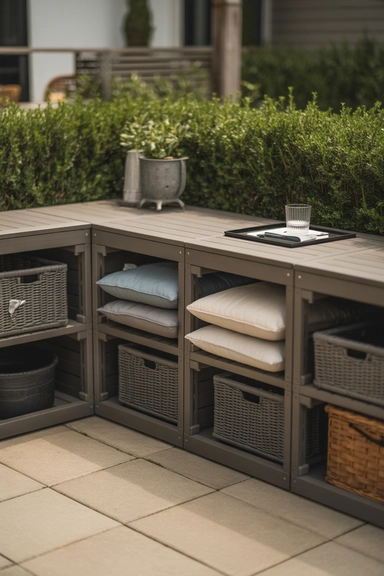
A patio covered in stacked cushions, tangled hoses, and scattered flower pots looks messy no matter how good everything else is.
A deck box at one end of the patio stores cushions, throws, candles, and small tools out of sight. Choose one with a flat top so it doubles as extra seating or a surface when closed. Between one hundred and one hundred fifty dollars gets a weatherproof box large enough to store cushions for a full six-piece set.
Mount a hose reel to the fence or wall nearest the patio. A mounted reel costs under twenty-five dollars and removes the one item that makes more patios look unfinished than any other single thing. Coiled hose on the ground is visual noise that cancels out a lot of good design work around it.
Vertical Gardens Use the Fence Instead of the Floor
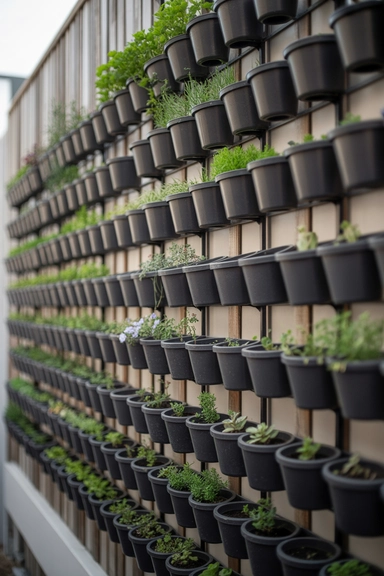
On a small patio every square foot of floor space counts. Vertical planting takes nothing from the floor and adds greenery at eye level where it actually registers.
Mount a row of wall planters on the fence at eye height and plant them with trailing herbs, succulents, or seasonal flowers. Space planters about twelve inches apart so plants have room to fill out. A fence that looked like a barrier becomes part of the garden.
Wall planters dry out faster than ground containers because of the reduced soil volume and increased air exposure. In full summer heat a small wall planter in direct afternoon sun needs water twice a day. I lost a full row of basil in July despite watering every morning because I did not account for afternoon sun hitting that fence directly. Check them daily in hot weather without exception.
Put a Side Table Next to Every Single Seat
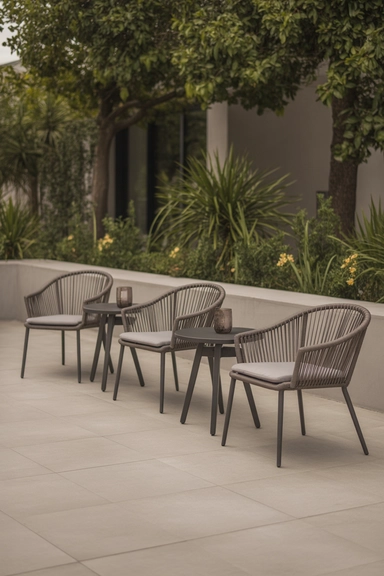
Sounds minor. It absolutely is not.
A patio with nowhere convenient to set a drink forces people to hold their glass the whole time or put it on the ground. Both options are annoying enough that people leave sooner than they would otherwise. Remove that friction and the space functions completely differently. Small metal side tables stack flat for winter storage and cost fifteen to twenty-five dollars each from most home goods stores.
Buy four. Put one next to every seat. The difference in how the space actually gets used is immediate from the first time you sit down with somewhere proper to put your coffee.
A Border Planting Softens Every Hard Edge
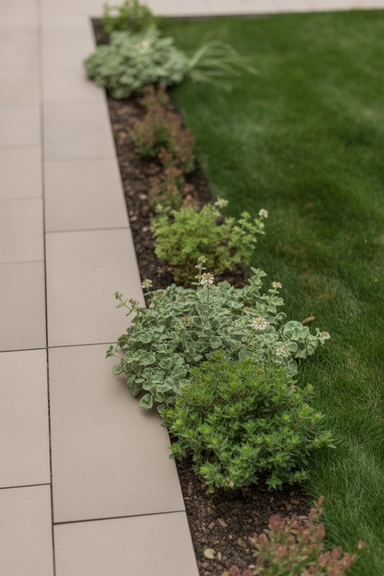
The line between a patio surface and a lawn looks abrupt without something to soften it.
Low perennials planted along the patio border — catmint, salvia, creeping phlox — bloom repeatedly, spread slowly to fill gaps, and need almost no attention after the first season. Keep them trimmed back from the surface so they frame the edge without growing onto it. The whole approach connects naturally to broader backyard landscaping ideas that tie the patio to the rest of the yard visually. INTERNAL LINK
Skip annual border plantings. Replacing them every spring costs time and money that compounds fast over several seasons. One good perennial planting pays off for years without any replanting required. That trade is always worth making.
Outdoor Curtains Solve the Privacy Problem Cheaply
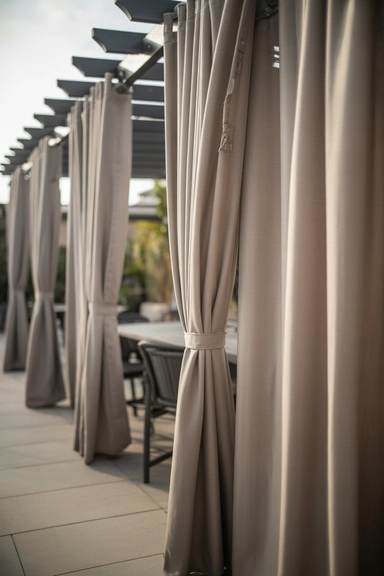
A patio that feels watched from neighboring yards never fully relaxes the people sitting in it. Enclosure matters more than most patio guides admit.
Hang outdoor curtain panels from a pergola beam or a tension rod mounted between two posts on the side facing the nearest neighbor. Sunbrella fabric curtains hold up in rain and direct sun without fading or mildewing and pull closed in seconds when you want privacy. Push them to the sides when you want the open view. That flexibility alone makes them more practical than any permanent screen solution.
A lattice panel with climbing plants trained across it works as a permanent alternative that improves with every season as coverage fills in. Install it on the side of the patio with the most exposure. One well-placed screen handles most privacy problems without boxing in the whole patio.
Final Thoughts on Backyard Patio Ideas
Backyard patio ideas that actually work start at ground level and build upward. Level surface, defined edges, proper drainage underneath. Get those three things right before buying a single chair and everything placed on top works the way it should.
Comfort decides whether a patio gets used. Shade, lighting, somewhere to set a drink, seating at the right height, a surface that does not wobble. Those details matter more than appearance. A patio that looks designed but functions poorly sits empty by August.
Pick five ideas from this list that fix the biggest gaps in your current space. Get those five working properly before adding anything else. A small patio used every day beats a large one that nobody wants to sit on.
FAQ About Backyard Patio Ideas
What backyard patio ideas work best for a very small outdoor space? Define the boundary first with steel edging or a border planting so the space reads as intentional rather than unfinished. Scale the furniture down — a loveseat and two chairs with a small coffee table fits a ten-by-ten-foot patio where a full sofa set would overwhelm it completely. Use vertical wall planters on the fence for greenery without touching the floor space. Small patios reward editing more than addition.
How do I build a backyard patio on a budget under two hundred dollars? Gravel surface with steel edging, a string of lights overhead, and one good focal point plant in a large container. That combination produces an immediately usable and visually complete outdoor space for well under two hundred dollars in most areas. Add pavers, furniture, and border planting across two or three seasons as budget allows. Phasing the build spreads the cost and lets the design adjust as you learn how the space actually gets used through different seasons.
What is the longest-lasting low-maintenance patio surface? Concrete pavers set on a properly compacted and gravel-drained base outlast most other DIY surface options by a significant margin. Individual pavers that crack or shift lift out and replace without touching the surrounding surface. Poured concrete is durable but cracks over time and repairs show clearly. Flagstone lasts well but the irregular gaps require ongoing weed management. Pavers on a proper base require almost no maintenance after installation beyond occasional joint sand replenishment every few years.
Sarah Mitchell’s Take
The patio I actually use every day is twelve feet by twelve feet, covered in pea gravel, lit with one string of lights, and furnished with two chairs I bought secondhand for thirty dollars total. It took one Saturday afternoon to build and costs me nothing to maintain. The larger paved patio on the other side of the yard gets used for gatherings. That little gravel square gets used every single morning before the rest of the house wakes up. How much you use a space has almost nothing to do with how much you spent on it.