
Introduction
I once spent an entire weekend staring at my backyard convinced the problem was that I needed more stuff in it. More furniture, more plants, more lights. What I actually needed was a plan. Creative backyard ideas are not about filling space, they are about understanding what the space wants to be and then letting that shape every decision you make. If you have not read Backyard Layout Ideas yet, you are probably already making the mistake that costs most people an entire season. That weekend cost me three bad purchases and one very ugly summer.
Turn a Dead Corner Into a Reading Nook
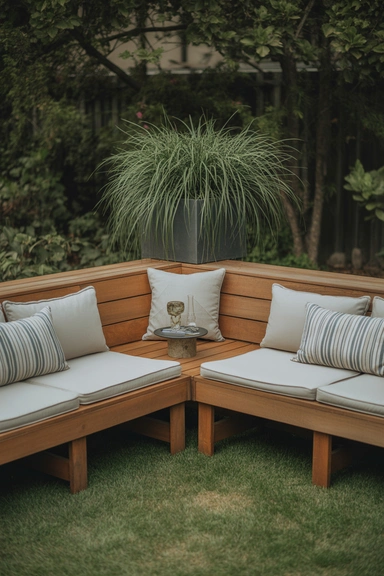
Nobody plans for corners. That is why they all end up holding broken planters and garden hose tangles.
A corner bench built from two cedar boards angled at 90 degrees, a weatherproof cushion, and a small side table transforms the most neglected part of any yard into a place people actually want to sit. Add a tall container planted with ornamental grass behind it for a natural backdrop and the corner suddenly feels intentional. The whole setup costs under $120 in materials if you build the bench yourself.
I built mine on a Saturday with a circular saw and basic deck screws. It is still standing four seasons later without a single repair.
A Gravel Garden Requires Almost No Maintenance
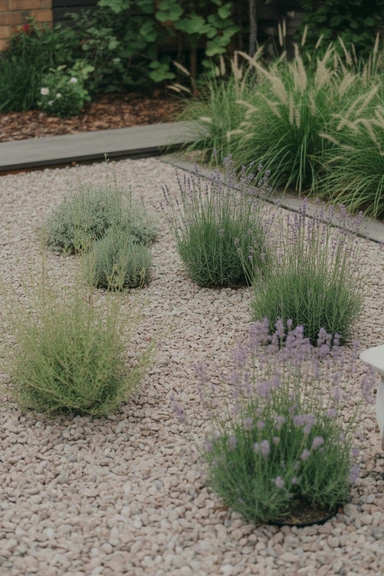
Here is something most people never consider: you do not actually have to grow grass everywhere.
A gravel garden laid over landscape fabric at 3 inches deep suppresses weeds, drains after heavy rain, and looks clean year-round without mowing or watering. Plant drought-tolerant natives like ornamental sage, lavender, or ornamental grasses directly through the fabric in strategic clusters. The contrast between the loose gravel surface and the structured plantings creates a designed look that outperforms a neglected lawn on every visual level.
The upfront work is real. Clearing the area, laying fabric, and spreading gravel by hand takes a full weekend for a 200-square-foot section. After that the maintenance drops to almost nothing for the first two years.
Build a Raised Bed Kitchen Garden
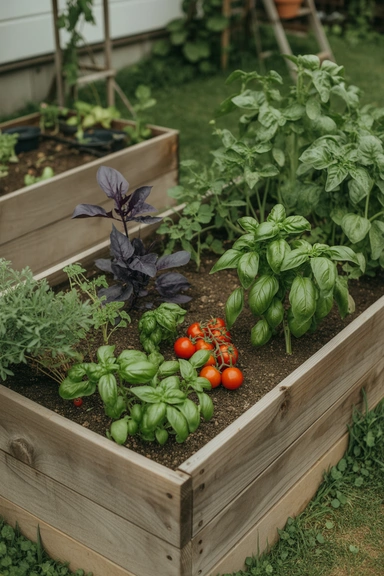
Growing your own food is the backyard idea with the highest return on every level, not just financial.
A single 4-by-8-foot raised bed planted with tomatoes, basil, zucchini, and a row of salad greens produces more food than most families expect from that footprint. Cedar raised beds handle soil amendment well, warm up faster in spring for earlier germination, and give you full control over drainage in yards where native soil compacts badly. Aeration in a well-built raised bed outperforms in-ground planting on most residential lots without exception.
The mistake I made in my first kitchen garden was planting everything at once in late spring and ending up with a glut of zucchini and nothing else. Succession planting, staggering sowings two weeks apart, solves that problem completely.
String Lights Change Everything After Dark
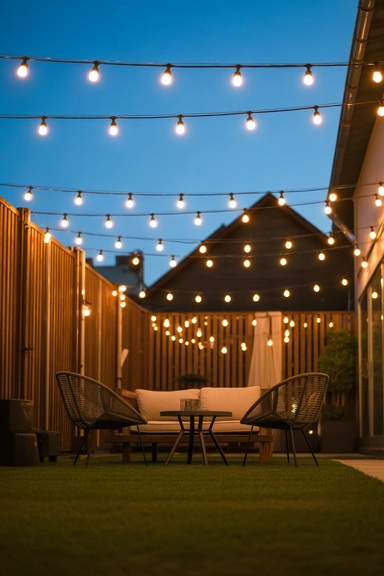
Your backyard is two completely different spaces depending on whether you have designed the nighttime version.
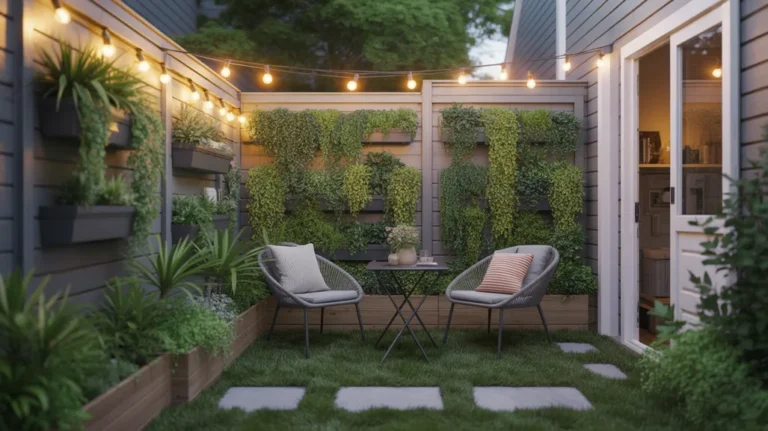
String lights hung in a grid or catenary pattern between posts create a ceiling that defines an outdoor room without any walls. Warm white LED string lights on a timer cost almost nothing to run and transform a flat dark yard into a space that feels worth spending time in after dinner. The post height matters: lights hung at 8 feet feel intimate, lights hung at 12 feet feel like a venue.
I tried the solar-powered version first. Dim by 9pm and completely dead by October. Plug-in LED on a timer is the only answer worth spending money on.
A Fire Pit Area Anchors the Whole Yard
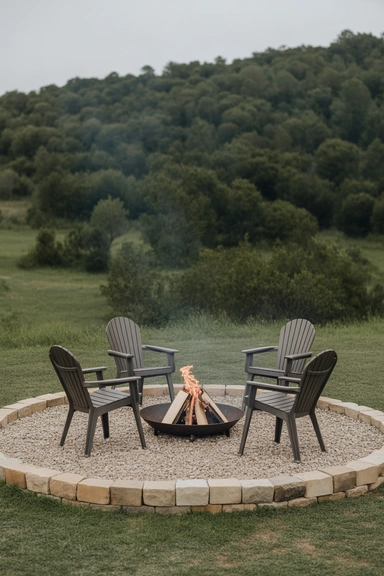
Every backyard needs one element that gives people a reason to gather. A fire pit is that element.
Place it at least 10 feet from any fence, structure, or overhanging tree canopy. Set it on a 12-foot diameter circle of flagstone or gravel that protects the ground from heat and creates a visual zone the eye reads as a defined space. Four Adirondack chairs arranged around it at equal spacing cost about $200 total from a brand like Polywood, which holds up to weather without the annual repainting that wood requires.
Most people get the fire pit placement wrong because they never went through Backyard Design Ideas and the results show immediately when the whole yard feels off-balance with no clear center.
Paint Your Fence and Watch the Yard Transform
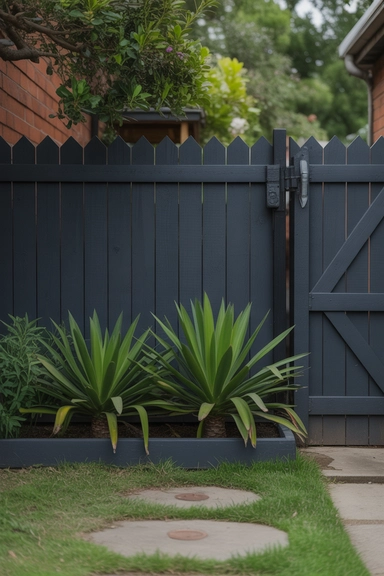
The fence is the largest surface in most backyards and almost nobody treats it as a design element.
A dark fence color, charcoal, deep navy, or forest green, makes plants in front of it pop and gives the whole yard a finished quality that no amount of furniture achieves on its own. Exterior grade fence paint costs about $35 per gallon and covers roughly 400 square feet. One weekend, one gallon, and the yard looks completely different by Sunday afternoon.
I painted my back fence charcoal gray three summers ago expecting to feel neutral about it. I loved it immediately. Every plant in front of it looked more intentional overnight.
Create a Dedicated Outdoor Dining Area
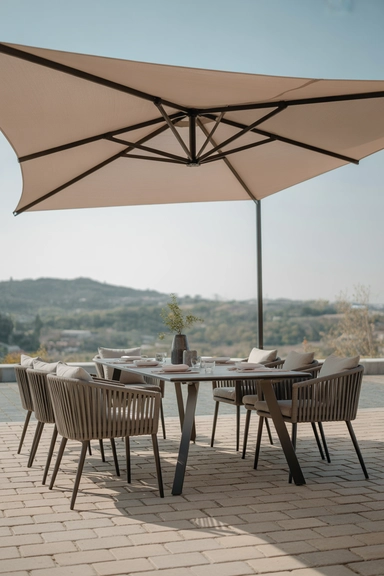
Eating outside on a random patch of patio with no definition around the table is not outdoor dining. It is eating near a door.
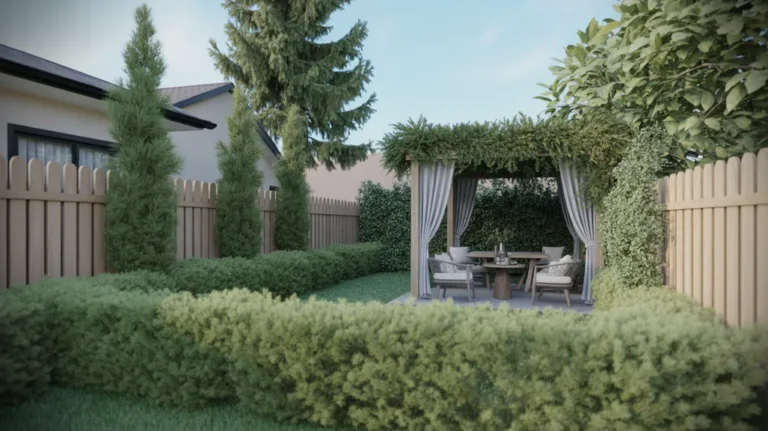
A proper outdoor dining area needs a defined surface, a table sized for the number of people who actually use it, and some form of overhead element to give the space a ceiling. A shade sail, a pergola, or even a large market umbrella accomplishes that last part. The surface can be pavers, composite decking, or compacted decomposed granite as long as it clearly separates the dining zone from the rest of the yard.
Size the table for reality, not for the version of yourself who hosts twelve people twice a year. A table for six works for most families and leaves enough room to move chairs without stepping onto grass.
Vertical Gardens for Tight Spaces
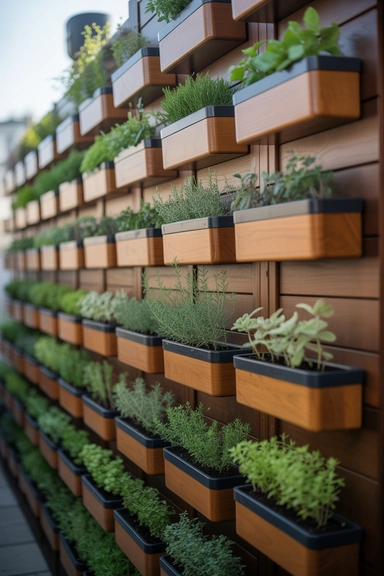
If your backyard is small, the ground is already spoken for. Go vertical.
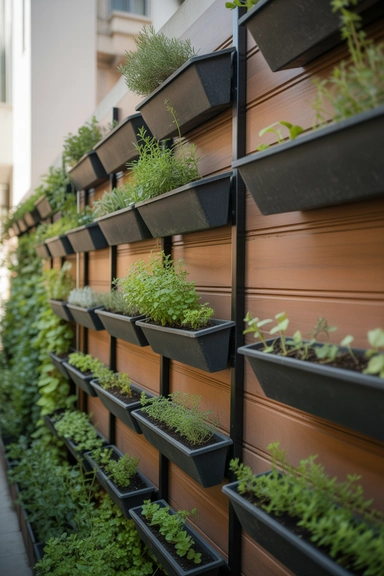
A simple wooden pallet mounted to a fence with small planter boxes attached to the slats creates a vertical kitchen garden for herbs that takes up zero floor space. Pocket felt planters hung on a garden wall work for strawberries, lettuce, and herbs that do not need deep root development. A single 6-foot section of vertical planting changes how a compact outdoor space reads from inside the house, turning a bare fence into a feature wall.
Skipping Backyard Landscaping Ideas is exactly how people end up adding vertical elements that clash with the rest of the yard and have to redo the whole fence side the following spring.
A Water Feature for Sound and Atmosphere
Water does something to a backyard that no other element replicates.
A recirculating wall fountain running at moderate pressure produces enough white noise to mask neighborhood noise at 15 feet. A small pond with a submersible pump and a few aquatic plants creates a focal point that draws the eye and supports pollinators through the growing season. Neither requires professional installation. A wall-mounted fountain with a self-contained reservoir costs between $80 and $150 and mounts to a fence with four screws.
I added one two seasons ago mostly for the sound. It changed the atmosphere of the whole patio in a way that surprised me. Guests notice it before they notice anything else.
Outdoor Rugs Define a Space Instantly
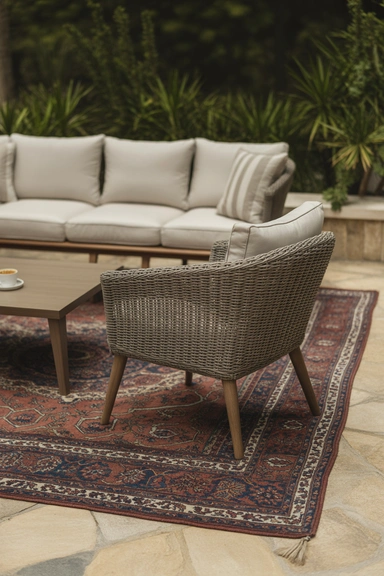
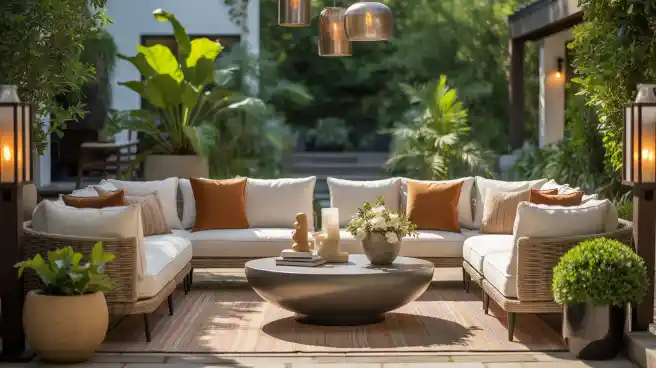
An outdoor rug placed under a seating arrangement does the same thing inside that a living room rug does: it tells the eye this is a room.
Polypropylene outdoor rugs handle rain, UV exposure, and foot traffic without fading or developing mold for three to four seasons. Size them the same way you would an indoor rug, large enough that all furniture legs sit on the rug rather than half on and half off. A rug that is too small makes the furniture look like it is floating in the middle of nothing.
The color choice matters more outside than inside because the rug competes with the green of the lawn and the neutral tones of fencing and pavers. A warm terracotta, deep teal, or natural stripe reads well in most outdoor settings without fighting the surroundings.
Repurpose Old Items as Outdoor Planters
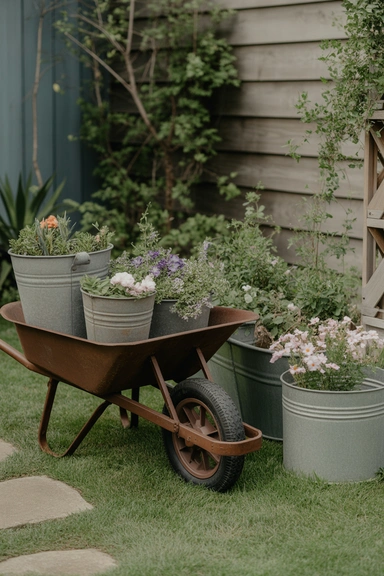
A vintage wheelbarrow planted with trailing petunias and sweet potato vine costs nothing if you already have the wheelbarrow.
Old wooden crates, galvanized stock tanks, cracked ceramic pots, and even retired colanders with drainage holes already built in all work as unconventional planters that give a backyard personality without spending money on matching containers. The key is grouping odd planters by material or color rather than mixing everything randomly, which reads as collected rather than cluttered.
I have a galvanized stock tank in my backyard that I bought used for $40. It holds a dwarf Japanese maple and two trailing sedums. That corner of the yard gets more attention than anything I spent real money on.
Add a Hammock and Actually Use Your Yard
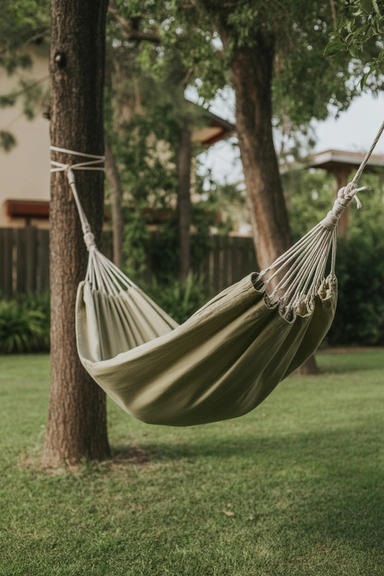
Most backyards are designed to look at, not to lie in. A hammock fixes that immediately.
Two trees spaced 12 to 15 feet apart support a standard hammock at a comfortable hang. If you do not have trees in the right position, a freestanding hammock stand works on any surface and moves with you. Brazilian-style hammocks in weather-resistant polyester hold their color and shape for multiple seasons without the mildew issues that cotton versions develop in humid climates.
The first time I lay in my backyard hammock in the middle of a Tuesday afternoon I understood what the space had been missing for three years. It was not more plants. It was a reason to stop moving.
Use Mulch Paths to Connect Your Zones
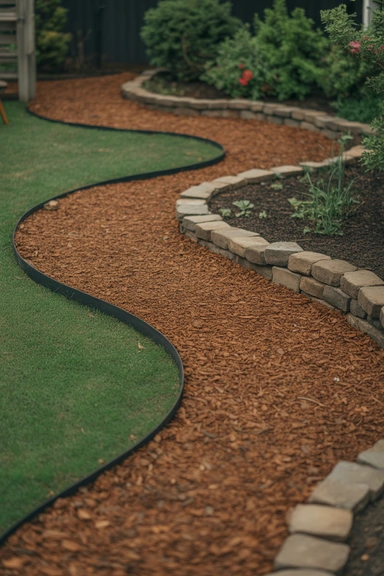
A path is what turns a collection of separate backyard features into a yard that feels coherent.
Shredded bark mulch laid 4 inches deep between zones costs almost nothing compared to paving and installs in an afternoon. It suppresses weeds between the path edges, decomposes slowly to improve native soil over time, and gives bare feet a comfortable surface that hard paving does not. Edge the path with steel landscape edging or a row of bricks to keep the mulch contained and give the path a defined shape the eye follows naturally.
Curved paths make a small yard feel larger. Straight paths make a formal yard feel more structured. The path shape should match the overall tone of the space, not just the most direct route between two points.
Plant a Pollinator Garden in One Raised Bed
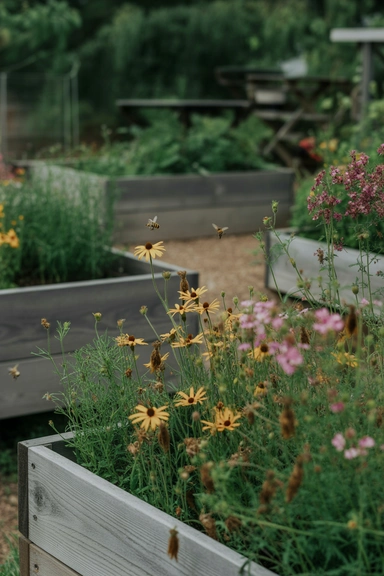
One dedicated pollinator bed changes what your whole yard feels like from late spring through first frost.
Native wildflowers, coneflower, black-eyed Susan, native salvia, and butterfly weed planted together in a single raised bed attract bees, butterflies, and hummingbirds consistently through the growing season. These plants require no deadheading to rebloom, tolerate drought stress once established, and come back reliably from the root system year after year without replanting. The bed looks intentional and wild at the same time, which is a harder design effect to achieve than it sounds.
Direct sowing native wildflower seed into prepared soil in early spring costs about $12 for enough seed to fill a 4-by-8 bed. That is the lowest cost, highest impact planting investment in this entire article.
Build a Simple Outdoor Movie Setup
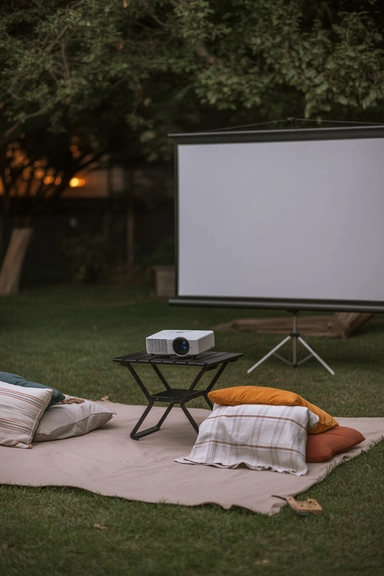
This one feels extravagant until you price it out and realize it costs less than a dinner out.
A white bedsheet hung between two posts, a $60 portable projector, and a Bluetooth speaker turn any backyard into an outdoor cinema on a summer evening. Set it up on the lawn with blankets and pillows or arrange your existing seating area to face the screen. The whole setup packs into a storage bin between uses and sets up in 20 minutes.
Everything I got wrong about creating a functional backyard entertainment space is covered in Backyard Patio Ideas and I wish I had read it before I bought a projector screen that was three sizes too small for the distance I was sitting from it.
Final Thoughts on Creative Backyard Ideas
Three things from this article matter more than the rest. Start with a zone plan before buying anything. Pick one anchor element that gives people a reason to gather, whether that is a fire pit, a dining area, or a hammock. Then layer the details around that anchor rather than filling space randomly.
The ideas in this article range from a single afternoon of work to a full weekend project. None of them require a contractor or a landscaping budget. They require a clear decision about what you want the space to feel like and then consistent follow-through on the choices that create that feeling.
Start with the one idea that made you stop reading and think about your own yard. That reaction is the right starting point.
FAQ About Creative Backyard Ideas
How do I make a small backyard feel larger with creative design?
Work vertically rather than horizontally, use curved paths to slow the eye and create the illusion of more distance, and keep the center of the yard open rather than filling it with furniture or plantings. A single strong focal point at the far end of the space draws the eye outward and makes the overall footprint read as larger than it actually measures.
What backyard ideas work on a tight budget?
Painting the fence, adding string lights, laying a gravel path, and building a simple raised bed from cedar boards all deliver significant visual impact for under $150 total. Repurposing items you already own as planters costs nothing. The ideas that cost the least often change the feel of a yard more than expensive structural additions because they address the visual layer of the space rather than the functional one.
Is a pergola worth building in a small backyard?
Yes, and the reason surprises most people. A pergola makes a small yard feel larger rather than smaller because it defines a ceiling that creates a room. A yard without overhead definition feels exposed and unfinished regardless of size. Even a simple 10-by-10-foot pergola over a seating area transforms the space from an outdoor extension of the house into a destination with its own identity.
Sarah Mitchell’s Take
The backyard idea I see people skip most often is also the cheapest one on this list. Paint the fence. I put it off for two full years because it felt like a small thing that would not make a real difference. One Saturday with a roller and a can of charcoal exterior paint and I stood back genuinely stunned at how different the whole yard looked. Everything else I had done suddenly looked better too. Start there before you spend money on anything else.