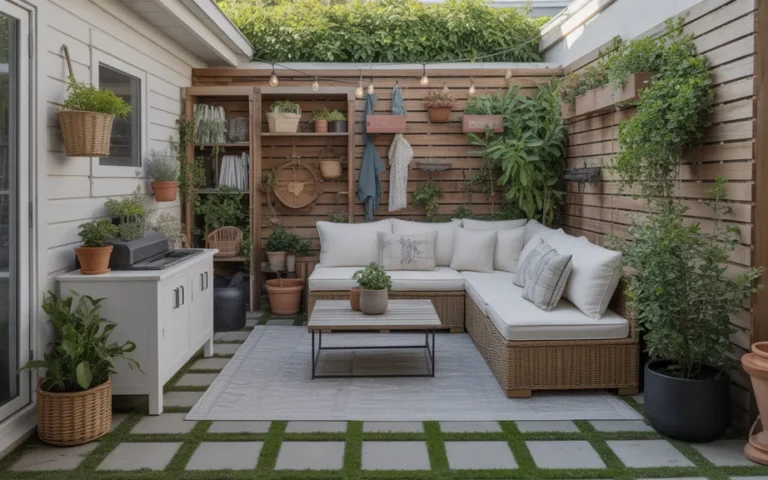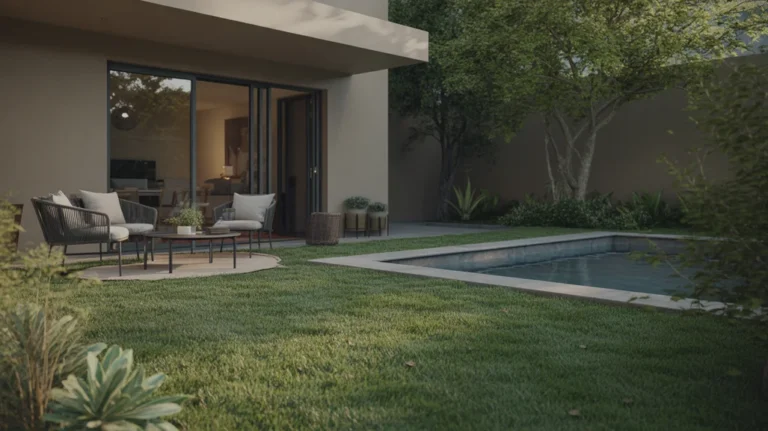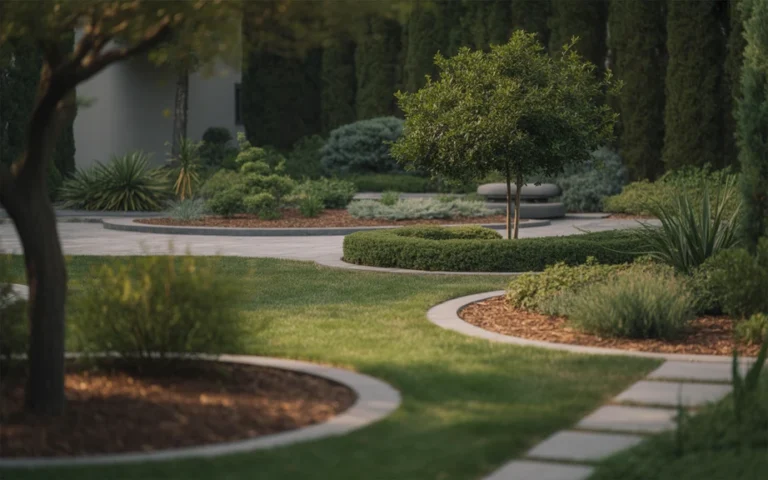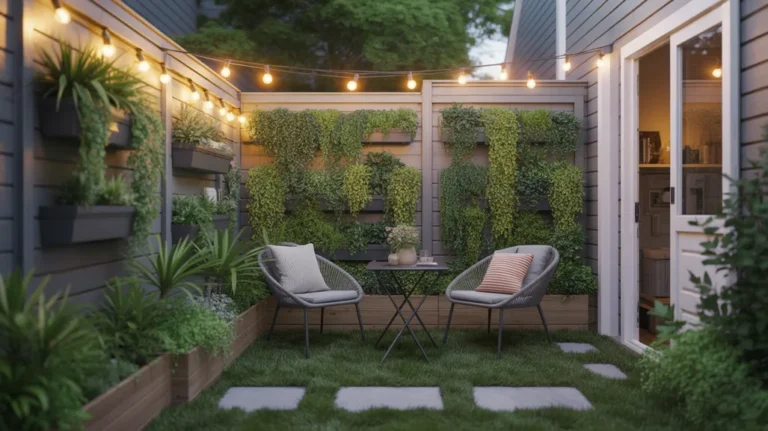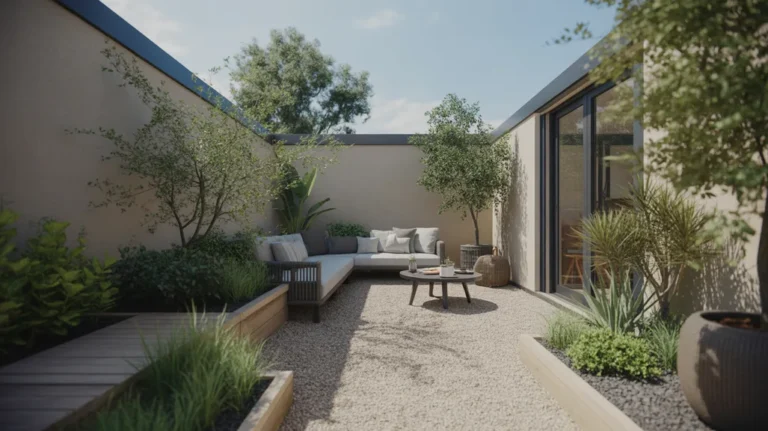
A dead patch of grass stares back at you every single morning. You have spent two summers telling yourself you will fix it. The backyard stays ugly, unused, and honestly a little embarrassing when people visit. I have been there. My own backyard sat half-finished for an entire spring while I overthought every decision.
The good news is that most backyard upgrades take one weekend and under fifty dollars. You do not need a contractor or a Pinterest perfect budget. These 21 diy backyard ideas on a budget are genuinely doable. Some take an afternoon. A few take less than an hour.
Turn Leftover Pallets Into a Lounge Corner
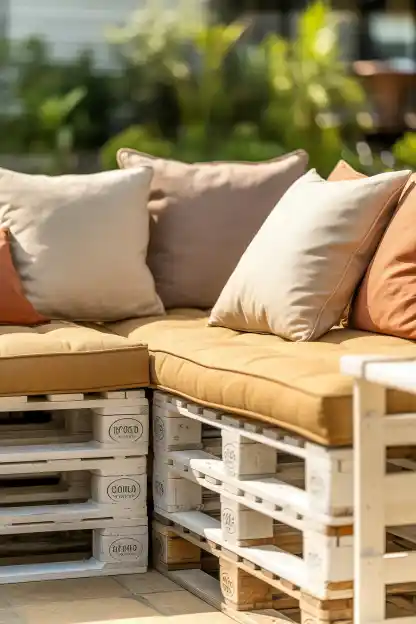
I found four pallets behind a furniture store. Free. The owner was thrilled someone was taking them. That discovery turned into a full outdoor seating area with almost zero material cost.
Sand the pallets thoroughly before anything else. Splinters are not charming. A quick pass with 80-grit sandpaper takes maybe twenty minutes per pallet. Then stack two pallets flat on the ground for the base, add outdoor cushions from a clearance rack, and you have a low sectional that looks intentional.
Paint them if you want polish. A single can of exterior paint in warm white or slate gray changes the entire mood. This project is one afternoon start to finish. No tools beyond sandpaper and a paintbrush required.
Lay a Gravel Path in Two Hours
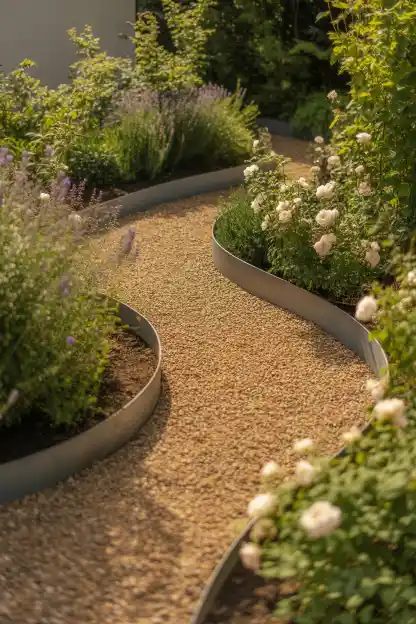
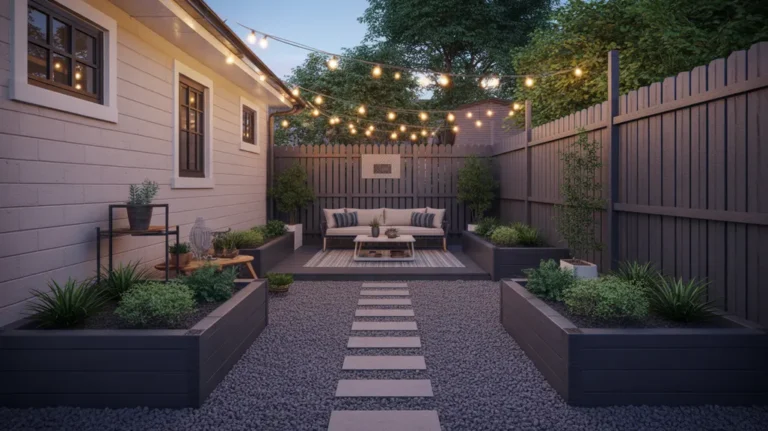
Bare dirt between garden beds is muddy, messy, and miserable after rain. Gravel solves this without pouring concrete or hiring anyone. Pea gravel costs about four dollars per bag at most home improvement stores.
Dig out your path line about two inches deep. Line it with landscape fabric first, then pour the gravel directly on top. The fabric stops weeds from pushing through within a season. Edging stakes from any garden center keep the gravel from spreading into the grass.
This is one of those projects that looks expensive but costs almost nothing. A twenty-foot path costs roughly fifteen dollars in gravel. The result transforms the entire feel of the yard from neglected to purposeful.
Build a Simple Fire Pit From Retaining Wall Blocks
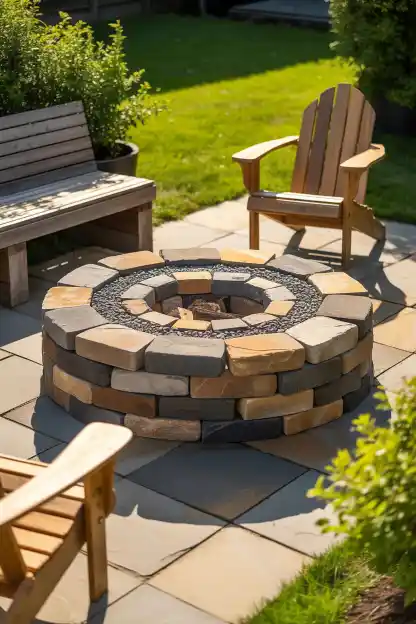
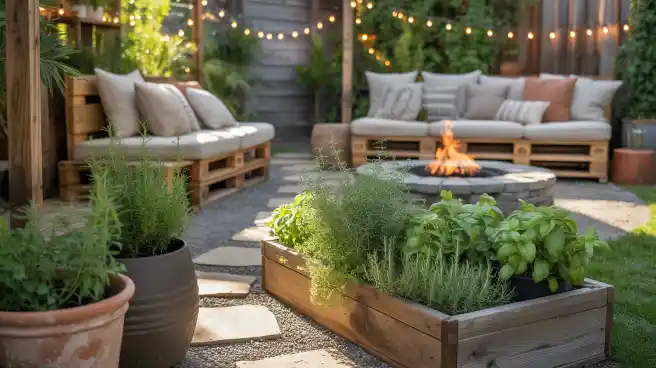
Concrete retaining wall blocks from a hardware store cost under two dollars each. A basic circular fire pit needs around thirty blocks. That is a sixty-dollar fire pit that will last years outdoors in all weather.
Lay the first ring directly on the ground in a circle. No mortar required. Stack two or three rings high, offsetting the seams like bricklaying. Dig out the center about four inches and fill it with sand or gravel for drainage. That is the entire build.
Check your local codes before lighting anything. Some neighborhoods restrict open fire pits. A metal ring insert inside the block circle adds extra safety for under twenty dollars extra. This is the project that gets used every single weekend once it exists.
Press Stepping Stones Into Soft Grass
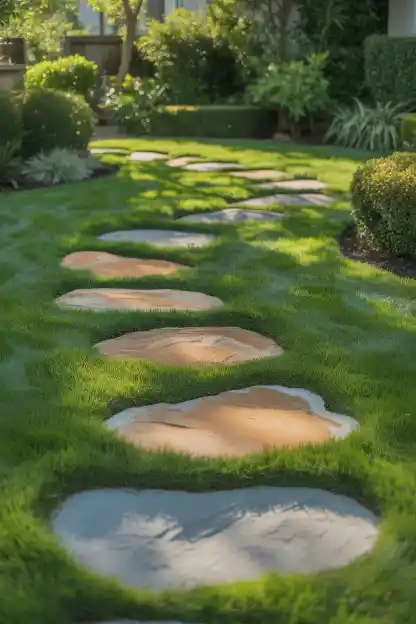
Flat stones placed in a curved line across grass create a path that costs almost nothing and takes forty minutes. Stepping stones are the fastest visual upgrade a backyard can get. They also protect the grass from foot traffic wear patterns.
You can use actual fieldstones, concrete pavers, or even large flat river rocks. Press each one firmly into the soil so it sits flush with the grass surface. A slightly-sunken stone is safe underfoot. A raised stone is a tripping hazard every single time.
Twelve to fifteen stones placed eighteen inches apart covers most backyard crossing distances. If you browse small backyard space solutions for layout ideas, curved paths almost always look better than straight ones in compact yards. Resist the geometric urge.
Hang String Lights Without Drilling Anything
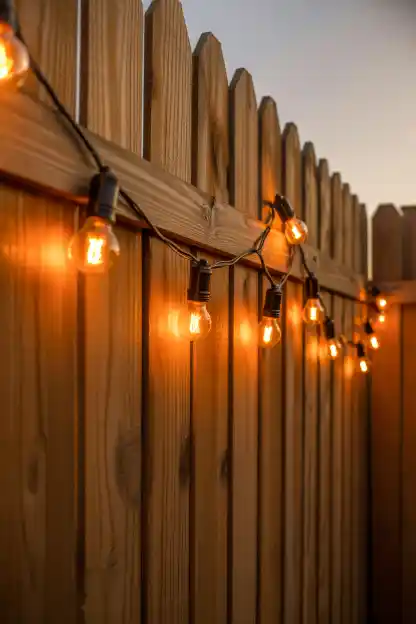
Command strips can hold outdoor string light hooks on wood fences and deck rails without a single hole. This is a rental-friendly, damage-free way to create atmosphere that costs under thirty dollars total. The difference after dark is genuinely startling.
Buy weatherproof LED string lights, not the cheap ones that burn out in one season. A forty-foot strand covers a standard deck perimeter. Attach the hooks every four feet along the fence line. Run the lights in a loose drape, not a tight line. Loose looks relaxed. Tight looks like a parking lot.
I made the mistake of buying non-weatherproof lights my first time. Rain hit them in week two. They shorted out and the whole strand was garbage. Spend the extra four dollars for outdoor-rated wire. Lesson learned the irritating way.
Plant a Raised Herb Garden in One Afternoon
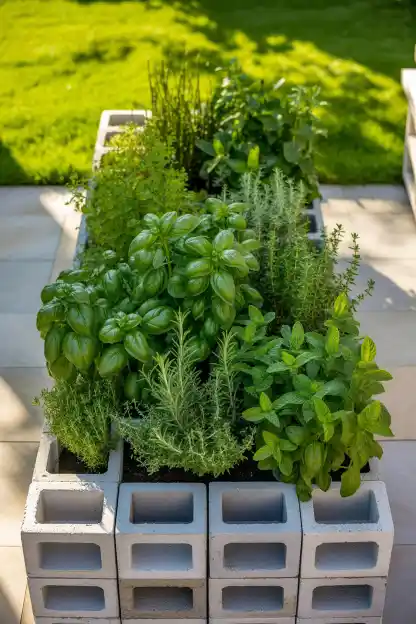
Eight cinderblocks, some potting soil, and a flat piece of ground are all you need. Stack cinderblocks two high in a rectangle, fill the hollow centers with soil, and plant herbs directly into each cell. Basil, thyme, rosemary, mint. Done.
The cinderblock cell design keeps different herbs separated naturally. Mint especially needs containment because it spreads aggressively into everything nearby. Each cell is its own mini pot. This arrangement also looks organized and intentional from any angle of the yard.
This project feeds directly into backyard garden transformations that work even on small plots. Total material cost for a six-block herb planter sits around twelve dollars. Fresh herbs at the grocery store cost more than that per week.
Whittle a Trellis From Bamboo Stakes
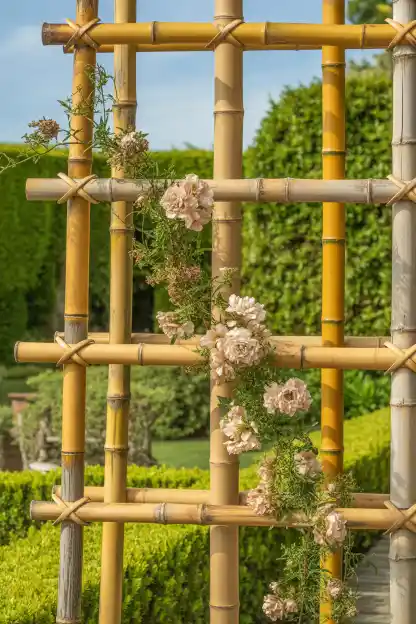
Bamboo garden stakes cost about eight dollars for a bundle of twenty-five. Arrange them in a fan, X-pattern, or simple grid and lash the intersections with jute twine. Plant climbing beans, sweet peas, or jasmine at the base.
The structure looks architectural even before anything grows on it. That is the part people miss. A bare trellis is already a visual element. Something growing on it two months later is a bonus. Most climbing plants establish quickly and fill a trellis within one growing season.
This is also where the realistic confession lives. My first trellis collapsed in a windstorm because I did not anchor the base stakes deep enough. Push stakes at least eight inches into the soil. Secure the base stakes with a bit of concrete or pack the soil firmly around them. Wind is brutal on lightweight structures.
Create a Defined Garden Bed Edge With Bricks
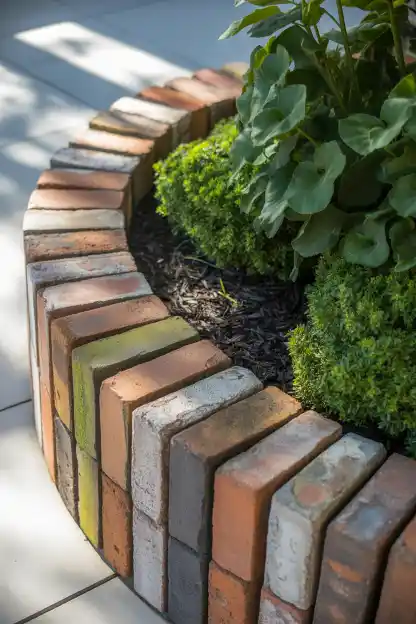
Loose garden beds bleed into the lawn. The edge gets ragged within one mowing cycle. Laying a simple brick border stops this permanently and costs almost nothing if you find used bricks at a salvage yard or estate sale.
Dig a shallow trench along your bed edge, about three inches deep and four inches wide. Set bricks vertically into the trench, pressing each one snug against the last. Backfill with soil on both sides. The bricks lock in place without mortar.
Salvage yards often sell mismatched bricks for pennies each. Mismatched actually looks better than uniform new bricks in a cottage-style yard. The weathered surface and varied tones read as intentional character, not as budget limitations.
Paint an Old Fence a Bold Color
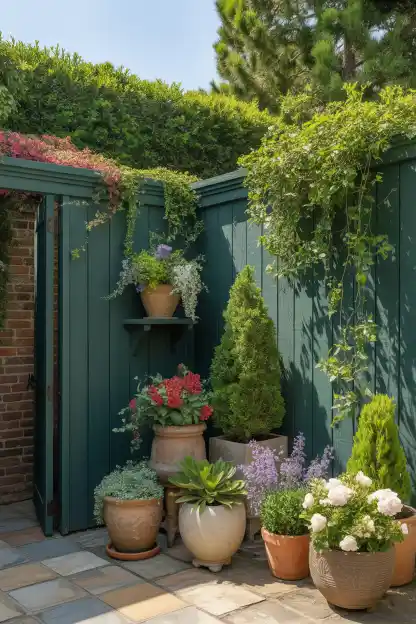
Here is a contrarian position: a neutral fence is a wasted opportunity in most backyards. Dark navy, forest green, or charcoal gray makes everything planted in front of it look twice as intentional. A plain brown fence makes plants disappear into the background.
One gallon of exterior fence paint covers about two hundred square feet. A standard privacy fence panel section runs about forty square feet. You can paint a full fence line for under twenty-five dollars in paint. One Saturday morning, brush in hand, completely changes the yard’s character.
The creative outdoor space ideas that get shared most often online almost always include a bold or freshly painted fence as the backdrop. It is the single biggest visual shift available for the smallest investment. I painted mine forest green three years ago. It still looks intentional.
Build a Potting Bench From an Old Door
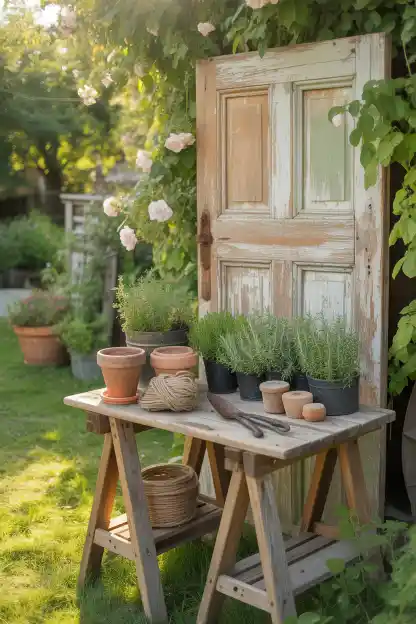
A solid old door from an architectural salvage shop costs ten to twenty dollars. Prop it horizontally on two sawhorses and you have an instant potting bench. Add a few hooks on the door’s front edge for small tools, gloves, and twine.
This project takes literally fifteen minutes to assemble. The doorknob hole becomes a natural drainage spot if you pot plants directly on the surface. Line underneath with a shallow tray to catch soil and water. The whole setup disassembles in seconds if you need the sawhorses elsewhere.
Good organizing your garden tools starts with a dedicated surface. A potting bench changes how you work outside. Instead of kneeling in dirt with everything scattered, you have a workspace. Small shift. Major difference in how often you actually use the space.
Scatter Container Gardens Across Concrete Areas
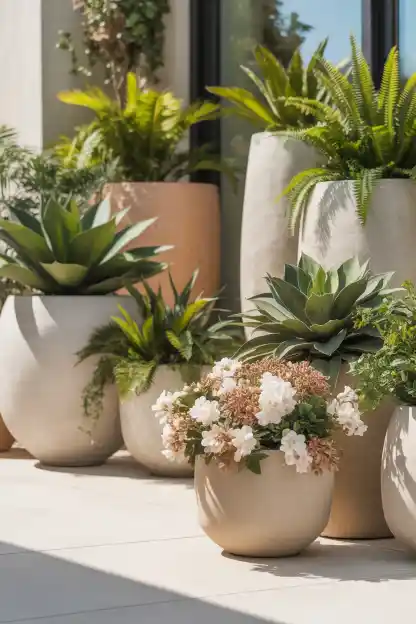
Concrete patios feel sterile and dead without plants. You cannot dig into them. But containers solve this completely. Group three mismatched pots together in odd numbers, vary the heights, and plant something tall in the center pot.
Thrift stores often have ceramic pots for two to three dollars each. An old colander, a wooden crate lined with burlap, a chipped enamel bucket. All of them become planters. The mismatched nature reads as curated collection, not random clutter, as long as the plants are healthy.
This is what turns a barren slab into an actual cozy backyard patio design. Container gardening on concrete is flexible too. You can rearrange the groupings seasonally, move plants to follow sun, or swap out what is growing without digging anything up.
Stake a Shade Sail Over Your Seating Area
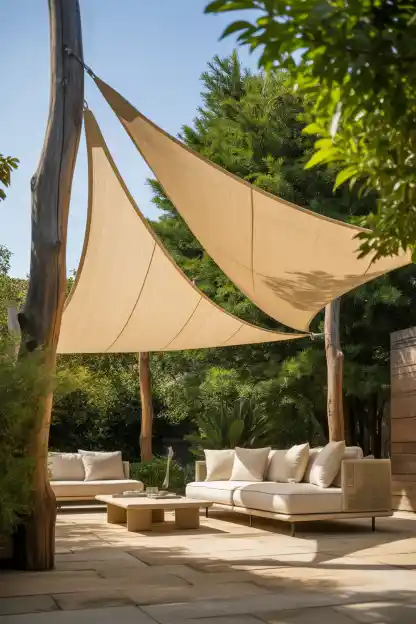
Shade sails cost fifteen to thirty dollars for a basic triangle at most discount home stores. Three anchor points, three pieces of rope, and your seating area drops ten degrees in summer heat. This is one of those purchases that pays for itself on the first hot Saturday.
Attach the three corners to existing fence posts, a tree trunk, or posts you install yourself. Pull the sail taut. A loose shade sail catches wind badly and tears within one season. Tight tension is the key to making it last and function properly.
Here is what most people skip: the sail needs to be angled, not perfectly horizontal. A slight pitch allows rain to run off instead of pooling in the center. A flat horizontal sail becomes a water balloon every time it rains. Angle one corner lower than the others. Simple fix.
Weave a Willow Fence Panel for Privacy
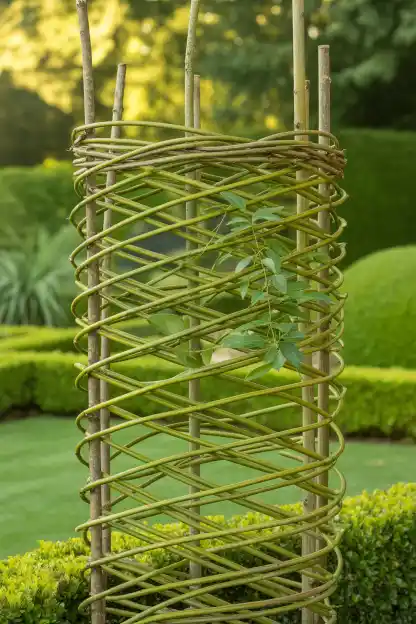
Living willow wands root directly in the ground when pushed into moist soil in late winter or early spring. Weave them in an X-pattern between upright stakes and they will root, leaf out, and create a living screen by midsummer.
Willow cuttings can often be found free from neighbors, parks, or roadside trees. Ask before cutting. A bundle of twenty cuttings makes a panel section about three feet wide. Space the uprights every foot, then weave horizontally. The cuttings start to root within weeks in good soil.
Looking at backyard privacy on a budget solutions, living willow screens consistently outperform plastic or wooden fencing in cost. They grow denser each year. Year one is sparse. Year two is legitimately private. The patience is part of the project.
Repurpose Old Ladders as Plant Displays
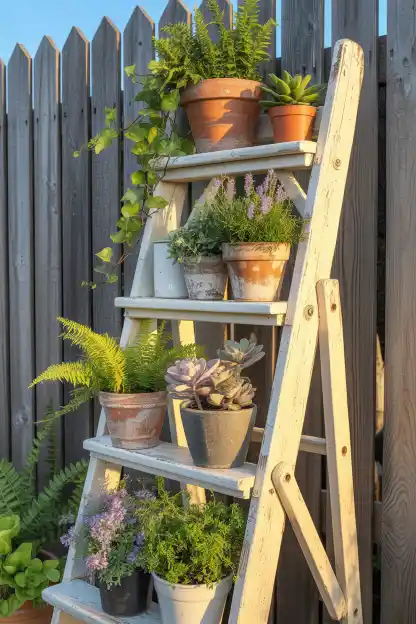
A wooden ladder leaned against a fence or wall becomes an instant tiered plant shelf. The rungs hold potted plants at different heights without any modification required. You probably already own a ladder you are not using for this purpose.
Paint the ladder first if it is weathered. A single color looks more deliberate than raw wood with paint chips. White, black, or sage green all work well. Then arrange plants smallest at the top, largest at the bottom. This mimics how professional garden displays are staged.
Three ladder rungs holding five pots creates the visual density of a full garden bed. It works especially well against blank fence panels or brick walls. The vertical display trick is well-documented in budget-friendly backyard upgrades because it creates maximum impact in minimal floor space.
Sow a Wildflower Patch Over Bare Dirt
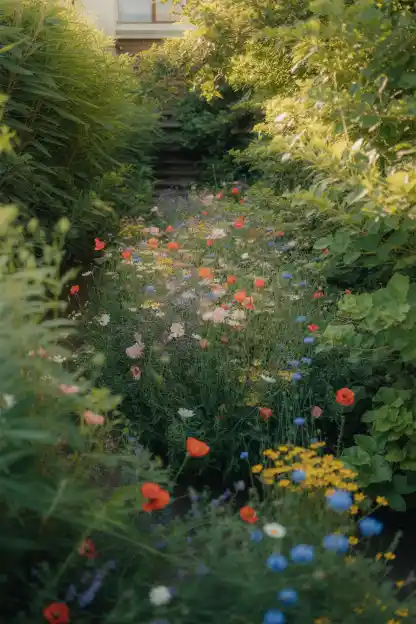
Bare dirt patches are one of the most common backyard problems. The cheapest solution is also the most beautiful one. Wildflower seed mix costs three to five dollars for enough to cover a ten-foot patch. Rake the soil, scatter the seed, water it in.
Do not overthink this. Wildflowers want poor soil, minimal water, and benign neglect. They are genuinely difficult to kill once established. The hardest part is resisting the urge to weed the seedlings before you can identify them. Early wildflower sprouts look exactly like weeds.
Mark the patch edges with a small border so the mower leaves it alone. Flag the area with a simple stake if needed. Within six weeks in spring or early summer, the space goes from dirt to dense blooming color that requires nothing from you to sustain.
Make a DIY Solar Lantern From a Mason Jar
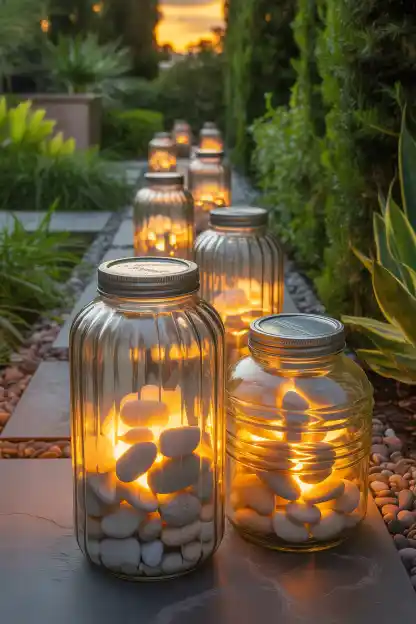
A solar stake light, the kind you find for one dollar at discount stores, unscrews from its plastic housing. That solar top fits directly into the mouth of a wide-mouth mason jar. Drop a few river stones or sea glass in the bottom for weight and decoration.
This takes about four minutes per lantern. Make six of them and line a garden path. The light output is soft and warm, not bright enough to read by, but perfect for outlining a path or decorating a table. Line them along the gravel path from the second idea in this list.
The mDesign style of practical repurposing applies here: use what exists, buy the minimum, make it look intentional. A single solar stake light by itself looks temporary. The same light inside a mason jar with stones looks like a deliberate design choice.
Hang a Canvas Drop Cloth as a Privacy Screen
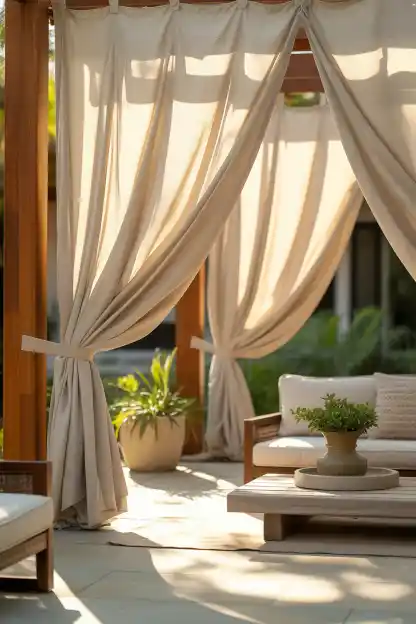
Canvas painter’s drop cloths cost eight to twelve dollars for a nine-by-twelve-foot sheet. Hang one from a tension wire strung between two fence posts or hooks. You now have a fabric privacy wall that blocks sightlines and softens the look of an exposed patio area.
Sew in simple rod pockets along the top edge with basic stitching or use large binder clips attached to S-hooks on the wire. Binder clips require zero sewing. The clip method takes about ten minutes from package to finished hanging screen.
Drop cloth canvas weathers surprisingly well. It fades to a warm linen tone over the first season that looks genuinely expensive. Weight the bottom hem with a few washers stitched inside to keep it from billowing in wind. That one extra step makes the whole thing behave properly.
Upcycle Tire Towers Into Stacked Planters
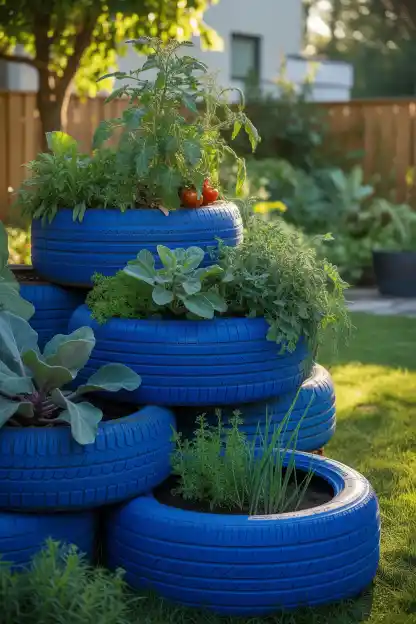
Three tires stacked and filled with soil make a tall planter that holds deep-rooted vegetables like carrots or potatoes perfectly. The black rubber absorbs heat and extends the growing season by warming the soil earlier in spring than ground beds would.
Paint the tires in bright colors before stacking. Exterior spray paint adheres to rubber surprisingly well. Yellow, red, cobalt blue. A painted tire tower goes from eyesore to intentional accent. The color contrast with green foliage reads as designed rather than salvaged.
Four tires collected from any tire shop (they often give them away free since disposal costs money) plus two cans of spray paint totals roughly eight dollars. The resulting planter produces real harvests and costs almost nothing. That math is hard to argue with.
Set Up a Simple Compost Bin From Pallets
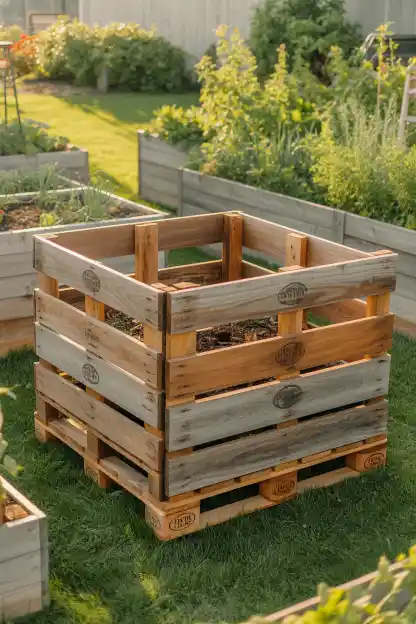
Four pallets stood upright in a square, wired together at the corners, make a functional compost bin in about thirty minutes. No tools beyond wire cutters. This is backyard infrastructure that eventually pays for itself in free garden amendment.
The structure does not need a lid or a base. Open bottom allows worms to enter from the soil below. Open top accepts kitchen scraps, leaves, and garden waste easily. The pallet slats allow airflow that speeds decomposition significantly compared to solid-sided bins.
This works especially well when positioned near the herb garden or raised beds so transfer is quick. Compost is genuinely the most undervalued backyard resource. It costs nothing to make and eliminates the need to buy bags of soil amendment every planting season.
Build a Simple Wooden Plant Stand
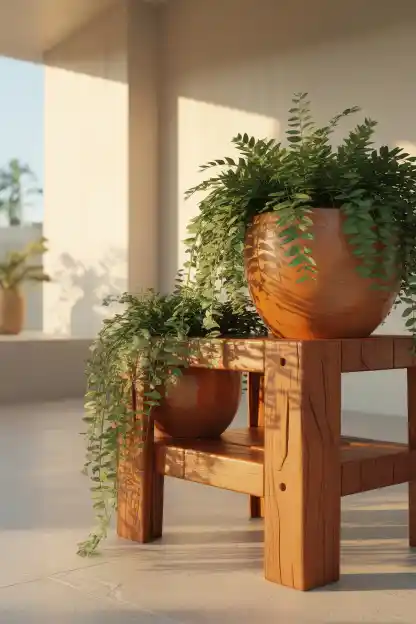
Three pieces of two-by-four lumber cut into legs, one square piece of plywood for the top, eight screws. That is a plant stand. Cost: under ten dollars in lumber from any hardware store’s off-cut bin. Build time: forty minutes including measuring.
The stand holds a single large statement pot or groups three smaller pots at varying heights when combined with two other simple stands. Stagger the heights to create visual interest. iDesign-level thinking applied to outdoor furniture: simple, functional, intentionally sized for the purpose.
Sand and seal it before putting it outside. Unfinished wood rots in one wet season. A coat of outdoor sealant takes twenty minutes and extends the life of the stand by several years. That extra step is the difference between a one-season project and a permanent outdoor feature.
Press Mosaic Stepping Stones From Broken Tiles
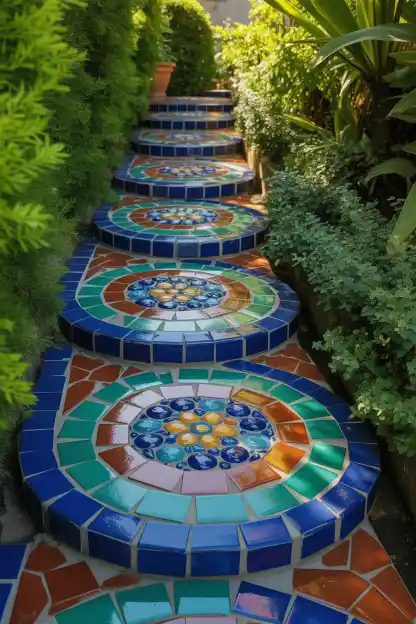
Broken tiles, cracked plates, and chipped ceramics get a second life as mosaic stepping stone surfaces. Pour quick-set concrete into a round form (a pie tin works), press tile pieces into the surface before it cures, and let it set overnight.
The result is a unique, fully custom stepping stone that costs almost nothing if you collect broken ceramics rather than buying new tiles. Thrift stores sell chipped plates for twenty-five cents each. One plate covers a full stepping stone surface with pattern to spare.
This is the project that takes the longest per piece but produces the most satisfying result. Each stone is genuinely one of a kind. A path of ten mosaic stepping stones is an actual art installation made from things that would otherwise be in the trash. That combination of free materials and visible craft is exactly what this list is built around.
Final Thoughts on DIY Backyard Ideas on a Budget
Most of these twenty-one projects cost under twenty dollars. Some cost nothing. The common thread is that none of them require waiting for a bigger budget, a free weekend in some distant future, or a skill set you do not already have.
Start with one project. Pick the one that annoyed you most in the introduction. Finish it completely before starting another. A finished gravel path beats three half-built projects every single time.
Your backyard does not need to be finished to be used. Fix one corner this weekend. Sit in it. That is the whole point.
FAQ About DIY Backyard Ideas on a Budget
What is the easiest backyard project to complete in a single afternoon?
Stepping stones pressed into grass take under an hour. Scatter a string of LED lights along a fence using Command hooks and that is another forty-minute project. Both deliver immediate visible results.
Do I need any special tools for these weekend projects?
Most projects on this list need only a shovel, sandpaper, a paintbrush, and basic hardware like screws or wire. A hand saw handles the lumber cuts. No power tools required for the majority.
How do I keep outdoor DIY projects from looking cheap?
Paint everything a consistent color if materials are mismatched. Group items in odd numbers. Keep surfaces clean and plants healthy. Intentional arrangement and fresh paint disguise low cost more effectively than expensive materials ever could.
Sarah Mitchell’s Take
I have built half of these projects myself, some of them twice after the first attempt taught me something the hard way. The pallet couch took three tries before the height felt right. Start messier than you think you should, fix it as you go, and stop waiting for the perfect Saturday.
—