
Introduction
Three summers ago I ripped out every plant in my backyard and started from scratch. Bad decision. Turns out pulling everything before you have an actual plan just leaves you with a mud pit and a pile of dead shrubs on the curb for six weeks. I sketched ideas on napkins, watched too many YouTube videos, and still made expensive mistakes in the first month. Some of what I tried worked. A lot of it did not. Still figuring a few things out, honestly.
Map Your Yard Before You Touch Anything
Seriously. Before one plant goes in the ground, walk the space and take notes.
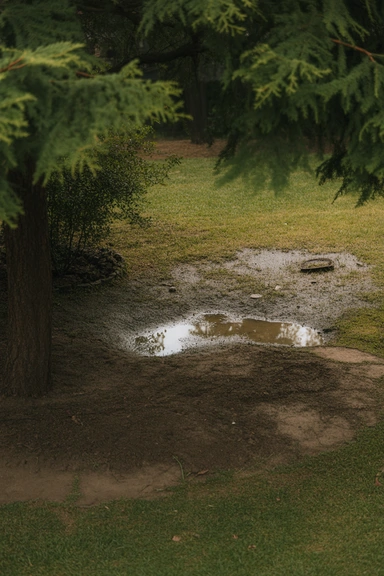
Watch where water pools after rain. Notice which corners stay shaded all day. Find the spots that dry out fastest in summer heat. These details decide what survives in your yard and what dies slowly while you wonder what went wrong.
I skipped this step my first time. Put a Japanese maple in a spot that collected standing water after every storm. That tree sat in soggy soil for two seasons before I moved it. Moving an established shrub is miserable work and completely avoidable.
Fix the Lawn Before Adding Anything Around It
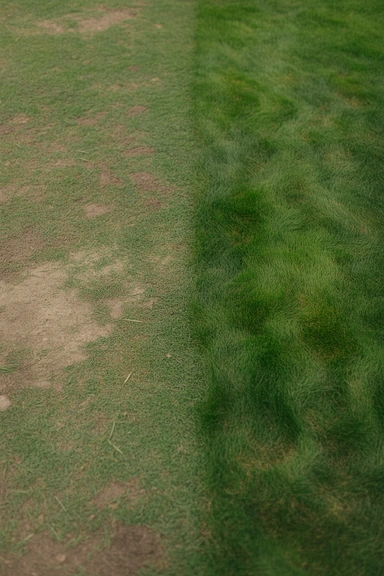
A patchy, weedy lawn makes every landscaping idea around it look worse. Not less. Worse.
Overseed bare patches in early fall when soil temperatures sit between 50 and 65 degrees Fahrenheit. That range gives grass seed the best germination conditions without the heat stress of summer. Spreading seed in July because it feels like the right time is one of those mistakes that wastes an entire bag of seed and three weeks of watering.
Dethatch before overseeding. Thick thatch blocks seed contact with soil and most of it never germinates. A rented dethatching machine costs around forty dollars for a half-day and makes a real difference on neglected lawns.
Define Bed Edges and Make Them Stick
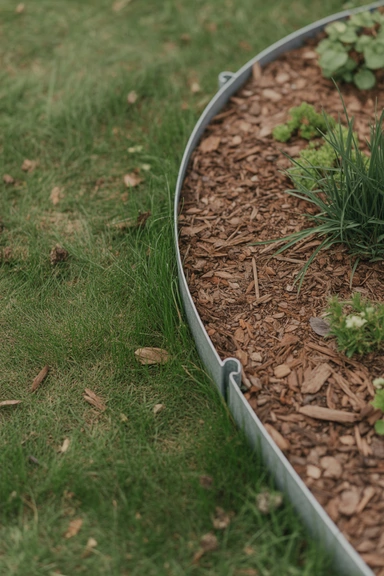
Clean bed edges are what separate a backyard that looks intentional from one that just looks like plants scattered near a fence.
Use a half-moon edger to cut a defined line between lawn and garden beds. Keep that edge at a slight angle so grass roots cannot creep back into the bed easily. Recut it three or four times a season. It sounds like extra work but each session takes under twenty minutes and the visual payoff is immediate.
Steel edging installed along the border holds the line better than cutting alone. Pound it flush with the soil surface so it does not become a tripping hazard. I tried plastic edging first. It buckled in the first hard freeze and looked worse than no edging at all by spring.
Use Layered Planting to Add Depth
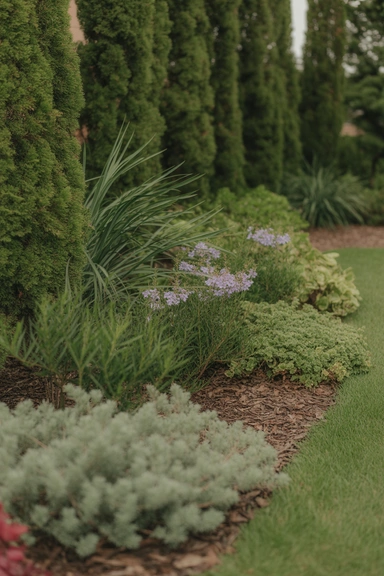
Flat plantings look flat. That sounds obvious but most beginners plant everything at the same height and wonder why the bed looks underwhelming.
Layer from back to front. Tall shrubs or ornamental grasses at the back, mid-height perennials in the middle, low groundcover or edging plants at the front. This structure creates visual depth and makes a narrow bed look wider than it actually is.
Knock Out roses work well as mid-layer plants in most climates. They bloom repeatedly, need minimal attention, and fill space without overwhelming smaller plants in front of them. I have used them in three different beds across two houses and they have never disappointed.
Build a Simple Stone Pathway
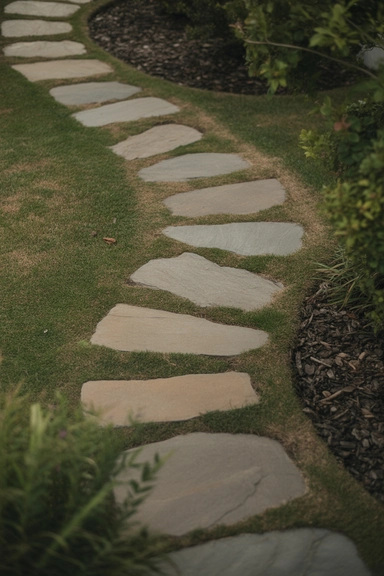
A pathway does more than give you somewhere to walk. It organizes the yard visually and tells the eye where to go.
Irregular flagstone set in a slight curve feels more natural than a straight line of square pavers. Space stones at a comfortable walking stride. Too close and the path feels cramped. Too far apart and people step on the plants trying to reach the next stone.
Set each stone on a two-inch bed of leveling sand so they sit stable and do not rock underfoot. Stones that wobble get avoided and an avoided path grows weeds between the gaps faster than you expect.
Add a Focal Point the Eye Goes to First
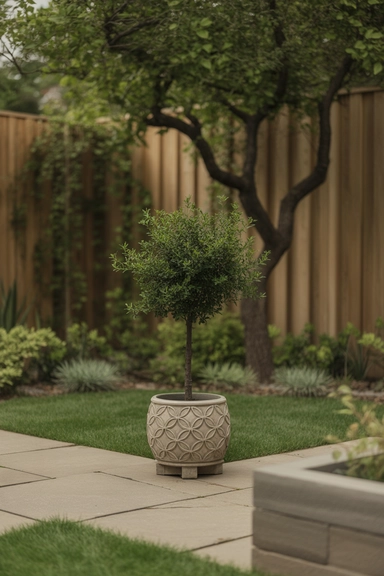
Every backyard needs one thing that anchors the whole space. Without it the eye moves around and settles nowhere.
A small ornamental tree, a water feature, a large decorative pot planted with height, or even a well-placed boulder all work as focal points. The size does not matter as much as the placement. Put the focal point where you see it first from the back door or the main seating area.
I spent two seasons wondering why my backyard felt unfinished. Added a single dwarf Japanese maple in a terracotta planter near the patio corner. The whole space suddenly felt like it had a center. That was it. One plant in the right spot.
Create a Seating Area That Actually Gets Used
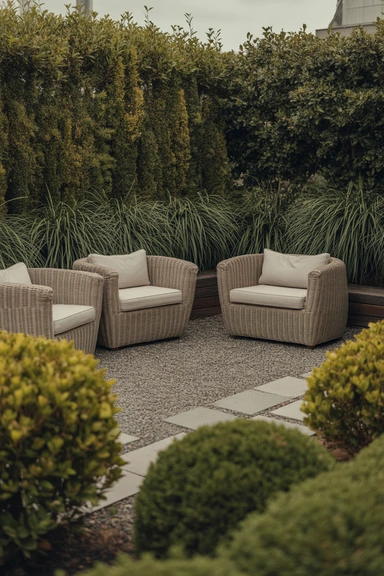
Here is something most landscaping advice skips. A seating area surrounded by nothing but open lawn does not get used. People sit where they feel contained, not exposed.
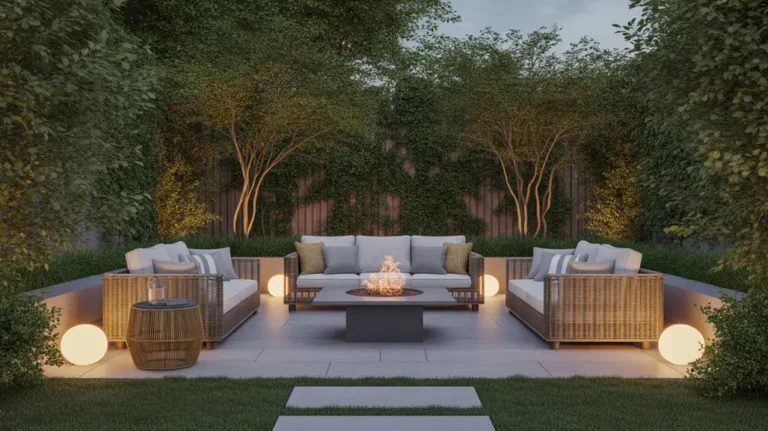
Plant low shrubs or tall grasses behind and beside a seating area to create a sense of enclosure. It does not need walls. Just enough planting to define the space and make it feel like a room rather than a chair sitting in a field.
Level the ground before setting any furniture. Patio furniture on uneven ground shifts constantly and nobody sits somewhere that feels unstable. Lay a gravel base or pavers under the seating area to keep furniture stable and prevent mud after rain.
Plant a Privacy Screen Without a Fence
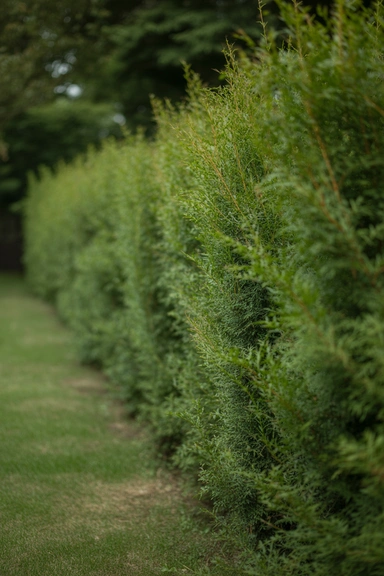
Fences cost money and require permits in some areas. A planted privacy screen costs less, looks better after a few seasons, and provides habitat for birds and insects at the same time.
Arborvitae planted eighteen inches apart fills in within two to three seasons and creates a dense evergreen screen that blocks sight lines year-round. Bamboo works faster but spreads aggressively through underground runners. Plant bamboo only in contained raised beds or with a buried rhizome barrier going at least thirty inches deep.
I planted clumping bamboo without a barrier along a back fence eight years ago at a previous house. It spread four feet into the lawn within three seasons. The people who bought that house are probably still dealing with it. Use a barrier.
Add Outdoor Lighting Along Paths and Beds
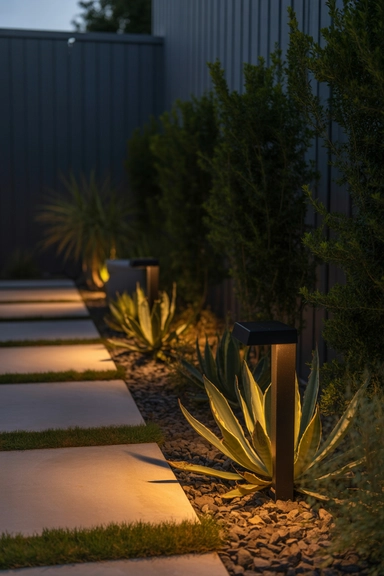
Good lighting extends how long you actually use the backyard and changes how the whole space feels after dark.
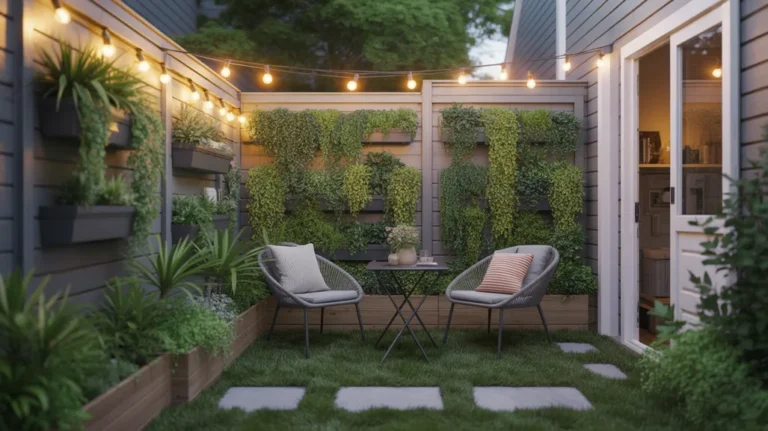
Solar path lights work fine for basic visibility but they look cheap and fade fast. Low-voltage landscape lighting wired to a transformer costs more upfront and takes an afternoon to install, but it lasts years longer and produces better light quality. Between the two I always choose wired lighting for anything permanent.
Bury the wire three inches below the surface along bed edges so it does not get cut by edging tools or snagged by rakes. Mark where the wire runs on a rough sketch so you remember when digging new beds later. I have cut my own landscape wire twice and both times it was because I forgot where I buried it.
Use Mulch to Tie the Whole Yard Together
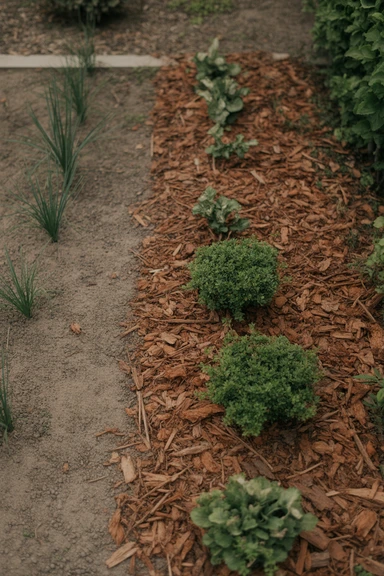
Fresh mulch makes every bed look intentional even when the planting underneath is still filling in.
Apply a three-inch layer across all garden beds every spring. Keep mulch two inches away from plant stems and tree trunks. Mulch piled against stems traps moisture and causes rot at the base of the plant. It is one of the most common mulching mistakes and one of the slowest ways to kill an otherwise healthy shrub.
Shredded hardwood mulch holds in place better than wood chips on sloped beds. On flat ground either works. Dyed mulch fades faster than natural mulch and needs replacing more frequently. Natural brown or black hardwood mulch holds color through the season without needing a mid-season refresh.
Build a Simple Raised Garden Bed as a Feature
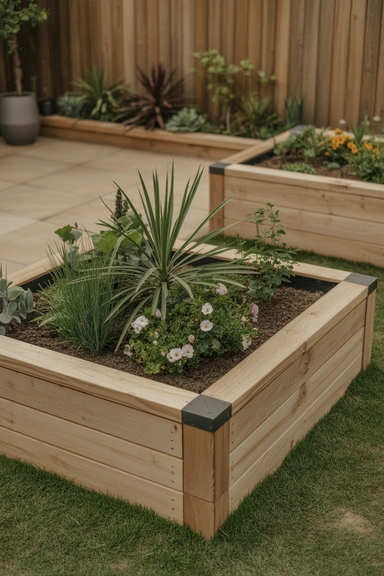
A raised bed does not have to be a vegetable garden tucked in a back corner. Built well and placed right it becomes a landscape feature in its own right.
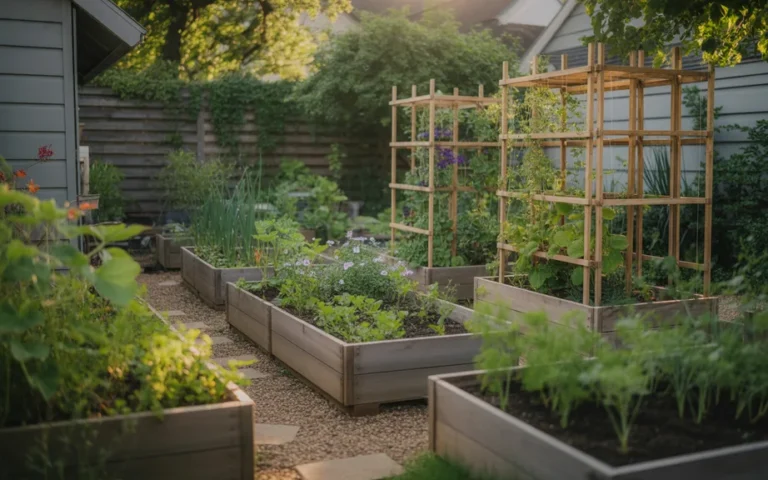
Frame a raised bed from cedar or composite lumber, stain it to match your fence or deck, and plant it with ornamental herbs, trailing flowers, and one tall centerpiece plant. That combination reads as intentional garden design rather than a utilitarian vegetable patch.
Place the bed where it interacts with the rest of the yard visually. A raised bed sitting isolated in the middle of a lawn looks like an afterthought. One positioned at a corner of a patio or along a fence line becomes part of the overall layout.
Plant Groundcover Where Grass Will Not Grow
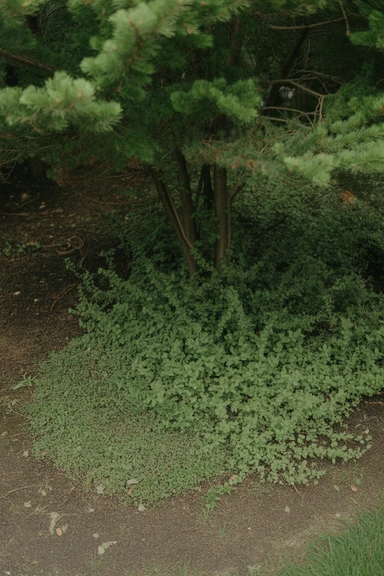
Shady spots under trees, narrow strips along fences, steep slopes where mowing is dangerous. These are the places grass always fails and bare soil always erodes.
Creeping thyme, ajuga, and pachysandra all cover ground in difficult conditions where grass gives up. Creeping thyme handles full sun and foot traffic. Ajuga spreads fast in part shade and produces purple flower spikes in spring. Pachysandra fills deep shade under dense tree canopies where almost nothing else survives.
Plant groundcover plugs about eight inches apart and mulch between them the first season while they fill in. By the second year most groundcovers close the gaps and choke out weeds on their own without any additional effort from you.
Add a Water Feature Without a Big Budget
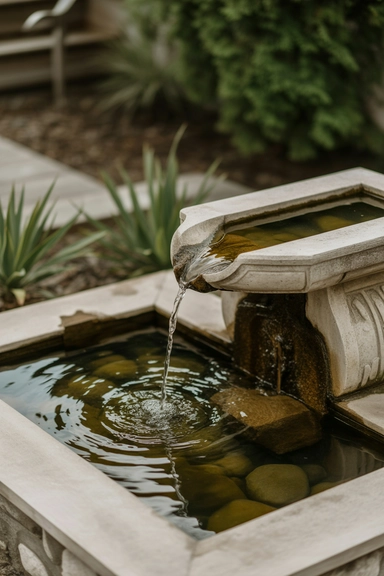
Moving water changes the feel of a backyard in a way that plants alone cannot replicate. You do not need a pond or a built-in fountain to get that effect.
A freestanding disappearing fountain — a reservoir buried in the ground with a pump that recirculates water up through a decorative stone or ceramic vessel — costs between eighty and one hundred fifty dollars and installs in an afternoon. No plumbing. No permits. No contractor.
Place it where you hear it from the seating area. A water feature you cannot hear from where you sit loses most of its value. Test the sound level before committing to a permanent position. Move the reservoir until the sound carries properly to your main outdoor seating spot.
Use Ornamental Grasses for Low Maintenance Color
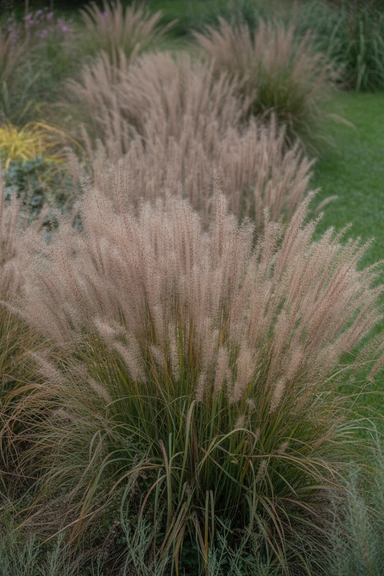
Ornamental grasses are the most underused plant in backyard landscaping. They require almost no care, move beautifully in wind, provide four-season interest, and fill large spaces without constant attention.
Karl Foerster feather reed grass grows to five feet tall, stays upright through winter, and never needs staking. Plant it in groups of three for the best visual impact. Single specimens look scattered. Groups read as intentional.
Cut grasses back to four inches above the ground in late winter before new growth emerges. Do it earlier and you cut away the winter structure. Do it too late and new growth gets mixed in with the dead material and the whole clump looks ragged for the first half of the season.
Finish With Container Plants on the Patio
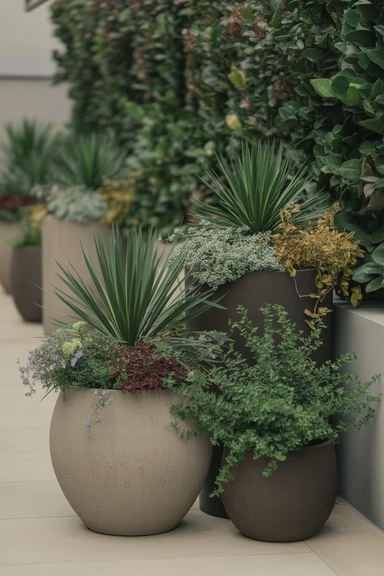
Containers are the fastest way to add color, height, and personality to a patio or seating area without committing to permanent planting.
Use the thriller, filler, spiller formula. One tall dramatic plant in the center, mid-height mounding plants filling the middle, and trailing plants spilling over the edge. That structure works in any size container and in any color palette. It is the one formula I have never seen fail when people follow it properly.
Use containers at least fourteen inches in diameter for mixed plantings. Smaller pots dry out too fast in summer and stress plants before they establish. Self-watering containers on a south-facing patio cut watering frequency almost in half and keep mixed plantings looking good through the hottest weeks of the season without daily attention from you.
Final Thoughts on Backyard Landscaping Ideas
The best backyard landscaping ideas solve real problems in your specific yard. Drainage issues, shade problems, privacy gaps, unusable slopes. Start with what your yard actually needs before thinking about what looks good in photos.
Pick three ideas from this list that address a real problem or fill a real gap in your space. Get those three right before adding anything else. A backyard that functions well always looks better than one that just looks designed.
Give the landscaping two full growing seasons before judging it. Plants need time to establish, fill in, and show what they actually look like at full size. Most landscaping that feels disappointing in year one looks completely different and far better by the end of year two.
FAQ About Backyard Landscaping Ideas
How do I start backyard landscaping ideas with a very small budget? Start with mulch, bed edging, and one focal point plant. Those three changes cost under one hundred dollars total in most areas and produce the highest visual return of anything you can do to a backyard. Mulch alone makes an untended yard look intentional. Add clean edges and a single statement plant and the space reads as designed even before any other planting happens.
Which backyard landscaping ideas work best for yards with poor drainage? Build raised beds for planting areas so roots stay above the waterlogged zone. Install a French drain along the low edge of the yard to redirect water away from the main space. Plant water-tolerant species like river birch, swamp milkweed, and Louisiana iris in areas that stay consistently wet. Fighting poor drainage with plants that need dry conditions is a losing battle every single time.
How long do backyard landscaping ideas take to look finished? Most planted landscapes take two to three full growing seasons to look the way they were designed to look. Shrubs need a season to establish roots before they put on visible growth. Perennials spread slowly in year one and fill in fast in year two. Plan your plant spacing for what the plants will be at maturity, not what they look like at the nursery, and resist filling gaps with extra plants in year one.
Sarah Mitchell’s Take
The backyard that taught me the most was not mine. It belonged to a neighbor who spent twelve years on a tiny forty-by-twenty-foot space, adding one thing each season and never rushing it. By the time I moved into the neighborhood it looked like a professional garden. She told me she started with just two rose bushes and a bag of mulch. Patience is the one landscaping tool nobody sells at the garden center and the one that matters most.