
My dishwasher smelled like a wet dog for three weeks straight. Not faintly either. Every time I opened the door, it hit me in the face. I scrubbed the inside, ran a hot cycle, used half a bottle of dish soap, and nothing changed. Turns out the filter had not been cleaned in over a year and was basically a science experiment at that point. One filter rinse later, problem solved.
If your machine has that same funky smell or your glasses keep coming out cloudy, these 21 dishwasher cleaning hacks will sort it out fast. And if the rest of your kitchen needs the same treatment, these cabinet cleaning hacks tackle grease and dirt just as well..
Quick Answer: How to Clean a Dishwasher
Empty the machine, clean the filter under warm running water, place a cup of white vinegar on the top rack and run the hottest cycle available. Follow with a separate baking soda cycle for odors. These two steps handle most dishwasher cleaning problems using items already in your kitchen. Total time: under 10 minutes of actual effort.
Check Your Filter Before You Do Anything Else
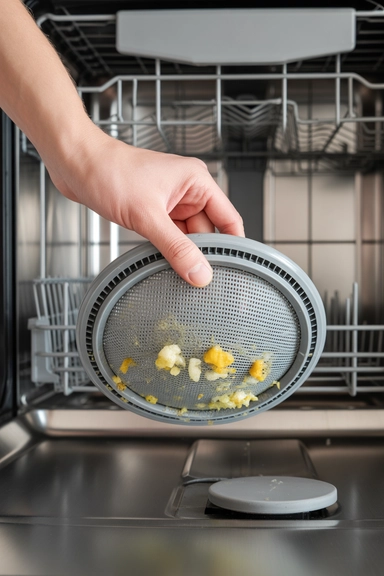
Most people have no idea their dishwasher even has a filter. It sits at the bottom of the machine, usually underneath the lower spray arm, and it catches food particles every single cycle.
There are two types. Older models have self-cleaning filters that grind up debris automatically. Newer models, most dishwashers made after 2010, have manual filters that need regular rinsing. Check your manual if you are not sure which one you have because pulling on a self-cleaning filter trying to remove it causes damage.
For manual filters, twist counterclockwise to remove, rinse under warm water, and scrub any stuck-on gunk with a soft toothbrush. Three minutes. Fixes about 70 percent of dishwasher odor problems on its own.
Run Hot Water at the Sink Before Starting a Cycle
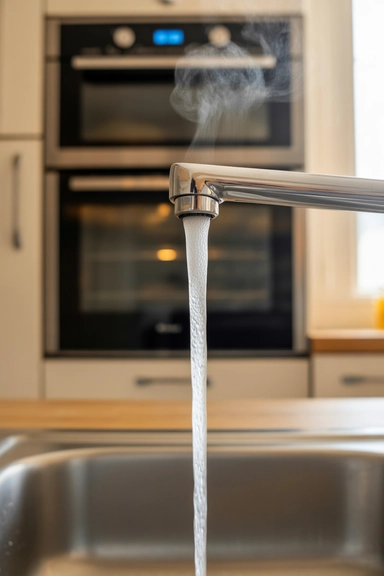
This hack nobody talks about makes a real difference to how well the machine performs every single day.
When you start a dishwasher cold, the first few minutes of the cycle run on lukewarm water sitting in the pipes. That water does not clean as well and does not activate detergent properly. Run your kitchen tap on hot for 60 seconds before pressing start. The machine fills immediately with already-hot water, which means better cleaning from the very first spray.
Water should reach at least 120 degrees Fahrenheit for optimal performance. One habit, better results every cycle.
The Vinegar Cycle Hack Done the Right Way
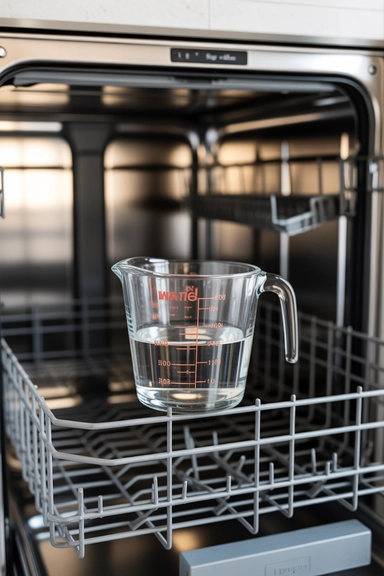
Place a dishwasher-safe cup filled with two cups of white vinegar on the top rack. Not dumped into the bottom of the machine. Not poured into the detergent cup. On the top rack where it gradually releases and circulates through the entire interior as the cycle runs.
Run the hottest cycle available with nothing else inside.
Vinegar breaks down mineral deposits, soap scum, and grease coating the interior walls and spray arms. Placement actually matters here. Vinegar poured directly into the bottom gets flushed out too fast to do much work. This is how to clean a dishwasher with vinegar the right way, and most people get the placement wrong.
Never Mix Vinegar and Baking Soda in the Same Cycle
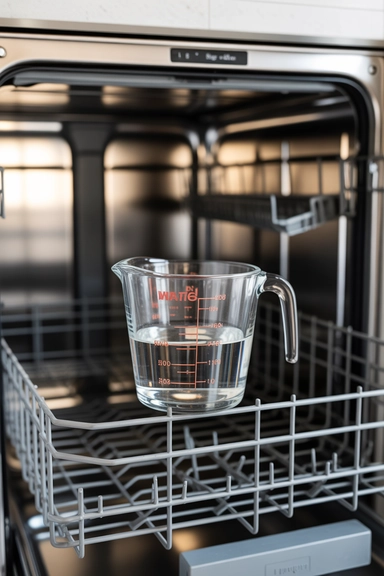
Here is a misconception that drives me a little crazy because almost every cleaning article on the internet gets this wrong.
Vinegar is an acid. Baking soda is a base. When they meet, they neutralize each other and produce water and carbon dioxide. That satisfying fizzing reaction you see? That is the cleaning power cancelling itself out. Running them together in one dishwasher cycle wastes both ingredients and does almost nothing useful.
Run the vinegar cycle first on the hottest setting. Let it complete fully. Then sprinkle one cup of baking soda across the bottom of the empty machine and run a second short hot cycle. Separate cycles, full effect from both. That is the actual method.
Clean the Dishwasher Filter Every Month
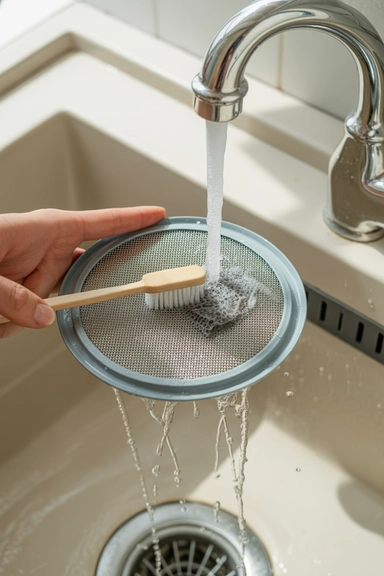
A clogged filter restricts water flow, forces the machine to work harder, and creates exactly the kind of trapped food smell that no amount of vinegar fixes until the filter itself gets cleaned.
Monthly cleaning works for a dishwasher that runs daily. A few times per week means every six to eight weeks is fine. Twist the filter out, rinse it under warm water, scrub with a soft toothbrush, drop it back in. The whole thing takes under three minutes.
FYI, a dirty filter is the single most common cause of a dishwasher that cleans poorly and smells bad at the same time. Fix the filter first before trying anything else.
Why Your Spray Arms Are Wrecking the Clean
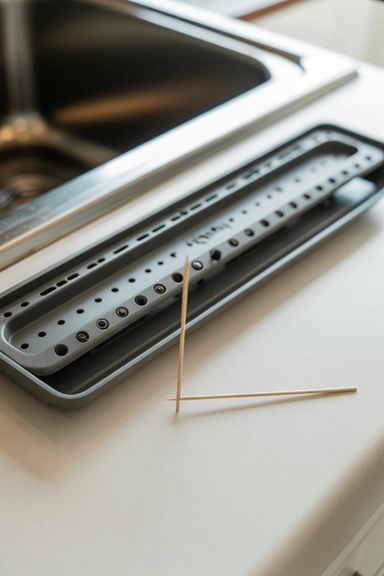
The rotating blades at the bottom and sometimes top of your dishwasher have small holes that shoot water in all directions during a cycle. Scale and food debris block those holes quietly over time, and the machine starts cleaning unevenly without giving you any obvious warning.
Take out the lower spray arm by lifting or unscrewing it depending on your model. Hold it up to a light and look through each hole individually. Blocked ones are obvious. Use a toothpick to clear each one, rinse under running water, and snap the arm back into place.
Most dishwasher performance problems that survive a deep clean come from blocked spray arm holes. This step takes five minutes and gets missed in about 90 percent of cleaning routines.
Scrub the Door Gasket With Dish Soap
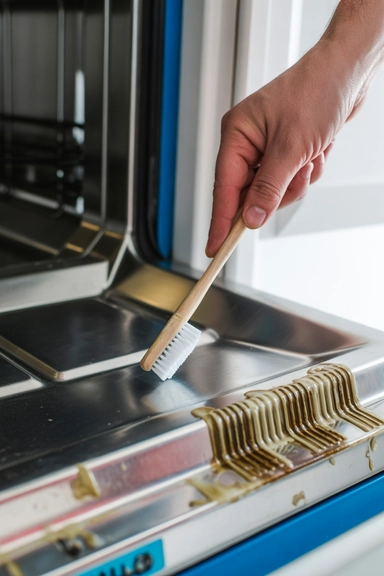
The rubber seal running around the inside edge of the dishwasher door is one of the grimiest spots in the entire kitchen. Nobody ever thinks to clean it. Food residue, grease, and mold collect in those folds and stay there because no wash cycle ever directly reaches them.
Dip an old toothbrush in warm soapy water and scrub along the entire gasket, paying extra attention to the bottom corners where buildup sits heaviest. Wipe away with a damp cloth after scrubbing.
Do this once a month. A neglected gasket not only smells awful but degrades and cracks over time, which eventually causes door leaks. Replacing a gasket costs significantly more than a two-minute scrub. 😬
Does Baking Soda Actually Remove Dishwasher Odors?
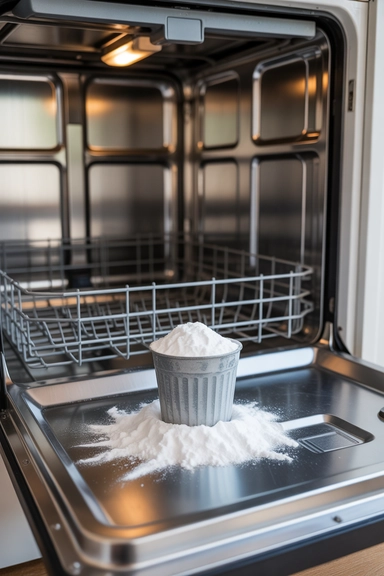
Yes, and it works better for odor removal than vinegar does on its own. Vinegar cuts grease and mineral deposits. Baking soda neutralizes the acidic compounds that actually cause the smell.
Sprinkle one cup of baking soda across the bottom of an empty machine and run a short hot cycle. For strong odors, leave the baking soda sitting in the machine for 30 minutes before running the cycle so it absorbs before the water hits it.
The combination of both methods handles virtually every dishwasher odor removal situation without any commercial products. Vinegar cycle first. Baking soda cycle second. Never together.
Use Citric Acid for Deep Descaling
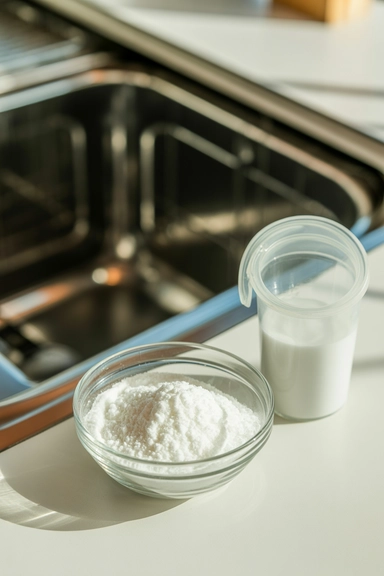
Dishwasher descaling is the process of removing calcium and magnesium mineral deposits from internal surfaces using acidic solutions. Vinegar handles light buildup. For heavy scale, hard water deposits, and the white chalky coating that has been building for months, citric acid is far more effective.
Add three tablespoons of citric acid powder to the detergent cup and run an empty hot cycle. Citric acid bonds to calcium and magnesium deposits through a process called chelation and pulls them off surfaces more aggressively than the acetic acid in vinegar ever will.
IMO this is the most underused hack on this list. A bag of citric acid powder costs about four dollars online and lasts for months of deep cleaning cycles.
Clean the Cutlery Basket Separately
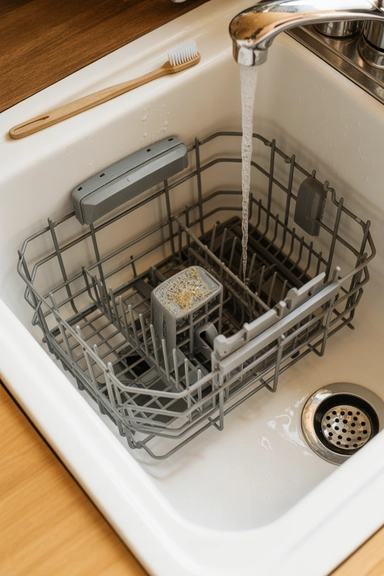
Here is something most people never bother doing. Food particles get trapped in the small gaps between the tines of the cutlery basket and stay there through every wash cycle because water pressure alone never fully dislodges them.
Take the basket out completely and soak it in hot soapy water in the sink for 15 minutes. After soaking, scrub between each divider with a toothbrush. Rinse thoroughly and let it air dry before putting it back.
Washing the basket while it is still inside the machine is a completely different result from soaking it properly. Takes 20 minutes total and the difference is obvious.
Wipe Down the Interior Walls and Door
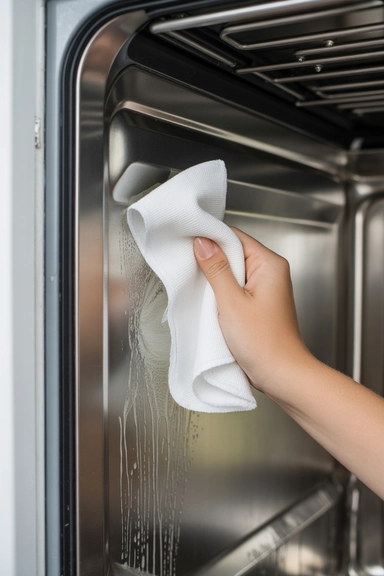
A thin film of grease and detergent residue builds up on the inside walls of a dishwasher gradually. It contributes to that stale smell even after running cleaning cycles because the film itself never gets directly targeted.
Dampen a microfiber cloth with white vinegar and wipe down all interior walls, the inside of the door, and the area around the detergent dispenser. Pay extra attention to the bottom corners where residue pools. Four minutes of wiping makes the machine look and smell noticeably fresher right away.
Run this step before the monthly vinegar cycle, not after, so the cycle flushes away whatever the cloth loosens.
The Lemon Hack for a Fresh Smelling Machine
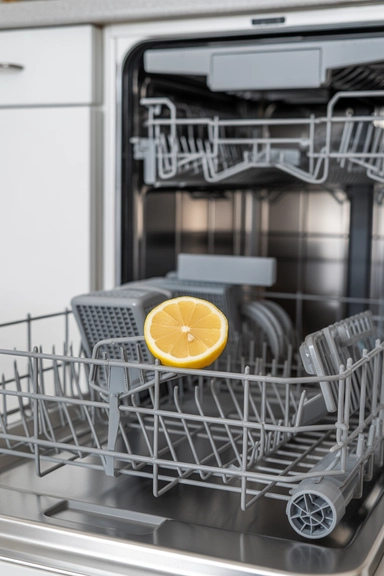
Cut a lemon in half and remove all seeds. Place it cut side up in the cutlery basket or secure it on the top rack. Run a normal hot cycle.
The citric acid in the lemon descales lightly while the steam carries the scent through the entire interior. Every dish and glass comes out with a faint clean citrus smell that no product replicates. 🍋
One thing worth doing before you put it in: remove all loose pulp. Pulp breaks apart during the cycle and clogs the filter. A clean lemon half with nothing loose on it is perfectly safe and genuinely leaves the machine smelling fresh for days.
Is It Safe to Use Bleach in a Dishwasher?
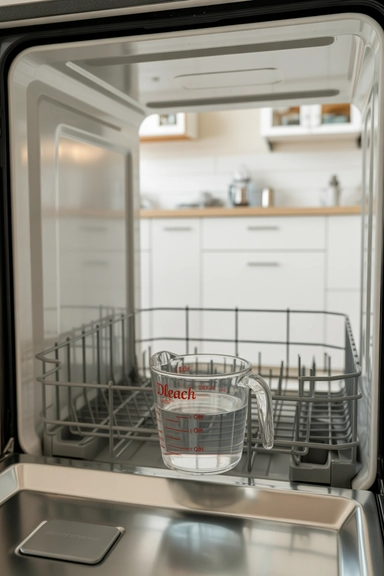
No, not if your dishwasher has a stainless steel interior. Bleach corrodes stainless steel and causes permanent discoloration and surface damage that cannot be reversed.
For white plastic interiors only, a diluted bleach solution of one tablespoon per gallon of water tackles mold and stubborn staining. Run an empty cycle and follow immediately with a plain hot water rinse cycle to flush any remaining bleach from the system.
Vinegar and citric acid handle mold and staining just as well for most situations without any risk to the interior. Reach for bleach last, not first.
Clean the Exterior Control Panel and Handle
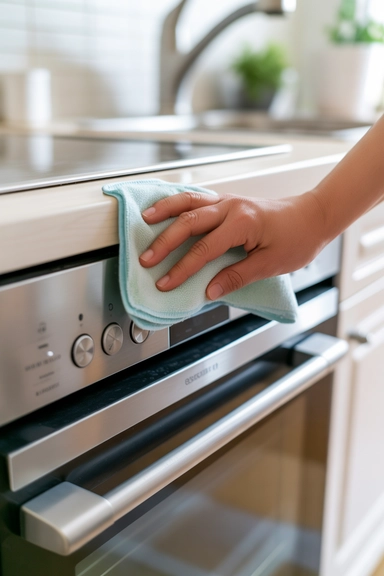
The exterior of a dishwasher gets touched with greasy hands dozens of times a week. Nobody ever cleans it. The handle and control panel build up a layer of kitchen grease that is genuinely gross when you think about it.
Spray a microfiber cloth lightly with an all-purpose cleaner and wipe down the handle, the door edges, and the control panel. Never spray directly onto the control panel because moisture behind the buttons causes electrical problems over time.
For stainless steel exteriors, always wipe in the direction of the grain. Across the grain leaves streaks that take real effort to remove.
Leave the Door Cracked After Every Cycle
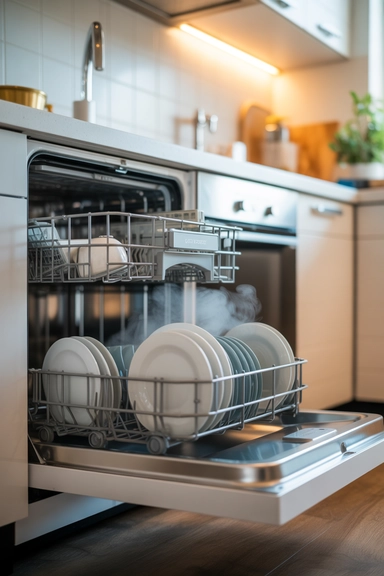
This is the single most effective odor prevention habit and almost nobody does it. After a cycle finishes, prop the door open two to three inches and leave it for at least 30 minutes.
Steam and residual moisture need somewhere to go. A closed door traps that moisture in the drum, in the gasket folds, and in the filter area. That trapped moisture is exactly how mold and mildew start. One habit eliminates about 80 percent of recurring odor problems permanently.
Most modern dishwashers have a door that stays in position when opened slightly. Costs nothing. Takes zero effort.
How to Remove Hard Water Stains From Inside the Dishwasher
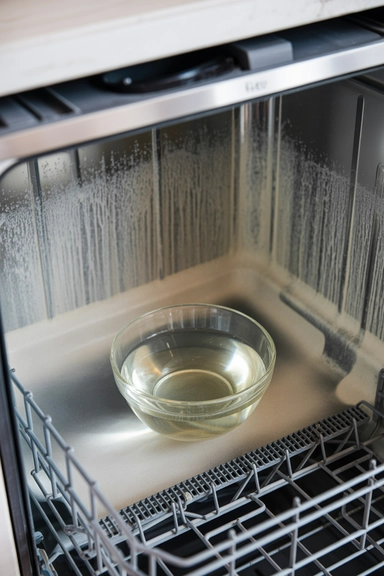
Hard water deposits leave white or grayish chalky buildup on the interior walls, spray arms, and heating element. These deposits reduce cleaning efficiency and cause cloudy glasses regardless of how much detergent you use.
Pour two cups of white vinegar into a bowl, place it on the top rack, and run the hottest cycle available. For heavy buildup, follow with a citric acid cycle using three tablespoons in the detergent cup. Repeat monthly if your home has hard water.
One thing to avoid: never pour vinegar directly into the rinse aid dispenser. The acidity degrades the rubber seals inside the dispenser over time and causes it to malfunction.
Soak the Racks to Remove Built-Up Residue
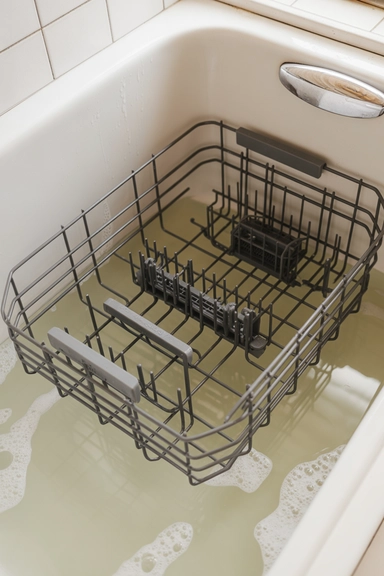
Both racks carry more buildup than most people realize. Scale, food residue, and soap film accumulate on the rack tines and wires over months of daily use, and a standard cleaning cycle never fully reaches them.
Remove both racks completely and soak them in a bathtub or large sink filled with hot water and half a cup of white vinegar for 20 to 30 minutes. The residue loosens during the soak and wipes away easily with a cloth afterward.
Check the tines for rust spots while you have them out. Treat small rust spots with a rack repair coating available at most hardware stores for a few dollars. Leaving rust untreated causes it to spread and eventually transfer onto dishes.
The Tang Trick for Stubborn Interior Staining
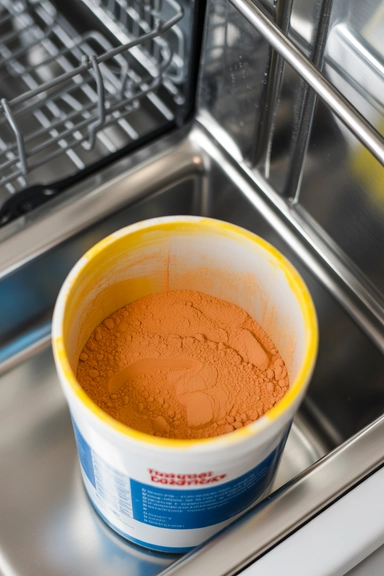
This sounds absurd but dishwasher repair professionals have used it for decades. Fill the detergent cup with powdered Tang drink mix and run an empty hot cycle.
Tang contains citric acid as its primary active ingredient. The citric acid descales the interior, breaks down mineral staining, and leaves the machine smelling clean afterward. Two tablespoons of pure citric acid powder does the exact same job for a fraction of the cost if Tang is not something you keep around.
Tried this the first time expecting absolutely nothing. The interior came out noticeably cleaner than after a standard vinegar cycle. Not something needed every month, but for a machine that has been neglected it works fast.
Use Rinse Aid Consistently
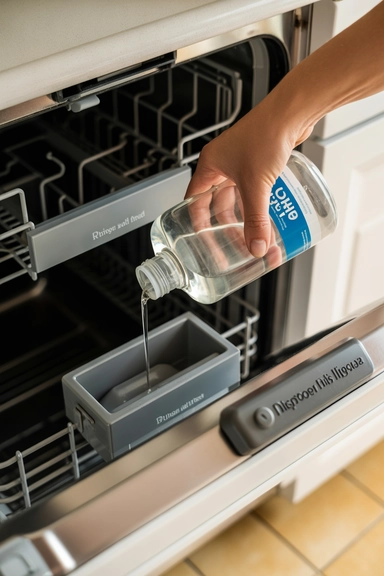
Rinse aid reduces the surface tension of water so it sheets off dishes instead of forming droplets that dry into spots. Without it, glasses come out cloudy and dishes stay wet longer regardless of how hot the cycle runs.
Refill the rinse aid dispenser every three to four weeks for a machine running daily. Most dishwashers have an indicator light for this, though in my experience that light comes on about a week after performance already starts dropping.
For homes with very light hard water, white vinegar in the rinse aid dispenser works as a substitute. For moderate to heavy hard water, use a proper commercial rinse aid because vinegar does not have enough strength to prevent mineral spotting consistently.
Dishwasher Cleaning Frequency Guide
| Cleaning Task | Daily Use | Light Use |
|---|---|---|
| Clear food debris from bottom | After every cycle | After every cycle |
| Filter rinse | Monthly | Every 6 to 8 weeks |
| Vinegar cycle | Monthly | Every 6 to 8 weeks |
| Baking soda cycle | Monthly | Every 6 to 8 weeks |
| Gasket scrub | Monthly | Every 2 months |
| Spray arm check | Monthly | Every 2 months |
| Full rack soak | Every 3 months | Every 6 months |
| Citric acid descale | Every 3 months | Every 6 months |
| Exterior wipe down | Weekly | Weekly |
Run an Empty Hot Cycle After Any Deep Clean
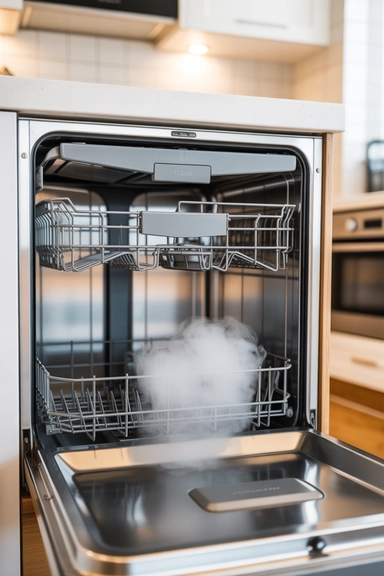
After any deep cleaning session, run one final empty cycle on the hottest setting with no cleaning products inside. This flushes out loosened debris, residual vinegar, citric acid, or baking soda that previous cycles dislodged but did not fully drain away.
Skipping this step leaves residue sitting inside the machine that affects the taste and smell of the next load of dishes. Two minutes to start a cycle and walk away. Worth doing every single time without exception.
Scrape Dishes Before Loading, Not Rinse Them
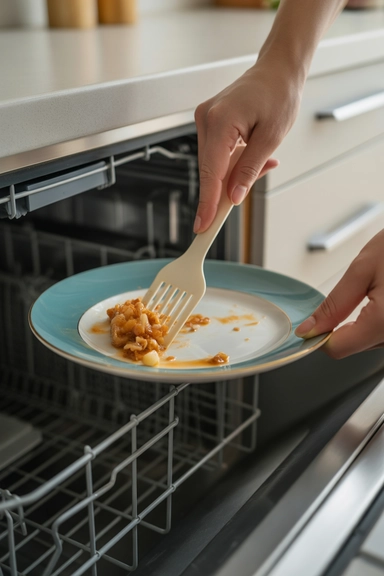
The best dishwasher cleaning hack is not a cleaning method at all. Scrape dishes before loading them. Not rinse, just scrape. Modern dishwashers and detergents handle food residue on dishes without any help. Large chunks of food that bypass the filter and sit in the drain area between cycles cause the real problems.
Scraping takes ten seconds per plate. It keeps the filter cleaner between deep cleans, reduces odors building up between sessions, and extends the time before a full clean becomes necessary.
Pre-rinsing dishes, by the way, actually trains the detergent sensor in some machines to run a lighter cycle because it detects less soil. Scraping only is the better habit.
Frequently Asked Questions About Dishwasher Cleaning Hacks
How often should you clean a dishwasher? Clean the filter monthly and run a vinegar cycle once a month for a dishwasher used daily. Deep clean with citric acid every three months. Light use machines can stretch each interval by two to four weeks without any performance drop.
Why does my dishwasher still smell after cleaning? The smell almost always comes from the filter, the door gasket folds, or moisture trapped inside a closed machine after cycles. Clean the filter first, scrub the gasket with a toothbrush, and start leaving the door cracked open after every cycle. Surface cleaning alone never reaches where the smell actually lives.
Can you use vinegar and baking soda together in a dishwasher? No. They neutralize each other when combined and lose most of their cleaning power. Run a vinegar cycle first, let it complete fully, then run a separate baking soda cycle for full effect from both ingredients.
How do you clean dishwasher spray arms? Remove the lower spray arm by lifting or unscrewing it, hold it up to a light, and use a toothpick to clear any blocked holes individually. Rinse under running water and snap it back into place. Do this monthly for a machine running daily.
Why are my dishes coming out cloudy after washing? Cloudy dishes come from hard water mineral deposits, low rinse aid levels, or a dirty filter reducing water pressure. Run a citric acid cycle to remove mineral buildup, refill the rinse aid dispenser, and clean the filter. Most cloudiness clears after one proper deep clean.
How long does a dishwasher deep clean take? A full deep clean takes about 10 minutes of hands-on work. That includes wiping the interior walls, scrubbing the gasket, clearing the spray arms, and cleaning the filter. The vinegar and baking soda cycles run on their own and add another 60 to 90 minutes of machine time with zero effort from you.
Final Thoughts on Dishwasher Cleaning Hacks
A clean machine takes about ten minutes a month to maintain once the routine is set. These dishwasher cleaning hacks do not need expensive products or complicated methods. Clean the filter, run separate vinegar and baking soda cycles, clear the spray arm holes, scrub the gasket, and leave the door open after cycles. Get those five things right consistently and the machine stays fresh, performs better, and lasts significantly longer than one that only gets attention when something goes wrong.