
Last spring I pulled everything out of my closet expecting a quick tidy. Three hours later I was sitting on the floor surrounded by clothes I had forgotten I owned and dust so thick on the shelves it had turned grey. Sound familiar? Most people only tackle closet cleaning when it reaches disaster level. These 21 closet cleaning hacks change that completely. Whether you have 15 minutes or a full afternoon, every hack here delivers results you can see the same day you try it. And if you want to keep the rest of your home just as fresh, our bedroom cleaning hacks are a great next step.
Empty Everything Out Before You Clean Anything

Pull out every single item before touching a cleaning product. Clothes, shoes, bags, boxes, everything off shelves and floors onto your bed so you can see exactly what you are working with. Most people try to clean around their stuff and wonder why the closet looks the same two weeks later.
An empty closet lets you reach every corner, baseboard, and wall surface collecting dust behind your clothes for months. Seeing everything piled on your bed forces honest decisions about what actually goes back in. Skipping this step is the number one reason most closet clean outs fail within two weeks of finishing them.
Always Dust From the Ceiling Down
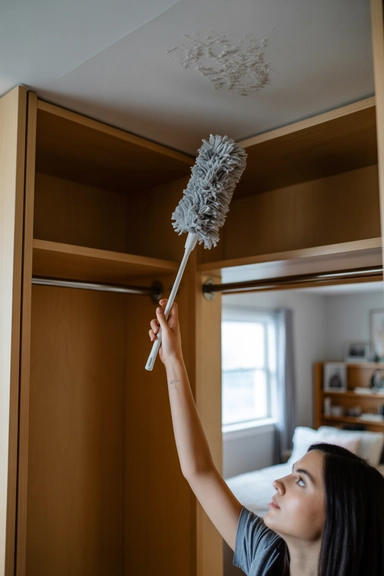
Start at the ceiling and work your way down because dust from higher surfaces falls directly onto lower ones. Cleaning the floor first means doing it twice and wasting the effort completely.
Hit ceiling corners first where cobwebs collect without anyone noticing, then work shelf by shelf, down the walls, along the hanging rod, and finish at the baseboards last. A Swiffer duster with an extendable handle reaches ceiling corners without needing a ladder at all. This order takes the same time as any other approach but produces a genuinely clean result instead of just moving dust around.
Run a Lint Roller Across Every Shelf
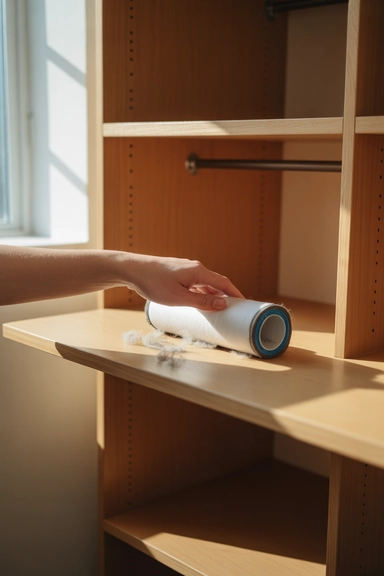
After dusting and before applying any cleaning solution, run a lint roller across every shelf surface in the closet. This step takes about 90 seconds for an entire closet and most people skip it completely.
A microfiber cloth pushes fine clothing fibers and fabric fluff around the shelf while a lint roller lifts them completely off. Your cleaning solution then works directly on the shelf material instead of mixing with loose debris sitting on top. The difference in surface cleanliness afterward is immediately visible and worth the extra 90 seconds every single time.
Make Your Own Wardrobe Cleaning Liquid
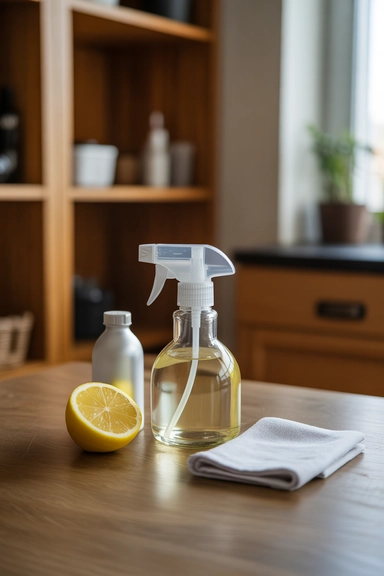
Mix equal parts white vinegar and warm water in a spray bottle and you have a wardrobe cleaning liquid that outperforms most expensive closet sprays on dust, fingerprints, and sticky buildup. It costs almost nothing and takes 30 seconds to mix.
Lightly spray each shelf and wipe with a clean microfiber cloth working in sections from top to bottom. The vinegar smell disappears completely within a few minutes of drying and leaves zero chemical residue on any shelf surface. For wooden shelves add a few drops of olive oil to the mixture. The vinegar cleans while the olive oil conditions the wood underneath at the same time.
Use Rubbing Alcohol for Stubborn Sticky Spots
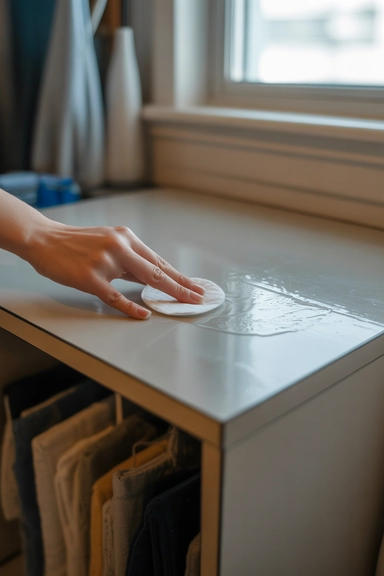
For sticky residue that vinegar and water does not shift, rubbing alcohol on a cotton pad removes it instantly without damaging the surface underneath. This works on laminate, melamine, painted wood, and metal surfaces equally well.
Dab the cotton pad onto the sticky spot, wipe once, done in under ten seconds. No scrubbing, no soaking, no surface damage. This is one of those closet cleaning tips that saves serious time on older shelves that have not been properly cleaned in years and have layers of sticky residue built up from labels, spilled products, or old storage containers.
Keep Wooden Shelves Damp Not Wet
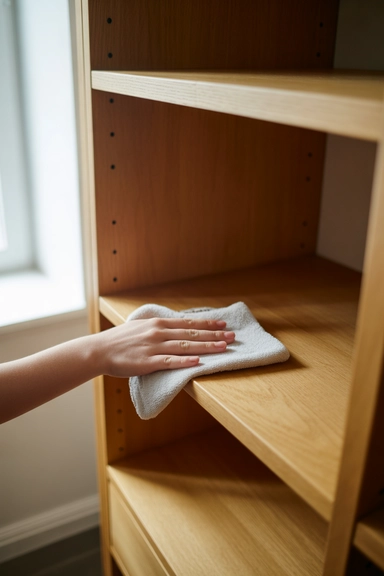
For wooden shelves keep your cleaning cloth damp not wet because too much moisture warps wood over time and causes shelf edges to lift, bubble, and separate from the frame underneath. This kind of damage is permanent and expensive to fix.
Let every wooden shelf dry completely before putting any clothes, shoes, or boxes back on it. Damp shelves sitting under stored items are the number one cause of that persistent musty closet smell that people spend money on scented sprays trying to cover. Drying the shelf properly after cleaning eliminates the source of the smell completely and costs absolutely nothing.
Wipe the Hanging Rod Every Month
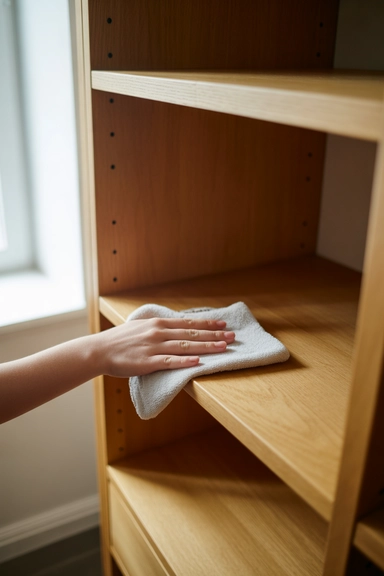
The hanging rod collects far more grime than anyone realizes. Every day clothes drag across it and leave behind a dark coating of fabric fiber, dust, and skin oils that builds up layer by layer completely invisibly.
Wipe it with a damp microfiber cloth and the amount of dark grime that transfers onto the cloth will genuinely surprise you the first time you do it. After that first clean the rod stays much cleaner because the thick initial buildup is gone. Do this monthly and it stays clean in under 60 seconds each time.
Remove Wall Scuffs With a Magic Eraser
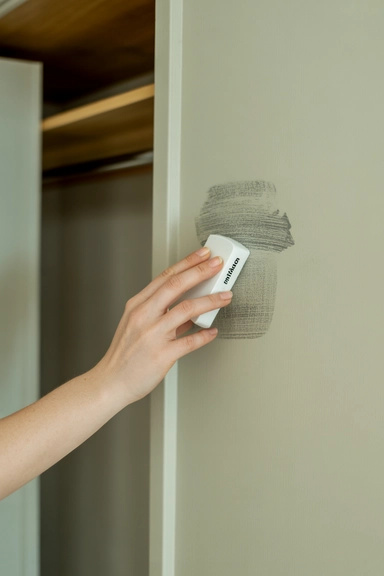
Scuff marks on closet walls come off in seconds with a magic eraser and no cleaning product needed at all. Run it along walls at shoulder height where bags, coat hangers, and clothes rub constantly against the painted surface throughout the year.
Follow with a quick damp cloth wipe to remove any white chalky residue the magic eraser leaves behind. Three minutes for the walls, hanging rod, and baseboards combined makes the whole closet feel freshly refreshed rather than just reorganized. This is one of those clothes cleaning hacks that takes almost no time and produces a result that makes the entire room feel cleaner immediately.
Never Skip the Baseboards
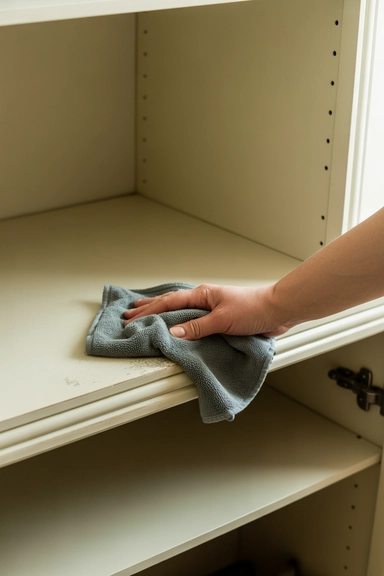
The baseboards inside closets collect the thickest dust layer of any surface in the whole room because nobody ever cleans them during regular closet tidying. That dust compacts over months into a dense grey layer that is genuinely unpleasant to see up close.
Two minutes with a damp cloth along the baseboards and the grime that comes off will permanently change how often you include this step. In homes with pets this single task makes the biggest visible difference of anything in the entire closet. Hair and fine debris compact along baseboards faster than anywhere else in an enclosed space like a closet.
Is Baking Soda or a Scented Spray Better for Closet Odors?
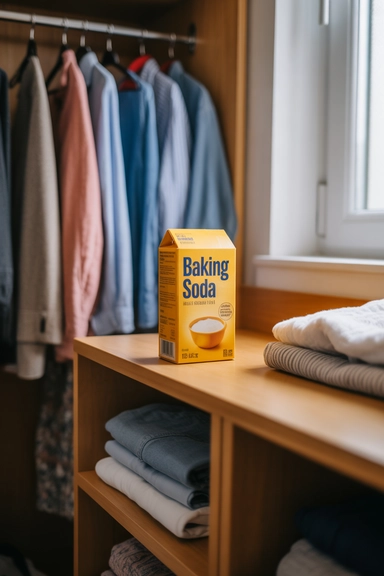
Baking soda removes closet odors at the source while scented sprays only mask them for a few hours before the smell returns. That difference matters when you want results that actually last more than a day.
Leave an open box of baking soda on a shelf or pour half a cup into a small open container placed in a corner. It works quietly over 2 to 3 days and genuinely neutralizes the smell without adding any fragrance at all. For carpeted closet floors with a deep set odor, sprinkle baking soda across the carpet, leave it for 15 minutes, then vacuum thoroughly for immediate and noticeable improvement.
Can Chalk Sticks Really Control Closet Humidity?
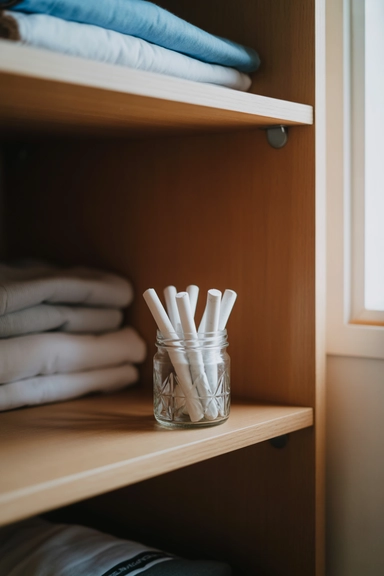
Yes, and this is one of the best closet cleaning hacks that almost nobody talks about. High humidity inside a closet damages clothes over time, causes persistent musty smells, and encourages mold growth on walls and shelves that most people mistake for dirt.
A jar of chalk sticks placed on a closet shelf absorbs excess moisture from the air. Replace the chalk every 3 months when it starts to crumble from saturation. I tried this after reading about it and honestly thought it was pointless. Two months later the chalk crumbled ahead of schedule from absorbing so much moisture. That was the last time I ever doubted it.
Add a Silica Gel Absorber for Serious Humidity Problems
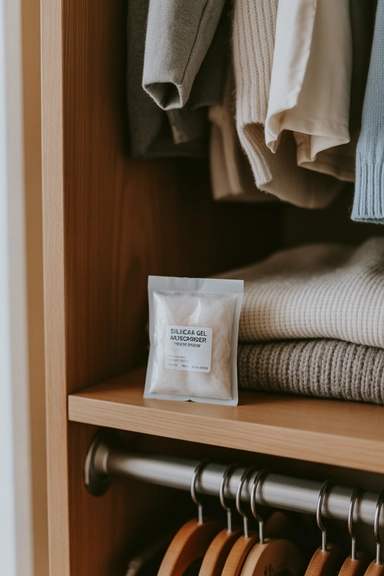
For closets with real ongoing humidity problems a silica gel moisture absorber does a stronger job than chalk sticks alone. Check it monthly and replace the crystals when they turn fully saturated and stop absorbing effectively.
In coastal areas or older buildings where indoor humidity consistently runs above 60 percent, adding a silica gel absorber prevents more closet damage than everything else on this list combined. Clothes develop mildew spots, wooden shelves warp, and metal rods rust when humidity goes unaddressed for months. Most people only discover humidity is the real problem after finding mildew on a favourite jacket they had not worn in a few months.
Does Organizing Before Cleaning Actually Work?
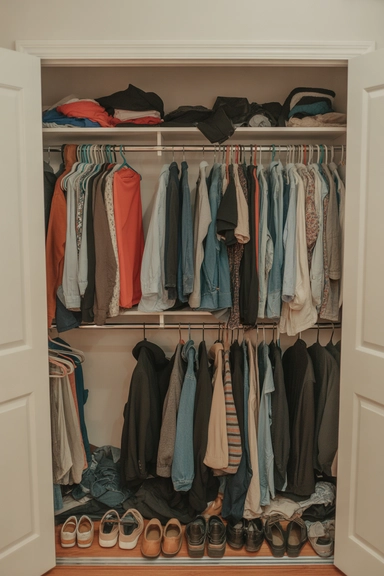
No, and most closet cleaning articles get this completely wrong. Organizing before cleaning means arranging dusty items onto dusty shelves and calling it done. Two weeks later the closet looks exactly the same because the grime was never actually removed.
Clean first, organize second. Empty everything out, scrub every surface, let it dry completely, then decide what goes back in and where. This order is the foundation that makes every other closet cleaning hack on this list deliver results that actually last longer than a few weeks.
Place Cedar Blocks for Long Term Freshness
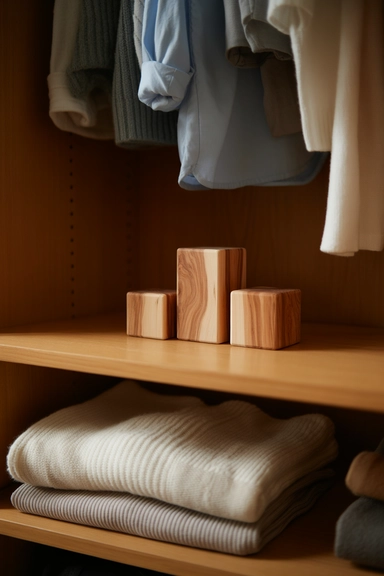
Cedar naturally repels moths, absorbs excess moisture, and keeps clothes smelling clean without artificial fragrance. Place 3 to 4 cedar blocks on shelves, tuck one into shoes, and hang one near your most frequently used clothes.
When the cedar scent fades after 3 to 4 months, lightly sand the surface with fine sandpaper for 30 seconds to release fresh scent again. The same block works indefinitely with no replacement ever needed. IMO cedar blocks are the single most underrated addition to any closet and the first recommendation I make to anyone who complains about clothes smelling stale between washes.
Add Lavender Sachets Between Folded Clothes

Lavender scent sachets complement cedar blocks perfectly because they handle different problems. Cedar repels moths and absorbs moisture while lavender adds a genuinely pleasant natural fragrance that makes opening your closet feel like a boutique wardrobe rather than a storage unit.
Put sachets between folded clothes on shelves and replace them every 3 to 4 months when the scent fades. The cedar plus lavender combination handles both function and fragrance together without a single chemical spray product involved at any point. This combination is completely safe for delicate fabrics, wool, and cashmere that chemical sprays can sometimes damage with repeated direct contact.
The Backwards Hanger Trick for Letting Go
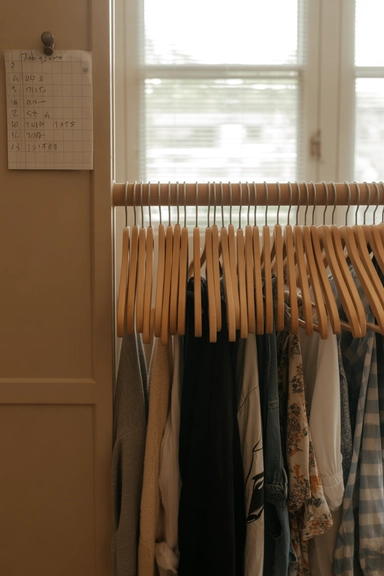
After finishing your closet clean out put every hanger back facing the wrong way. Write today’s date on a small piece of paper and stick it inside the closet door where you will see it every time you open it.
Every time you wear something and put it back, hang it facing forward. After six months everything still hanging backwards gets donated with no guilt, no emotional debates, and no second guessing because the data makes the decision automatically. I started doing this three years ago and donated more clothes this way than in every previous closet clean out combined. It is the single best closet cleaning hack for anyone who struggles with letting things go. 🙂
Sort Everything Into Three Piles
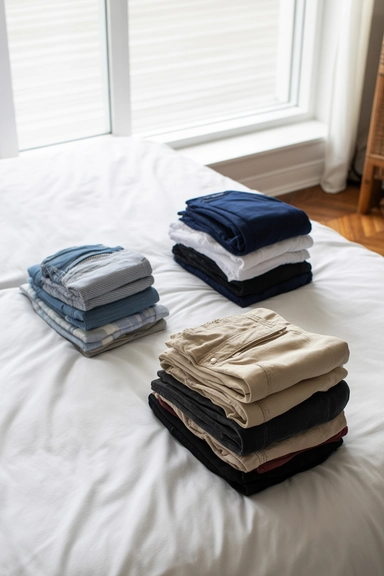
Every item you pulled out goes into one of three piles. Keep, donate, or toss. No maybe pile allowed because maybe always quietly becomes keep and nothing actually changes in the closet at all.
Keep means worn in the last year, fits well right now, and you genuinely feel good wearing it. Donate covers anything in good condition but unworn across multiple seasons regardless of original cost. Toss is for anything stained, torn, stretched, or worn so thin nobody else would want it. Two full calendar years unworn means it goes into donate regardless of cost, sentimental value, or whether it might fit again someday.
How to Clean Out Your Closet and Let Go of Clothes

Keeping something unworn sitting in your closet does not recover what you originally spent on it. Donating it means someone else actually gets real use from it and that reframe genuinely makes following the rules for cleaning out your closet easier every single time.
If guilt stops you from letting things go, give yourself one small sentimental storage box with a strict physical size limit. Only what fits inside the box stays for sentimental reasons. Everything else follows the three pile rules without exceptions. The box gives you clear permission to hold onto a small meaningful collection while releasing the rest without feeling like you are losing something permanently important.
Organize by Category Not by Color

Organizing by category makes getting dressed faster every morning and putting things back easier without thinking about it. All shirts together, all trousers together, all dresses together, all jackets together in their own section.
Color coding your entire closet looks visually beautiful in photos and works terribly in real daily life. It means scanning the entire rail every single morning just to find one specific item buried among other colors. Color coordinate within a single category if you enjoy the visual effect but always use broad categories as your primary system for practical daily use. This single change reduces the time most people spend finding clothes every morning by a noticeable amount.
Store Off Season Clothes in Vacuum Sealed Bags
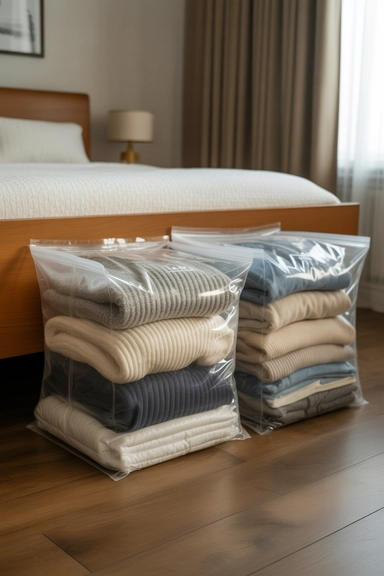
Off season clothes take up roughly half the total space in most closets without being touched for months at a stretch. Vacuum sealed storage bags compress bulky winter jumpers, coats, and bedding down to a fraction of their original volume.
Keep sealed bags under the bed or on a high closet shelf and reclaim the prime hanging space for clothes you actually wear right now in the current season. This step alone doubles the usable space in most closets without purchasing a single additional organizer, shelf unit, or storage system. When you switch seasons, open the bags, let the clothes air for an hour, and they come out in perfectly wearable condition.
Use Shelf Dividers for Folded Clothes

Stacks of neatly folded clothes collapse completely the moment you pull one item from anywhere in the middle. Shelf dividers keep every stack upright, separate categories cleanly from each other, and stop that frustrating cascade of unfolding that wastes minutes every single morning without fail.
Acrylic shelf dividers work on any shelf depth without modification, stay completely invisible against the shelf surface, and take under two minutes to install with no tools and no damage to shelves whatsoever. They slide onto the shelf edge and grip without adhesive. Once installed they require zero maintenance and genuinely transform how organized the folded section of any closet looks and feels.
Follow the One In One Out Rule
Every time something new enters the closet something old leaves the same day. No exceptions, no delays, and no storing the old item somewhere else to deal with later.
Buy a new shirt and donate an old one the same day the new one arrives. Get new shoes and retire a pair before the new ones go onto the shelf. This single consistent habit separates people who maintain a clean organized closet long term from people who redo this entire process every six months. The closet stays at a consistent manageable volume and never reaches disaster level again as long as the rule holds.
How to Clean Your Closet in 15 Minutes
Not every session needs a full clean out from scratch. For a fast effective weekly reset follow this five step schedule every week:
- Minutes 1 to 3: Pull out anything sitting in the closet that does not belong there.
- Minutes 3 to 6: Quick vacuum of the floor and a dry wipe of visible shelf surfaces.
- Minutes 6 to 10: Straighten all hanging clothes back into their correct categories.
- Minutes 10 to 13: Wipe the hanging rod and visible shelf surfaces with a damp cloth.
- Minutes 13 to 15: Add a fresh cedar block or open baking soda if it smells stale.
People who spend three hours on one big annual clean still have a messy closet by February every year. The weekly 15 minutes works better every time because it stops the mess from ever reaching the point where it needs hours to fix.
Cleaning Method by Closet Surface Type
| Surface | Best Cleaner | What to Avoid |
|---|---|---|
| Wooden shelves | Diluted white vinegar, dry fast | Soaking with water |
| Laminate shelves | White vinegar and water spray | Abrasive scrubbers |
| Painted walls | Damp microfiber cloth only | Harsh chemicals |
| Metal hanging rod | Damp cloth, dry immediately | Leaving moisture on |
| Carpeted floor | Baking soda then vacuum | Wet mopping |
| Hard floor | Vinegar and water mop | Excess moisture |
| Baseboards | Damp cloth wipe | Soaking near wall edges |
How Often Should You Clean Your Closet
Daily: Put clothes back where they belong. Thirty seconds maximum.
Weekly: 15 minute reset following the five step schedule above.
Monthly: Wipe shelves, vacuum floor, check and replace moisture absorber if saturated.
Every six months: Full clean out. Empty everything, deep clean every surface, sort clothes with the three pile system, donate anything unworn.
Frequently Asked Questions
Q: What is the best wardrobe cleaning liquid for closet shelves? Equal parts white vinegar and warm water in a spray bottle. Safe on most shelf types, removes dust and sticky residue, and costs almost nothing. For wooden shelves add a few drops of olive oil to condition the wood while cleaning.
Q: How do you get rid of a musty smell in a closet? Place an open box of baking soda on a shelf to absorb odors at the source over 2 to 3 days. Add cedar blocks for long term freshness. If the smell returns within days the problem is humidity and a silica gel moisture absorber is what you actually need.
Q: How do you clean your closet in 15 minutes? Remove anything that does not belong, vacuum the floor, wipe shelf surfaces with a damp cloth, straighten clothes by category, and wipe the hanging rod. Full weekly reset done in 15 minutes without emptying everything out.
Final Thoughts on Closet Cleaning Hacks
A clean organized closet does not happen by accident. It happens because someone used the right system and actually stuck with it consistently over time.
These 21 closet cleaning hacks cover every part of the job from physically scrubbing shelves and killing odors to decluttering clothes and building the daily habits that keep everything clean long after you finish. The backwards hanger trick handles the emotional side of letting go. Baking soda and cedar handle the smell without any spray products. The one in one out rule stops the chaos from ever building back up again.
Pick three hacks from this list and start today. Your closet will feel completely different by tonight. 🙂