
Introduction
Three days after my neighbor’s Labrador stayed at my place for a weekend, I walked in and the smell knocked me sideways. Candles did nothing. Air freshener made it worse. That is when I stopped guessing and started figuring out what actually removes dog odor for good, not just covering it up for an hour.
These hacks work on carpets, furniture, walls, and air. If your couch is also taking the hit, these 21 Couch Cleaning Hacks to Remove Stains and Odors will save you a lot of extra scrubbing.
Why Dog Smell Sticks Around So Long
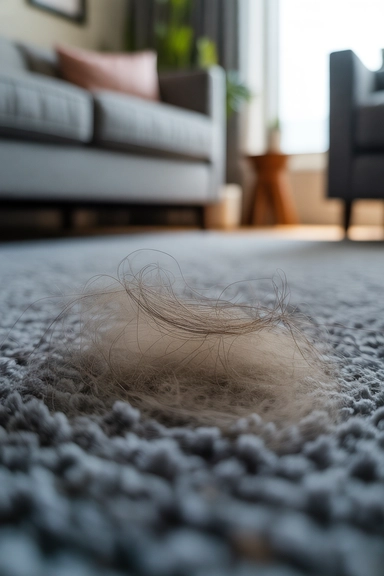
Dog odor does not just float in the air. It binds to fabric fibers, soaks into carpet padding, and settles into porous surfaces like wood and walls.
Spraying room freshener just adds a flowery layer on top of the real problem. The odor molecules from pet dander, saliva, and body oils need to be broken down chemically, not covered up.
Understanding this changes everything. Once you target the source instead of the surface, the smell actually goes away instead of coming back two days later.
Baking Soda Is Your First Move
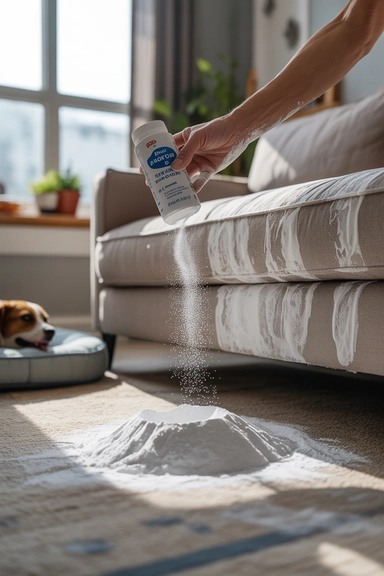
Sprinkle baking soda generously over sofas, rugs, dog beds, and carpets. Leave it for at least 4 hours. Overnight works even better. Then vacuum it all up completely.
Baking soda neutralizes acidic odor compounds at a molecular level. It is not masking anything. It is breaking the smell down chemically from inside the fabric.
I prefer this over any store-bought powder because it costs almost nothing and works on smells that have been sitting in fabric for weeks. Start here before trying anything else.
White Vinegar Tackles Every Hard Surface
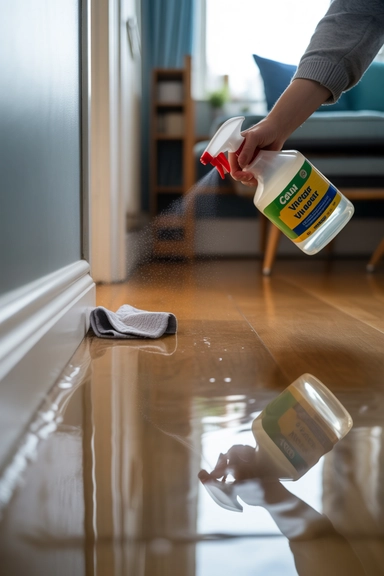
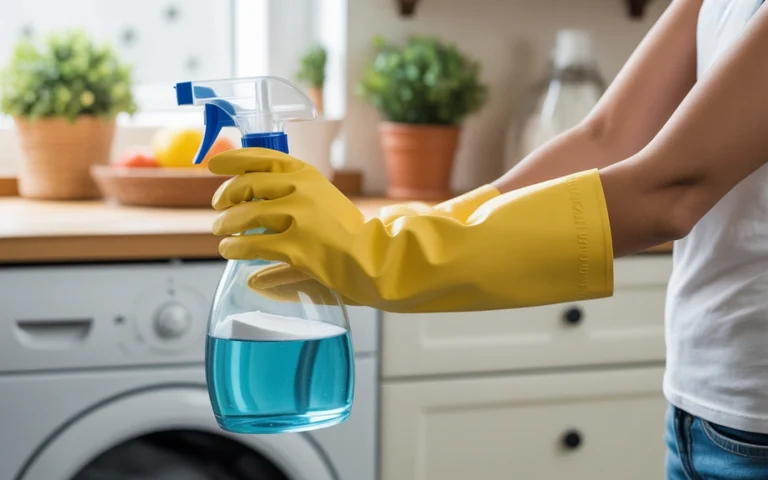
Grab a spray bottle and mix equal parts white vinegar and water. Use it on hard floors, baseboards, walls near dog sleeping spots, and tiled surfaces.
Yes it smells sharp when wet. It disappears completely once dry and takes the dog odor with it. That trade off is worth it every single time.
Wipe baseboards specifically because dogs brush against them constantly. Those low surfaces hold more smell than most people ever think to check.
How to Pull Odor Out of Carpets Properly
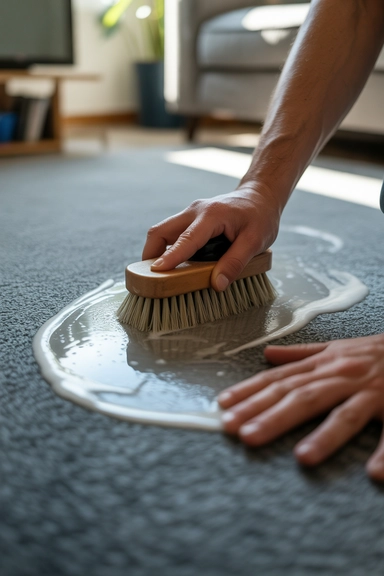
Carpets trap odor deeper than any other surface in the house. The smell does not sit on the fibers. It soaks through to the padding underneath and sits there for months.
Start with a baking soda treatment first. Then mix one cup white vinegar, one cup warm water, and two teaspoons dish soap. Scrub into the carpet with a brush and blot with a clean cloth.
Let it dry fully with windows open. Deep set odors need two rounds spaced 24 hours apart. One treatment and calling it done is why the smell always comes back.
Enzyme Cleaners Are the Only Real Fix for Urine
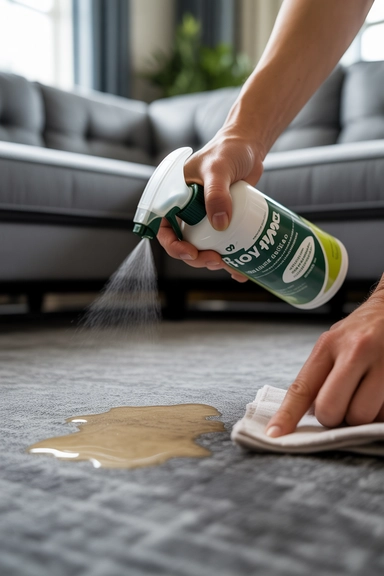
For urine spots specifically, enzyme cleaners are the only thing that truly works. I tried vinegar alone on a urine spot once and the smell came back within two days when the humidity rose.
Rocco and Roxie contains biological enzymes that digest the urine proteins causing the odor. Spray generously, cover with a damp cloth for 10 to 15 minutes, then blot dry.
Do not let it dry too fast. That stops the reaction halfway and leaves proteins behind that will keep smelling every time the weather gets humid.
Washing Dog Bedding the Right Way
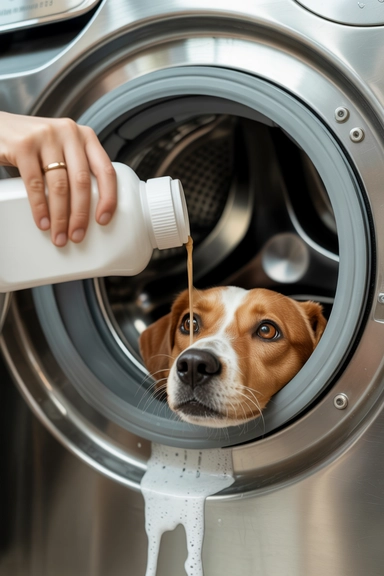
Most people wash dog bedding on a normal cycle and wonder why it still smells afterward. Add half a cup of white vinegar to the rinse cycle alongside your regular detergent. Wash on the hottest setting the fabric allows.
Dry it completely before putting it back down. Even slightly damp bedding smells worse than before it was washed.
For beds with foam inserts, skip the washer. Sprinkle baking soda on the foam, leave for 6 hours, vacuum off, then spray lightly with diluted vinegar and air dry in sunlight.
Activated Charcoal Works While You Are Doing Nothing
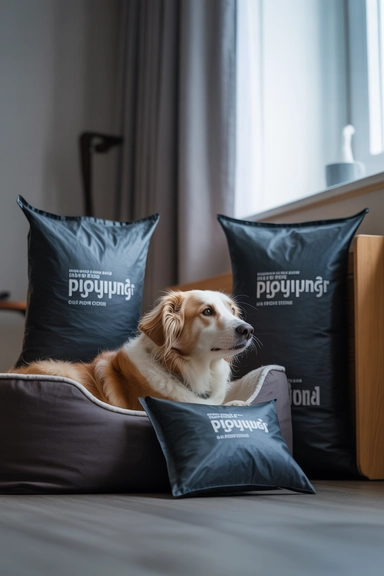
Activated charcoal bags absorb airborne odor molecules without any effort from you. Place them near dog sleeping spots, by the front door, and in rooms where the smell keeps rebuilding between cleans.
Each bag works for about 2 years and recharges by sitting in direct sunlight for one hour monthly. No chemicals, no sprays, no effort at all.
IMO this is the most underrated pet odor tool most dog owners have never tried. They keep buying air freshener every two weeks while the actual problem sits untreated in the air around them.
The Hydrogen Peroxide Trick for Upholstery
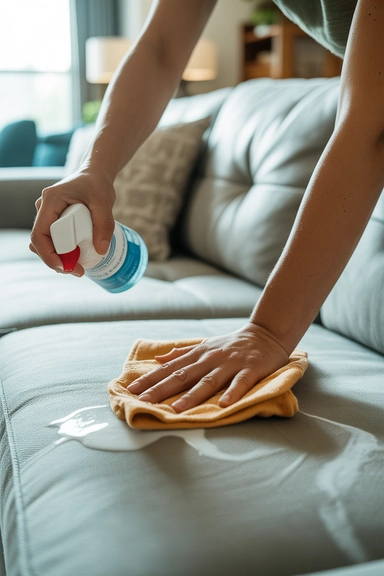
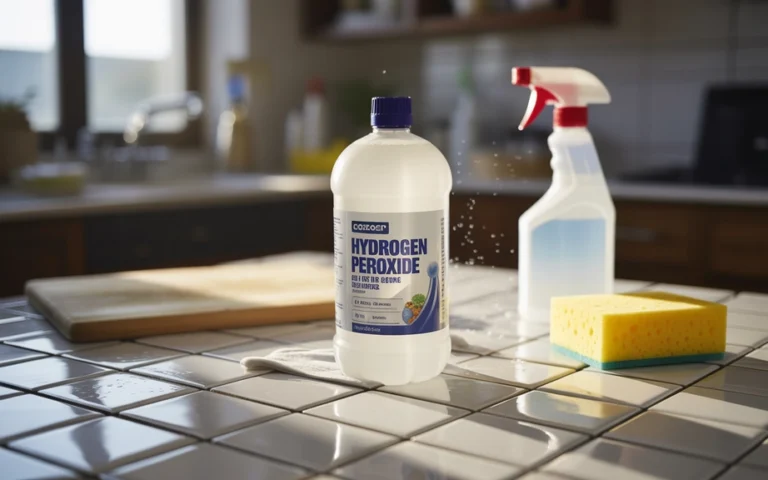
Mix one part hydrogen peroxide with two parts cold water and a small squeeze of dish soap. Test on a hidden area first because it can lighten some fabrics. Then dab onto upholstery with a soft cloth.
This oxidizes odor compounds on contact and breaks them down rather than masking them. Use 3% hydrogen peroxide only, which is the standard pharmacy version.
Anything stronger damages fabric permanently. This works well on light colored sofas and chairs where dog smell has built up over months of daily use.
The Walls and Ceilings Nobody Ever Thinks to Clean
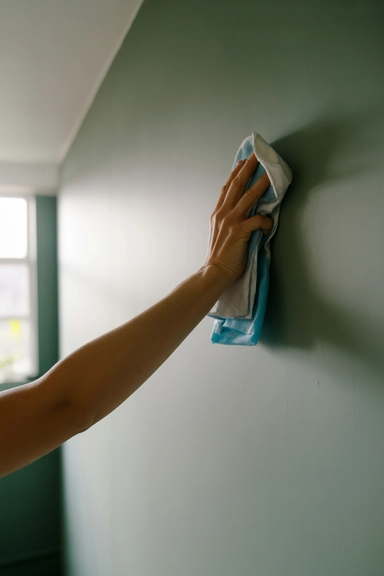
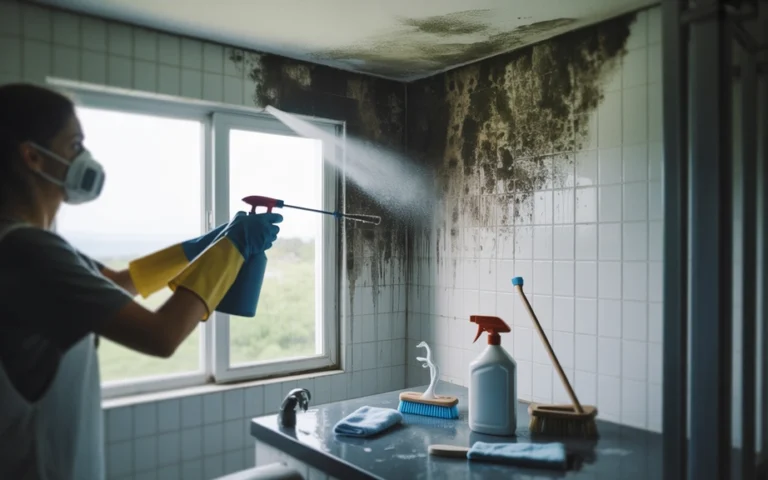
Dog smell rises and settles on walls and ceilings, especially in smaller rooms. Most people deep clean floors and furniture but completely ignore vertical surfaces and then wonder why the room still smells.
Wipe walls down with one gallon warm water mixed with one cup white vinegar. Start from the top and work downward. Pay extra attention to corners and the wall space directly above dog beds.
One wall cleaning session removes a surprising amount of stubborn room odor that nothing else was touching before.
Deodorize the Dog’s Favorite Couch Spot
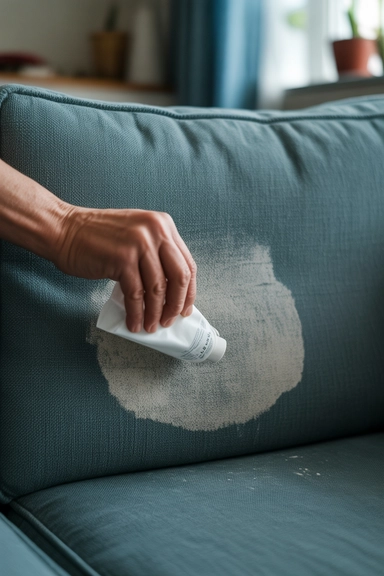
Dog oils transfer from fur to fabric every single time a dog sits in the same spot. Over time that one area becomes the main odor source in the whole room without most people realizing it.
Apply a paste of baking soda and a little water directly to the spot. Leave for 20 minutes, scrub gently with a soft brush, then vacuum completely. Follow with the hydrogen peroxide solution on any stubborn areas.
Do this monthly on the regular spot even when it does not smell yet. Prevention is far easier than deep removal.
Steam Cleaning Resets a Room Fast
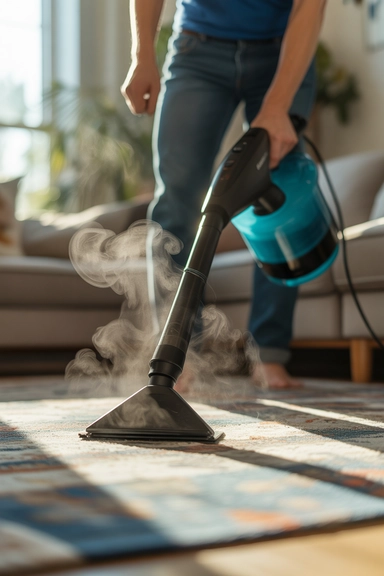
Steam cleaning breaks down odor compounds deep inside fabric and carpet without any chemicals. The heat kills odor causing bacteria at 212 degrees Fahrenheit and nothing survives that temperature.
Rent a steam cleaner or use a handheld version on sofas, rugs, and mattresses. Go slowly so the steam penetrates deep enough to reach the actual source of the smell.
If you only deep clean once a month, make it a steam clean. It does more work in one session than three rounds of spraying and scrubbing combined.
Baking Soda Bowls Pull Odor Out of the Air Overnight
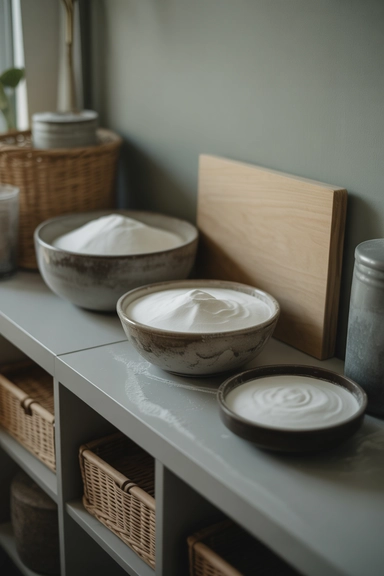
Put small open bowls of baking soda on shelves, near vents, and on furniture surfaces in rooms where the dog spends most time. They pull airborne odors out of the room passively while you sleep.
Replace them every 30 days. Old baking soda stops absorbing and just sits there doing nothing, yet most people leave it for months expecting results.
Pair this with activated charcoal bags in the same room and you have a passive odor control system running around the clock without touching anything.
Curtains Hold More Smell Than Most People Realize
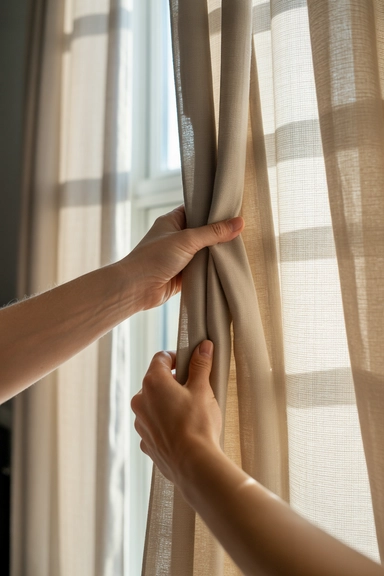
Nobody thinks to wash the curtains. Fabric curtains in a room where a dog sleeps absorb odor just as heavily as the carpet does, sometimes worse because hot air rises and carries smell straight into them.
Pull them down and wash with half a cup of white vinegar added to the rinse cycle. Dry in sunlight whenever possible.
UV light naturally breaks down odor compounds and kills bacteria sitting in the fibers. That combination does more than any fabric spray available in stores.
Dog Collars and Toys Are Hidden Odor Sources
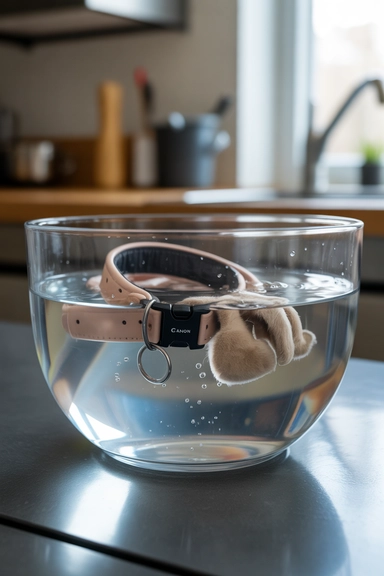
The collar your dog wears every single day is soaked in body oils, saliva, and outdoor bacteria. Every time the dog sits near furniture that collar spreads odor into fabric and air around it.
Wash fabric collars weekly in warm water with a small amount of dish soap. For rubber or plastic toys, soak in diluted white vinegar for 15 minutes then rinse completely clean.
Soft plush toys go in the washing machine with vinegar in the rinse cycle. Do this once a week and you eliminate one of the biggest hidden odor sources most people never connect to the smell problem.
Getting Dog Smell Out of a Car
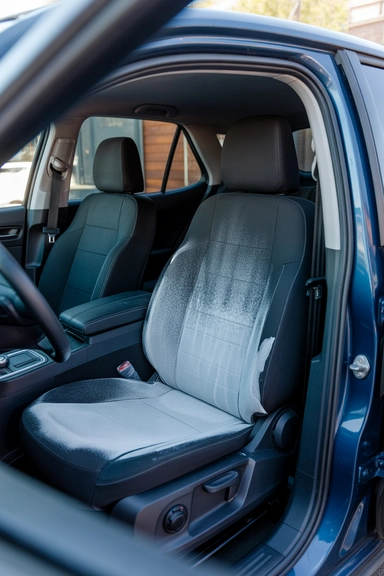
Cars trap dog odor faster than any room in a house. The space is small, poorly ventilated, and packed with fabric surfaces that absorb smell quickly and hold it for a long time.
Sprinkle baking soda over the seats and floor mats. Leave overnight with the windows cracked slightly. Vacuum everything out thoroughly the next morning.
Follow with a light spray of diluted white vinegar on fabric surfaces and leave the doors open to air dry completely. An activated charcoal bag left in the car between drives keeps the smell from rebuilding daily.
A Baking Soda and Essential Oil Mix for Carpets
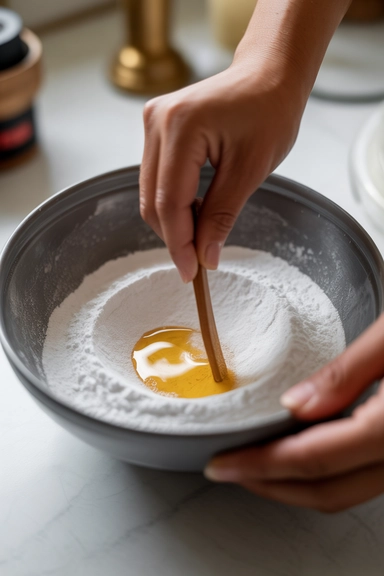
Mix one cup baking soda with 10 drops of lavender or eucalyptus essential oil. Stir well and sprinkle over carpets and rugs. Leave for 30 minutes then vacuum up completely.
This gives you the odor neutralizing power of baking soda with a light natural scent that actually smells clean rather than chemical. The baking soda still does the real work underneath.
Do not overdo the essential oils. Ten drops is the right amount. More than that leaves a residue in carpet fibers that attracts dirt faster than before.
Check the Air Vents Nobody Ever Inspects
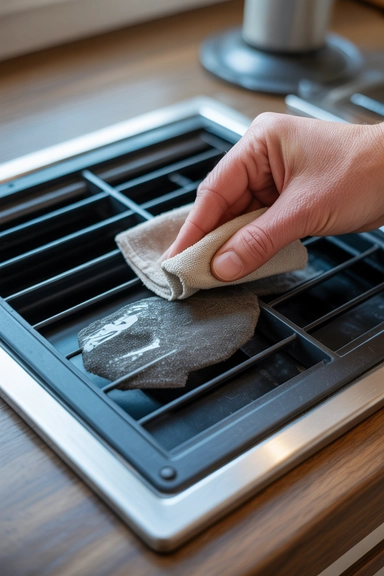
Dog hair and dander collect inside air vents and get pushed through the entire house every time the heating or cooling runs. If your whole home smells like dog even after cleaning every visible surface, dirty vents are almost certainly part of the problem.
Remove vent covers and wipe them down with a damp cloth and diluted vinegar solution. Vacuum inside the duct opening as far as the hose reaches.
Replace your HVAC filter every 30 to 45 days instead of the standard 90 when you have pets. A clogged filter full of pet dander blows odor through every room constantly.
The Mattress Needs Attention Too
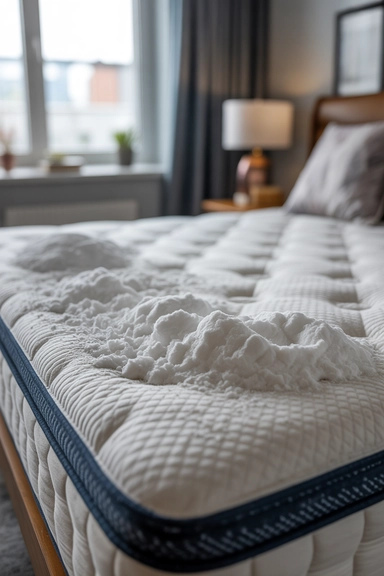
If the dog sleeps on the bed even occasionally, the mattress absorbs odor directly through the sheets. Washing the sheets alone does not fix this because the smell is already sitting inside the mattress.
Strip the bed completely. Sprinkle baking soda generously over the entire mattress surface. Leave it for a minimum of 8 hours, a full day being better. Vacuum every bit off thoroughly.
Follow with a light spray of the hydrogen peroxide and dish soap mixture on any stained areas. Let it air dry fully before putting sheets back on.
Use a Black Light to Find Hidden Urine Spots
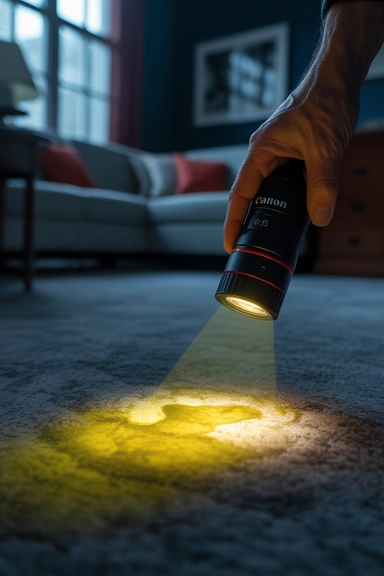
You cleaned everything. The smell is still there. Somewhere in that room is a urine spot you never found because it dried invisible on the surface without leaving any visible stain.
A black light flashlight reveals dried urine stains instantly. They glow bright yellow or green in the dark. Run it slowly across every area of carpet, flooring, and upholstery in the room.
Once you find the spots, treat them immediately with enzyme cleaner. This one tool solves the mystery of why a room keeps smelling after every cleaning session. Check out these 21 Dog Hair Cleaning Hacks to Remove Pet Hair Easily to tackle the full pet mess in one cleaning session.
Regular Grooming Cuts Indoor Odor at the Source
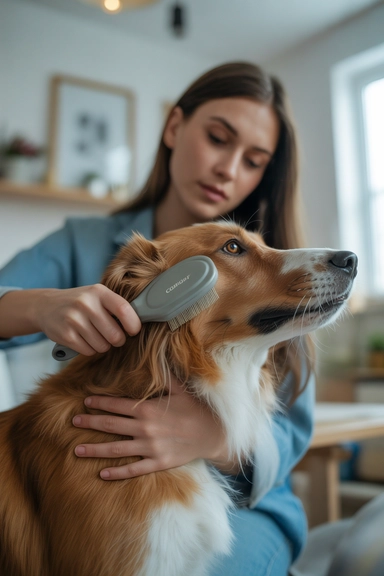
The less odor a dog brings inside, the less cleaning you need to do. Bathing every 3 to 4 weeks and brushing daily cuts down the dander and oils deposited on every surface in the house significantly.
Wipe paws and the underbelly with a damp cloth every time the dog comes in from outside. Thirty seconds at the door stops outdoor smells from spreading through the house before they settle into fabric.
Skipping this and then wondering why the living room smells is like mopping the floor with muddy shoes still on. The cleaning never catches up because the source keeps going.
White Vinegar and Dish Soap for Fabric Furniture
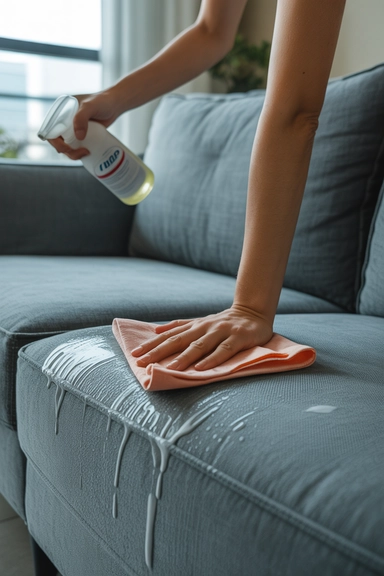
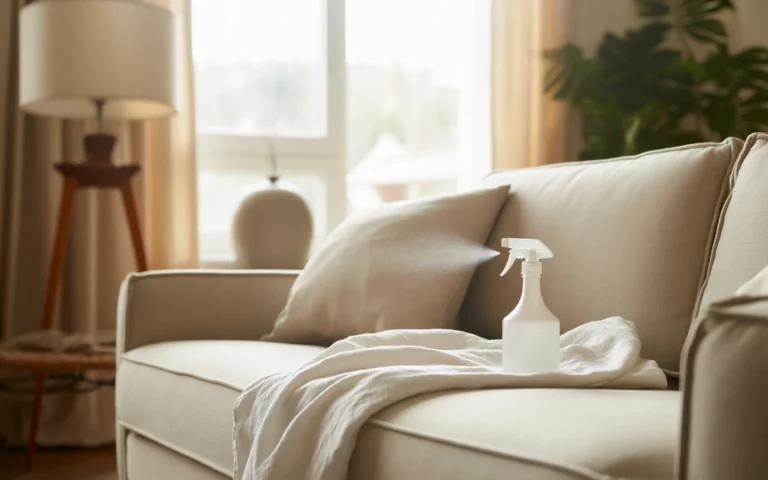
Fabric sofas and armchairs absorb dog odor faster than almost any other surface in the house. The smell settles into the weave and builds up layer by layer every single day the dog is around.
Mix one cup warm water, one tablespoon white vinegar, and one teaspoon dish soap. Apply with a soft cloth using gentle circular motions on the fabric surface. Blot dry with a clean towel immediately after.
Do not soak the fabric. Light application and quick drying prevents mold from forming underneath while still breaking down the odor compounds sitting in the fibers.
Comparison Table: Dog Odor Removal Methods
| Method | Best For | Cost | Time Needed |
|---|---|---|---|
| Baking Soda | Carpets, sofas, dog beds | Very low | 4 hours plus |
| White Vinegar Solution | Hard floors, walls, baseboards | Very low | 30 minutes |
| Enzyme Cleaner | Urine spots, deep fabric stains | Medium | 15 minutes |
| Hydrogen Peroxide Mix | Upholstery, light colored fabric | Low | 20 minutes |
| Activated Charcoal Bags | Ongoing air odor control | Medium | Passive |
| Steam Cleaning | Deep carpet and sofa reset | Medium | 1 to 2 hours |
| Black Light plus Enzyme | Finding and fixing hidden spots | Low | 30 minutes |
Final Thoughts on Dog Odor Cleaning Hacks
Dog odor cleaning hacks work best as a combined system rather than one single fix. Baking soda on fabrics, vinegar on hard surfaces, and enzyme cleaner for urine spots handle the majority of the problem when used together.
Add activated charcoal for ongoing air control, steam clean monthly, and groom the dog consistently to reduce odor coming in at the source. Check the vents, wash the curtains, and use a black light to find the spots you never knew existed.
The smell stops feeling permanent the moment you stop masking it and start breaking it down properly.
FAQ About Dog Odor Cleaning Hacks
Does baking soda actually remove dog smell or just mask it? Baking soda neutralizes odor compounds chemically rather than covering them. It works best on fabric surfaces when left for a minimum of 4 hours before vacuuming.
Why does dog smell keep coming back after cleaning? Dog odor returns when the source, such as urine proteins, body oils, or dander in carpet padding, was not fully broken down. Surface cleaning only removes the top layer. Enzyme cleaners and steam cleaning reach the deeper source.
Can I remove dog smell without professional cleaning? Yes. Baking soda, white vinegar, hydrogen peroxide, and enzyme cleaners handle the majority of dog odor problems at home with no professional equipment needed.
Sarah Mitchell’s Take
I have cleaned homes with no dog in sight and still found pet odor hiding in curtains, baseboards, and sofa corners left behind by previous owners. The smell does not care whose dog it was or how long ago they left.
What actually works is treating every surface in a room on the same day, not just the obvious spots. Carpet, walls, vents, curtains, and furniture all in one session changes a room faster than any single hack ever will. Start there and the rest becomes maintenance rather than damage control.