
Introduction
I cleaned the bathroom mirror every single week for about a year and it always looked worse in certain light than before I started. Streaks running diagonally, smear marks where I had clearly just moved toothpaste residue around rather than removing it. Took me longer than it should have to figure out the cloth was the problem, not the cleaner. A good product applied with the wrong material leaves streaks every time. Getting both right takes maybe thirty seconds longer and the mirror actually looks clean afterward. If your bathroom needs more than just the mirror sorted, these bathroom cleaning hacks cover the rest of the room the same way.
Newspaper Gives a Streak Free Finish Better Than Cloth
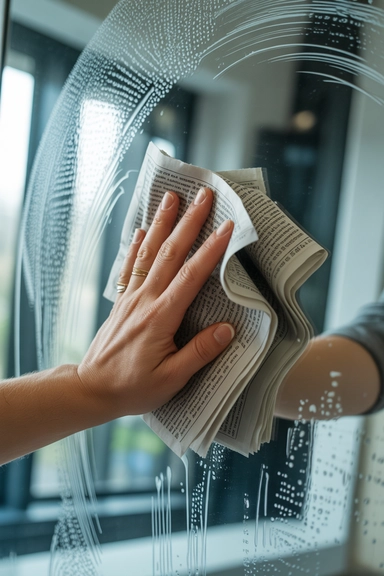
Scrunch a sheet of newspaper into a loose ball and buff the mirror surface after cleaning with any solution. The ink and paper texture leave a streak free finish that most cloths cannot match.
Cloth leaves lint. Even good microfiber sometimes leaves faint streaks on glass in certain light. Newspaper leaves neither. The surface comes up clear and dry in one pass.
Use the newspaper to buff dry after applying cleaner with a separate cloth. Not to apply the cleaner. The newspaper step is the finishing step, not the cleaning step.
White Vinegar and Water Is the Only Cleaner You Need
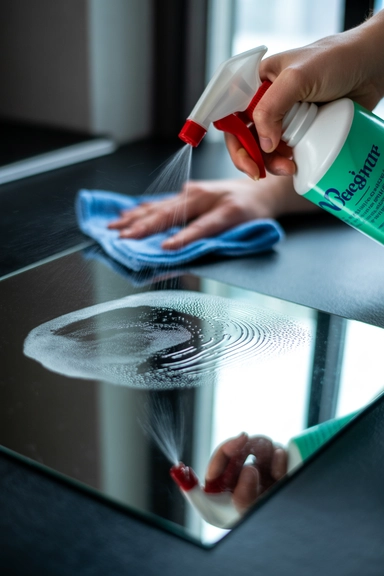
Mix equal parts white vinegar and water in a spray bottle. Spray onto a cloth, not directly onto the mirror, then wipe.
Commercial glass cleaners leave a residue film that attracts dust and causes the next clean to streak worse than the one before. Vinegar leaves nothing behind. The surface stays cleaner for longer between wipes.
Spraying directly onto the mirror sends liquid running down into the frame where it causes moisture damage over time. Always onto the cloth first.
Cornstarch in the Vinegar Solution Stops Streaking
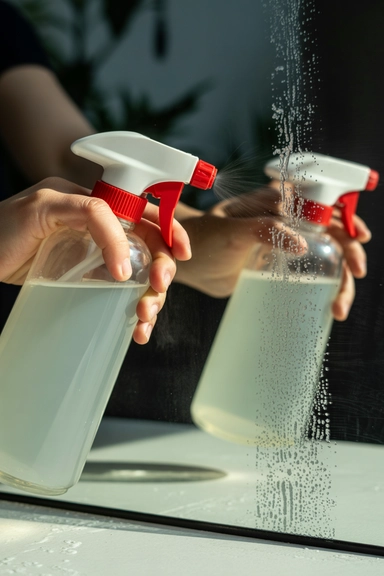
Add one tablespoon of cornstarch to the vinegar and water solution. Shake before each use.
Cornstarch acts as a mild polish that fills in micro-scratches on the glass surface. Those scratches scatter light and create the hazy look that makes a technically clean mirror still look dull. The cornstarch reduces that scattering.
Shake the bottle each time because the cornstarch settles. Spray from a shaken bottle, not one that has been sitting still for a week with the cornstarch sunk to the bottom.
Rubbing Alcohol on Toothpaste and Hairspray Spots
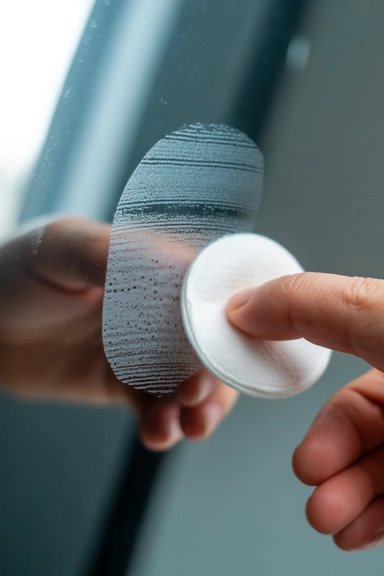
Dab rubbing alcohol onto a cotton pad and press it directly onto a toothpaste or hairspray spot. Hold for ten seconds, then wipe.
These spots do not respond to vinegar solution wiped over them. The compounds in toothpaste and hairspray bond to glass and need a solvent, not just an acid dilution. Rubbing alcohol dissolves them without affecting the mirror backing.
Do not rub aggressively on the edges of a mirror where the silvering is close to the surface. The backing on older mirrors is fragile at the edges and solvent applied with pressure can cause dark spots that are permanent.
Microfiber Cloth for the Initial Wipe Only
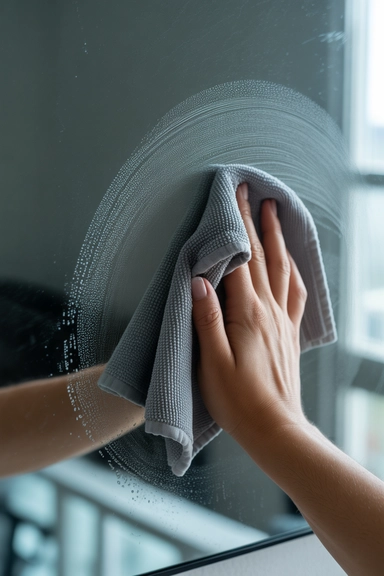
Use a clean dry microfiber cloth to remove surface dust before applying any cleaning solution. Then use newspaper or a separate lint-free cloth for the final buff.
Applying solution to a dusty mirror drags grit across the glass surface and causes fine scratches over time. The dry microfiber wipe first removes particles that would otherwise be pushed around by the damp cleaning cloth.
Two cloths, two steps. Sounds fussy. The result is different enough to be worth it.
Shaving Foam as a Temporary Anti-Fog Treatment
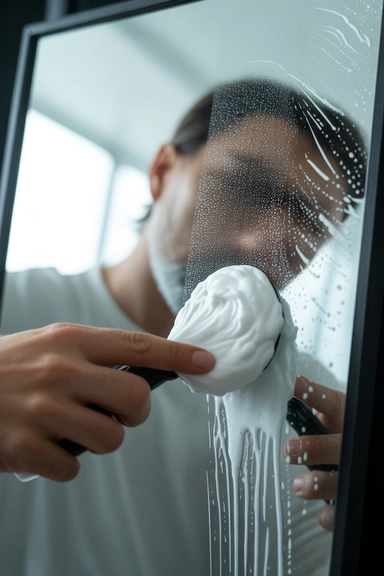
Apply a small amount of plain white shaving foam to the mirror surface, spread it thinly across the whole mirror, then buff off completely with a dry cloth until no residue remains.
The surfactants in shaving foam leave an invisible layer on the glass that prevents condensation from fogging the mirror after a shower. The effect lasts one to two weeks before needing reapplication.
Buff thoroughly. Any remaining foam residue shows as streaks in normal light. The layer needs to be completely invisible to work properly. If the mirror looks hazy after buffing, go over it again with a clean dry cloth.
Coffee Filters as a Lint Free Wiping Option
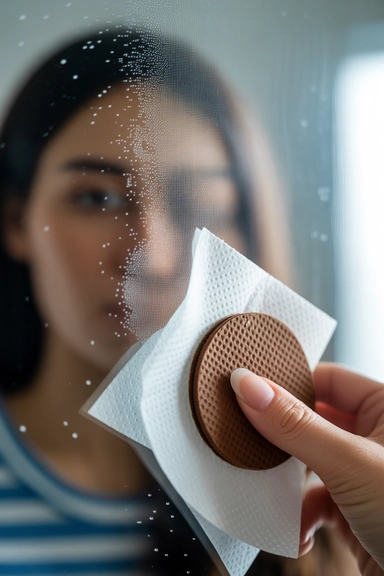
Use a coffee filter instead of paper towel or cloth to apply cleaning solution and buff the mirror dry.
Paper towel leaves tiny fibres on glass that show as white specks in certain light. Coffee filters are lint free and slightly textured in a way that polishes as they dry. Available in any supermarket and cheap enough to use once and discard.
This is the method I recommend to anyone who keeps getting lint on mirrors despite using what they think is a clean cloth. The cloth is usually older than they think and shedding.
Black Tea Solution for Shine
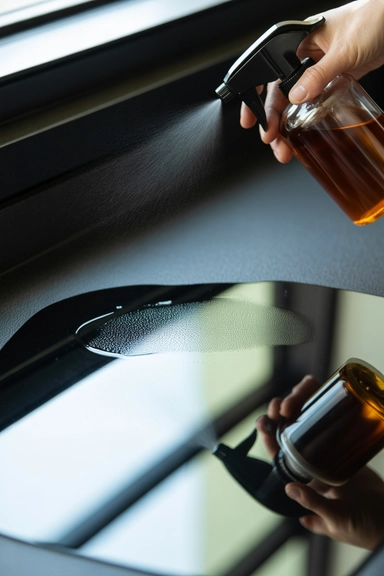
Brew two strong bags of black tea in a cup of hot water, let it cool completely, pour into a spray bottle. Use it the same way as the vinegar solution.
The tannic acid in black tea cuts through grease and oils on glass and leaves a faint shine that plain water and vinegar do not. The solution evaporates cleanly without residue.
Cool completely before use. Warm tea applied to a mirror leaves a faint brown tint that is difficult to remove. Room temperature or cold only.
Dealing With the Black Spots at Mirror Edges
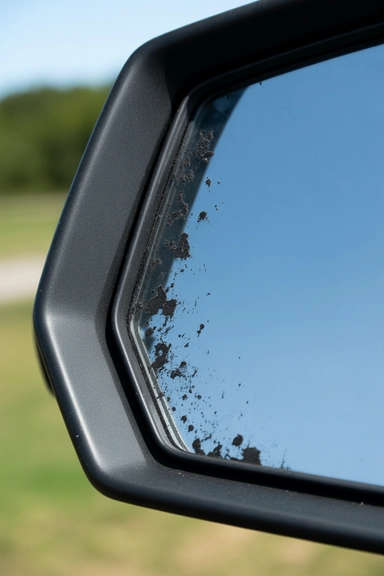
Black spots at the edges of a mirror are oxidized silver backing, not a cleaning problem. Cleaning will not fix them and acid-based cleaners applied repeatedly make them spread faster.
The only solutions are replacing the mirror or covering the spots with decorative tape or a frame addition. For a bathroom mirror with early-stage edge spots, keeping moisture away from the frame and edges slows the progression significantly.
This is one of those things worth knowing before spending time trying to clean something that is not actually dirt. I spent a month trying different cleaners on edge spots before someone told me what they actually were.
Squeegee After Every Shower Prevents Buildup
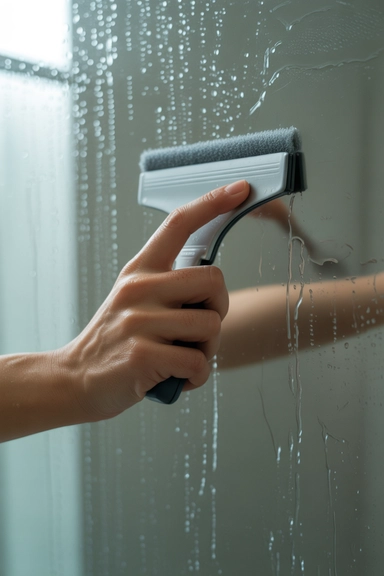
Run a small squeegee over the bathroom mirror after every shower before the condensation dries.
Water droplets drying on a mirror leave mineral deposits that build into a film over weeks. That film is what makes bathroom mirrors look permanently cloudy even after wiping. Removing the water before it dries stops the deposits forming entirely.
A squeegee takes fifteen seconds. It eliminates most of the reason the bathroom mirror needs deep cleaning at all. The mirrors I squeegee regularly need a proper clean maybe once a month. The ones I skip need it weekly. For a wider set of approaches that prevent cleaning problems before they start, these easy cleaning hacks go into more detail.
Distilled Water Instead of Tap Water
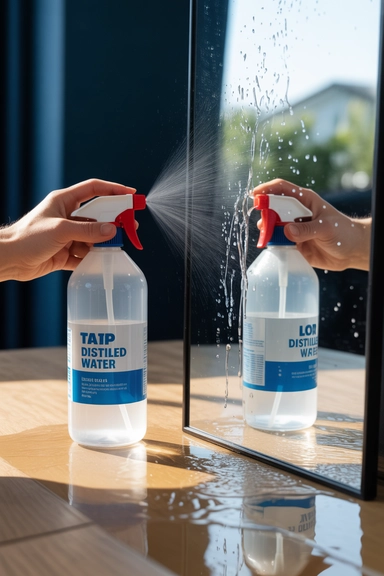
Mix your vinegar solution using distilled water instead of tap water.
Tap water in hard water areas contains minerals that dry on glass and leave white residue. That residue is often what causes streaking after cleaning, not the cleaner itself. Distilled water contains no minerals and evaporates completely clean.
Available cheaply in supermarkets. One bottle lasts months of mirror cleaning. Worth trying before blaming the cleaning method for streaks that are actually coming from the water.
Dry Erase Marker Residue Removal
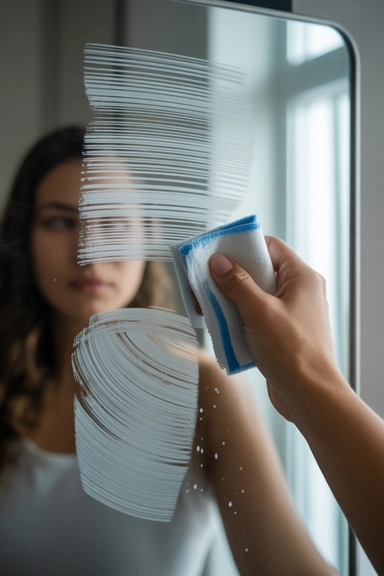
Dry erase marker on a mirror, which happens in houses with kids or in home offices, comes off with a small amount of rubbing alcohol on a cotton pad.
Wipe once, the marker dissolves immediately. The instinct is to scrub at it with a damp cloth, which spreads the pigment across the surface instead of removing it. Solvent first, wipe once, done.
The mirror needs a normal clean afterward because the alcohol leaves a slight haze where the marker was. That haze is the dissolved pigment spread thinly. One pass with the vinegar solution and newspaper removes it.
Warm Breath and Microfiber for Stubborn Smears
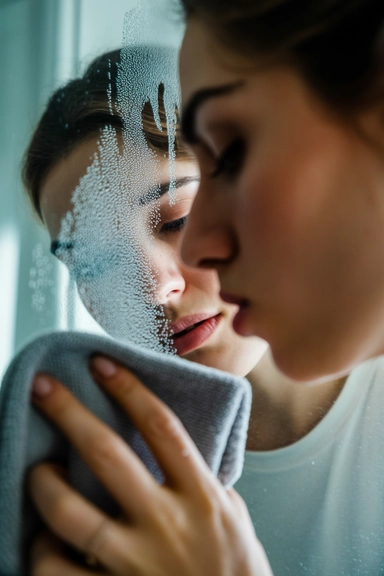
Breathe on the smear to fog it slightly, then immediately buff with a dry microfiber cloth in circular motions.
The moisture from breath temporarily reactivates dried smears enough to allow them to be lifted. Works on fingerprints, faint grease marks, and residue that has dried too thin to respond to liquid cleaners.
This sounds too simple to work. It works on light smears specifically. For anything heavier, the vinegar solution is still needed first.
Straight Razor Blade on Stubborn Dried Spots
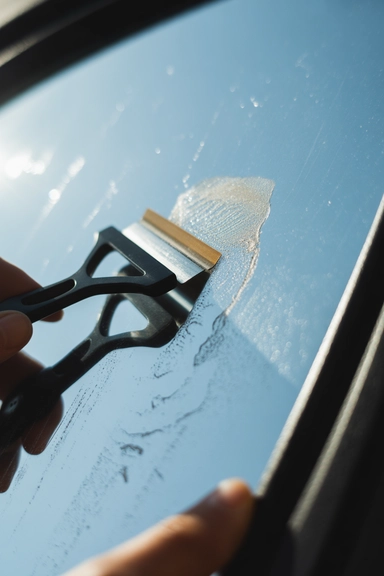
Hold a razor blade at a very shallow angle, almost flat against the glass, and scrape dried spots like paint, adhesive, or heavily calcified water deposits.
The angle matters. Steep angle scratches the glass. Almost flat, maybe fifteen degrees, the blade slides under the deposit and lifts it without touching the glass surface itself.
Use a proper razor scraper tool with a handle rather than a loose blade. One slip with a bare blade on a wet mirror and the injury is worse than the dirty mirror ever was.
Paste Wax on the Mirror Surface After Cleaning
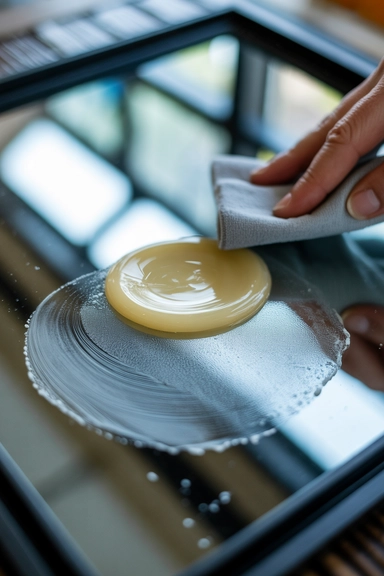
Apply a tiny amount of car paste wax to the clean dry mirror surface and buff it off completely.
The wax layer repels water, reduces fingerprint adhesion, and makes subsequent cleaning faster because nothing bonds to the surface. The mirror stays clean visibly longer between wipes.
Very small amount. Buff completely. Any remaining wax shows as a haze in direct light. The layer needs to be invisible to work properly, same principle as the shaving foam anti-fog treatment.
How Mirror Cleaning Methods Compare
| Method | Best Use | Effort Level | How Often |
|---|---|---|---|
| Vinegar and water | Regular cleaning | Low | Weekly |
| Newspaper buff | Streak free finish | Very low | Every clean |
| Shaving foam treatment | Anti-fog after shower | Low | Every 1 to 2 weeks |
| Squeegee after shower | Preventing mineral buildup | Very low | Daily |
| Rubbing alcohol | Toothpaste and hairspray spots | Low | As needed |
| Paste wax | Long term repelling layer | Low | Monthly |
| Distilled water solution | Hard water streak prevention | Very low | Every clean |
Final Thoughts on Mirror Cleaning Hacks for a Streak Free Finish
Streaks on mirrors come from three sources. The wrong cloth leaving lint. Minerals in tap water drying on the surface. Cleaning product residue building up over multiple wipes. Fixing any one of those three things improves the result. Fixing all three produces a genuinely streak free finish consistently.
The prevention steps, squeegee after each shower, shaving foam treatment, paste wax, reduce how often deep cleaning is needed. A mirror maintained with thirty seconds of daily effort after the shower stays cleaner than one scrubbed hard once a week.
Edge blackening is not a cleaning problem and no cleaning hack fixes it. Knowing that saves time and stops people applying acid cleaners that make it worse. If the edges are going dark, keep moisture away from the frame and slow the progression rather than trying to clean something that is not dirt.
FAQ About Mirror Cleaning Hacks for a Streak Free Finish
Why does my mirror streak even after I clean it carefully? The most common cause in hard water areas is the water itself. Tap water minerals dry on the glass surface and leave white residue regardless of how good the cleaner is. Switch to distilled water in the cleaning solution and the streaking usually stops immediately. The second most common cause is an old cloth that is shedding lint or has cleaning product residue built into it from previous uses. A fresh cloth or newspaper for the final buff solves that.
Can I use the same methods on a mirrored wardrobe or large wall mirror? Yes with one adjustment. Large mirrors are harder to work in sections without leaving tide marks where one cleaned section meets the next. Work quickly across the whole surface before any section dries. Use a spray bottle and buff immediately rather than cleaning one area, moving to the next, and coming back. The vinegar solution drying before you buff it is what creates the tide mark lines on large mirrors.
Is it safe to use a razor blade on a mirror without scratching it? At the correct angle yes. The blade needs to be almost completely flat against the glass, held at around ten to fifteen degrees. At that angle the edge slides under dried deposits rather than dragging across the surface. A proper razor scraper tool with a handle makes maintaining that angle much easier and safer than trying to hold a blade by hand. Test on a corner of the mirror first before using on a central visible area.
Sarah Mitchell’s Take
The newspaper tip is the one I give people immediately because the result after one use is obvious enough to stick. Most people have been using the same cloth for months, washing it with fabric softener that leaves residue, then wondering why the mirror streaks. Scrunched newspaper, one buff after the vinegar solution, and the mirror looks different. Not slightly different. Noticeably different. After that the squeegee by the shower becomes the habit that keeps it that way without any extra cleaning time at all.
Sonnet 4.6