
Introduction
Nobody tells you that a backyard garden can make you feel like a complete failure in under three weeks. Mine did. I planted twelve tomato seedlings in May, watered them every evening like clockwork, and watched them slowly yellow and drop leaves through June. Turns out evening watering was the exact wrong move. These backyard garden ideas come from four seasons of figuring things out the hard way, what actually works in real soil, in a real yard, with a real budget that does not stretch very far.
Stop Guessing Where the Sun Goes
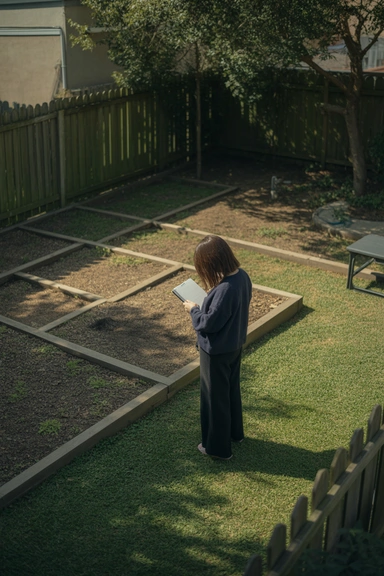
Walk your yard three times on the same day. Morning, noon, and late afternoon. Write down where the sun actually lands at each time and for how long. Not where you think it lands. Where it actually does.
I assumed my east-facing bed got full sun because it was bright all morning. It got four hours. Tomatoes went in anyway. Those plants produced about a third of what the west-side bed did that same season, and I spent the whole summer confused about why.
Six hours of direct sun is the minimum for most vegetables. Fruiting crops like tomatoes, peppers, and cucumbers want eight. Know your numbers before you buy a single plant.
Build a Raised Bed Without Overspending
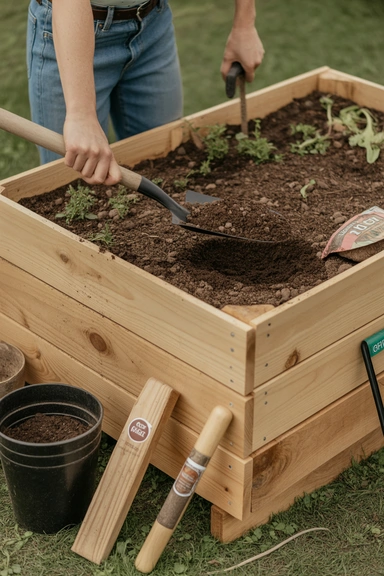
Cedar beds look good in every gardening photo you will ever see. They also cost more than most beginners want to spend. My first raised bed came from untreated pine offcuts I found in a lumber bin for under twenty dollars. That bed lasted four full growing seasons.
Fill it with 60 percent topsoil, 30 percent compost, and 10 percent perlite. That ratio drains well, holds moisture between waterings, and gives roots actual room to move. Skip this ratio and use bagged “garden soil” from the hardware store and you get compaction after the first rain. I know because I did exactly that my first season. Pulled everything out by mid-July.
Add two inches of fresh compost to the top of each bed every spring before planting. Non-negotiable.
What Happens When You Skip Vertical Growing
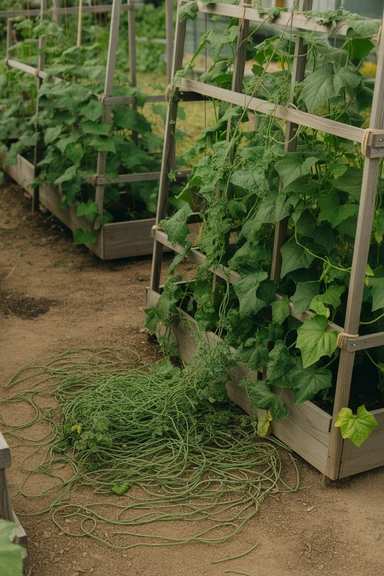
You waste half your available space. That is what happens.
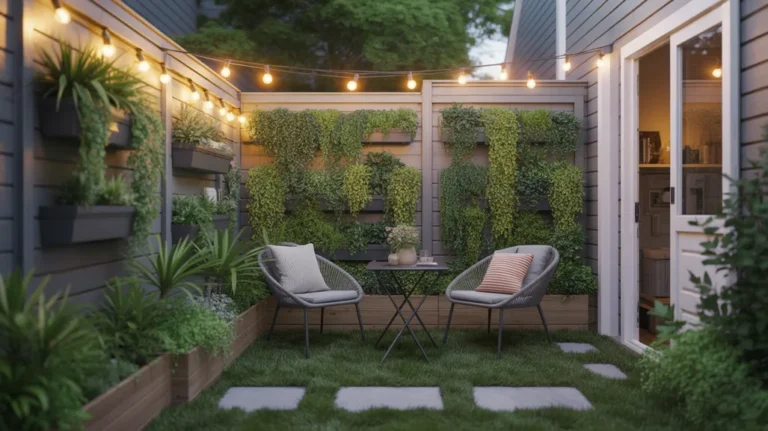
A basic trellis takes up almost no ground footprint and opens up a full growing plane for cucumbers, pole beans, snap peas, and small-fruited squash. Four wooden stakes and jute twine cost around four dollars and hold a full season of climbing beans without any issue whatsoever.
Anchor those stakes well though. I lost an entire pole bean crop in my second season because I went cheap on the anchors and the whole trellis came down mid-July under the weight of a full crop. The plants never recovered. Spend an extra ten minutes on anchoring and you will not have that problem.
Build a Pollinator Corner Before You Need One
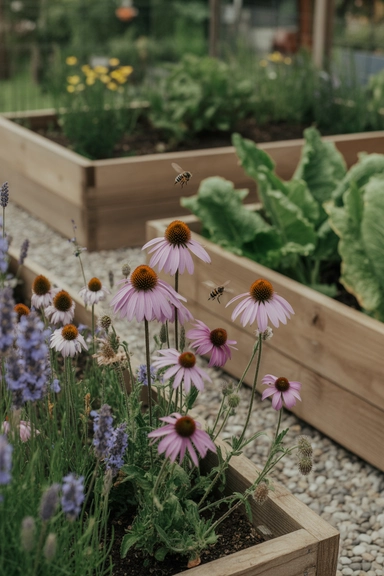
Most gardeners add flowers as an afterthought. Plant them first. A dedicated pollinator section with lavender, coneflower, and borage working together gives bees somewhere to land before they move into your vegetable beds.
Without consistent pollinator activity, fruit set on squash and cucumbers drops hard. One season I had the healthiest squash plants I had ever grown and almost no yield. The bed sat too far from any flowering plants. Moved everything the next year. Problem solved immediately.
Place your pollinator corner within twenty feet of your main vegetable beds. Distance matters more than most people realize.
Grow Herbs Along the Fence and Actually Use Them
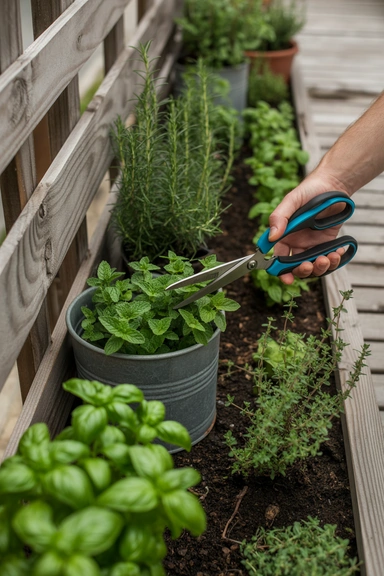
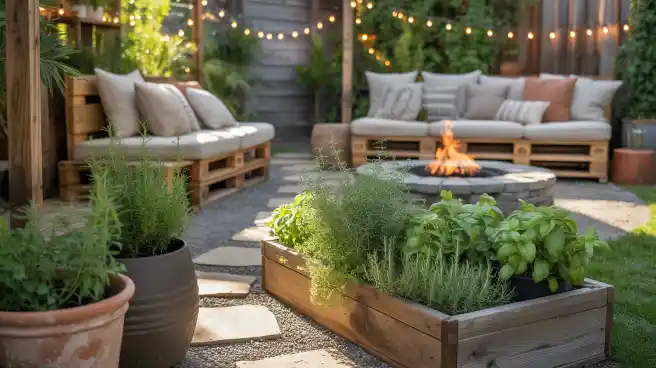
A fence line that sits bare is wasted growing space. Even an eight-inch strip of soil along a fence grows a productive herb row — basil, rosemary, thyme, oregano, and chives all fit in a tight linear planting without crowding each other.
Plant mint in a container sunk into the ground rather than directly in the soil. That is not optional advice. Mint spreads through underground runners and takes over everything within arm’s reach in a single season. I let one plant go straight into the ground along my back fence. By August it had consumed two feet of basil on each side and pulling it out took most of a Saturday afternoon.
Put the herbs near a door you actually use. If reaching them feels like a trip, you will not harvest regularly and the plants bolt faster than you want.
Start Composting Before Your Garden Even Exists
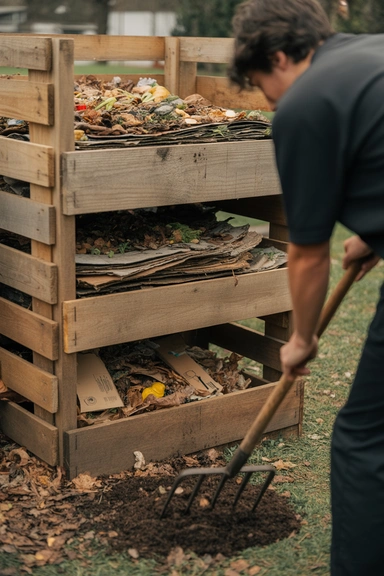
Do not wait until you need compost to start making it. Start a pile before your first seed goes in the ground so you have something real to work with by fall or the following spring.
A three-bin system from wooden pallets works as well as any forty-dollar plastic composter from a garden center. Add kitchen scraps, dried leaves, grass clippings, and torn cardboard in alternating layers. Turn it every two weeks and keep it about as moist as a wrung-out sponge. In warm months a working pile breaks down in eight to twelve weeks.
The most common reason a compost pile stalls and smells is too many kitchen scraps without enough dry carbon material. Add more dried leaves or torn cardboard and it corrects within a week. I still experiment with ratios depending on what I have available — there is no single perfect formula.
Mulch Goes on Before Summer Gets Hot
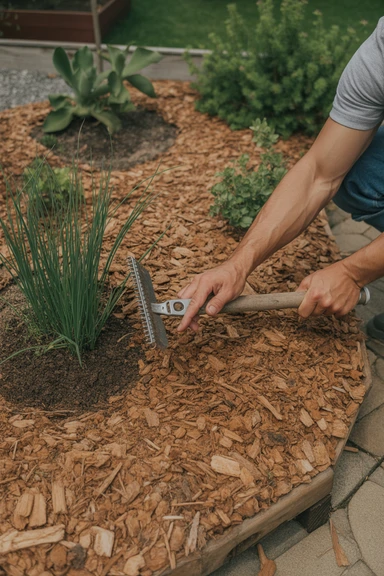
Three inches of wood chip mulch around your plants holds soil moisture, suppresses weeds, and keeps soil temperature stable during heat waves. Bare soil in summer loses moisture fast enough to stress plants between waterings even when you water consistently.
I compared straw mulch against wood chips over two full growing seasons. Straw broke down fast, blew around in any real wind, and needed topping up mid-season both years. Wood chips stayed put, lasted the full season, and started breaking down into the soil by the following spring. Wood chips won without question.
Source free wood chips through a local tree service or through Chip Drop if it runs in your area. Most crews deliver a full truckload at no charge because it saves them a disposal trip. You take what they have, not a specific wood type, but for mulch that does not matter.
A Cut Flower Bed Earns Its Space
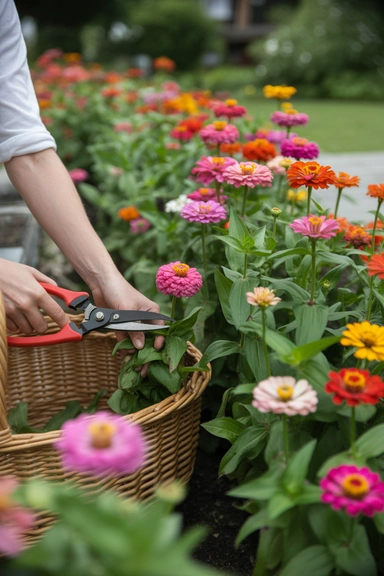
Zinnias are the easiest win in a backyard garden. Direct sow after your last frost date, thin to about eight inches apart, and they bloom from midsummer until first frost with almost no intervention. A four-foot row keeps a house in fresh flowers for three straight months.
Deadhead spent blooms every few days. Skip that for two weeks and production slows noticeably as the plant shifts energy toward seed. Fifteen minutes twice a week keeps the whole bed going at full pace. That is the one maintenance task that actually pays off in real time.
Do not start zinnias early indoors. They resent transplanting and perform better sown directly where they will grow. Most beginning gardeners overcomplicate this crop.
Drip Irrigation Is Not a Luxury
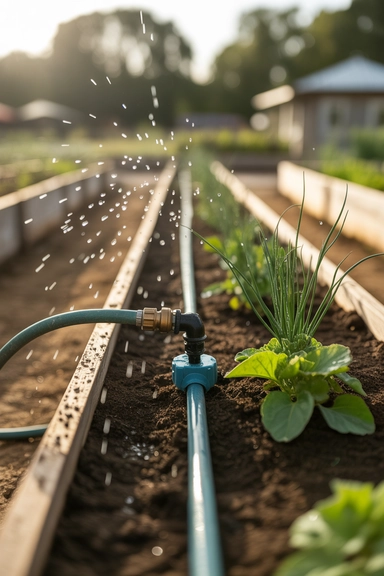
Hand watering works fine for two small beds. Past that it becomes the reason people abandon their gardens by mid-July. A basic drip irrigation kit connects to a standard garden hose, covers four to six raised beds, and costs around thirty dollars at any hardware store.
Pair it with a hose timer and your beds water themselves every morning without any thought from you. Morning watering specifically matters because foliage dries before nightfall. Evening watering leaves moisture on leaves overnight and fungal diseases spread in exactly that condition.
I lost a full basil planting to downy mildew in my third season. Traced it directly to the evening watering schedule I had been running for convenience. Switched to a six AM timer and never had that problem in that bed again.
Grow in Containers on Paved Surfaces
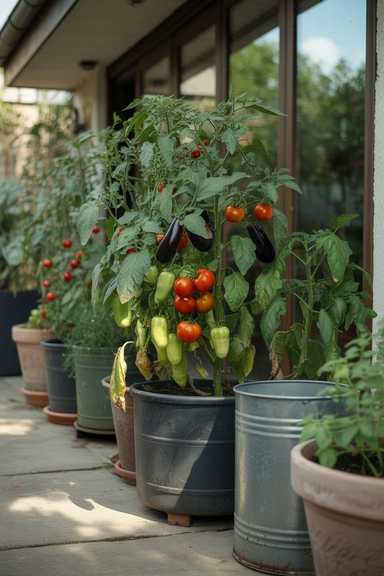
Concrete does not have to stay bare. Large containers with tomatoes, peppers, eggplant, or dwarf citrus turn a patio into a productive growing area without disturbing any ground at all.
Use containers at least twelve inches deep for vegetables. Shallower pots dry out too fast in summer heat and stunt root development before plants have a chance to establish. Self-watering containers cut watering frequency almost in half. Worth the extra cost on a south-facing patio that heats up fast.
Dark-colored containers absorb heat and can cook roots during peak summer afternoons. Light-colored or terracotta pots moderate soil temperature better. Check container color before buying if your patio gets intense afternoon sun.
Add a Garden Path Before the Mud Season Arrives
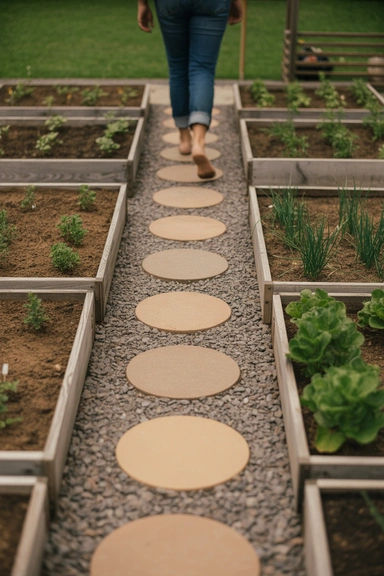
You will walk those beds every single day. Give yourself somewhere dry to put your feet.
Compacted soil in a vegetable bed reduces root penetration and slows plant growth in a way that is hard to fix mid-season. One person walking repeatedly across a bed firms up the soil noticeably within a few weeks. Paths keep foot traffic off the growing areas entirely.
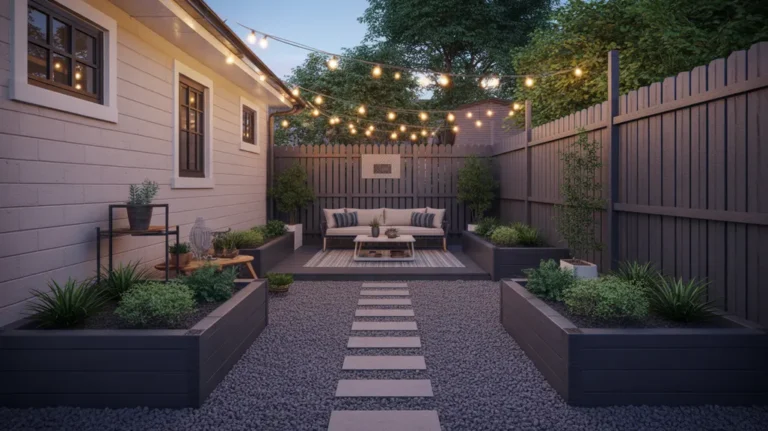
Flat stepping stones, gravel, or sections of wood round between beds all work fine. Space them at a natural walking pace so you never have to stretch awkwardly to reach a plant. Paths do not need to look good. They need to keep you off the soil.
Succession Planting Fixes the August Problem
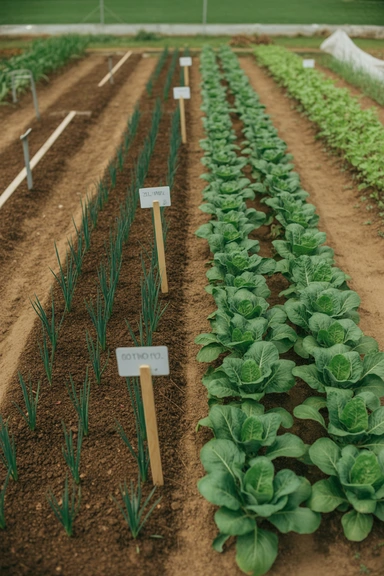
Plant everything at once and you get a glut in May and bare beds in August. That cycle repeats every year for gardeners who never try succession planting.
Sow a short row of lettuce, radishes, or green onions every two to three weeks instead of all at once. As one planting finishes, the next one reaches harvest size. Mark the dates on a physical calendar. It takes five minutes every couple of weeks and it keeps something productive in the ground from spring straight through to fall.
Fast-maturing crops work best for succession sowing. Lettuce matures in 45 to 60 days from seed. Radishes in as little as 25. Rotate those two through your available space and you rarely hit a gap.
Build a Cold Frame From Scrap Lumber
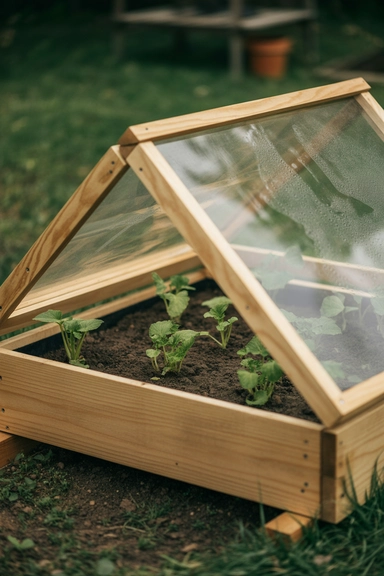
A cold frame is a bottomless box with a transparent lid that sits over a bed and traps heat. It lets you plant earlier in spring and push later into fall than open ground allows without any heating or electricity.
Build the frame from leftover lumber and use an old storm window or a sheet of twin-wall polycarbonate as the lid. The box does not need to be deep. Eight inches works fine. What matters is the seal between the frame and the ground so cold air cannot push in through gaps at the base.
Cool-season crops inside a cold frame handle overnight temperatures down to 28 degrees Fahrenheit without damage. I tested that threshold over two consecutive springs in my own yard. Below that number, lay a row cover directly on the plants inside the frame for an additional buffer.
Start a Fruit Patch and Leave It Alone
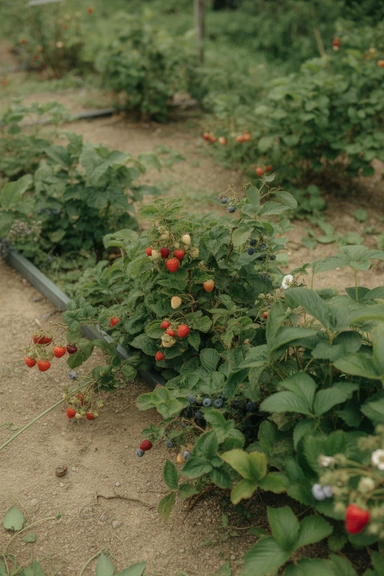
Strawberries, raspberries, and blueberries return harvests for years from a single planting. A four-by-eight-foot strawberry bed produces enough fruit to fill a colander daily through June and July once plants hit their second year. First-year strawberry plants are slow. Do not judge them by that.
Blueberries need acidic soil with a pH between 4.5 and 5.5. Most garden soil does not hit that range naturally. Test before planting and amend with granular sulfur if needed. Two blueberry plants I put in without checking pH declined slowly over two seasons before I worked out what was wrong. A four-dollar soil test would have saved both plants and two years of frustration.
Raspberries spread through underground runners. Plant them where spread is manageable or contain them with buried edging from day one.
Put a Water Source Near the Garden for the Birds
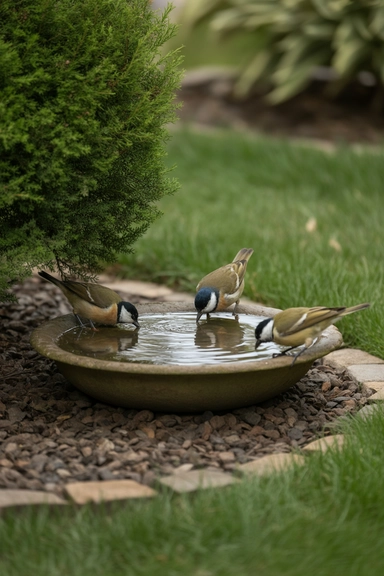
A birdbath or shallow dish of clean water brings birds into your backyard consistently and birds eat pest insects. Aphids, caterpillars, whiteflies, and small beetles all become food once birds start visiting the space regularly.
Place the water source near a shrub or low tree where birds can perch and observe before approaching. A dish sitting in open exposed ground gets ignored. The same dish positioned next to a shrub gets used daily. Birds do not like landing somewhere they feel vulnerable.
Change the water every two to three days. Stagnant water breeds mosquitoes fast in warm weather and birds stop visiting a dirty dish quickly. Clean water draws more consistent bird traffic than any seed feeder because fresh water is genuinely harder for birds to find.
Final Thoughts on Backyard Garden Ideas
Good backyard garden ideas share one quality. They work with your actual space instead of against it. Know your sun, know your soil, and be honest about how many hours a week you want to spend outside. Build from those three facts and the rest follows.
The biggest mistake in year one is doing too much. Three well-managed beds beat ten neglected ones every single time. Pick five ideas from this list that fit your space and your schedule. Get those right before touching anything else.
Give the garden two full seasons before drawing any real conclusions. Year one is mostly learning what your specific yard does. Year two is when things start clicking into place. Most gardeners who quit did so after one hard season that any experienced grower would call completely ordinary.
FAQ About Backyard Garden Ideas
How do I protect backyard garden ideas from pests without chemicals? Start with physical barriers — row covers over seedlings, copper tape around container rims for slugs, and netting over fruit crops. Add a water source to attract birds and plant a pollinator corner to draw beneficial insects like lacewings and parasitic wasps that feed on aphids. Most pest problems in a backyard garden come from monoculture planting. Mix crops and flowering plants together and pest pressure drops on its own.
How do backyard garden ideas work in climates with short growing seasons? Cold frames and succession planting are the two tools that matter most in short seasons. A cold frame adds four to six weeks on each end of the season. Succession planting with fast-maturing varieties fills the middle. Focus on crops that mature in under 70 days and start seeds indoors four to six weeks before your last frost date to get a head start on the season.
Can backyard garden ideas work in rental properties where you cannot dig? Yes. Containers on paved surfaces, raised beds sitting directly on grass without any ground attachment, and vertical trellises freestanding in large pots all work without breaking ground or modifying the property. When you move, the entire garden moves with you. Some of the most productive small gardens I have seen were in rentals where the gardener had zero permission to touch the actual ground.
Sarah Mitchell’s Take
The season my backyard garden finally felt like it was working was the season I stopped adding new things to it. No new beds, no new crops, no new systems. Just the same six beds tended properly every week. The harvests that year were better than any previous season combined. Every gardener I know who sticks with it long enough hits that same turning point. Stop expanding and start paying attention to what you already have. That shift changes everything.