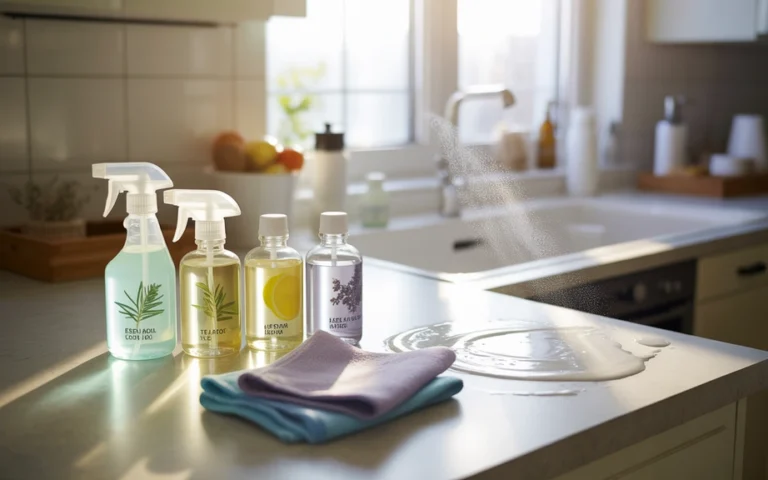

I went through an embarrassing phase where I owned seventeen different cleaning products under my kitchen sink. Seventeen. A separate spray for the stovetop, another for the bathroom tiles, one specifically for stainless steel, a different one for floors. The cabinet was a disaster and half of them barely worked. Then I started using dish soap for basically everything and slowly stopped buying most of them. That was three years ago and I have not looked back since.
If you are spending money on a dozen cleaning products when one bottle of dish soap handles most of the same jobs, these 21 dish soap cleaning hacks are going to change how you stock your cleaning supplies. And if your floors and carpets need the same treatment, these carpet cleaning hacks handle stains and dirt just as well.
Quick Answer: What Can You Clean With Dish Soap?
Dish soap cleaning hacks work across almost every room in the house. The cleaning agents in dish soap break down grease, oil, and grime on contact, making it effective on floors, fabrics, jewelry, bathroom surfaces, outdoor furniture, and more. Mix one teaspoon with two cups of warm water for a safe all-purpose solution that works on most household surfaces.
Dish Soap as an All-Purpose Spray
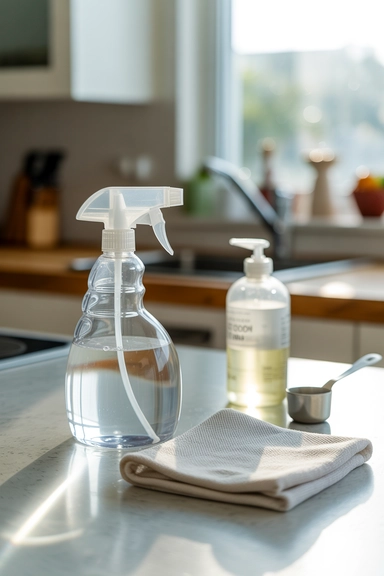
Most people buy a separate all-purpose cleaner without realizing they already own one. Dish soap is a degreaser at its core, which means it handles the same dirt and grime that commercial sprays target, at a fraction of the cost.
Mix one teaspoon of dish soap with two cups of warm water in a spray bottle. That ratio matters. Too much soap leaves a residue that attracts more dirt. Too little and you lose the cleaning power. This solution works on countertops, cabinet fronts, appliances, baseboards, and window sills without damaging surfaces or leaving streaks behind.
FYI, professional house cleaners have used diluted dish soap as their main all-purpose spray for decades. These are the same dish soap cleaning tips the cleaning industry has relied on long before the rest of us caught on.
Remove Grease Stains From Clothing Before Washing
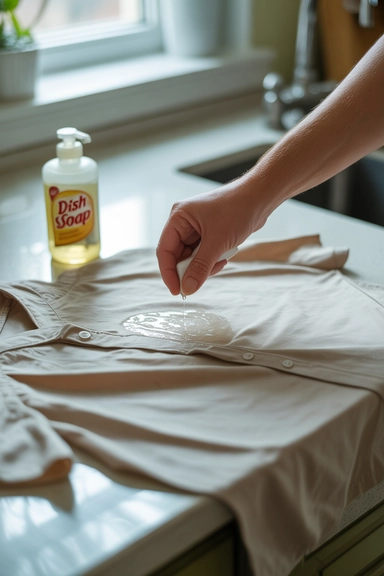
Grease stains are the ones that survive a normal wash cycle and come out looking exactly the same as when they went in. Standard laundry detergent does not target oil the same way dish soap does, which is why the stain keeps surviving.
Apply a few drops of dish soap directly onto the grease stain and work it into the fabric with your fingers. Leave it for 10 to 15 minutes before throwing the item into the wash on the hottest cycle safe for that fabric. The soap breaks down the oil before the wash cycle even starts, which is the whole difference.
This works on cooking oil, butter, salad dressing, and makeup stains. Grass stains and blood stains respond well too. Treat the stain within the first hour for the best result.
Clean Jewelry at Home Without a Jeweler
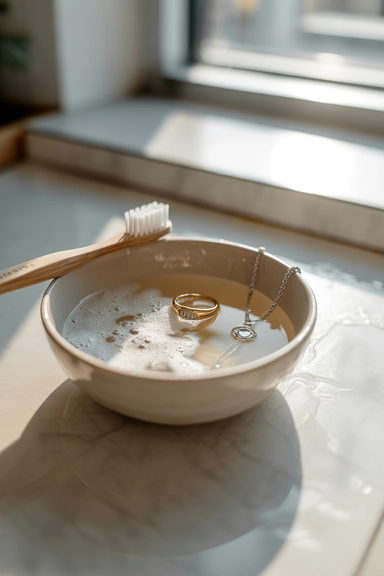
Gold, diamonds, and most silver jewelry collect a film of skin oil, lotion, and daily grime that dulls the sparkle over time. A jeweler charges for cleaning that dish soap handles in under 10 minutes at home.
Add two drops of dish soap to a small bowl of warm water. Drop the jewelry in and let it soak for 15 to 30 minutes. Use a soft toothbrush to gently scrub around stone settings and along chain links where buildup collects. Rinse under clean water and pat dry with a microfiber cloth.
One thing to avoid: never use this method on pearls, opals, or porous gemstones. These stones absorb moisture and dish soap damages them permanently. For everything else, this works better than most jewelry cleaning kits sold at pharmacies.
Is Dish Soap and Vinegar a Good Cleaning Combo?
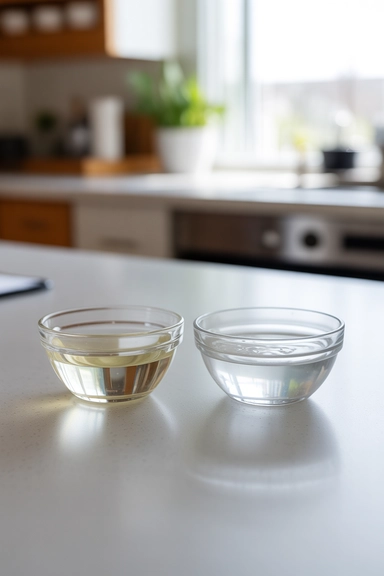
No, and this is one of the most repeated pieces of bad cleaning advice on the internet. Dish soap is alkaline. Vinegar is acidic. Combine them and they neutralize each other, producing a watery liquid with almost none of the cleaning power of either ingredient.
Most articles recommend this combination for shower scum and bathroom surfaces. The result is always disappointing because the chemistry does not work in your favor. Use dish soap first to cut the grease and soap scum. Rinse it away completely. Then apply vinegar separately to tackle mineral deposits and hard water stains.
Two separate steps take slightly longer but deliver results that the combined mixture never will. This is one of those dish soap uses around the house that works far better once you stop following the advice everyone else repeats without questioning it.
Unclog a Slow Drain With Dish Soap
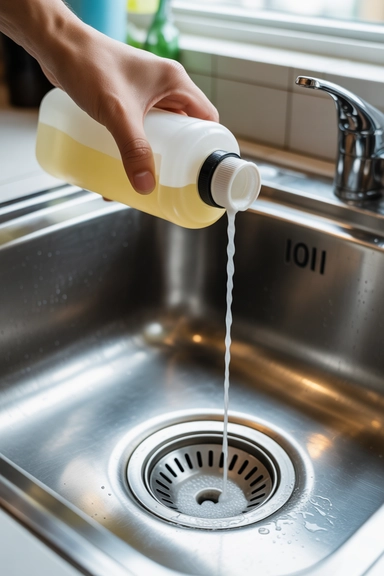
Why do people immediately reach for harsh chemical drain cleaners when dish soap sitting right there on the counter does the same job on most slow drains without corroding the pipes?
Pour half a cup of dish soap directly down the drain and let it sit for 20 to 30 minutes. Follow with a full kettle of boiling water poured slowly and steadily. The soap lubricates the pipe walls and breaks down the greasy buildup holding the clog together.
This works well for slow drains caused by grease and soap residue. For a completely blocked drain with standing water, a drain snake does the job that dish soap cannot.
Clean Stainless Steel Appliances Without Streaks
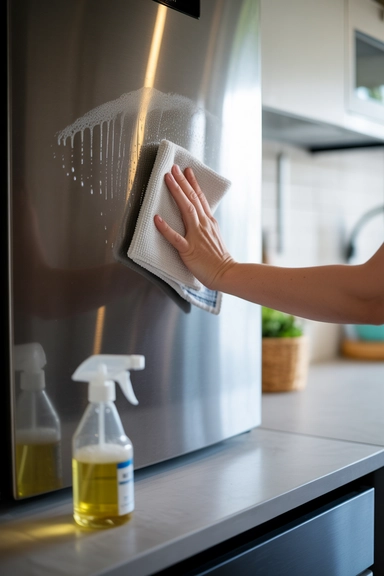
Dedicated stainless steel sprays are one of the most overpriced cleaning products on the market. Two drops of dish soap in a spray bottle of water does the exact same job and often does it better.
Spray the solution lightly onto the stainless steel surface and buff immediately with a dry microfiber cloth, wiping in the direction of the grain. The soap lifts fingerprints and grease cleanly without leaving the streaky film that many commercial stainless steel products deposit.
Never spray directly onto control panels or buttons on appliances. Spray the cloth instead and wipe. Moisture behind buttons causes electrical problems over time and no clean appliance is worth that headache.
Make a Tub and Shower Cleaner That Actually Works
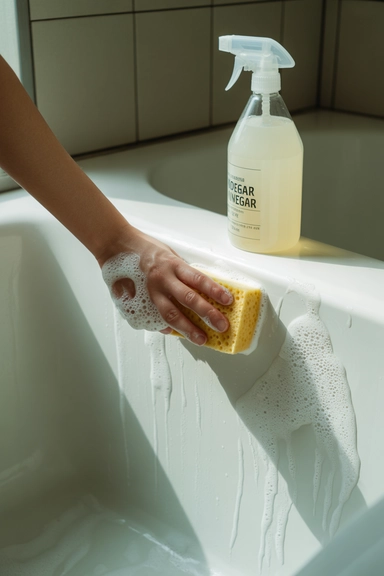
Soap scum on shower walls and bathtub surfaces builds up fast and most bathroom sprays need serious scrubbing to shift it. A dish soap and vinegar approach handles it with minimal effort, but only when used correctly as two separate applications.
Spray the shower walls with undiluted white vinegar and leave it for five minutes. Wipe away. Then apply a few drops of dish soap to a damp sponge and scrub the remaining soap scum and grime. The vinegar loosens mineral deposits first and the dish soap cuts the greasy soap residue second.
Doing this in the wrong order, dish soap first then vinegar, reduces effectiveness because the soap residue interferes with how the vinegar reaches the mineral deposits underneath.
Dish Soap Removes Carpet Stains Fast
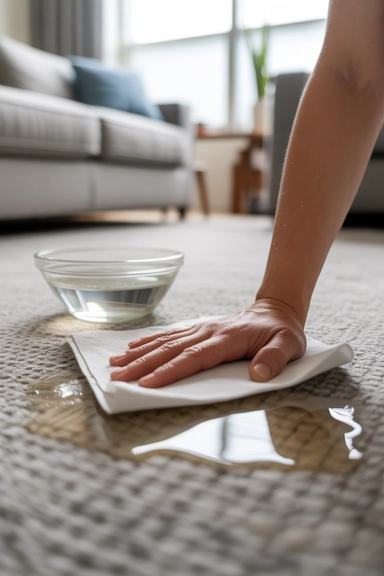
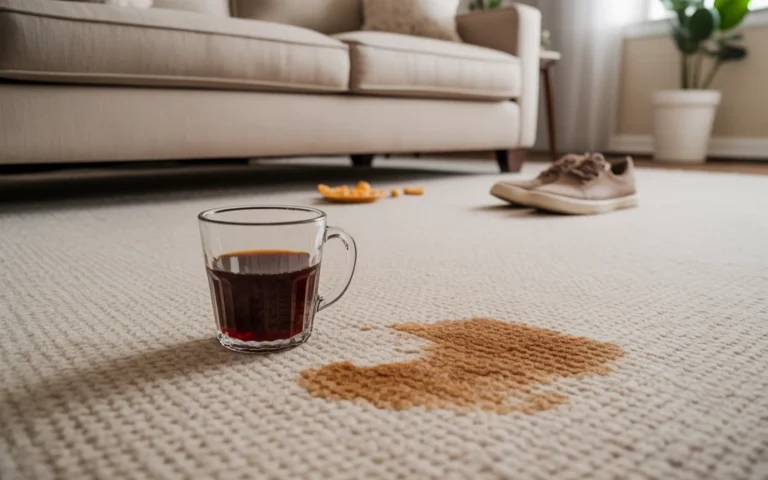
Mix one drop of dish soap with one cup of warm water. Apply the solution to the carpet stain with a clean white cloth and blot from the outside edge inward. Never rub a carpet stain because rubbing spreads it wider and pushes it deeper into the fibers.
Keep blotting with fresh sections of cloth until no more color transfers. Follow with a cloth dampened with plain water to lift the soap residue out of the carpet. Dry immediately by pressing a dry towel firmly onto the area.
This works on food spills, drink stains, and most everyday marks. Pet stains need an enzymatic cleaner because dish soap does not break down uric acid crystals the way enzymes do.
Clean Window Tracks and Door Tracks
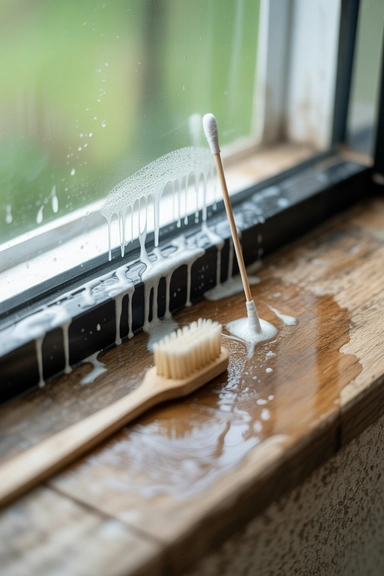
Nobody thinks about window tracks until they actually look at them. Those narrow channels collect years of grime, dead insects, dust, and moisture residue that no spray bottle ever reaches properly. One of the most overlooked dish soap uses around the house is right there on every window frame.
Mix one teaspoon of dish soap with two cups of warm water. Dip a cotton swab into the solution and run it along each section of the track. The swab gets into corners that a cloth cannot reach. For heavier buildup, use an old toothbrush dipped in the same solution to scrub before wiping away with a damp cloth.
Takes about five minutes per window and the difference is immediately obvious. 😬
Use Dish Soap to Silence Squeaky Door Hinges
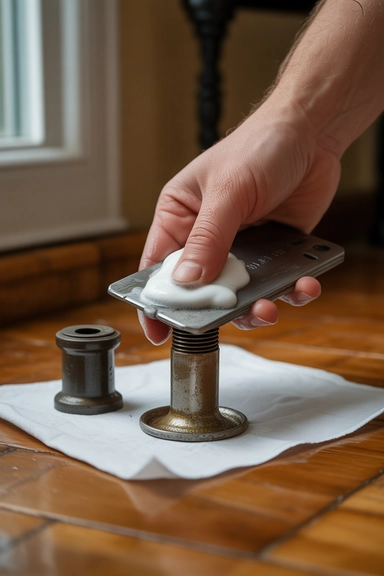
WD-40 is the standard answer for squeaky hinges but it attracts dust over time and the squeak comes back within a few months. Dish soap lasts longer and costs nothing.
Remove the hinge pin from the door hinge completely. Rub a generous amount of dish soap directly onto the pin and along the inside of the hinge barrel. Reinsert the pin and open and close the door several times to work the soap into the mechanism. The soap lubricates the metal surfaces and stops the squeak without the dust-attracting residue that oil-based lubricants leave behind.
IMO this is the most underrated Dawn dish soap hack on this list. Every house has at least one squeaky hinge and nobody ever thinks to reach for the dish soap first.
Strip Bed Sheet Buildup With Dish Soap
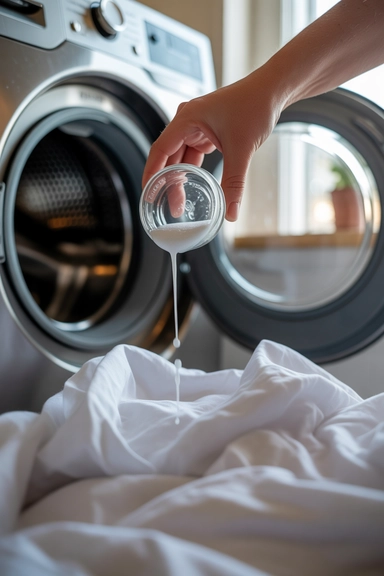
Bed sheets absorb body oil, sweat, and lotion over months of washing. That oily residue bonds to the fabric fibers and regular laundry detergent cycles over it without fully removing it. The sheets start to feel stiff, look dull, and smell slightly off even straight out of the wash.
Add two tablespoons of dish soap directly to the washing machine drum along with your normal detergent. Run the hottest cycle safe for the fabric. The dish soap targets the oily residue that laundry detergent leaves behind and strips the sheets back to genuinely clean.
Do this once every two to three months rather than every wash. Dish soap is more concentrated than laundry detergent and using it every cycle creates excess suds that strain the machine over time.
Prevent Bathroom Mirrors From Fogging
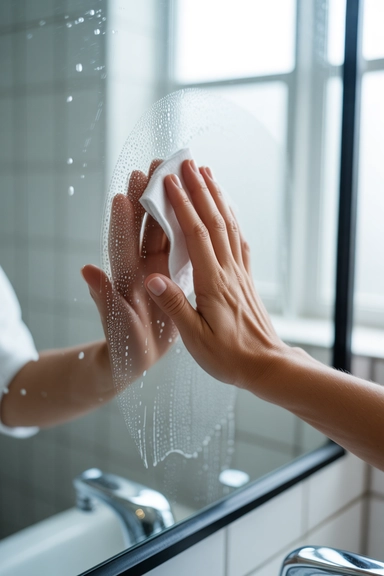
Rub a small drop of dish soap onto a clean bathroom mirror and buff it out completely with a dry cloth until no residue remains visible. The thin layer left behind creates a barrier that prevents steam from forming droplets on the glass after a hot shower.
The mirror stays clear instead of fogging up. This lasts for about a week of daily showers before needing reapplication. Takes thirty seconds and costs nothing.
Most people buy anti-fog sprays for this without realizing those sprays contain the same active cleaning agents that dish soap already has. The sprays just cost significantly more for an identical result.
Clean Makeup Brushes Properly
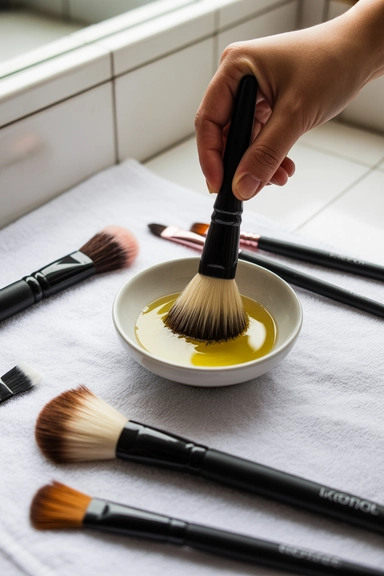
Makeup brushes carry old product, skin oil, and bacteria that transfer back onto your face every single use. Most brush cleaners on the market are expensive for what they actually contain.
Mix one part dish soap with two parts olive oil in a small bowl. Swirl each brush in the mixture, then rinse under warm running water until the water runs completely clear. The olive oil conditions the bristles and stops them from drying out and shedding, which is the problem that using dish soap alone causes over time.
The first time I tried this without the olive oil, two brushes started shedding within a week. Adding the olive oil fixed that completely. Clean brushes every one to two weeks for daily use brushes, monthly for occasional ones.
Make a Fruit Fly Trap in Two Minutes
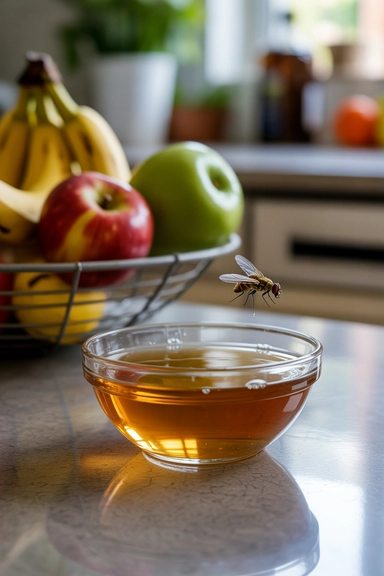
A bowl of apple cider vinegar attracts fruit flies but does not always catch them because they land on the surface and fly away. Adding dish soap to the bowl fixes this immediately.
Pour two tablespoons of apple cider vinegar into a small bowl and add three drops of dish soap. The soap breaks the surface tension of the liquid so fruit flies sink instead of escaping. Place the bowl near the fruit bowl or wherever the flies concentrate.
Replace the mixture every two days. A fresh solution attracts more flies than an old stale one. This catches flies faster than any commercial fruit fly trap I have tried and costs virtually nothing. 😄
Clean Outdoor Furniture Before Summer
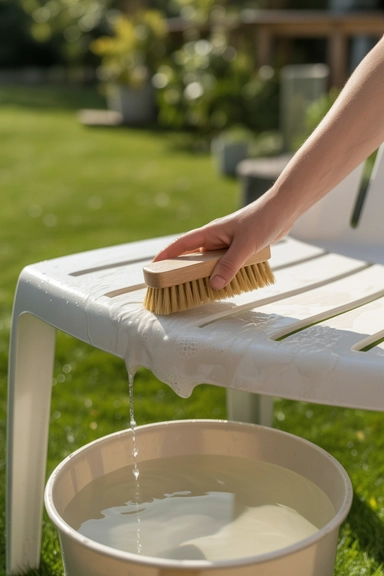
Outdoor furniture spends months collecting pollen, bird droppings, mildew, and general grime. Most people reach for harsh outdoor cleaners that damage wood finish and fade plastic color over time. These are exactly the dish soap cleaning tips that save money and protect the furniture at the same time.
Mix a quarter cup of dish soap with a full gallon of warm water in a bucket. Scrub all surfaces with a medium-bristle brush, paying extra attention to joints and undersides where mildew builds up. Rinse thoroughly with a garden hose and let the furniture air dry completely before use.
This solution works safely on wood, metal, plastic, and resin without stripping protective finishes or fading color.
Remove Oil Stains From a Driveway
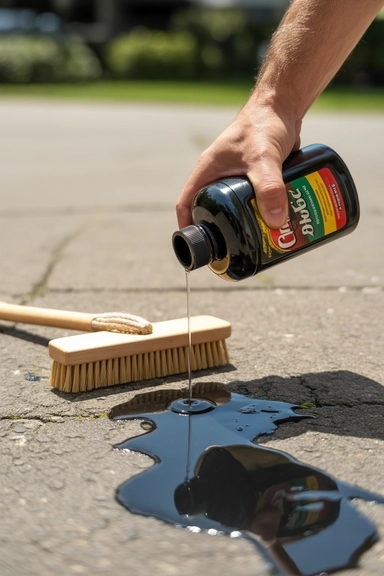
Fresh oil stains on concrete respond well to dish soap. The same grease-cutting chemistry that works on dishes works on motor oil soaked into a driveway surface, as long as the stain is not more than a few days old.
Pour dish soap directly onto the stain and scrub with a stiff bristle brush for two to three minutes. Leave the soap on the stain for 20 minutes then scrub again before rinsing with a garden hose. For older set-in stains, repeat the process three to four times over consecutive days.
Cat litter pressed into a fresh oil stain for an hour before applying dish soap absorbs the surface oil first and makes the dish soap significantly more effective on what remains underneath.
Dish Soap and Hydrogen Peroxide Stain Remover Spray
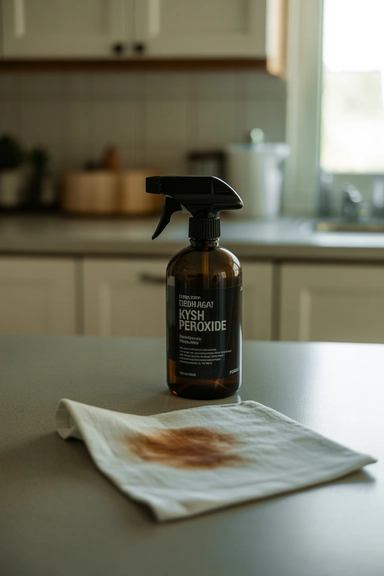
Mix one part dish soap with three parts hydrogen peroxide in a spray bottle and keep it ready under the sink. This DIY cleaning with dish soap combination handles a wider range of stains than either ingredient alone, including wine, coffee, grass, blood, and most food stains on fabric and upholstery.
Spray directly onto the stain, leave for five minutes, and blot with a clean white cloth. Rinse with cold water after blotting. Test on a hidden area first because hydrogen peroxide can lighten darker fabrics with extended contact.
Make a fresh batch every few weeks because hydrogen peroxide loses potency once exposed to light. Keep the bottle in a dark cabinet rather than on a bright counter.
Clean Grill Grates With Dish Soap
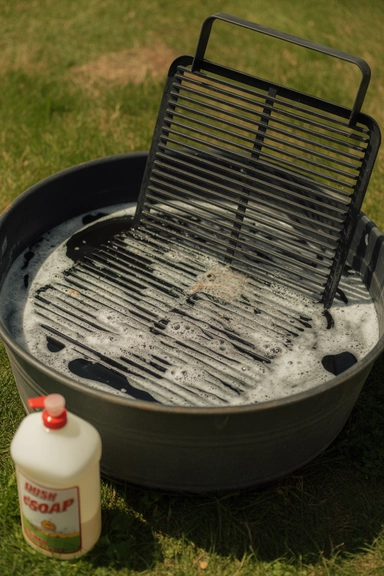
Burnt grease on grill grates looks like a nightmare to clean. The first time I tried dish soap on grill grates I expected to be scrubbing for twenty minutes. It took five. The key is the soak, not the scrubbing.
Heat the grill for five minutes to loosen the burnt residue then turn it off and let it cool until safe to handle. Scrub the grates with a sponge soaked in concentrated dish soap and warm water. Rinse thoroughly before cooking again because soap residue affects the flavor of food cooked on an inadequately rinsed grill.
For heavily carbonized grates, soak them in a large bin of hot water and dish soap for 30 minutes before scrubbing. The soak does most of the work.
Dish Soap Weed Killer for the Garden
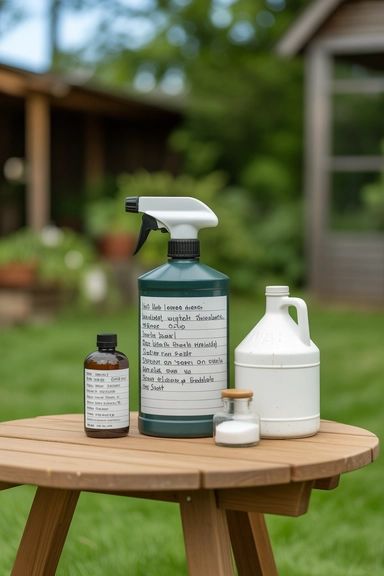
Mix one tablespoon of dish soap with one gallon of white vinegar and one cup of salt in a garden sprayer. The dish soap breaks down the waxy outer coating on plant leaves, which allows the vinegar and salt to penetrate and kill the plant at the root.
Apply directly to weeds in the morning or late afternoon, never during the hottest part of the day. Hot sun causes the solution to evaporate before it penetrates effectively. Keep the spray away from plants you want to keep because this mixture kills everything it contacts.
No rain for at least 24 hours after application gives the solution time to work fully before washing away.
How to Remove Rubber Gloves Without Tearing Them
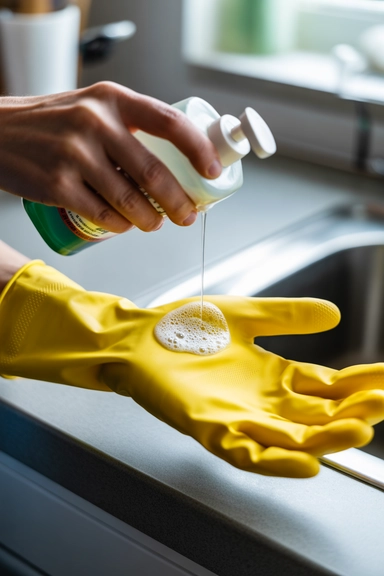
Anyone who cleans with rubber gloves knows the struggle of getting them off after a long session. The vacuum seal that forms against skin makes pulling them off genuinely difficult and tearing them off repeatedly shortens their life significantly.
Apply a thin layer of dish soap around the inside of each glove opening before putting them on. The soap prevents the vacuum seal from forming against your skin during use. Gloves slide off easily at the end without the usual struggle and last noticeably longer as a result.
This works on latex and nitrile gloves equally well. Five seconds to apply and it saves real frustration every single time.
Dish Soap Cleaning Hacks Comparison by Surface
| Surface | Dish Soap Method | What to Avoid |
|---|---|---|
| Countertops | 1 tsp soap in 2 cups water, wipe and rinse | Undiluted soap, leaves residue |
| Carpet stains | 1 drop in 1 cup water, blot only | Rubbing, spreads the stain |
| Jewelry | 2 drops in warm water, soft toothbrush | Pearls, opals, porous stones |
| Stainless steel | 2 drops in spray bottle, buff with grain | Spraying directly on controls |
| Outdoor furniture | Quarter cup in gallon of water, scrub and rinse | Leaving soap residue, attracts dirt |
| Grill grates | Concentrated soap, hot water soak 30 minutes | Insufficient rinsing before cooking |
| Drains | Half cup undiluted, follow with boiling water | Completely blocked drains |
| Bathroom mirror | Tiny drop buffed to invisible layer | Too much soap, leaves streaks |
Frequently Asked Questions About Dish Soap Cleaning Hacks
Can you use dish soap on hardwood floors? No. Dish soap and water on hardwood floors causes moisture to seep into the wood, which leads to warping and finish damage over time. Use a product specifically designed for hardwood floors or a lightly dampened microfiber mop with no soap at all.
Does dish soap actually kill bacteria? Dish soap removes bacteria by lifting it off surfaces rather than killing it the way a disinfectant does. For surfaces that need actual sanitization after raw meat contact, follow dish soap cleaning with a diluted bleach solution or a dedicated disinfectant spray.
Can dish soap damage painted walls? Diluted dish soap, one teaspoon in two cups of water, cleans most painted walls safely. Undiluted soap or harsh scrubbing strips paint finish on flat or matte surfaces because eggshell and satin finishes resist damage better than flat or matte paint does.
Is Dawn better than other dish soaps for cleaning hacks? Dawn dish soap hacks work well because of its high concentration, but any good quality dish soap delivers similar results for general cleaning tasks. The brand matters less than the concentration. Cheap watery dish soaps need more product to achieve the same result.
How long does a dish soap and hydrogen peroxide stain spray last? The mixture stays effective for two to three weeks when kept in a dark cabinet away from light. Hydrogen peroxide breaks down when exposed to light and loses its stain-fighting strength. Make small batches every few weeks rather than a large bottle that sits unused for months.
Can you use dish soap to clean leather? No. Dish soap strips the natural oils from leather surfaces and causes cracking and drying over time. Use a dedicated leather cleaner and conditioner for leather furniture, bags, and shoes.
Final Thoughts on Dish Soap Cleaning Hacks
One bottle under the sink handles most of what seventeen cleaning products used to cover. These dish soap cleaning hacks work because the soap targets grease and oil on contact, which is the root cause of most household dirt and grime. Get the dilution ratios right, use it separately from vinegar rather than combined, and never use it on hardwood floors, leather, or delicate gemstones. Everything else in this house is fair game.