
Introduction
A small dining area fills up fast. One sideboard, a few serving pieces, and suddenly the space feels tighter than it actually is. The goal isn’t removing everything. It’s choosing storage that works harder without crowding the room. These small dining room storage ideas focus on vertical space, multifunctional furniture, and hidden storage that keeps surfaces clear while still supporting daily use. Whether the dining zone sits in an apartment corner or inside a kitchen-dining combo, the right layout can turn it into a calm, functional space instead of a cramped one. For more compact layout inspiration, see 25 Creative Small Kitchen Storage Ideas to Maximize Your Space.
1. Slim Sideboards That Add Storage Without Blocking Flow
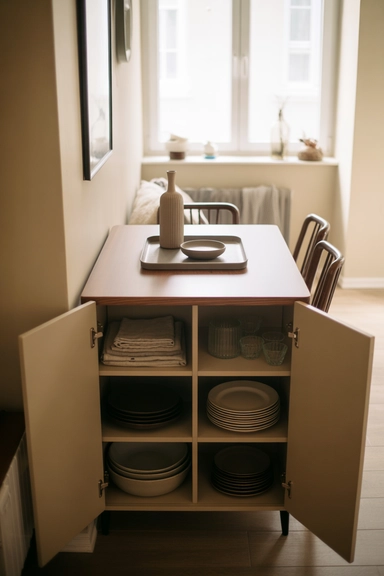
A narrow sideboard instantly adds storage without overwhelming a small dining room. Choose a shallow cabinet that sits close to the wall so the walkway remains open. Inside, store serving dishes, table linens, and rarely used glassware. The top surface can hold a single decor piece or a tray, but avoid turning it into a dumping ground. Slim storage furniture keeps essentials contained while maintaining visual breathing room.
To make it work long term, group items by use. Keep entertaining pieces together and daily items within easy reach. Closed cabinets reduce visual clutter, which is crucial in compact dining areas. A well-scaled sideboard supports both storage and styling without making the room feel heavy. When furniture fits the space properly, the entire dining area feels more intentional and less crowded.
2. Wall-Mounted Storage That Lifts Items Off the Floor
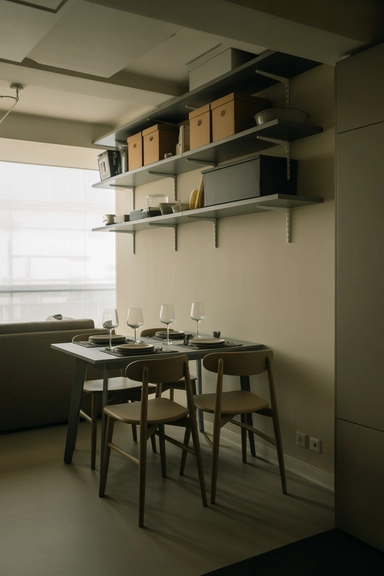
Wall storage is one of the most effective small dining room storage ideas because it uses vertical space instead of floor space. Floating shelves or a mounted cabinet can hold dishes, cookbooks, or serving trays while keeping the room open. This works especially well in apartments where square footage is limited. Moving storage upward prevents the dining area from feeling cramped.
Keep the wall layout balanced. Avoid overloading shelves with too many items, which creates visual clutter. Leave open space between objects so the storage feels intentional rather than crowded. Wall-mounted storage helps small dining rooms stay functional without sacrificing movement. Over time, this approach keeps the area easier to clean and maintain.
3. Built-In Bench Seating With Hidden Storage
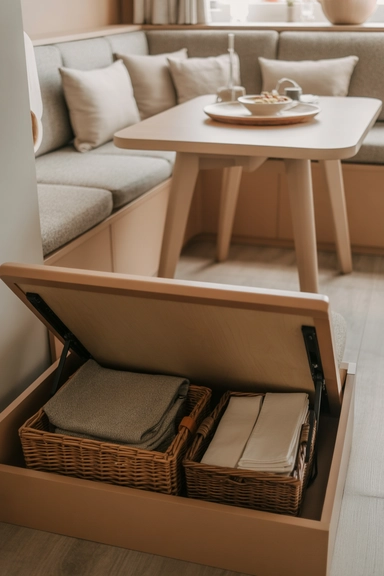
A dining bench with hidden storage underneath adds seating and storage in one footprint. Linens, seasonal decor, or extra tableware can live inside the bench while the top remains functional seating. This works particularly well in small dining rooms or kitchen-dining combos where every piece of furniture needs to serve more than one purpose.
To keep it practical, store only lightweight or soft items inside the bench. Heavy dishes make access inconvenient. Add baskets inside the compartment to keep contents organized. Multifunctional furniture like this reduces the need for additional cabinets, helping the dining area feel more open. Over time, hidden storage keeps clutter from creeping back onto visible surfaces.
4. Corner Shelving Units That Use Awkward Space
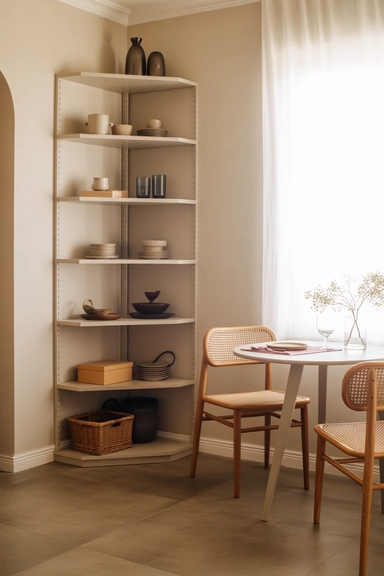
Corners often go unused, but a slim corner shelving unit can hold serving pieces or decorative storage boxes without taking over the room. This type of storage works well in small dining areas where standard cabinets won’t fit. Using the corner prevents storage from spreading across multiple walls and keeps everything contained.
Keep the shelves light and balanced. Mix functional items with minimal decor so the unit doesn’t look overcrowded. Avoid stacking heavy dishes too high, which makes access difficult. A well-used corner adds storage without interrupting movement. This simple adjustment can make the entire dining space feel more organized and easier to navigate.
5. Dining Tables With Built-In Storage Drawers
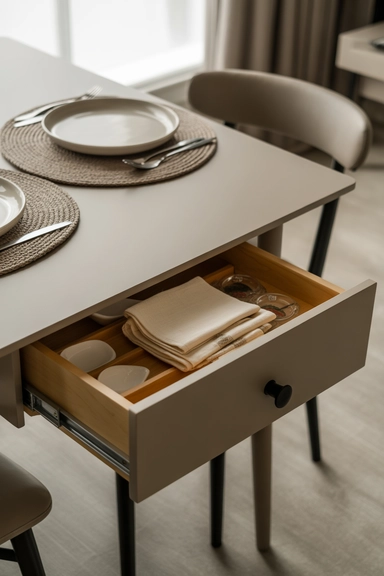
A dining table with built-in drawers can store placemats, napkins, and small serving tools. This reduces the need for extra furniture while keeping essentials close to where they’re used. In small dining rooms, multifunctional furniture prevents overcrowding and helps maintain a cleaner layout.
Keep drawer contents limited to dining-related items. Mixing unrelated objects turns the table into a clutter zone. When storage stays focused, the table remains functional and organized. Over time, built-in drawers reduce surface clutter and make daily setup faster. This helps the dining area stay tidy without adding more cabinets.
You May Also Like
- 25 Creative Small Kitchen Storage Ideas to Maximize Your Space
- 22 Kitchen Counter Storage Ideas That Keep Surfaces Clear
- 21 Kitchen Island Storage Ideas That Make Every Side Work
6. Storage Cabinets That Double as Display Pieces
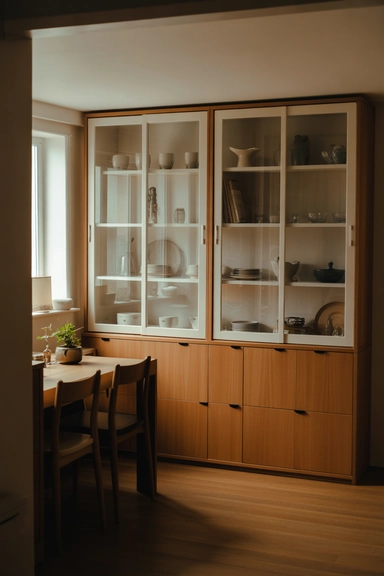
A compact storage cabinet can hold dishes and serve as a display without overwhelming a small dining room. Glass-front doors keep items visible but contained, while closed lower cabinets hide bulkier pieces. This balance between display and storage helps the room feel styled without looking cluttered. In apartment dining spaces, a single cabinet often replaces multiple smaller storage units.
Keep displays minimal. Too many visible items create visual noise and defeat the purpose. Store everyday dishes inside easy-reach shelves and reserve upper sections for occasional pieces. When cabinets combine function with light styling, they support daily use without making the room feel packed. This approach keeps storage practical and visually calm.
7. Console Tables That Act as Dining Storage Stations
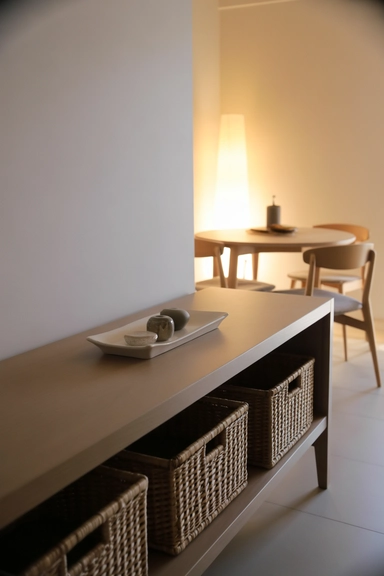
A slim console table placed along one wall can hold baskets, serving trays, and small storage boxes. It works as a flexible storage station without taking over the room. In small dining areas connected to living spaces, console tables bridge both zones and provide extra storage without adding bulk.
Use baskets or containers beneath the console to keep items grouped. Avoid placing too many decorative objects on top so the surface remains functional. This type of storage furniture works best when it stays simple and intentional. Over time, a console table keeps essentials nearby without turning the dining area into a storage-heavy space.
8. Wall Cabinets That Replace Floor Storage
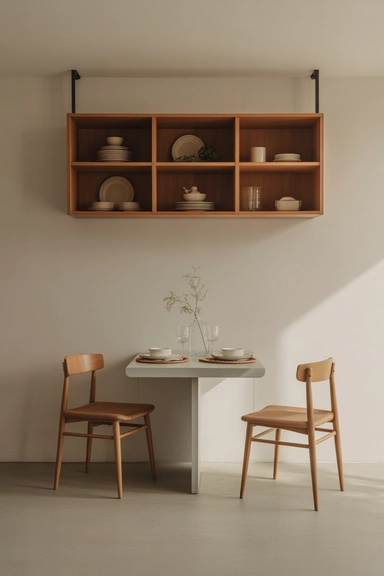
Wall-mounted cabinets provide enclosed storage without using valuable floor space. They can hold tableware, serving dishes, and pantry items while keeping the dining area open. This approach works especially well in small dining room storage ideas for small spaces where floor furniture makes the room feel crowded.
Install cabinets at a comfortable height for easy access. Keep contents organized so items are easy to retrieve and return. When storage moves upward, the room feels less cramped and more functional. Wall cabinets help small dining areas maintain order without adding bulky furniture.
9. Storage Baskets That Contain Everyday Items
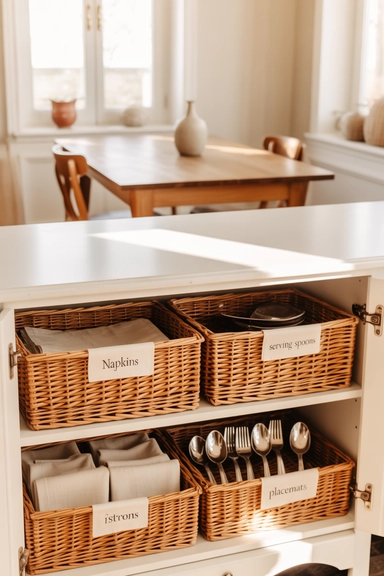
Storage baskets placed inside cabinets or on shelves keep small items contained and easier to manage. Napkins, tablecloths, and serving tools can be grouped together instead of scattered. In small dining rooms, contained storage prevents clutter from building up quickly.
Choose baskets that fit the cabinet size so they slide in and out easily. Labeling them can make daily use smoother. When items stay grouped, they’re easier to find and return after use. Over time, this keeps the dining area more organized and reduces surface clutter.
10. Open Shelving With Controlled Styling
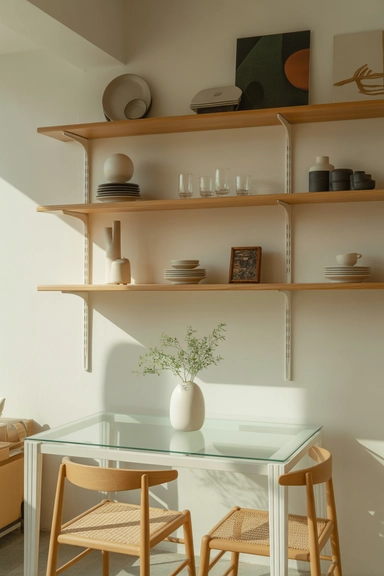
Open shelves can hold dishes or decor while adding storage without heavy furniture. The key is restraint. Limit shelves to essential items so they don’t become cluttered. In small dining rooms, open shelving works best when it stays balanced and intentional.
Leave space between objects so the shelves feel light rather than crowded. Mix functional items with a few decorative pieces. When styled thoughtfully, open shelving adds storage without making the room feel smaller. This approach supports both function and visual clarity.
11. Built-In Sideboards That Create a Seamless Storage Wall
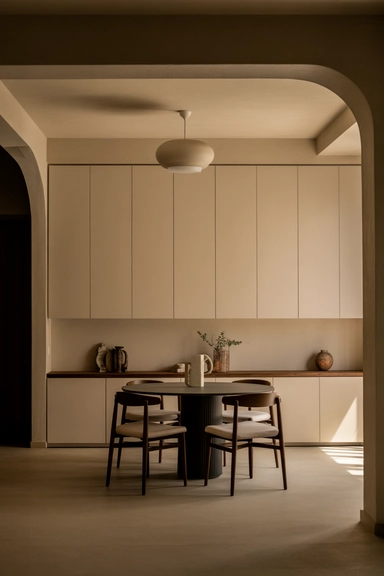
A built-in sideboard transforms one dining wall into a dedicated storage zone without adding bulky standalone furniture. Unlike freestanding cabinets, built-ins follow the wall line and can be customized to the room’s width, making them ideal for tight layouts. Inside, store serving pieces, extra dishes, and seasonal decor while keeping the top surface intentionally minimal. This type of storage supports daily dining needs while maintaining a calm visual line across the room.
To keep the built-in functional, divide the interior into clear zones. One section for linens, one for dishware, one for entertaining pieces. Avoid overfilling shelves so items remain easy to retrieve. When storage is integrated into the wall rather than added as separate furniture, the dining room feels more spacious. Over time, built-ins reduce clutter buildup and keep everything contained in a single, organized location.
Keep Organizing Your Home
- 23 Smart Towel Organizing Ideas That Reduce Bathroom Clutter
- 21 Clever Hidden Storage Ideas for a Clutter-Free Home
- 25 Home Organizing Ideas That Make Every Room Work Better
12. China Cabinets That Balance Display and Containment
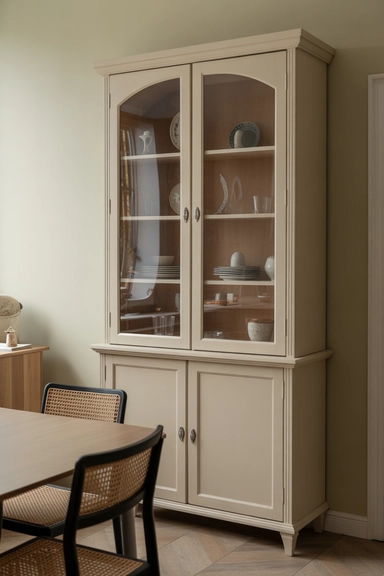
A slim china cabinet can store dishes while also acting as a visual anchor for the dining room. Choose a cabinet with glass upper doors and closed lower storage to balance display with hidden storage. This keeps everyday items accessible while preventing visual clutter. In small dining rooms, a single cabinet often replaces multiple smaller storage pieces.
Keep displays intentional. Show only a few serving pieces or glassware sets and store the rest behind closed doors. Overcrowded displays make the room feel smaller. When used thoughtfully, a china cabinet adds vertical storage and visual structure without overwhelming the space. It becomes both functional storage and a subtle design feature that supports daily use.
13. Multifunctional Furniture That Adapts to Small Spaces
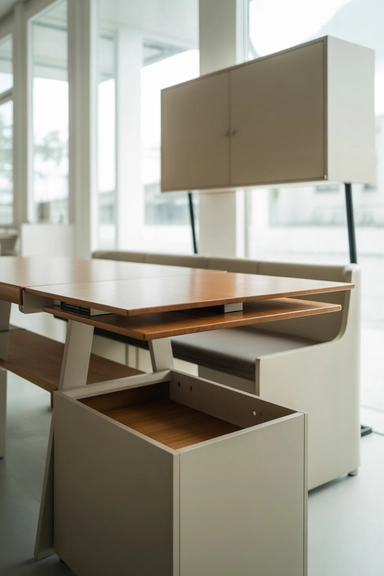
Multifunctional furniture is essential in small dining rooms where every piece needs to work harder. A storage bench, expandable table with drawers, or cabinet that doubles as a bar station can replace multiple standalone items. This reduces the number of pieces in the room while still providing necessary storage. Smart furniture placement ensures the space remains open and easy to navigate.
Choose pieces that align with daily routines. If the dining area is used frequently, prioritize accessible storage. If it’s occasional, hidden storage works better. Multifunctional furniture keeps the room adaptable and prevents clutter from spreading. Over time, this approach supports both function and flexibility without overwhelming the layout.
14. Storage Walls That Combine Shelving and Cabinets
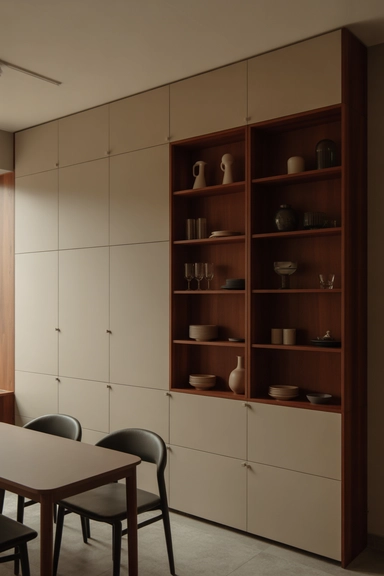
A full storage wall combining closed cabinets and open shelving can hold everything from dishes to decor without spreading storage across multiple areas. This approach works especially well in small dining room storage ideas for small spaces where containment is key. Closed sections hide bulk while open shelves display a few curated pieces.
Keep the layout balanced so one side doesn’t feel heavier than the other. Avoid filling every shelf. Leave breathing room between items. When storage is centralized on one wall, the rest of the room stays open and easier to style. This creates a cleaner, more organized dining space that feels intentional rather than crowded.
15. Dining Storage Under $200 That Still Feels Intentional
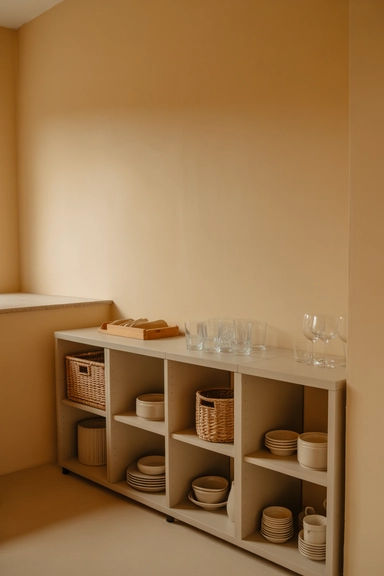
Budget-friendly storage doesn’t have to look temporary. A well-chosen cabinet, shelf unit, or storage cart under $200 can still support a small dining room effectively. Focus on scale and placement rather than price. A narrow cabinet or simple shelving unit can hold essentials without dominating the room.
Keep styling minimal so the piece blends into the space. Use baskets or containers to group items inside. Even affordable storage can feel cohesive when it’s thoughtfully arranged. Over time, consistent organization matters more than cost. A simple storage solution used well keeps the dining area functional and visually calm.
16. Drawer Cart Storage That Moves With the Dining Area
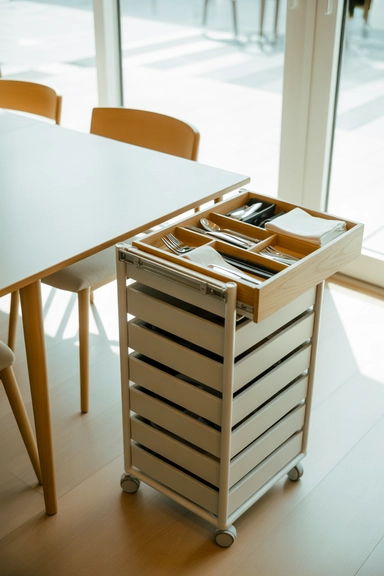
A slim drawer cart can add flexible storage without permanently crowding a small dining room. It can sit against a wall during the day and roll closer to the table when serving. Inside the drawers, store napkins, utensils, candles, or small serving tools. This keeps essentials nearby while preventing them from taking over cabinets or tabletops. In apartment dining areas, movable storage adapts to changing layouts.
Keep each drawer focused on a single category so items remain easy to find. Avoid overloading the cart with heavy dishes, which makes it harder to move. When the cart returns to its parked position after meals, the room feels more open again. Flexible storage like this helps small dining rooms stay organized without adding permanent bulk.
17. Pantry-Style Storage for Dining and Kitchen Overlap
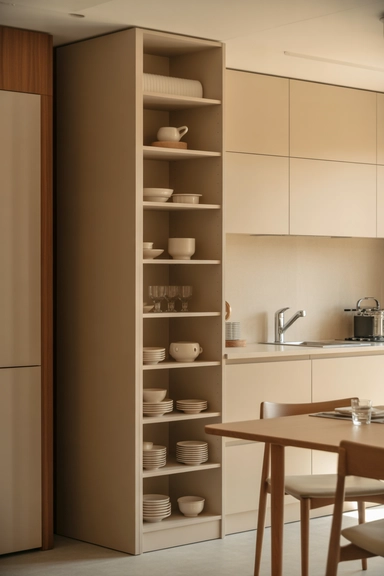
In small homes, dining and kitchen storage often overlap. A narrow pantry cabinet near the dining table can hold serving dishes, table linens, and occasional-use items. This prevents dining storage from spreading across multiple rooms. When everything related to meals lives in one zone, daily setup becomes easier and the dining area stays cleaner.
To keep the pantry functional, assign shelves by category. Store heavy dishes at waist height and lighter items above. Avoid filling every shelf completely so items remain accessible. A shared pantry system supports both kitchen and dining needs without making the dining room feel crowded. This approach keeps storage centralized and easier to maintain.
18. Built-In Storage Around the Dining Table
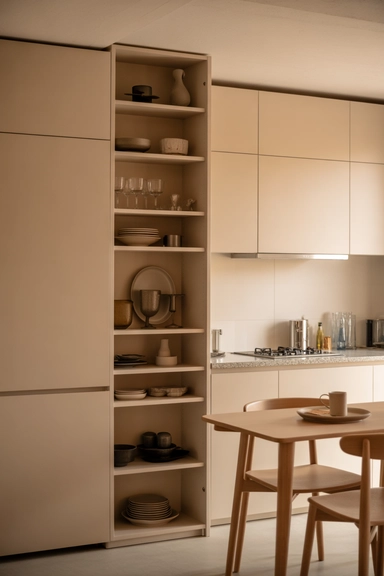
Built-in storage surrounding a dining nook or table creates a contained storage zone without adding extra furniture. Cabinets or shelves built along one wall can hold dishes, decor, and serving pieces while keeping the rest of the room open. This works particularly well in small apartment dining spaces where furniture must follow the wall line.
Keep the built-in area structured. Closed cabinets for bulk storage, open shelves for a few display items. Avoid filling every section so the space feels balanced. Built-ins allow the dining area to stay functional while reducing the need for additional storage furniture. Over time, this keeps the room organized and visually calm.
19. Buffet Storage That Stays Minimal and Functional
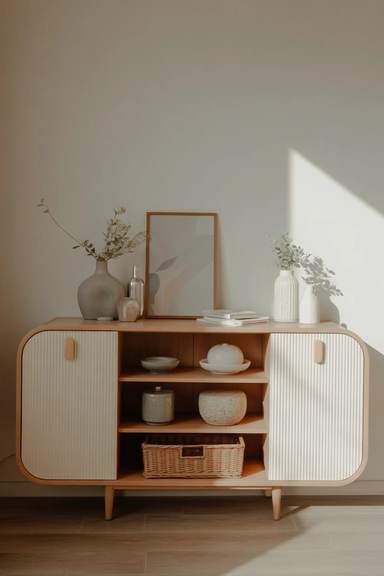
A compact buffet cabinet can hold serving pieces and double as a serving surface during meals. In small dining rooms, buffets work best when scaled correctly and styled simply. Store only what’s needed inside and keep the top mostly clear. This prevents the piece from becoming a clutter zone.
Group similar items together inside the cabinet so everything remains easy to retrieve. Avoid mixing unrelated objects. When the buffet stays organized, it supports both daily use and occasional entertaining without overwhelming the room. A minimal, functional buffet helps maintain balance between storage and open space.
20. Storage Boxes That Keep Seasonal Items Out of Sight
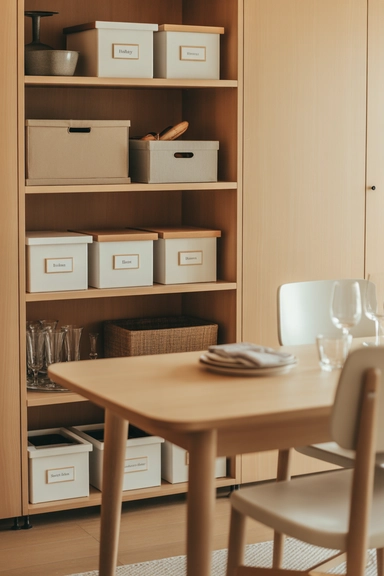
Seasonal decor, extra linens, and special-occasion dishes don’t need to stay visible year-round. Storage boxes placed inside cabinets or under benches can hold these items until needed. This prevents rarely used objects from taking up valuable space in a small dining room.
Label boxes clearly so contents are easy to find. Keep them lightweight so they’re easy to move. When seasonal items stay contained, everyday storage remains more accessible. Over time, this keeps the dining area easier to maintain and prevents clutter from building gradually.
21. Compact Storage Units That Fit Tight Layouts
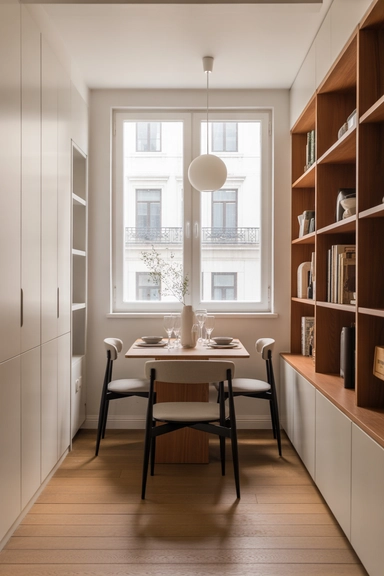
A compact storage unit designed for small spaces can hold essentials without dominating the room. Choose furniture that fits the wall width and leaves enough walking space around the table. This keeps the dining area functional while still providing storage for dishes, linens, or decor.
Avoid filling the unit completely. Leave some open space so it feels balanced. When storage fits the scale of the room, it supports organization without making the space feel crowded. Compact units help small dining rooms stay practical and visually calm at the same time.
Conclusion
Small dining rooms work best when storage is intentional and contained. Using vertical space, multifunctional furniture, and well-placed cabinets keeps essentials nearby without overwhelming the layout. When each item has a dedicated place, surfaces stay clearer and the room feels easier to maintain. The most effective small dining room storage ideas focus on balance—adding enough storage to stay functional while keeping the space open and comfortable for everyday use.