
Introduction
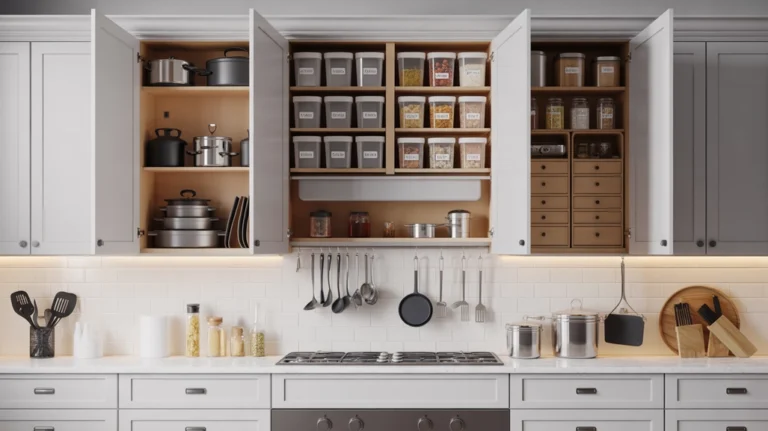
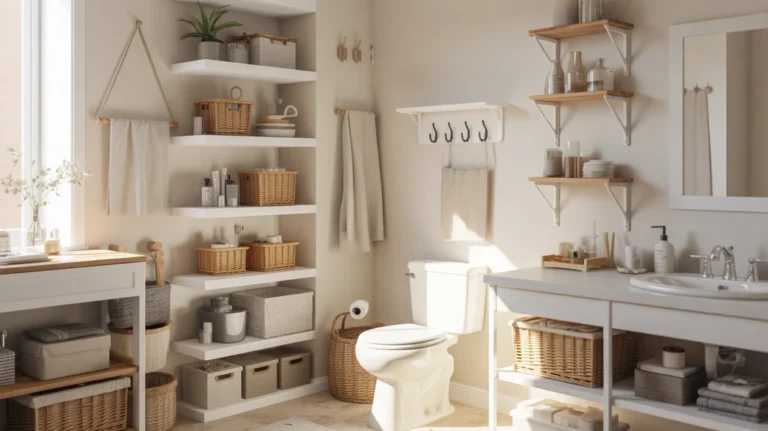
Daily clutter isn’t caused by laziness or lack of space. It happens when storage doesn’t match real behavior. DIY organization works because it allows you to build systems around how your home actually functions rather than forcing habits to fit pre-made products. Simple materials, intentional zoning, and customized sizing create solutions that feel natural to use and easy to maintain. These DIY organizing solutions focus on visibility, defined placement, and return-friendly design so mess doesn’t quietly rebuild itself. When storage supports routine movement, order becomes automatic instead of forced. For budget-friendly system thinking that pairs naturally with DIY builds, 23 Clever and Affordable Organizing on a Budget Tips for a Tidy Home expands on low-cost structure strategies.
1. Custom Entry Drop Zone Console

An entryway becomes chaotic when keys, bags, mail, and shoes lack a defined landing space. A DIY drop zone console built from simple wood boards or repurposed furniture creates immediate structure at the doorway. Hooks above hold bags and jackets, a shallow drawer catches keys and wallets, and lower cubbies control shoe placement. This prevents items from traveling deeper into the home and keeps first impressions visually calm.
Size the console to match your entry width so it feels built-in rather than added. Add labeled baskets inside cubbies to assign each household member a section. Among DIY organizing solutions, entry drop zones create behavioral order by intercepting clutter at the moment it enters the home.
2. DIY Floating Shelving Wall
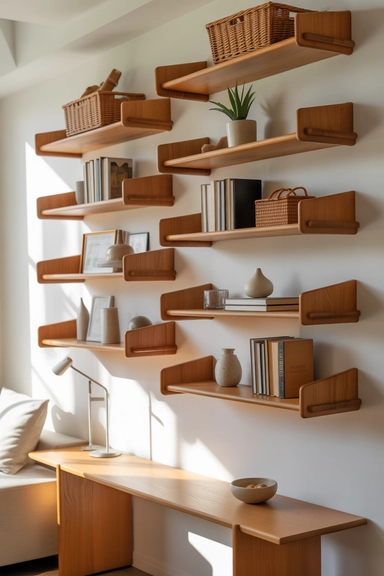
Blank wall space often becomes missed storage potential while furniture surfaces carry clutter. DIY floating shelves built from wood planks and simple brackets transform unused wall areas into functional vertical zones. Books, baskets, containers, or decor gain dedicated placement without consuming floor area. This reduces surface crowding on tables, counters, and desks where clutter usually accumulates.
Install shelves at staggered heights to avoid a heavy visual block. Keep shelf depth moderate so items don’t over-stack forward. Among DIY organizing solutions, floating shelves introduce high-capacity storage while keeping rooms open, balanced, and easier to reset daily.
3. Repurposed Crate Modular Storage
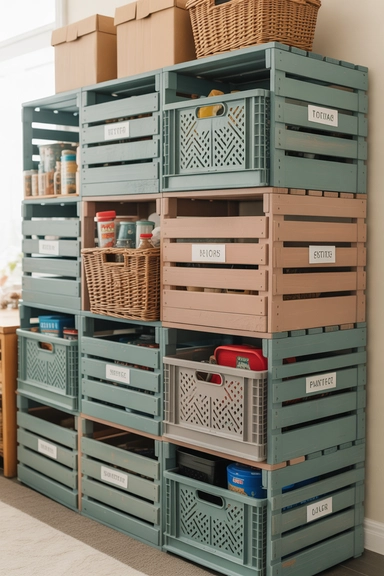
Random storage furniture often fails because it can’t adapt as needs change. Repurposed wooden or plastic crates turned into modular shelving solve this by allowing rearrangement over time. Crates can stack vertically, mount to walls, or sit under desks to store toys, pantry items, craft supplies, or linens. This flexibility prevents the common problem of outgrowing rigid storage systems.
Sand and reinforce crates for durability before stacking. Secure tall stacks to the wall for safety. Among DIY organizing solutions, modular crate builds offer evolving storage that grows with lifestyle changes instead of becoming obsolete.
4. DIY Drawer Divider Systems
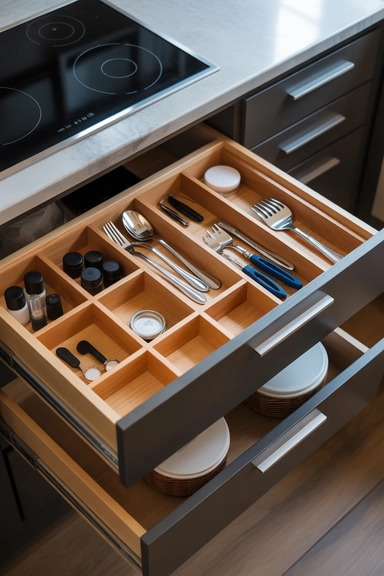
Drawers become hidden clutter zones when contents mix freely. DIY divider systems built from thin wood, acrylic, or foam board create custom-fit compartments that control movement inside drawers. Cut-to-size partitions prevent utensils, tools, cosmetics, or office supplies from shifting and mixing when drawers open and close. This keeps contents visible, separated, and consistently returned.
Design compartments based on usage frequency rather than item size alone. Use removable adhesive so layouts can adjust later. Among DIY organizing solutions, drawer dividers protect internal order and eliminate one of the most common sources of invisible clutter.
5. Pegboard Organization Walls
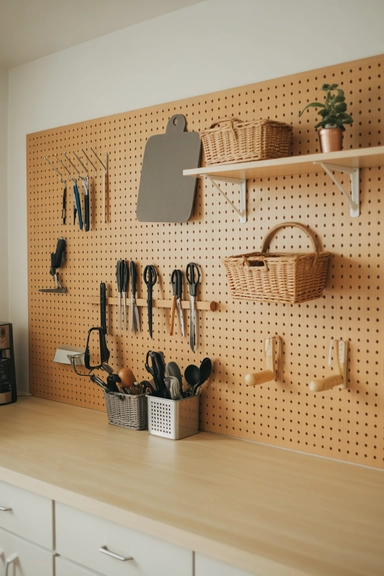
Workspaces, kitchens, garages, and craft rooms often collect tools across every flat surface. A DIY pegboard wall introduces vertical organization where hooks, baskets, and shelves reposition as needs change. Tools remain visible and reachable without occupying counters or tabletops. This prevents horizontal surface spread while allowing quick access during tasks.
Frame the pegboard neatly to integrate with room décor. Leave breathing space between items to avoid visual overload. Among DIY organizing solutions, pegboard systems deliver flexible, high-capacity organization that adapts without rebuilding entire storage layouts.
6. Over-the-Door Storage Systems
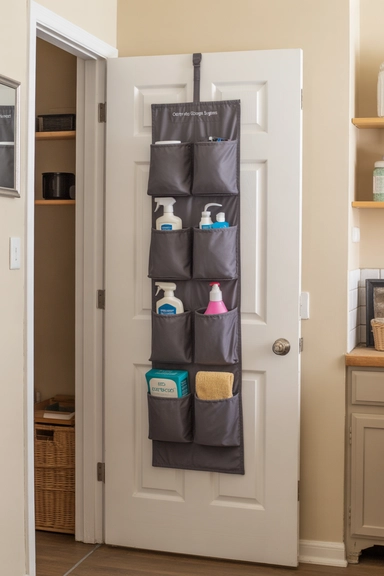
Doors are often overlooked storage assets, yet they offer valuable vertical real estate. A DIY over-the-door organizer built with hanging racks, fabric pockets, or slim wire baskets creates space for shoes, cleaning supplies, toiletries, or pantry goods. This keeps frequently used items visible while removing pressure from shelves and floors. By shifting storage onto doors, you prevent random piles that usually form in closets, bathrooms, and kitchens when surfaces fill up.
Measure door clearance to ensure smooth closing. Group items by function so each pocket or rack section has a defined role. Among DIY organizing solutions, door-based storage introduces instant structure without drilling or permanent installation.
7. Rolling Under-Bed Storage Drawers
Under-bed areas collect dust when not used intentionally. A DIY rolling drawer made from plywood and small caster wheels converts this hidden zone into organized storage for linens, shoes, or seasonal clothing. Rolling access prevents heavy lifting and keeps stored items reachable, encouraging consistent use instead of forgotten clutter boxes.
Divide drawer interiors into compartments so contents don’t shift while rolling. Add fabric handles for easy pull-out access. Among DIY organizing solutions, under-bed drawers reclaim unused space while keeping bedrooms visually calm and clutter-free.
8. DIY Paper and Mail Sorting Station
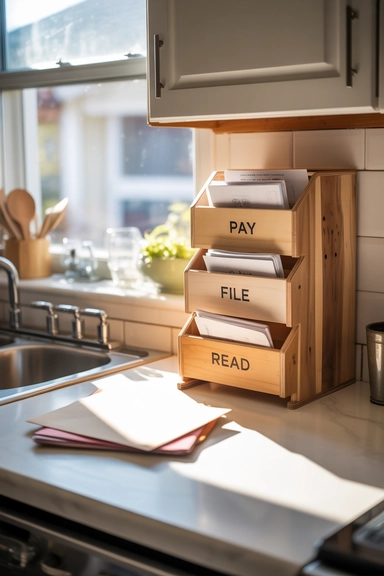
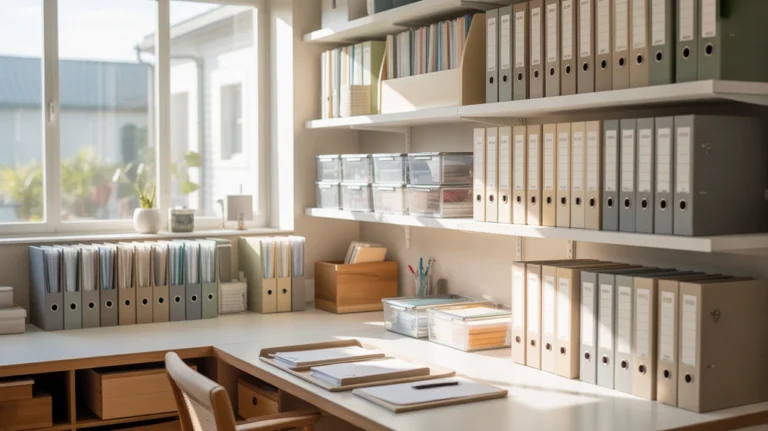
Paper clutter quickly overwhelms desks and countertops when mail lands without direction. A DIY mail and paper sorter built from wood slats, cardboard, or acrylic sheets creates vertical slots for incoming mail, bills, and documents. This keeps paper upright, visible, and controlled instead of forming surface piles that spread into other rooms.
Label each slot by action category such as “To Pay” or “To File.” Empty sections weekly to prevent overflow. Among DIY organizing solutions, paper sorting stations protect work surfaces and simplify household administration.
9. Ladder Shelf Storage Build
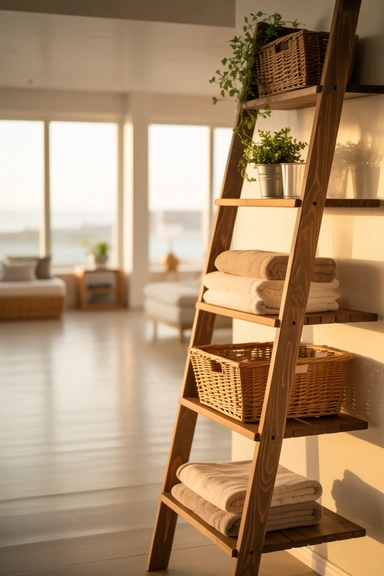
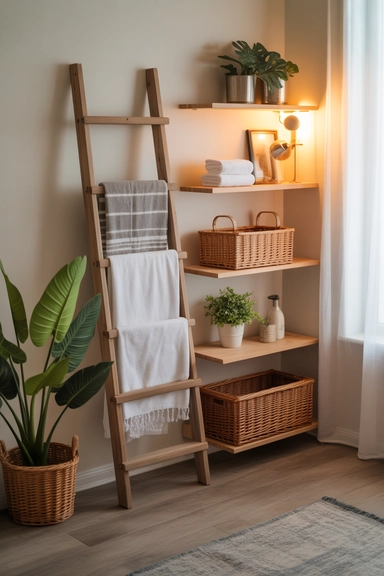
A repurposed ladder transformed into shelving introduces vertical storage with a light visual footprint. Adding wooden planks across ladder rungs creates tiered shelving for towels, books, baskets, or décor. The leaning structure fits tight spaces where bulky cabinets would feel heavy, preventing floor clutter from accumulating.
Sand and seal wood for durability, especially in bathrooms. Place heavier items on lower tiers for balance. Among DIY organizing solutions, ladder shelves blend storage and design while maintaining open, breathable room layouts.
10. DIY Closet Fabric Bin System
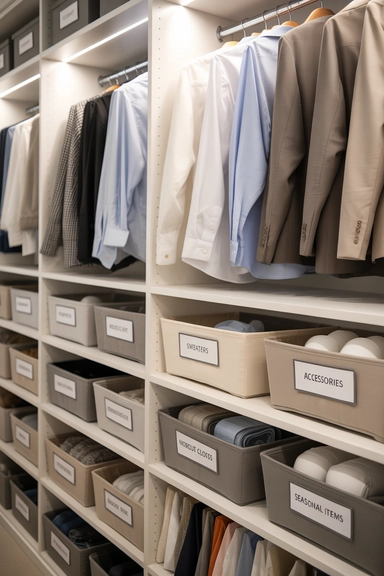
Closets fail when small clothing items mix freely. A DIY fabric-bin system built with simple shelving and soft storage cubes creates defined zones for scarves, accessories, folded clothes, or children’s garments. Bins slide out easily, preventing shelf disruption and keeping categories contained.
Use matching bin sizes for consistent alignment. Label fronts to reinforce return habits. Among DIY organizing solutions, fabric-bin closets offer flexible, low-cost organization that adapts as wardrobes change.
11. DIY Kitchen Counter Appliance Garage
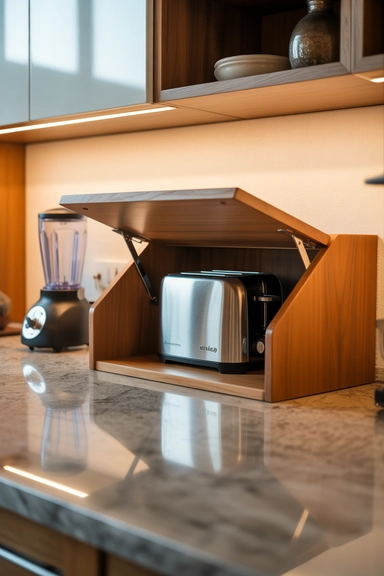
Kitchen counters lose function when small appliances live permanently on work surfaces. A DIY appliance garage built from plywood or reclaimed cabinet panels hides toasters, mixers, and blenders behind a lift-up or sliding door. Appliances stay plugged in and ready to use, but visually disappear when not needed. This restores prep space while preventing deep cabinets from becoming cluttered with heavy machines.
Add ventilation gaps at the back to release heat. Match paint or wood finish to existing cabinetry for a seamless look. Among DIY organizing solutions, appliance garages keep counters clear without sacrificing everyday convenience.
12. Wall-Mounted Charging Station
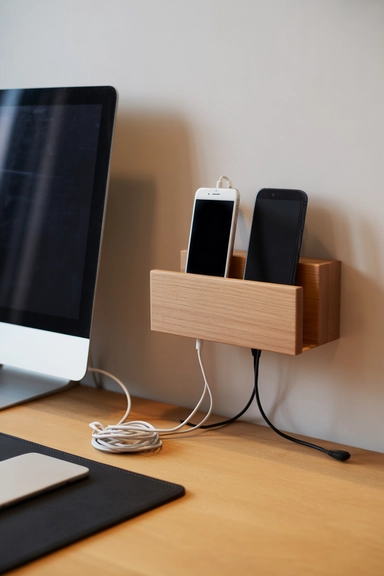
Cables and devices create fast-moving clutter across desks, nightstands, and kitchen counters. A DIY wall-mounted charging station built from a shallow wooden box or floating shelf keeps phones and tablets upright while routing cords behind the structure. This prevents tangled wires and stops devices from drifting across surfaces.
Drill small cable holes for clean cord management. Add narrow dividers so each device has a defined slot. Among DIY organizing solutions, charging stations restore surface clarity and make device routines consistent.
13. Vertical Shoe Rack Build
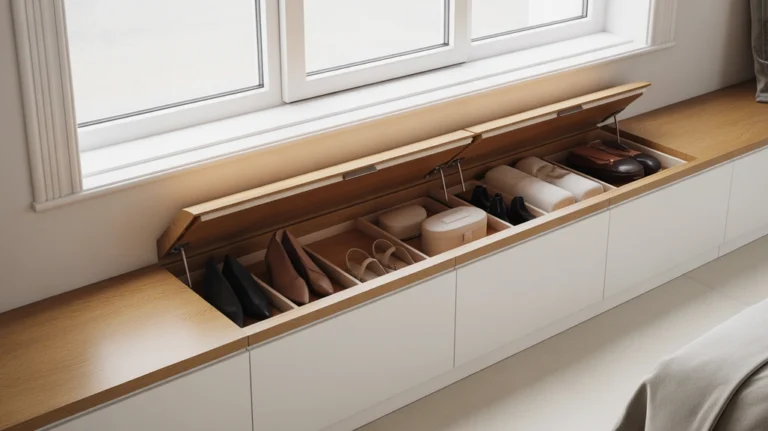
Shoes scattered across floors instantly make a room feel untidy. A DIY vertical shoe rack constructed from plywood panels with narrow upright slots uses height instead of floor depth. Each pair slides into its own section, keeping footwear visible, ventilated, and off the ground. This design works especially well in narrow entryways and small closets.
Sand edges smoothly to prevent scuffing. Anchor the rack securely for stability. Among DIY organizing solutions, vertical shoe racks stop floor piles and simplify daily shoe selection.
14. DIY Pantry Can Dispenser
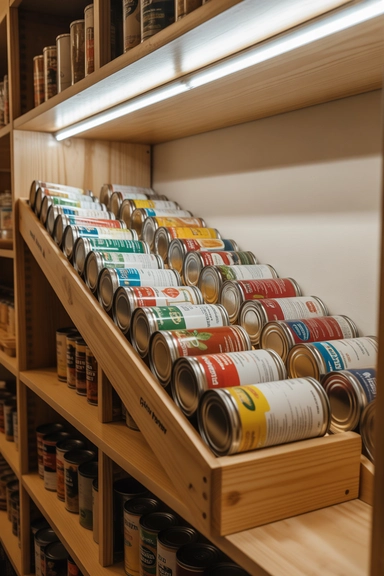
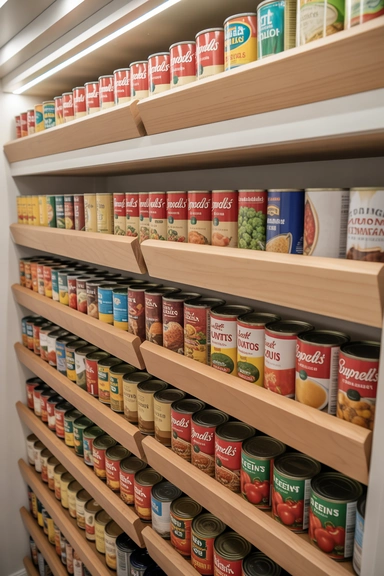
Canned goods stacked on shelves often topple or hide at the back. A DIY gravity-fed can dispenser built from wood or foam board creates angled tracks that roll cans forward automatically. This keeps labels visible, prevents expired food from hiding, and stops pantry shelves from becoming unstable metal towers.
Measure shelf width carefully before building tracks. Group cans by category to simplify cooking routines. Among DIY organizing solutions, can dispensers turn pantries into self-managing food storage systems.
15. Desk Hutch Paper Control Build
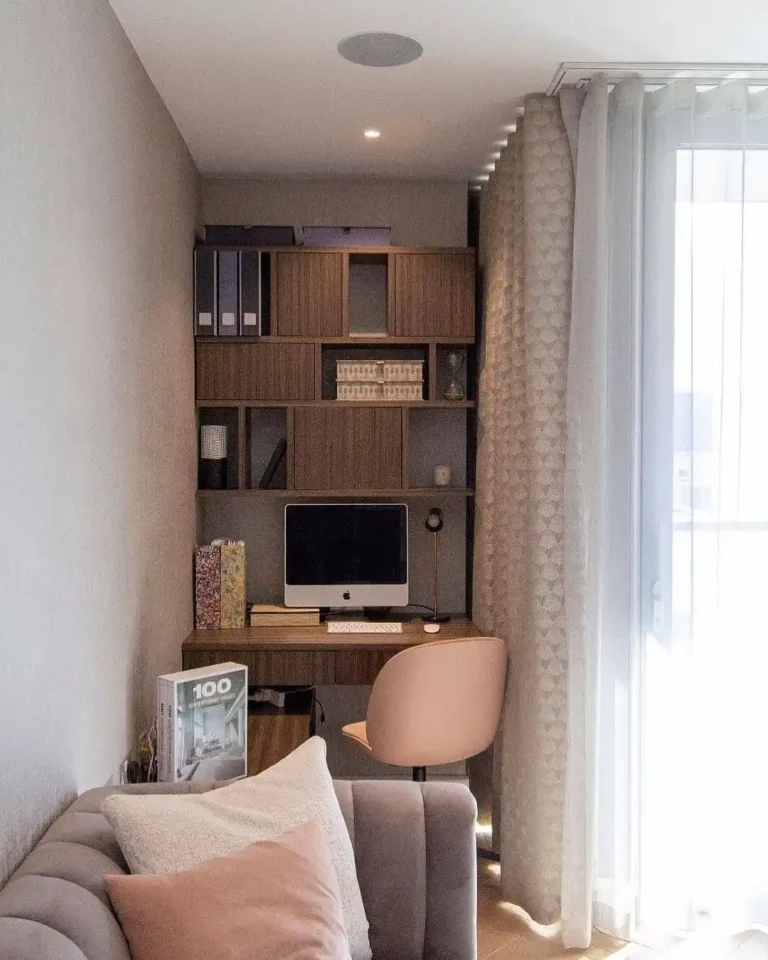
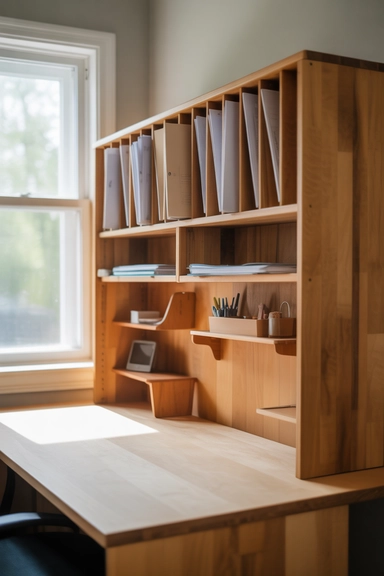
A desk becomes cluttered when documents and notebooks spread across the workspace. A DIY desk hutch built from lightweight wood panels adds vertical slots and small shelves above the desk surface. Active papers remain visible without covering the work area, restoring desk function and visual calm.
Keep slot widths narrow to discourage overstuffing. Paint or stain the hutch to match desk furniture. Among DIY organizing solutions, desk hutches prevent paper creep and maintain long-term workspace clarity.
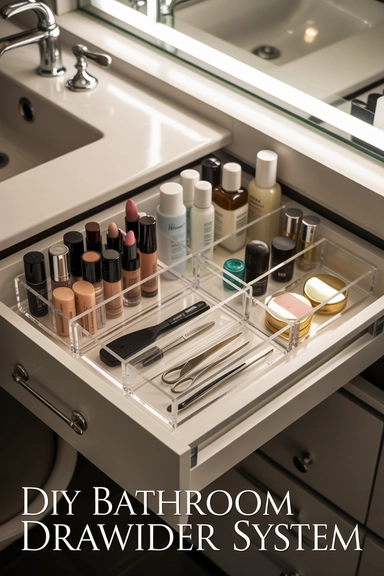
16. DIY Bathroom Drawer Divider System
Bathroom drawers become chaotic when grooming tools, skincare bottles, and cosmetics share open space. A DIY divider system built from thin acrylic sheets, wood strips, or foam board creates fixed compartments that prevent items from shifting. Each product gains a defined position, reducing morning routine stress and stopping countertop overflow caused by rummaging through messy drawers. Custom sizing ensures no wasted gaps where small items disappear and create hidden clutter.
Seal divider surfaces to protect against moisture and spills from creams or liquids. Arrange sections based on daily routine order so frequently used items stay closest to the front. Among DIY organizing solutions, bathroom drawer dividers maintain hygiene, restore vanity clarity, and keep personal-care storage consistently tidy.
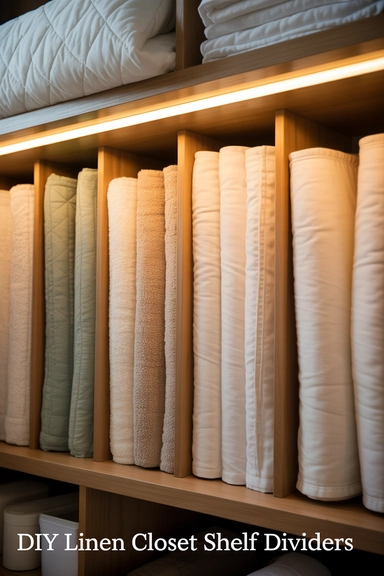
17. DIY Linen Closet Shelf Dividers
Linen closets easily fall into disorder when towels and bedding stacks lean and collapse. DIY shelf dividers built from plywood or acrylic panels keep folded items upright, preventing piles from merging into messy mounds. Defined vertical boundaries also make it easier to remove one stack without disturbing others, reducing constant re-folding work that discourages organization upkeep.
Smooth and seal divider edges to avoid snagging fabrics. Place everyday towels at mid-shelf height and guest or seasonal linens higher. Among DIY organizing solutions, shelf dividers transform linen closets into stable, breathable storage zones that resist long-term clutter buildup.
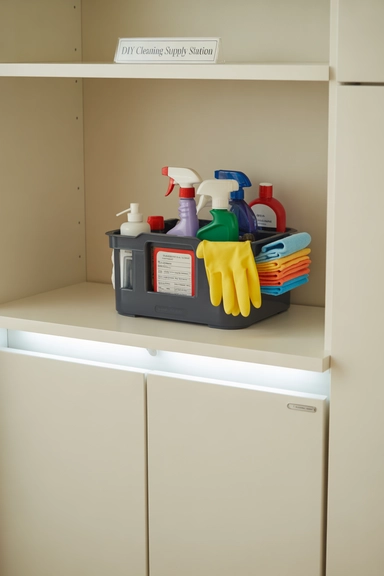
18. DIY Cleaning Supply Station
Cleaning products often spread across multiple cabinets and rooms, leading to duplicate purchases and under-sink chaos. A DIY cleaning station built from a portable caddy or small shelving unit groups sprays, cloths, brushes, and gloves in one dedicated zone. This allows supplies to travel room to room while preventing random storage across bathrooms, kitchens, and closets.
Add internal sections so bottles stay upright and separated. Store refill products in a nearby backup bin to avoid overloading the main station. Among DIY organizing solutions, centralized cleaning storage streamlines household maintenance and prevents utility clutter from invading prime storage areas.
19. DIY Toy Rotation Storage Tower
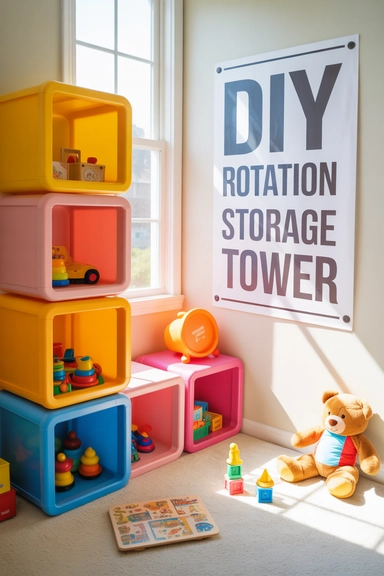
Children’s toys quickly overrun living spaces when everything is accessible at once. A DIY toy rotation tower made from stacked bins or cubby boxes creates controlled play access while storing extra toys out of sight. Rotating toys weekly keeps children engaged while preventing floor sprawl and visual overload in play areas.
Label bins by toy type to simplify sorting during swaps. Keep tower height child-friendly to encourage independent cleanup habits. Among DIY organizing solutions, toy rotation systems maintain tidy playrooms and support long-term clutter control. For additional whole-home clutter flow strategies that pair naturally with this system, 21 Genius Clutter Busting Hacks to Organize Your Home expands on practical maintenance methods.
20. DIY Kitchen Appliance Garage
Small appliances consume valuable counter space when permanently displayed. A DIY appliance garage built from cabinet-grade wood with lift-up or sliding doors hides mixers, toasters, and blenders while keeping them plugged in and ready. This preserves prep surfaces without forcing heavy appliances into deep cabinets that encourage messy stacking.
Include ventilation gaps to prevent heat buildup. Match finishes to existing cabinetry for a seamless appearance. Among DIY organizing solutions, appliance garages restore kitchen work zones and stop countertop clutter from returning after daily use.
21. DIY Weekly Reset Basket System
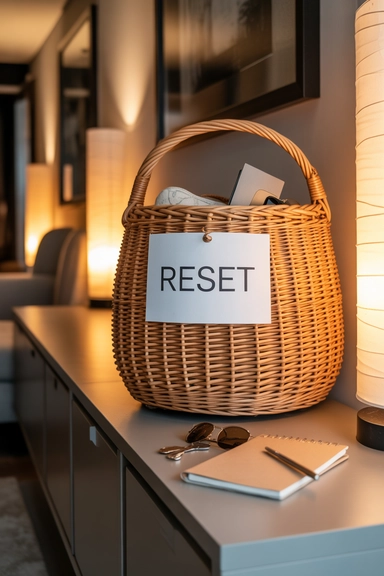
Even the best organization systems drift when life gets busy. A DIY reset basket placed in a central location collects misplaced items temporarily instead of letting them scatter across rooms. This allows quick surface clearing without interrupting daily routines, while still ensuring everything eventually returns to its proper home.
Schedule a weekly reset time to empty the basket and restore items to their zones. Keep only one basket per floor to prevent overflow. Among DIY organizing solutions, reset systems make maintenance simple and prevent slow clutter rebuild over time.
Conclusion
Effective organization is not about buying more storage. It is about designing systems that support real behavior. These DIY organizing solutions create defined zones, improve visibility, and establish easy return habits that stop clutter from spreading. When storage fits the way a home truly functions, order becomes natural instead of forced. Every room stays calmer, easier to clean, and simpler to live in every day.