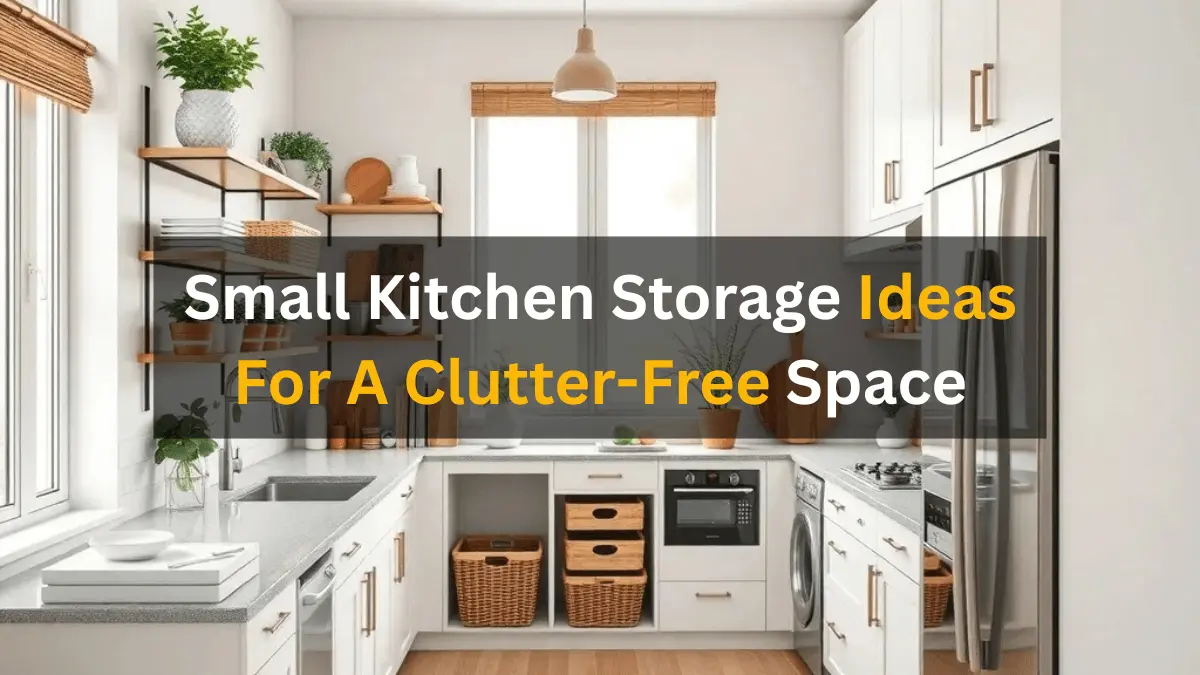
Small kitchens don’t have to feel chaotic or constantly cluttered. The real issue usually isn’t the size of the space. It’s that most organizing systems aren’t designed for how people cook, clean, and live day to day. When storage works with your real habits instead of blindly following unrealistic Instagram setups, even a small kitchen becomes far more functional and easier to live in.
The best systems reduce daily friction. They make the obvious choice the easy choice. If you’re managing a tiny kitchen and need broader context, our guide on small apartment organizing ideas covers whole-home strategies that work alongside kitchen solutions.
Over the next sections, you’ll find practical strategies that work in real small kitchens storage ideas. These aren’t Pinterest-perfect setups. They’re solutions that survive life.
Over-the-Door Storage
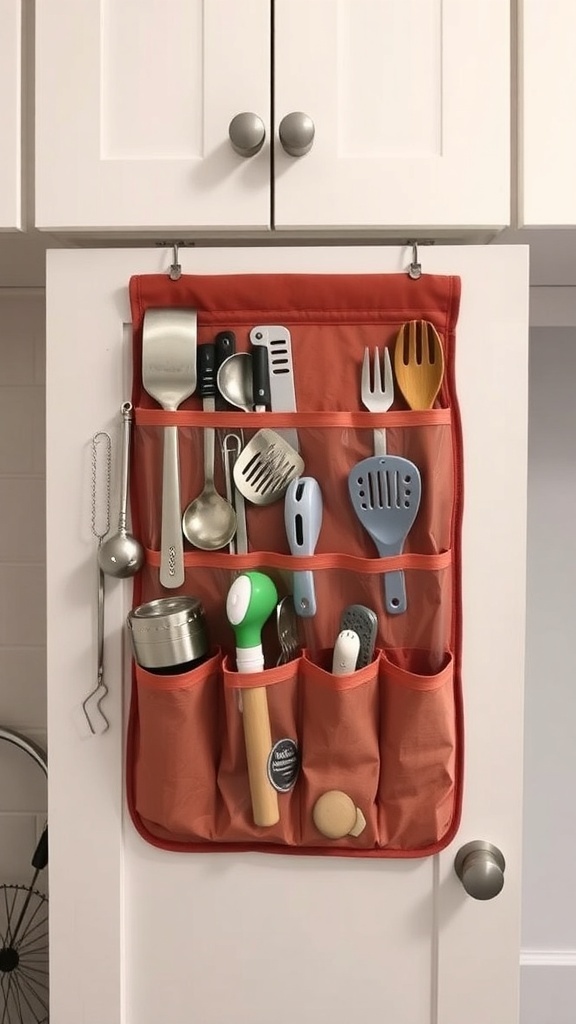
The back of a cabinet door is unused real estate. An over-the-door organizer turns that vertical space into functional storage for the tools you actually use constantly.
Multiple pockets let you separate spatulas, measuring spoons, and wooden spoons so nothing gets lost in a jumbled drawer. What makes this work is visibility—when everything hangs right there, you’re more likely to use what you have instead of buying duplicates.
In my kitchen, the colored organizers help different family members remember where things belong. The real win: every utensil hanging on that door is one less thing competing for counter space or cabinet shelf real estate.
Instead of opening three drawers looking for a spatula, you glance at the organizer. This small friction reduction compounds over hundreds of cooking sessions.
Magnetic Spice Racks
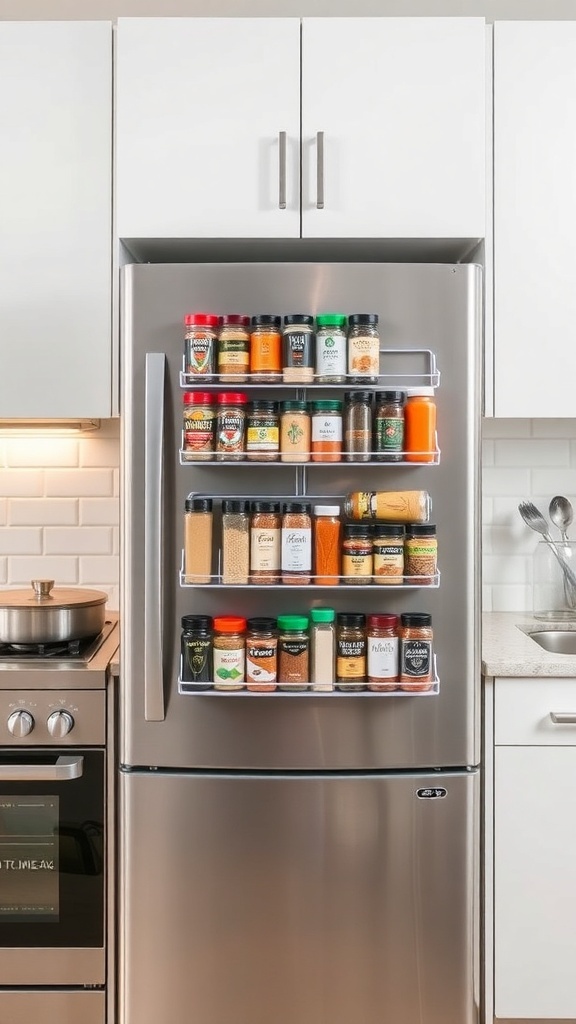
Spices multiply without you noticing. Then they scatter across three different shelves and drawers. A magnetic spice rack mounted on your refrigerator uses vertical space that typically goes completely unused.
When you can see all your spices at once, you stop buying duplicates. You notice when something’s expired instead of discovering it two years later.
In apartment kitchens with minimal cabinet space, this visibility is non-negotiable.
One honest note: magnetic spice systems need regular maintenance. Jars get grimy (fridge dust plus oil residue). The strip needs occasional wiping. But knowing what you own and grabbing it without searching makes it worth the minimal effort.
Turn Awkward Kitchen Corners Into Useful Storage

Corners are awkward to access, so they go completely unused while the rest of your tiny kitchen overflows. A corner shelving unit fits snugly into that dead zone and transforms it into practical storage.
Be realistic about what corners work for. Frequently used items don’t belong in corners—they’re inconvenient to reach. Store occasional-use items instead: serving pieces, specialty cookware, extra glasses. Plants bring life to an otherwise empty, dark corner.
In apartment kitchens, corners represent unused square footage you’re literally paying for. Using them matters.
Under-Sink Organization

The under-sink area becomes a dumping ground in small apartments. In tiny kitchens, this cabinet holds cleaning supplies by default because there’s nowhere else to put them. Clutter compounds: spray bottles get shoved in without order, sponges migrate, extra bottles accumulate.
The real problem: under-sink cabinets have built-in issues. Pipes take up space. Water damage risks mean you can’t store anything valuable. Items are hard to reach without practically climbing inside.
But ignoring this space wastes room you can’t afford to lose.
Accept that this cabinet will hold cleaning supplies. Then maximize it using clear bins, pull-out organizers, and vertical risers. Label everything so items get returned to their actual home instead of shoved back haphazardly.
One specific thing: keep only what you actively use. That half-empty bottle you bought on sale three years ago? It’s taking up premium storage space. Be ruthless with expiration dates.
Rolling Carts for Extra Space
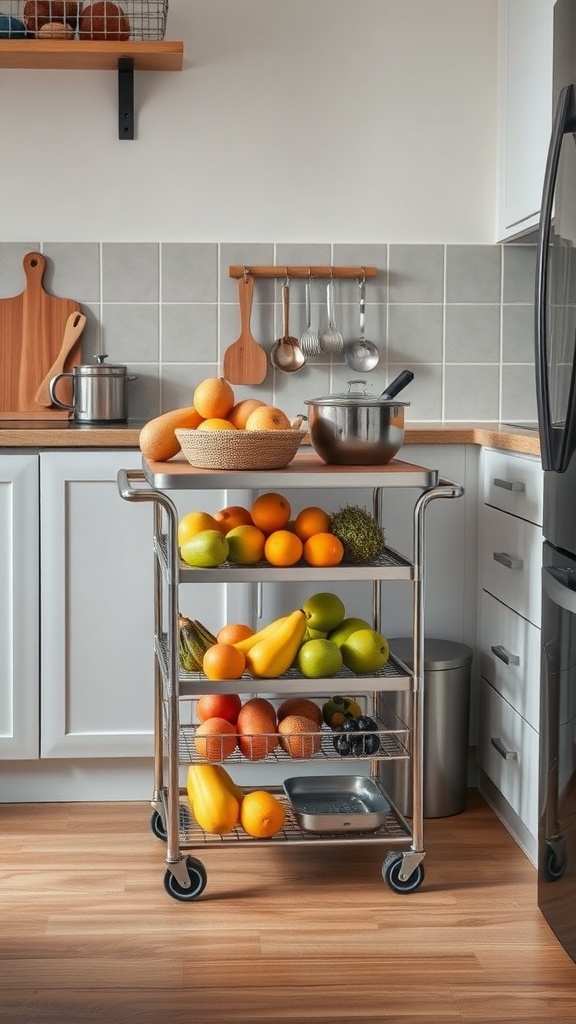
I’ve noticed rolling carts become clutter magnets when they don’t have a specific purpose. You need extra storage but can’t mount anything or make permanent changes. For renters managing tiny kitchens, a rolling cart gives flexibility that built-in solutions can’t match.
The genius: they move with you. Renting next year? The cart comes along. Need the space temporarily for something else? It slides into another room. In small apartment kitchens where every inch serves multiple purposes, this matters.
Use them strategically. Stock the cart with items you actually grab regularly—fruits, coffee supplies, baking ingredients that don’t fit elsewhere. You see what’s there, so you notice when supplies run low.
Don’t make it a “miscellaneous stuff dump.” Carts become clutter on wheels fast. In tiny kitchens, tuck them into corners or under windows when not in use. The space you gain during cooking hours offsets the small footprint.
Wall-Mounted Pot Racks
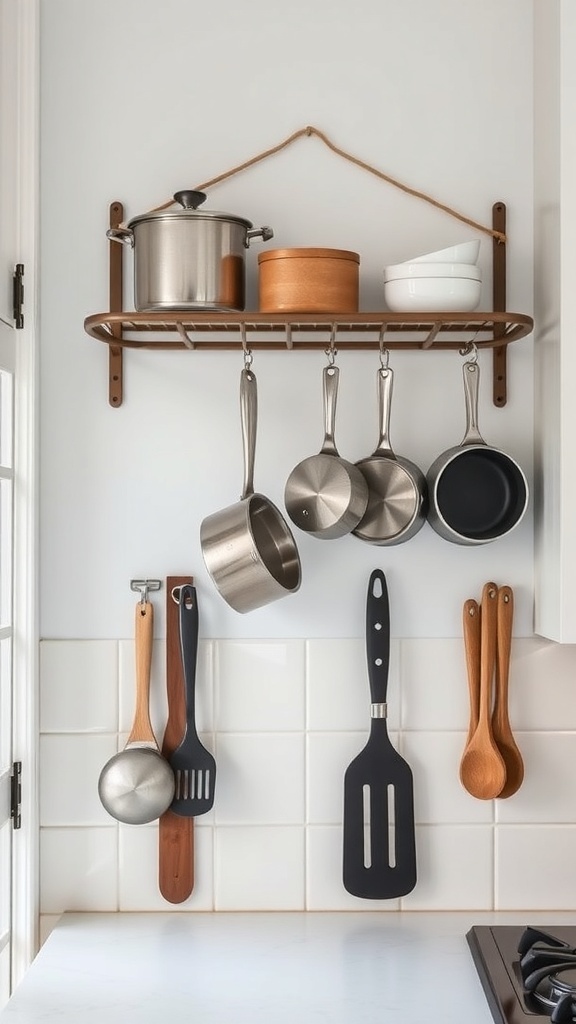
Wall-mounted pot racks free up cabinet space by moving your most-used cookware to the wall. In a small kitchen, this matters—cabinets are premium real estate. Every pot on a rack is space you recover for pantry items, dishes, or appliances.
Here’s the thing competitors gloss over: hanging pots only works if you actually use them regularly. Pans you use three times a year don’t belong on a wall rack. They belong in a cabinet gathering dust invisibly. This system works for go-to cookware, not your whole collection.
Yes, it looks nice. But the real value is functional. You grab your most-used pans without digging through cabinets. Your hands find the right pan faster. Weight matters—if you have heavy cast iron, make sure your wall can actually support it. A falling pot rack is a kitchen disaster.
Pull-Out Pantry Drawers

Items disappear into the back of deep cabinets. You buy something, forget you have it, buy it again. This duplication happens because deep cabinets have a visibility problem—items in the back might as well not exist.
Pull-out drawers make everything visible and accessible without the awkward bend-and-reach of traditional shelves. Slide the drawer open and see everything at once. It sounds simple, but this visibility difference is the entire reason these work.
Organization within the drawers matters: spices together, baking supplies together, sauces together. When items have zones, people know where things belong and actually return them there.
The trade-off is installation. You need functioning cabinet space to modify, and installation takes time or money. In a rental apartment kitchen, this might not be possible. But in a home you own, this is one of the better investments for space-saving kitchen storage.
Vertical Kitchen Storage That Frees Up Counter Space

When space is tight, vertical storage becomes essential. Instead of spreading items across a deep cabinet, you stack them up. This maximizes usable storage by using wall height instead of floor depth.
Tall, narrow shelving units work better than wide, shallow ones in small spaces. A 12-inch-deep shelf with 60-inch height uses less floor space than a 24-inch-deep shelf at 36 inches—but holds almost as much because you’re stacking upward. This is the core principle: go vertical, not horizontal.
Accessibility matters. Daily-use items go at eye level. Seasonal items go at the top. Heavy items stay lower. If you have to get a step stool every time you need something, you’ll stop using the system.
The real insight: vertical storage exposes your choices. With open shelving, you see exactly how much stuff you have. This creates natural pressure to keep quantities reasonable. A deep cabinet lets clutter hide; open shelving doesn’t.
If your kitchen feels impossible to manage daily, these tiny kitchen organization ideas focus on realistic layouts and storage systems that work in genuinely small spaces.
Baskets for Clutter Control

A shelf full of loose items reads as cluttered. The same items in baskets reads as organized, even if nothing has changed except visibility. This psychological effect is real and matters in small apartment kitchens where every square foot is visible to everyone.
Choose baskets that actually fit your shelves. A basket too large looks awkward; one too small defeats the purpose. They should nest together so when you’re not using the space, you can stack them compactly.
Natural materials (woven, rattan, seagrass) look warmer than plastic, but plastic is more durable and easier to clean in kitchens with steam and splashes.
Label everything. This is non-negotiable in apartment kitchens where multiple people cook. When everyone knows “baking supplies” lives in the blue basket, items stay in the blue basket instead of migrating to three different locations.
Once a month, empty and reorganize baskets. Otherwise they become holding zones for stuff you forgot about.
Compact Kitchen Islands
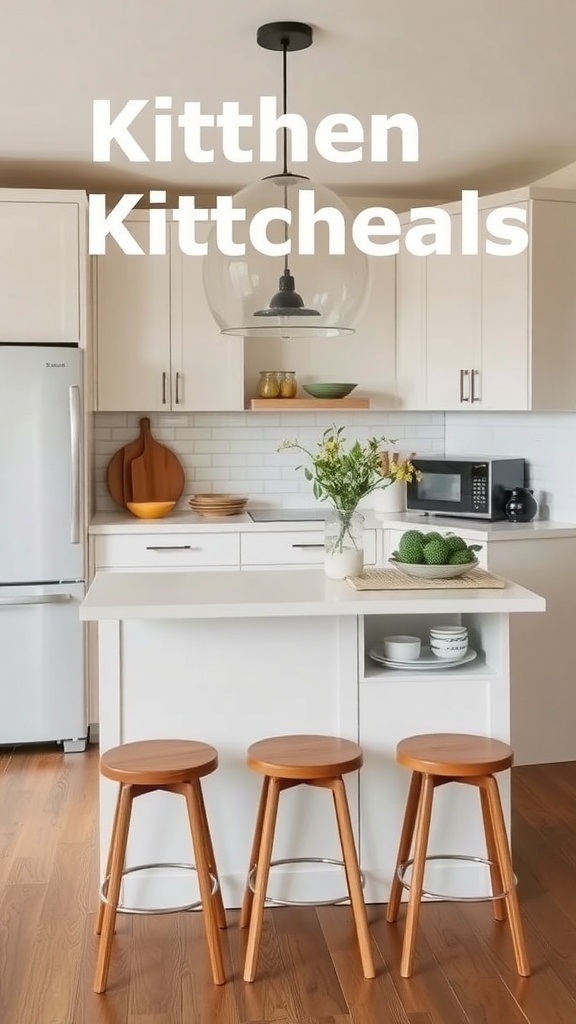
A compact kitchen island adds both counter space and storage in a small kitchen without a full renovation. They sit at the intersection of functionality and design—and in a real kitchen, functionality wins.
Here’s the honest truth: an island only works if it doesn’t steal workspace. In a tiny kitchen, an island can actually make things worse by blocking movement and reducing your actual prep space.
Before buying, measure your kitchen’s workflow. Can you move around the island comfortably? Is there enough space to open cabinet doors and drawers fully?
If it works spatially, the island becomes invaluable. Stools provide informal seating. Shelving adds storage. The countertop extends your prep area. In apartment kitchens with no other counters, this transforms the space. The real value is psychological—an island creates a gathering point instead of a galley corridor.
Clear Containers That Stop Pantry Clutter Fast
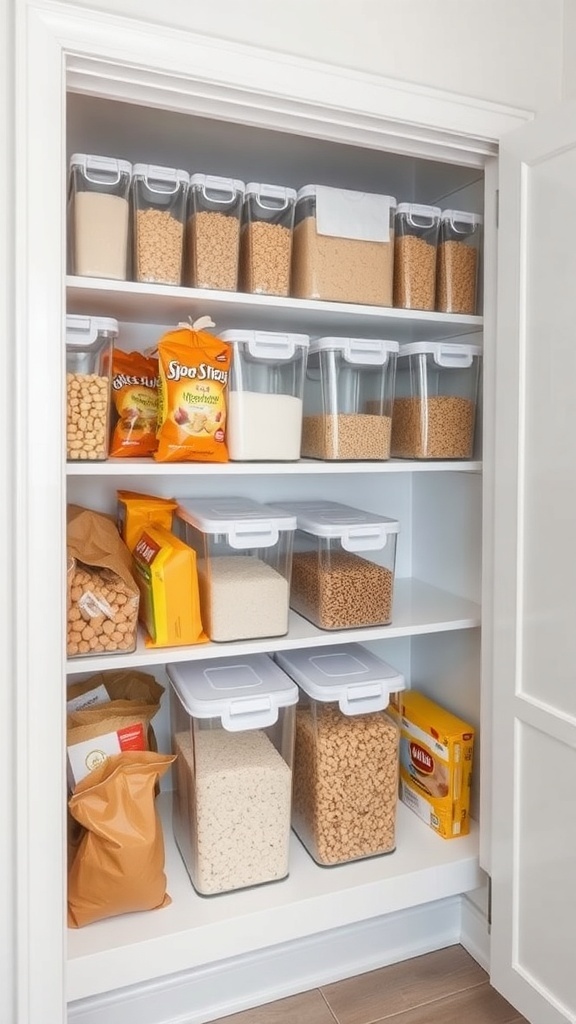
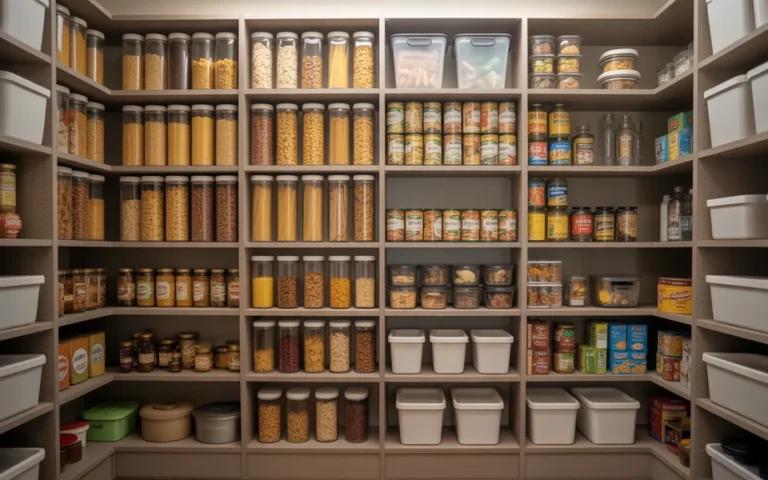
I have experienced that Clear storage containers are foundational for apartment kitchen organization. They let you see exactly what’s on hand without opening every container. This visibility is critical when space is limited and you can’t afford duplicate items.
Labeled, uniform containers reduce daily decision-making. You know immediately what you have and where it lives. Fewer daily micro-decisions means more mental energy for actual cooking instead of “where did I put the flour?”
But clear containers create their own friction. Condensation forms, especially in humid climates or pantries. Humidity degrades food quality. Lids get mismatched. Over time, containers crack or discolor. They require maintenance.
Invest in quality containers that actually seal well. Cheap containers cut corners on lid fit, which defeats the purpose.
One specific detail that saves enormous space: store lids separately from containers. A stack of flat bottoms takes half the space of bottoms-with-lids. Lids stack in their own compact pile.
Tiered Serving Trays
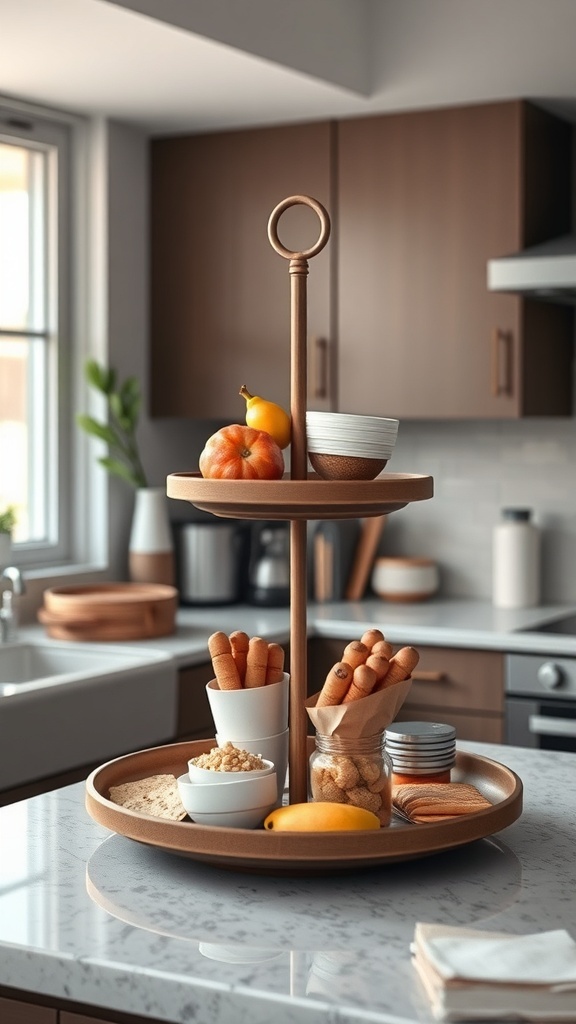
Tiered serving trays maximize vertical space on horizontal surfaces. A countertop that holds one level of items now holds three. Everything on the tray is immediately visible, so you notice when supplies run low and prevent duplicate purchases.
This works best for items that are functional but also add visual interest. Fresh lemons on a tray look intentional and decorative, not like clutter. In apartment kitchens where the kitchen is visible from living areas, this dual function—storage plus aesthetics—matters.
The trade-off: tiered trays work best with lightweight items. Heavy cookware or dense items make the tray unstable. The purpose is usable vertical storage in places where traditional shelving isn’t possible.
Drawer Dividers for Utensils
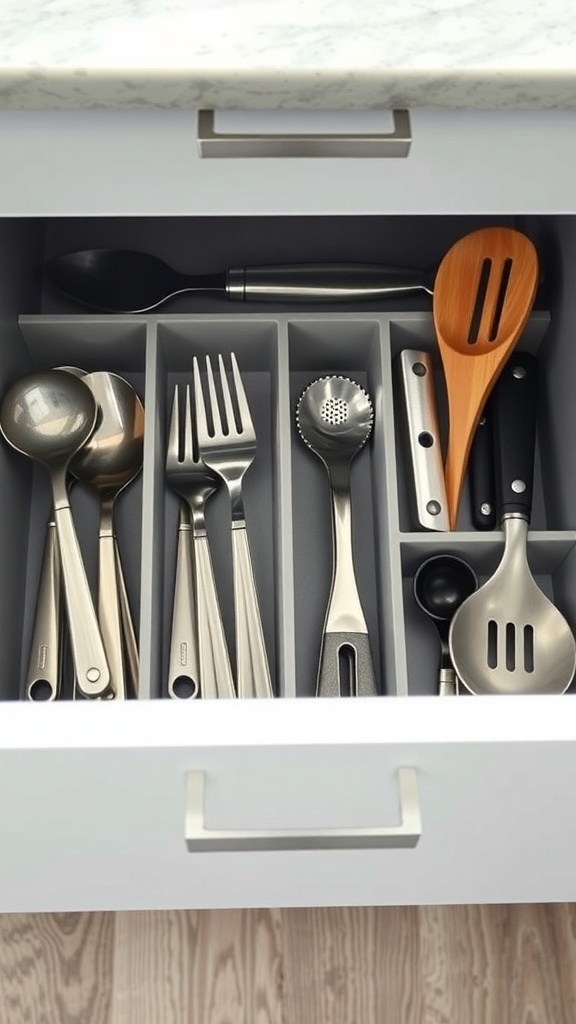
Drawer dividers prevent the utensil tangle that happens when everything mixes together. A divided drawer keeps spatulas in their zone, measuring spoons in their zone, wooden spoons in their zone. This separation is the entire system.
When items have designated spots, family members actually return them there instead of shoving them back anywhere. The physical divider creates a visual cue: “spoons go here” is obvious when there’s a designated space waiting.
Even one organized drawer makes a noticeable difference in how a small kitchen feels. The chaos is contained to other drawers; at least one drawer stays functional.
Build from there. Adjustable dividers work better than fixed ones because kitchen needs change seasonally and based on what you’re cooking.
Foldable Furniture Options
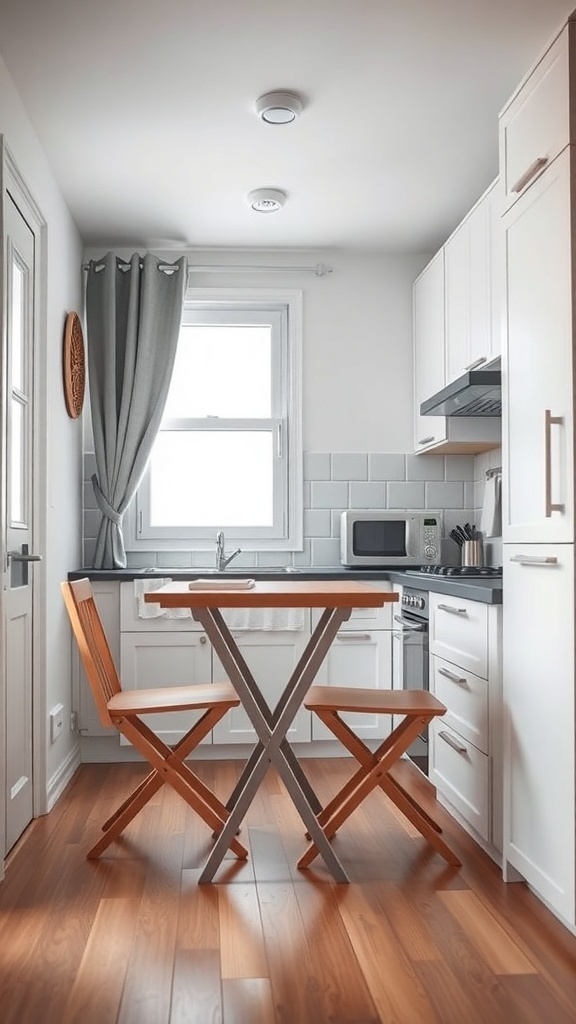
In tiny kitchens, you need a table but don’t have space for a permanent one. A foldable table gives dining space when you need it and disappears when you don’t. This flexibility is essential in apartment kitchens where every inch serves double duty.
The trade-off is stability. Foldable tables aren’t as sturdy as permanent ones. They take up storage space when folded. But the space you gain during cooking hours often outweighs this cost.
I’ve found foldable tables work best in kitchens where counter space disappears during cooking. Foldable chairs are worth it too, especially in rentals. When guests come, chairs appear. When they leave, fold them and tuck them into a closet. This flexibility is impossible with regular furniture.
A foldable setup acknowledges that your kitchen is tight and designs around that reality instead of fighting it.
Utilizing Cabinet Doors

Cabinet doors have two usable surfaces: outside and inside. The inside is overlooked in most kitchens. Hooks, magnetic strips, or narrow shelves mounted on the inside create bonus storage for items you use frequently.
Measuring cups, spice jars, dish towels, potholders—all live better on a door than taking up valuable shelf space. You open the cabinet and immediately see what you need. Installation is simple with adhesive hooks or command strips if you rent.
Not everything should go on a cabinet door. Heavy items stress the hinges over time. Anything you grab multiple times per day benefits from door storage. Everything else should have permanent shelf space.
This distinction matters in small apartment kitchens where you’re optimizing every inch intentionally.
Hanging Baskets for Produce

Hanging baskets keep fruits and vegetables corralled in one spot instead of rolling around your counter or wilting in the crisper drawer you forgot about. You see what you have and use it before it spoils.
In apartment kitchens with minimal counter space, hanging baskets free up real estate while keeping produce accessible. You reach for an apple without searching through cabinets or drawers. Open design allows air circulation, which matters for onions and potatoes that need ventilation.
The trade-off: hanging baskets don’t protect produce from light or insects the way closed storage does. This works best in clean kitchens where pest pressure is minimal. If you have fruit flies, baskets might not be the solution.
For basic produce storage, they’re efficient and uncluttered.
Hidden Storage in Furniture
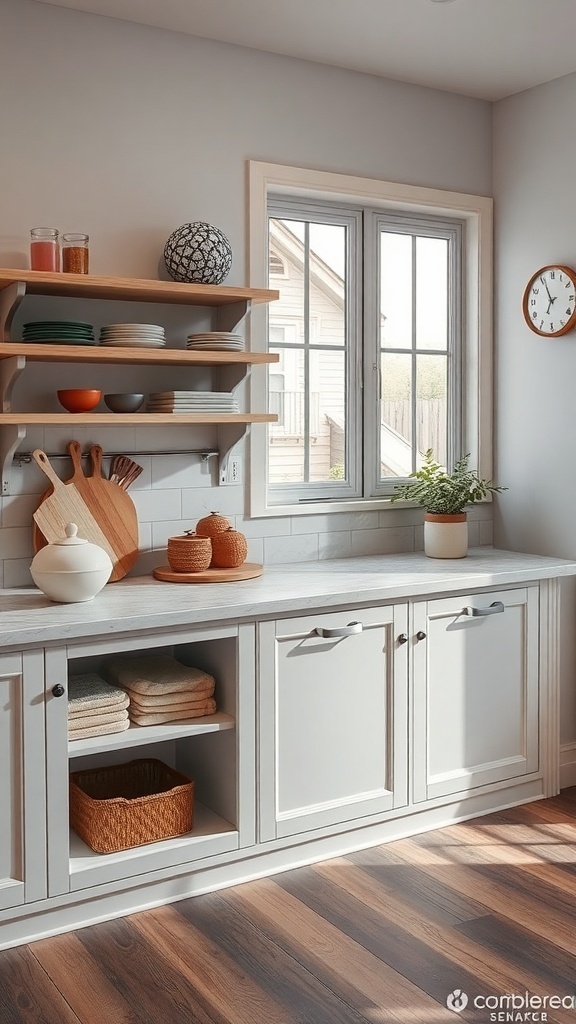
Hidden storage in furniture leverages pieces that work double duty. A bench with a lift-up seat holds linens or kitchen towels. A cabinet with decorative boxes hides less-attractive items. A built-in window seat becomes a storage zone for baking sheets and serving dishes.
When things are hidden but accessible, they don’t contribute to visual clutter. A kitchen with visible clutter feels smaller and more chaotic, even if the absolute quantity of items is identical. Hidden storage solves this psychological problem while maintaining accessibility.
In apartment kitchens, this approach works when you’re strategic about what gets hidden. Everyday items should stay visible and accessible. Occasional-use items, seasonal decorations, and overflow items benefit from hidden storage.
Under-Cabinet Lighting with Storage
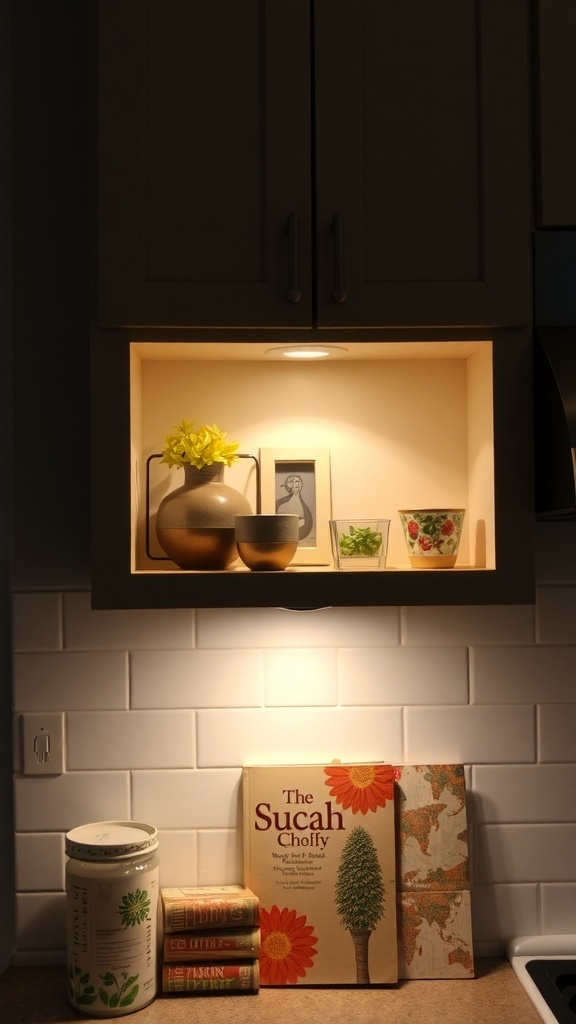
Under-cabinet lighting serves two functions: it illuminates your workspace and makes it easier to find what you need. When you can see clearly into a cabinet, you’re less likely to buy duplicates or forget what you own. The lighting also makes small kitchens feel larger and more open.
Some under-cabinet systems include narrow shelves or hooks that add functional storage without taking up wall space. These work best for frequently used items that benefit from being right above your prep area.
One consideration: lighting collects dust and requires occasional cleaning. LED systems use less electricity and generate less heat, which matters in small kitchens where heat buildup is already a concern.
Repurposed Furniture for Storage

Repurposed furniture—a vintage dresser becoming a kitchen storage station, a bookshelf becoming a pantry—offers solutions that look intentional instead of makeshift. The pieces have character and personality that standard containers can’t match.
The practical reality: repurposed furniture works best when it fits your kitchen’s workflow. A dresser needs to be at a height that’s convenient for everyday access. Shelving needs to support the weight you’re actually storing. A beautiful vintage piece that’s inconvenient to use becomes decorative clutter, not functional storage.
In small apartment kitchens, repurposed furniture can solve space problems while adding design interest. Choose pieces intentionally rather than just filling empty corners with salvaged items.
Utilizing Vertical Dividers
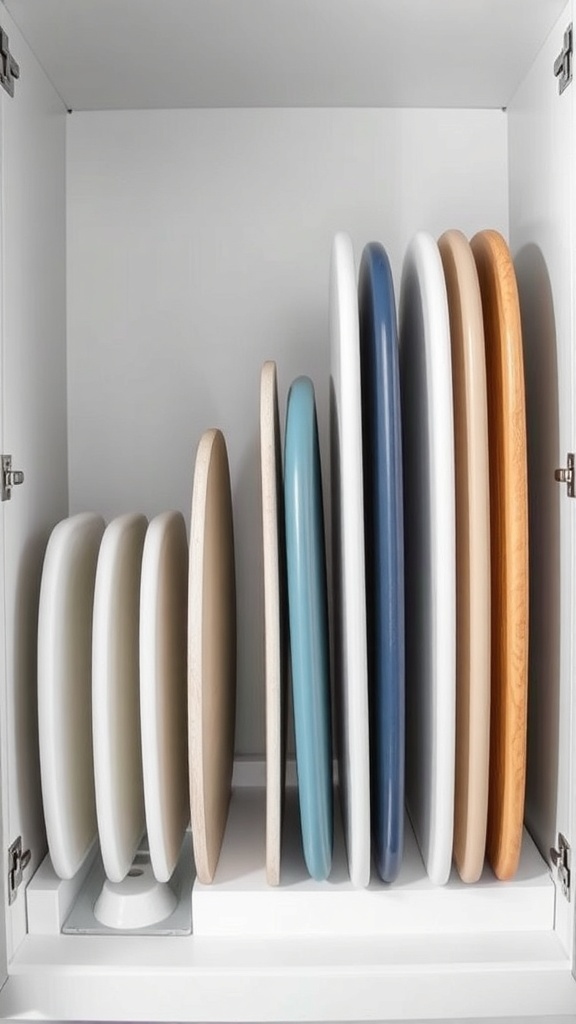
Vertical dividers keep plates and cutting boards organized without wasting space. Instead of stacking plates on top of each other (which wastes vertical space and makes them hard to access), vertical dividers let you store them like vinyl records. You see every plate and grab what you need without disturbing others.
This system works for multiple things: plates, cutting boards, baking sheets, serving platters. Anything flat benefits from vertical storage. In small apartment kitchens where cabinet space is limited, this approach maximizes efficiency.
The setup: basic wooden or plastic dividers cost very little. Adjustable dividers let you customize spacing for different items. The psychological benefit is visible organization—you see what you have, which prevents buying duplicates.
Skinny Shelves That Fit Tight Kitchen Gaps

That awkward 6-inch gap between your refrigerator and wall can hold a rolling spice shelf for canned goods, oils, and snacks. In apartment kitchens and tiny spaces, this efficiency matters.
These shelves are ideal for spices, condiments, cookbooks, or small appliances you use occasionally. The key is not overloading them. A shelf that’s too crowded becomes unstable and hard to access. Better to use two narrow shelves than one overstuffed one.
Installation is straightforward, and many narrow shelves use adhesive strips for renters. The space-saving benefit in a small kitchen justifies even modest costs..
Custom Cabinet Ideas for Extremely Small Kitchens
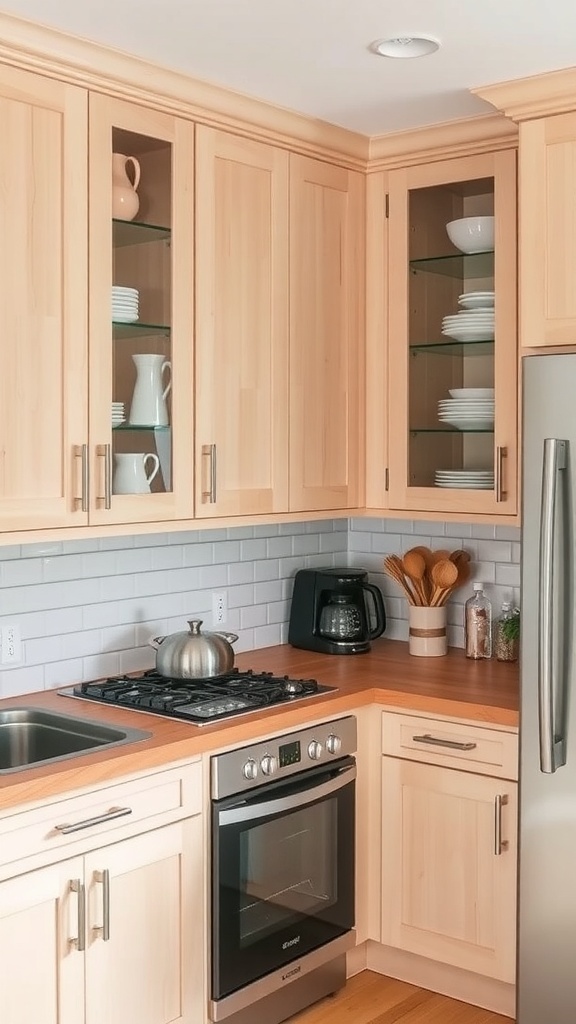
When space is extremely tight, custom cabinets designed specifically for your kitchen can solve problems that standard furniture can’t. Pull-out shelves, built-in organizers, glass doors that make contents visible—these customizations add functionality.
The reality: bespoke solutions cost more than off-the-shelf options. They’re worth it only if you’re staying in your home long-term and using the space intensively. In a rental or temporary situation, standard organizing solutions make more financial sense.
Custom work requires planning. Before commissioning anything, live with your kitchen for at least a few months. Understand your actual workflow and pain points. Design storage around real needs, not theoretical ideals.
Stackable Organizers That Maximize Tiny Cabinets
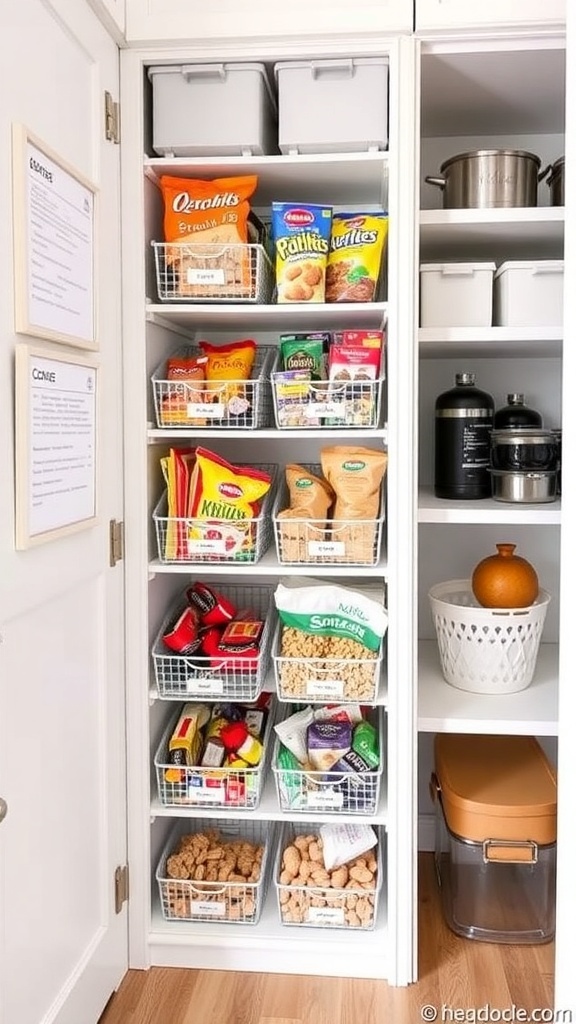
Stackable storage solutions maximize vertical space using modular containers that nest together when not in use. The genius is flexibility: add containers as you need them, remove them if your needs change. In apartment kitchens and small spaces, this adaptability is invaluable.
Stackable baskets, bins, and cubes work best when you’re intentional about what they hold. A basket for baking supplies, one for spices, one for canned goods. When items have zones, people know where things belong and systems stay organized.
Empty and wipe stackable storage monthly. As items shift and settle, systems develop gaps and inefficiencies. Regular resets prevent clutter from accumulating invisibly.
Smart Use of Wall Space

Wall space is premium real estate in a small kitchen. Every vertical inch should serve a purpose. Pegboards, hooks, magnetic strips, floating shelves—these all add storage without consuming floor or counter space.
Be honest about what you actually use. If something gets used daily, it deserves prime wall space. If something gets used quarterly, it should go in a cabinet. The most accessible wall space should hold your most-used items.
In apartment kitchens visible from other rooms, wall storage should look intentional. An organized pegboard with hanging utensils looks designed. The same items hanging haphazardly look chaotic.
Multi-Functional Kitchen Accessories

When every tool you own needs to earn its space, multifunctionality becomes essential. You can’t afford single-use gadgets.
A wooden spoon that also works as a spatula, a measuring cup that doubles as a mixing bowl, utensils that do multiple jobs—these aren’t luxury items in a small kitchen, they’re practical decisions.
A garlic press that only presses garlic is less valuable than a tool that also crushes herbs and ginger. Quality multifunctional tools often cost less than buying five single-use items.
For renters and small apartment dwellers managing tiny kitchen storage, this philosophy saves both money and space. Check out our guide on organizing on a budget for more strategies on choosing storage solutions that work with limited resources.
✅ Conclusion
Small kitchens don’t have to feel cramped or cluttered. The best organizing systems aren’t the most beautiful ones—they’re the ones that stay organized because they’re easier to maintain than letting items pile up.
The strategies in this guide aren’t about perfection. They’re about function. A kitchen where you find what you need quickly, where items naturally return home, and where you actually use what you own is a kitchen that works.
Start with one section. Even one organized drawer matters. Build momentum. Within a few weeks, your small kitchen will feel less like a puzzle and more like an actual functioning space.
Sarah Mitchell’s Take
I’ve watched my own small kitchen transform not through a single organizing overhaul but through gradual, realistic improvements. Adding vertical shelving here, implementing a pull-out drawer there. Each change reduced a specific friction point.
The kitchen still isn’t minimalist, but it works because it’s designed around how my family actually cooks and lives. Small kitchens require intentionality, but that’s not a limitation—it’s an advantage. You can’t ignore the space or let it evolve haphazardly. Every choice matters, and that forces you to be honest about what you actually need and use.