
Introduction
Fourteen bags full of trash. That is how many trash bags I filled the first time I actually decluttered my house instead of just moving things around. For years, I thought I needed better storage bins and shelves.
The problem was not the space itself, it was just having too many unnecessary stuff. The things to get rid of were clear once I stopped thinking I may need them later. Old gym equipment I hadn’t touched in the last two years. Expired food I kept “just in case.” Old clothes. Gadgets still in their original packaging.
If you haven’t read Pro Organizing Hacks to Declutter Your Space yet, you are probably already making the mistake that costs most people an entire season. This list goes room by room. No negotiating with yourself.
Unused Exercise Equipment
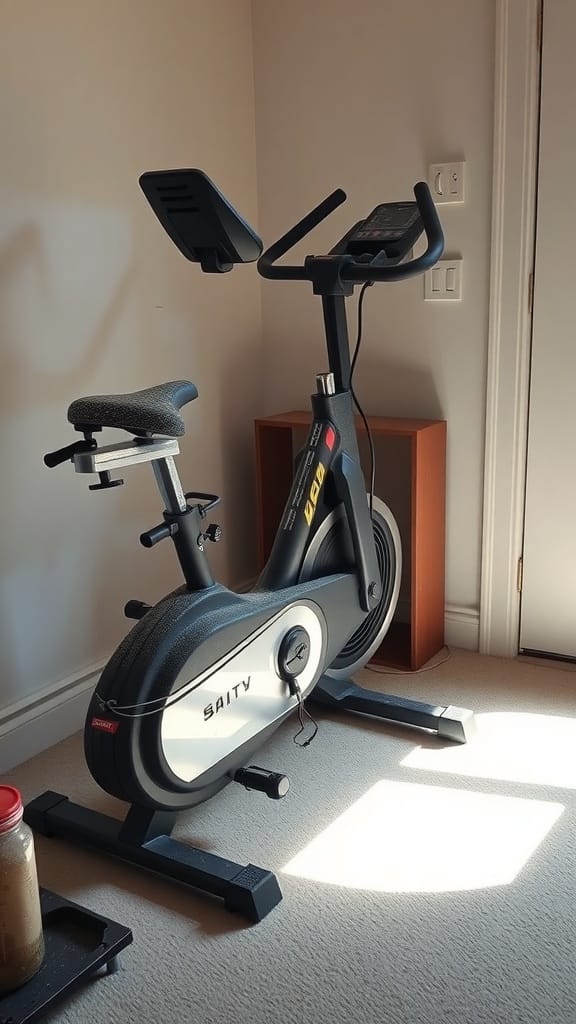
That treadmill I bought for keeping myself fit and healthy, but I never developed a habit, so I have been using it as a coat rack for the last one year. The difference between keeping fitness equipment and using it comes down to access and habit, and if the habit never formed, the equipment is not going to change that now.
The day you stop using the equipment, it turns from a tool into a source of low-grade guilt every time you walk past it. The guilt of wasted money and clutter, and it costs you something every single day, even the space.
Sell it, donate it, or give it to a local community center. Someone actively looking for affordable fitness gear will get real use from it, and you will get your room back. The freed space opens up actual room to move, which does more for your fitness than a dusty treadmill ever will.
Old Clothing You Never Wear
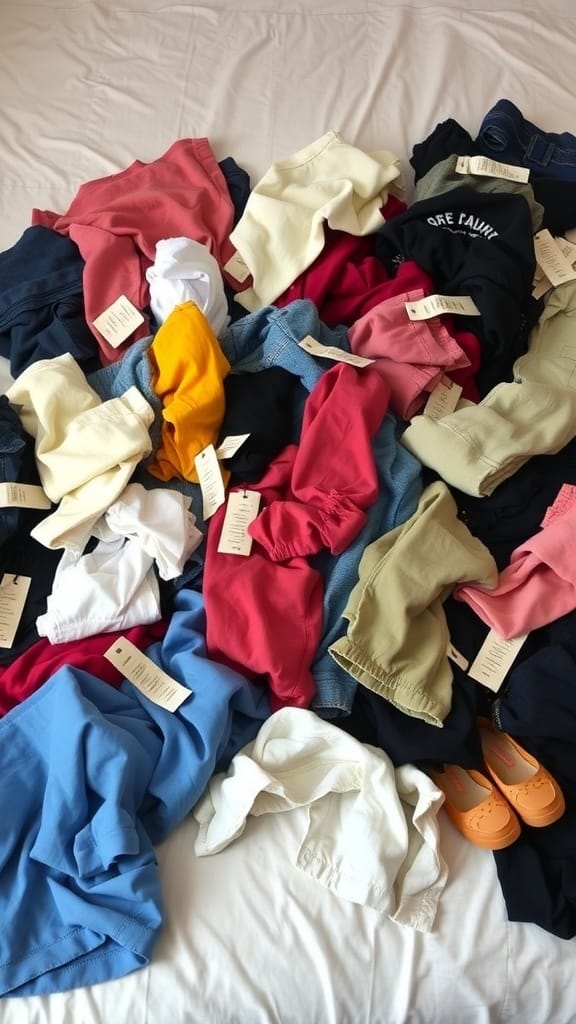
The tags are still on three of them. I found this exact situation in my own closet last spring, and those tagged pieces had been hanging there for over a year. Clothes with tags still attached are not future outfits. They are purchases you already regret.
I know it’s hard, but you have to start at some point. Go through every piece with one question: did I wear this in the last twelve months? Not “would I wear it” or “could I wear it.” Did you. If the answer is no, put it in the donate pile without negotiating. Style shifts, bodies shift, and what you imagined wearing and what you actually wear are almost never the same thing.
Donation centers, Buy Nothing groups, and clothing swaps all work well here. Anything too worn to donate can go to textile recycling. A closet that only holds things you actually wear is easier to navigate every single morning.
Expired Food Items
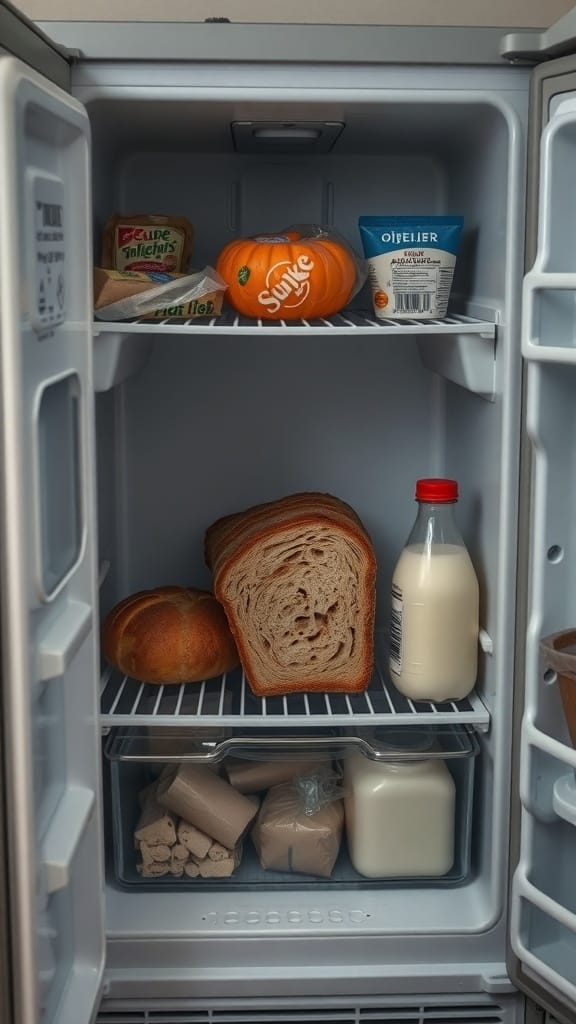
When I checked my own kitchen, I found items that had been sitting there for months. I pulled everything out of my pantry shelves and refrigerator and looked at the dates. This is the part people usually skip. Most kitchens have at least a dozen expired items hiding behind fresher ones, and some of them have been there for years.
Expired condiments are the worst offenders. Hot sauce, salad dressing, specialty pastes you bought for one recipe. They sit at the back of the refrigerator taking up shelf space and making the fridge harder to organize. A clear-out takes twenty minutes and the result is a fridge where you can actually see what you have.
While you are at it, check the pantry for canned goods past their best-by dates and dry goods that have gone stale. Stale flour, expired baking powder, and ancient spices that have lost their potency are not saving you anything by staying on the shelf. Toss them and restock only what you use regularly.
Unused Kitchen Gadgets
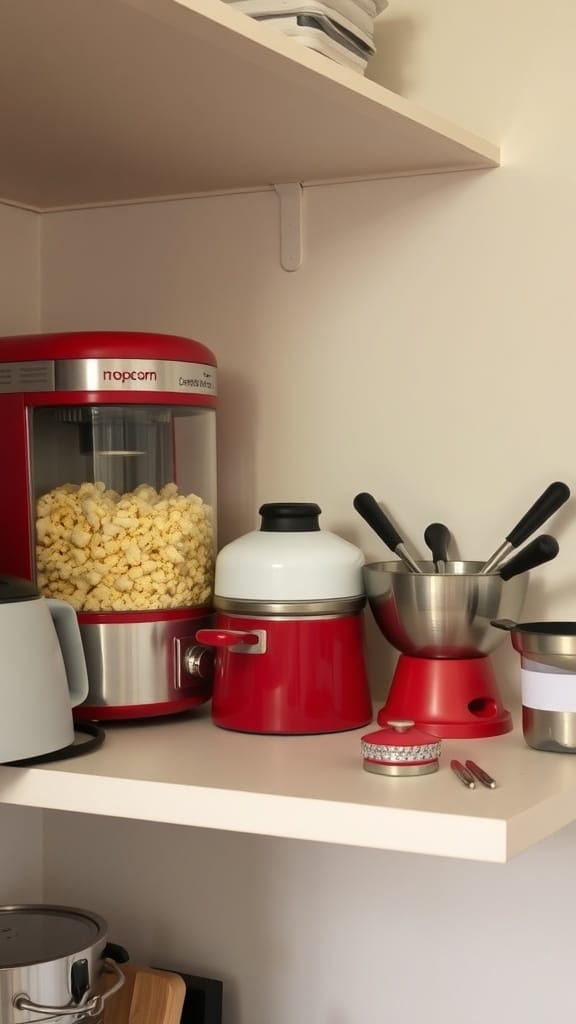
The waffle iron, the spiralizer, the mandoline slicer still in its box. These three things were sitting on my shelves taking up about four linear feet of cabinet space, and I had used exactly one of them in the past three years. The waffle iron, twice. That was the year I decided gadget guilt was not a good enough reason to keep something.
Unused gadgets do not just take up physical space. They create visual clutter every time I open the cabinet, and they make the tools I actually use harder to reach. If I have to move three things to get to my everyday pan, those three things are in the way..
Keep what you use at least monthly. Anything used once a year or less is taking up prime real estate for nostalgia. A popcorn maker is fun. So is an uncluttered kitchen where you can find your spatula without excavating the drawer.
This is where most setups quietly fall apart. Removing gadgets without reorganizing the space just spreads the remaining items out, and the problem returns within weeks.
If your home still feels messy even after clearing things out, this small space storage system works much better → small space storage ideas.
Broken Electronics
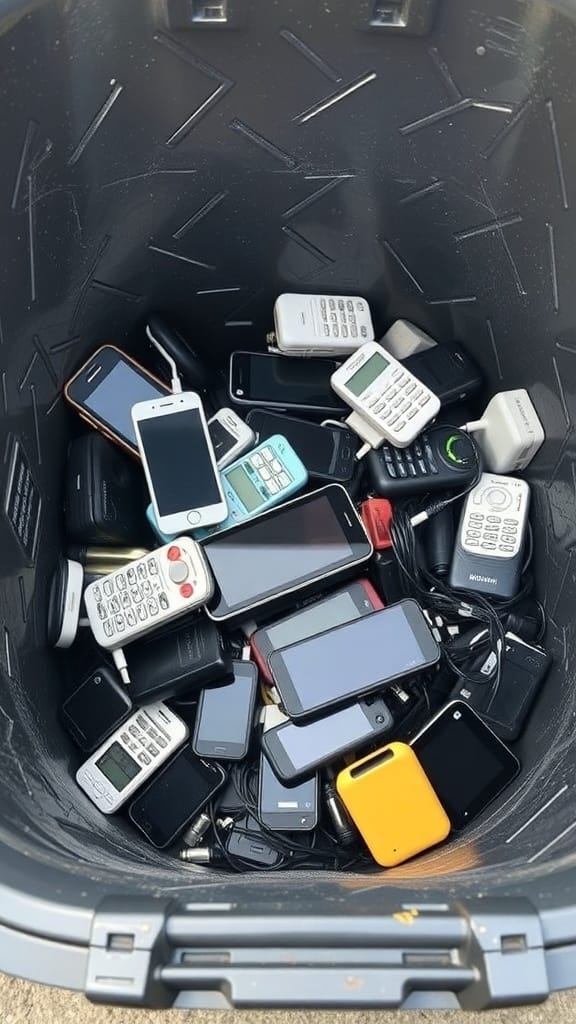
A bin of dead phones, tangled chargers with no matching devices, and a tablet with a cracked screen that you keep saying you will get fixed. These items have lived in a drawer or a box far longer than any repair timeline ever justified.
Broken electronics sit in a category of their own because they feel like they have financial value. They probably did once. But a phone you stopped using three generations ago has depreciated to near zero, and keeping it in a junk drawer does not recover that value.
Many cities have electronics recycling drop-off programs. Big box retailers like Best Buy accept old devices at no charge. Remove personal data before dropping anything off, then let it go. Cables and chargers that do not match any device you currently own go with them.
Cord and Cable Organization Hacks is the step most people miss, and it shows immediately in how fast a cleared space fills back up with tangles and mystery cords.
Books You’ll Never Read
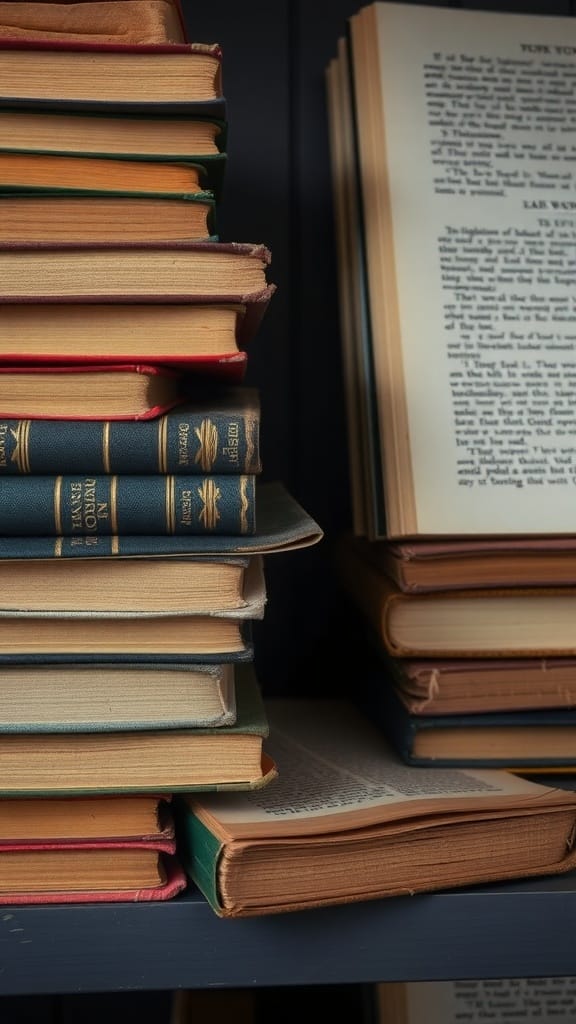
Not the ones you loved. Not the ones you plan to read this summer. The ones you bought, skimmed the back cover of, and shelved with every intention of getting to them. Those have been waiting patiently for two, five, sometimes ten years.
A bookshelf should reflect who you are, not who you thought you would become when you bought a particular title. If you look at a book and feel nothing except a vague sense of obligation, that book is not serving you.
Libraries accept donations. Little Free Libraries take single copies. Used bookstores will trade or buy in some cases. Letting go of books you will never read is not giving up on reading. It is making room for books you will actually open..
Old Toys and Games
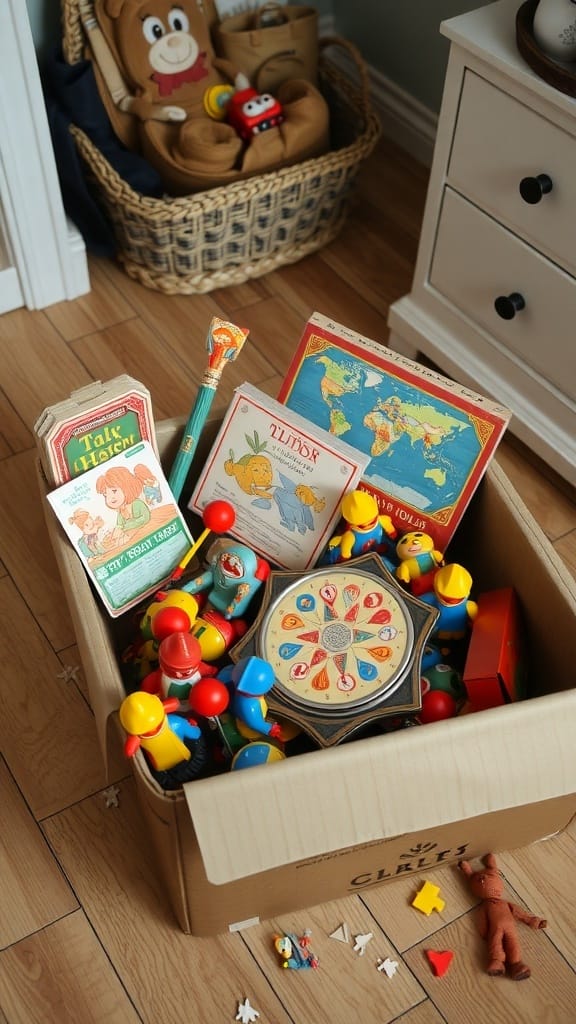
The box in the garage with the broken action figures, three incomplete board games, and the foam dart gun that lost all its darts in 2019. Nobody has touched it in years, and nobody is going to.
Children outgrow toys faster than most parents realize, and holding onto items past that window does not preserve the memory. Taking a photo of a favorite toy before donating it is a genuinely good approach, and one I still use. The image exists. The object no longer needs to.
Sort by condition. Anything broken beyond use goes out. Anything gently used goes to donation centers, children’s hospitals that accept toys, or families with younger kids who will actually play with them. Games with missing pieces are not donatable, so be honest about what is actually salvageable.
Outdated Decor
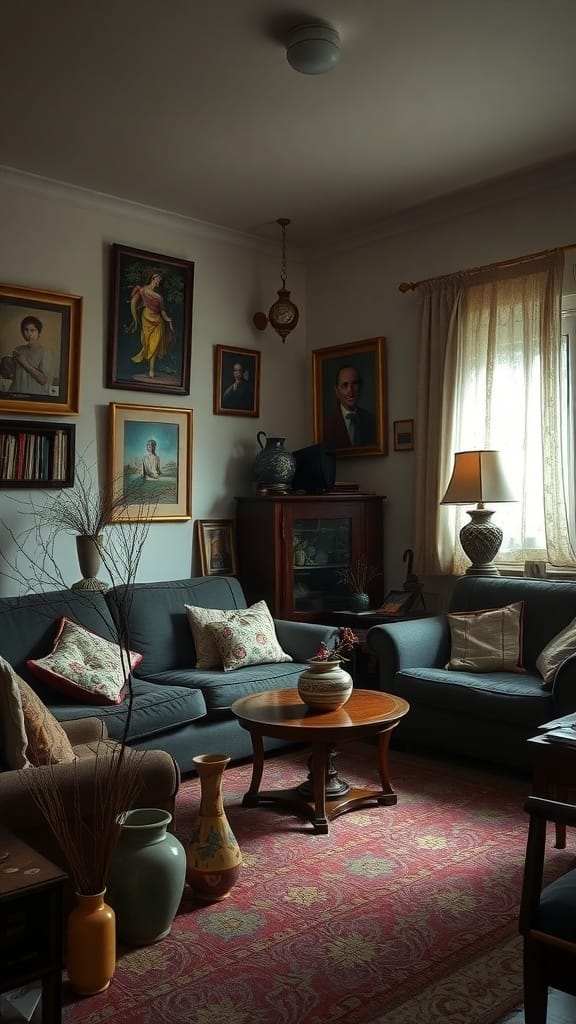
Some of it you notice immediately. The ceramic rooster from 2009. The decorative word sign with a phrase that made sense in a different decade. The faux finish vase that has moved from room to room because you could never figure out where it belonged.
Other pieces sneak up on you. You stop seeing them because they have been in the same spot for so long. Walk through each room and try to look at it the way a visitor would. What reads as intentional and what reads as leftover?
Decor that no longer fits your taste makes every room feel slightly off. Donating or selling it frees up surface space and gives the pieces that remain more visual weight. A room with ten things you genuinely like reads as more designed than a room with thirty things you feel neutral about.
Furniture That No Longer Fits
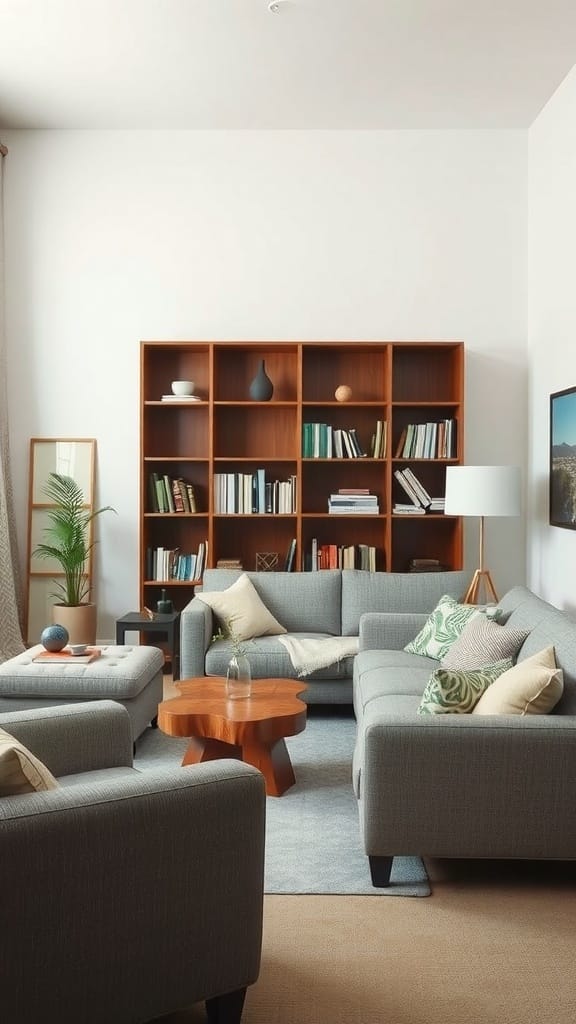
I bought a large sectional sofa when I had a bigger living room. Moving it to a smaller house made the entire room feel like a furniture showroom with no walking space. I kept it for eight months, convinced I would rearrange and make it work. It never worked.
Furniture that is too large for a space does not just take up square footage. It blocks natural traffic flow, makes the room feel cramped, and creates dead space that collects clutter. A smaller sofa, a narrower coffee table, and suddenly the same room breathed again.
Assess each piece honestly. Does it fit the room proportionally? Do you use it regularly? Furniture that has become a staging area for unfolded laundry or miscellaneous items has already stopped functioning as furniture. That is the clearest sign it needs to go.
The next one is what actually fixed it for me. Furniture decisions are easier once you stop thinking about what the piece cost and start thinking about what the space costs you every day.
Seasonal Decorations
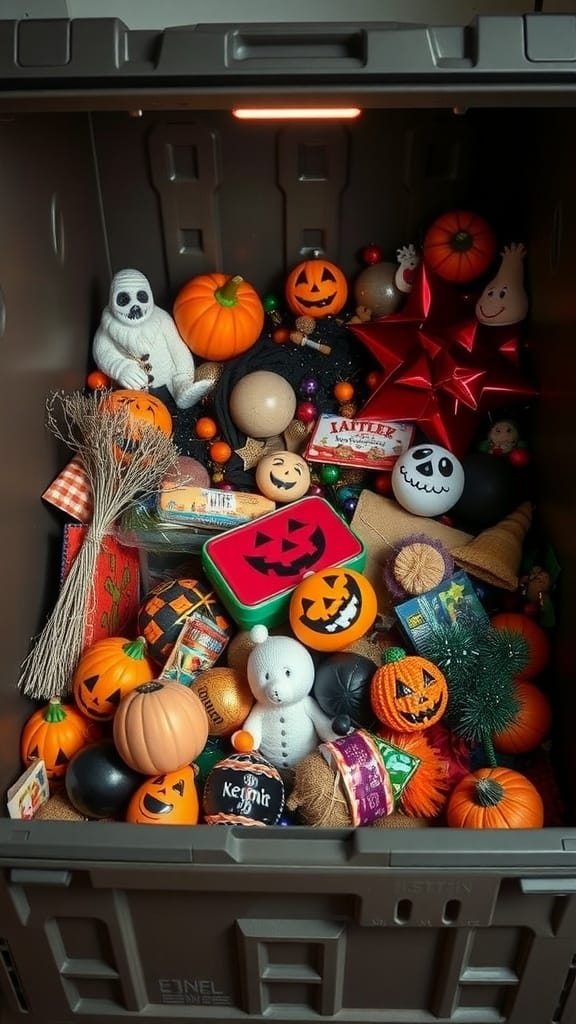
The storage bin that takes up half a closet shelf and contains decorations you cannot fully remember from holidays you only partially decorated for. Open it. Pull everything out. Be honest about what you actually put out each year.
Most people keep three times the seasonal decor they use. Duplicates, pieces from sets that got broken, decorations that felt festive in a store but look wrong in your home. These items spend eleven months of the year taking up closet space.
Keep the pieces you actively love and put out every year. Store them in clearly labeled bins, organized by season, with every item earning its place. Anything that did not make an appearance last holiday season is not going to next year either.
Expired Medicines

Check the medicine cabinet and every drawer or shelf where medications accumulate. Most households have more expired medication than they realize, from old prescriptions to over-the-counter bottles that have been sitting since a long-ago cold.
Expired medications can degrade in potency or, in some cases, become harmful. They take up cabinet space and make it harder to find current medications quickly. That delay matters when someone actually needs something.
Many pharmacies run take-back programs for safe medication disposal. The DEA hosts national prescription take-back events. Do not flush medications unless the label specifically instructs it. Dispose of them properly and then organize what remains so the cabinet is easy to read at a glance.
Old Linens and Towels
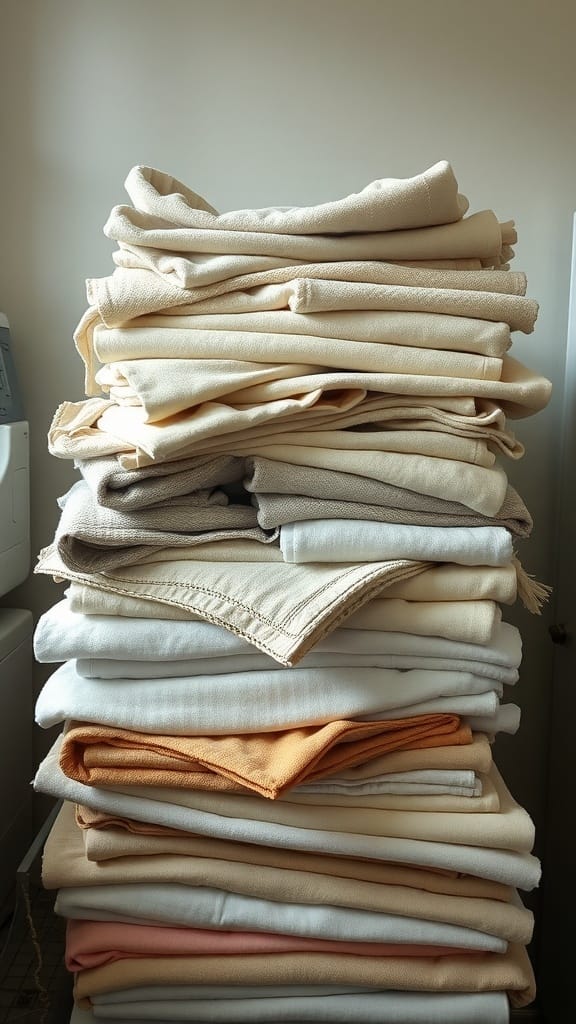
A linen closet works best when everything in it is actually usable. Frayed towel edges, fitted sheets with worn elastic that no longer grip the mattress, pillowcases that have gone thin. These items feel like backups but they just make the closet harder to use.
Animal shelters and rescue organizations almost always accept old towels and linens. They use them constantly and genuinely need donations. This is one of the easiest categories to clear because the items go to immediate, tangible use elsewhere.
Small Walk-In Closet Ideas for Limited Space is what most people miss before buying extra organizers, and the results are usually way better than expected. After clearing old linens, the remaining shelves often need reorganizing to actually function well.
Mismatched Dishware
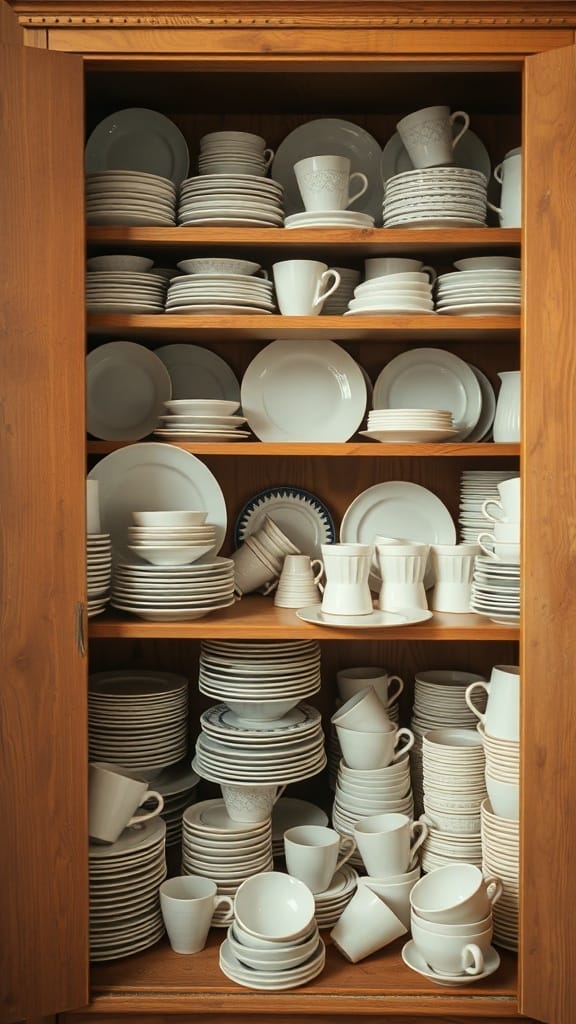
A cabinet with seventeen mismatched mugs, six different plate patterns, and bowls in four different sizes that do not stack cleanly is not a collection. It is an accumulation. Every time you open that cabinet to set a table or just grab a coffee cup, the chaos is a minor friction that adds up.
A cohesive set of dishes, even a simple and inexpensive one, makes the kitchen feel more intentional. You do not need a lot. You need enough for your household plus a few extras for guests. Everything beyond that is clutter masquerading as a backup plan.
Donate complete or near-complete sets to thrift stores. Chip-free singles often get accepted as well. Mismatched pieces that are broken or chipped go out entirely.
Duplicate Items
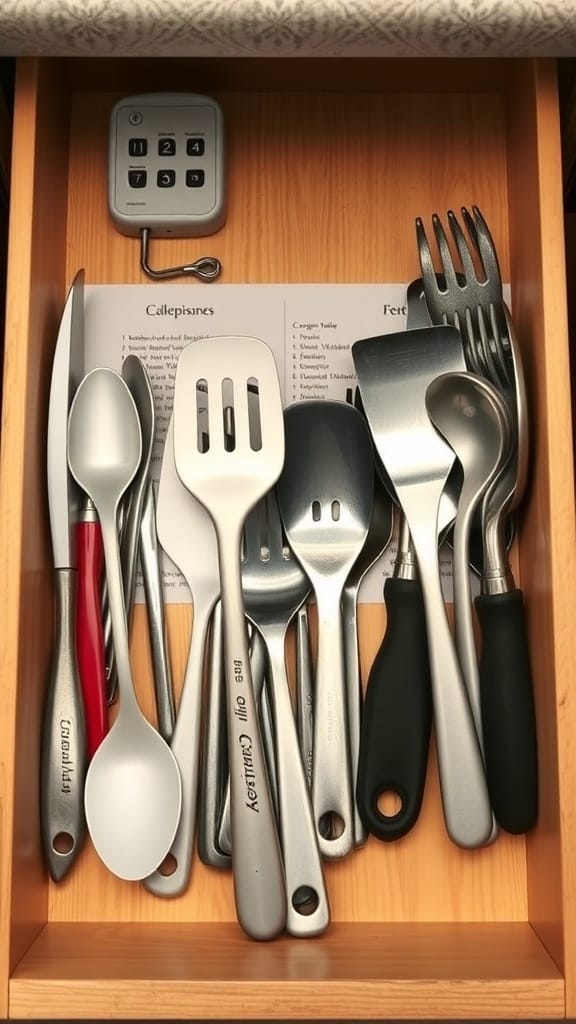
Two garlic presses. Four wooden spoons. Three pairs of kitchen scissors. I found all of these in my kitchen drawers during a single clear-out. None of them were there intentionally. They accumulated because it was easier to buy a new one than to find the one I already had.
Duplicates are a sign the space is not organized enough to make items findable. That is a useful thing to notice. The solution is not to keep both. The solution is to keep one, get rid of the other, and then set up the space so the single item is always easy to locate.
Go through every drawer and cabinet with this rule: one of each thing you actually use. Donate the rest immediately. The fewer items competing for space in a drawer, the easier it is to keep that drawer functional.
Excessive Paperwork

The stack on the counter that has been there so long you stopped seeing it. The folder in the filing cabinet from 2016. The instruction manuals for appliances you no longer own. Paper clutter is uniquely persistent because sorting it feels like real work, and it is.
Spend ninety minutes on a single session. Shred financial documents older than seven years. Recycle everything that is not actively needed. Scan and store digitally anything you want to keep but do not need physical access to. A scanner app on your phone handles most of this in seconds.
What stays in physical form should have a dedicated home, not a general “paper area.” A single folder for current bills, a small file for active documents, and nothing else on any flat surface. Paper clutter returns fast when the system is vague.
Old Makeup and Beauty Products
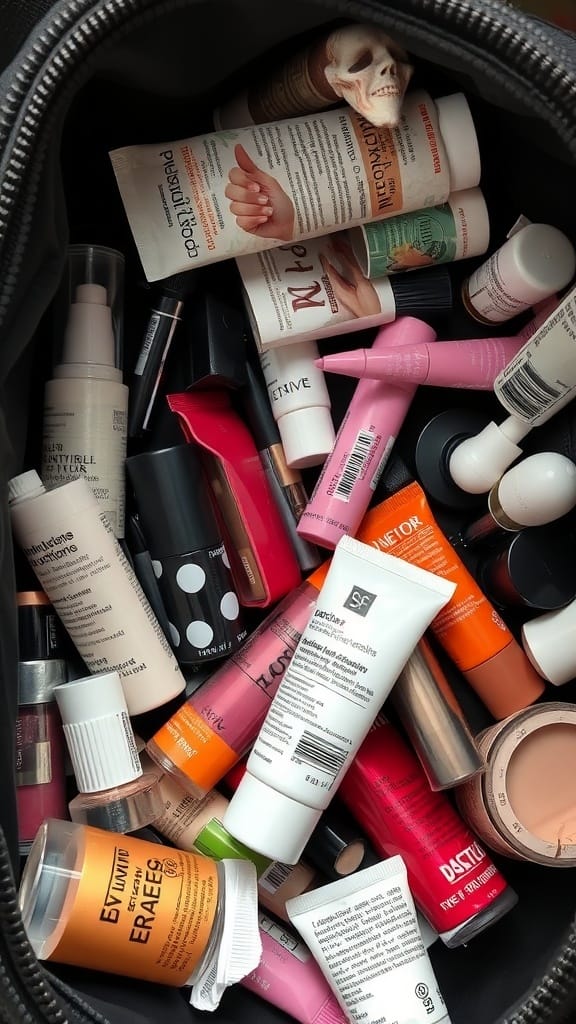
Mascara expires in three months. Foundation in twelve. Most people have products in their makeup bag that are two or three years old. Expired makeup can cause skin irritation, eye infections, and breakouts, and old formulas separate and apply unevenly anyway.
Pull everything out. Check dates where they exist and assess the rest by smell, texture, and when you last used them. Products that have separated, smell off, or have been sitting untouched for over a year go out. No negotiating.
What remains should fit comfortably in whatever storage you actually use daily, whether that is a single organizer on the bathroom counter or a drawer with a drawer divider keeping categories separated. A streamlined collection is faster to use and easier to keep clean.
Old Technology Manuals
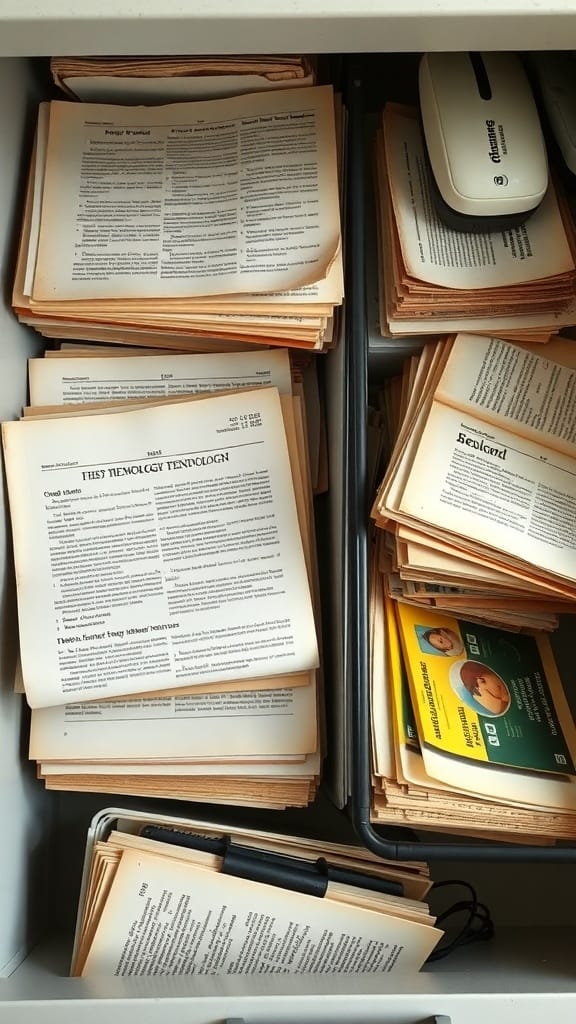
The drawer of manuals for the printer you replaced in 2017, the television you no longer own, and the rice cooker whose brand you cannot even remember. These manuals serve no practical purpose in a world where every manufacturer posts digital documentation online.
Most product manuals are searchable on the manufacturer website within seconds. Every paper version sitting in a drawer is dead weight. Pull them all out, recycle the lot, and use the space for something active.
Keep only one or two manuals for current appliances where you genuinely need the paper copy for warranty purposes. Everything else goes.
Old Travel Souvenirs
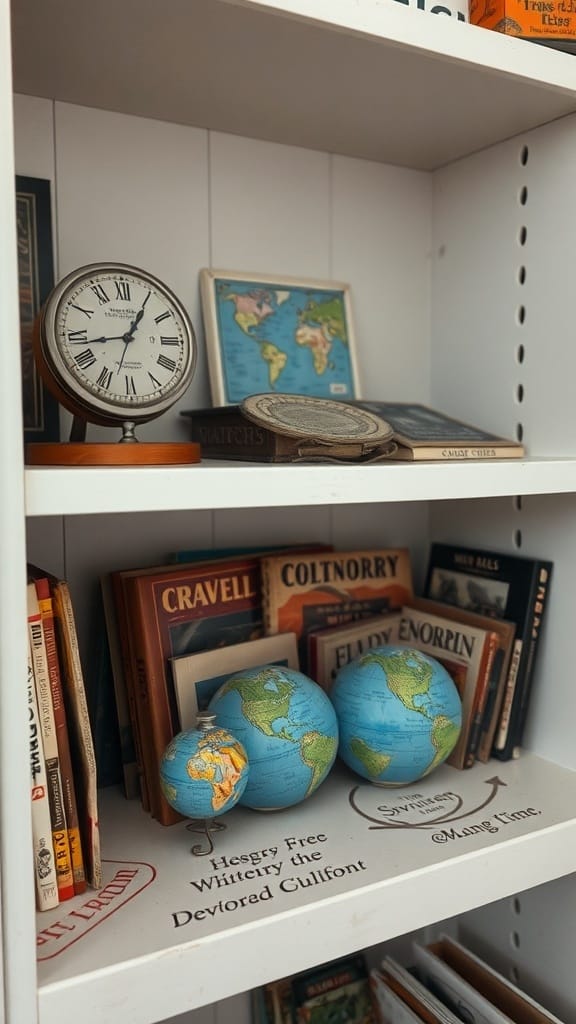
The shelf with the small ceramic figurines from four different countries, the pressed coin from a theme park, and the collection of miniature liquor bottles from hotel stays. I had this shelf. I stopped seeing it completely until I moved and had to pack every single piece individually.
Ask which souvenirs actually hold the memory and which ones just hold space. A few meaningful objects displayed intentionally look considered and personal. Thirty miscellaneous items on a shelf look like a storage problem.
Photograph the pieces you let go if it helps. Donate or gift them. What stays on the shelf after this edit will actually mean something when you look at it.
Unused Craft Supplies
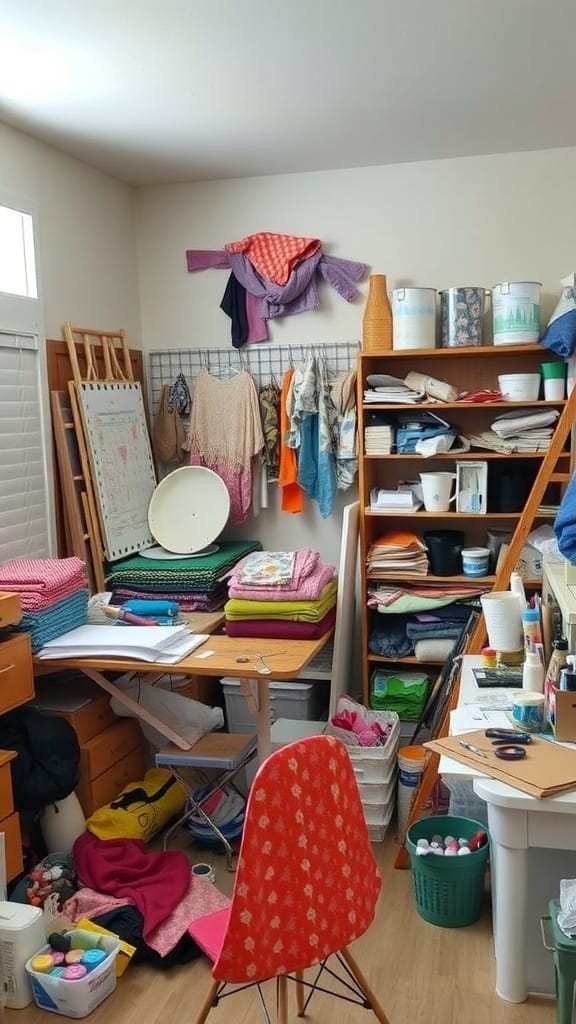
The fabric you bought for a project that never got started, the acrylic paint sets with dried-out lids, the yarn from three different partial projects, the paper punches you used once. Craft supplies accumulate faster than almost any other category because buying supplies feels productive even when no making is happening.
A cluttered craft space, a narrow shelf packed with overlapping bins and tangled ribbon spools stacked three deep, actively discourages creativity. It is harder to start a project when you cannot see what you have or access what you need.
Donate unused supplies to schools, community centers, or craft supply swaps. Keep only what you have a specific project in mind for or use consistently. Everything else is aspirational clutter. Vertical Storage Ideas is what actually makes the remaining supplies manageable without needing more shelf space.
Expired Coupons and Membership Cards
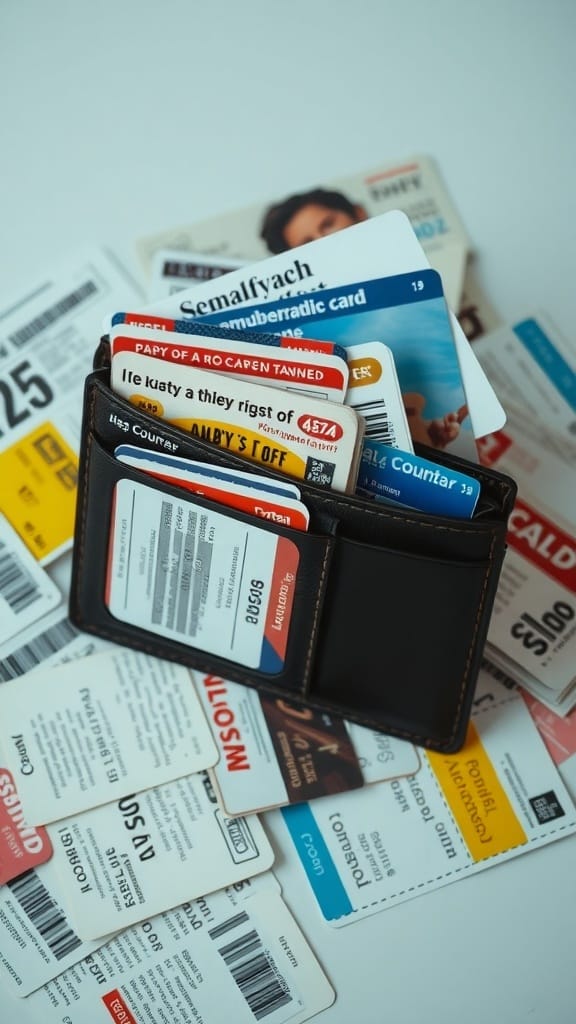
The wallet that takes three hands to close because it is stuffed with expired grocery coupons, loyalty cards for stores you have not visited in two years, and gift cards with unknown balances. This is one of the smallest physical categories and one of the most satisfying to clear.
Pull every card and coupon out. Check balances on gift cards at the retailer website before tossing. Anything expired, inactive, or from a business you no longer patronize goes immediately. What remains fits in a slim card holder with room to spare.
Digital loyalty programs handle most of this now. Apps replace physical cards for most major retailers. If the store has an app, delete the card from your wallet and save the account information digitally.
Old Pet Supplies
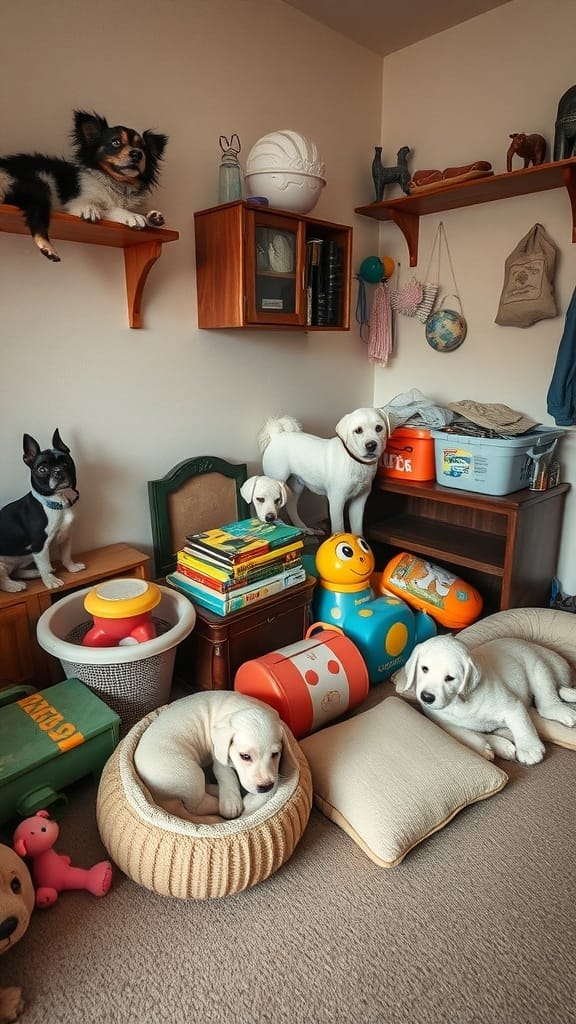
The toys your pet ignored from day one. The bed they used for three months and then abandoned. The carrier you have not needed since the vet visit two years ago. Pet items accumulate because they feel tied to affection, and letting them go can feel strange.
It is not. Animal shelters need donations constantly and accept gently used toys, bedding, leashes, crates, and carriers in good condition. Your pet is not using these things. Another animal will.
Check food and treat expiration dates the same way you would for your own pantry. Expired pet food goes out. Medications and supplements prescribed for conditions your pet no longer has should be returned to the vet for proper disposal.
Unused Gift Items
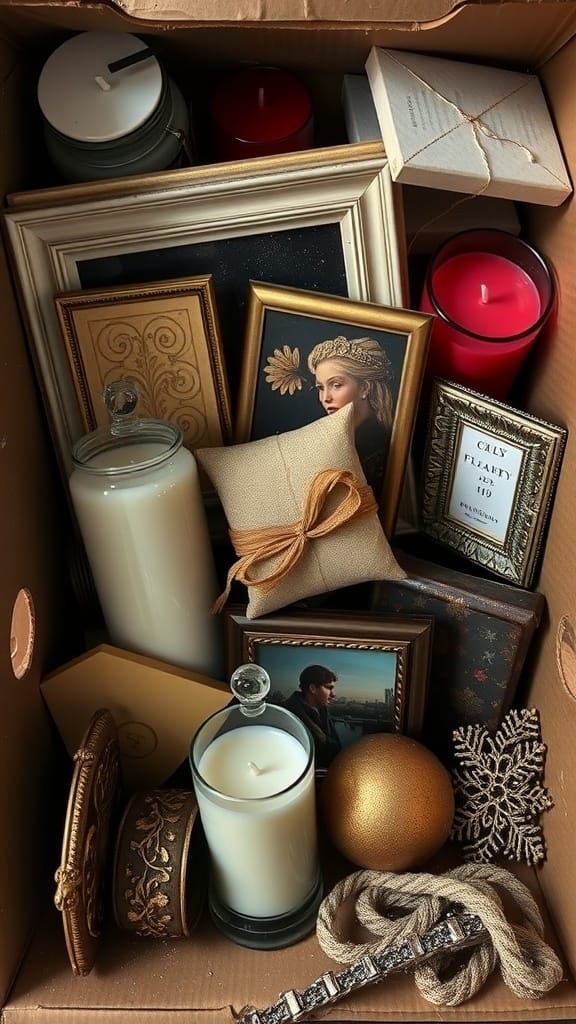
The candle that is not your scent, the decorative object that does not match your home, the kitchen gadget you already own. These items live in a particular category of obligation where getting rid of them feels disloyal even though the person who gave them has almost certainly forgotten what they gave.
The gift served its purpose at the moment of giving. Keeping an object you will never use out of guilt is not honoring that gesture. Donating it to someone who will actually use it is a more practical outcome.
Go through the drawer, shelf, or closet where unused gifts accumulate. Donate anything you have held onto for more than six months without using. If you feel you cannot let something go, display it or use it. If neither of those is happening, it goes.
Final Thoughts on Things to Get Rid of
A home that works for you is not one with perfect storage systems. It is one where you are not actively fighting the volume of stuff inside it. Getting rid of things you do not use, need, or genuinely like is the only step that actually makes organizing easier, because you have less to organize.
Start with one room. Or one drawer. The things to get rid of in any space become obvious quickly once you stop asking “could I use this” and start asking “do I use this.” Those are different questions with very different answers.
The honest version of this process takes longer than a weekend and feels uncomfortable in places. That discomfort is usually a sign you are touching the right stuff. Keep going.
FAQ About Things to Get Rid of
What do you do with items you are unsure about getting rid of? Box them. Seal the box, write a date six months from now on the outside, and put it somewhere out of the way. If you have not gone looking for anything inside by the time that date arrives, donate the box without opening it. This approach removes the anxiety of deciding in the moment and lets time make the decision for you.
How do you know when a sentimental item should go? When looking at it produces guilt, obligation, or indifference rather than any genuine warmth. Sentimental items deserve to stay when they bring actual joy or hold a specific memory you actively value. Items that stay only because letting them go feels wrong are not sentimental. They are just hard to leave.
Can decluttering actually reduce stress? Yes, and the research on this is consistent. Visual clutter competes for attention and keeps your brain in a mild but constant state of unfinished processing. Fewer objects in a space means fewer competing signals, which translates directly into a calmer environment. The effect is fast. Most people notice it within a few days of a significant clear-out.
Sarah Mitchell’s Take
The thing nobody tells you is that the second pass is always easier than the first. The first time through, everything feels like a decision. The second time, usually six months later, you look at what survived the first round and wonder why you kept half of it. I still do a pass every spring and find things I was absolutely sure about keeping the year before. Give yourself permission to do this imperfectly the first time. Just start.