
Introduction
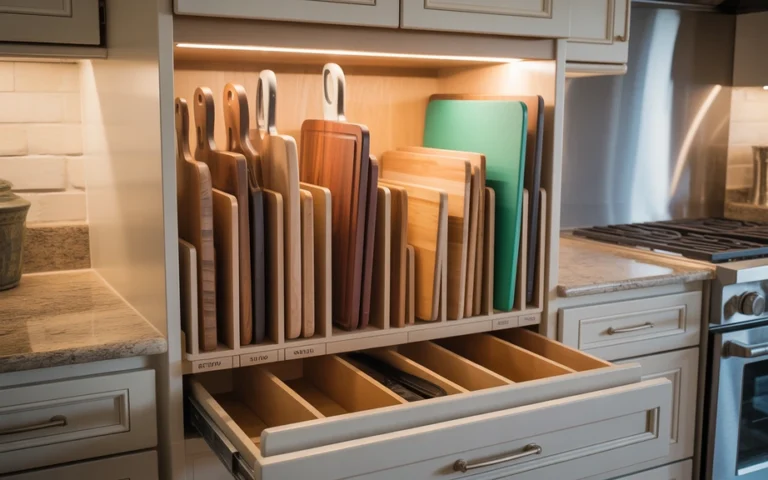
Clutter becomes visually overwhelming not because of quantity, but because it remains exposed. Hidden storage solutions address this issue by removing visual noise while preserving accessibility. Instead of adding shelves or bulky furniture, these systems work within existing structures such as walls, furniture interiors, and architectural voids to keep everyday items out of sight. When designed correctly, hidden storage supports both function and visual calm, especially in homes where open layouts make clutter harder to ignore. This approach aligns naturally with strategies used in 21 Clever Hidden Storage Ideas for a Clutter-Free Home, where concealment plays a key role in maintaining balance without sacrificing usability.
1. Built-In Storage Benches That Disappear Into the Layout
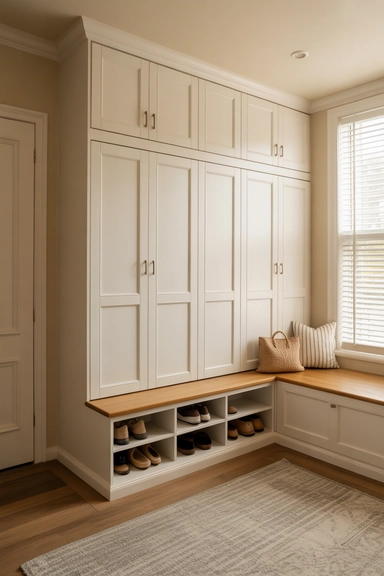
Built-in storage benches provide concealed capacity while serving an obvious function, making them one of the most efficient hidden storage solutions available. Positioned along walls, under windows, or in entryways, they absorb clutter such as shoes, bags, or seasonal items without interrupting circulation. Because they are integrated into the architecture, they read as part of the room rather than added furniture, which keeps visual lines clean and controlled.
The effectiveness of these benches depends on proportion and placement. When the bench height aligns with surrounding furniture or window sills, it disappears visually. Hinged tops or drawer-style access keeps contents hidden while allowing quick retrieval. Used thoughtfully, built-in benches replace multiple storage pieces without introducing visual weight or crowding the space.
2. Under-Bed Storage Systems Designed to Stay Invisible
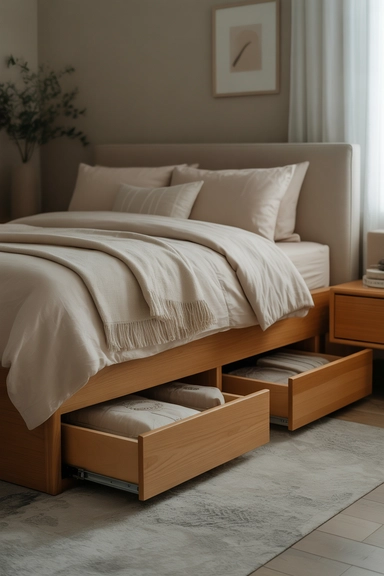
Under-bed areas often become chaotic dumping zones, but structured systems transform them into controlled storage. The best hidden storage solutions here rely on fitted drawers or low-profile containers that align with the bed frame, keeping everything concealed from normal sightlines. This approach is especially valuable in bedrooms where visual calm directly affects how restful the space feels.
Flush drawer fronts or fabric-skirted bases help storage blend seamlessly into the bed’s structure. Items stored here should be limited to off-season clothing, extra linens, or rarely used belongings to prevent frequent disruption. When accessed intentionally, under-bed storage expands capacity without changing how the room appears.
3. False Drawer Fronts That Conceal Unexpected Storage
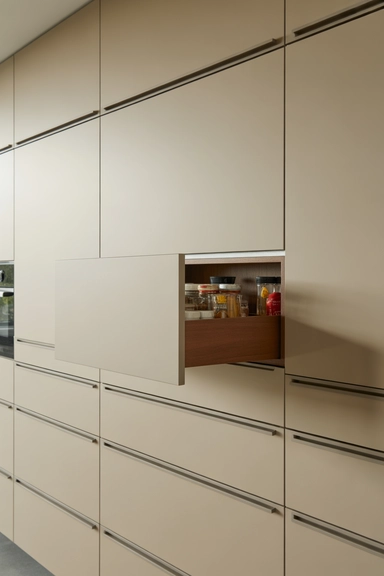
False drawer fronts are subtle yet powerful hidden storage solutions commonly used in kitchens, bathrooms, and built-in cabinetry. These panels appear decorative or structural but conceal shallow compartments behind them. They are ideal for storing flat items such as trays, cutting boards, or cleaning cloths that rarely need full-depth drawers.
The success of this approach lies in consistency. Matching finishes, spacing, and hardware prevent the concealed compartment from standing out. Because these drawers are invisible to casual observers, they preserve clean cabinetry lines while adding functional storage exactly where clutter tends to accumulate.
4. Wall Cavities Converted Into Recessed Storage
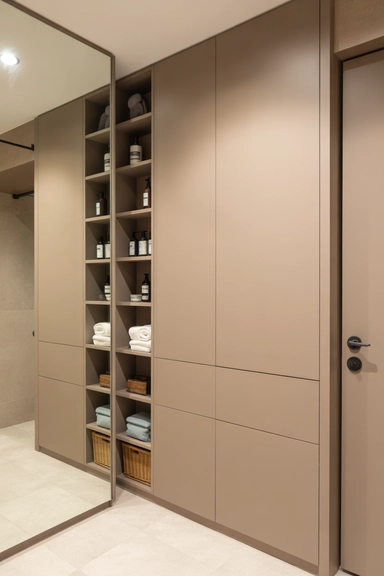
Walls often contain unused cavities that can be converted into recessed storage without altering the room’s footprint. These hidden storage solutions work particularly well in bathrooms, hallways, and compact rooms where floor space is limited. By recessing shelves or cabinets into the wall, storage remains accessible while staying flush with the surface.
Flush doors, mirrored panels, or artwork coverings help these units disappear completely. Depth control is essential to maintain wall integrity and visual balance. When executed carefully, recessed storage becomes one of the most discreet ways to add capacity without introducing visual interruption.
5. Furniture With Dual-Purpose Hidden Compartments
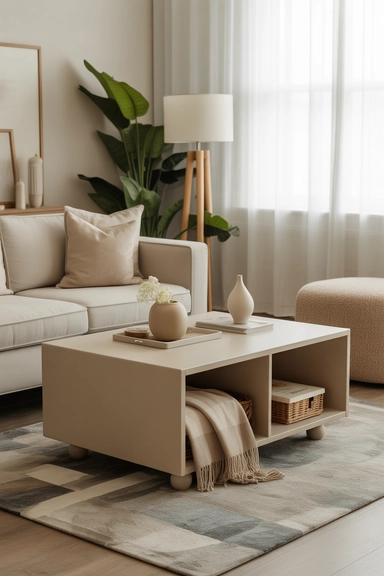
Dual-purpose furniture offers concealed storage without advertising its function. Coffee tables, ottomans, and side tables with internal compartments allow items to be stored out of sight while maintaining a clean exterior. These hidden storage solutions are especially effective in living spaces where exposed clutter quickly disrupts visual flow.
The key is restraint. Storage should support daily use without encouraging overfilling. Lift-top mechanisms or soft-close lids improve usability while keeping contents concealed. When furniture prioritizes proportion and material consistency, hidden compartments feel intentional rather than like a compromise.
6. Staircase Voids Turned Into Concealed Storage Zones
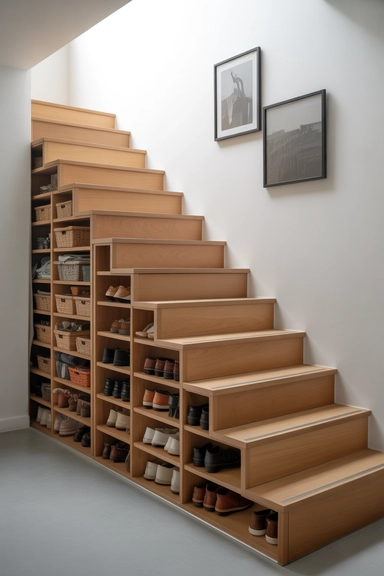
Staircases often hide some of the most underutilized space in a home. The void beneath steps can be converted into concealed drawers, cabinets, or pull-out compartments that blend seamlessly into the stair structure. These hidden storage solutions are ideal for shoes, cleaning tools, or household overflow that would otherwise occupy visible shelves.
To remain visually quiet, access points should follow the rhythm of the stairs themselves. Flush panels or discreet finger pulls prevent storage from becoming a focal point. When aligned with stair geometry, these compartments disappear into the architecture.
7. Toe-Kick Drawers That Hide Storage at Floor Level
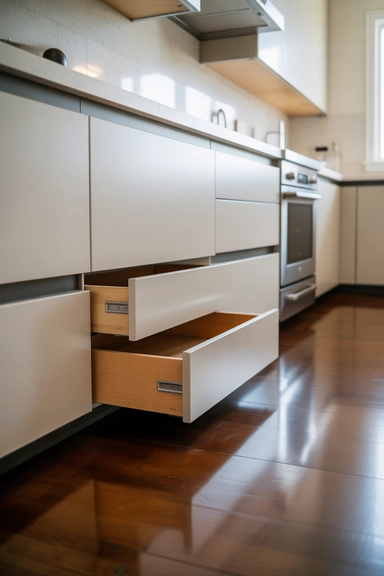
Toe-kick areas beneath cabinets are rarely used, yet they offer valuable concealed space. Shallow drawers installed at floor level provide hidden storage solutions for flat or lightweight items such as trays, linens, or rarely used tools. Because they sit below the natural sightline, they remain invisible during daily use.
Smooth-glide mechanisms ensure accessibility without effort. Finishes should match the cabinet base to maintain continuity. When used selectively, toe-kick drawers expand storage capacity without increasing cabinetry bulk, preserving clean lines throughout kitchens and bathrooms.
8. Cabinet Interiors Designed With Layered Concealment
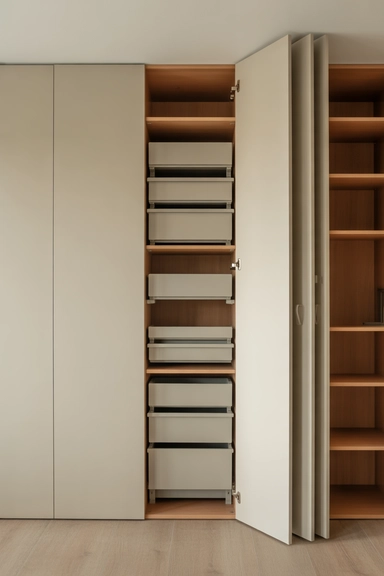
Hidden storage is most effective when it works inside existing cabinetry. Layered interiors such as internal drawers, pull-out panels, or concealed racks allow items to be stored out of sight while remaining easy to access. These hidden storage solutions reduce the need for overfilled shelves that spill clutter into view.
This approach works especially well in shared spaces where visual order matters most. By concealing functional chaos behind closed doors, cabinetry supports everyday use without disrupting aesthetics. It pairs naturally with principles found in 25 Living Room Organizing Ideas That Keep Shared Spaces Clear, where concealed systems protect visual balance.
9. Behind-the-Panel Storage That Preserves Clean Surfaces
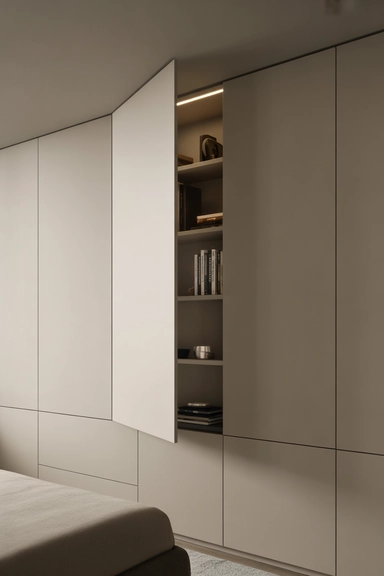
Panels are often used decoratively, but they can also hide shallow storage zones. Behind-panel storage works well for media walls, headboards, or built-in units where uninterrupted surfaces are visually important. These hidden storage solutions allow remotes, cables, and small accessories to disappear completely when not in use.
The effectiveness of this method depends on precision. Panel alignment, tight seams, and consistent finishes ensure the storage remains undetectable. When closed, the surface reads as solid and intentional.
10. Sliding Mechanisms That Reveal Storage Only When Needed
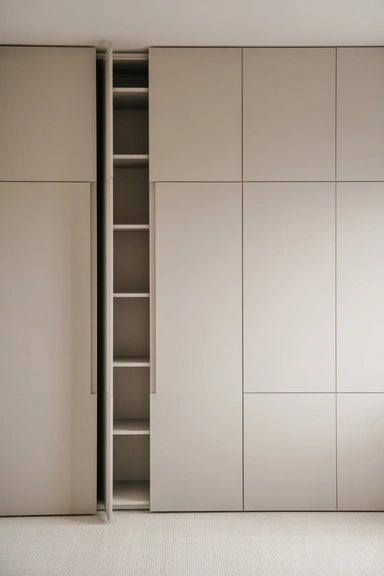
Sliding panels or concealed doors provide dynamic hidden storage solutions that remain invisible until accessed. This approach is especially useful in open-plan homes where permanent storage exposure would disrupt visual flow. When closed, the storage disappears entirely, preserving architectural clarity.
Smooth operation is critical. Tracks should be concealed, and movement should feel effortless. When integrated thoughtfully, sliding storage allows large volumes to exist without occupying visual space.
11. Headboard Storage Integrated Behind Solid Panels
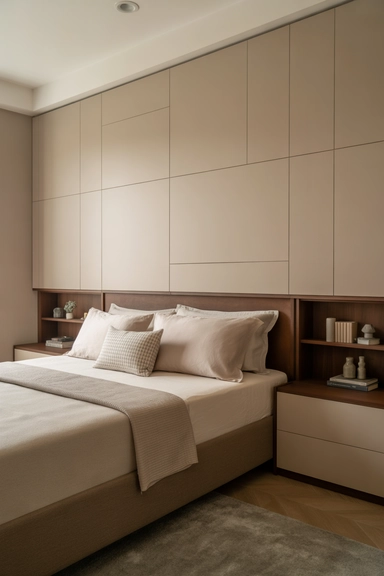
Headboards often serve a decorative role but can quietly house concealed storage. Solid-panel headboards with internal compartments allow books, electronics, or personal items to be stored completely out of sight. These hidden storage solutions work especially well in small bedrooms where nightstands add visual weight.
Push-to-open panels or discreet access points prevent clutter from creeping into view. When the headboard matches the wall or bed finish, storage becomes undetectable, maintaining a calm sleep-focused environment.
12. Ceiling-Height Cabinetry That Hides Overflow Storage
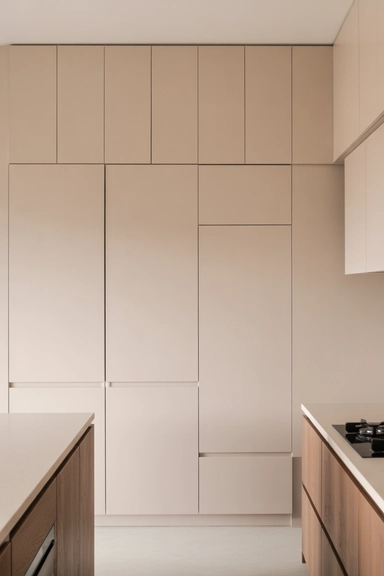
Ceiling-height cabinetry offers hidden storage by extending vertical surfaces beyond daily reach. Upper sections can store seasonal items or rarely used equipment while keeping primary zones uncluttered. These hidden storage solutions prevent overflow from spilling into open shelves.
Matching cabinetry to wall color reduces visual heaviness. When the upper storage reads as part of the wall plane, it avoids crowding the room and keeps the layout visually stable.
13. Mirrored Storage That Doubles as Visual Expansion
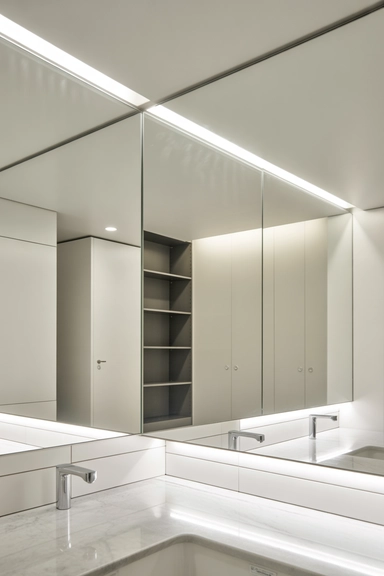
Mirrored storage is one of the most effective hidden storage solutions because it performs two functions simultaneously. It conceals shelving or cabinets while visually expanding the room through reflection. This approach works particularly well in bathrooms, hallways, and compact bedrooms where light and openness matter as much as storage. By hiding contents behind reflective surfaces, everyday clutter disappears without introducing additional visual elements.
Execution is critical for success. Mirrored panels must sit completely flush with surrounding surfaces to avoid revealing their storage function. Clean edges, minimal framing, and alignment with existing wall planes ensure the mirror reads as architectural rather than functional. When integrated properly, mirrored storage enhances brightness while quietly absorbing clutter.
14. Built-In Seating With Lift-Up Hidden Compartments
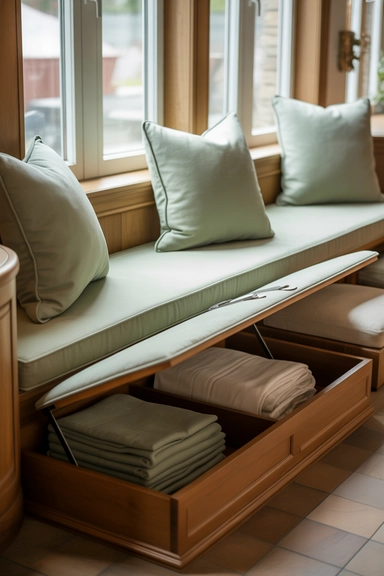
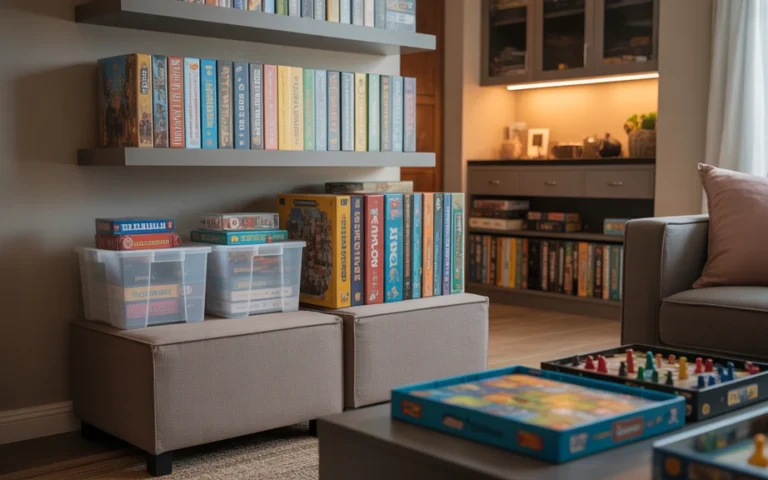
Built-in seating offers generous concealed storage without adding visible bulk to a room. Window seats, banquettes, and integrated benches can house lift-up compartments that store bulky items such as blankets, seasonal decor, or games. These hidden storage solutions are particularly effective in living rooms and dining areas where exposed storage would disrupt visual balance.
The interior structure should be well-organized to prevent the space from becoming a dumping zone. Dividers or internal bins help maintain order over time. Soft-close hinges improve usability and prevent wear. When upholstery, finishes, and proportions align with surrounding elements, the seating reads as intentional architecture rather than storage furniture.
15. False Wall Sections That Mask Storage Depth
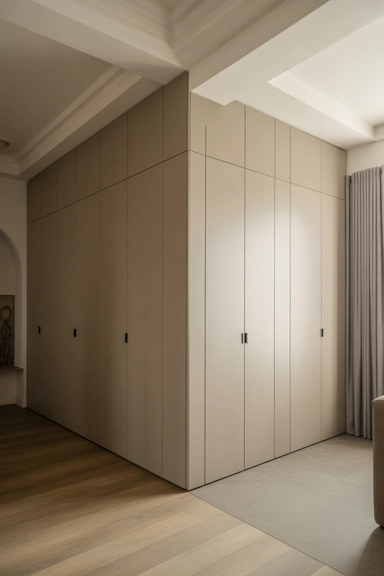
False wall sections allow storage to exist where it would otherwise feel intrusive. By creating shallow partitions or surface extensions, hidden storage solutions can be concealed behind what appears to be a solid wall. This technique works well in open-plan layouts, studio apartments, and multifunctional rooms where visual simplicity is essential.
The illusion depends on consistency. Wall finishes, trim lines, and surface materials must match exactly to avoid signaling the presence of storage. Access points should align with architectural breaks or vertical seams. When done correctly, false walls transform dead space into functional storage without altering how the room is perceived.
16. Drawer-Within-Drawer Systems That Hide Small Items
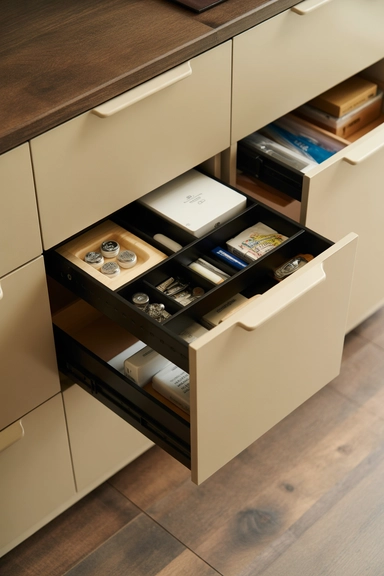
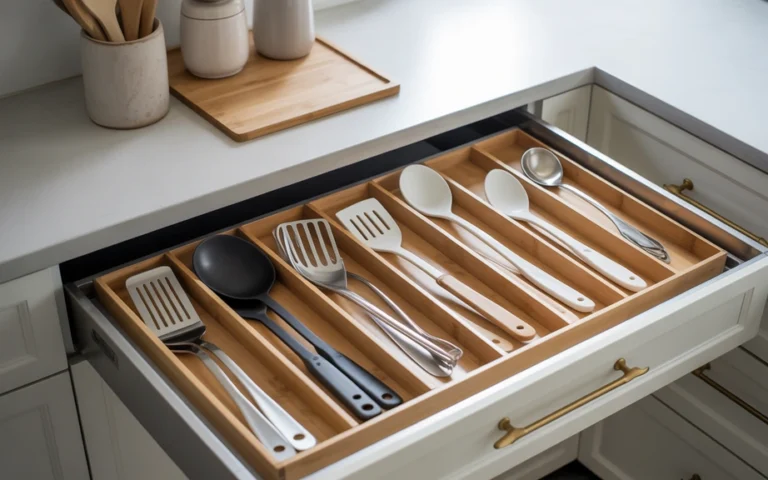
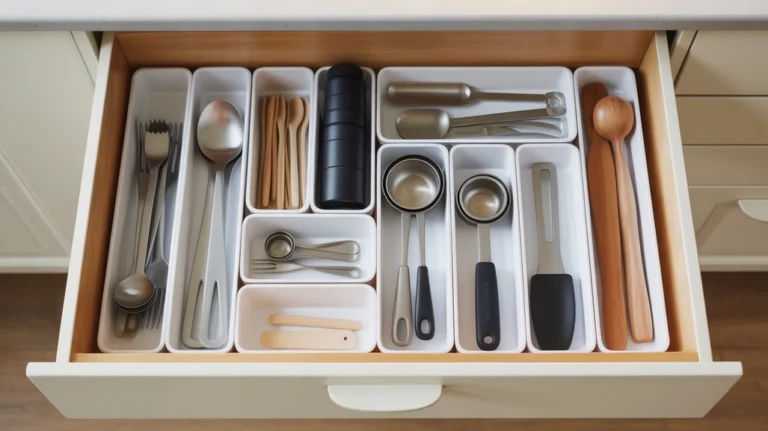
Drawer-within-drawer systems introduce layered concealment inside existing cabinetry. These hidden storage solutions keep smaller items organized without exposing them when the main drawer is opened. They are especially useful in kitchens, offices, and bathrooms where small tools and accessories tend to spread quickly.
Internal trays and secondary drawers should be shallow and structured to prevent stacking. Smooth slides ensure effortless access without disrupting the primary drawer’s function. When closed, the cabinetry looks unchanged, maintaining clean surfaces while quietly increasing usable storage capacity.
17. Hidden Storage Behind Artwork and Decorative Panels
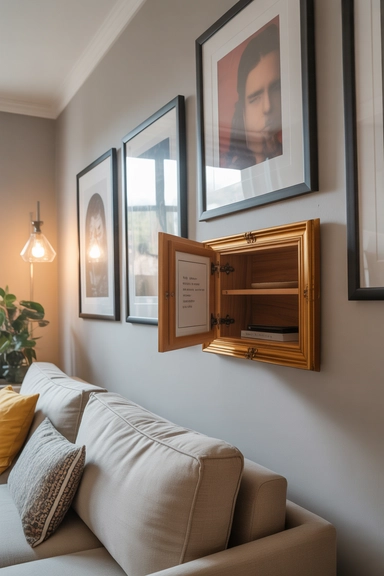
Artwork and decorative wall panels can conceal shallow storage compartments without revealing their purpose. Hinged frames or sliding panels hide valuables, electronics, or documents while maintaining a curated aesthetic. These hidden storage solutions are ideal for living rooms, hallways, and bedrooms where visible storage would interrupt visual flow.
Scale and placement are essential. Artwork should feel naturally positioned rather than suspiciously large or offset. Flush mounting and concealed hardware prevent visual cues that suggest functionality. When executed with restraint, storage remains completely undetectable while blending seamlessly into the decor.
18. Kitchen Islands With Concealed Internal Storage
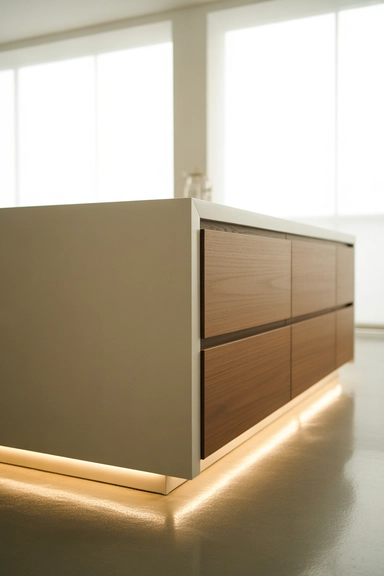
Kitchen islands often appear solid and decorative but can house extensive hidden storage solutions within their structure. Concealed drawers, inward-facing cabinets, or internal pull-outs allow cookware and appliances to remain out of sight. This preserves the island’s visual simplicity while supporting heavy daily use.
To maintain visual calm, access points should avoid outward-facing hardware. Handle-less designs and internal orientation keep storage discreet. Matching finishes ensure the island reads as a single volume rather than a storage unit. When designed intentionally, hidden island storage replaces multiple visible cabinets.
19. Furniture Bases and Skirts That Conceal Storage Zones
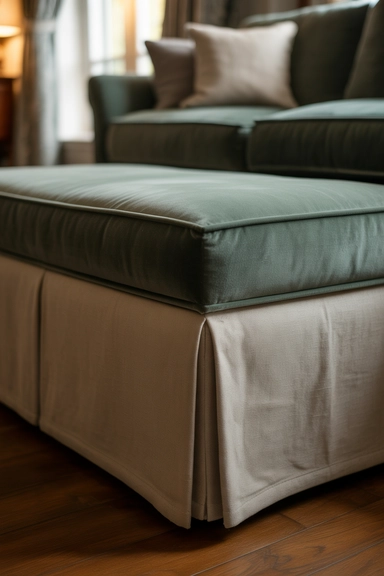
Furniture bases and skirts provide subtle opportunities for hidden storage at floor level. Under-seat compartments, skirted drawers, or concealed panels allow storage to exist beneath sofas, cabinets, or beds without being visually detected. These hidden storage solutions work especially well in traditional or transitional interiors.
Material consistency is crucial. Fabric skirts or base finishes must match the furniture exactly to avoid drawing attention. Access points should align with seams or structural lines. When integrated correctly, these concealed zones add capacity without altering the furniture’s original appearance.
20. Built-In Closets With Secondary Hidden Storage Layers
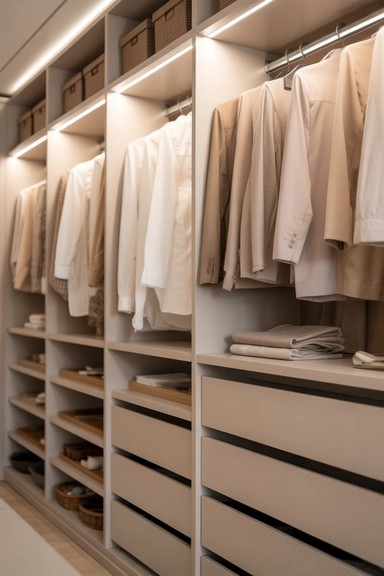
Closets often appear organized while hiding inefficiencies beneath visible rails and shelves. Secondary hidden storage solutions such as recessed drawers, concealed compartments, or internal panels allow overflow items to remain out of sight. This layered approach keeps primary zones visually clean and easy to use.
Hidden sections should be reserved for rarely accessed items to maintain convenience. Matching materials and precise alignment prevent concealed elements from standing out. When executed carefully, layered closet storage improves function without increasing visual complexity.
21. Structural Voids Repurposed for Invisible Storage
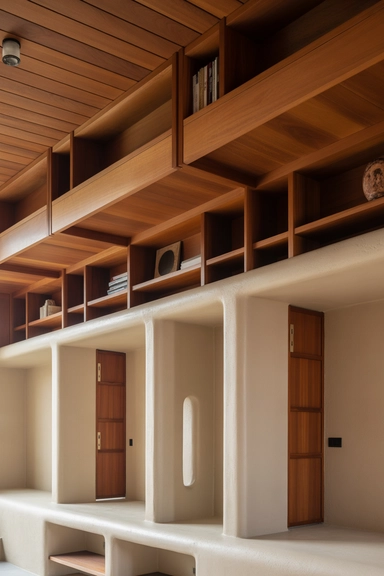
Structural voids around beams, soffits, or columns are often overlooked but can provide valuable concealed storage. These hidden storage solutions use architectural constraints as opportunities, allowing shallow cabinets or access panels to disappear into existing forms.
Precision is essential. Access points must align with architectural lines to avoid visual disruption. When materials and proportions match surrounding elements, storage becomes indistinguishable from structure. This approach is especially effective in irregular layouts where conventional storage would feel forced.
Conclusion
Hidden storage solutions are most effective when they eliminate clutter without calling attention to themselves. By working within furniture, walls, and architectural features, these systems preserve visual calm while expanding usable space. The most successful approaches prioritize proportion, access, and restraint, ensuring storage supports daily life without becoming visible. When concealment is intentional and well-integrated, a home feels lighter, clearer, and easier to maintain without adding furniture or compromising design integrity.