
Introduction
I spent three hours last spring cleaning out a single kitchen cabinet and found seventeen items I had completely forgotten I owned. A fondue set from 2018. Two broken jar openers. A silicone mold for cake pops I made exactly once. None of it was useful. All of it was taking up space I kept telling myself I didn’t have. The truth about things you should throw away today is that most of them are hiding in plain sight, not in some forgotten storage unit but in the drawers, shelves, and cabinets you open every single day. You stop seeing them because they’ve been there long enough to become invisible.
Most people walk past the same clutter for months waiting for a “big cleanout day” that never comes. If you haven’t read Things to Throw Away for Easy Decluttering yet, you’re likely already sitting on a house full of decisions that take thirty seconds each and keep getting deferred.
Start With the Zero-Decision Items First
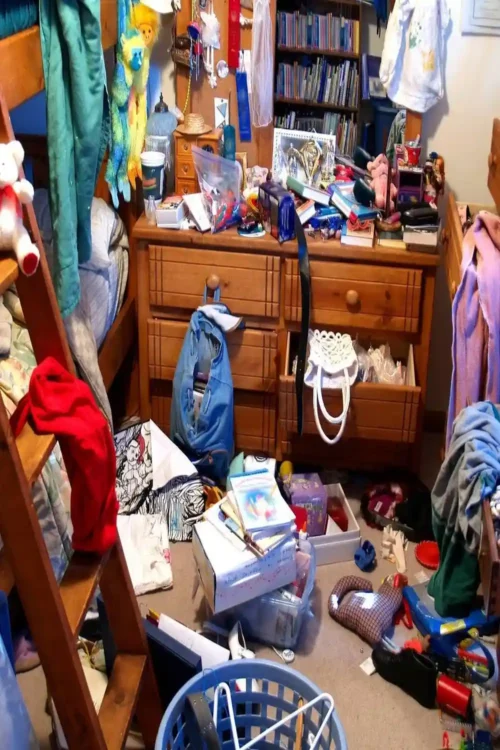
Image source @intagram
Before touching anything sentimental or complicated, go after the items that require no decision at all. These are the objects that are broken, expired, empty, or so obviously useless that hesitating over them costs more energy than just removing them.
Most people make the mistake of starting a declutter with the hardest category they own. That’s the fastest route to decision fatigue and a half-finished job. Zero-decision items build momentum. A broken spatula, an empty shampoo bottle kept in the shower for no reason, a pen that stopped working two months ago, a phone charger that fits nothing currently owned. None of these require a single moment of deliberation.
Go through one room with a trash bag and collect only the zero-decision items first. Don’t touch anything else. Fill the bag, tie it off, and move to the next room. That first bag out the door changes the energy of the entire cleanout.
Expired Medications and Old Supplements
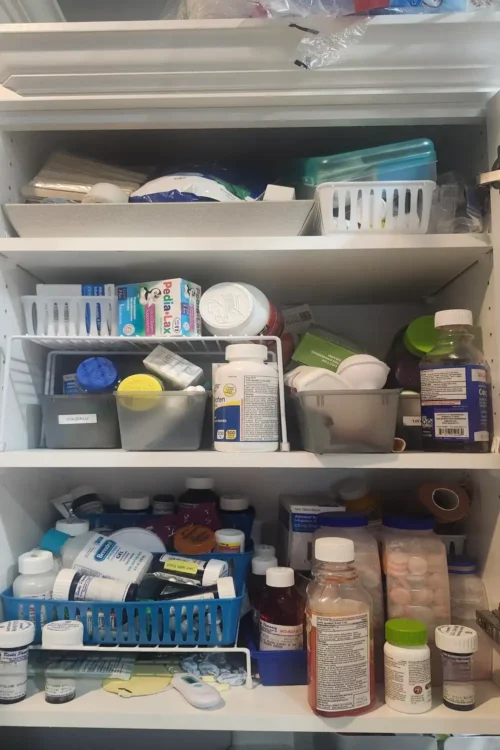
Image source @reddit
The medicine cabinet and the nightstand drawer are where expired products go to be forgotten. Most households have at least six to ten expired items in these two spots alone, and almost nobody checks until a move or a deep clean forces the issue.
Pull everything out. Check every expiration date. Anything past it goes regardless of how much is left in the bottle. Expired pain relievers, old antibiotics from a finished prescription, supplements from a health phase that ended two years ago, cough syrup from last winter’s illness. None of these work the way they’re supposed to after the expiration date and keeping them creates the false sense that the medicine cabinet is stocked when it isn’t.
Dispose of medications properly. Most pharmacies have drop-off bins for unused and expired medications. Don’t flush them and don’t toss them loose in the trash.
Plastic Bags Stuffed Into Other Plastic Bags
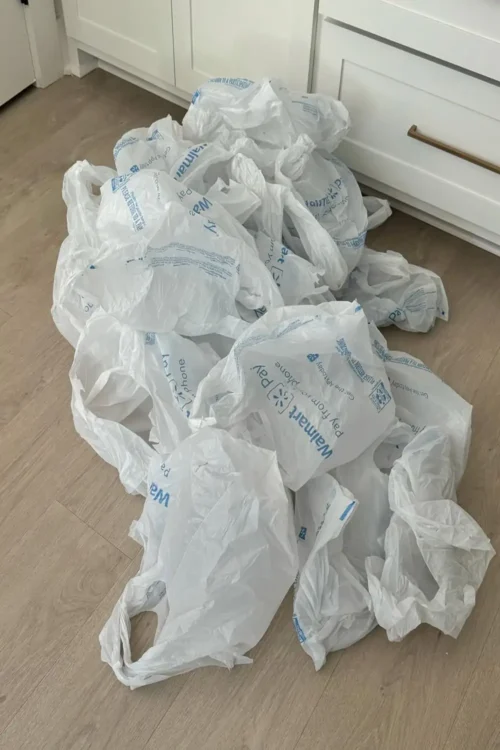
Image source @intagram
Every kitchen has one. The cabinet under the sink, the drawer by the stove, the pantry corner. A mass of plastic bags shoved into a larger plastic bag that has been growing quietly for months.
Here’s what actually works: keep a flat, manageable stack of twenty or so reusable bags or a small collection of plastic bags for bin liners and pet waste. Everything beyond that goes. The excess bags take up more space than they’re worth, they never get used in any organized way, and they expand to fill whatever container holds them without ever actually getting smaller. Pull the whole mass out, count out what you genuinely use in a month, and throw the rest away or drop them at a grocery store recycling bin.
This is one of the easiest things to get rid of today and one of the most satisfying.
Duplicate Kitchen Tools You Never Reach For
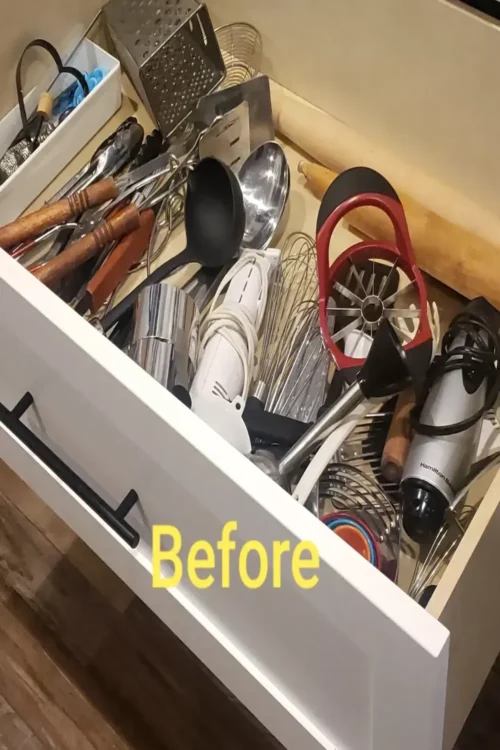
Image source @intagram
Open any kitchen drawer and you’ll find duplicates. Three vegetable peelers where one would do. Four wooden spoons of identical size. Two can openers, one of which is harder to use than the other but got kept anyway. A set of measuring cups and also a second set that came with something else years ago.
Duplicates feel like backup plans. In practice they just dilute the drawer and make finding the thing you actually want slower. If you haven’t read Clutter Busting Hacks before tackling the kitchen, the duplicate problem alone will stall you out because every duplicate feels potentially useful until you ask the honest question: when did you last reach for the second one. Pull every duplicate category, keep the best version, and let the rest go today.
One sharp knife beats four mediocre ones. One reliable peeler beats three that work badly.
Takeout Menus and Expired Coupons
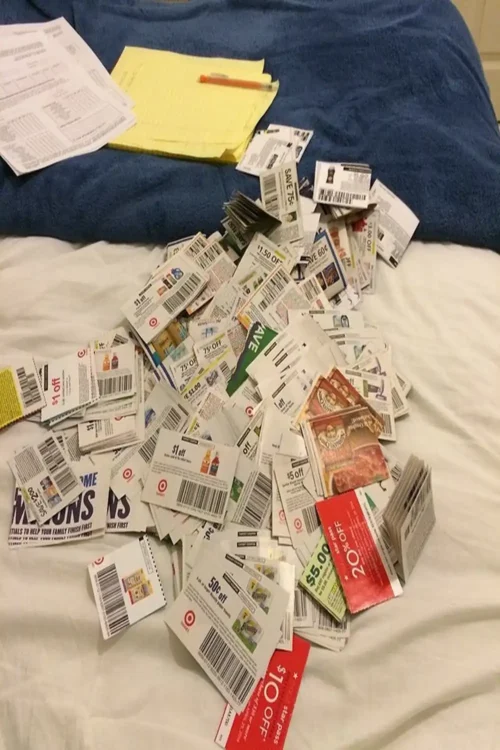
Image source @intagram
The junk drawer in most homes holds a collection of takeout menus from restaurants that may or may not still exist, coupons that expired in 2023, and paper scraps that seemed important at the time and have not been touched since.
All of it goes. Every restaurant with a physical menu also has an online menu. Every coupon has a digital version if the offer still exists. Paper that has been sitting in a drawer for more than thirty days without being used or referenced is not serving any purpose. It’s just occupying space and adding to the visual noise every time the drawer opens.
Pull the entire junk drawer out onto the counter. Trash everything expired, outdated, or without a clear current purpose. What remains should fit comfortably in the drawer with room to actually find things.
Worn-Out Towels and Mismatched Linens
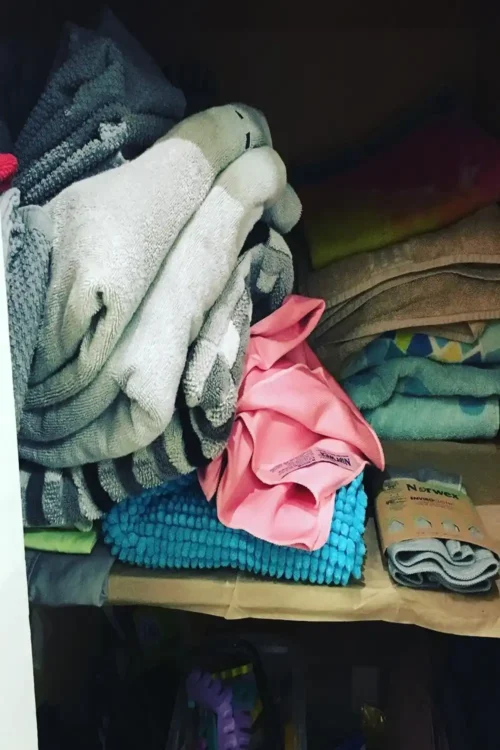
Image source @intagram
The linen closet is where towels go to retire without ever officially retiring. Fraying edges, thin patches worn through years of washing, colors faded to a shade that matches nothing in any bathroom currently in the house. They stay because throwing away a towel feels wasteful.
Old towels in poor condition don’t need to go in the trash. Animal shelters and rescue organizations accept used towels in almost any condition. That removes the guilt of discarding them and gets them out of the closet in one move. Mismatched pillowcases without a matching set, flat pillows that stopped providing any support, and sheet sets missing a fitted sheet all go in the same pass.
Keep two complete sets of towels per person and two complete sheet sets per bed. Everything beyond that is storage space being used for things that aren’t actually in use.
Clothes With Tags Still On Them After a Year
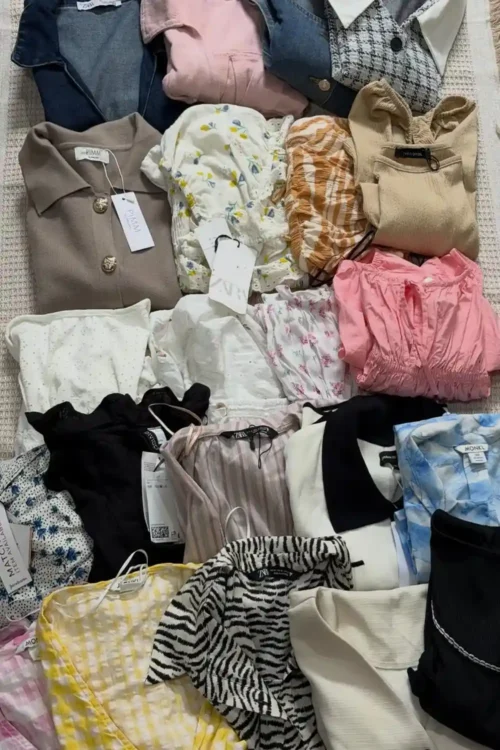
Image source @intagram
A tag still on a piece of clothing after twelve months is not a sign that the item is special or unworn-fresh. It’s evidence that the item was purchased for a version of life that didn’t materialize.
The dress bought for an event that got cancelled and never worn since. The workout top from the fitness phase that lasted three weeks. The shirt that looked perfect in the store and wrong in every mirror at home. If the tag is still on and a full year has passed, the item goes. Not to the back of the closet for another year. Out. If you haven’t read Pro Organizing Hacks to Declutter Your Space before going through your wardrobe, the tag-still-on category is exactly where most people stall and talk themselves into keeping things that will never get worn.
Donate them with the tag on. Someone else will actually wear them.
Broken Items With No Repair Plan
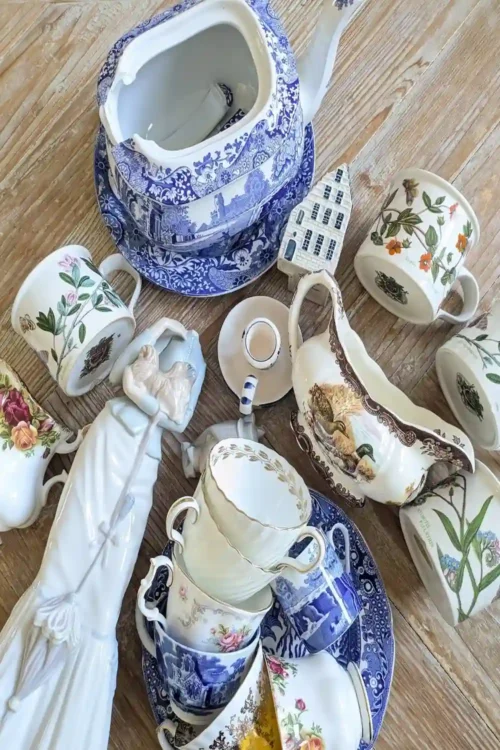
Image source @intagram
Every home holds a collection of broken things kept with vague intentions of fixing them someday. A lamp with a broken switch. A chair with a cracked leg. A blender with a lid that no longer seals. A picture frame with a broken stand propped against the wall for eight months.
The honest question is not whether the item could be fixed. It’s whether you have a specific plan to fix it, a timeline, and the actual means to do it. If the answer to any part of that is uncertain, the item has already been decided. It’s staying broken. A broken item taking up space in a home is not a project. It’s a deferred decision wearing the disguise of a plan.
This is where clutter hides most effectively. Things that feel like intentions rather than clutter.
Old Electronics and Dead Tech
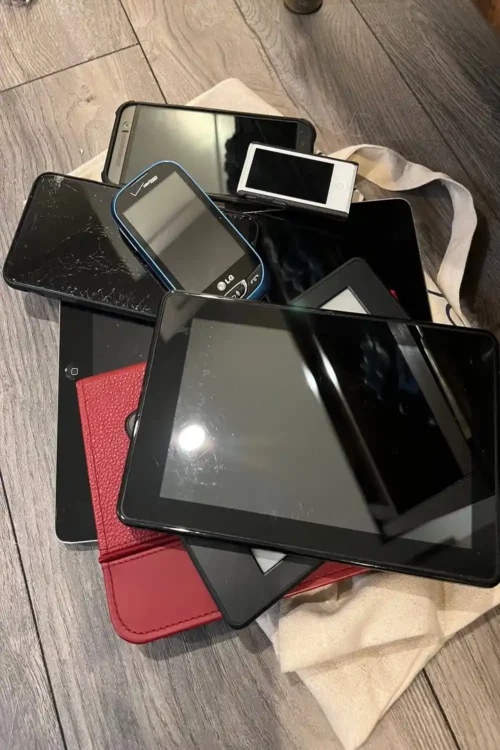
Image source @intagram
The tech graveyard exists in almost every home. A drawer or shelf holding phones from three upgrades ago, tablets with cracked screens, cameras replaced by smartphones, gaming controllers with dead batteries for consoles no longer owned, earbuds with a broken wire on one side.
None of it is coming back into active use. Pull all of it out and be honest about each piece. Working electronics that are simply outdated can go to e-waste collection programs or electronics buyback services. Completely non-functional items go to e-waste disposal. The IKEA store near me has an e-waste bin in the entrance area that handles small electronics without an appointment.
Keeping old tech doesn’t preserve its value. It just takes up drawer and shelf space while the resale window quietly closes.
Decorative Items That Have Overstayed Their Welcome
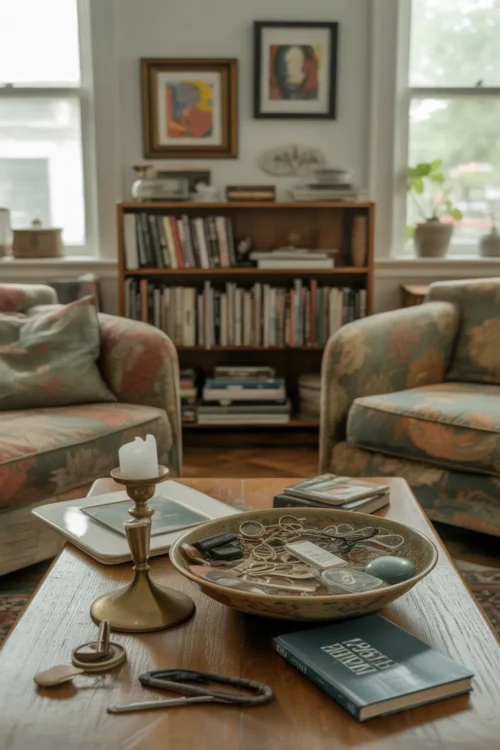
Walk through every room and look at the decorative objects as if you just moved in and found them already there. Not with the eyes of someone who placed them. With the eyes of someone seeing them for the first time.
The candle holder that doesn’t match anything in the room anymore. The decorative bowl holding three random objects that have no relationship to each other. The framed print that made sense with the previous color scheme but clashes with everything since the refresh. Décor that’s been in the same spot for more than two years without being deliberately kept there has usually stopped being chosen and started just being there. If you haven’t read Home Organizing Ideas before doing a décor pass, skipping it is exactly how people end up redecorating around clutter instead of removing it first.
The test is simple: would you buy it today for this room. If not, it goes.
Single-Use Items Used Only Once

Image source @intagram
The mandoline that came out for one dinner party in 2021. The fondue set. The crepe maker. The bread machine from the sourdough phase. The specialty cocktail shaker used on New Year’s Eve and not since.
Single-use items that have been used only once, or not at all, take up disproportionate cabinet and storage space relative to their actual contribution to daily life. Most of them were purchased in a moment of enthusiasm for a hobby or routine that didn’t stick. That’s not a character flaw. It’s how buying decisions work. But keeping the item indefinitely doesn’t honor the purchase. It just compounds the cost with ongoing storage space.
Sell them if they’re in good condition. Donate them if not. Either way, they go today.
Papers and Documents Past Their Useful Life
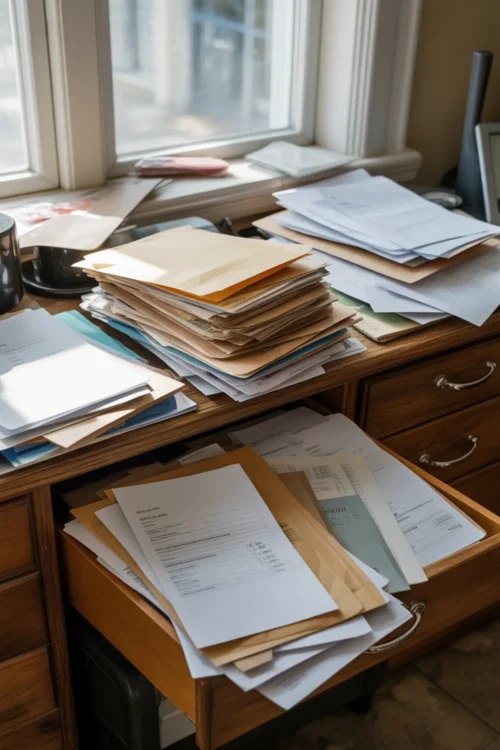
Most people have more paper in their homes than they realize. Stacked on desks, filed in cabinets, stuffed in drawers. A significant portion of it has no current purpose and hasn’t had one for years.
Bank statements older than seven years. Utility bills from previous addresses. Instruction manuals for appliances no longer owned. Warranty documents for items out of warranty. Receipts for purchases that can no longer be returned. Tax documents beyond the required retention period. Scan anything with potential future relevance and store it digitally. Everything else shreds or recycles today.
Paper clutter is uniquely invisible because it looks like it might matter. Most of it doesn’t. Going through it takes less time than it feels like it will.
Half-Used Cleaning Products That Never Get Used
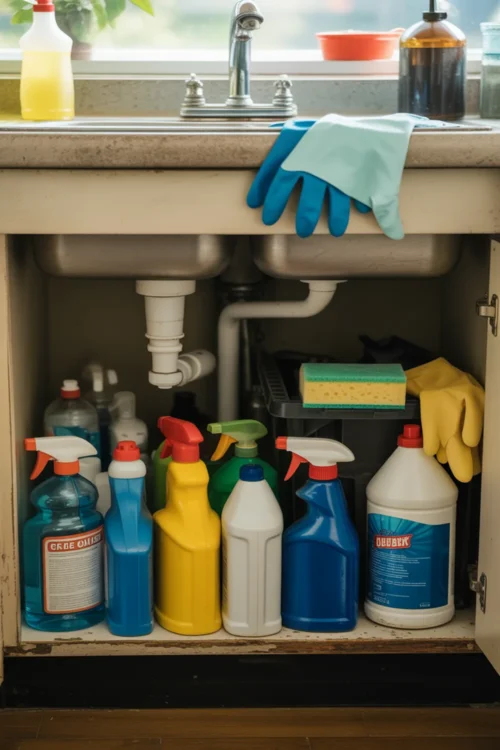
Under most kitchen sinks and in most utility closets there’s a collection of cleaning products in various states of depletion. The floor cleaner for a floor type no longer in the house. The specialty stainless steel spray bought once and ignored since. Three different multi-surface sprays that all do the same job. A bottle of something purchased to solve a specific problem that got solved and never touched again.
Half-used products that haven’t been reached for in six months are not backups. They’re clutter with a cleaning label on them. Consolidate down to what actually gets used. For most cleaning routines that’s a fraction of what most households hold. Dispose of specialty chemicals properly according to the label. The space under the sink looks completely different with eight bottles removed from it.
Items Kept Out of Guilt Alone
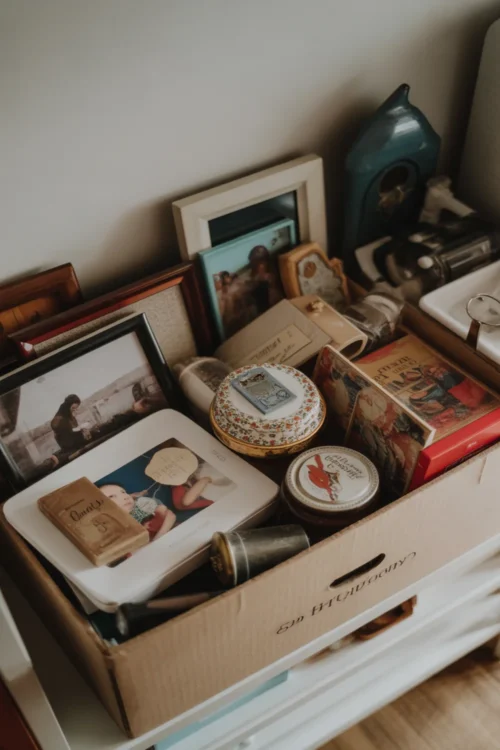
This is the hardest category and the most important one. Every home holds objects kept not because they’re useful or loved but because getting rid of them feels like a betrayal of something: the person who gave them, the money spent on them, the version of yourself that wanted them.
The gift that was never quite right but feels wrong to donate. The expensive item that didn’t work out but cost too much to let go of. The inherited object that carries obligation rather than genuine affection. Guilt is not a storage system. It’s an emotion, and it’s a poor reason to let an object occupy permanent space in a home you live in every day.
Acknowledge what the item represents, take a photo if that helps, and let it go. The guilt fades faster than most people expect. The space it leaves behind doesn’t.
Things That Live on the Floor With No Official Home
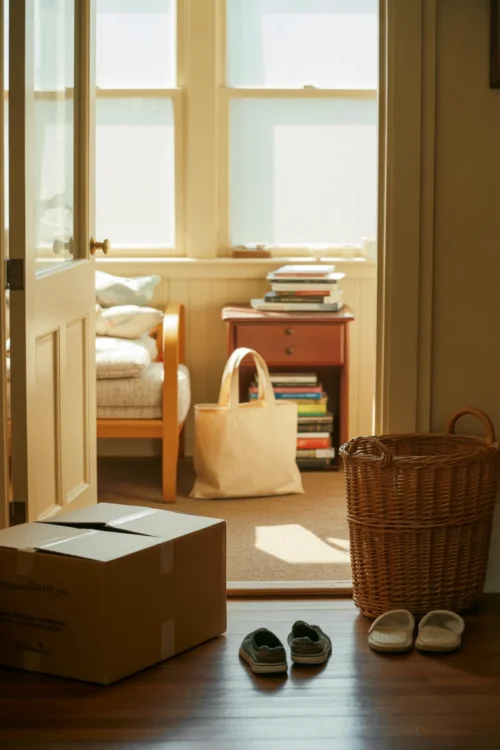
The floor is not storage. Most people know this and most homes have at least a dozen items on the floor that have been there long enough to become part of the landscape.
A tote bag leaning against the wall beside the front door. A pile of books on the bedroom floor beside the nightstand because the nightstand is full. A laundry basket in the hallway that’s been there for two weeks. A box from an online order that hasn’t been broken down and recycled. Shoes that didn’t make it to the shoe rack. Each item individually seems minor. Together they make every room feel smaller and less controlled than it actually is.
Pick up everything currently on the floor that doesn’t belong there. For each item, make one of two decisions: give it a real home somewhere in the house, or remove it from the house entirely. Nothing goes back to the floor.
Final Thoughts on Things You Should Throw Away Today
The whole point of identifying things you should throw away today is that none of this requires a weekend project or a complete home overhaul. Every category in this list takes between five and thirty minutes to go through and almost every decision in it is easier than it feels in anticipation.
Start with the zero-decision items to build momentum. Work through the expired, the broken, the duplicated, and the guilt-kept in whatever order feels manageable. Each category cleared makes the next one easier because the house starts to feel lighter and the decisions start to feel less loaded.
A home with less unnecessary weight in it is easier to clean, easier to navigate, and easier to actually rest in. That’s worth thirty minutes today.
FAQ About Things You Should Throw Away Today
How do I decide whether to throw something away or donate it?
If it’s broken, expired, or completely worn out, it goes in the trash or recycling. If it’s in usable condition but no longer needed, it donates. The only exception is items with resale value worth the time to list: furniture, working electronics, and higher-value goods. Everything else either trashes or donates with no middle category needed.
What should I do with items I feel guilty throwing away?
Take a photo of the item first if the guilt is strong. Then donate rather than trash wherever possible. Knowing the item goes to someone who will use it removes most of the guilt attached to releasing it. For inherited items or gifts, remind yourself that the relationship with the person who gave it exists independently of the object. The object leaving doesn’t erase the connection.
Is it better to declutter one room at a time or go category by category?
Category by category works better for most people because it forces a complete decision on one type of item across the whole house rather than moving clutter from room to room. All expired medications in one pass, all duplicate kitchen tools in one pass, all worn-out linens in one pass. Each category gets fully resolved rather than partially addressed in each room.
Sarah Mitchell’s Take
The thing nobody tells you about throwing things away is how fast the resistance disappears once you start. The first bag out the door is the hardest. The tenth one feels like relief. Most of the objects on this list stopped serving you a long time ago and have just been waiting for a decision to be made about them. Make the decision today. The house on the other side of it feels genuinely different, not because everything changed, but because the weight you stopped noticing finally lifted.
Sarah Mitchell is a home decor and DIY writer who shares practical cleaning, organizing, gardening, and budget-friendly home ideas. She personally tests every tip she shares on Budget Nest Studio to make sure it works in real life.