
Introduction
Daily life becomes chaotic when schedules, mail, keys, and reminders live in different rooms. A well-designed command center brings those moving parts into one structured zone where information stays visible and actionable. The most effective family command center ideas focus on accessibility, clarity, and consistent placement so calendars, documents, and daily essentials don’t drift across the house. When built intentionally, this space becomes a control point that keeps routines predictable and reduces decision fatigue. A structured system prevents missed appointments, lost papers, and last-minute searching. For broader home systems, see 25 Home Organizing Ideas That Make Every Room Work Better.
1- Central Wall Calendar with Weekly and Monthly View
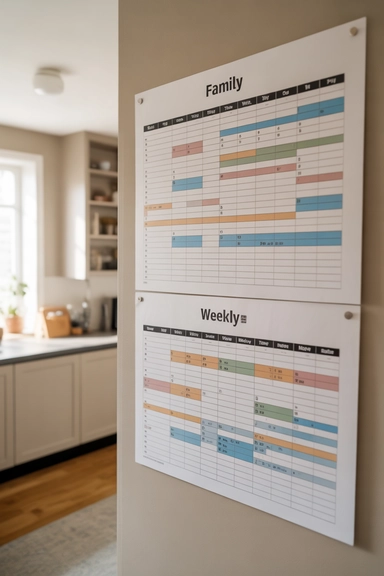
A large wall calendar acts as the visual anchor of any command center because it consolidates schedules into one shared reference point. Use a board that shows both monthly and weekly views so long-term planning and daily logistics remain equally visible. This prevents overlapping appointments and helps everyone anticipate upcoming responsibilities. Among reliable family command center ideas, a central calendar ensures that information doesn’t stay trapped in personal devices where others can’t see it.
Position the calendar at eye level in a high-traffic area such as a kitchen wall or hallway. Assign color coding for each family member so schedules remain readable at a glance. Update it at consistent times each week to maintain accuracy. When the calendar remains current and visible, the command center functions as a dependable planning tool rather than a decorative board that gets ignored.
2- Mail Sorting Station with Action Categories
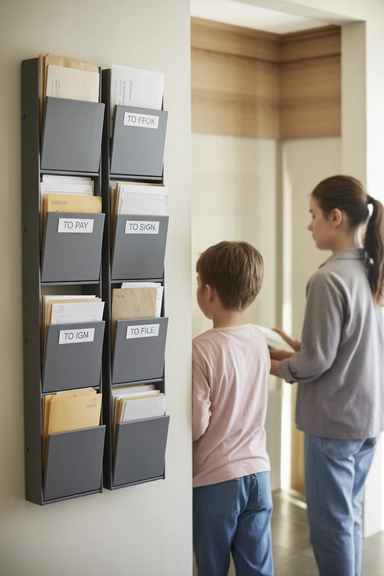
Unsorted mail quickly creates clutter and missed deadlines. A structured mail station divides incoming papers into defined categories such as “To Pay,” “To Sign,” and “To File.” Wall-mounted file pockets or labeled trays keep documents visible until they’re handled. Practical family command center ideas prevent paper accumulation by creating immediate sorting rules rather than letting envelopes pile up.
Place the mail station near the home entry so items get sorted as soon as they arrive. Limit each category to a manageable capacity so overdue papers can’t hide indefinitely. Regular clearing routines keep the station functional. A defined sorting system ensures important documents stay visible and actionable instead of getting lost in random stacks.
3- Key and Essentials Drop Zone
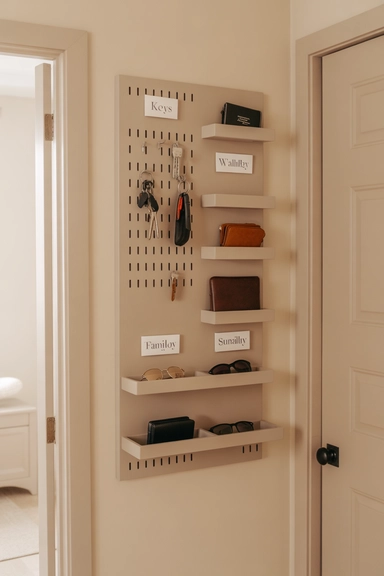
Keys, wallets, and small daily items often disappear because they lack a consistent landing place. Install hooks or a small tray dedicated to these essentials within the command center. This ensures that frequently used items remain accessible and prevents frantic searching before leaving the house. Strong family command center ideas treat everyday objects with the same structure as paperwork and schedules.
Assign a hook or tray space for each person to avoid overlap. Position the drop zone near the door but within the command center area so items stay centralized. Returning essentials to the same place every day reinforces routine and prevents clutter from spreading across surfaces.
4- Dry-Erase Message Board for Daily Notes
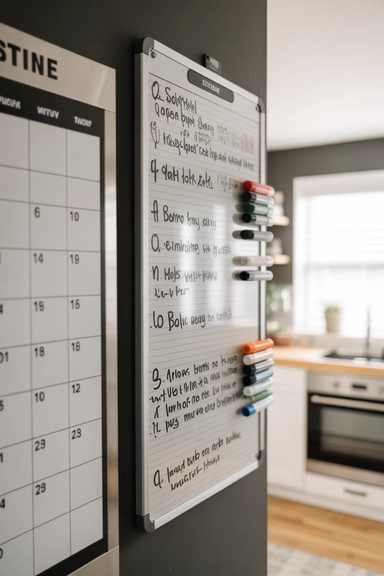
A dry-erase board provides a flexible surface for reminders, quick messages, and temporary notes that don’t belong on the main calendar. Use it for short-term instructions such as pickup times, grocery reminders, or schedule changes. Among adaptable family command center ideas, a message board supports communication without cluttering permanent planning tools.
Keep markers attached to the board so it remains functional at all times. Erase outdated notes regularly to maintain clarity. This dynamic surface ensures that daily updates remain visible without overwhelming the rest of the command center.
5- Charging Station for Family Devices
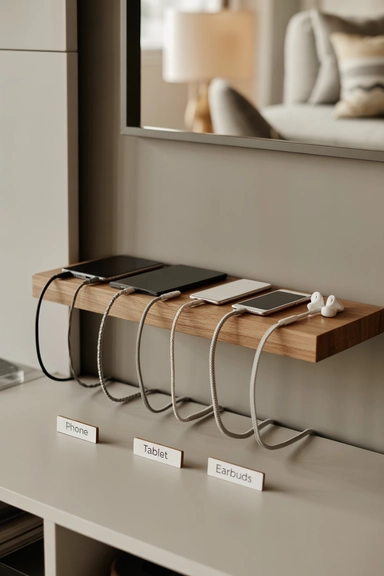
Phones and tablets often scatter across countertops, creating visual clutter and lost chargers. Integrate a charging station into the command center so devices have a designated home. This reduces cable mess and ensures electronics are ready each morning. Well-designed family command center ideas include technology management to support modern routines.
Use a multi-port charger and short cables to keep the area tidy. Assign charging spots for each device so everything returns to the same location each night. Centralizing device storage keeps surfaces clear and supports consistent charging habits.
6- Family File System for Important Documents
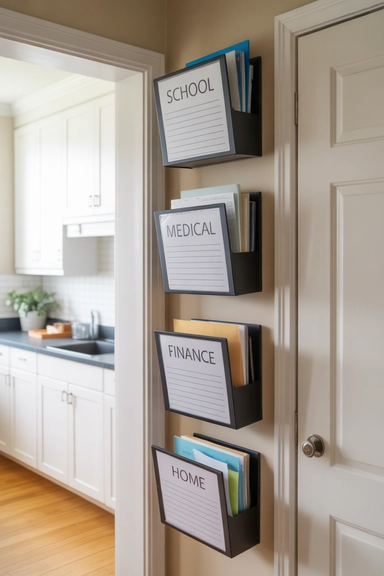
Loose paperwork becomes overwhelming when insurance forms, school notices, and warranty documents live in different drawers. A structured family file system within the command center keeps essential documents categorized and accessible. Use labeled wall pockets, file boxes, or vertical organizers divided into sections such as “School,” “Medical,” “Home,” and “Finance.” Strong family command center ideas recognize that paper management must be ongoing rather than reactive after clutter builds up.
Position the file system slightly above countertop level to keep it visible but not intrusive. Review and purge outdated documents monthly to prevent overflow. Keep only active or frequently referenced items in the command center and move archival papers to long-term storage elsewhere. This layered system ensures important documents remain reachable without turning the command center into a bulky filing cabinet.
7- Family Schedule Board with Individual Sections
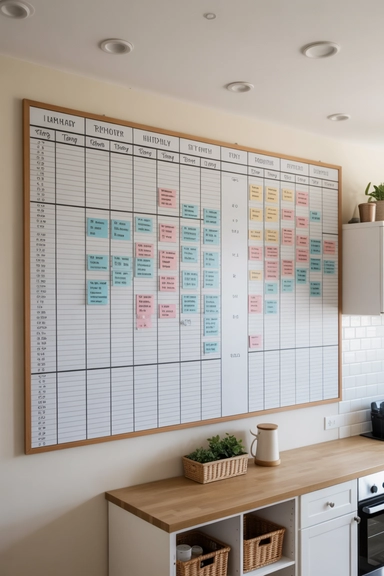
When multiple schedules overlap, confusion follows unless each person has a clearly defined section. A schedule board divided into labeled columns for each family member provides immediate visual clarity. Include space for recurring commitments, extracurricular activities, and reminders. Effective family command center ideas rely on visual segmentation so responsibilities don’t blend together.
Use consistent color coding to reinforce ownership of tasks. Keep the layout simple and avoid overcrowding the board with decorative elements that reduce readability. Update schedules weekly at a designated time so information remains accurate. A segmented schedule board supports accountability and eliminates the need to cross-check multiple calendars throughout the week.
8- Pegboard Wall for Flexible Organization
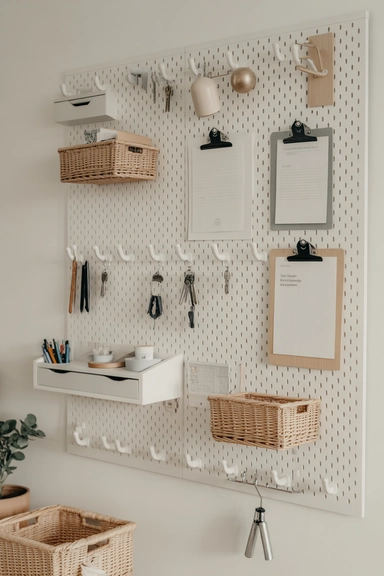
A pegboard system transforms a plain wall into a customizable organization hub. Hooks, baskets, and shelves can be rearranged as needs change, making this one of the most adaptable family command center ideas. Use hooks for keys and lanyards, small bins for pens and supplies, and clip holders for forms that require attention.
Keep spacing intentional so items don’t crowd one another. Assign each hook or bin a specific purpose to prevent overlap. As routines shift, adjust pegboard accessories instead of adding new furniture. This flexibility keeps the command center efficient without requiring a full redesign every time family needs evolve.
9- Homework and Study Drop Station
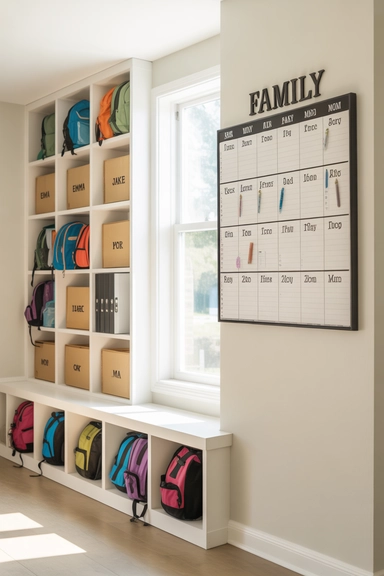
School materials often migrate to dining tables and countertops unless they have a designated home. Incorporate a homework drop station with shelves or cubbies for backpacks, folders, and planners. Among practical family command center ideas, providing a clear space for academic materials reduces after-school clutter and streamlines preparation for the next day.
Place the station near the command center calendar so assignments and schedules align visually. Encourage children to unpack and repack bags at the same time each day to reinforce routine. Keeping school materials contained prevents last-minute scrambling for missing forms or forgotten homework.
10- Meal Planning Section with Weekly Menu Board
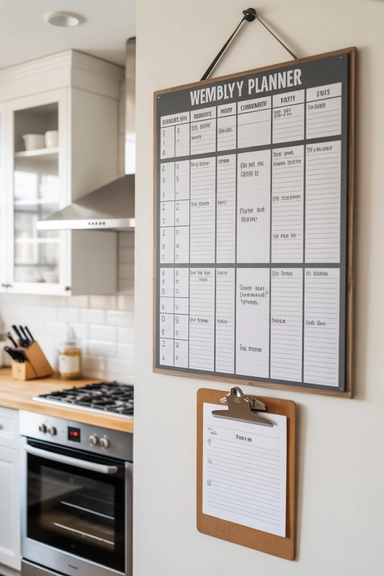
Meal planning reduces daily decision fatigue and unnecessary grocery trips. Include a dedicated board within the command center to outline weekly menus and grocery needs. This keeps dinner plans visible and allows family members to anticipate meals. Structured family command center ideas integrate kitchen logistics alongside schedules and paperwork.
Position the menu board near the calendar so events and dinner plans coordinate. Add a small pocket or clipboard for grocery lists to centralize planning. Update the menu consistently each week so it remains relevant. A visible meal plan supports smoother evenings and more organized shopping habits.
11- Wall-Mounted Clipboards for Active Papers
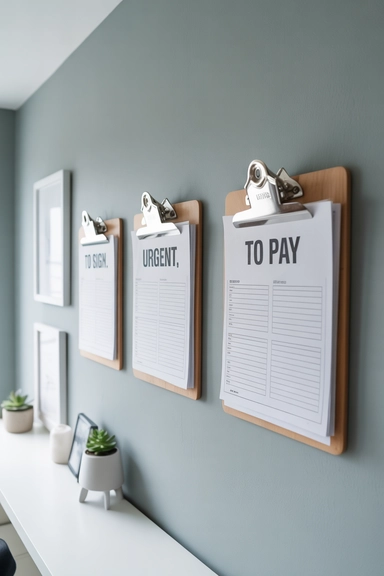
Certain documents require short-term visibility, such as permission slips or bills awaiting payment. Wall-mounted clipboards provide a structured way to display these active papers without spreading them across countertops. Among streamlined family command center ideas, clipboards keep important items upright and noticeable until action is taken.
Limit the number of clipboards to avoid visual clutter. Label each board according to purpose, such as “To Sign” or “Urgent.” Once documents are completed, remove them immediately to preserve clarity. This rotating system keeps critical paperwork visible without overwhelming the overall layout
12- Backpack and Bag Storage Hooks
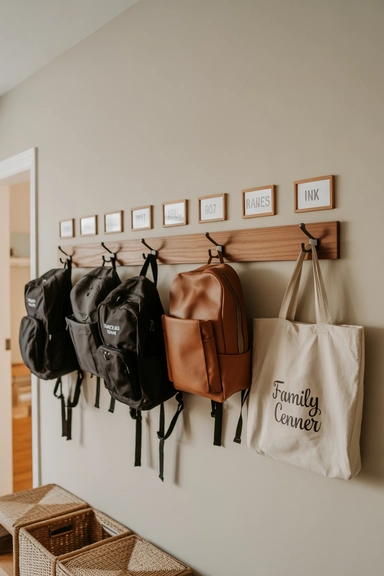
Backpacks, tote bags, and sports gear quickly overwhelm floors when they lack a consistent landing place. Install a row of sturdy wall hooks within or directly beside the command center so daily-use bags remain off the ground but within reach. This keeps walkways clear and ensures each item returns to the same location every day. Effective family command center ideas treat physical gear with the same structure as paperwork and schedules, preventing clutter from spreading into other rooms.
Assign one hook per person to avoid overlap and confusion. Position hooks at appropriate heights so children can independently return their bags after school. Keep a small basket nearby for loose items like gloves or reusable shopping bags. By centralizing bag storage, you reduce daily searching and create a predictable flow between arrival, unpacking, and preparation for the next day.
13- Family Chore and Responsibility Board
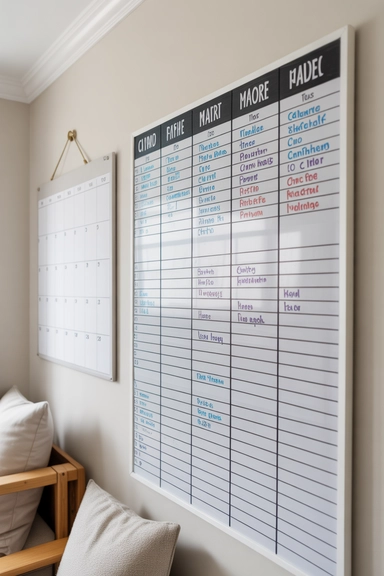
A visible chore board clarifies responsibilities and prevents repeated verbal reminders. Divide the board into sections for each family member with assigned weekly tasks and rotating duties. Among practical family command center ideas, a structured responsibility board reinforces accountability and keeps expectations visible rather than assumed.
Use a dry-erase or magnetic surface so tasks can be adjusted as routines change. Place the board near the main calendar so schedules and responsibilities remain connected. Review assignments at the start of each week to maintain accuracy. When responsibilities stay visible and consistent, daily tasks become part of routine rather than last-minute instructions that disrupt the household flow.
14- Wall Shelf for Everyday Essentials
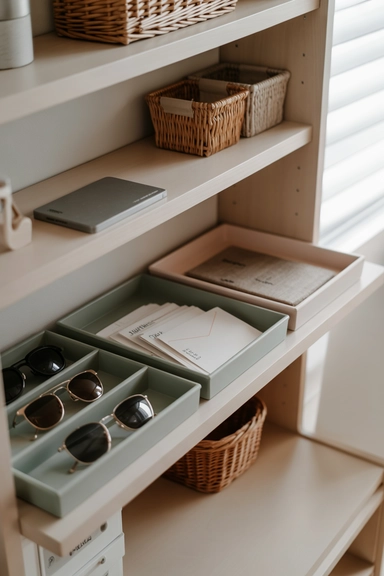
Small daily items such as sunglasses, outgoing mail, and reusable shopping lists need a controlled storage surface to prevent countertop clutter. A narrow wall shelf within the command center creates a defined place for these frequently handled objects. Strong family command center ideas include horizontal surfaces that remain intentional rather than becoming catch-all zones.
Limit the number of items stored on the shelf to preserve clarity. Use small trays or containers to separate categories like outgoing mail and keys. Keep the shelf at a height that allows easy access without encouraging random dumping. A controlled shelf space supports routine without allowing clutter to accumulate.
15- Family Information Binder Station
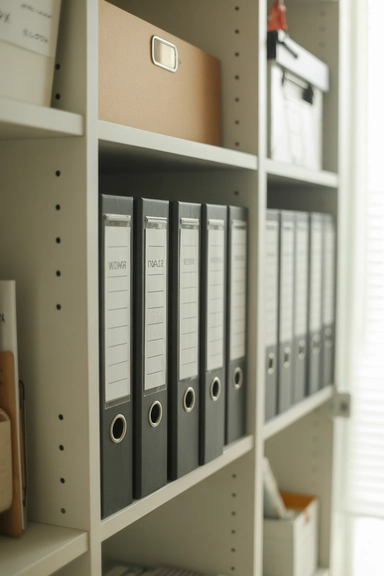
Important reference information often gets scattered across drawers unless it’s centralized. Create a family binder that holds contact lists, school information, emergency numbers, and frequently used forms. Store the binder within the command center on a shelf or in a labeled holder. Detailed family command center ideas include quick-access reference tools so essential information remains available when needed.
Update the binder regularly to keep information current. Use dividers to separate categories for faster retrieval. Position it where adults can access it easily but where it remains protected from everyday wear. A centralized information binder reduces time spent searching for documents during urgent situations.
16- Digital Calendar Display Integration
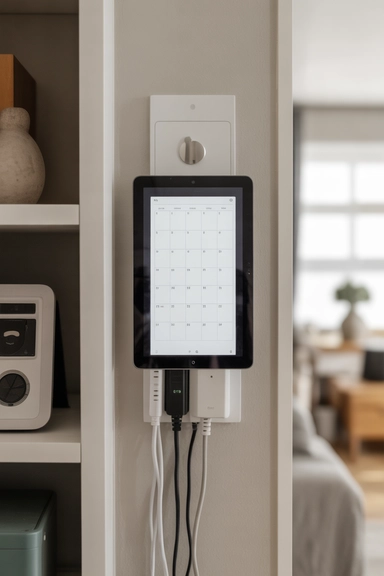
Digital calendar displays provide a shared schedule that updates in real time. Mount a tablet or screen within the command center to mirror family calendars, reminders, and to-do lists. This modern addition supports households that rely on digital scheduling while keeping information visible to everyone. Forward-thinking family command center ideas combine physical boards with digital tools for maximum clarity.
Ensure the display is mounted securely and positioned at comfortable viewing height. Use a consistent app across family members so updates remain synchronized. Keep cords managed with concealed cable routing to maintain a clean look. Integrating a digital display ensures schedules stay accurate without constant manual updates.
17- Entryway Command Center Integration
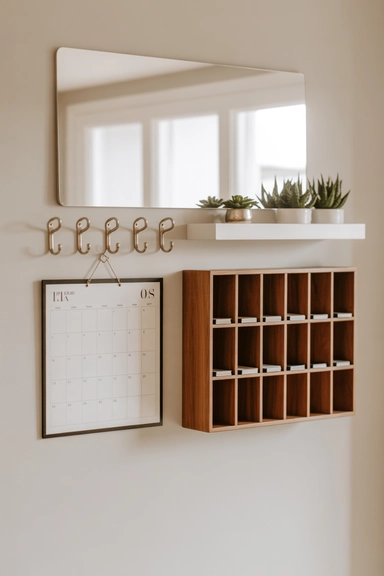
An entryway location keeps the command center aligned with daily movement through the home. Placing calendars, hooks, and mail organizers near the door ensures that information and essentials are seen when entering and leaving. Strategic family command center ideas rely on location as much as structure, because visibility drives consistent use.
Avoid overcrowding the entry area by keeping components streamlined. Combine vertical storage with minimal shelving to maintain flow. Position the command center where it’s easily accessible but not obstructive. An entryway setup reinforces routine by connecting schedules, reminders, and essentials to daily transitions.
18- Central Charging Drawer or Station
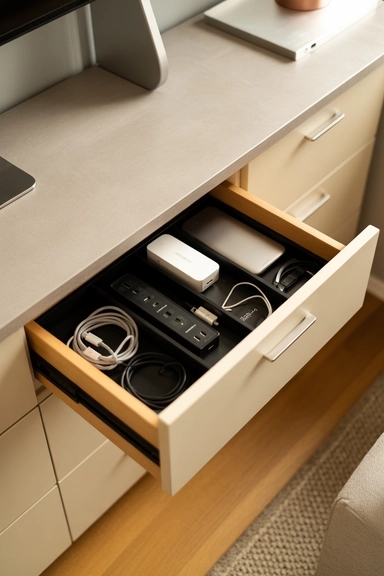
Devices often scatter across countertops when there’s no dedicated charging location. Incorporating a charging drawer or compact charging shelf into the command center keeps phones, tablets, and smartwatches in one controlled place. Strong family command center ideas treat tech like paperwork—visible enough to remember, contained enough to avoid clutter. A centralized charging station also ensures devices are powered and easy to find before leaving the house.
Install a multi-port charging hub inside a ventilated drawer or on a small shelf with cable organizers. Label cords if multiple devices share the space. Encourage a nightly charging routine so mornings run smoothly without searching for devices. Keeping technology centralized reduces visual clutter and supports consistent habits tied to the command center’s daily-use structure.
19- Meal Planning and Grocery List Section
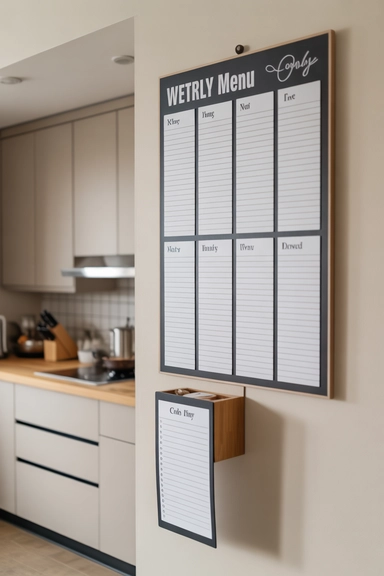
A meal planning board placed within the command center prevents last-minute food decisions and repeated grocery trips. Dedicate space for a weekly menu layout and an ongoing grocery list that family members can update throughout the week. Functional family command center ideas connect meal planning with scheduling so busy days and activities are considered when deciding what to cook.
Use a dry-erase board or notepad for flexibility. Position it near the main calendar so meals align with schedules and commitments. Add a small clip or holder for coupons or store lists. Keeping meal planning visible reduces daily stress and ensures grocery trips are purposeful rather than reactive.
20- Rotating School and Activity Paper Display
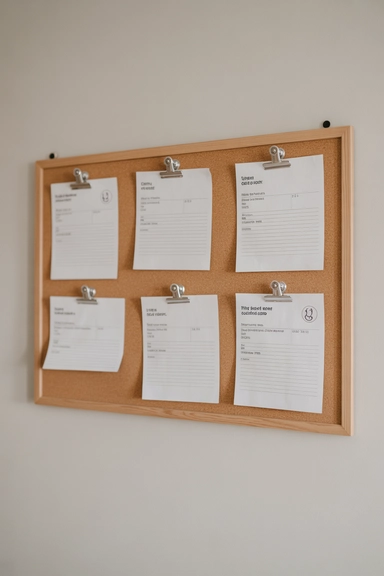
School papers, permission slips, and activity notices often disappear when placed in random locations. Create a rotating display area within the command center for current documents that need attention. Effective family command center ideas include a system where temporary paperwork is visible until action is taken, then removed or archived.
Use clips, a small corkboard, or magnetic strips to display only active items. Limit the space so outdated papers don’t linger. Review and clear the section weekly to maintain accuracy. This rotating display ensures important documents remain visible long enough to act on them without creating permanent clutter.
21- Family Goal and Reminder Board
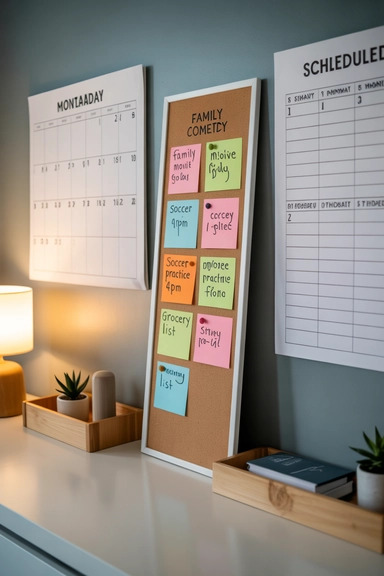
A dedicated goal and reminder board adds long-term focus beyond daily tasks. Include reminders for upcoming events, savings goals, travel plans, or seasonal priorities. Thoughtful family command center ideas incorporate motivational elements so the space supports planning as well as organization.
Use a small board or framed section where goals can be updated monthly. Keep the design simple so it remains readable at a glance. Position it near the main calendar to connect daily routines with larger plans. A visible reminder board reinforces shared direction and keeps long-term priorities from getting lost in daily busyness.
22- Maintenance and Reset Routine Station
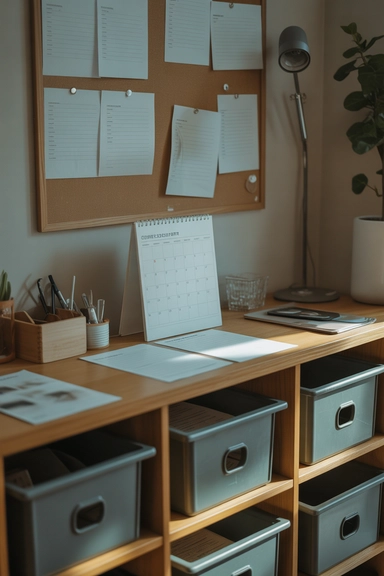
Even the best command center loses effectiveness without regular upkeep. Include a small checklist or reminder area that prompts weekly resets—clearing old papers, updating schedules, and reorganizing supplies. Sustainable family command center ideas treat maintenance as part of the system rather than an afterthought.
Schedule a short weekly reset time when the family reviews calendars and clears outdated materials. Keep a small tray for items that need to be relocated elsewhere in the home. Maintaining this routine ensures the command center stays functional, accurate, and visually clear instead of gradually becoming another clutter zone.
Conclusion
A well-designed command center simplifies daily life by centralizing schedules, paperwork, and essentials in one consistent location. When each element has a clear purpose and routine, the space becomes a reliable hub rather than a decorative feature. The most effective family command center ideas balance visibility with structure so information is easy to access but never overwhelming. With regular updates and thoughtful placement, this organized zone supports smoother mornings, clearer communication, and more predictable daily routines for the entire household.