
Introduction
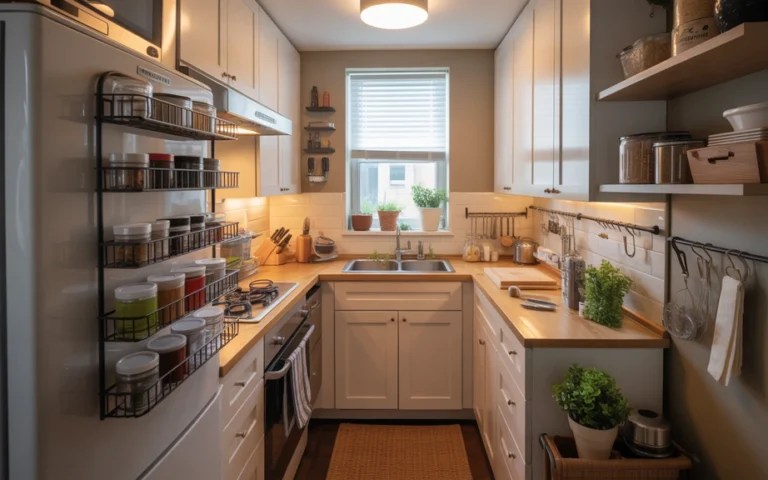
A disorganized fridge wastes space, hides food, and quietly increases grocery bills through forgotten leftovers and expired items. When shelves are overloaded and containers stack randomly, cold air circulation suffers and daily meal prep becomes frustrating. Real fridge organization is not about pretty containers alone, but about structured placement that supports visibility, accessibility, and consistent return habits. These fridge organization ideas focus on practical systems that survive real kitchen routines, not temporary perfection. For a complete kitchen-wide flow, pair these systems with 23 Kitchen Storage Hacks That Make Every Inch Work Harder.
1- Use Clear Stackable Fridge Bins
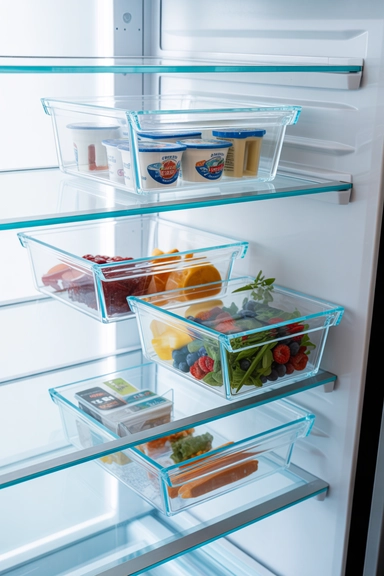
Loose packaging and mismatched containers quickly turn fridge shelves into unstable piles. Clear stackable bins replace scattered food items with defined, contained zones that slide forward for access. Fruits, yogurts, sauces, and deli packs stay grouped, preventing leaks from spreading across shelves and stopping small items from disappearing behind larger containers.
Stackable design also maximizes vertical space without blocking airflow. When bins are uniform in width and height, shelves remain level and easy to restock. Over time, these bins reduce visual clutter, simplify cleaning, and maintain consistent order even during busy grocery cycles.
2- Assign Shelves by Food Category
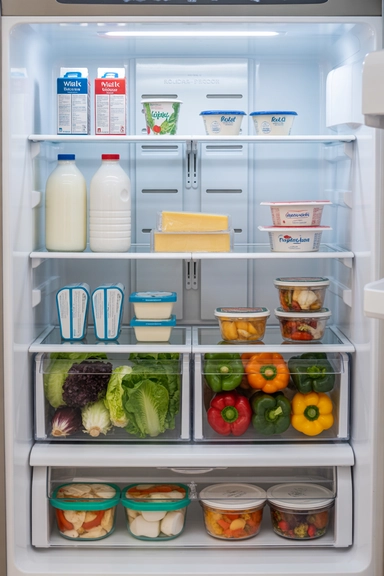
A fridge without category zones becomes a random storage box where food drifts and expires unnoticed. Assigning shelves for produce, dairy, beverages, leftovers, and raw ingredients gives every item a fixed home. This prevents constant reshuffling and makes meal prep faster because ingredients are always in predictable locations.
Category zoning also improves food safety. Raw meats stay separated from ready-to-eat foods, and produce remains in humidity-controlled areas. Over time, shelf zoning keeps the fridge hygienic, organized, and easy for the whole household to maintain.
3- Use Turntables for Condiments and Sauces
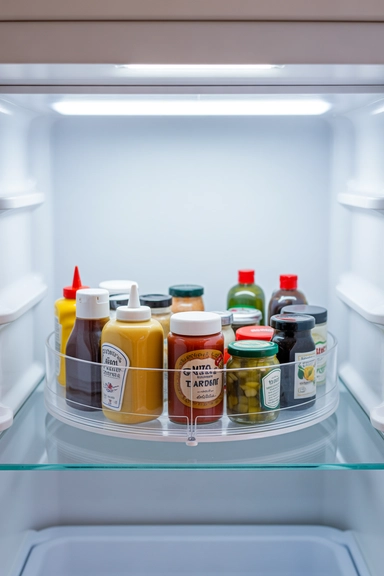
Condiment bottles are notorious for crowding fridge doors and shelves, creating unstable rows that fall every time the door opens. A clear rotating turntable replaces that chaos with controlled access. Jars and bottles stay upright in one contained circle, and a simple spin brings hidden items forward without removing anything else. This prevents daily reshuffling, keeps labels visible, and stops smaller containers from disappearing behind taller ones. By giving condiments a fixed rotating home, shelves remain structured and easy to navigate even during busy cooking routines.
Turntables also contain drips and sticky residue on one washable surface instead of letting spills spread across shelves. Cleaning becomes quick, localized, and non-disruptive to the rest of the fridge layout. Over time, rotating storage reduces forgotten sauces, prevents duplicate purchases, and maintains consistent order in high-use zones. For broader kitchen-wide flow that supports this system, pair this setup with 22 Kitchen Storage Ideas That Make Every Space Work Smarter.
4- Store Produce in Breathable Containers
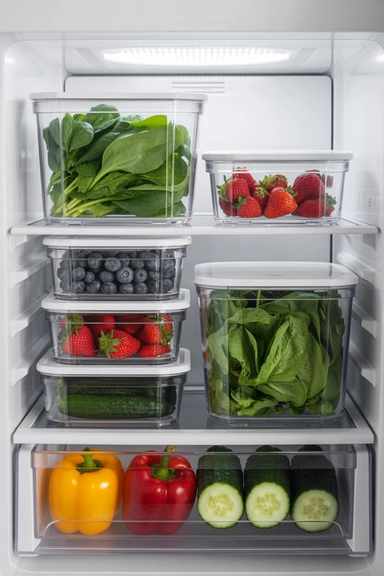
Improper produce storage leads to soggy greens, moldy fruit, and wasted space. Breathable produce containers regulate airflow and moisture, keeping fruits and vegetables fresh longer while preventing condensation from spreading. Clear walls maintain visibility so produce doesn’t get forgotten in deep drawers.
These containers also prevent produce from rolling across shelves and mixing with other food categories. When each type of produce has its own contained space, restocking becomes simple and waste decreases. Over time, breathable storage keeps drawers cleaner and extends food life.
5- Keep Frequently Used Items at Eye Level
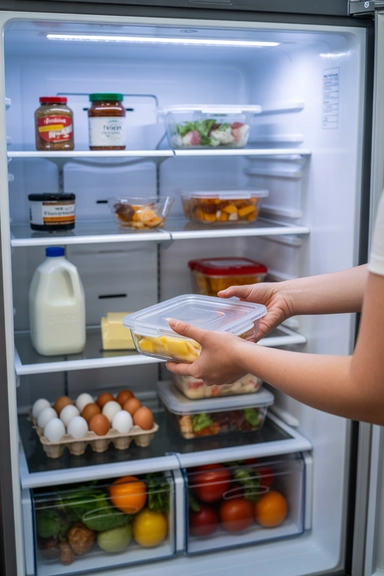
A fridge works best when everyday items live where hands naturally reach. Placing milk, eggs, butter, and ready-to-eat foods at eye level prevents bending, digging, and disturbing other shelves. This simple placement rule protects organized zones from daily disruption.
Eye-level positioning also reduces door-open time because items are found instantly. This maintains consistent internal temperature and improves energy efficiency. Over time, height-based planning keeps fridge flow natural, fast, and mess-free.
6- Use Door Bins for Small Bottles and Jars
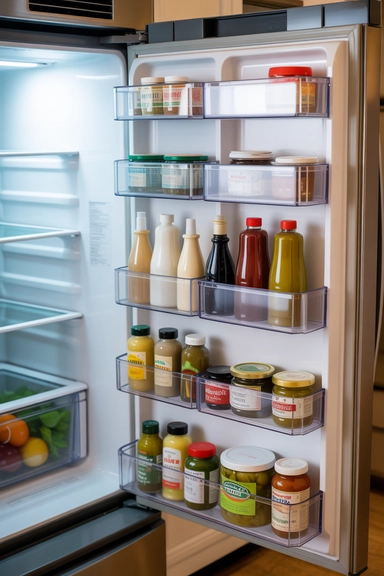
Fridge door shelves become disorganized quickly because small bottles, jars, and narrow containers shift every time the door opens. Without structure, items lean, fall, and leak, creating visual clutter and constant cleanup. Using dedicated door bins creates controlled micro-zones that hold groups of similar items together. Salad dressings, sauces, and drink bottles each gain a stable home that prevents tipping and eliminates random stacking. This structure also keeps labels facing forward, so you can see exactly what you have without removing anything.
Door bins also improve daily access patterns. Instead of grabbing individual bottles and pushing others aside, you slide out one bin and return it in seconds. This prevents cold air loss from long door openings and protects shelf organization inside the main fridge cavity. Over time, bin-based door storage reduces spills, speeds up cooking routines, and keeps high-use items organized without disturbing the rest of the fridge layout.
7- Label Leftovers with a Dedicated Zone
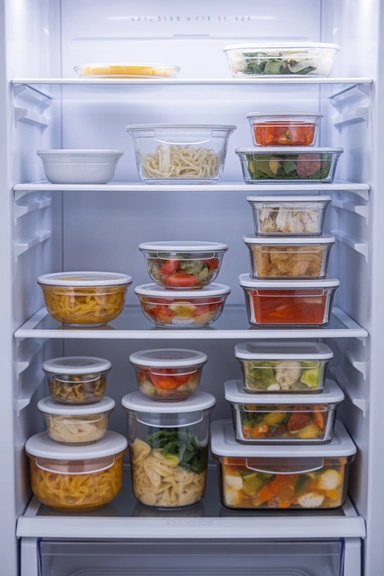
Leftovers are one of the biggest hidden sources of fridge chaos because containers are placed wherever space appears. Over time, they drift behind newer groceries, get forgotten, and eventually wasted. Creating a dedicated leftover zone on one clearly assigned shelf prevents this pattern. All cooked meals, takeaway boxes, and prepared dishes stay in one visible area. This structure stops containers from spreading across multiple shelves and keeps meal options easy to scan at a glance.
A dedicated zone also builds consistent household behavior. Family members know exactly where to place leftovers and where to look for quick meals. This reduces repeated shelf shuffling during snack searches or meal prep. Over time, the leftover shelf becomes a predictable system that cuts food waste, saves money, and protects the rest of the fridge from random container buildup.
8- Store Raw Meat on a Lower Contained Tray
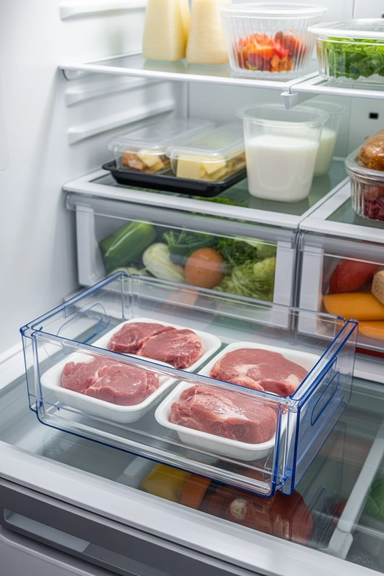
Raw meat storage must prioritize safety, but it also plays a major role in maintaining fridge order. Without a fixed zone, meat packages are placed wherever space exists, risking leaks onto other foods and forcing full-shelf cleanups. Using a contained tray on a lower shelf creates a permanent meat station that catches drips and keeps packaging contained. This prevents contamination while keeping the rest of the fridge undisturbed.
This system also streamlines grocery restocking. When fresh meat comes home, it goes directly to the tray without rearranging shelves. Cleaning becomes easier because only the tray needs washing rather than the entire shelf. Over time, a dedicated contained zone protects hygiene, reduces deep-cleaning frequency, and keeps fridge organization intact even during heavy shopping cycles.
9- Use Slim Drink Dispensers for Beverages
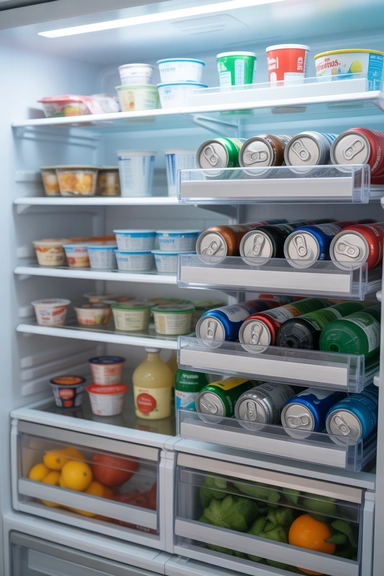
Beverages are space thieves inside a fridge. Tall bottles waste vertical clearance, cans roll when stacked loosely, and drinks spread across shelves and door bins. Slim drink dispensers solve this by creating a compact, horizontal system that stacks cans or bottles in a controlled track. Each drink rolls forward as one is removed, keeping the zone tidy without manual rearranging.
These dispensers also reclaim shelf height for food containers. Instead of drinks consuming full-height shelf space, they occupy a streamlined footprint that fits beneath other items. Over time, beverage storage stops competing with food storage, fridge shelves remain balanced, and the constant shifting of bottles that disrupts organization disappears.
10- Separate Ready-to-Eat Foods from Ingredients
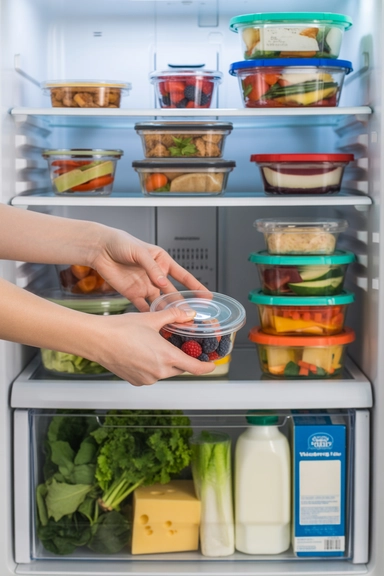
A fridge becomes disorganized when ready-to-eat foods and cooking ingredients share the same shelves. Every time someone looks for a snack, ingredient zones get disturbed, containers get moved, and order breaks down. Creating one shelf for ready-to-eat foods and another for raw ingredients establishes a clean usage boundary. Snacks, yogurt, leftovers, and drinks stay separate from vegetables, dairy blocks, and cooking components.
This separation improves both efficiency and hygiene. Meal prep becomes faster because cooking zones remain untouched by casual browsing. Family members know exactly where snack items live without shifting ingredient containers. Over time, this division keeps shelf layouts stable, reduces daily reorganization, and supports a fridge system that matches real household behavior.
11- Use Fridge Mats to Protect Shelves
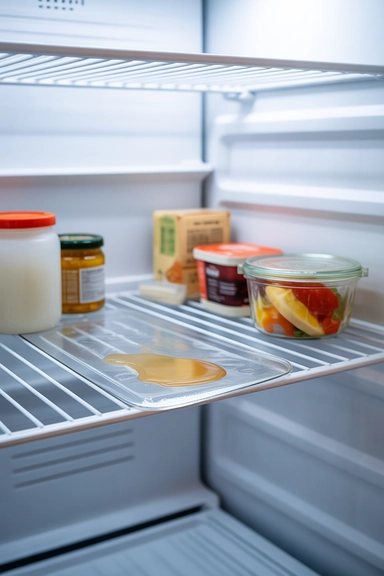
Spills and condensation are silent organization killers. When shelves become sticky or stained, containers shift, cleaning becomes disruptive, and systems break down. Fridge mats create a removable protective layer that absorbs minor leaks and crumbs before they spread. When a spill occurs, the mat lifts out for quick cleaning without forcing full shelf emptying.
Mats also add subtle grip that stabilizes containers when doors open and close. This prevents jars and boxes from sliding forward and collapsing organized rows. Over time, protected shelves stay cleaner, maintenance becomes faster, and your fridge layout stays intact without repeated breakdowns caused by mess cleanup.
12- Keep a Backstock Zone for Extra Items
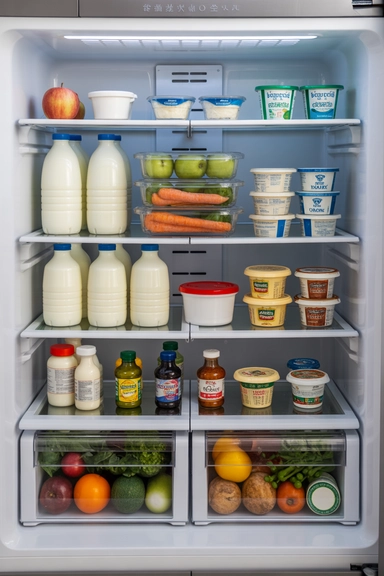
Bulk purchases and duplicate groceries often overcrowd prime fridge space when there is no designated overflow area. A backstock zone solves this by assigning one shelf or drawer for surplus milk, extra produce, or backup packaged foods. This prevents high-use shelves from becoming packed and difficult to navigate.
Backstock storage also improves inventory awareness. When daily items run low, replacements are easy to locate without restocking chaos. Instead of pushing new groceries wherever they fit, every extra item has a defined place. Over time, a backstock zone keeps fridge capacity balanced, reduces clutter after shopping trips, and prevents the slow overcrowding that leads to disorganization.
13- Use Clear Egg Holders Instead of Cartons
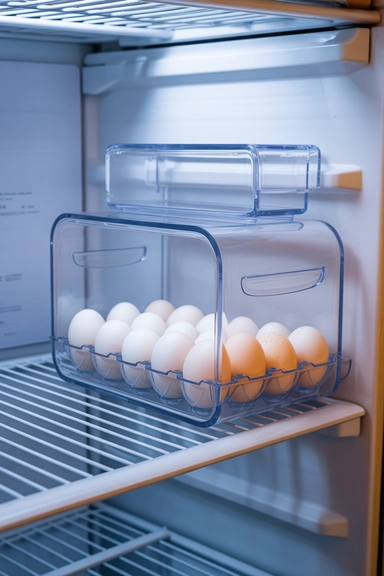
Egg cartons are bulky, unevenly shaped, and prone to tearing, which makes fridge shelves look messy and unstable. A clear egg holder replaces fragile cardboard with a solid, uniform container that stacks neatly and protects eggs from rolling. This keeps the shelf surface even, prevents accidental cracking, and frees surrounding space that cardboard flaps usually waste.
Clear holders also improve visibility. You can instantly see how many eggs remain without opening lids or shifting items. When grocery restocking happens, older eggs stay at the front while new ones slide in behind, naturally supporting rotation. Over time, a dedicated egg container keeps one of the most-used fridge items permanently organized.
14- Store Dairy in One Unified Zone
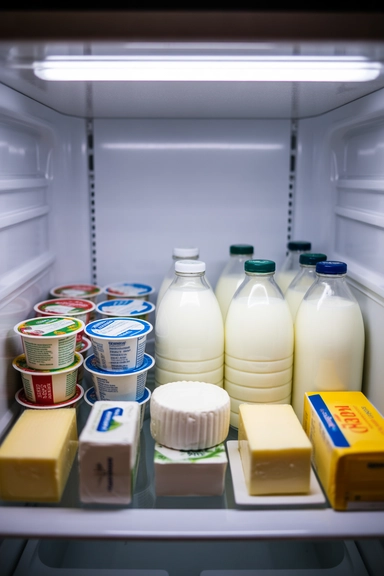
Dairy products often scatter across shelves because milk goes in the door, cheese lands wherever space appears, and butter shifts daily. Creating one unified dairy zone prevents this fragmentation. Milk, yogurt, cheese, cream, and butter stay together on a single shelf or section, eliminating daily searching and shelf disturbance.
A unified dairy zone also protects temperature consistency. Door shelves experience more temperature fluctuation, so relocating milk and sensitive dairy to interior shelves improves freshness. Over time, centralized dairy storage reduces expired products, stabilizes shelf layouts, and simplifies grocery unloading because every dairy item has a fixed destination.
15- Use Drawer Dividers in Produce Crispers
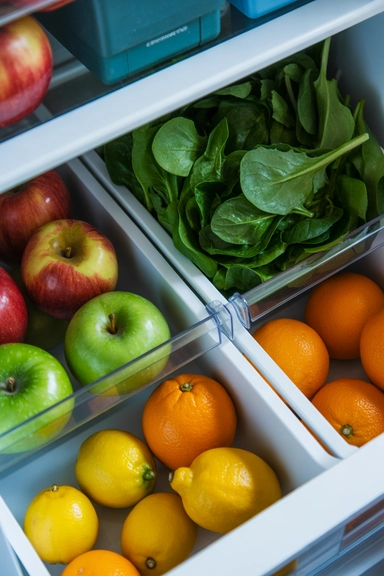
Produce drawers become tangled mixtures of fruits and vegetables when left unstructured. Drawer dividers create internal lanes that separate apples from leafy greens and citrus from root vegetables. This prevents bruising, stops moisture transfer, and keeps airflow balanced inside the crisper.
Dividers also make cleaning easier. Instead of removing an entire drawer to wash spilled leaves or soil, only one section needs attention. Over time, divided produce drawers maintain freshness longer, reduce food waste, and keep the bottom of the fridge from turning into an unstructured storage pit.
16- Store Tall Bottles on One Dedicated Shelf
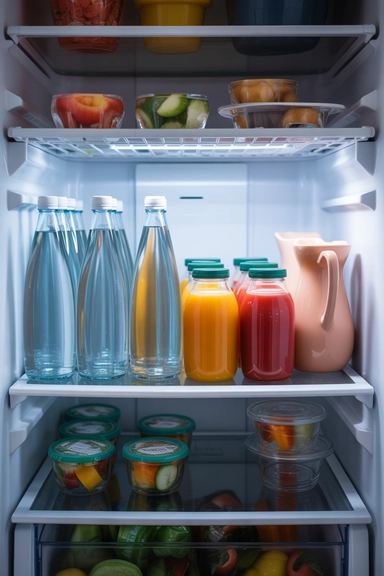
Tall bottles such as juice, soda, water pitchers, and specialty drinks often disrupt shelf planning because they require extra height. Assigning one dedicated shelf for tall bottles prevents rearranging other shelves every time drinks are restocked. This keeps overall fridge geometry stable.
A tall-bottle shelf also prevents tipping. When bottles are grouped together at full height, they support each other instead of leaning across mixed items. Over time, this dedicated shelf keeps drink storage predictable, prevents spills, and protects the organization of surrounding food zones.
17- Use Clear Turntables for Bottles and Jars
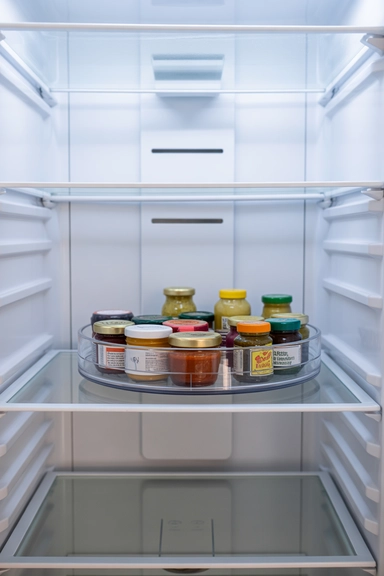
Small bottles and jars easily get pushed to the back of shelves where they disappear and expire. A clear turntable solves this by bringing every item into reach with a simple rotation. Oils, spreads, pickles, and sauces remain upright, visible, and accessible without moving other containers.
Turntables also contain sticky drips on one washable surface instead of across fridge shelves. Cleaning becomes localized and quick, protecting surrounding organization. Over time, rotating storage eliminates forgotten items, prevents duplicate purchases, and keeps condiment zones permanently structured.
18- Create a Kid-Friendly Snack Zone
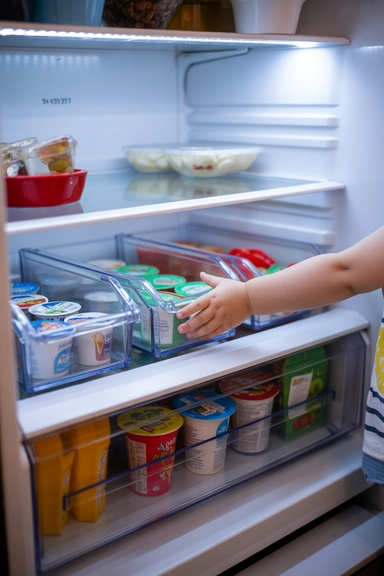
When children search freely inside the fridge, organized shelves quickly fall apart. A kid-friendly snack zone solves this by placing approved snacks in reachable bins at lower shelf height. Yogurts, juice boxes, fruit cups, and snack packs stay contained in one controlled section.
This keeps the rest of the fridge untouched during snack time. Children grab what they need without shifting ingredients or leftovers. Over time, this zone trains consistent behavior, reduces daily shelf disruption, and keeps fridge order intact even in busy family routines.
19- Use Uniform Jars for Loose Ingredients
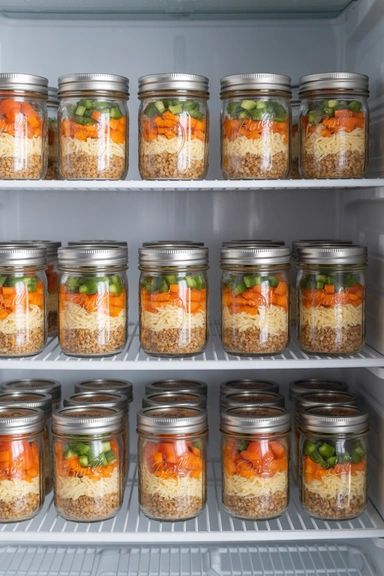
Loose ingredients like chopped vegetables, grated cheese, or prepped meal components often sit in mismatched containers that stack poorly. Uniform jars replace irregular shapes with stable, sealed, and stackable storage. Contents remain fresh, visible, and easy to arrange without wasted gaps.
Uniform jar sizing also creates consistent shelf architecture. Instead of random heights and widths breaking shelf lines, jars align neatly in rows. Over time, uniform containers simplify meal prep, prevent spills, and keep fridge shelves looking structured and professional.
20- Keep an Inventory Note or Tracking Spot
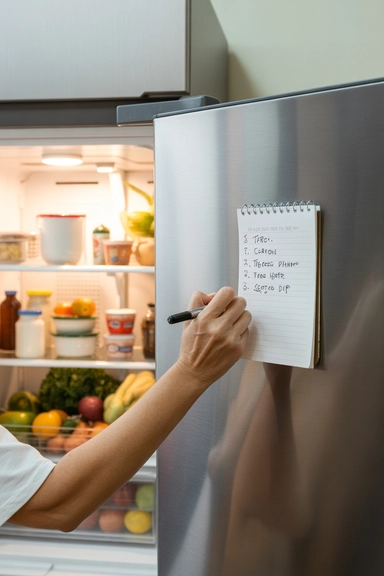
A fridge that stays organized also needs awareness of what’s running out. A small note area or tracking habit near the fridge keeps grocery planning connected to storage reality. When milk finishes or vegetables run low, it gets noted immediately instead of forgotten.
This prevents overbuying, underbuying, and restocking chaos. When groceries arrive, only needed items enter the fridge, keeping shelves balanced. Over time, inventory tracking stabilizes fridge volume, reduces clutter after shopping trips, and supports long-term organization success.
21- Reset the Fridge Weekly
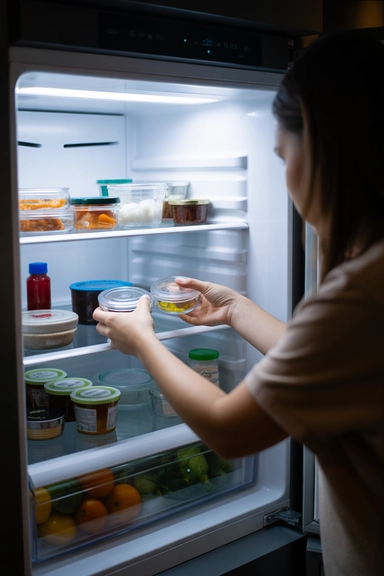
Even strong systems drift slightly with daily use. A weekly reset keeps small misplacements from turning into full disorder. During this reset, shelves are quickly checked, leftovers reviewed, expired items removed, and containers returned to their zones.
This short routine takes minutes but prevents deep cleaning sessions later. Weekly resets maintain hygiene, preserve layout structure, and keep food visible. Over time, this habit ensures fridge organization stays consistent instead of collapsing gradually between grocery cycles.
22- Keep One Buffer Shelf for Flexibility
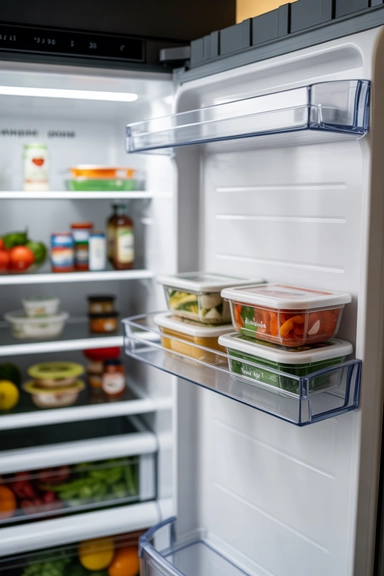
A fridge filled to the last inch leaves no room for movement, and organization breaks the moment new groceries arrive. A buffer shelf kept partially open absorbs temporary overflow during restocking, meal prep, or holiday cooking. This space prevents rearranging every shelf under pressure.
A buffer zone also allows airflow to remain steady, improving cooling efficiency. Over time, a small amount of intentional empty space becomes the key to maintaining order, flexibility, and stress-free fridge management.
Conclusion
A space-saving fridge is not built through containers alone, but through thoughtful structure that matches daily kitchen behavior. When zones are defined, visibility is protected, and maintenance habits are consistent, food stays fresh longer and clutter has no chance to return. These fridge organization ideas focus on real-use efficiency, not temporary visual perfection. With controlled placement, proper category planning, and simple reset routines, even a full fridge can feel calm, accessible, and permanently organized.