
Introduction
I ruined a wool sweater in the dryer two years ago because I assumed everything went in on the same setting. Pulled it out the size of a dish cloth. That was the moment I stopped treating laundry as something I already knew how to do and started actually paying attention. Most laundry problems are not detergent problems or machine problems. They are habit problems that repeat every single wash cycle. These laundry cleaning hacks fix the habits that quietly ruin clothes, waste energy, and leave laundry smelling worse than before it was washed. If your laundry room storage situation needs sorting out first, laundry room organizing ideas has practical setups worth looking at.
Sort by Fabric Weight Not Just Color
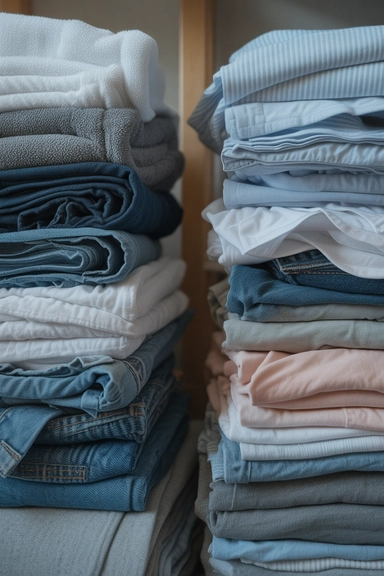
Sorting by color prevents dye transfer. Most people know that. What most people do not do is sort by fabric weight, which determines how long each load needs in the dryer and how aggressively the machine handles each item.
Heavy towels and jeans in one load. Light shirts and underwear in another. Mixed loads leave light fabrics over-dried and stiff while heavy items come out still damp. Running the dryer a second time for the heavy items wastes energy and the over-dried light fabrics age faster from the extended heat exposure.
Two extra minutes sorting saves time, energy, and fabric quality across hundreds of wash cycles.
Cold Water for Almost Everything
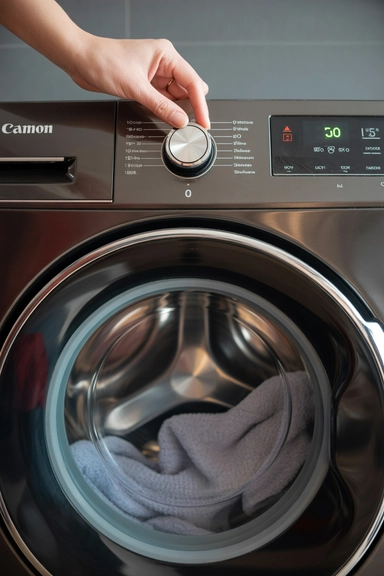
Hot water sets protein-based stains like blood, egg, and sweat permanently into fabric. It also fades colors faster, shrinks natural fibers, and uses significantly more energy per cycle than cold water does.
Cold water cleans everyday laundry just as effectively as hot water when paired with a modern detergent formulated for cold water washing. Hot water genuinely is necessary for heavily soiled items, bedding, and towels where bacteria removal matters more than fabric preservation.
Everything else goes in cold. The energy saving across a year of laundry is meaningful and the clothes last noticeably longer.
Too Much Detergent Is Worse Than Too Little
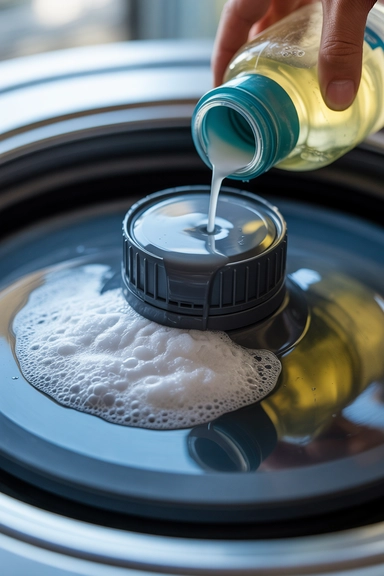
The detergent measuring lines on the cap are set by detergent companies. They have a financial interest in you using more product per wash. The actual amount needed for a standard load in a modern high-efficiency machine is roughly half what the cap suggests.
Excess detergent does not rinse out fully. It leaves a residue in the fabric that traps odor, attracts dirt, and makes clothes feel stiff. That grey dingy look on white shirts that develops over time is often detergent residue buildup rather than staining.
Cut the amount in half. Run a few loads and check whether the results differ. They almost certainly will not.
Treat Stains Before They Hit the Machine
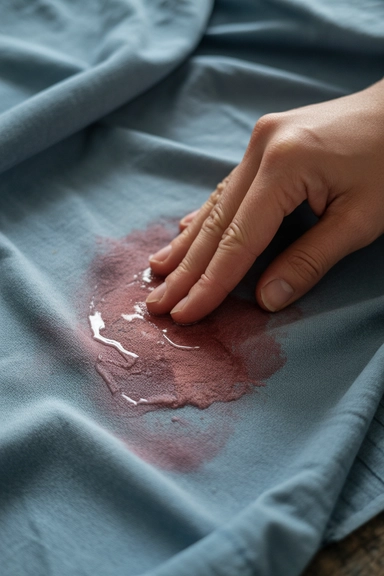
A stain that goes through a full wash cycle without pre-treatment has been heat-set into the fabric by the dryer and is significantly harder to remove after. The window for easy stain removal is the first few minutes after the stain happens.
Blot, never rub. Rubbing pushes the stain deeper into the fabric fibers. Blot from the outside edge of the stain inward to prevent it spreading. Apply a small amount of dish soap or a dedicated stain remover directly to the stain and leave it ten minutes before washing.
Never put a stained item in the dryer until you have confirmed the stain is gone. Heat makes whatever remains permanent.
The Washing Machine Drum Needs Cleaning Too
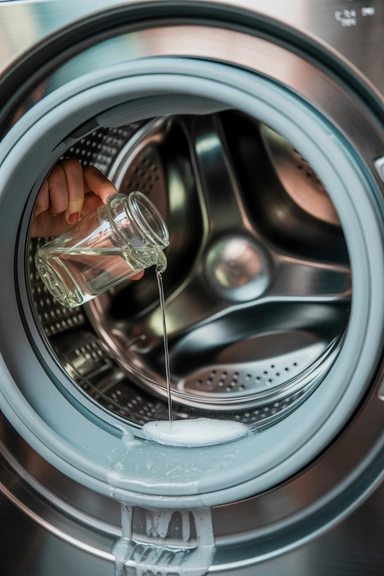
A washing machine that smells produces laundry that smells. The drum, the rubber door seal, and the detergent drawer all accumulate soap residue, fabric softener buildup, and mold that transfers odor to every load washed inside.
Run an empty hot cycle with two cups of white vinegar poured directly into the drum once a month. Follow with a second empty cycle with half a cup of baking soda. Wipe the rubber door seal with a vinegar-dampened cloth after, pressing into the folds where mold accumulates.
Leave the machine door open between washes. A closed door traps moisture and creates the conditions mold needs to grow inside the drum.
White Vinegar in the Rinse Cycle
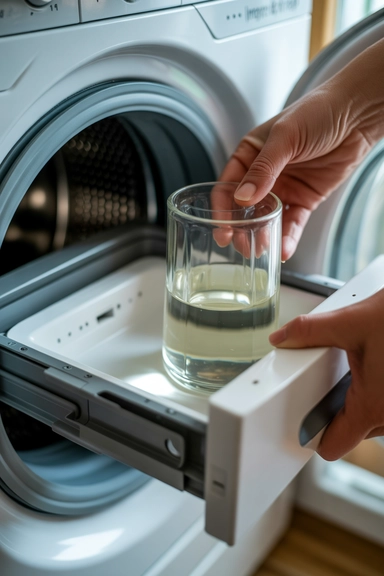
Fabric softener leaves a coating on fabric fibers that reduces their ability to absorb moisture over time. Towels softened with commercial fabric softener become less absorbent with every wash until they barely dry anything at all. White vinegar does the opposite.
Add half a cup of white vinegar to the fabric softener compartment. It softens fabric naturally by breaking down detergent residue during the rinse cycle. Clothes come out soft without the waxy coating commercial softener leaves behind.
No vinegar smell transfers to the laundry. The smell dissipates completely during the spin cycle before the load goes into the dryer.
Wool Dryer Balls Over Dryer Sheets
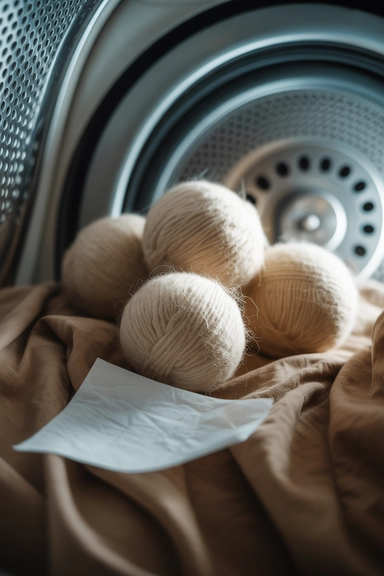
Dryer sheets deposit a chemical fragrance and a light waxy coating on fabric with every use. That coating accumulates on the dryer drum, the lint trap, and inside fabric fibers over months of regular use.
Wool dryer balls separate laundry in the drum, allow hot air to circulate more efficiently, and reduce drying time by fifteen to twenty percent. They last for hundreds of loads without replacement and produce no chemical residue on fabric or drum surfaces.
Add two to three drops of essential oil to each ball before a load for natural fragrance without the chemical coating. Lavender works well for bedding. Citrus works well for towels.
Washing Delicates Without Ruining Them
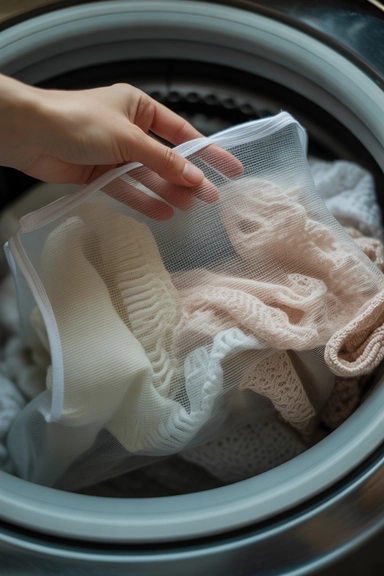
Delicate fabrics go in a mesh laundry bag before entering the machine. The bag protects the fabric from the agitator and prevents straps, hooks, and thin fabric from tangling around other items and stretching or tearing during the cycle.
Use the delicate or gentle cycle with cold water and a small amount of delicate-specific detergent. Delicate cycle agitation is significantly gentler than a standard cycle and makes a meaningful difference to fabric longevity on silk, lace, and lightweight knits.
Lay delicates flat to dry rather than hanging them. Hanging wet delicate fabric causes it to stretch under its own weight and the original shape does not always return.
Laundry Hacks by Problem Type
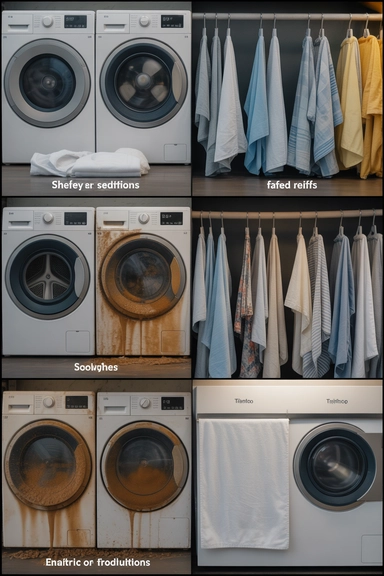
| Problem | Cause | Fix | Avoid |
|---|---|---|---|
| Clothes smell after washing | Mold in drum or door seal | Monthly vinegar drum clean, leave door open | Closing machine between washes |
| Towels not absorbing | Fabric softener buildup | Switch to white vinegar in rinse | Commercial fabric softener |
| Colors fading fast | Hot water and over-drying | Cold water, remove promptly from dryer | High heat settings |
| Whites going grey | Detergent residue buildup | Halve detergent amount, add vinegar rinse | Excess detergent |
| Stains surviving washing | Dryer heat-setting the stain | Pre-treat before washing, air dry until confirmed gone | Putting stained items in dryer |
Most laundry problems have a consistent cause that repeats every cycle until the habit behind it changes.
Drying Clothes the Right Way
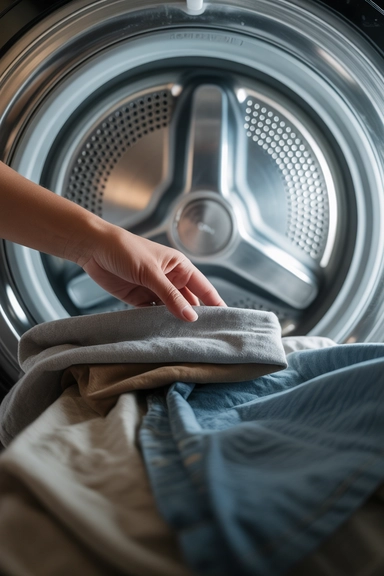
High heat damages elastic, shrinks natural fibers, and ages fabric significantly faster than lower heat settings. Most clothes do not need the highest heat setting to dry properly within a reasonable time.
Use medium heat for most loads. Remove clothes while slightly damp and let them finish air drying on a rack or hanger. That last five percent of drying time in the machine is where most heat damage to elastic and synthetic fibers happens.
Shake each item before putting it in the dryer. Clothes that go in bunched up dry unevenly and come out wrinkled in ways that require ironing or another tumble cycle.
Pillows and Duvets Need Special Handling
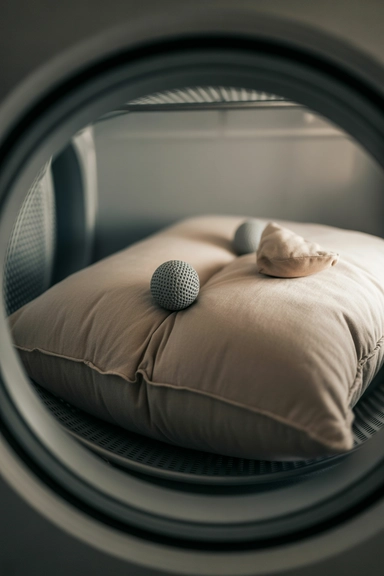
Pillows and duvets compress filling into clumps during washing that do not redistribute evenly during a standard dry cycle. The result is lumpy filling that stays damp in the center even when the outer surface feels dry. Damp filling grows mold inside the pillow within days.
Wash pillows two at a time to keep the machine balanced. Dry on low heat with two clean tennis balls or wool dryer balls inside the drum to break up filling clumps throughout the cycle. Run an extra drying cycle even when the outside feels dry.
Press the pillow in the center after drying. If it feels cool or damp in the middle it needs another cycle regardless of how the outside feels.
Hard Water and What It Does to Laundry
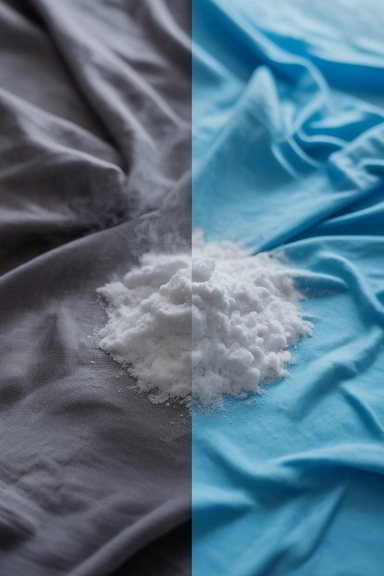
Hard water contains minerals that react with detergent to form a grey residue that deposits on fabric rather than rinsing clean. Clothes washed consistently in hard water develop a dull flat appearance and a slightly stiff texture that no amount of detergent adjustment fixes without addressing the water itself.
Add half a cup of washing soda to each load along with detergent. Washing soda softens hard water by binding to the minerals before they react with the detergent, allowing the detergent to work on the actual laundry instead of fighting the water.
A water softener installed on the washing machine supply line solves the problem permanently but washing soda handles it effectively on a load-by-load basis without the installation cost.
Gym Clothes and Why They Still Smell Clean Out of the Wash
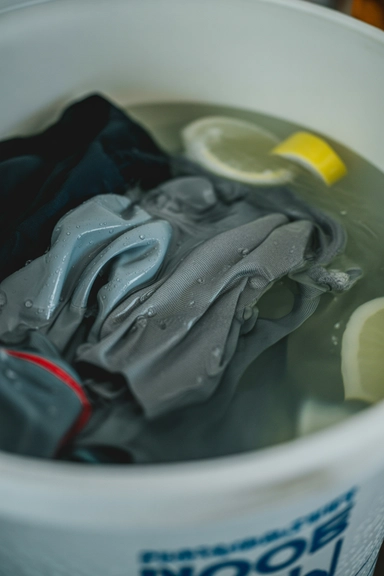
Synthetic athletic fabric traps body oils and bacteria inside the fibers in a way that standard detergent does not fully break down. Clothes come out of the machine smelling clean and start smelling like a gym within thirty minutes of wearing because the bacteria causing the odor survived the wash.
Soak gym clothes in cold water with half a cup of white vinegar for thirty minutes before washing. The vinegar breaks down the oils and bacteria trapped in the synthetic fibers in a way the wash cycle alone does not. Wash immediately after soaking in cold water with a small amount of detergent.
Never use hot water on synthetic athletic fabric. Heat bonds the odor-causing bacteria deeper into the synthetic fibers rather than removing them.
Ironing Shortcuts That Save Time
Removing clothes from the dryer while still slightly damp and hanging or folding them immediately prevents most wrinkles from setting. A shirt taken out of the dryer five minutes early and hung up needs no ironing. The same shirt left in a stopped dryer for an hour comes out creased in ways that take genuine effort to remove.
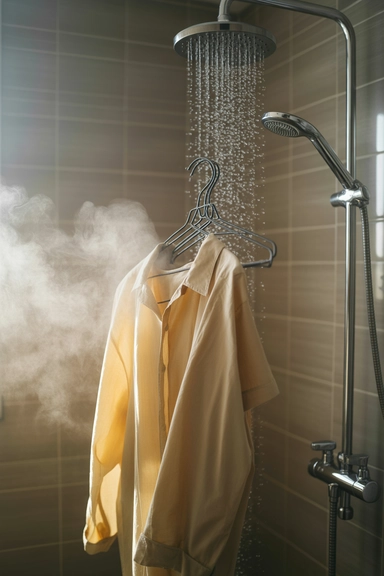
For clothes already wrinkled, hang them in the bathroom during a hot shower. The steam relaxes the fibers enough to release most wrinkles without touching an iron. Leave them hanging for fifteen minutes after the shower while the fabric dries.
A spray bottle of water applied to wrinkled fabric before a quick tumble in the dryer on medium heat for ten minutes handles the wrinkles that steam alone does not fully release.
The Lint Trap Needs Cleaning Every Single Load
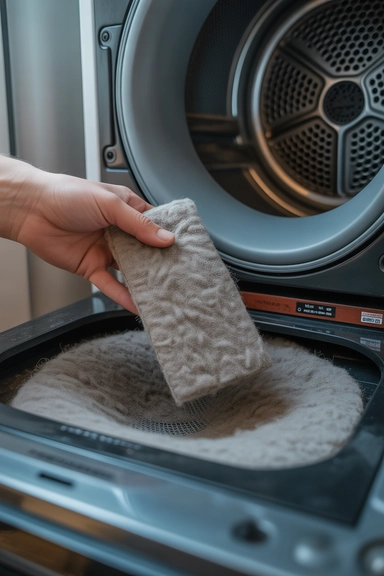
A clogged lint trap makes the dryer work harder, extends drying time, and in enough buildup creates a genuine fire risk. Most people clean it occasionally. It needs cleaning before every single load.
Pull the trap out, remove the lint, replace it. Ten seconds. The dryer runs more efficiently immediately and drying times stay consistent rather than creeping up load by load as the trap gradually clogs.
Every six months remove the lint trap completely and vacuum the slot it sits in. Lint bypasses the trap and builds up in the slot over time in a layer that the trap removal alone does not address.
Final Thoughts on Laundry Cleaning Hacks
Laundry problems almost always trace back to habits rather than products. Too much detergent, wrong water temperature, closing the machine door between washes, and putting stained items in the dryer before the stain is confirmed gone account for the majority of laundry complaints most people have.
Cold water for most loads, half the detergent, white vinegar in the rinse, and a clean machine drum address the most common issues without buying anything new. The lint trap before every load and the open machine door between washes take ten seconds each and prevent two of the most costly laundry problems.
Fix the habits and the results change permanently across every future wash cycle.
FAQ About Laundry Cleaning Hacks
Why do my clothes still smell after washing? The smell almost always comes from one of three sources. Mold growing in the washing machine drum or door seal transfers odor to every load washed inside. Excess detergent that does not rinse out fully leaves a residue that traps and holds odor in the fabric. Synthetic fabrics that trap body oils and bacteria in the fibers survive a standard wash cycle without those compounds being fully removed. Run a monthly vinegar drum clean, halve the detergent amount, and pre-soak synthetic fabrics in vinegar before washing to address all three.
How do I get white clothes white again without bleach? Add half a cup of washing soda to the wash along with detergent and half a cup of white vinegar to the rinse cycle. Wash on the hottest water temperature safe for the fabric. For yellowing that has built up over time, soak whites in a solution of warm water and oxygen-based bleach like OxiClean for two hours before washing. Dry whites in sunlight when possible as UV light naturally whitens fabric without any chemical treatment.
Is it bad to leave wet laundry in the washing machine? Wet laundry left in a closed machine for more than two hours starts developing mildew in the fabric. The warm damp environment inside a closed drum after a wash cycle creates ideal conditions for mildew growth within hours. Rewash anything left in the machine overnight before drying it. The mildew smell does not come out in the dryer and wearing the item makes it worse.
Sarah Mitchell’s Take
The lint trap is the one laundry habit that costs the most when ignored and takes the least effort to maintain. Ten seconds before every load. People who let it build up for weeks wonder why their dryer takes two cycles to dry a single load and then call a repair technician to tell them the lint trap was the problem. Clean it before every load without exception. Everything else on this list is useful but that one is non-negotiable.