
My mother-in-law visited once and ran her finger along the top of my bookshelf without saying a word. Just looked at me. The shelf had been dusted three days before. Three days. I had been dusting with a dry feather duster my whole adult life and wondered why the dust came back within 48 hours every single time. Turns out I was not removing dust at all. I was just relocating it temporarily to the air and the floor.
If dusting feels pointless because the gray film returns before you have even put the duster away, these 21 dusting hacks actually remove dust instead of moving it around. And if you want to go deeper on the areas that collect the most buildup, these deep cleaning hacks cover every corner your regular routine misses.
Quick Answer: What Are the Best Dusting Hacks?
Dusting hacks that actually work focus on trapping dust rather than disturbing it. Always use a damp microfiber cloth instead of a dry duster, work from ceiling to floor across every room, turn the HVAC fan to ON before you start, and apply a dust repellent spray after cleaning surfaces. These four steps noticeably reduce how often surfaces need dusting.
Always Use a Damp Microfiber Cloth Not a Dry Duster
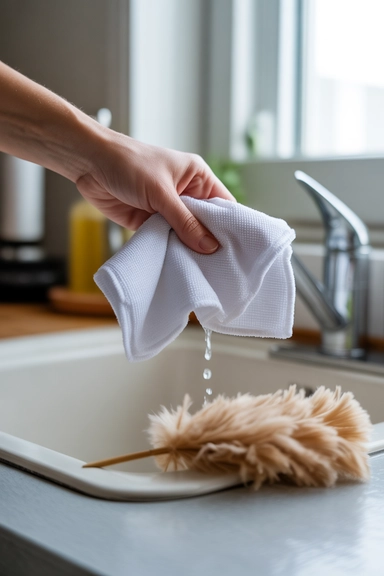
Dry dusting is the biggest mistake most people make and nobody talks about it directly. A dry feather duster or dry cloth does not remove dust. It disturbs the particles, sends them airborne, and they settle right back onto the same surfaces within a few hours.
A slightly damp microfiber cloth works completely differently. The moisture causes dust particles to stick to the cloth fibers rather than becoming airborne. Microfiber itself has a static charge that attracts and traps particles rather than pushing them away. The combination of dampness and microfiber structure removes dust permanently from the surface rather than temporarily displacing it.
Wring the cloth out until it feels barely damp, not wet. A wet cloth leaves streaks and moisture on furniture. Barely damp removes everything cleanly and leaves no residue behind.
Does the DIY Olive Oil Dusting Spray Actually Work?
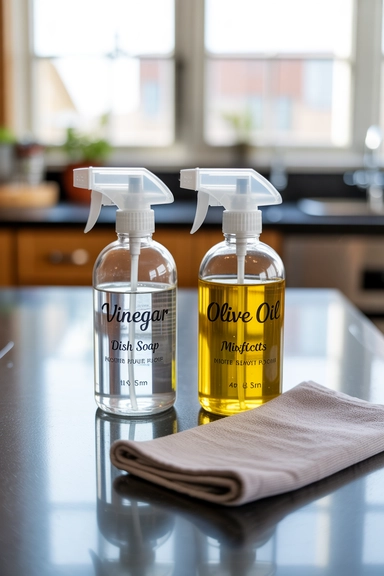
No, and this is one of the most repeated pieces of bad cleaning advice circulating online right now. The viral DIY dusting spray recipe calls for water, white vinegar, and olive oil. The vinegar component works well. The olive oil does not.
Oil creates a tacky residue on furniture surfaces that attracts dust particles and causes them to stick harder than they would on a clean dry surface. Cleaning experts including UK cleaning specialist Lynsey Crombie have specifically called out oil-based sprays as counterproductive, saying oil is a dust magnet that makes removal harder over time.
A proper dust repellent spray uses two cups of water, a quarter cup of white vinegar, and three drops of dish soap. No oil. The vinegar cuts existing residue and the dish soap leaves a light surfactant coating that reduces static and slows dust resettling without creating a sticky surface. These are the kind of dusting tips for home that actually hold up when you test them.
Turn the HVAC Fan to ON Before You Start Dusting
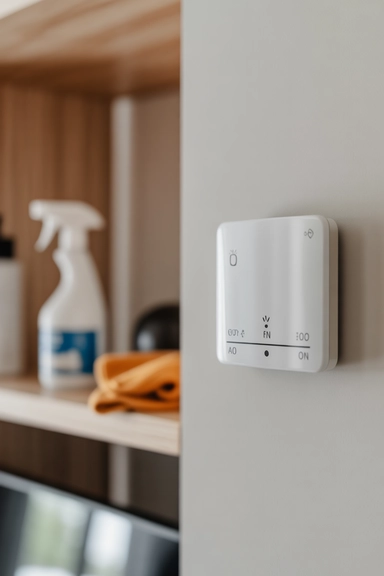
Most people dust with the HVAC system set to AUTO, which means the fan only runs during active heating or cooling cycles. Every time you wipe a surface, you send particles into the air and they float back down onto everything around you.
Switch the HVAC thermostat fan setting from AUTO to ON before you start. In ON mode the fan runs continuously regardless of whether heating or cooling is active. As you disturb dust from surfaces, the circulating air pulls those particles toward the air intake and through the filter where they get trapped permanently.
Switch it back to AUTO when you finish. Running the fan on ON throughout a full dusting session traps a meaningful amount of the particles you disturb before they resettle, which is exactly why professional cleaners always run ventilation while cleaning.
Always Dust From the Ceiling Down to the Floor
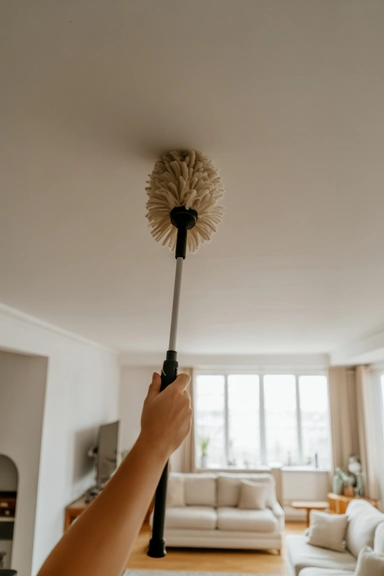
Gravity pulls everything downward. Dust disturbed from high surfaces always falls onto lower surfaces below. Start cleaning at floor level and you spend the rest of the session re-dusting surfaces that caught falling debris from above.
Start every dusting session at the highest point in each room. Ceiling corners and coving collect cobwebs and dust first. Then ceiling fan blades, then tops of cabinets and wardrobes, then shelves, then furniture surfaces, then baseboards last. Vacuum and mop floors only after every surface above has been dusted.
This sequence means dust falls onto surfaces you have not cleaned yet rather than surfaces you just finished. Following it correctly means every surface needs only one pass instead of two.
The Pillowcase Hack for Ceiling Fan Blades
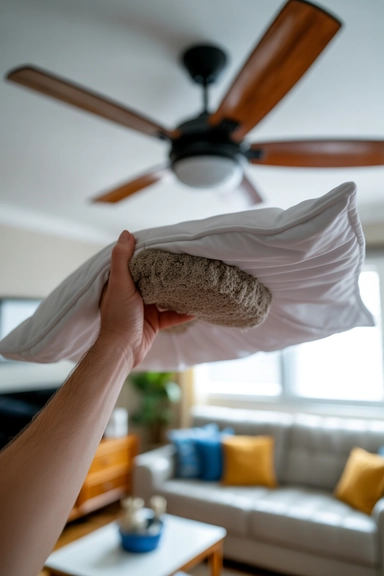
Ceiling fan blades build up a thick ridge of dust along the leading edge that most people never notice until the fan gets switched on after a long period off. The moment those blades start spinning, every particle launches into the air and coats every surface in the room.
Slide an old pillowcase over one blade at a time and slowly pull it back toward you. The pillowcase captures the dust inside itself rather than releasing it into the air the way a cloth or duster does. Each blade takes about 90 seconds. Shake the pillowcase outside when all blades are done and wash it afterward.
Trying to wipe fan blades with a cloth while they are still attached to the fan takes three times as long and still leaves residue on the blade surface. The pillowcase method is faster and cleaner every single time without exception.
Use Kitchen Tongs Wrapped in Microfiber for Blinds
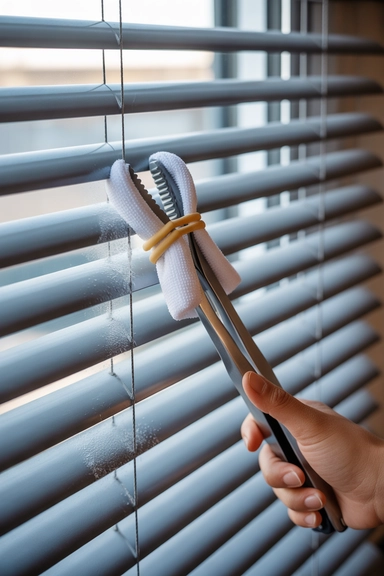
Blinds are one of the most awkward dusting jobs in any home because each individual slat collects dust on both sides simultaneously. Running a cloth across the top of each slat pushes dust to the underside and vice versa, so the job never actually finishes.
Wrap a microfiber cloth around each arm of a pair of kitchen tongs and secure with rubber bands. Grip each blind slat between the two cloth-covered arms and slide the tongs along the full length of the slat in one motion. Both sides get cleaned at the same time with a single pass.
An old pair of socks over your hands works the same way and costs nothing. Slide one hand along each slat gripping it from both sides. Either method cuts blind dusting time by more than half compared to using a single cloth on one side at a time.
How to Dust Electronics Without Spreading More Dust
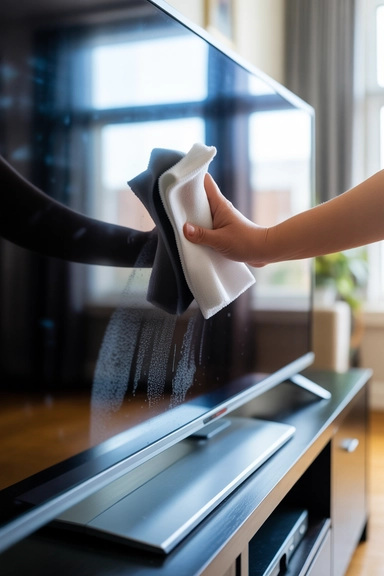
Electronics are among the worst surfaces for dust accumulation in any home because screens and plastic casings carry a static charge that actively pulls airborne particles toward them. Wiping them with a dry cloth removes the visible layer but leaves the static charge completely intact so dust returns within hours.
The first time I tried a dry microfiber cloth on my TV screen, it looked clean for about two days and then the dust was back thicker than before. Switching to a slightly alcohol-dampened cloth changed that completely. Dampen a microfiber cloth with a solution of one part rubbing alcohol to three parts water and wipe TV screens, monitor screens, and plastic casings. The alcohol removes the static charge on the surface along with the dust itself, which is why the result lasts noticeably longer.
Never spray liquid directly onto electronics. Always apply to the cloth first. For keyboards and ports, use a can of compressed air to blast debris out before wiping the surrounding surfaces.
Make a Proper DIY Dust Repellent Spray
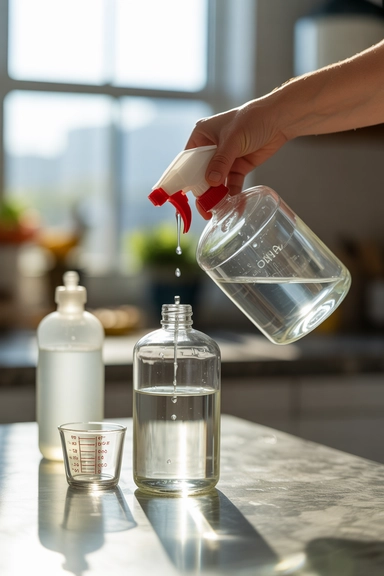
A dust repellent spray applied after cleaning extends the time between dusting sessions by coating surfaces with a light barrier that slows dust adhesion. Getting the formula right without oil is the whole difference between a spray that helps and one that makes things worse.
Mix two cups of water, a quarter cup of white vinegar, and three drops of dish soap in a spray bottle. Shake gently before each use. Spray lightly onto a clean microfiber cloth rather than directly onto surfaces and wipe along furniture, shelves, baseboards, and window sills after dusting them clean.
The vinegar cuts any remaining residue and the dish soap surfactants leave a coating that reduces the static attraction pulling airborne particles back down. Repeat monthly for ongoing results. This formula works on wood, laminate, glass, and painted surfaces without damaging any of them and is one of the most practical dust free home tips that costs almost nothing.
Use a Makeup Brush for Delicate Items and Small Crevices
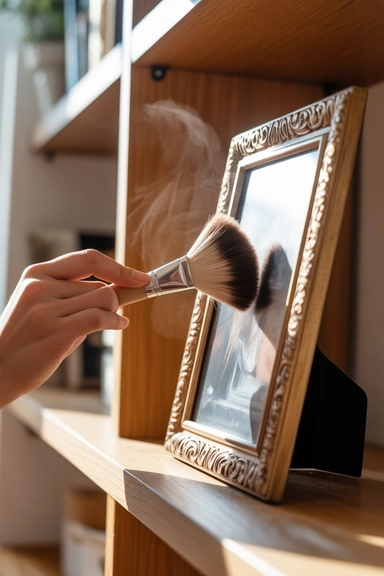
Figurines, decorative objects, intricate picture frames, keyboard keys, and air vent slats all have tight spaces that a microfiber cloth cannot properly reach. Pressing a cloth into these spaces moves dust deeper into the crevices rather than removing it.
A clean unused makeup brush with soft bristles reaches into every gap and lifts dust out without damaging delicate surfaces. Use a fan brush for flat areas with fine detail and a narrow tapered brush for air vent slats and keyboard gaps. Soft natural bristles generate less static than synthetic materials, which means less dust redistribution back onto the surrounding surface.
Keep a dedicated set of old makeup brushes in your cleaning caddy. They cost nothing to repurpose and replace half a dozen specialized cleaning tools that do the same job less effectively.
The Two Doormat System That Stops Dust at the Door
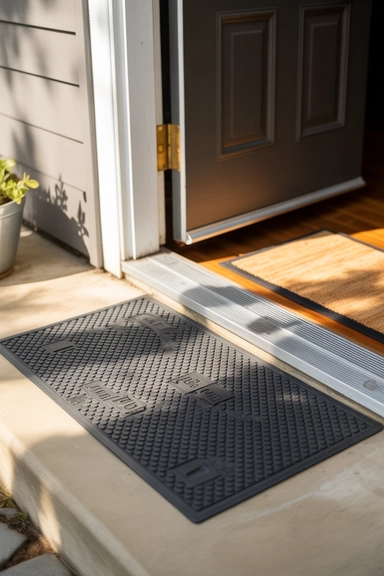
A significant portion of household dust never originates inside the home at all. It walks in on the bottom of shoes as soil particles, pollen, and outdoor debris that gets ground into floors and carpets and eventually becomes airborne as fine particulate matter.
Place a rubber-backed outdoor mat outside every entrance and a fabric mat immediately inside. The outdoor mat scrapes large debris off shoe soles. The fabric indoor mat captures the finer particles that survive the first mat. This two mat system captures over 80 percent of incoming dust and dirt before it ever reaches your floors according to research on household dust entry points.
A no shoes inside policy on top of this reduces incoming dust by another significant margin. Shoes worn outside and then inside the house rank among the largest single contributors to household dust accumulation that most dusting routines never address.
Dust Houseplants With a Hair Dryer on Cold Setting
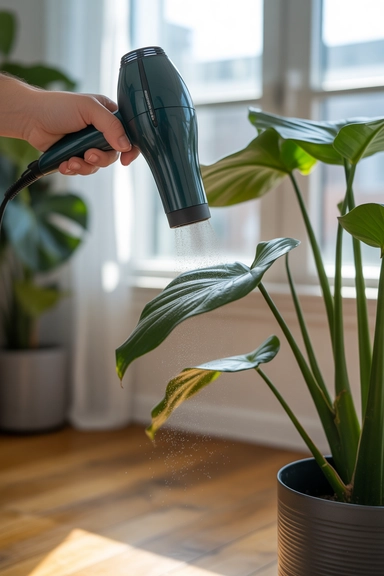
Large houseplants with 40 or 50 leaves take longer to dust properly than most furniture pieces in the same room. Wiping individual leaves one by one is the kind of task that sounds manageable and then takes 20 minutes you did not budget for.
Set a hair dryer to the cold air setting and hold it about six inches from the plant. Blow each section from the top downward, which sends the dust to the floor below where you can vacuum it up afterward. The whole process takes about 60 seconds per plant regardless of size.
Never use the heat setting on plants. Hot air damages leaves and causes browning at the edges within a day or two. Cold air only, working from top to bottom, and always vacuum the floor directly under the plant immediately after.
Keep Bedroom Humidity Below 50 Percent
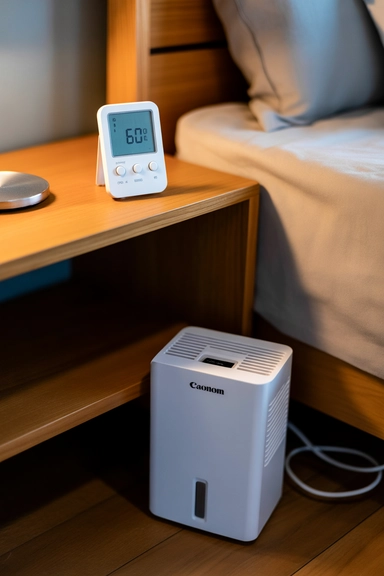
Dust mites are one of the primary components of household dust and one of the most common triggers for allergies and asthma. They do not drink water. They absorb moisture directly from the air, which means they thrive in humid environments and cannot survive in dry ones.
Keep bedroom humidity between 40 and 50 percent using a dehumidifier or by running air conditioning during humid months. At humidity levels below 50 percent, dust mite populations decline noticeably within two to three weeks because they cannot absorb enough moisture to reproduce effectively.
A hygrometer costs under ten dollars and gives you an accurate real-time reading of room humidity. Most people who struggle with persistent dust and allergy symptoms despite following every dusting tips for home routine they find have humidity levels sitting between 60 and 70 percent without realizing it.
Use a Lint Roller on Lampshades and Fabric Surfaces
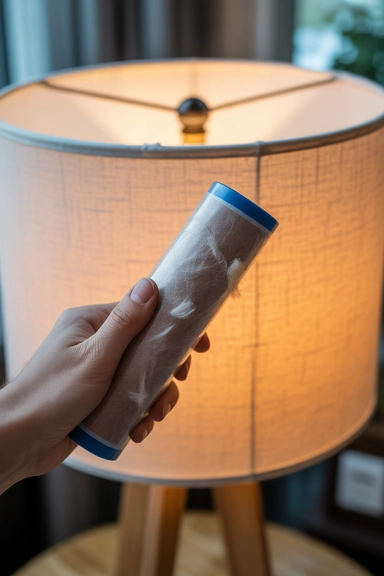
Fabric lampshades, decorative throw pillows, and upholstered headboards collect dust continuously but a damp cloth damages these surfaces and leaves marks. Most dusting routines skip them entirely, which means they become significant ongoing sources of airborne particles.
Run a lint roller firmly across lampshade surfaces, throw pillows, and fabric headboards. The adhesive on the roller lifts dust and fabric fibers directly off the surface without disturbing the material underneath. Replace the sheet when it loses tackiness rather than trying to use a worn-out roller that just smears dust around.
FYI a lint roller on a lampshade removes a surprising amount of grey dust that has been accumulating since the last time anyone paid attention to it. Most lampshades in homes that get dusted regularly have not actually been cleaned in months.
Wash Bedding Weekly to Reduce Dust Mite Populations
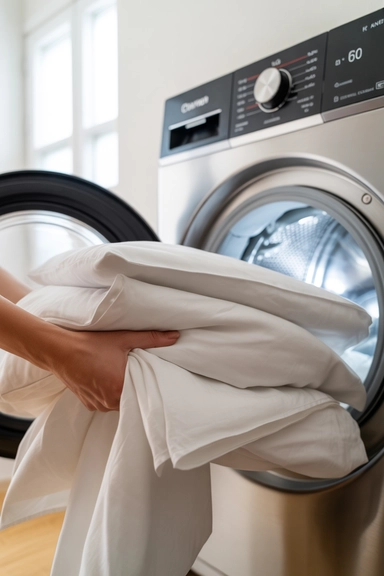
Bedding is the single largest source of dust mite allergens in most homes. Dead skin cells shed during sleep accumulate in mattress fabric, pillowcases, and duvet covers at a rate that creates ideal feeding conditions for dust mites within days of a fresh wash.
Wash all bedding including pillowcases, sheets, and duvet covers in water at 60 degrees Celsius minimum once per week. Lower temperatures do not kill dust mites effectively. Hot water washing combined with tumble drying on high heat kills mites and removes the allergen particles they leave behind.
Mattress and pillow protectors with zippered encasements add another barrier layer that reduces mite access to the mattress interior where standard cleaning cannot reach the embedded buildup.
Clean Air Vents With a Soapy Sponge
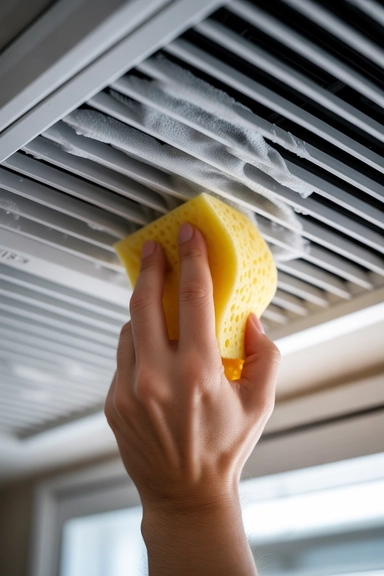
Here is one that gets skipped in almost every how to reduce dust in home guide. Air vents recirculate every particle pulled through them back into the room air on every heating or cooling cycle. Dusty vents do not just look dirty. They actively push dust into the air you breathe every time the system runs.
Dip a sponge into warm soapy water and wipe each vent slat individually. The soapy water captures the dust particles on contact rather than knocking them into the air the way a dry cloth does. Rinse the sponge frequently to avoid spreading dirty water across clean slats.
Do this every two to three months as part of any reduce dust buildup routine. Between cleanings, hold the vacuum hose against each vent cover for 30 seconds during regular vacuuming sessions to pull loose surface dust away before it gets recirculated.
Seal Gaps Around Windows and Doors
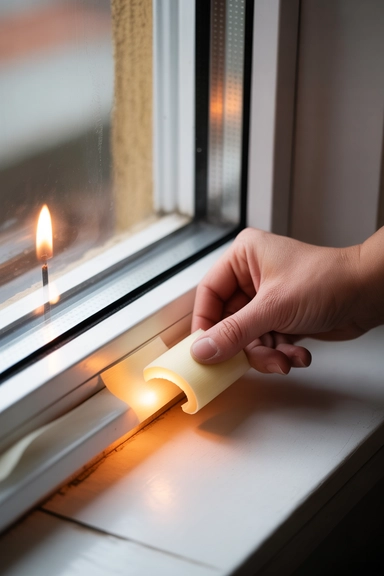
Wind-driven outdoor dust enters through gaps around window frames, door frames, and the space under exterior doors continuously. No amount of indoor dusting addresses dust that keeps entering from outside on every windy day.
Check all exterior windows and doors for visible gaps by holding a candle near the frame on a windy day and watching for flame movement. Apply weatherstripping foam tape to door frames and window frames where gaps allow air through. Fit door draft excluders along the bottom of all exterior doors.
Check weatherstripping every autumn before winter begins because it compresses and degrades over time and stops forming a proper seal without replacement. This is one of those dust free home tips that most articles never mention but makes a genuine ongoing difference.
Groom Pets Away From Soft Furnishings
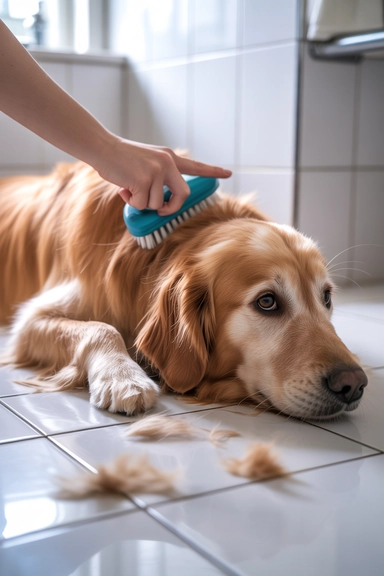
Pet dander and loose fur released during grooming settle directly into whatever surface the pet is sitting on. Brushing a dog on the sofa deposits clouds of fine particles into the cushion fabric that stay embedded for weeks regardless of how often you vacuum.
Take pets to a hard floor surface for grooming, ideally in the bathroom where dander and loose fur can be swept or mopped away immediately after. The difference in where particles end up is immediate and obvious. Hard floor surfaces release nothing into soft furnishings that then need addressing separately.
Brush pets outside when weather allows. Any dander released outdoors stays outdoors rather than cycling through the indoor air and settling on every surface in the room. Bathe pets monthly to remove accumulated dander from their coat before it deposits indoors.
Declutter Surfaces to Reduce Dust Collection Points
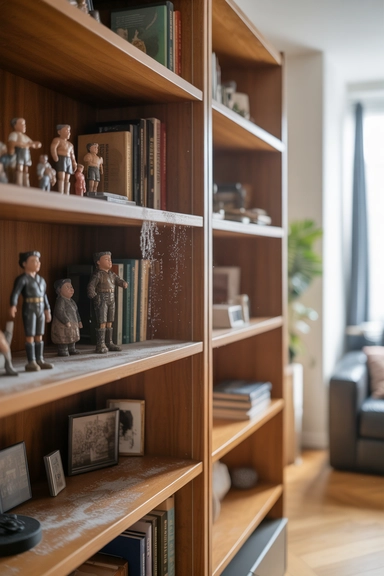
Every object sitting on a shelf, every stack of magazines on a coffee table, and every decorative item on a windowsill is an additional surface for dust to settle on. More objects on display means more surface area to collect and hold dust between cleaning sessions.
Store items in closed drawers and cabinets rather than on open shelves wherever possible. Closed storage means dust cannot reach the objects inside and the external cabinet surface is faster to wipe than ten individual items sitting on a shelf.
IMO this is the most impactful long-term dusting hack on this list. Minimizing open surfaces requires no products and no new habits beyond deciding where things live. It just means accepting that the shelf looks better empty than covered in dust collecting figurines. 😄
Clean Window Screens to Stop Outdoor Dust Entering
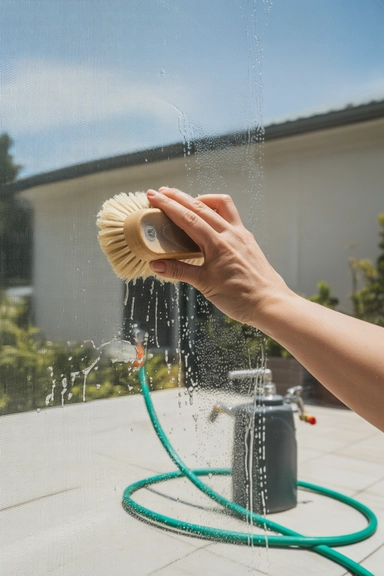
Open windows bring fresh air in but they also funnel outdoor dust, pollen, and soil particles through window screens into every room. A dirty screen makes this significantly worse because wind carries the accumulated screen dust in with it on top of what comes through naturally.
Remove window screens every three to six months and rinse with a garden hose to flush accumulated dust and pollen through the mesh. For screens with heavier buildup, scrub with a soft brush dipped in warm soapy water, rinse thoroughly, and leave flat to dry before reinstalling.
Keep windows closed on high pollen days and windy days when soil and debris lift into the air. Most smartphones have weather apps that include pollen count data, which takes the guesswork out of deciding when to open windows and when to keep them shut.
Vacuum Upholstery Weekly Not Just Floors
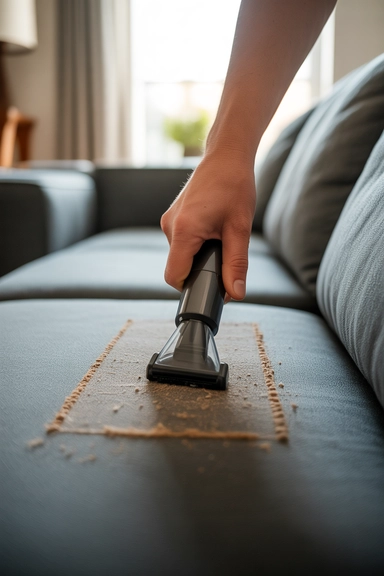
Sofas, armchairs, and fabric headboards shed textile fibers continuously and trap incoming dust particles within their weave. Standard weekly vacuuming covering only hard floors and carpets misses the largest soft surface in most living rooms entirely.
Use the upholstery attachment on the vacuum and work it across all sofa cushions, cushion seams, and the back and arms of every upholstered piece weekly. Pay particular attention to the seam lines between cushions where dust and debris collect in the deepest concentration.
Flip removable cushions and vacuum the underside too. The side facing down traps as much dust as the side facing up and almost never gets attention during standard cleaning sessions. This single habit addresses one of the biggest overlooked sources of circulating dust in any home.
Leave Beds Slightly Untucked to Reduce Dust Mite Conditions
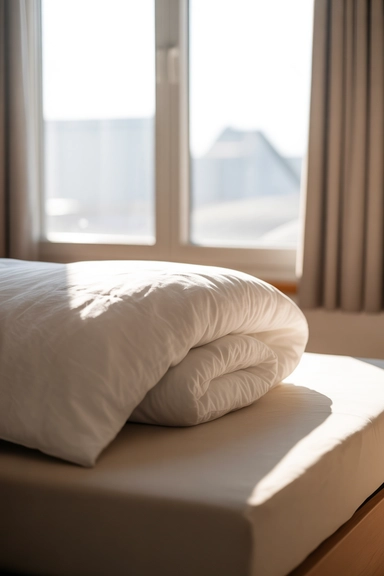
Tightly made beds trap body heat and moisture inside the bedding immediately after waking. Warm humid conditions inside tightly tucked bedding create ideal dust mite breeding conditions for the hours before the bed gets used again that evening.
Pull back the duvet and leave it folded down for at least 30 minutes after getting up each morning. Body moisture evaporates from the sheets and mattress surface before the bed gets made. Lower moisture levels inside the bedding make conditions less hospitable for dust mite activity throughout the day.
This takes no extra effort and requires no products. It directly contradicts the instinct to make a bed immediately after getting up, which is exactly why almost nobody does it and why dust mite populations in tightly made beds stay consistently higher than in aired ones.
Dusting Frequency by Surface Type
| Surface | Dusting Frequency | Best Tool |
|---|---|---|
| Ceiling fan blades | Every 2 to 3 months | Pillowcase |
| Blinds | Every 2 weeks | Tong and microfiber method |
| Baseboards | Every 6 weeks | Damp microfiber cloth |
| Electronics and screens | Weekly | Alcohol dampened microfiber |
| Furniture surfaces | Weekly | Damp microfiber cloth |
| Lampshades | Monthly | Lint roller |
| Air vents | Every 2 to 3 months | Soapy sponge |
| Houseplants | Monthly | Hair dryer on cold |
| Upholstery | Weekly | Vacuum upholstery attachment |
| Window sills | Every 2 weeks | Damp microfiber cloth |
Frequently Asked Questions About Dusting Hacks
Why does dust come back so fast after dusting? Dust returns quickly because dry dusting pushes particles into the air rather than removing them. They settle back onto surfaces within hours. Switching to a damp microfiber cloth, turning the HVAC fan to ON while dusting, and applying a vinegar-based repellent spray after cleaning extends the time between sessions noticeably.
What is the best homemade dusting spray? Mix two cups of water, a quarter cup of white vinegar, and three drops of dish soap in a spray bottle. Apply to a microfiber cloth before wiping surfaces. Skip recipes that include olive oil because oil creates a tacky residue that attracts dust and makes future cleaning harder rather than easier.
How often should you dust your home? High traffic surfaces like furniture tops, electronics, and window sills need dusting every one to two weeks. Ceiling fans, air vents, and blinds need attention every two to three months. Baseboards every six weeks. Adjusting to this schedule by surface type rather than doing everything at once makes the routine far more manageable as a regular dusting tips for home practice.
Does an air purifier actually reduce household dust? Yes. A true HEPA air purifier captures particles as small as 0.3 microns, including dust mite allergens, pet dander, and pollen. Running one in a bedroom or living room continuously reduces the amount of airborne particulate that settles onto surfaces. It does not replace regular dusting but extends the time between sessions and improves indoor air quality simultaneously.
What surfaces collect the most dust in a home? Electronics collect the most dust because static electricity actively pulls airborne particles toward screens and plastic casings. Soft surfaces like upholstered sofas, fabric lampshades, and bedding trap the most dust overall because particles embed in the fabric fibers rather than sitting on top where they can be wiped away easily.
Is dry dusting ever acceptable? Dry dusting with a microfiber duster works acceptably for very light surface dust on smooth surfaces when done frequently enough that particles have not bonded with the surface. For any surface not dusted within the past week, a damp microfiber cloth removes significantly more dust and reduces redistribution into the air compared to any dry method.
Final Thoughts on Dusting Hacks
Dust never disappears completely and anyone who tells you otherwise is selling something. What these 21 dusting hacks do is slow the rate at which it returns and make the removal process actually work rather than just relocating particles temporarily. Switch to a damp microfiber cloth, turn the HVAC fan to ON before you start, work from ceiling to floor, and apply a proper dust repellent spray without oil after cleaning. Get those four habits right and these dusting hacks stop feeling like a losing battle against something that always wins.