
Introduction
Nobody warns you that moving is mostly a clutter problem wearing a logistics disguise. I learned this after spending four days packing boxes in my old house, driving them forty minutes to the new one, unpacking them, and realizing I’d moved a broken blender, three boxes of books I’d already read, and an entire bag of tangled Christmas lights I hadn’t plugged in since 2019. Decluttering before moving isn’t a nice-to-have step you squeeze in if you have extra time. It’s the step that determines whether your new home starts fresh or starts already buried under decisions you deferred twice.
Most people pack first and regret it on the other end. If you haven’t read Clutter Busting Hacks yet, you’re probably already making the mistake that costs most people an entire moving week.
Image source @Instagram
What Most People Get Wrong Before They Start Packing

Image source @Instagram
Here’s the mistake almost everyone makes: boxes appear and the brain switches into packing mode before a single decluttering decision gets made. Packing mode and decluttering mode aren’t the same thing. Running them together is exactly how people end up moving things they threw away three weeks after arriving.
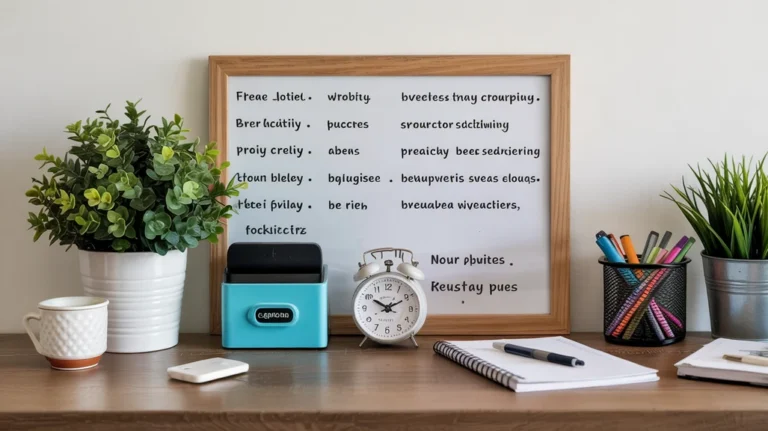
Start with a written plan. Map every room. Assign a deadline to each zone. Build a decluttering timeline that gives you at least three to four weeks before a single box gets sealed. A schedule that actually holds: closets and bedrooms in week one, kitchen and bathrooms in week two, living spaces and dining room in week three, garage, attic, and basement in week four. Each zone gets fully purged before packing begins in that room.
This is where most people go wrong.
Before anything else, check how many rooms hold items that belong somewhere else entirely. A coat in the bedroom. A tool in the kitchen drawer. A box in the living room from the last move that never got opened. Displaced items are the easiest first decisions because they never had a real home to begin with. That’s your warm-up round and it costs almost no mental energy.
The One-Year Rule System That Makes Every Decision Faster

Image source @Instagram
Here’s what actually works when every item in the house needs a decision: one rule, no exceptions. If you haven’t used it in a full year, it doesn’t move with you.
Most people know this and ignore it under moving pressure because packing feels faster than deciding. It isn’t. Every item packed without this filter costs time on both ends. Packing it, loading it, unloading it, unpacking it, and finding it a home in a space it may not even fit. The One-Year Rule System applied room by room before touching packing supplies is what actually reduces your load, cuts moving costs, and makes unpacking manageable rather than exhausting.
Go through every room and physically touch each item. Not visually scan. Touch. Picking something up forces a decision in a way that looking across a shelf never does.
The moment you’re holding something and can’t remember the last time you used it, you have your answer. Put it in the donate or discard pile and keep moving.
The Four-Pile Declutter Method (Most People Only Use Two)

Image source @Instagram
The standard keep-or-donate approach is why people stall mid-sort and start shoving things into boxes just to feel like they’re making progress. Two options create a false binary. Four options create a real system.
The Four-Pile Declutter Method uses: keep, donate, sell, and discard. The sell pile matters more than most moving advice admits. Knowing something has real value makes it easier to release than dropping it into a donation bin with nothing in return. Old furniture, outdoor furniture, area rugs, working appliances, sports equipment, and tools move quickly on Facebook Marketplace and local buy-nothing groups when listed three to four weeks before the move.
Here’s the difference. A garage sale handles smaller items in a single weekend. Anything unsold after two weeks donates immediately, no second pass.
The discard pile needs its own dedicated bag from day one. Broken appliances, expired medicines, expired food, cracked dishware, stained textiles, and anything with no viable second life goes straight there. Reconsidering items already decided drains mental energy fast and slows the whole process down.
Clear Every Junk Zone Before Touching Anything Else
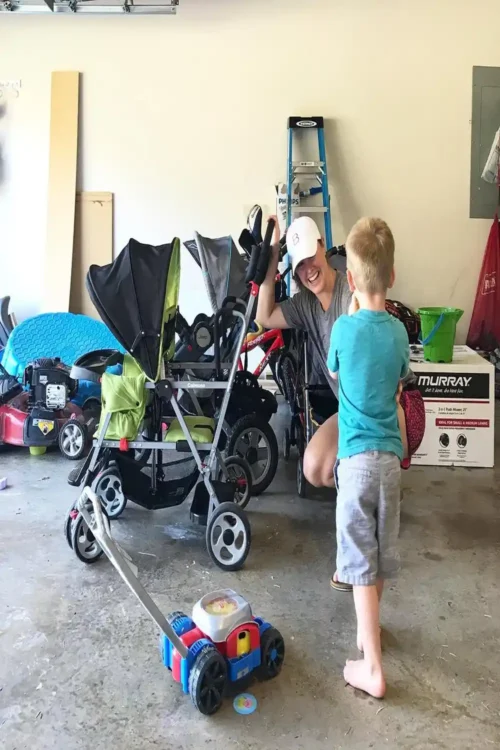
Image source @Instagram
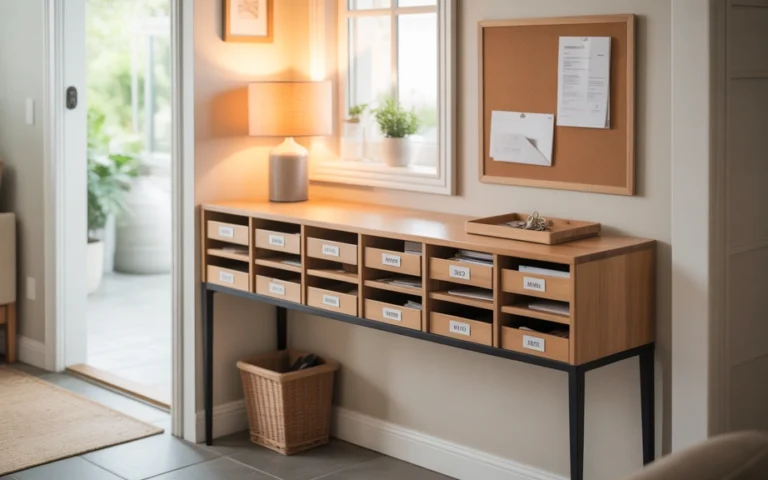
Every home has at least one junk drawer. Most have five or six junk zones spread across the house: the kitchen drawer, the basket by the front door, the medicine cabinet, the nightstand drawer, the garage shelf, and the box in the closet that never got unpacked from the last move.
These zones exist because decisions got deferred. Moving is the deadline that finally forces them.
Go through every junk zone before touching any other room. What you’ll find is predictable: dead batteries, mystery keys, cables for devices long gone, old receipts, expired coupons, single-use items from three years ago, and at least one thing you forgot you owned. Almost none of it moves with you. If you haven’t read Things to Throw Away for Easy Decluttering before hitting these zones, you’ll spend twice as long and keep twice as much as you should.
The junk zones are also the best confidence builder in the entire decluttering before moving process. Clearing five drawers in an hour with almost zero difficult decisions gives you the momentum to tackle the harder categories that follow.
The Kitchen Declutter Step Most People Rush Through and Regret

Image source @Instagram
Most people under-declutter the kitchen before a move because kitchen items feel useful even when they’re not being used. This is the room where honest self-assessment matters most, and skipping it properly is something you’ll feel on the other end.
Pull everything out of every cabinet, drawer, and pantry shelf. All of it, on the counter at once. Now evaluate what you’ve actually cooked with in the last twelve months. The mandoline used twice goes. The bread maker from a wellness phase goes. The ramekins bought for one recipe in 2020 go. Three duplicate wooden spoons where one would do go. Mismatched containers without lids, chipped mugs beyond what anyone actually drinks from, and specialty appliances that haven’t been plugged in go. Expired food in the pantry goes now rather than getting packed and discovered in the back of a cabinet eight months from now.
The decision rule here is simple: if you wouldn’t buy it again today for the new kitchen, it doesn’t make the move. Not because of what it cost. Because of what it’ll cost you in unpacking time and cabinet space in a home that deserves a clean start.
This is exactly where clutter follows you into your new home if you’re not careful.
Clothes, Shoes, and Handbags: The Biggest Time Sink Before Moving

Image source @Instagram
Most people spend more time on clothing than any other category and still move things they’ll never wear. The reason is emotional, not logical, and knowing that upfront saves hours.
Do a full wardrobe pass at least three weeks before the move. The decision rule is physical, not aspirational: does this fit right now, today, on the body you currently have. Not the body you’re working toward. Right now. Anything that doesn’t pass goes, regardless of cost or how nice it looks on a hanger. Anything faded, pilling, stretched, or missing a button that’s been missing for two years goes. Shoes in poor condition, handbags not in active use, and accessories from style phases that ended go in the donate bag immediately.
Seal the bag the moment it’s full. Don’t leave it open in the closet where you’ll second-guess every item for two weeks.
Staged by the front door means the decision is made. Wardrobe boxes are expensive. Moving fewer clothes means needing fewer of them.
If you skip this step properly, you’ll feel it on moving day.
Furniture Decisions Before Moving Day (You’ll Regret Skipping This)

Image source @Instagram
Moving furniture is expensive, physically demanding, and irreversible once the truck is loaded. Every piece should justify the cost before it gets anywhere near the truck.
Ask one specific question per piece: do you know exactly where this goes in the new space, do you know it fits, and do you genuinely want it there. Not generally. Specifically. If the answer to any part of that is uncertain, sell the piece before the move and replace it after if you still need it. Replacing one chair or bookshelf after arriving costs less in most cases than paying to move something heavy that ends up wrong for the new layout.
This changes everything about how moving day feels.
Measure the new space before making any furniture decision. Old sofas, oversized tables, bulky dressers, and area rugs that worked in the previous layout often don’t translate. This is the step most people skip and the one most people regret on moving day when something won’t fit through the door.
Books, Papers, and Documents: The Hidden Weight You’ll Carry Into the New Home
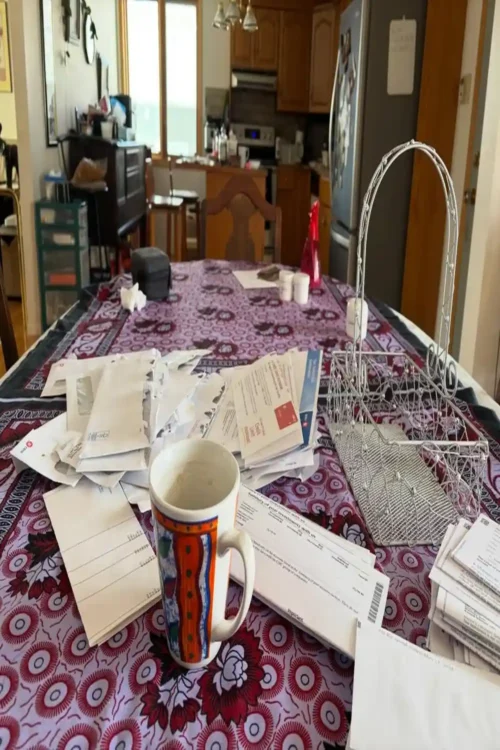
Image source @Instagram
A single box of books weighs more than almost anything else you’ll pack. Books are also where sentimental attachment and actual reading habits diverge the most, which makes them hard to decide about under pressure.
Go through every shelf before packing a single book. Pull anything already read that you wouldn’t actively recommend to someone specific right now. Pull anything owned for more than two years that hasn’t been started. Pull textbooks from finished courses and reference books now available online. What stays gets packed. What doesn’t goes to a library donation bin, a used bookstore, or a local buy-nothing group.
Papers are worse than books and most people don’t touch them until the last week. You’ll probably end up unpacking a random box of old papers months later wondering why you even brought it.
Filing cabinets, stacked magazines, old newspapers, years of receipts, warranty booklets for appliances long gone, and instruction manuals with online versions all need a pass. Scan what matters and store it digitally. If you haven’t read Pro Organizing Hacks to Declutter Your Space before tackling paper, that category alone will quietly double your packing time and arrive at the new home in a box that never gets opened.
Sentimental Items: Handle These Early or You’ll Regret It on Moving Day

Image source @Instagram
Sentimental items are the hardest category and the one most people avoid until moving day. That’s the worst possible moment to make emotional decisions with a truck arriving in four hours.
Set a container limit before starting. One clearly defined bin per person for items not in active display or daily use. Everything that fits with the lid closed comes. Everything that doesn’t gets photographed and released. Photographing something before donating it is a genuine solution to emotional attachment. The memory survives in the photo even when the object doesn’t follow you to the new address.
Knick-knacks, holiday decorations from the attic, outgrown toys, items kept out of guilt, and gifts that were never quite right all belong in this pass.
Do this category at least three weeks before the move. When there’s still time to sit with the decisions without a clock running.
Decluttering Mistakes That Cost People the Most Time Before a Move

Image source @Instagram
Most moving declutter advice covers what to do. The mistakes matter just as much and most people make at least three without realizing it until the boxes are already on the truck.
The first mistake is decluttering and packing at the same time. They’re two separate mental tasks and mixing them produces chaos: half-filled boxes, items handled four times without landing anywhere, packing supplies scattered across rooms that aren’t finished. Complete the full declutter of each room before a single box gets sealed in that space.
This is exactly what ends up slowing everything down.
The second mistake is making sentimental decisions alone under pressure. These are easier with another person present, not to approve every call but to keep things moving and prevent the hour-long spiral over a single object. The third mistake is leaving the garage, attic, and basement until the final two days. These areas take longer than every other room combined and hold the highest concentration of items that shouldn’t move. Build them into week four of the timeline, not as a last-minute afterthought.
Things You Should Never Pack When Moving (The What Not to Pack List)
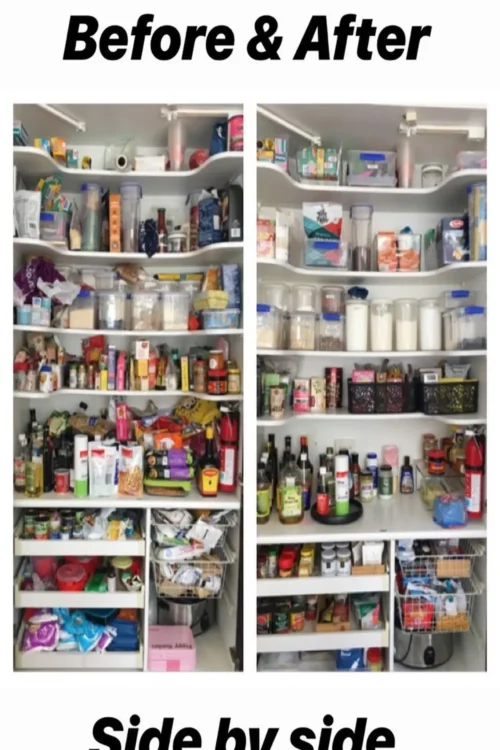
Image source @Instagram
Some items should never go in any moving box regardless of condition, cost, or attachment. Knowing this before packing begins saves the specific regret of unpacking something in the new home and immediately wondering why it came.
Never pack expired medications or supplements. They degrade, take up medicine cabinet space in the new home, and disposing of them properly at the new address is a task that rarely gets done. Never pack cleaning supplies that are more than half used, leaking, or in damaged containers. Replacement cost is lower than the risk of a leak soaking an entire box in transit. Never pack food that won’t survive the move: open packages, anything near expiration, fridge items that can’t stay cold, and pantry items that have been avoided for months.
Most people regret packing these categories. Every single time.
Never pack items kept purely because getting rid of them feels like a decision not yet ready to make. That’s not a reason to move something. That’s decision fatigue dressed up as sentiment, and it fills boxes with weight the new home has to absorb on the other end.
How to Declutter Fast Before Moving Using the 30-Minute Sprint Method
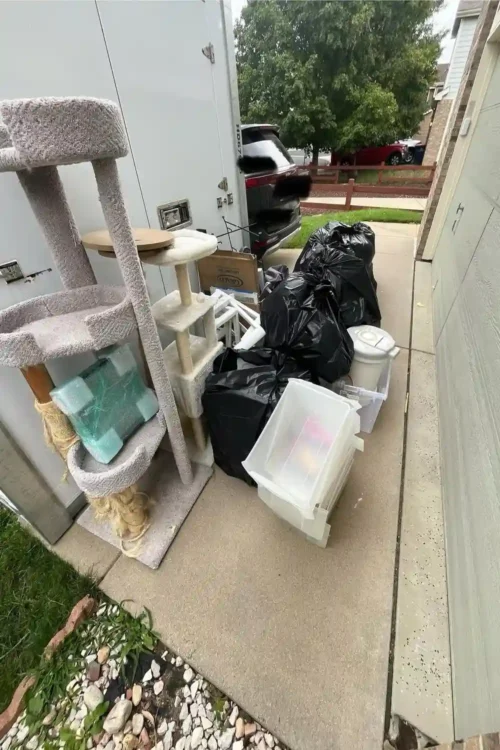
Image source @Instagram
If the move is closer than four weeks and the full timeline isn’t possible, the approach changes. The 30-Minute Declutter Sprint Method works better under time pressure than trying to power through entire rooms in one exhausting session.
Work in thirty-minute sprints per zone rather than attempting to finish entire rooms at once. Set a timer, work only in the assigned zone until it stops, bag everything decided, and move immediately to the next zone. Decision fatigue sets in fast under pressure and thirty-minute blocks reset it between zones before it derails the session.
In each sprint, prioritize zero-decision items first. Anything broken, expired, missing a part, or clearly duplicated where one version is better. These require no emotional energy and they clear volume fast, which builds the momentum to tackle harder decisions in the next sprint.
The essentials box gets packed first, not last. One clearly labeled box per person holding everything needed for the first seventy-two hours: medications, chargers, a change of clothes, toiletries, important documents, and a few kitchen basics. Pack it before anything else and load it last so it comes off the truck first.
The Moving Declutter Checklist That Works Room by Room
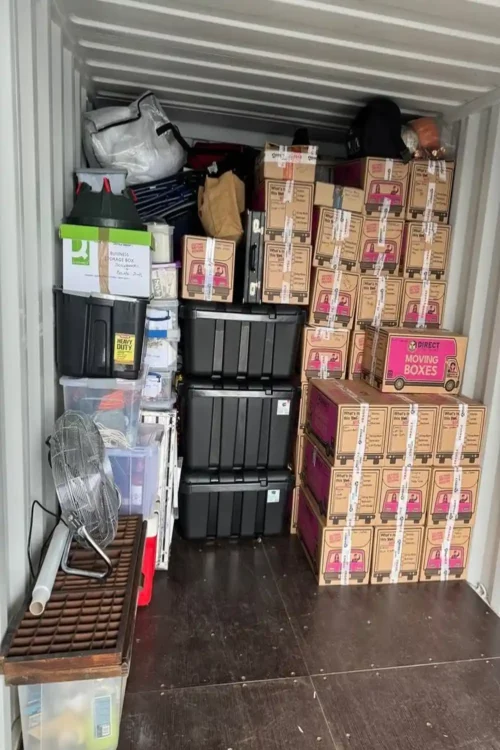
Image source @Instagram
This is the step most people regret skipping or compressing. The checklist only works when decluttering comes before packing, not alongside it.
Eight weeks out: begin the room-by-room declutter using the One-Year Rule System and Four-Pile Declutter Method. Junk zones cleared first.
Six weeks out: kitchen, bathrooms, medicine cabinet, and nightstands fully purged. Donate and sell piles actively leaving the house.
Four weeks out: clothing, shoes, handbags, books, and papers sorted and decided. Furniture decisions made. Large items listed for sale.
Three weeks out: sentimental category finished. All donation runs complete. Discard items disposed of properly by category.
Two weeks out: only kept items remain in the home. Packing begins on a fully decluttered space, room by room.
One week out: all boxes sealed and labeled. Essentials box packed and staged by the door.
Moving day: the truck carries exactly what you chose to bring. Nothing that came along because a decision got deferred one more time.
If you haven’t read Home Organizing Ideas before building your moving timeline, you’re missing the zone-based approach that makes a checklist like this hold under real pressure rather than collapsing in week three when packing pressure peaks.
Arrive at the New Home With Only What Actually Belongs There

Image source @Instagram
The real goal of decluttering before moving isn’t just a lighter truck or lower moving costs. It’s arriving at the new space without dragging the accumulated deferred decisions of the old one with you.
The new home doesn’t have the history yet. No junk drawer that formed over eight years. No closet corner that became a permanent catch-all. No cabinet everyone stopped opening. No basement box from the previous move sitting unopened for three years. Starting without those layers is genuinely valuable and genuinely rare.
This is what a real fresh start looks like.
Most people recreate the old home’s clutter patterns in the new one within the first month because they moved the same objects into the same avoidance habits. A thorough pre-move purge is the only thing that actually interrupts that cycle and gives organizing your new home a real chance from day one. Every item you choose not to move is a conscious decision rather than another deferral. That distinction matters more than it sounds.
Set Up the New Home Before Unpacking Everything

Image source @Instagram
Most people unpack boxes the moment they arrive and wonder why the new home feels chaotic within the first week. Unpacking before thinking through the layout is just moving the old home’s disorder into a new address with fresh walls.
Before opening a single box, walk through every room in the new home with a clear head. Decide where each category lives before anything comes out of a box. Kitchen zones first, then bedroom storage, then living spaces. Knowing where things go before unpacking means every item lands in its actual home rather than on the nearest flat surface to be dealt with later.
This is the step that determines whether the fresh start holds or collapses within a month.
The essentials box handles the first seventy-two hours. Everything else can wait one extra day for a proper room-by-room plan. Unpacking a fully decluttered home into a pre-planned layout takes a fraction of the time of unpacking a full house with no system. This is where all the work done before the move either pays off completely or gets buried under the same habits that created the clutter in the first place.
Final Thoughts on Decluttering Before Moving
Decluttering before moving works when you start early, work by category, treat the Four-Pile Declutter Method as non-negotiable, and keep packing and purging as separate tasks that never run at the same time.
The moving checklist works when you begin eight weeks out and hit each stage on schedule. The mistakes section exists because most people skip two or three stages under pressure and pay for it on the other end in unpacking time, wasted space, and the specific frustration of finding something in a box three months after moving that should have been donated before the truck arrived.
Moving with intention means the new home starts with only what deserves to be there. That’s not a small thing. It’s the difference between a home that feels like a genuine fresh start and one that feels like the old place rearranged in a different zip code.
FAQ About Decluttering Before Moving
How far in advance should I start decluttering before a move?
Eight weeks is the minimum for a full household. Six weeks works if the home is small or already well-organized. Starting earlier costs nothing and removes the pressure that causes poor decisions under a deadline. Starting inside of four weeks means the purge happens under full packing stress and things move that shouldn’t. Declutter early, pack late, and the whole process becomes significantly more manageable from start to finish.
What should I absolutely never bring to a new home?
Anything broken with no concrete repair plan, anything unused for over a year, clear duplicates where one version is better, furniture that doesn’t fit the new space, expired medications and food, and anything kept purely out of guilt. These categories together account for a significant portion of what fills moving boxes in most households and contribute nothing useful on the other end.
Is it worth selling items before a move or should everything just get donated?
Selling is worth the time for furniture, appliances, working electronics, and higher-value items that move quickly on local platforms. For smaller goods, clothing, and books, donating is faster and the time saved usually outweighs the return. A practical split: anything you’d price over twenty dollars gets listed first with a two-week window. Everything under that threshold donates immediately. Anything unsold after two weeks donates the day before moving week begins.
Sarah Mitchell’s Take
Moving gives you something most of adult life doesn’t: a moment where every object in your home has to be picked up, looked at honestly, and either packed or released. Most people experience that as overwhelming. I think it’s one of the clearest opportunities for a genuine reset that daily life ever offers. You get to decide deliberately what comes with you into the next space. Not everything from the current home earns that. The ones that do feel different once they’re unpacked in a room that started clean.
Sarah Mitchell is a home decor and DIY writer who shares practical cleaning, organizing, gardening, and budget-friendly home ideas. She personally tests every tip she shares on Budget Nest Studio to make sure it works in real life.