Introduction
A calm routine is rarely the result of motivation alone. It comes from systems that quietly reduce friction throughout the day. When everyday tasks require less searching, less decision-making, and fewer repeated adjustments, mental clutter fades alongside physical mess. Cheap life organizing ideas focus on building these small but powerful systems without relying on expensive tools or complex methods. By simplifying how time, space, and responsibilities are managed, daily life becomes more predictable and easier to reset after disruption. This article explores practical, low-cost ways to create structure that supports consistency, lowers stress, and keeps routines stable even during busy or unpredictable weeks.
If you’re also improving organization across your home, these 23 Low Budget Home Organizing Hacks for Real Everyday Homes complement the routines below naturally.
1. Cheap Life Organizing Ideas That Start With Time Blocking
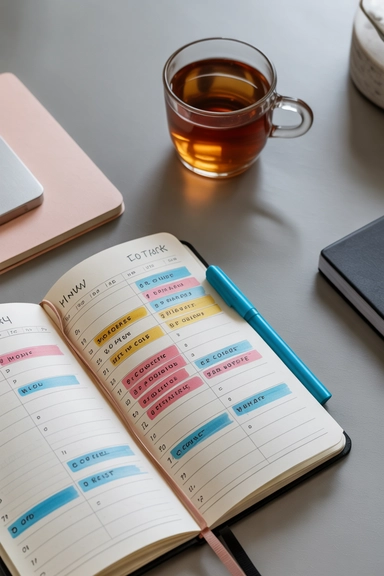
Time becomes chaotic when tasks compete without boundaries. Time blocking introduces structure by assigning specific activities to defined periods, even when the schedule is simple. This method prevents small responsibilities from spreading across the day and reduces the mental load of deciding what to do next. When time has visible shape, distractions lose strength and routines gain stability.
This approach requires nothing more than a notebook or a basic digital calendar. The benefit is consistency rather than strict control. Blocks can be flexible, but their existence anchors behavior. Over time, this creates natural rhythm, reduces procrastination, and prevents tasks from stacking into overwhelming piles at the end of the day.
2. Creating a Single Daily Reset List
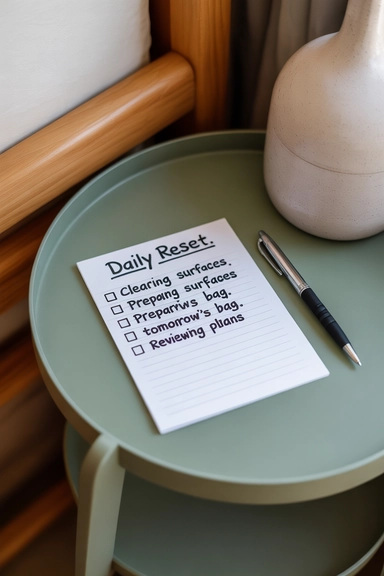
Scattered to-do lists create confusion rather than clarity. A single daily reset list gathers only the tasks required to restore order: clearing surfaces, reviewing messages, preparing tomorrow’s essentials, and resetting key spaces. This list is not about productivity but about closure.
By repeating the same reset steps each evening, the day ends cleanly instead of unfinished. The routine becomes automatic, requiring little thought or planning. When the next day begins, momentum already exists. This simple habit stabilizes routines and prevents disorder from accumulating silently across the week.
3. Using One Central Drop Zone for Essentials
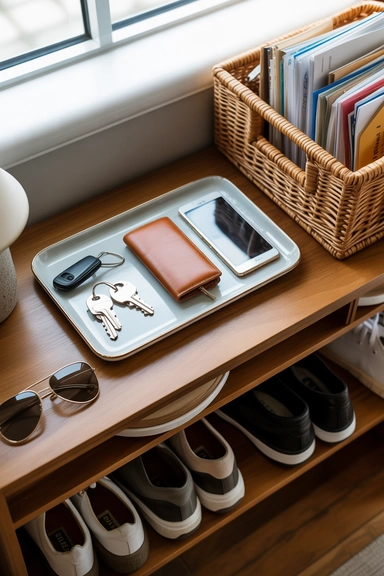
Keys, wallets, chargers, notebooks, and documents often create daily stress because they move between rooms without a consistent home. A central drop zone solves this by collecting essentials in one predictable location near the entrance or workspace.
This eliminates repeated searching and late departures. The mind learns where important items belong, reducing small but frequent disruptions. A bowl, tray, or box is sufficient. The value lies in consistency, not design. Over time, this single zone removes dozens of minor daily frustrations.
4. Cheap Life Organizing Ideas That Simplify Morning Flow
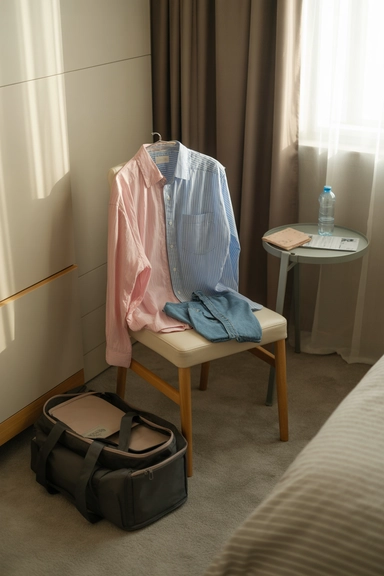
Mornings often feel rushed because decisions stack too early. Preparing clothes, bags, and basic plans the night before reduces cognitive load when energy is lowest. The routine becomes execution rather than improvisation.
This habit shortens preparation time and stabilizes emotional tone at the start of the day. When mornings begin smoothly, the rest of the day follows with greater control. No special products are required, only a repeatable sequence that replaces chaos with predictability.
5. Assigning Fixed Homes to Repeating Items
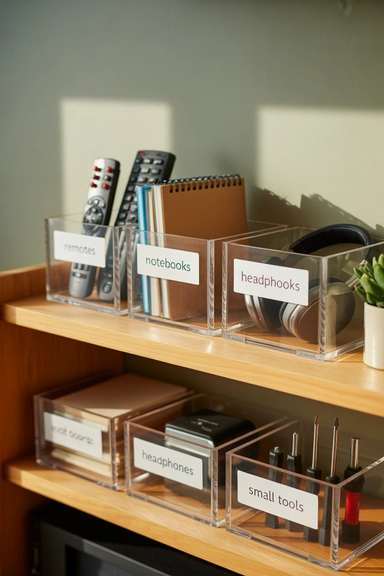
Items that move daily without assigned storage slowly create background stress. Remote controls, notebooks, tools, cosmetics, and headphones drift across surfaces when no fixed destination exists.
Assigning permanent homes prevents visual clutter and reduces the mental effort of remembering where things were last placed. Over time, the body returns items automatically. This quiet system removes friction from everyday movement and keeps environments visually calm without continuous cleaning.
6. Cheap Life Organizing Ideas That Control Digital Clutter

Digital clutter quietly increases daily stress. Unread emails, scattered files, and overflowing phone notifications create background noise that competes for attention. Simple organizing habits like creating a few clear email folders, deleting unused apps, and limiting home screen icons immediately restore clarity. When digital spaces feel structured, mental focus improves without any change in workload.
Consistency matters more than tools. A weekly five-minute digital reset to clear downloads, archive emails, and close unused browser tabs keeps systems from decaying. These small actions prevent digital buildup that later requires hours to fix. Cheap life organizing ideas in digital spaces remove invisible friction that silently disrupts routines.
7. Building a Weekly Planning Ritual
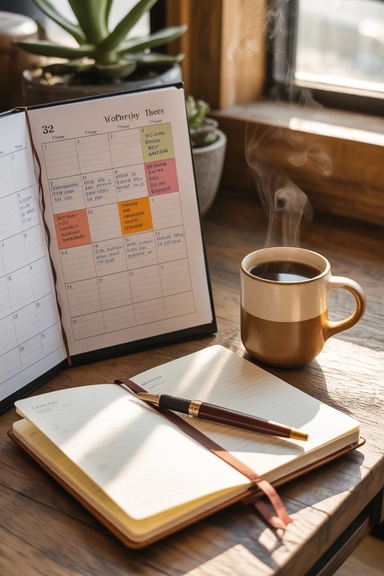
Life feels disorganized when days operate independently without overview. A weekly planning ritual creates gentle structure by reviewing appointments, responsibilities, and priorities in one short session. This prevents sudden surprises that throw routines off balance midweek.
The ritual does not need complexity. A notebook, wall calendar, or basic phone app is enough. The power lies in repetition. When planning happens at the same time each week, the mind trusts that nothing important will be forgotten. This reduces anxiety and decision fatigue while strengthening routine stability.
8. Cheap Life Organizing Ideas That Simplify Meal Decisions
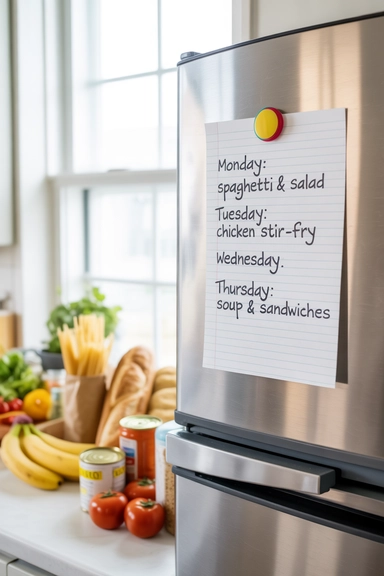
Daily meal decisions consume more energy than most people realize. Without a simple plan, last-minute choices create stress, wasted time, and inconsistent routines. A basic rotating meal list or weekly food theme system removes this friction.
No expensive planners are required. A sheet of paper on the fridge or a note on the phone works. Once decisions are pre-made, grocery shopping becomes easier and evenings feel calmer. Simplifying food routines frees mental space for other priorities and keeps daily structure steady.
9. Using Visual Reminders Instead of Memory
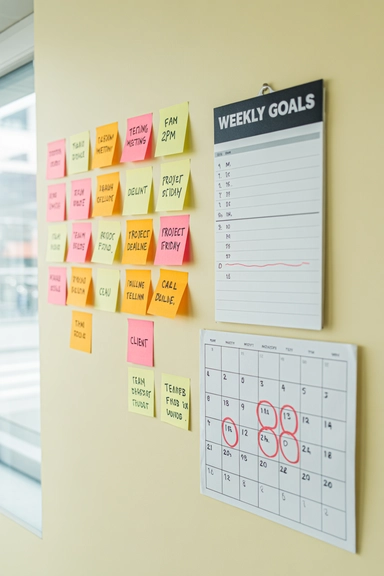
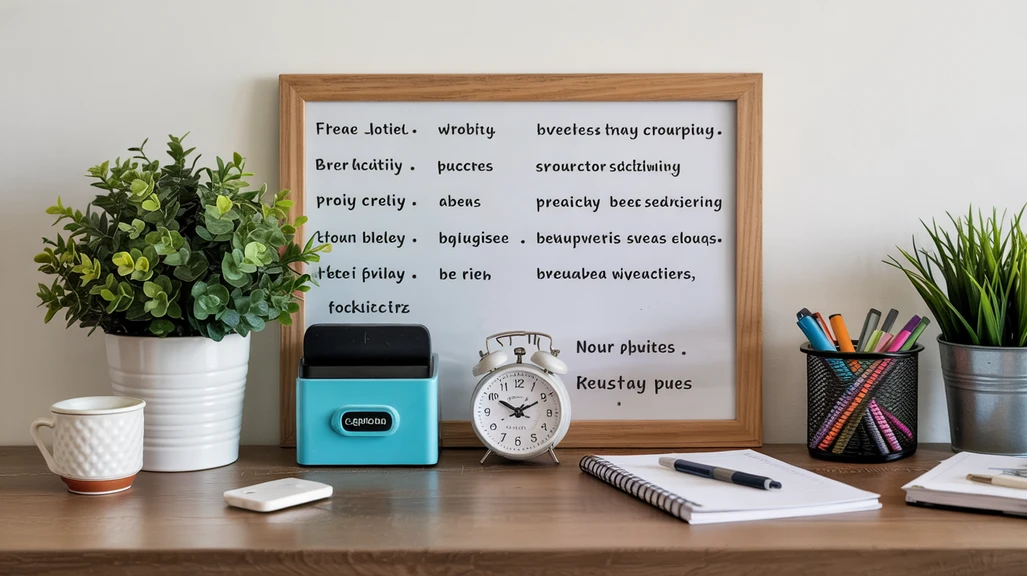
Memory-based systems fail under stress. Visual reminders reduce the need to mentally track tasks, events, or responsibilities. Sticky notes, wall calendars, whiteboards, or simple checklists keep information external instead of stored in the mind.
When reminders live in visible locations, actions happen on time without repeated self-prompting. This prevents the low-grade anxiety of trying not to forget. Cheap life organizing ideas that rely on visibility rather than memory build reliability into daily flow with almost no cost.
10. Creating Micro-Routines That Run Automatically
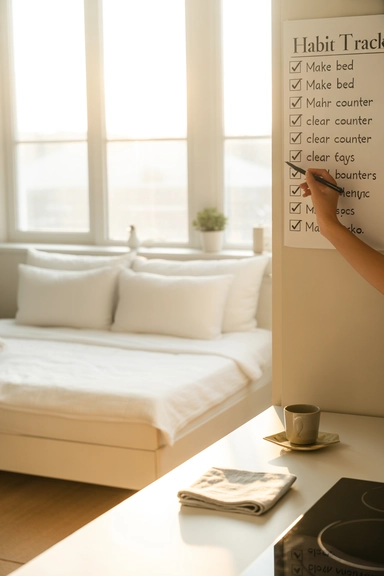
Large routines often collapse because they feel overwhelming. Micro-routines solve this by breaking habits into tiny repeatable actions. Making the bed, clearing one surface, or reviewing tomorrow’s schedule become anchors that trigger larger order naturally.
Once micro-routines become automatic, they require little motivation. They quietly keep life on track even during busy or emotional periods. This approach works because consistency matters more than intensity. Small repeated actions stabilize daily rhythm and prevent gradual decline into disorder.
If you’re also strengthening home systems alongside daily routines, these 23 Clever and Affordable Organizing on a Budget Tips for a Tidy Home fit naturally with the life-organization strategies above.
11. Cheap Life Organizing Ideas That Tame Paper Clutter
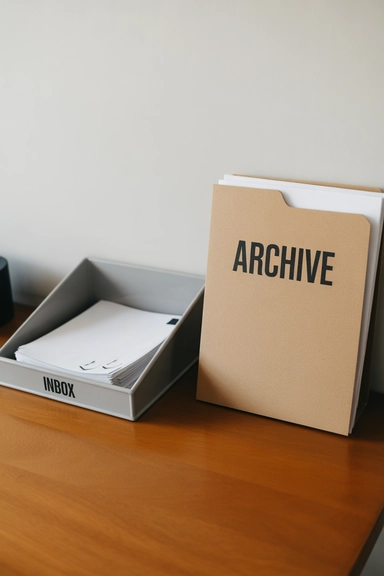
Paper clutter creates quiet stress because it signals unfinished responsibility. Bills, notes, school papers, receipts, and documents pile up when no clear system exists. A simple paper routine using one inbox tray and one archive folder keeps documents contained. Nothing spreads across counters or desks, and important papers remain easy to find.
The key is consistency, not perfection. Reviewing the paper inbox once or twice a week prevents buildup. Most papers can be recycled immediately, while essential documents move to a labeled folder. This low-cost system prevents visual overwhelm and stops paper from becoming a long-term source of disorder.
12. Setting Up a Simple Laundry Flow
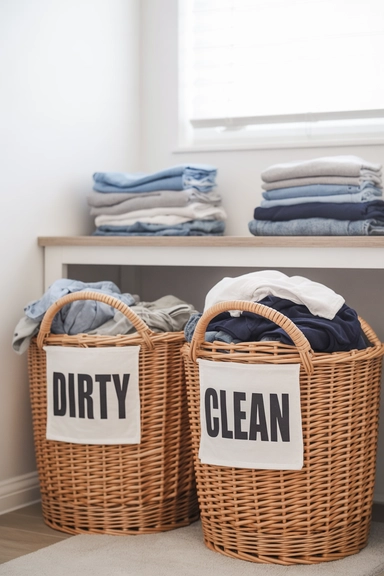
Laundry becomes chaotic when clothes move randomly between bedroom chairs, baskets, and washing areas. A simple laundry flow assigns one basket for dirty clothes, one spot for clean folding, and one routine wash schedule. This prevents piles from forming in unpredictable places.
When laundry follows the same path every time, it becomes an automatic rhythm rather than a repeated decision. The space stays calmer, mornings feel smoother, and clothing is easier to manage. No special storage is needed, only consistent movement through a defined process.
13. Cheap Life Organizing Ideas That Simplify Finances
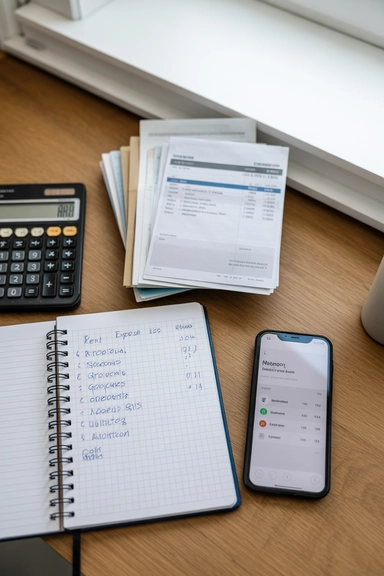
Financial stress often comes from unclear tracking rather than actual numbers. A basic system for recording expenses, checking bills, and reviewing balances once a week introduces clarity. A notebook, spreadsheet, or simple app is enough to replace guesswork with awareness.
When money tasks happen on a routine schedule, missed payments and sudden surprises decrease. Financial organization also reduces mental load because important responsibilities are not floating in memory. This low-cost habit creates stability that supports calmer daily life overall.
14. Creating a Weekly Reset Hour
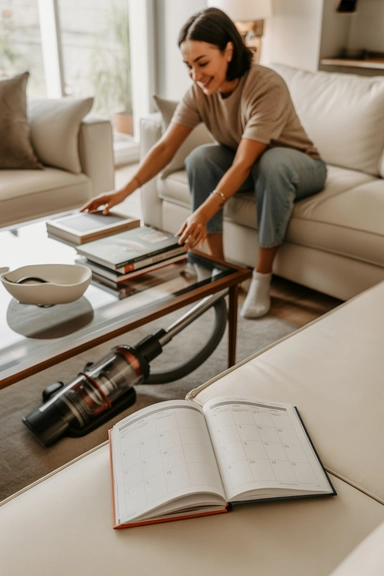
When no reset time exists, small messes and unfinished tasks quietly accumulate. A weekly reset hour provides dedicated time to restore order across key areas: tidying spaces, reviewing plans, clearing messages, and preparing for the next week.
Because this session happens regularly, organization never drifts too far off course. It also reduces the need for major cleanups that feel overwhelming. A reset hour acts as maintenance for life systems, keeping routines functional with minimal effort and no additional tools.
15. Cheap Life Organizing Ideas That Limit Decision Fatigue

Too many daily choices drain energy quickly. Reducing repeated decisions about clothing, meals, schedules, and household tasks creates calmer mental space. Simple defaults, such as repeating outfits, fixed grocery lists, or standard routines, eliminate unnecessary thinking.
When decisions are pre-made, action becomes effortless. This frees attention for meaningful tasks instead of minor logistical choices. Limiting decision fatigue is one of the most powerful organizing ideas because it quietly stabilizes mood, energy, and consistency across everyday life.
16. Cheap Life Organizing Ideas That Create Evening Shutdown Routines

Evenings often feel scattered when there is no clear end-of-day structure. A shutdown routine brings closure by completing small stabilizing actions such as clearing surfaces, setting out next-day essentials, and reviewing the following day’s schedule. These steps signal to the mind that the day is complete.
This routine does not need to be long. Ten consistent minutes each evening prevents tasks from bleeding into late-night mental space. Over time, evenings feel calmer, sleep improves, and mornings begin with clarity instead of catch-up. A simple shutdown habit quietly holds daily life together.
17. Keeping One Calendar for Everything
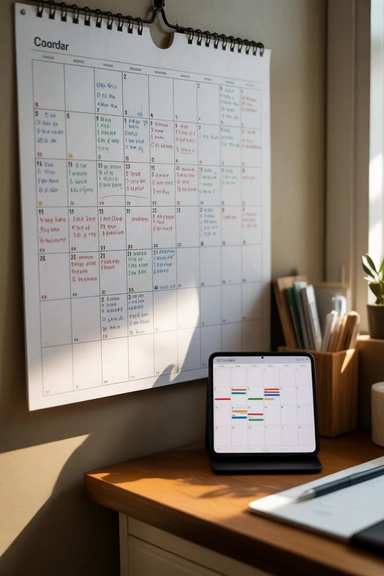
Disorganization often comes from splitting schedules across multiple places. Work events, personal tasks, family appointments, and reminders get lost when stored separately. Using one central calendar creates a single source of truth for time commitments.
This prevents missed events and last-minute surprises. Whether paper or digital, the tool matters less than consistency. When every commitment lives in one location, planning becomes easier and mental tracking disappears. A unified calendar is a low-cost, high-impact organizing solution for daily life.
18. Cheap Life Organizing Ideas That Control Incoming Information
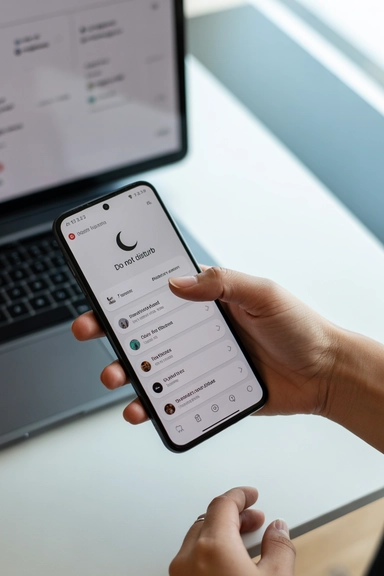
News alerts, group chats, social feeds, and notifications constantly pull attention. Without limits, information intake becomes cluttered just like physical spaces. Simple boundaries such as scheduled check-in times or disabling non-essential notifications reduce mental noise.
This creates protected focus periods and lowers stress caused by constant interruption. The goal is not disconnection but intentional consumption. Controlling information flow restores attention as a resource instead of letting it be drained by default.
19. Creating Simple Storage Rules for Shared Spaces
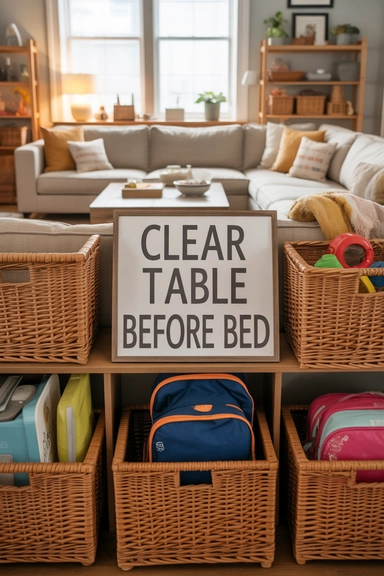
Shared spaces become messy when expectations are unclear. Establishing simple rules such as “nothing stays on the table overnight” or “bags return to the drop zone” prevents recurring clutter battles. Rules work best when they are few and easy to remember.
Once agreed, these guidelines eliminate repeated decision-making and negotiations. Everyone knows what happens by default. This consistency protects relationships and maintains order without constant reminders or frustration.
20. Cheap Life Organizing Ideas That Use Checklists for Repetition
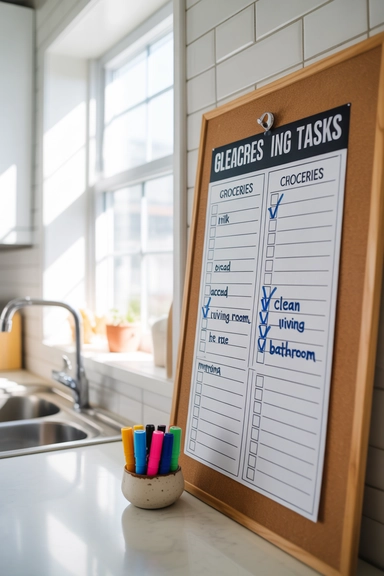
Tasks that repeat weekly or monthly become stressful when remembered inconsistently. Simple checklists for groceries, cleaning, errands, or work processes remove the need to recall steps every time. A notebook page or phone note is enough.
Checklists keep routines reliable even when energy is low. They prevent forgotten steps and make complex tasks feel manageable. This tiny organizational habit reduces overwhelm and supports steady progress without expensive planners or apps.
21. Building Systems That Survive Busy Periods
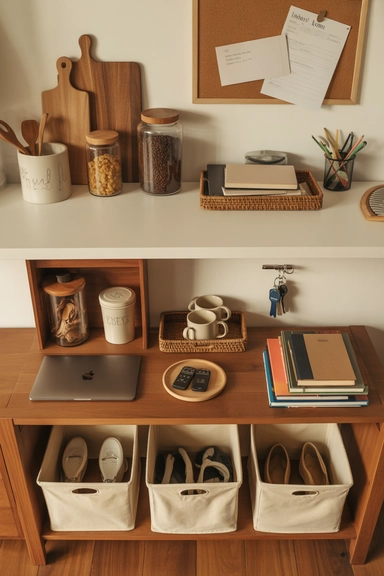
The true test of organization is whether it holds during stress, illness, or busy weeks. Systems that require perfection fail quickly. Cheap life organizing ideas succeed when they are simple enough to maintain even when time is limited.
This means fewer steps, fewer containers, fewer rules, and more automation through habit. When systems are forgiving, routines recover quickly after disruption. Sustainable organization is not about control, but about resilience.
Conclusion
Cheap life organizing ideas work because they focus on behavior, not products. By creating small repeatable systems for time, space, information, and responsibilities, daily routines become smoother and more predictable. These habits reduce friction, lower mental load, and prevent clutter from building silently over time. When organization is simple, flexible, and consistent, life feels calmer without requiring constant effort or expensive tools. The goal is not perfection, but steady order that supports real everyday living.