Introduction
If your handbags keep ending up in piles or getting pressed at the back of your closet, it’s probably not about owning too many. It’s usually about how they’re being put away.
Most people don’t have a real system. Bags get set down wherever there’s space, things look fine for a few days, and then it slowly slips back into clutter. You can’t see what you have, some bags lose their shape, and grabbing the one you want becomes a small hassle every time.
A simple setup fixes a lot of this. When bags are easy to see and easy to reach, you actually put them back where they belong. That’s what keeps things from getting messy again.
The ideas below are practical, not perfect. You don’t need a full makeover—just a few changes that fit how you already use your space.
If your closet already feels tight or overloaded, this is the part most people skip, and it’s why the mess keeps coming back → small walk in closet ideas for limited space
Open Shelf Storage for Everyday Handbags
Purse and Handbag Storage Ideas That Keep Your Space Clutter-Free (21 Smart Ways)
Open Shelf Storage for Everyday Handbags
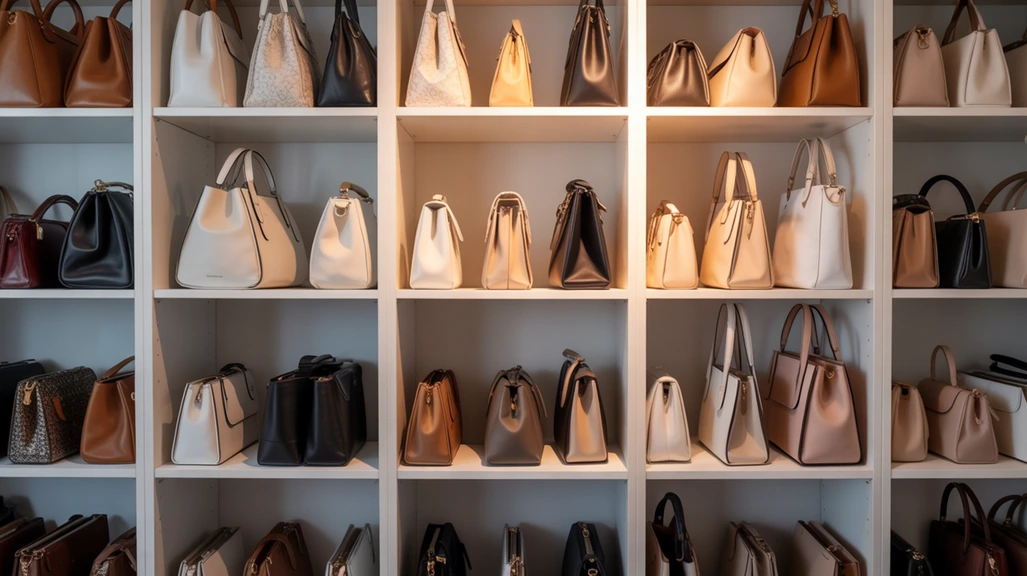
If you reach for the same bags most days, open shelves are the easiest fix. You can see what you have, grab it, done. No digging. No pulling out a pile just to find one bag.
Most people don’t realize how much stacking is causing the mess. Stacking is what usually messes things up. Bags get flattened, corners bend, and somehow the one you want is always at the bottom. Keeping them upright fixes most of that right away.
Shelf height matters more than it seems. Too tight, and bags get pushed in and start to look worn. Give them a bit of breathing room and they hold their shape better. It also makes it easier to put them back without thinking about it.
Nothing fancy here. Just a simple setup that doesn’t turn messy again after a few days.
Vertical Divisions to Keep Bags Upright
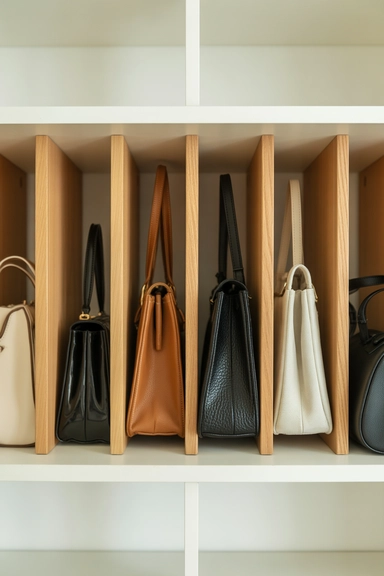
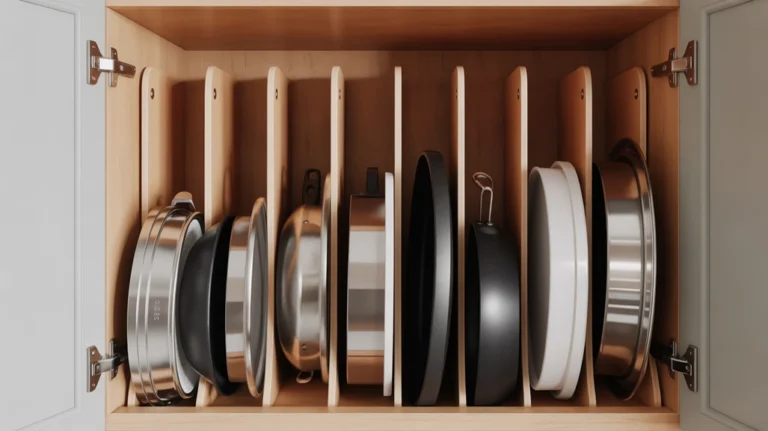
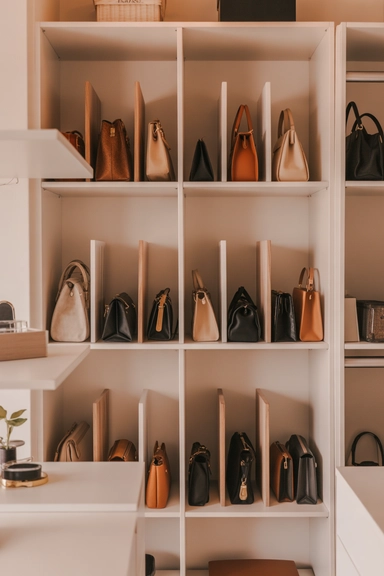
If your bags keep tipping over or getting stuck together, this is usually why. When everything is just sitting in one space, it slowly turns into a pile again.
Using simple dividers gives each bag its own spot. Nothing fancy, just enough separation so they don’t lean on each other or lose shape. It also makes it easier to put a bag back without messing up everything around it.
One thing people get wrong here is making the slots too tight. If you have to force a bag in, you won’t keep using the system. A bit of space makes a big difference.
Once you set it up right, it stays neat without much effort. That’s really the goal.
If your shelves still feel messy even after this, you’re probably missing this one thing most people ignore →Closet organization hacks.
Hanging Storage for Lightweight Bags
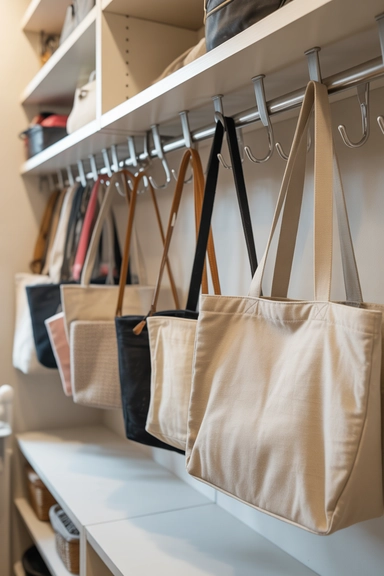
If you have lightweight bags like totes or fabric handbags, hanging them can free up a lot of space quickly. Instead of taking up shelves or ending up on the floor, they stay visible and easy to grab without getting squashed.
This works best for bags that don’t need much support. Heavier or structured bags usually don’t sit well this way, but lighter ones handle it fine.
The mistake most people make is hanging too many bags in one place. That’s when it starts looking messy again and can even put stress on the handles.
Keep it limited and give each bag a clear spot. When it’s used this way, hanging storage actually keeps things under control instead of turning into another clutter area.
Dedicated Closet Sections for Bag Rotation
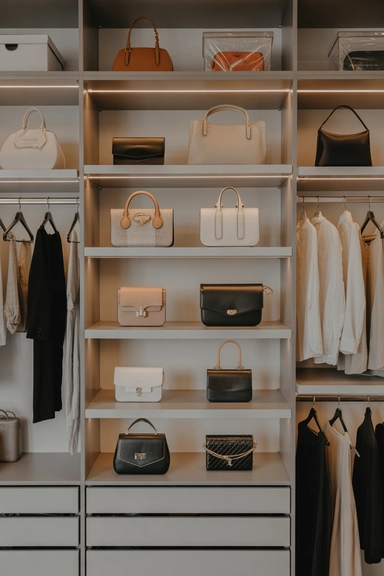
If your bags keep mixing in with clothes and everything feels crowded, it usually means there’s no clear space just for them. When handbags share space with clothes, things get messy fast.
Giving them a dedicated section makes a big difference. Keep the bags you use most at eye level and push the ones you don’t use often a bit higher or deeper. It makes grabbing what you need easier and stops bags from ending up on chairs or the floor.
One mistake here is trying to fit too many bags into the same spot. That just brings the clutter back in a different way. Keeping the space a bit controlled works better long term.
If your bags are still piling up even after this, it’s usually not the bags, it’s the closet setup itself.
This is what most people miss → small walk in closet ideas.
Shelf Inserts That Prevent Slouching
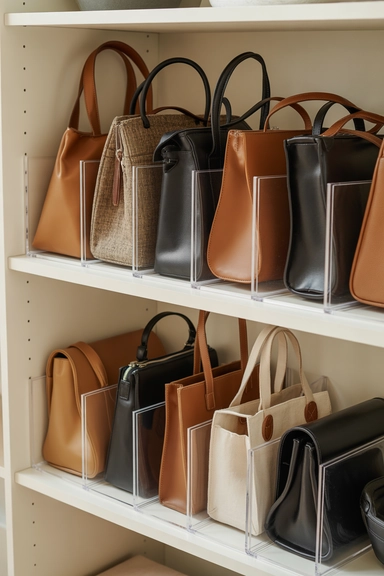
Shelf inserts can help if your bags keep losing shape or leaning backward on shelves. They give soft or medium-weight handbags a bit of support so they stay upright instead of collapsing.
This is especially useful for deeper shelves where bags tend to get pushed back and forgotten. With inserts, everything stays visible and easier to grab.
The good thing is they don’t take over the space. They just guide where each bag sits, so things stay neat without feeling crowded.
If your shelves still feel messy even after trying this, you’re probably missing a better layout → small space storage ideas
Clear Box Storage for Seasonal Handbags
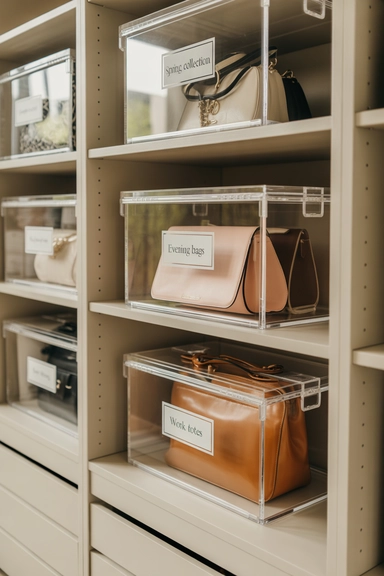
This is something people either love or hate. Some prefer open shelves, others like putting bags away properly. Clear boxes sit somewhere in the middle.
If you have bags you don’t touch for weeks, just leaving them out doesn’t really help. They collect dust, get pushed back, and you forget about them anyway. Putting them in clear boxes solves that without hiding them completely.
The only thing that can ruin this setup is forcing too much into one box. Once you start squeezing bags in, you’re back to the same problem. Keep it loose. Let the bags sit normally.
It’s not about making it look perfect. It just makes things easier to manage, especially when you rotate bags after some time.
Closet Rod Hanging for Structured Bags
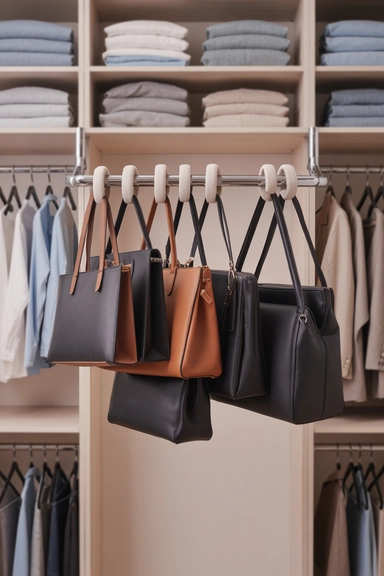
This can work, but only if you don’t overdo it. Hanging a few structured bags on a rod frees up shelf space and keeps them easy to see.
Use wider hooks or padded hangers so the weight is spread out. Thin hooks can put pressure on the handles over time.
Where people mess up is hanging too many bags in one place. That’s when it starts looking cluttered again and the whole setup stops working.
Keep it limited and mix it with the rest of your closet setup. If everything is in one spot, it gets crowded fast.
If your closet still feels off after trying this, you’re probably missing how to zone things properly → Linen closet organizing ideas
Shelf Spacing Based on Bag Size
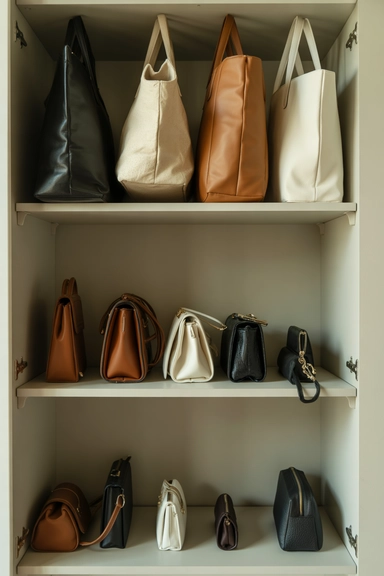
Ever looked at your shelves and thought something feels off, but couldn’t figure out why? Most of the time, it’s just bad spacing.
When shelves are too tight, bags get squeezed or stacked, and that’s where the mess starts. Give each bag enough room to sit properly, and things instantly look cleaner.
Big totes need more height. Smaller bags can share space, but don’t cram them in. Keep it simple and realistic.
Drawer-Style Storage for Small Handbags
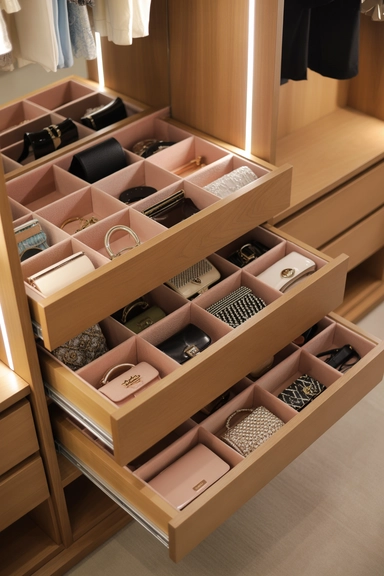
Small bags are the easiest to lose. They end up under bigger ones or pushed somewhere you don’t check often.
Drawers fix that problem fast. Keep them shallow so nothing stacks, and you can see everything in one go.
Adding dividers helps keep things from sliding around every time you open the drawer. Each bag stays in its place.
This setup works well if shelf space is limited. Just don’t overfill it, or it turns messy again.
Using Shelf Depth to Prevent Overcrowding
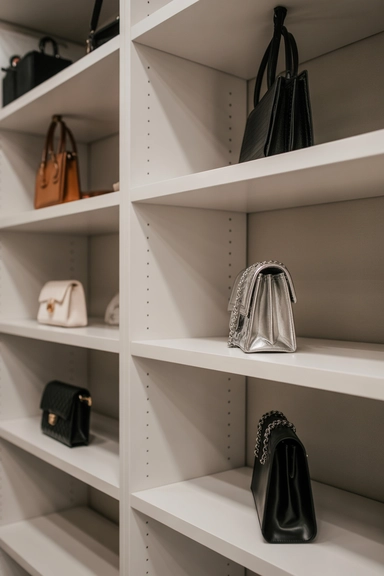
Deep shelves look great at first, but they get messy fast. Bags go to the back, you forget about them, and then everything starts piling up in the front.
A simple fix is to stop using the full depth. Keep things within reach so you can actually see what you have. Once bags stay visible, you naturally avoid stacking.
It’s not about fitting more, it’s about keeping things usable. A little empty space here actually helps more than filling everything up.
This is where smarter storage systems make a big difference → small space storage ideas
Bag Stands That Preserve Shape
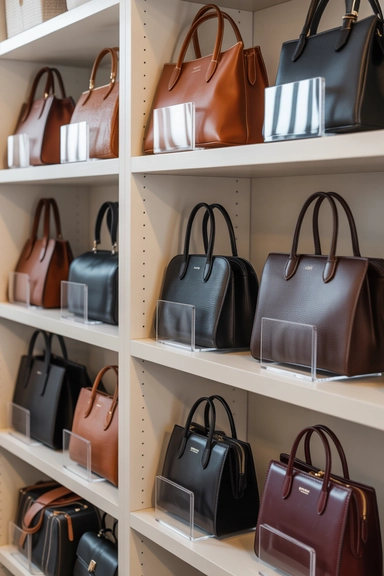
Some bags just don’t hold their shape on their own. You leave them on a shelf, and after a while, they start looking tired.
That’s where bag stands help. They support the inside so the bag stays upright instead of collapsing.
This works best for softer bags that lose form easily. Once they stay upright, shelves instantly look cleaner.
It’s a small upgrade, but it saves you from constantly fixing and reshaping your bags.
Using Shelf Height Zones for Daily vs Occasional Bags
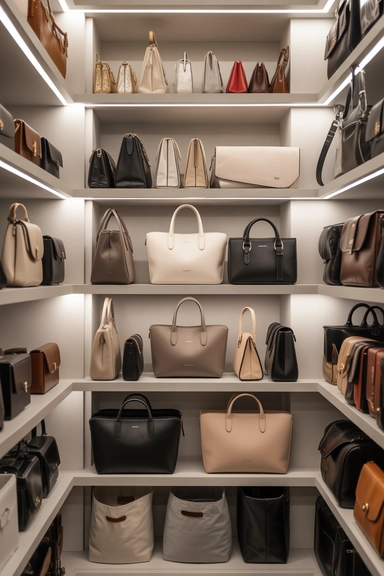
Not all bags need the same spot. The ones you use daily should be easy to grab, not hidden somewhere above your head.
Keep everyday bags at eye level. The ones you rarely use can go higher or lower. Simple.
This small change reduces how much you move things around. And when you stop moving things, clutter slows down.
Over time, you also notice which bags you actually use and which ones just sit there
Dust Covers That Still Allow Visibility
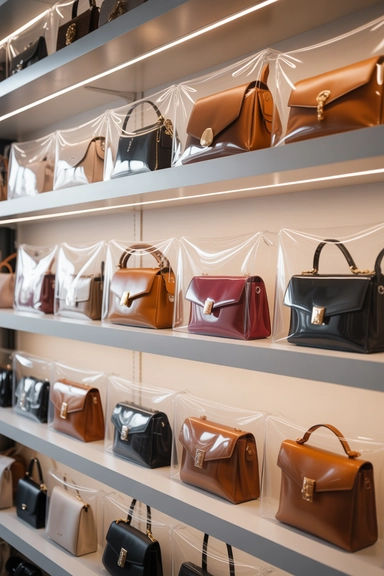
Dust covers sound like a good idea, but they can also make things worse if you can’t see what’s inside.
If everything is hidden, you start stacking and forgetting again. That’s how clutter builds up.
Use light or slightly see-through covers so you still know what’s there. You get protection without losing visibility.
It’s a simple balance. Protect the bags, but don’t hide them so much that they disappear.
Wall Hooks for Short-Term Bag Storage
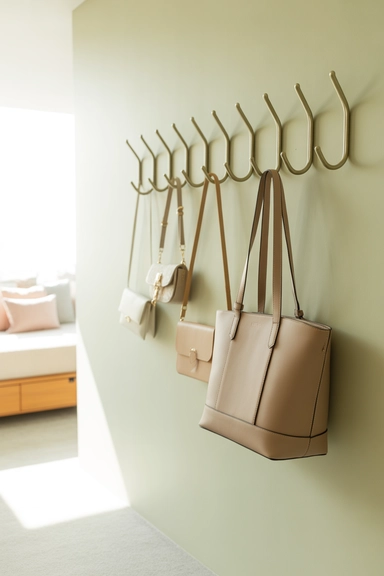
If your bags keep ending up on chairs or the bed, wall hooks can fix that fast. You just hang the ones you use often and keep them off the usual clutter spots.
But here’s where most people mess up. They add too many hooks and suddenly the wall looks like storage exploded. Keep it limited. Only hang your daily bags, not your entire collection.
A good spot matters too. Place hooks where you naturally drop your bag, near the door or dressing area. That way you actually use the system instead of ignoring it after two days.
Clear Separation Between Bags and Clothing
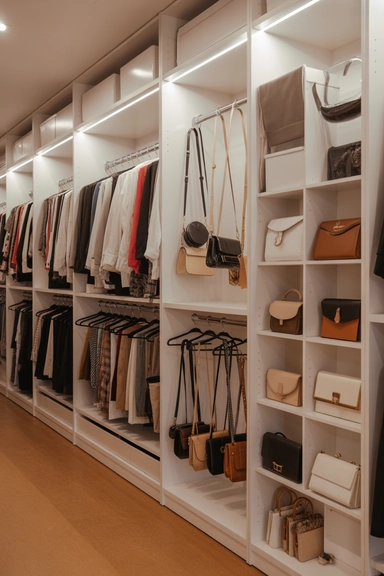
Mixing bags with clothes almost always creates chaos. Straps get tangled, clothes get crushed, and everything starts feeling tight.
Give your bags their own space, even if it’s small. Once they stop competing with clothes, both areas stay cleaner with less effort.
Ever tried pulling a bag out and half your clothes come with it? Yeah, that’s exactly what this fixes.
Shelf Cubes for Individual Bag Placement
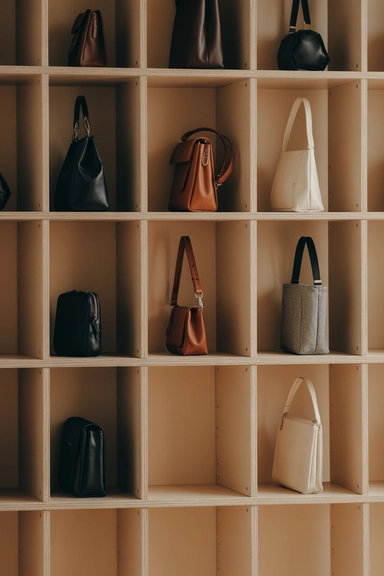
If your bags keep leaning into each other, cubes can help more than you think. Each bag gets its own spot, so nothing collapses or gets squeezed.
The real benefit is control. When every slot is filled, you instantly know you’ve reached your limit. No guessing, no overstuffing.
It also saves time. You don’t have to move three bags just to reach one..
Under-Shelf Hanging Solutions
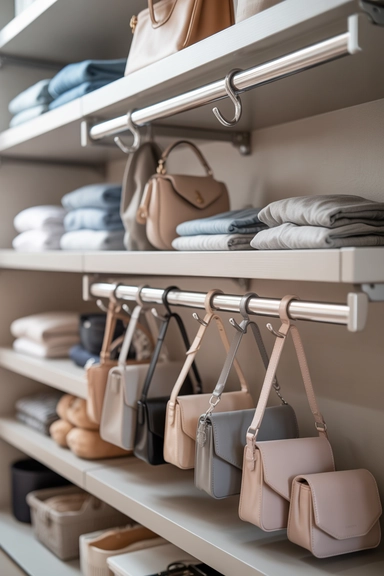
You can hang a few lightweight bags there and free up your main shelf space. Just don’t go overboard. Too many bags hanging in one spot looks messy fast.
If small items keep spreading and messing things up, you’re probably missing a proper system
This is how to keep everything organized without clutter building back up → home file organization ideas
Rotational Storage to Reduce Overcrowding
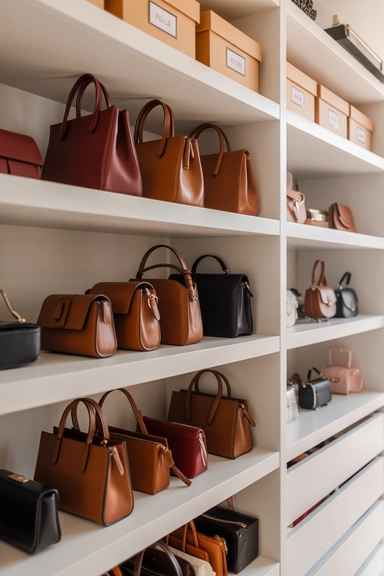
You don’t need all your bags out at once. Keeping everything visible sounds nice, but it usually turns into clutter.
Instead, keep your daily bags within reach and store the rest somewhere else. Rotate them every few weeks.
This does two things. It keeps your space lighter, and it helps you realize which bags you actually use.
Floor-Level Storage for Oversized Bags
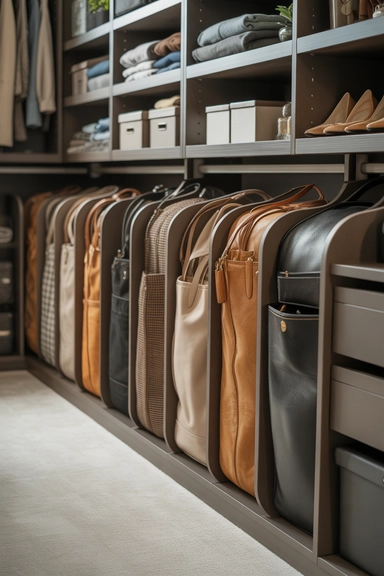
Big bags don’t always belong on shelves. They take too much space and make everything unstable.
Putting them on the floor can actually be the smarter option. Just keep them upright and use a divider if needed.
Otherwise they flop over and you’re back to a mess again.
Limiting Storage to Protect Bag Quality
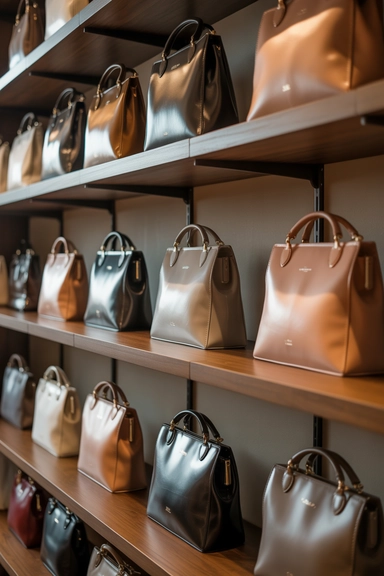
More space doesn’t mean you should fill it. That’s where most setups fail.
When shelves are packed, bags lose shape, rub against each other, and become harder to manage.
Leaving some empty space might feel wrong at first, but it actually keeps everything in better condition and easier to use.
Storage Systems That Match Daily Habits
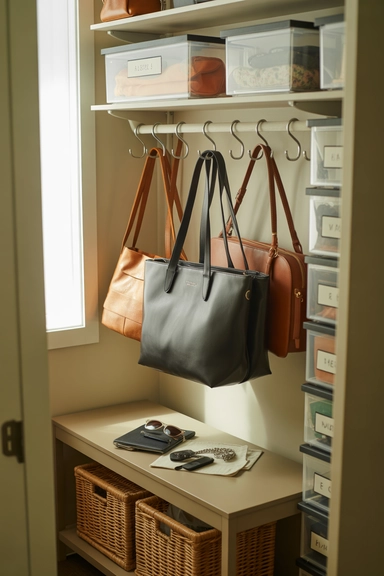
Here’s the part most people ignore. Your setup has to match how you actually use your bags.
If you grab something daily, it needs to be easy to reach. If it’s hard to put back, you won’t do it. Simple.
A system only works if you follow it without thinking.
Conclusion
At the end of the day, most handbag clutter doesn’t come from having too many bags. It comes from having no clear system.
Once you give each bag a proper place, things get easier fast. You stop stacking, you stop digging, and you actually start using what you own instead of forgetting about it.
The goal isn’t to make your closet look perfect. It’s to make it easy to maintain without constantly fixing it every few days.
If something feels hard to manage, it’s usually because the setup is working against you. Keep it simple, adjust what doesn’t fit your routine, and the clutter naturally slows down.
And if you want to make sure things don’t fall apart again in other areas, this is where most people get it right → pro organizing hacks to declutter your space