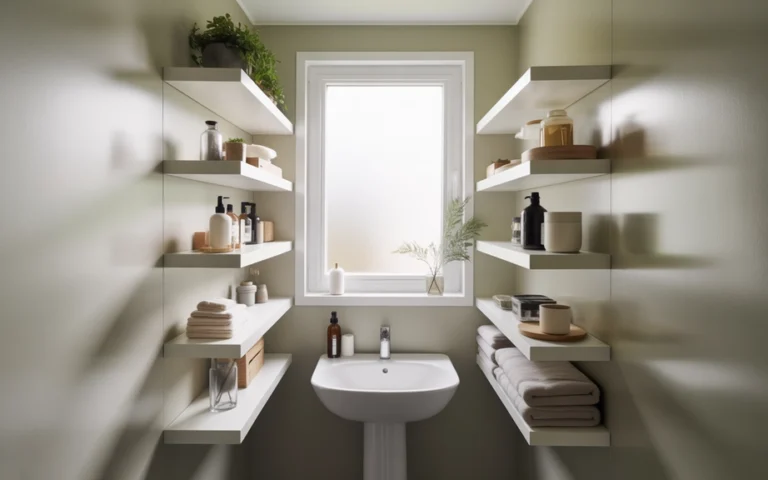

Your closet probably doesn’t work the way it should. Clothes pile on chairs. Laundry baskets sit in the hallway for days. Jackets and clothes end up crammed onto the same hanger, and somehow the closet floor disappears under shoes again even after a full weekend cleanout.
Getting dressed takes longer than it should because you’re digging through layers instead of seeing what you actually own. Most closet problems are not really about space. They are about visibility, access, and systems that don’t match real life. A few strategic changes fix all three.
Maximizing Vertical Space with Shelves
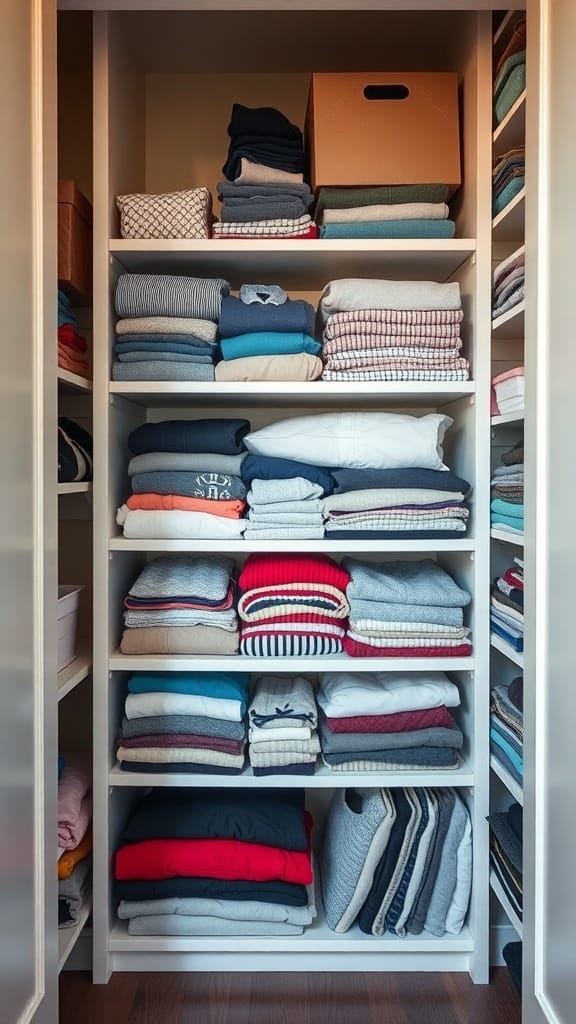
Most closets waste the space from eye level to the ceiling. If you’re not using that vertical real estate, you’re essentially throwing away storage you’ve already paid for. I learned this the hard way when I spent two years in a rental with a single rod and watched my clothes pile on chairs.
Shelves work because they let you stack folded items compactly. The catch: you actually have to fold consistently, which takes practice. I use the KonMari method for sweaters—fold in thirds lengthwise, then in half—which creates compact rectangles that stand upright rather than toppling.
Bracket-mounted shelves are inexpensive and sturdy. Aim for 12–14 inches between shelves. The top shelf is perfect for off-season items.
Drawer Dividers for Small Items
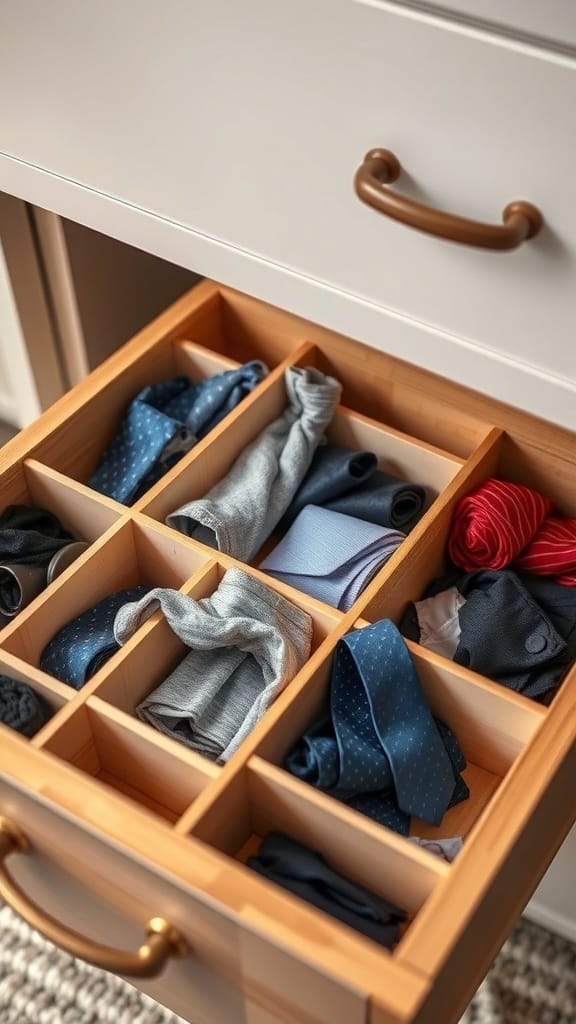
Without dividers, a drawer full of scarves and belts becomes a tangled mess within days. I’ve stood in front of my dresser hunting for a specific belt, knowing it was in there somewhere, for five minutes too long.
Dividers fix this immediately. I have three for ties, one for belts, one for folded tanks. Everything stays visible.
Acrylic dividers won’t scratch wood. Cardboard dividers are nearly free. The material matters less than creating a boundary so items don’t migrate into each other’s territory.
Color-Coding Your Wardrobe
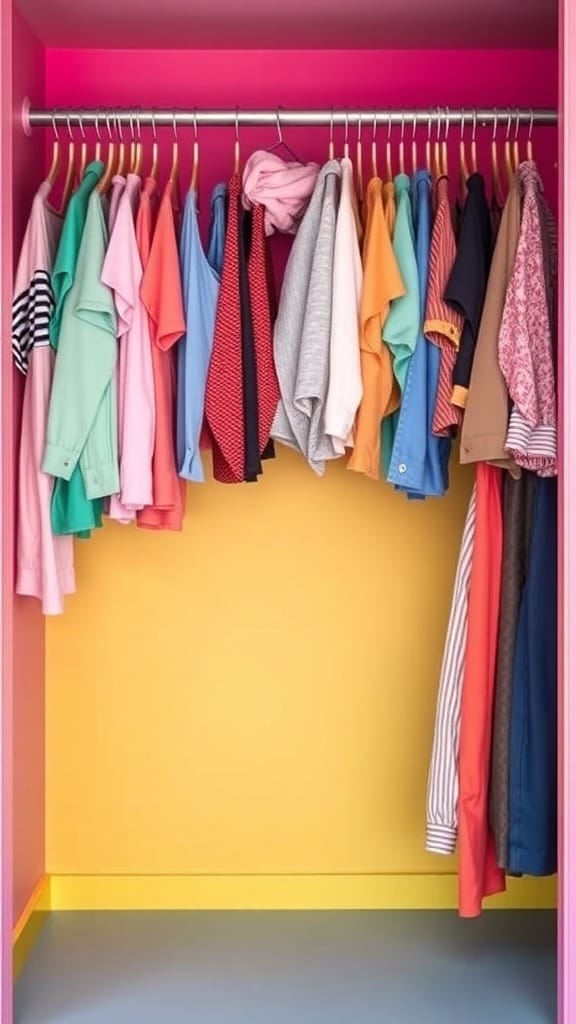
Color-coding removes a micro-decision from getting dressed on mornings when decision fatigue is already high.
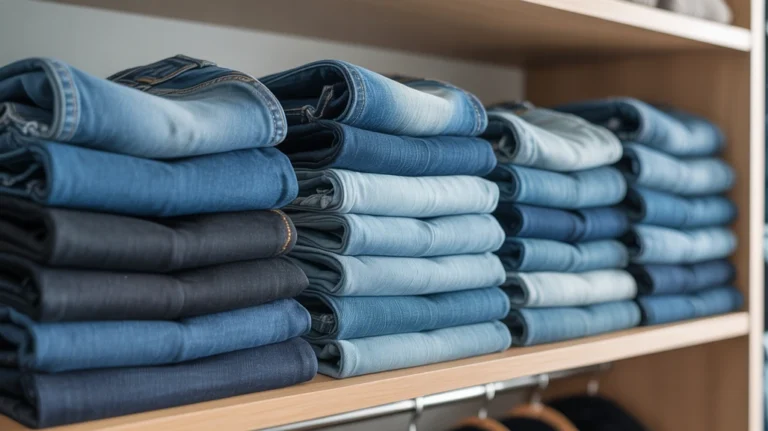
The rainbow approach (light to dark) is visually pleasing. The neutral-first approach (darks, then grays, then whites) is more practical if you wear mostly neutrals.
The system only works if you maintain it. When you bring home a new sweater, hang it in the correct zone immediately. If you don’t, the system collapses within a week. Set a Sunday evening rule: scan the rod and re-order.
Why Hooks Work Better Than Closet Shelves for Accessories
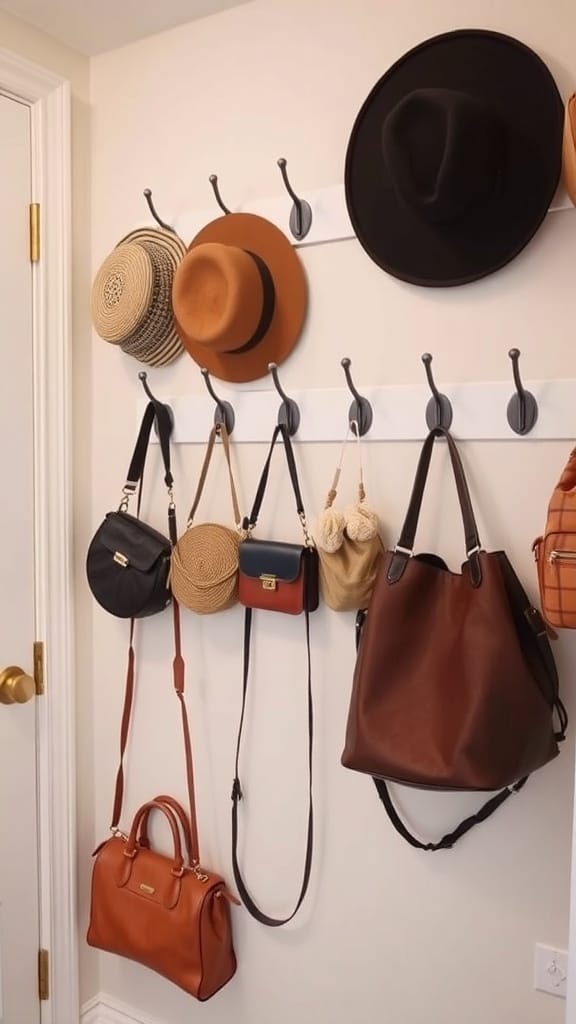
Bags left in a pile compress, distort, and lose their shape fast. Hats stacked flat usually end up creased or forgotten at the back of a shelf. Hooks solve both problems while keeping your favorite accessories visible, which means you actually wear them instead of rotating between the same one or two bags every week.
I have a wall of hooks where I hang everyday bags, hats, and scarves. The visibility works as a quiet reminder to rotate what I carry. Before that, my favorite tote disappeared under a pile of reusable shopping bags for months.
Install hooks at slightly different heights rather than in one perfect row. It gives bulkier bags more room and looks less rigid. Leaving about 4–6 inches between hooks usually prevents straps and scarves from tangling together.
Incorporating a Shoe Rack for Easy Access
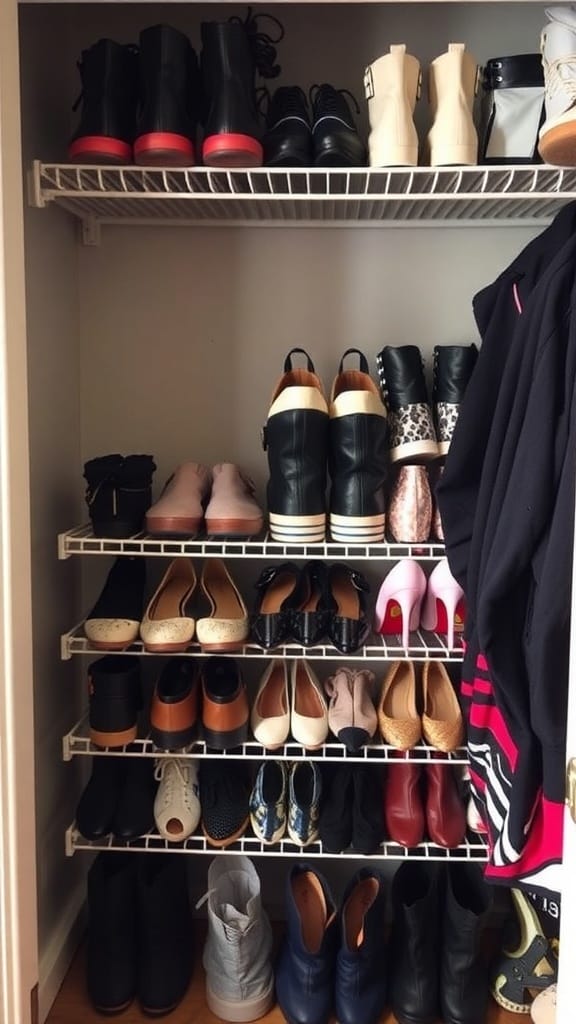
Shoes scattered across a closet floor get stepped on, dusty, and lost, also they lose their original shine. A dedicated rack keeps them visible and actually wearable.
The style matters less than whether it fits your space. Tiered metal racks hold a lot in a small footprint. Shelf-style racks look cleaner and work better for structured shoes like loafers and boots.
I keep my most-worn shoes on the lowest shelf so I don’t reach down every morning. Seasonal shoes go higher.
Incorporating a shoe rack is a smart move for anyone looking to streamline their closet. It’s a small change that can make a big difference in how you access and care for your shoes.
Seasonal Rotation of Clothing
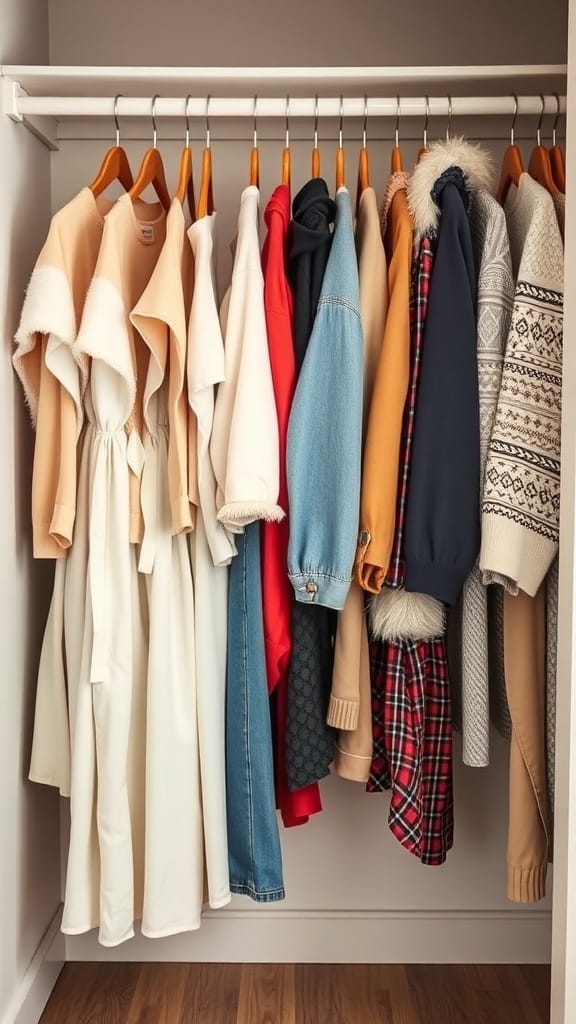
Storing off-season clothes in your main closet creates clutter, eats up valuable space, and makes daily decisions harder than they need to be. If your closet still holds heavy winter coats in July, you’re wasting visibility on clothes you cannot even wear.
When spring arrives, I box up thick sweaters and move them into under-bed storage bins. Lighter layers and dresses come back out. The whole process usually takes one Saturday afternoon, but the closet instantly feels calmer and easier to use.
Seasonal rotation is also when you admit what you actually wore. If that expensive wool coat has not left the hanger for two winters, it is probably taking space from something you reach for every week.
Utilizing Clear Storage Bins for Visibility
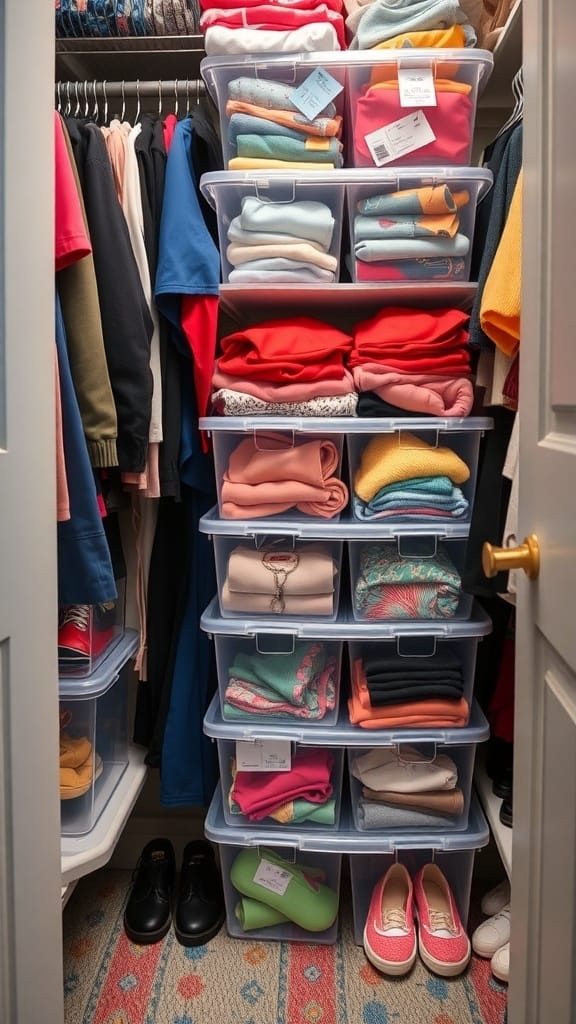
Clear bins solve the “out of sight, out of mind” problem. You can see what is inside without opening them, which makes it easier to remember what you actually own.
I use them for off-season clothes, extra blankets, and items that only get used occasionally. I label each bin and stack them higher up on the shelf. Before switching to clear bins, I had random “mystery boxes” that I barely ever opened.
The downside is that clear bins start showing dust over time, and they can get expensive if you need a lot of them. Keep them away from direct sunlight, and use them mainly for items you regularly need access to.
DIY Hanging Organizers for Accessories
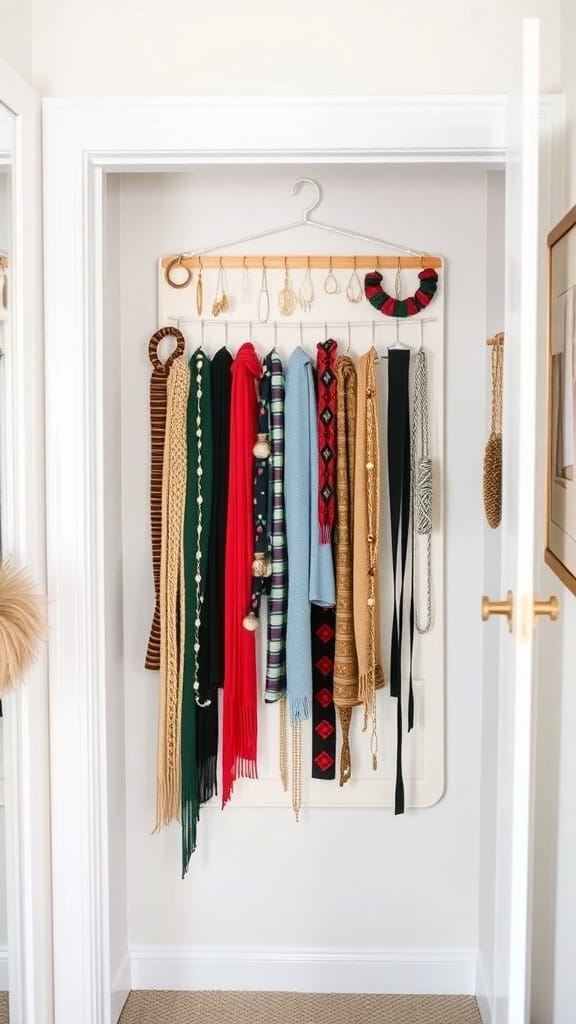
A hanging organizer gets scarves off the floor and displays them where you will actually see them. Seeing something regularly usually means you end up wearing it more instead of forgetting it exists.
I made mine using a wooden dowel, a few S-hooks, and wall brackets from a hardware store for around fifteen dollars in about thirty minutes. The scarves hang freely without getting tangled together.
If DIY projects feel like too much work, ready-made organizers work just as well. The main idea is simple: keep your accessories visible instead of buried in drawers or baskets.
Adding a Mirror to Enhance Space
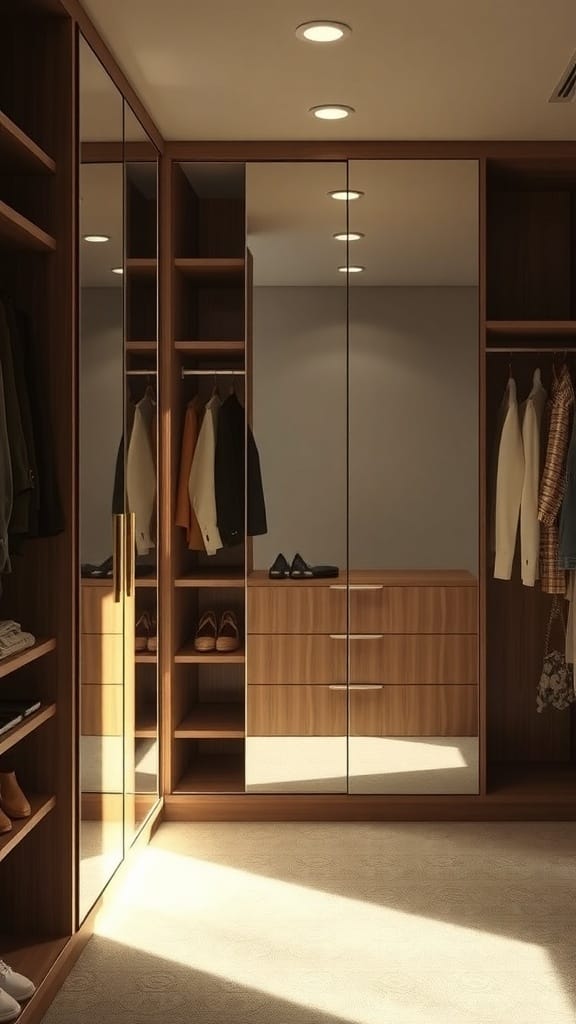
Mirrors reflect light and create the illusion of more space. A closet with a mirror feels far less cramped than an identical one without it.
I have a full-length mirror mounted on my closet door. It lets me check my outfit without stepping out of the closet, which saves both space and time during busy mornings.
If there is a nearby window, the mirror also catches natural sunlight and helps brighten up a dark closet.
Using a Tension Rod for Scarves
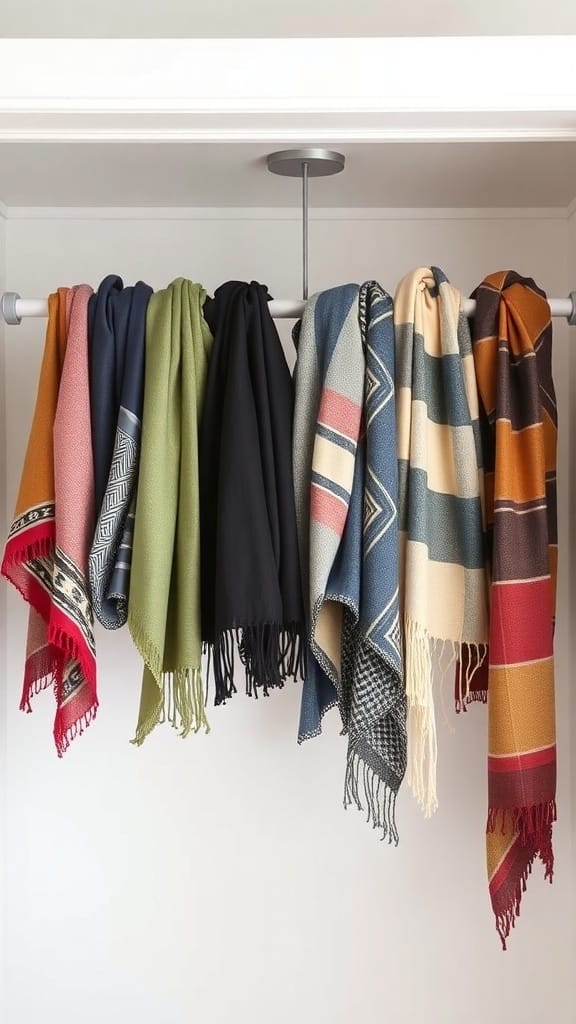
Keeping scarves and belts organized has always been a challenge for me. A tension rod holds lightweight items without requiring any installation, which makes a big difference if you live in a rental.
I fold scarves lengthwise into thirds and loop them over the rod. Around six scarves fit comfortably without getting tangled together. The best part is that pulling one out does not cause the rest to fall like a domino effect.
Tension rods also work well for tank tops and other lightweight clothing. They are not ideal for heavier items or fabrics that tend to stretch over time.
Installing Pull-Out Racks for Easy Access
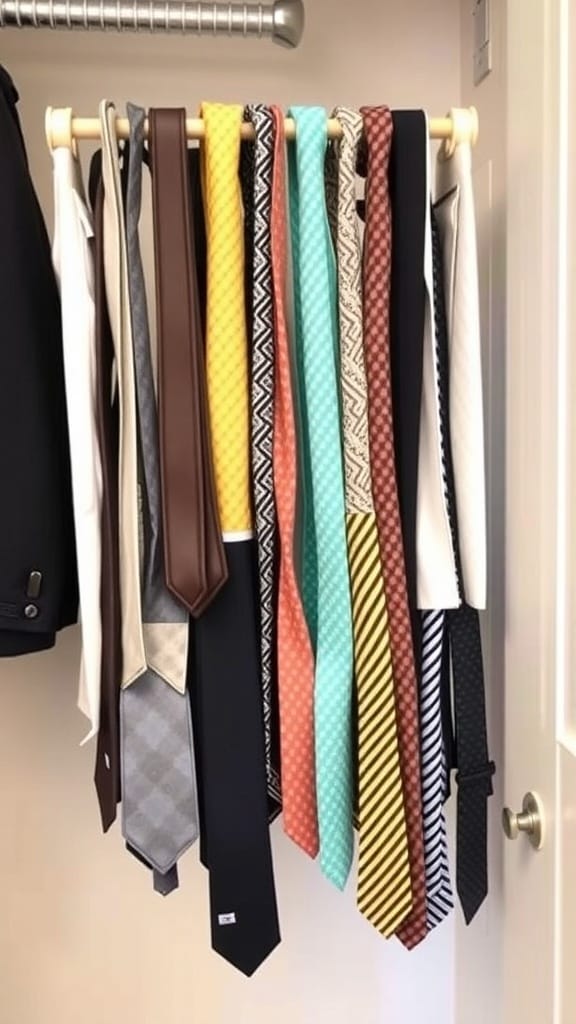
A pull-out rack slides forward so you don’t reach into a closet cave. This matters if your closet has limited depth.
I installed one for ties five years ago and immediately wondered why I hadn’t sooner. Everything slides toward me instead of me reaching to the back wall. Getting ready is faster because I actually see what I have.
Pull-out racks come in various styles. Installation is usually straightforward.
Repurposing Old Furniture for Storage
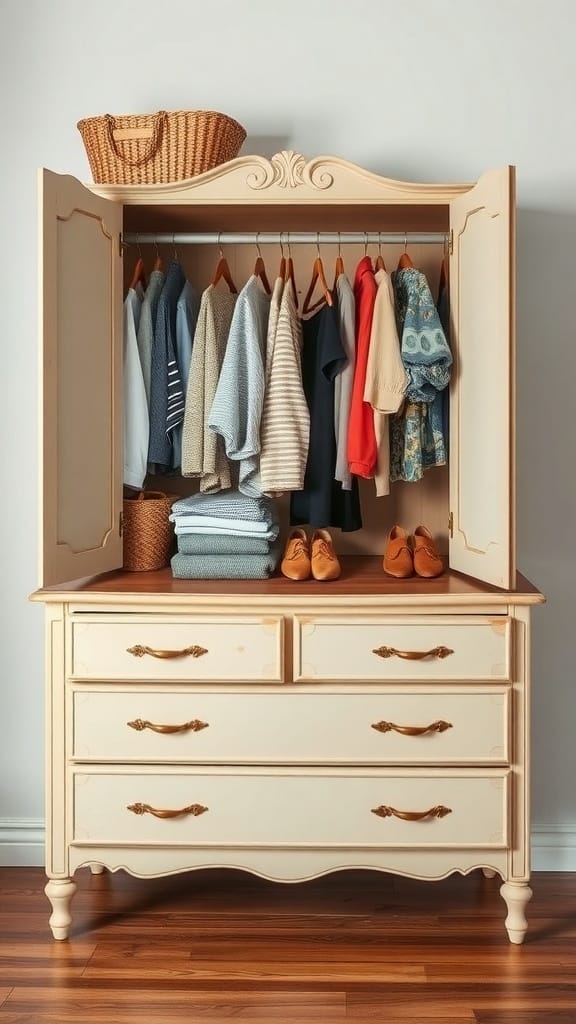
A vintage dresser, old shelving unit, or bookcase becomes closet storage. The advantage is you likely own it already, saving money and reducing waste.
I found a narrow dresser at an estate sale years ago that now holds folded sweaters. It’s deeper than standard bins and the drawers keep items from shifting.
The downside: finding furniture that actually fits your closet dimensions is harder than the principle suggests. Old furniture sometimes smells stale. Air it out before moving it in.
Labeling Bins and Baskets
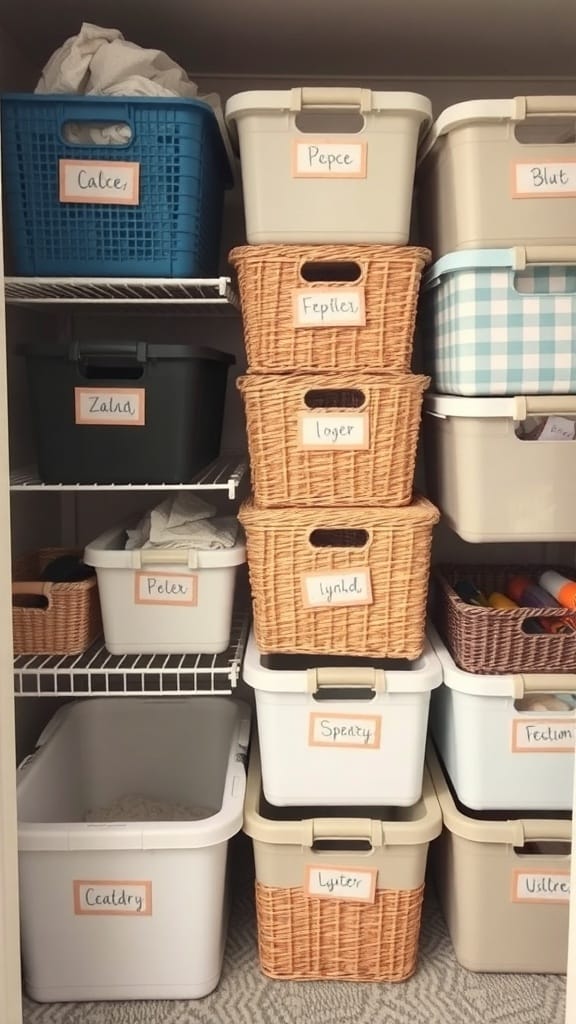
A label seems trivial until someone else needs to find something, or until you can’t remember what’s in that white bin after six months.
I use a label maker for consistency. Handwritten labels work fine too. The format is always the same: “Summer Tank Tops,” “Holiday Décor,” “Winter Scarves.”
Update labels if contents change. An old label that’s no longer accurate creates confusion.
Using Multi-Tiered Hangers for Clothes
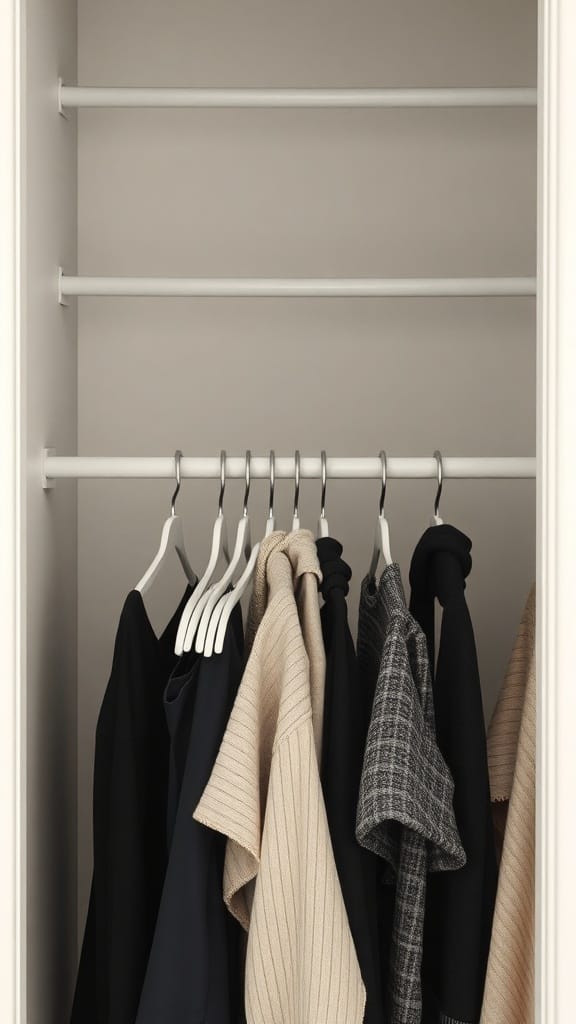
Multi-tiered hangers multiply what you can store on a single rod hook. They’re useful for smaller closets.
I have tiered hangers for pants, tank tops, and lightweight scarves. The limit is about four items per hanger before things wrinkle or fall off.
The downside: reaching an item at the bottom sometimes requires removing top items. If that friction bothers you, they might not be worth it.
Creating a Capsule Wardrobe
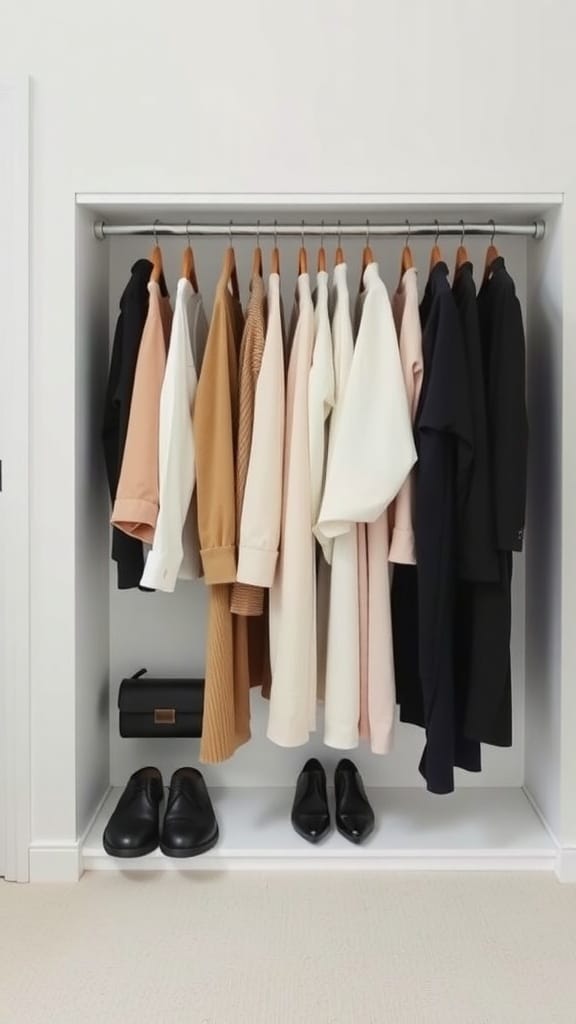
A capsule wardrobe assumes that a limited number of thoughtfully chosen items creates more outfit combinations than a large closet of random pieces.
I have about forty pieces in regular rotation. This took years to build because I had to actually wear things enough to know if they worked. Buying items that “should” coordinate is different from owning items that do.
The real discipline is saying no. I see a sweater I love and pause because I need to imagine it with what I already own. Sometimes I buy it. Sometimes I don’t.
Utilizing the Back of the Door for Storage
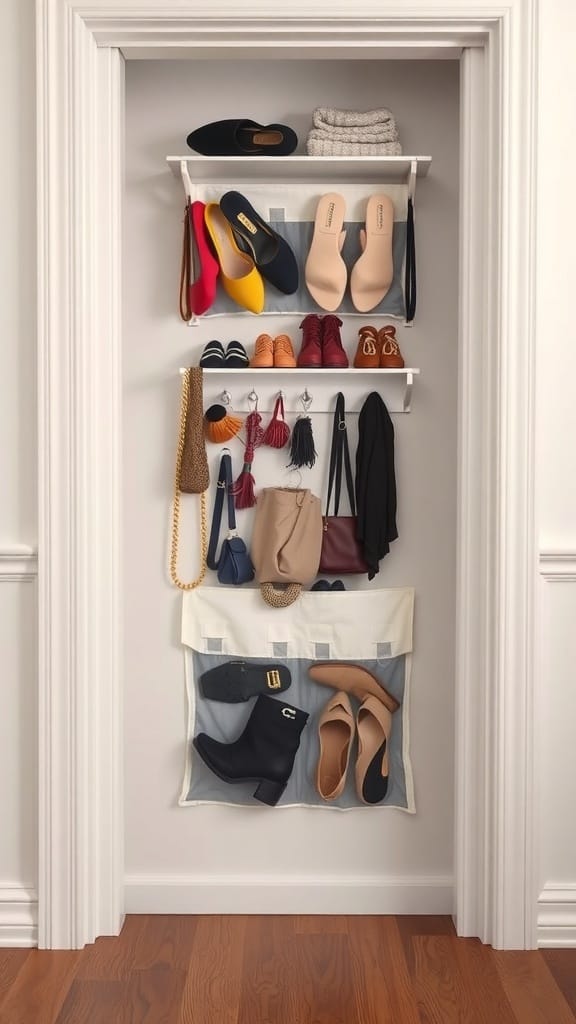
The back of a closet door is invisible but accessible. Using it makes sense if you have space.
I mounted a slim shoe rack and hanging organizer on mine. Together, they free up about two square feet of floor space without making the door difficult to open.
The weight limit depends on your door and hinges. Keep back-of-door storage light—fully loaded doors strain hinges over time.
Incorporating a Folding Station
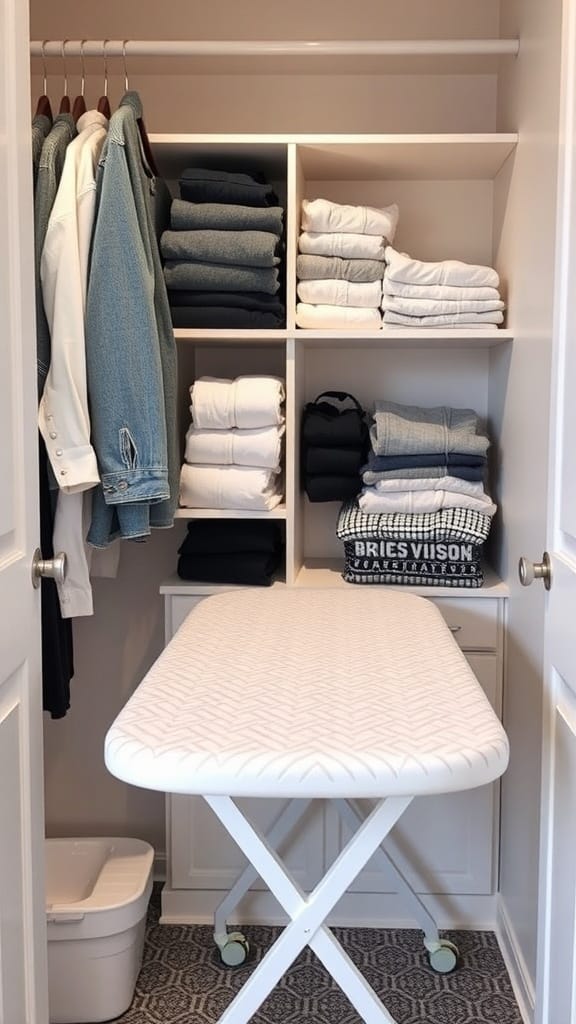
A dedicated space for folding clean laundry prevents it from piling on the bed or floor. If you have space, this is worth a simple ironing board.
My folding station is a small ironing board in the corner of my closet. I fold straight from the dryer into the closet—one step instead of a laundry basket sitting for days.
An ironing board is inexpensive and folds away.
Creating a Jewelry Station
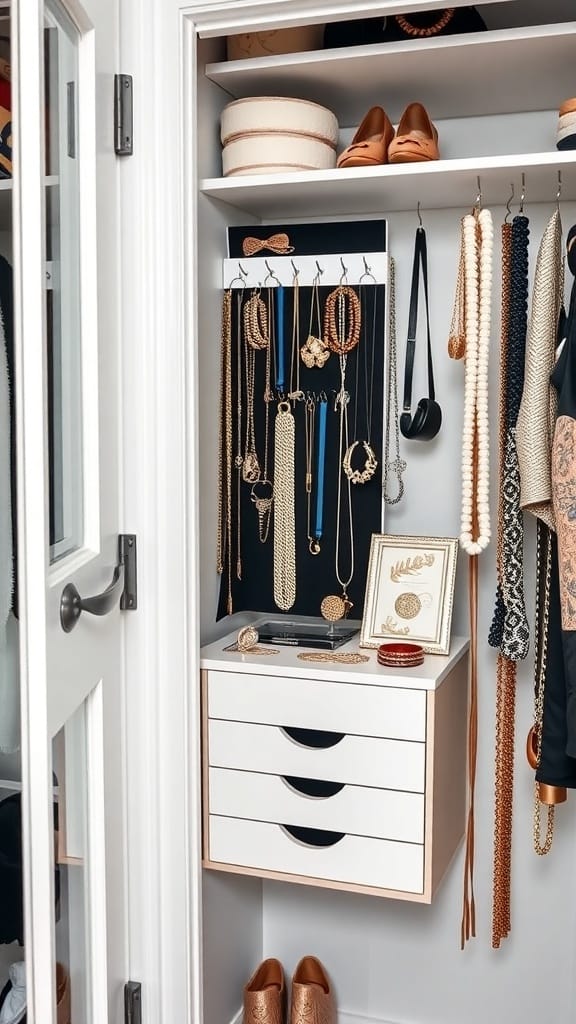
Jewelry gets tangled, lost, or forgotten in a drawer. A visible station makes wearing jewelry easier.
I have a pegboard with hooks for necklaces and a shallow drawer for earrings and rings. Everything is visible, so I actually wear pieces I’d otherwise forget.
The setup cost maybe twenty dollars and took an afternoon.
Implementing a Rotating Shoe Organizer
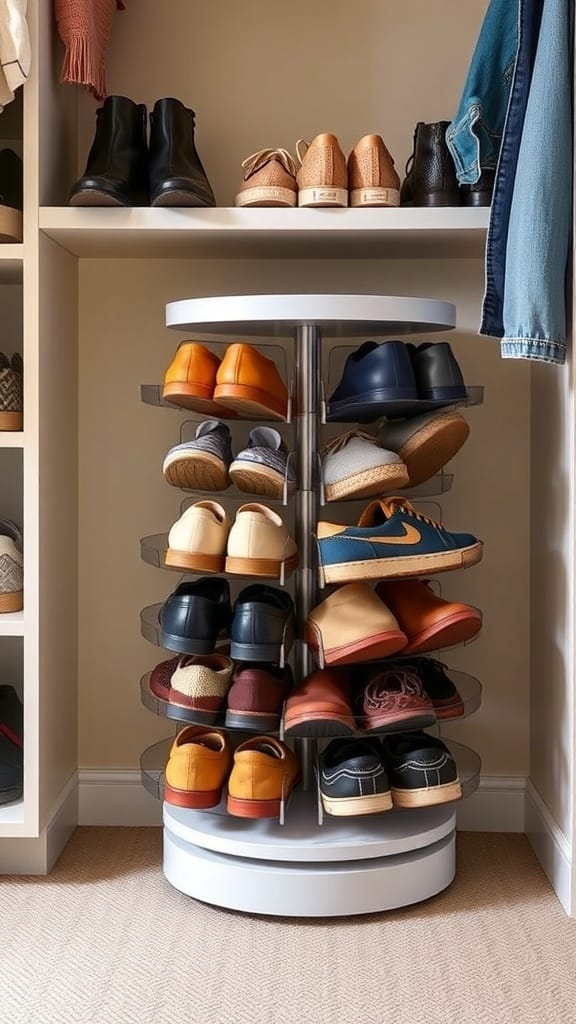
Keeping your shoes organized can be a challenge, especially if you have a growing collection. A rotating shoe organizer is a fun and efficient solution to this problem. This clever design allows you to see all your shoes at a glance while saving space in your closet.
The image shows a sleek, modern rotating shoe organizer filled with various styles. From casual sneakers to stylish boots, it showcases how versatile this organizer can be. The circular design makes it easy to spin and find the perfect pair without digging through a pile of shoes.
Not only does this organizer help keep your shoes tidy, but it also adds a stylish touch to your closet. You can easily incorporate it into your existing setup, making it a practical choice for anyone looking to upgrade their shoe storage.
To implement a rotating shoe organizer, first, measure your closet space to ensure it fits. Then, choose one that suits your style and needs. Once you have it, simply place it in your closet and start arranging your shoes. This way, you’ll always know where your favorite pairs are!
Using Fabric Bins for Soft Goods
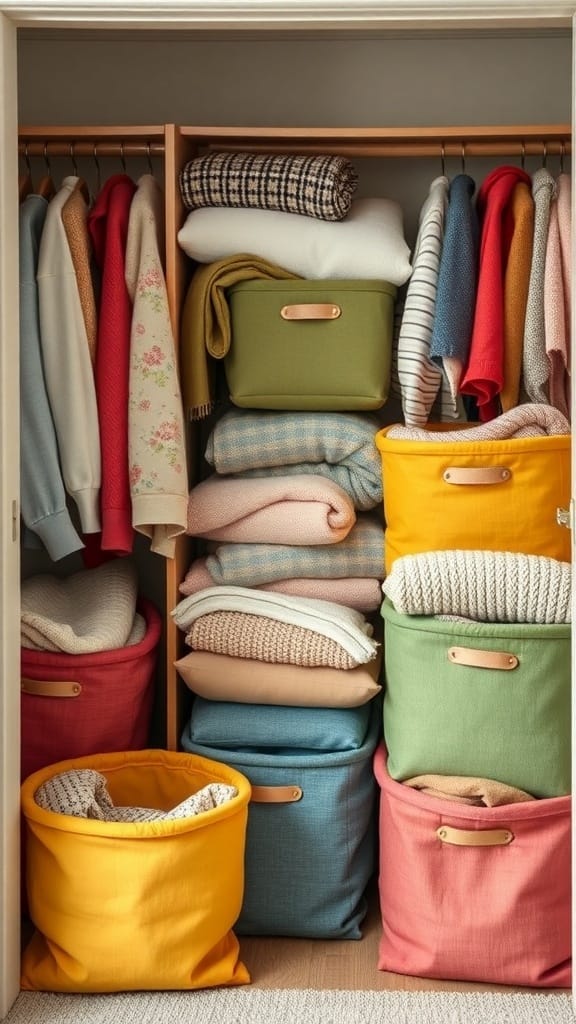
Fabric bins are a fantastic way to keep your closet organized and tidy. They come in various colors and sizes, making it easy to find one that fits your style. In the image, you can see a closet filled with neatly stacked fabric bins, each holding different soft goods like blankets and sweaters.
These bins not only look great, but they also help maximize space. By using fabric bins, you can store items vertically, which frees up shelf space for other essentials. The vibrant colors of the bins add a cheerful touch to the closet, making it feel more inviting.
When choosing fabric bins, consider those with handles for easy access. This way, you can quickly grab what you need without rummaging through everything. Plus, they are lightweight, making it simple to rearrange your closet as needed.
Overall, fabric bins are a smart and stylish solution for organizing soft goods. They help keep your closet looking neat while allowing you to showcase your personal style.
Storing Seasonal Items in Vacuum Bags
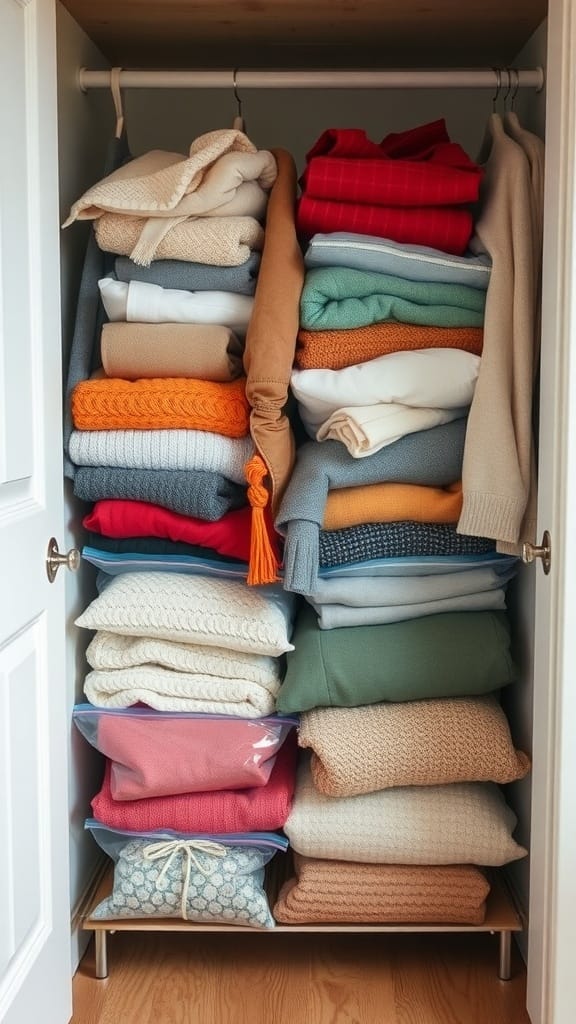
Vacuum bags are a fantastic way to store seasonal items, especially bulky sweaters and blankets. In the image, you can see a well-organized closet where various sweaters are neatly folded and stored. The vacuum bags help save space while keeping everything protected from dust and moisture.
Using vacuum bags is simple. Just fold your items, place them in the bag, and use a vacuum to remove the air. This process compresses the fabric, allowing you to fit more in your closet. It’s a great hack for anyone looking to maximize storage space.
When you’re ready to switch out your seasonal clothing, just pull out the bags. They’re easy to open and your items will be just as fresh as when you stored them. This method not only keeps your closet tidy but also makes it easier to find what you need when the seasons change.
Maintaining a Regular Decluttering Schedule
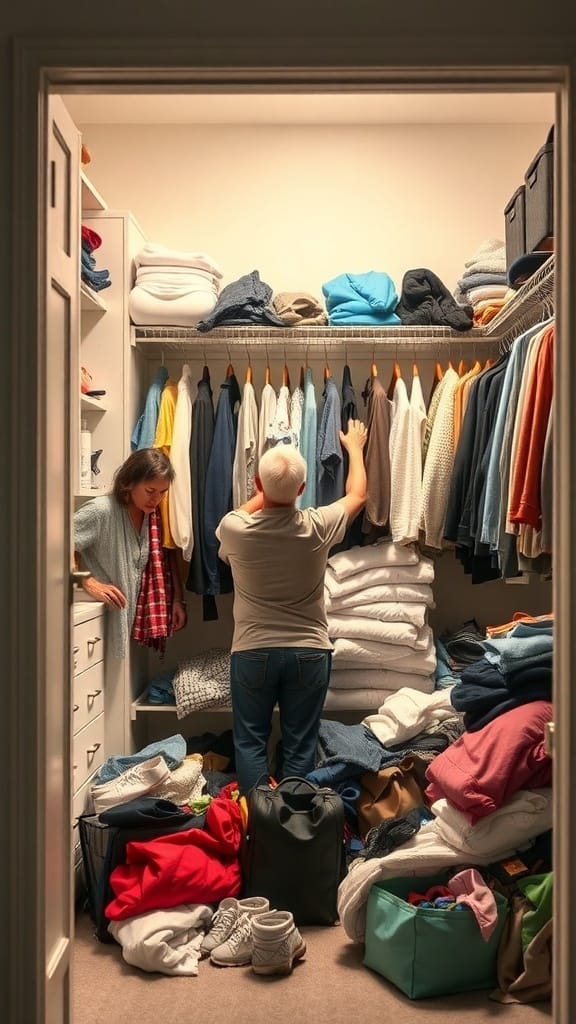
Looking at the image, you can see a closet that’s bursting at the seams. Clothes are piled on the floor, and it’s clear that a little organization is needed. This scene is a reminder of how easy it is for our spaces to become cluttered over time.
To keep your closet from looking like this, setting a regular decluttering schedule is key. Think of it as a mini spring cleaning session, but you can do it any time of the year. Maybe once a month, take a few moments to go through your clothes and other items. Ask yourself what you really wear and what you can let go of.
In the image, two people are sorting through the chaos. This shows that decluttering can be a team effort. Grab a friend or family member to help. It can make the process more fun and less overwhelming. Plus, they might offer a fresh perspective on what to keep and what to toss.
Remember, the goal is to create a space that feels good and is easy to navigate. A regular decluttering schedule can help you maintain that. It’s all about making small, consistent efforts to keep your closet in check.
✅ Conclusion
An organized closet means you can actually see and access what you own. That sounds obvious until you experience the difference yourself. Getting dressed becomes faster, you wear more of your clothes, and the space starts feeling calm instead of chaotic.
Start with the one hack that solves your biggest frustration, whether that is shoes scattered everywhere, tangled scarves, or overflowing seasonal clothes. Organization is not a one-time project. It is a system that changes along with your lifestyle and routines.
The goal is not a perfect closet. It is a closet that works for you without needing constant maintenance.