
Introduction
Small closets rarely fail because of size alone. They fail because every inch isn’t working hard enough. The best very small closet ideas focus on vertical layers, hidden storage, and layout decisions that make a cramped bedroom feel calmer and more functional. When shelves, rods, and bins are placed with intention, even the tightest closet can handle daily use without constant rearranging. The goal isn’t perfection — it’s flow, visibility, and ease. Before changing the layout, start by clearing visual overload using 21 Closet Decluttering Hacks for a More Organized Space so the new system actually stays manageable.
1. Double-Hang Rod Systems That Multiply Vertical Storage
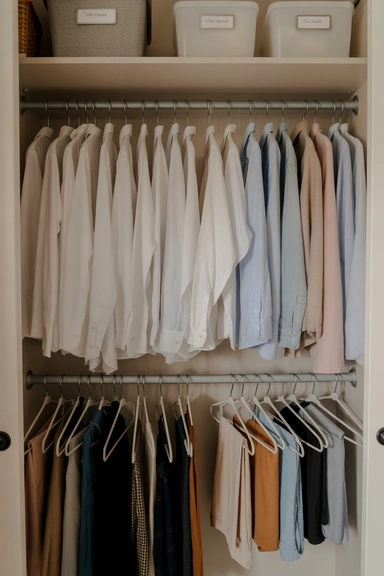
Splitting a single hanging rod into two levels is one of the fastest ways to gain usable storage in tight closets. Shirts, skirts, and folded pants rarely need full-length hanging space, yet many closets dedicate the entire height to one rod. Adding a second rod below instantly doubles capacity without increasing the footprint. This structure keeps everyday clothing visible while preventing overcrowding that leads to wrinkling and clutter.
Spacing matters when installing a double-hang layout. Leave enough room between rods for hangers to move freely, and use slim hangers to maintain breathing room. Above the top rod, reserve the shelf for off-season items or rarely worn pieces stored in bins. Very small closet ideas work best when daily-use clothing stays at eye level while secondary storage moves upward.
2. Slim Vertical Drawer Towers for Hidden Storage
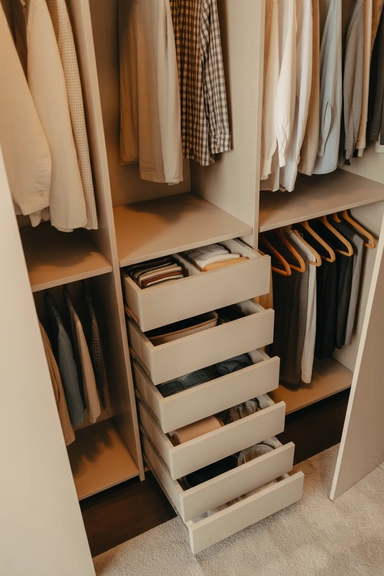
Closet corners often become dumping grounds for folded clothes and accessories because they’re hard to access. A slim vertical drawer tower fits neatly into those narrow gaps and creates structured storage without crowding the hanging area. Use drawers for undergarments, workout wear, or small accessories that tend to scatter across shelves. Keeping these items contained prevents visual chaos from creeping back into the closet.
Choose a narrow tower with multiple shallow drawers rather than deep bins. Shallow storage keeps items visible and easy to maintain. Labeling or grouping by category helps sustain the system long term. In very small closet ideas for bedrooms, visibility is what keeps a system working beyond the first week, and drawer towers quietly handle the overflow.
3. Over-the-Door Storage That Uses Forgotten Space
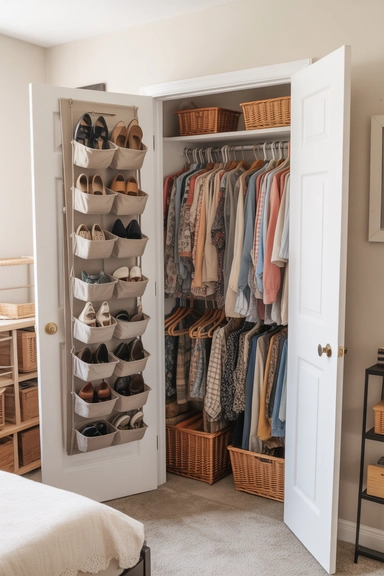
The inside of a closet door offers vertical storage that doesn’t interfere with shelves or rods. Adding an over-the-door organizer creates instant space for shoes, scarves, bags, or folded accessories. This keeps frequently used items accessible while preventing pileups on shelves. Fabric organizers are lightweight and flexible, while structured racks support heavier footwear.
Keeping the floor clear makes a tight closet easier to navigate. When shoes and accessories move to the door, the bottom shelf can hold baskets or folded clothing instead. Expanding storage outward like this is one of the most effective very small closet ideas because it increases capacity without adding bulk inside the closet.
4. Shelf Dividers That Keep Stacks From Collapsing
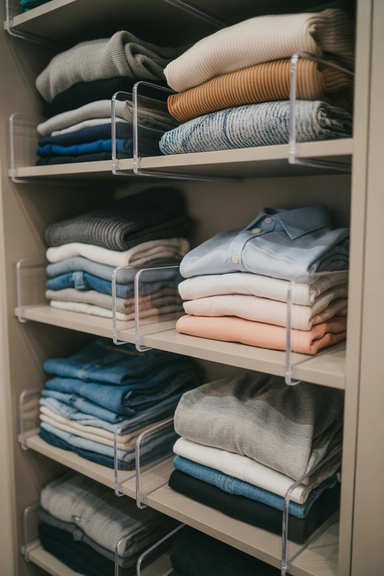
Without structure, folded clothing quickly turns into uneven piles that slide and mix together. Shelf dividers create boundaries that hold stacks upright and visually tidy. Sweaters, jeans, and tees stay in place, making it easier to grab one item without disturbing the rest. This small addition dramatically reduces the need for constant refolding.
Clear or neutral dividers maintain a light visual feel inside the closet. Pair them with uniform storage bins for accessories or seasonal pieces to create a cohesive look. Very small closet ideas should reduce maintenance, not add to it. When stacks stay upright and contained, the entire closet feels calmer and easier to manage daily.
5. Sliding Closet Doors That Free Up Floor Space
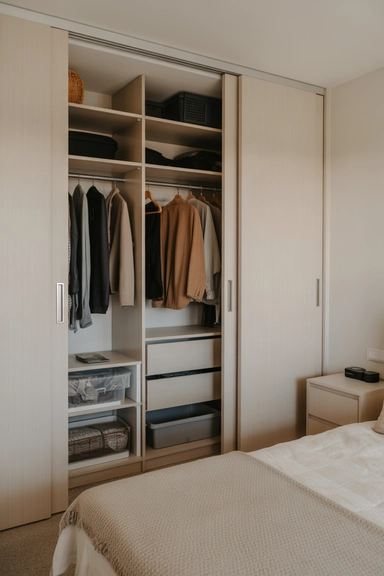
Traditional hinged closet doors require clearance that small bedrooms often can’t spare. Sliding doors remove that swing space, allowing furniture to sit closer to the closet without blocking access. This simple change opens up layout flexibility and makes the room feel less cramped. Mirrored panels can also reflect light and visually expand the space.
Inside the closet, sliding doors work best when paired with a clear layout — rods at reachable heights, shelves that don’t overcrowd, and bins that slide easily. Very small closet ideas aren’t just about adding storage; they’re about improving how the space moves and feels in everyday use.
6. Vertical Shoe Towers That Clear the Closet Floor
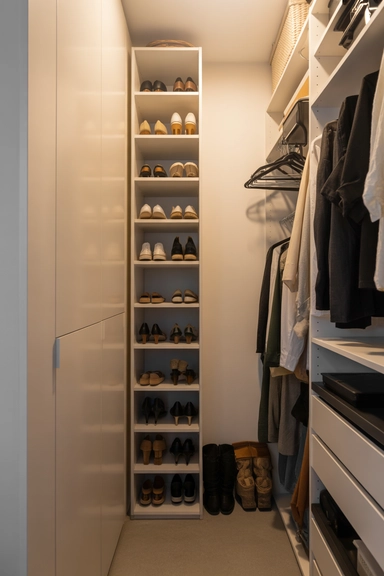
Shoes tend to gather along the closet floor where they quickly turn into cluttered piles. A slim vertical shoe tower reclaims that space by stacking footwear upward instead of outward. This keeps pairs visible and easy to access while freeing the floor for bins, baskets, or a small drawer unit. Narrow towers can slide beside hanging garments without interrupting movement inside the closet.
Keeping shoes upright also preserves their shape and makes it easier to rotate seasonal pairs. For smaller collections, a hanging organizer on a side wall works just as well. Very small closet ideas rely on vertical thinking, and moving shoes off the floor instantly makes the closet feel larger and more manageable.
7. Upper Shelf Bins for Off-Season Rotation
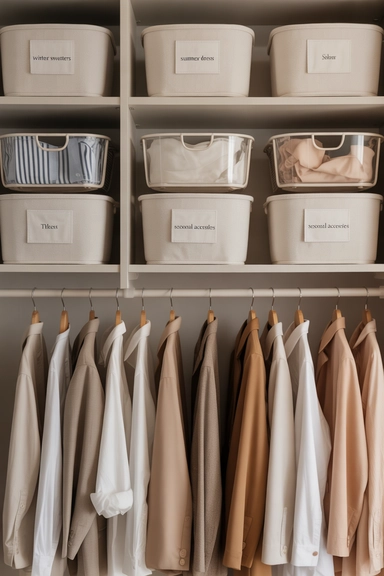
The top shelf in a small closet often becomes a chaotic storage zone where items get shoved and forgotten. Turning that space into a seasonal storage layer keeps daily-use clothing clear and visible. Use labeled bins or soft storage boxes to hold off-season sweaters, extra bedding, or special-occasion wear that doesn’t need daily access.
Keeping those items contained prevents them from spilling into the main closet zone. Choose bins that are lightweight and easy to pull down when seasons change. Rotating items twice a year keeps the closet aligned with what you actually wear. Very small closet ideas succeed when daily-use space remains uncluttered and easy to maintain.
8. Hooks Along Side Walls for Quick-Access Items
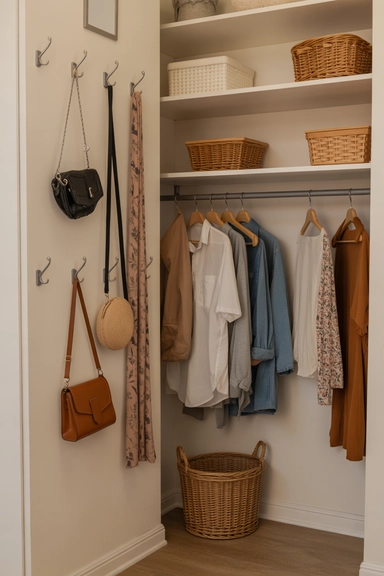
Side walls inside closets are often overlooked, yet they’re perfect for hooks that hold bags, belts, or frequently worn pieces. Installing a row of low-profile hooks adds accessible storage without interfering with hanging clothes. This keeps grab-and-go items from piling onto shelves or the closet floor.
Spacing hooks vertically allows multiple layers of storage without overcrowding. Lightweight handbags, hats, or scarves stay visible and organized. In tight closets, accessibility prevents clutter from building up again. Small additions like this make the closet feel intentional instead of overstuffed.
9. Storage Crates That Slide Under Hanging Clothes
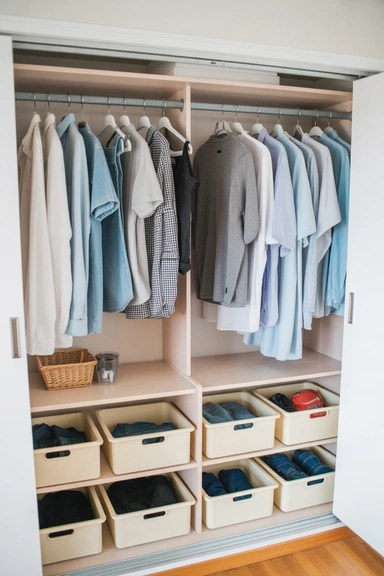
The space beneath hanging garments is often underused or filled with mismatched bins. Low-profile storage crates create structured storage that can slide in and out easily. Use them for folded jeans, workout gear, or accessories that don’t need to hang. Clear or labeled crates make contents visible without rummaging.
Keeping crates uniform helps maintain a clean visual line across the bottom of the closet. This makes the space feel calmer and more functional. Very small closet ideas work best when lower zones stay organized and easy to reset after busy mornings.
10. Color-Coordinated Layouts That Reduce Visual Clutter
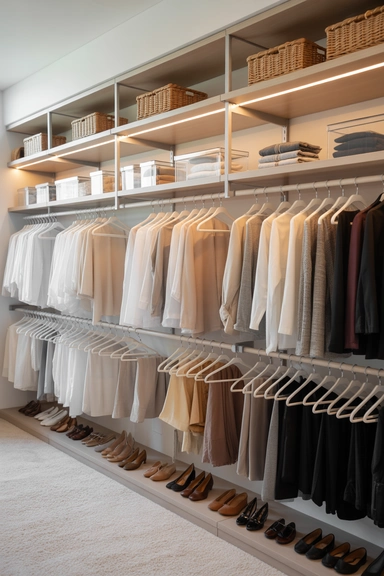
Color coordination isn’t just aesthetic — it improves how a small closet functions. Grouping clothing by color creates visual clarity that makes the closet feel less crowded. When everything blends smoothly, it becomes easier to find items quickly and maintain order. This approach also highlights duplicate pieces, making editing easier over time.
Start by grouping similar tones together, then refine by category. Light colors toward the front keep the closet feeling open, while darker items anchor the back. Very small closet ideas often focus on physical storage, but visual organization plays a major role in making a cramped closet feel spacious and calm.
11. Slim Velvet Hangers That Instantly Create Breathing Room
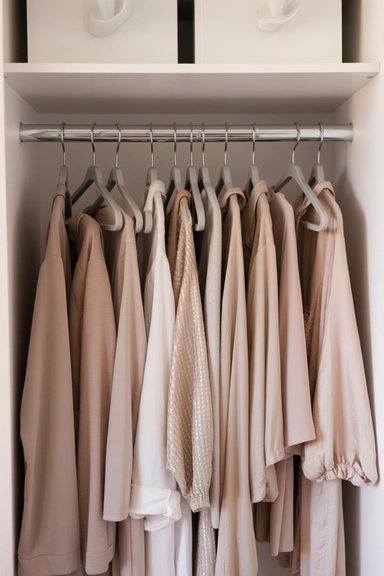
Bulky plastic or wooden hangers quietly consume valuable inches inside a tight closet. Switching to slim velvet hangers compresses the hanging zone without cramming garments together. Clothing sits closer but still hangs smoothly, creating a cleaner visual line that makes the closet feel wider. Matching hangers also remove visual noise, which helps a small space feel more intentional and less crowded.
Consistency is what makes this shift effective. When every hanger matches in thickness and height, clothing aligns evenly and becomes easier to scan. This simple swap is one of the most effective very small closet ideas because it increases capacity without installing anything new or changing the layout.
12. Pull-Out Baskets for Frequently Used Clothing
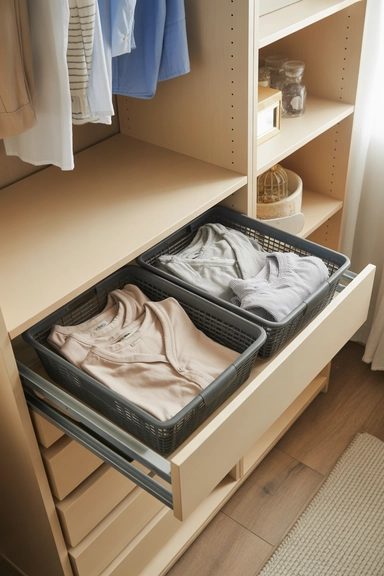
Pull-out baskets bring flexibility to shelves that would otherwise become cluttered stacks. Instead of folding and refolding clothing, items can be placed into labeled baskets that slide forward for easy access. This works especially well for workout clothes, sleepwear, or casual pieces that rotate frequently. Keeping them in baskets prevents piles from collapsing and spreading across the shelf.
Wire or breathable fabric baskets maintain airflow and visibility. Place them at mid-level where daily-use items are easiest to reach. In very small closet ideas, accessibility determines whether the system holds up over time. When clothing can be pulled out and returned quickly, the closet stays organized with less effort.
13. A Single Accent Shelf for Bags and Display Storage
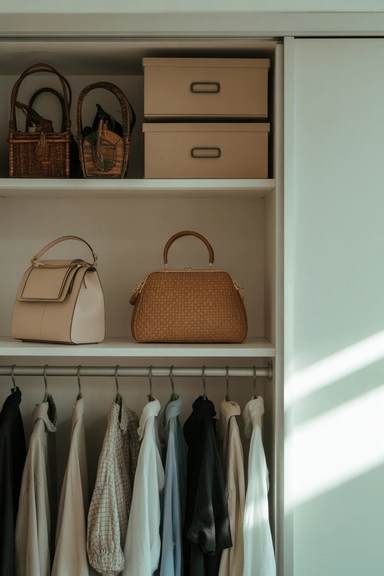
A small closet can still feel styled rather than purely functional. Reserving one shelf for neatly arranged bags, boxes, or decorative storage adds personality without overwhelming the space. Structured baskets or uniform containers keep items contained while adding visual rhythm. This prevents the closet from feeling like a crowded utility zone.
Keeping that shelf curated and minimal is key. Limit it to items used regularly or pieces worth displaying. Very small closet ideas benefit from a balance of function and visual calm. When storage looks intentional, it’s easier to maintain and less likely to become cluttered again.
14. Metal Shelving That Adds Adjustable Flexibility
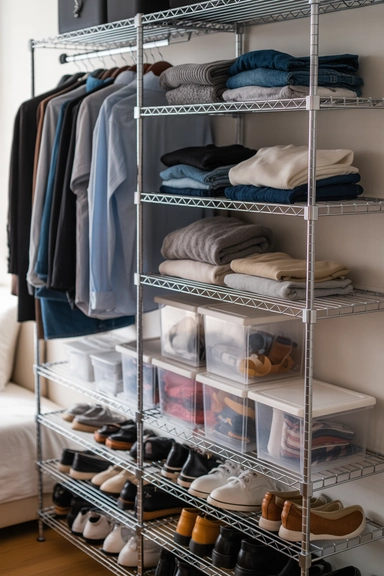
Wire or metal shelving systems offer flexibility that fixed shelves often lack. Adjustable heights allow the closet to evolve with your needs — taller spacing for bulkier items, tighter spacing for folded clothing or bins. This makes it easier to fine-tune the layout rather than forcing everything into one rigid structure.
Metal shelves also keep the closet feeling open because light passes through them. This prevents the space from feeling boxed in. In very small closet ideas, adaptable systems outperform fixed ones because they can be reconfigured as seasons and wardrobes change.
15. A Narrow Freestanding Wardrobe for Overflow
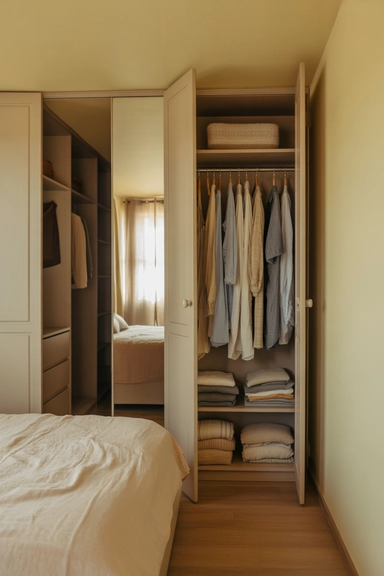
When the built-in closet simply can’t hold everything, a slim freestanding wardrobe can absorb overflow without dominating the room. Choose a narrow unit that blends with bedroom furniture and offers a mix of hanging space and shelves. This allows the main closet to hold daily essentials while the wardrobe stores occasional or seasonal pieces.
Placing it along an unused wall keeps the layout balanced. Light finishes or mirrored doors prevent it from feeling heavy. Very small closet ideas often extend beyond the closet itself, and adding a secondary storage piece can relieve pressure without creating clutter elsewhere.
16. Clear Storage Boxes That Keep Everything Visible
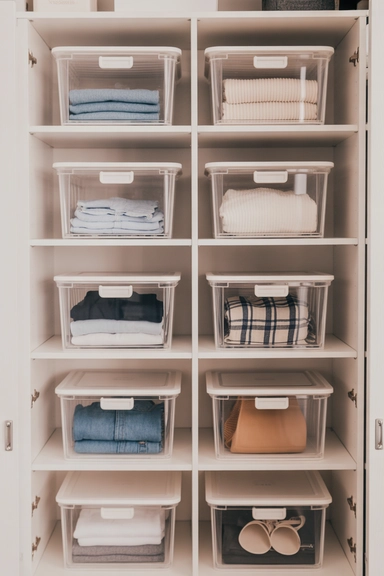
Opaque bins hide what you own, which often leads to overbuying or forgetting items entirely. Clear storage boxes solve that by making contents instantly visible without opening lids or digging through stacks. They work especially well for accessories, folded tees, or seasonal pieces stored on upper shelves. When you can see everything at a glance, the closet stays easier to maintain and edit.
Choose uniform boxes to create visual consistency across shelves. Label the front edge subtly so items return to the right place after use. Very small closet ideas should reduce friction in daily routines, and visibility plays a major role in keeping systems functional long term.
17. Rotating Seasonal Clothing to Protect Space
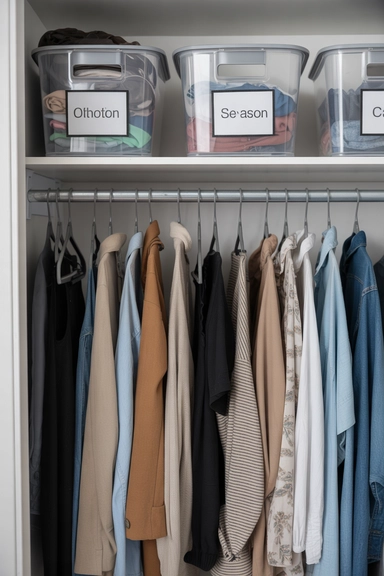
A tiny closet can’t hold every season at once without becoming overcrowded. Rotating clothing twice a year keeps only current pieces accessible while off-season items move to bins or under-bed storage. This keeps rods from feeling crammed and allows daily outfits to stay visible and easy to reach.
Vacuum bags or soft storage bins work well for bulky sweaters or coats during warmer months. When seasons shift, swap them back in and store lighter pieces away. Very small closet ideas often succeed because they limit what lives inside the closet at one time, making the space feel calmer and easier to manage.
18. Aesthetic Baskets That Hide Visual Clutter
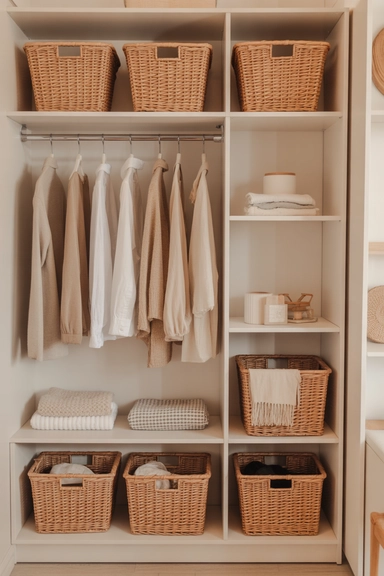
Open shelves quickly look messy when smaller items scatter across them. Neutral baskets create contained zones for scarves, accessories, or folded pieces that don’t stack neatly. Choosing textures like woven fabric or canvas keeps the closet visually warm while still organized. When everything has a container, shelves stay visually calm.
Keep baskets consistent in color or material to avoid visual chaos. Place frequently used ones at eye level and reserve higher shelves for occasional-use items. Very small closet ideas that blend aesthetics with function help the space feel intentional rather than overstuffed.
19. Hanging Shelf Organizers for Folded Items
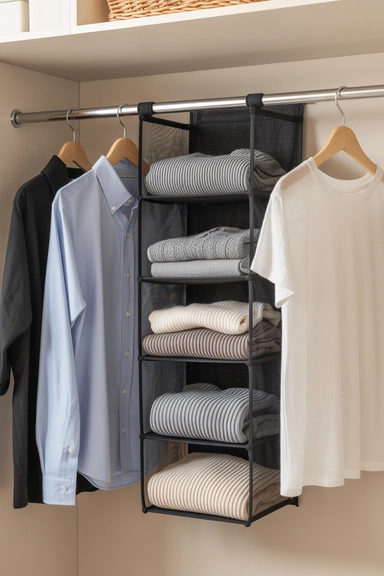
When drawers aren’t available, hanging shelf organizers create vertical compartments for folded clothing. These soft shelves hang directly from the rod and divide items into neat sections. Sweaters, jeans, or tees stay visible and accessible without stacking into unstable piles. This is especially helpful in closets that only have one rod and limited shelving.
Choose sturdy fabric organizers that hold shape when filled. Pair them with slim hangers nearby for items that transition between folded and hung storage. Very small closet ideas often depend on flexible solutions like this that can be removed or adjusted as needs change.
20. A Small Lighting Upgrade That Changes Everything
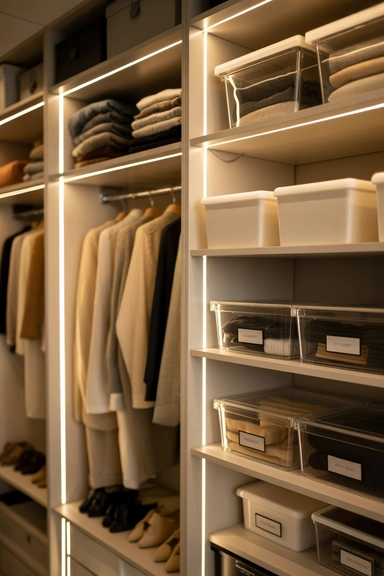
Lighting affects how a closet feels and functions. Dim spaces make it harder to find items and often lead to clutter because things get shoved around. Adding a small LED strip or motion light brightens shelves and rods instantly. When everything is visible, maintaining order becomes easier and faster.
Battery-powered lights work well for rentals or closets without wiring. Place them along upper shelves or inside the door frame for even illumination. Very small closet ideas benefit from good lighting because clarity encourages better habits and keeps the space from feeling cramped.
21. A Minimalist Layout That Leaves Room to Breathe
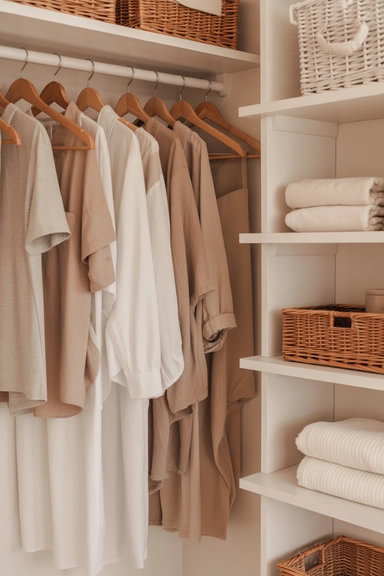
Overfilling a small closet makes it harder to maintain and more stressful to use. Leaving a bit of breathing room between items improves accessibility and visual calm. Instead of trying to store everything, keep only what fits comfortably and rotate or store extras elsewhere. This keeps the closet aligned with daily needs.
A minimalist layout doesn’t mean owning less overall — it means storing smarter. When rods aren’t packed tight and shelves aren’t overflowing, the closet feels more spacious. Very small closet ideas often work best when they prioritize ease of use over maximum capacity.
22. Consistent Systems That Keep the Closet Organized Long-Term
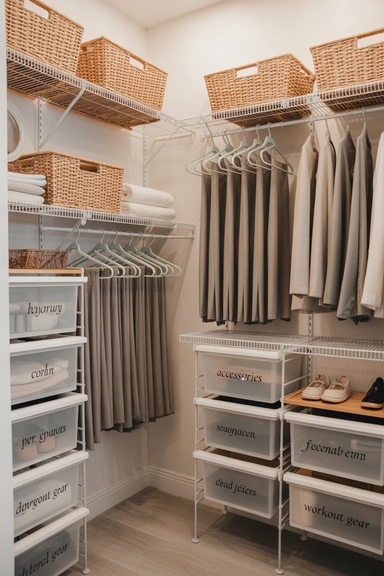
The most effective closet transformations aren’t about a single product or trick. They come from consistent systems that keep items returning to the same place. Matching bins, labeled sections, and clearly defined zones make it easier to maintain order even during busy weeks. When the system is simple, it lasts.
Revisit the closet periodically to remove items no longer worn or needed. This prevents slow buildup that can undo progress. Very small closet ideas create space initially, but consistency is what keeps that space functional and calm over time.
Conclusion
A tiny closet doesn’t have to feel limiting when every inch works with intention. Vertical layers, clear storage, and flexible systems can turn even the smallest space into something functional and calm. Focus on visibility, accessibility, and consistency rather than cramming in more items. When the layout supports daily routines, the closet stays organized with less effort and the entire bedroom feels more spacious and easier to maintain.